Some projects don’t arrive with the intention of becoming products, and Loook.ai is a good example of that slower, more organic kind of growth. Inside Ffface.me, AR mirrors initially existed as part of the studio’s broader experimental work, tested and refined through different real-world scenarios. Over time, those experiments stopped behaving like isolated ideas and started forming a pattern that kept repeating itself.
For readers who have followed Ffface.me through METAL, this progression feels natural. We first spoke with the studio in 2021, when their practice already moved freely between digital art, fashion, and emerging technologies. In later coverage, we looked at projects that showed how those same tools were being used to create phygital environments people could physically step into. Loook.ai connects directly to that moment, translating a creative mindset into something designed to exist beyond temporary activations.
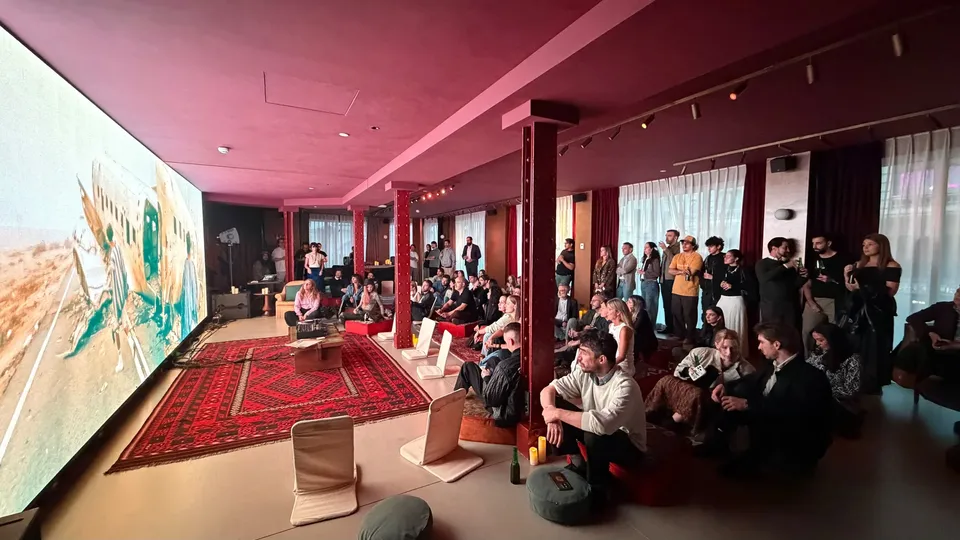
What ultimately pushed the project forward was a growing need for continuity and scale. Early deployments proved that interactive mirrors could do more than attract attention; they could shape movement and behaviour in physical spaces. That shift encouraged the team to rethink how these experiences could be deployed consistently, maintained over time, and trusted as part of everyday environments.
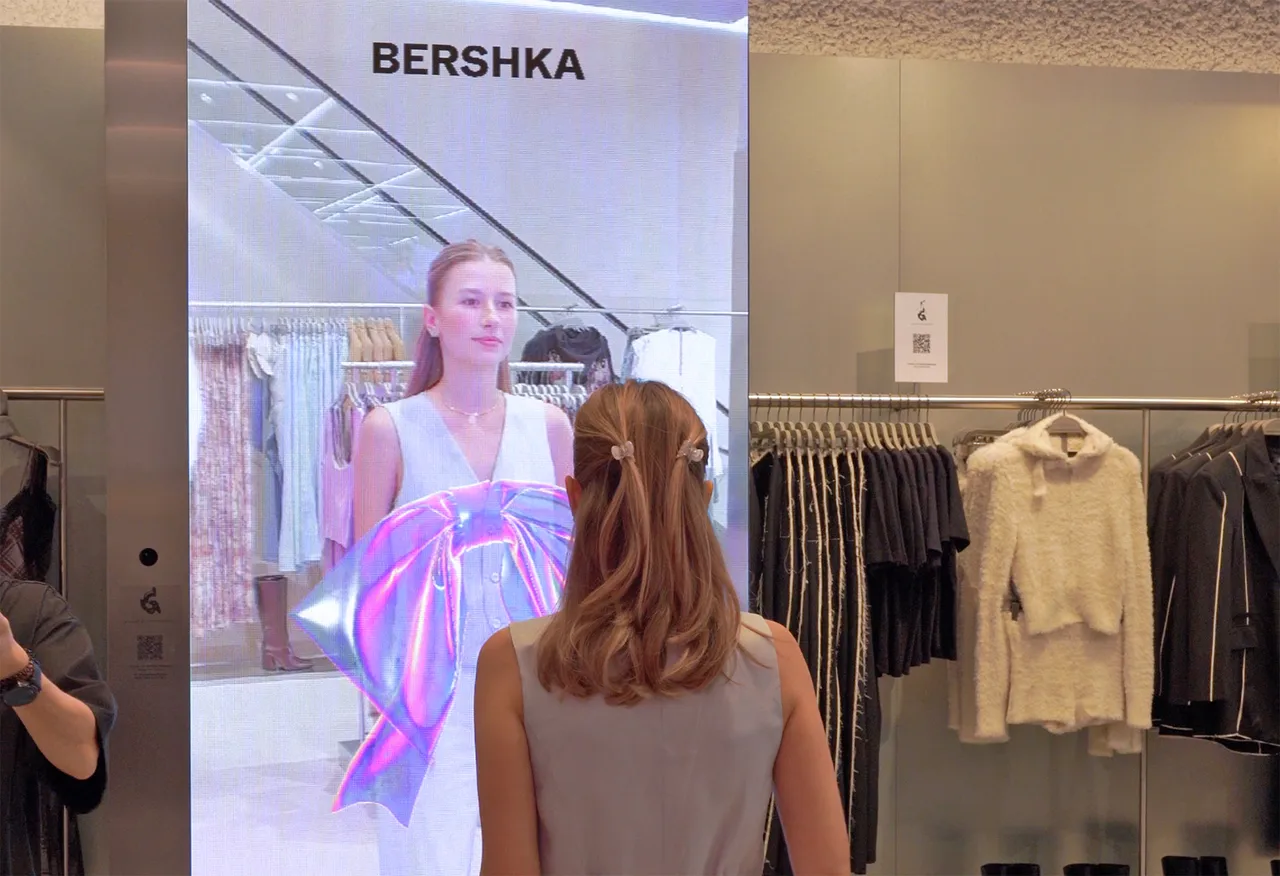
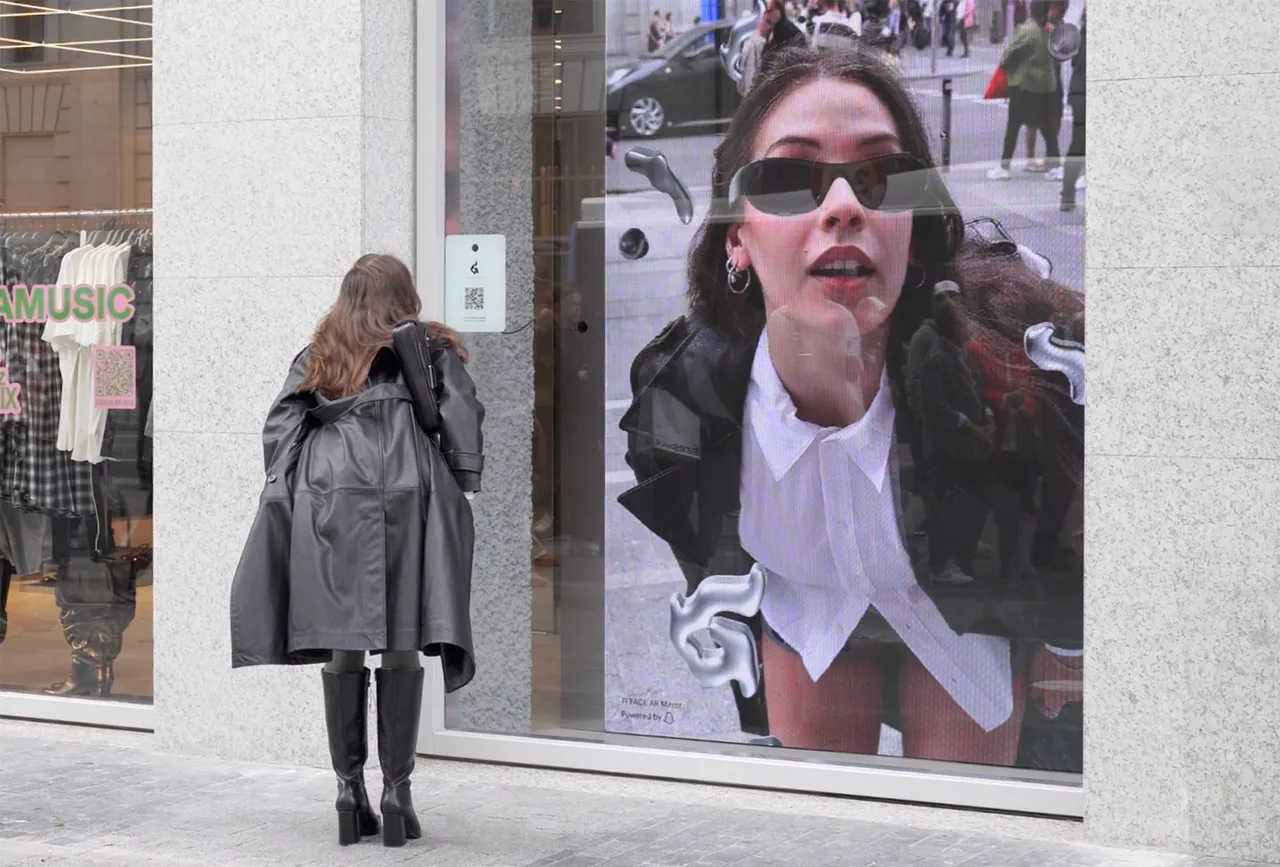
At the centre of the platform sits Loook.ai, quietly orchestrating these interactions. Working from a live camera feed, it blends AR and AI to create experiences that adapt in real time on connected screens. The format remains open and flexible: from beauty and fashion try-ons to product exploration, brand-led moments or playful interactions that invite people to stop, look and engage.
What stands out is the tone of these mirrors in use. They don’t rely on spectacle, nor do they feel overly technical. Instead, they come across as intuitive and approachable, turning screens into responsive surfaces that invite curiosity without demanding effort.
As Loook.ai looks toward wider deployment, including public and outdoor screens, the ambition becomes clearer. Screens are no longer just static carriers of messages but potential points of interaction embedded in daily routines. Loook.ai hints at a future where outdoor communication feels less like noise and more like a shared moment between the space, the screen, and the audience. What began as a studio experiment has now taken the shape of a platform with real-world presence.