After the incredible success of the 2018 edition, the European festival dedicated to emerging photography Circulation(s) is back for three months as the central exhibition of the Centquatre-Paris, a public cultural centre at 5 Rue Curial. With an experience of six years, the festival offers a crossed perspective of Europe through photography. It also aims to help talented emerging European photographers gain visibility and bring their contemporary and artistic creations to the front stage. On view from April 20 to June 30
To allow the contemporary and artistic creations of emerging photographers to be discovered as its main goal, the Circulation(s) program is articulated around a selection of about thirty artists who previously applied to an international admission call. For the first time, this year’s artistic direction has been carried out by The Red Eye duo – Audrey Hoareau and François Cheval.
The Red Eye entity and the Circulation(s) festival team share the will to protect, in hard times, photographers who have a critical and innovative look at the world. “Circulation(s) is what any cultural organisation should be: a democratic entity. Such an event is not summed up by a mere presentation of ‘artworks’. The primary purpose of the festival is to offer meaning, that is to say, an analysis and a dissection of reality”, states The Red Eye.
Another interesting aspect of this edition is that the festival is part of the cultural season of Institut Français’s European exchange policy. It therefore exposes three emerging Romanian artists: Cirlig Ioana, Simion Felicia and Mihai et Horatiu Șovăială. The festival will then travel to Bucharest at the Rezidenta Scena9 from June 19 to July 14. Presenting Post-Industrial Stories, Cirlig Ioana, examines the daily life in Romanian mono-industrial communities, places which thrived under communism and have been dramatically impacted by the transition to capitalism.
The Red Eye entity and the Circulation(s) festival team share the will to protect, in hard times, photographers who have a critical and innovative look at the world. “Circulation(s) is what any cultural organisation should be: a democratic entity. Such an event is not summed up by a mere presentation of ‘artworks’. The primary purpose of the festival is to offer meaning, that is to say, an analysis and a dissection of reality”, states The Red Eye.
Another interesting aspect of this edition is that the festival is part of the cultural season of Institut Français’s European exchange policy. It therefore exposes three emerging Romanian artists: Cirlig Ioana, Simion Felicia and Mihai et Horatiu Șovăială. The festival will then travel to Bucharest at the Rezidenta Scena9 from June 19 to July 14. Presenting Post-Industrial Stories, Cirlig Ioana, examines the daily life in Romanian mono-industrial communities, places which thrived under communism and have been dramatically impacted by the transition to capitalism.
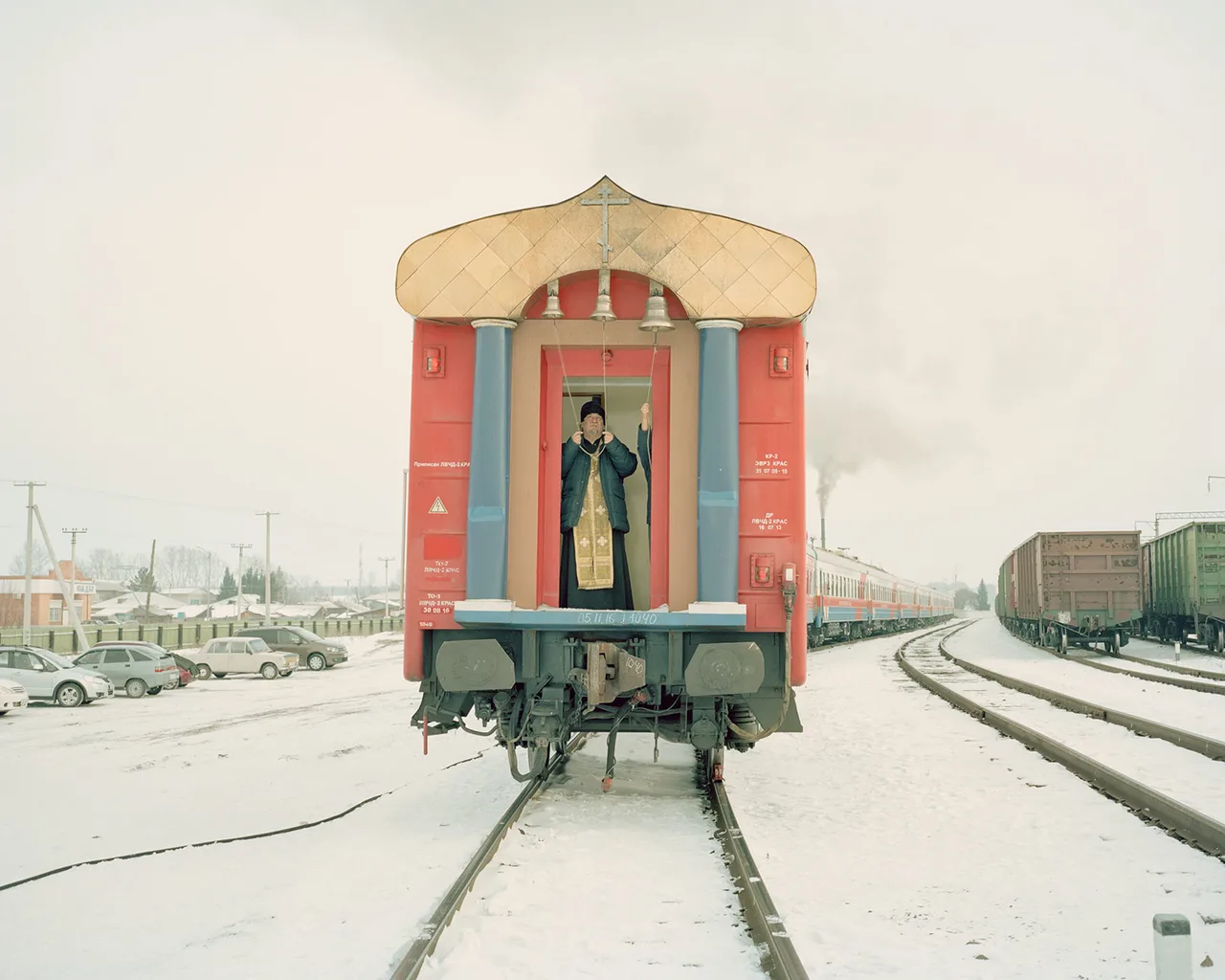
Diagnosis © Emile Ducke
To create visual archives of folklore customs and events from contemporary rural Romania, in a context of depopulation and migration, is what Felicia Simion’s Ethnographies aims for. On the other hand, entitled Reacknowledged Structures: Models, Șovăială’s series analyses education slides produced in the cinema studio Animafilm in Bucharest in the 1970s. The photographs used for these slides show people who are still alive, and the absence of any production archive leads us to question the identity of these individuals. Consequently, the series immortalizes the image of three people in these photos in today’s context.
Another new aspect for the 2019 edition is that the exhibition is showcasing five different thematic sections. This new approach highlights the diversity of the European photography scene while maintaining the uniqueness of each artist.
Archives: The Posthumous Destiny of Images is shaped around the work of nine photographers. To name a few, Hélène Bellenger, with her Right Colour series, brought to the surface the makeup invisible to the screens between the 1920s to the 1950s, when the image technology involved a monochrome colourimetric spectre. The portraits that we observe seem so clownish and disturbing that we call into question the construction of the imagery of beauty.
Another new aspect for the 2019 edition is that the exhibition is showcasing five different thematic sections. This new approach highlights the diversity of the European photography scene while maintaining the uniqueness of each artist.
Archives: The Posthumous Destiny of Images is shaped around the work of nine photographers. To name a few, Hélène Bellenger, with her Right Colour series, brought to the surface the makeup invisible to the screens between the 1920s to the 1950s, when the image technology involved a monochrome colourimetric spectre. The portraits that we observe seem so clownish and disturbing that we call into question the construction of the imagery of beauty.
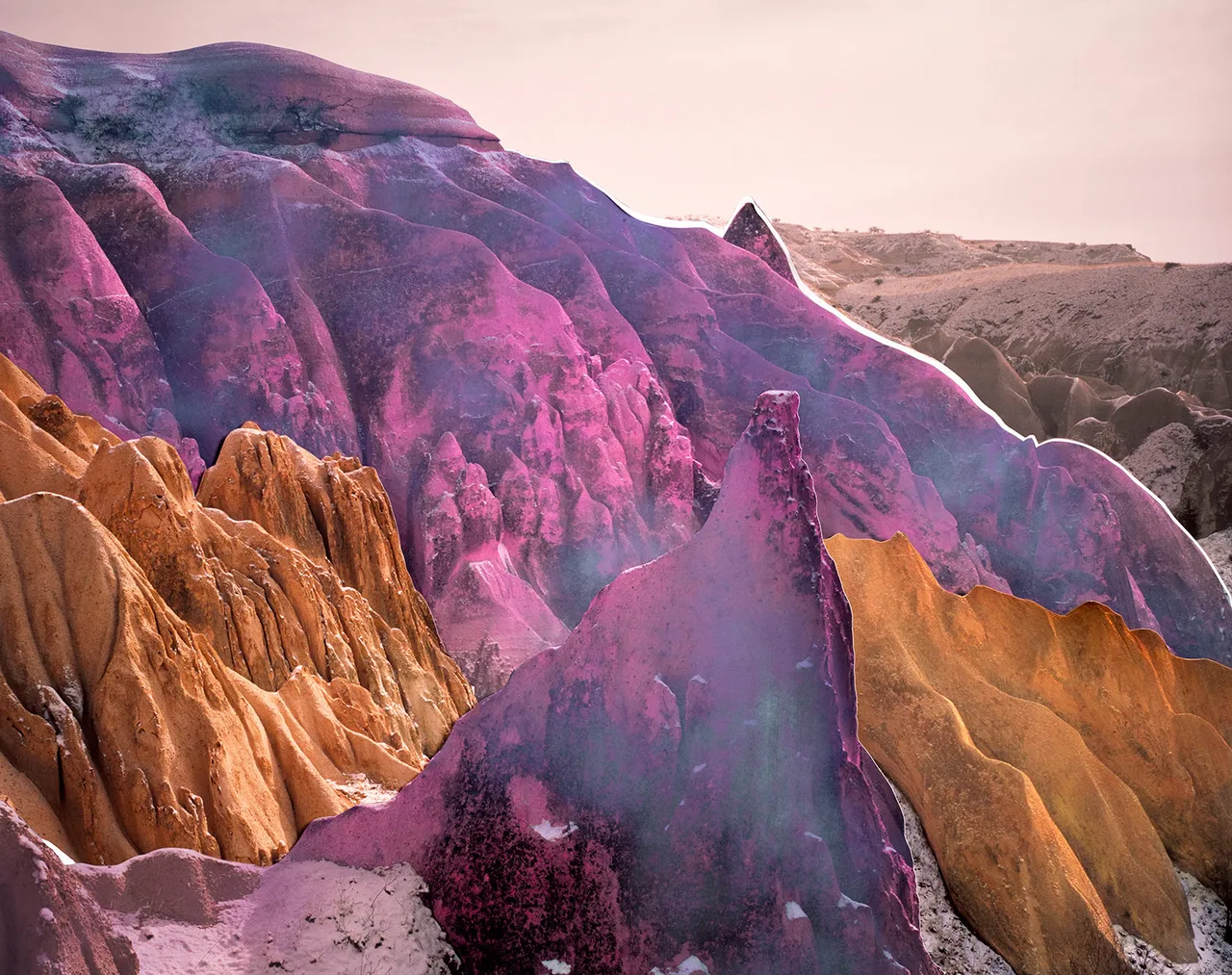
Unseen sights © Douglas Mandry
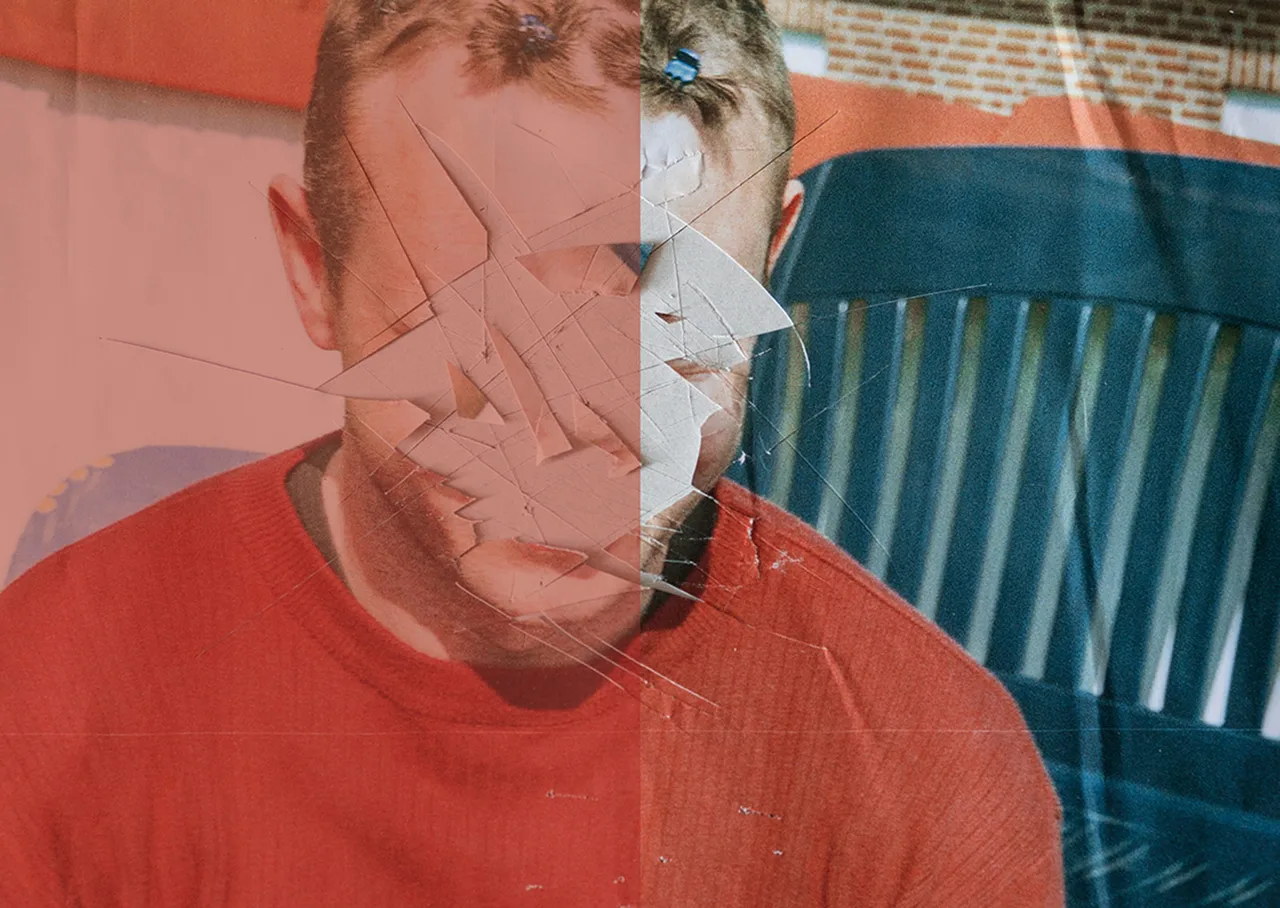
Similar but different is Méduse by Mathieu Farcy. With portraits of broken faces as a starting point, Mathieu ‘fixes’ the disfigured faces of World War I survivors left with serious physical after-effects. A documentary research on the human face and identity while protecting the affected individuals. In Snapkins, Ukraine-born Maksim Finogeev shows those young men determined to enter the modelling world but could not even pass a public casting, and therefore have become strangers to this value system based on looks. Prune Phi, separated from her family by war, presents Long Distance Call, an installation that testifies to the challenges of exile and the inherited trauma from one generation to the next, from her own experience at the crossroads of two cultures.
From the Bodies and Suffering: Is It Possible to Erect A Monument, However Modest, to One's Own Pain? theme it is worth highlighting Form & Function by Chloe Rosser, an investigation on our relationship with the human body. “The work studies the intimate interactions between the figures as they support and rely on each other. They are placed in empty rooms where subtle familiar markers suggest to us that they are homes. They are distinctly lived in but intentionally stripped bare.”
Sina Niemeyer’s and Camille Gharbi’s series, Für Mich and Preuves d’Amour respectively, deal with the theme of sexual abuse and domestic violence and how it inflicts on a woman. “The recurrence of these crimes is too high to be fortuitous and indeed reveals the gendered violence that should be addressed now.”
From the Bodies and Suffering: Is It Possible to Erect A Monument, However Modest, to One's Own Pain? theme it is worth highlighting Form & Function by Chloe Rosser, an investigation on our relationship with the human body. “The work studies the intimate interactions between the figures as they support and rely on each other. They are placed in empty rooms where subtle familiar markers suggest to us that they are homes. They are distinctly lived in but intentionally stripped bare.”
Sina Niemeyer’s and Camille Gharbi’s series, Für Mich and Preuves d’Amour respectively, deal with the theme of sexual abuse and domestic violence and how it inflicts on a woman. “The recurrence of these crimes is too high to be fortuitous and indeed reveals the gendered violence that should be addressed now.”
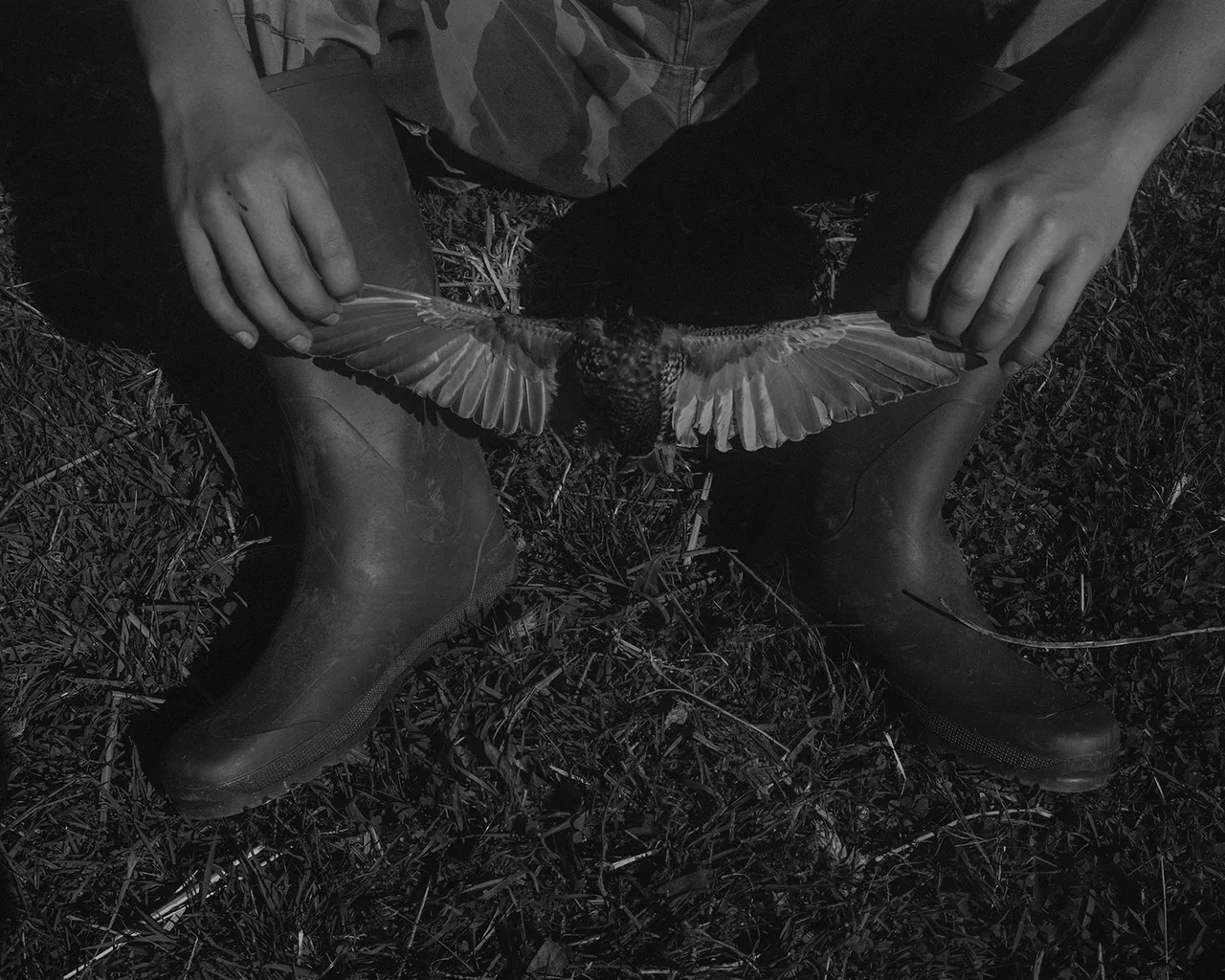
Le soleil des loups © Marine Lanier
Continually adapting to new places, dragging her roots along from one city to another, is what Anna Cherednikova projects through photography in her series Unwanted from the Landscapes and Nature: The Photography Landscape: from Observation to Neo-Romanticism section. Le soleil des Loups is the story Marine Lanier presents within this theme. A three-year long project following the course of two children as they become teenagers. It shows the metamorphosis of the land echoing the emancipation of the individuals through symbols such as the fire and the sun as common dominators of humanity.
Territories. Territories: Signs and Identities introduces us to work of Caterina Lorenzetti. Designed as an immersive experience, Untitled (The Asylum Seeker) aims to deconstruct the systematic labelling that Western societies apply to migrants, unveiling a new interest for “these human beings, who currently live like ghosts among us.” Fascinated by the gap between reality and representation, Douglas Mandry in his series Unseen sights constructs his photos by colouring his snapshots rather than using them as a mere means of representation of reality.
Spanish photographer Rubén Martín de Lucas presents Minimal Republics, a series of actions on the landscape that result in ‘ephemeral microstates’ inhabitant of which is the artist himself. An invitation to consider the artificial and absurd nature of any border. Another example is The Splitting of the Chrysalis & the Slow Unfolding of the Wings by Yorgos Yatromanolakis, which captures the inner process of metamorphosis. Following an unexpected return to his native land, Greece, he found himself isolated in a dystopian reality. Suddenly faced with the trauma of his past, he created a new and mysterious world.
Territories. Territories: Signs and Identities introduces us to work of Caterina Lorenzetti. Designed as an immersive experience, Untitled (The Asylum Seeker) aims to deconstruct the systematic labelling that Western societies apply to migrants, unveiling a new interest for “these human beings, who currently live like ghosts among us.” Fascinated by the gap between reality and representation, Douglas Mandry in his series Unseen sights constructs his photos by colouring his snapshots rather than using them as a mere means of representation of reality.
Spanish photographer Rubén Martín de Lucas presents Minimal Republics, a series of actions on the landscape that result in ‘ephemeral microstates’ inhabitant of which is the artist himself. An invitation to consider the artificial and absurd nature of any border. Another example is The Splitting of the Chrysalis & the Slow Unfolding of the Wings by Yorgos Yatromanolakis, which captures the inner process of metamorphosis. Following an unexpected return to his native land, Greece, he found himself isolated in a dystopian reality. Suddenly faced with the trauma of his past, he created a new and mysterious world.
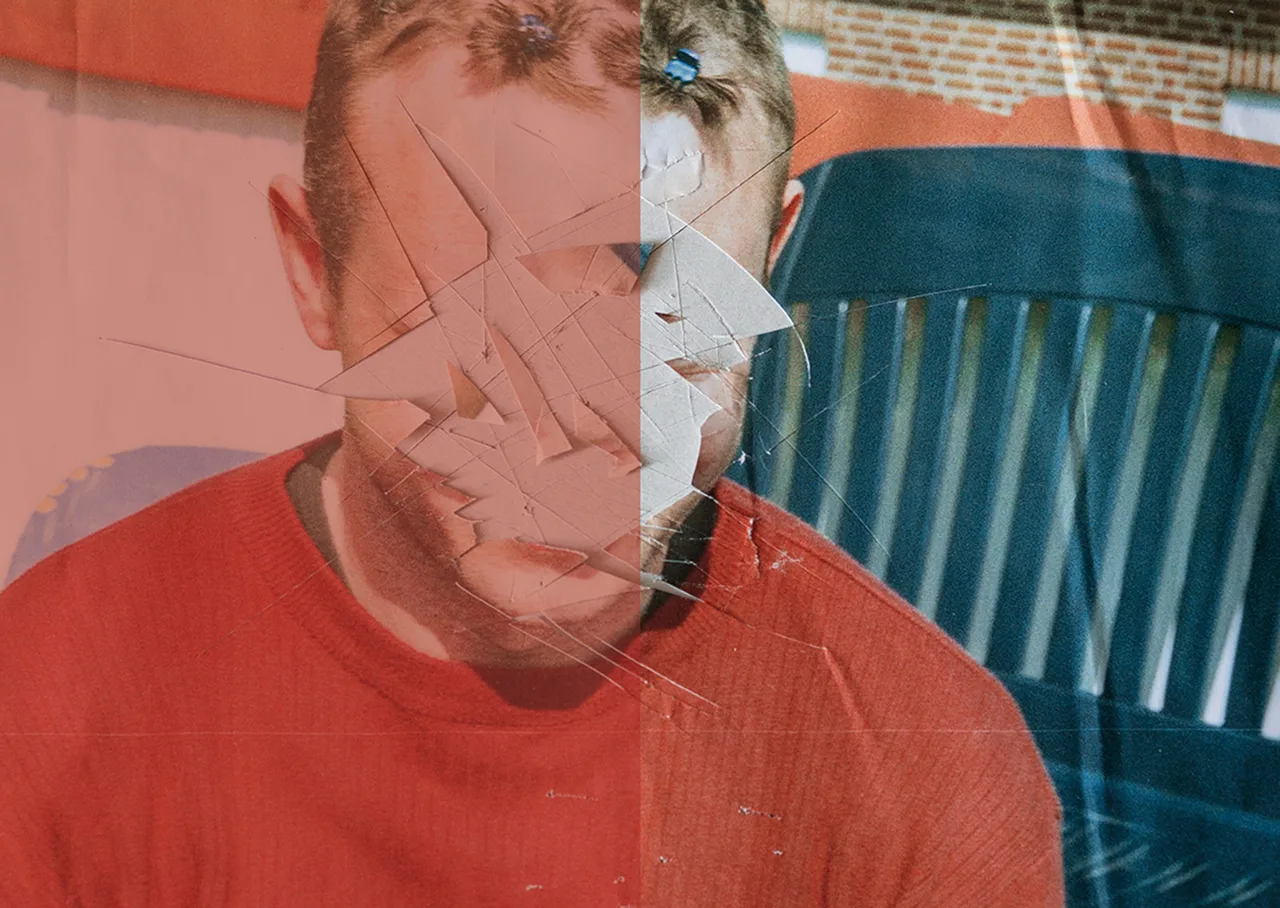
Für mich. Tu m’as appris à être un papillon dans le seul but de me briser les ailes.© Sina Niemeyer
Documentary Photography: The Hours of a Broken World, the latter section of the Circulation(s) festival, includes Diagnosis by Emile Dücke. An interesting project on the Saint Lukas, one of the five medical trains financed by the government to reach the remote towns of Russia, where many residents can’t count on regular access to specialist care. “On board, seventeen doctors and their assistants make diagnoses and give prescriptions.” Margaret Mitchell presents Family / In This Place, two related series that evoke the personal and social geography of protagonists questioning the choices that we make in the course of our lives.
On the other hand, Jordi Ruiz Cirera presents Los Menonos, a project that documents the life and inner struggles of the Mennonite community in Eastern Bolivia. Mennonites are Christian Anabaptists who arrived during the 1950s from Canada, Mexico and Belize. Mennonites live in the same way their ancestors did, without cars, telephones or electricity. They farm the land, which is not only what puts food on the table but also brings meaning to life. The Mennonite story is one of perpetual migration and deep isolation from contemporary society.
It is worth mentioning that apart from the exhibition, the Circulation(s) festival includes satellite events like screenings, photo studios, conferences, workshops and even portfolio reviews for young photographers organised by Fetart. Circulation(s) is opening to the public on Saturday, April 20 from 2 pm.
On the other hand, Jordi Ruiz Cirera presents Los Menonos, a project that documents the life and inner struggles of the Mennonite community in Eastern Bolivia. Mennonites are Christian Anabaptists who arrived during the 1950s from Canada, Mexico and Belize. Mennonites live in the same way their ancestors did, without cars, telephones or electricity. They farm the land, which is not only what puts food on the table but also brings meaning to life. The Mennonite story is one of perpetual migration and deep isolation from contemporary society.
It is worth mentioning that apart from the exhibition, the Circulation(s) festival includes satellite events like screenings, photo studios, conferences, workshops and even portfolio reviews for young photographers organised by Fetart. Circulation(s) is opening to the public on Saturday, April 20 from 2 pm.
The festival Circulation(s) will take place from April 20 to June 30 at Centquatre-Paris, 5 Rue Curial, Paris.
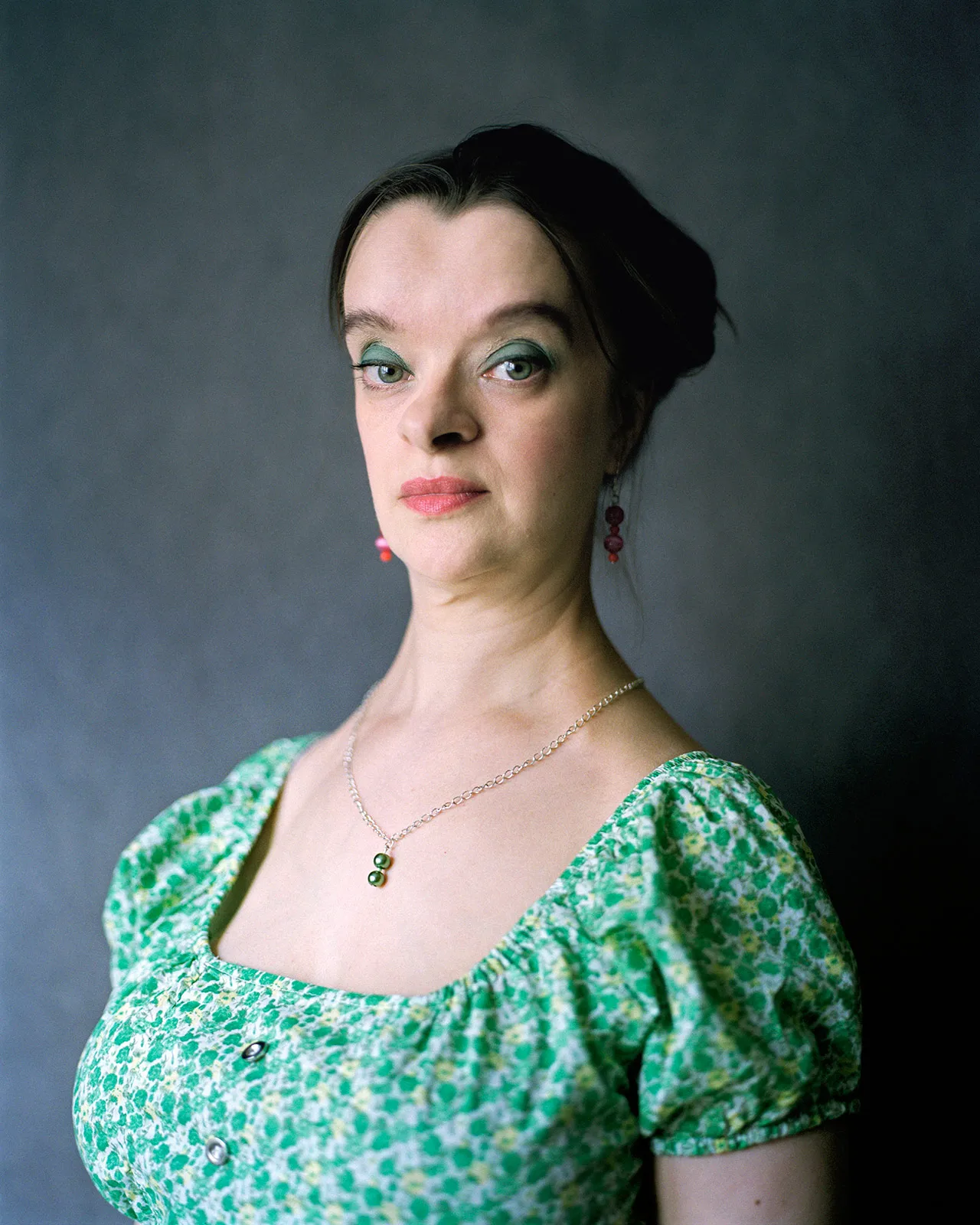
Estonian document © Birgit Püve
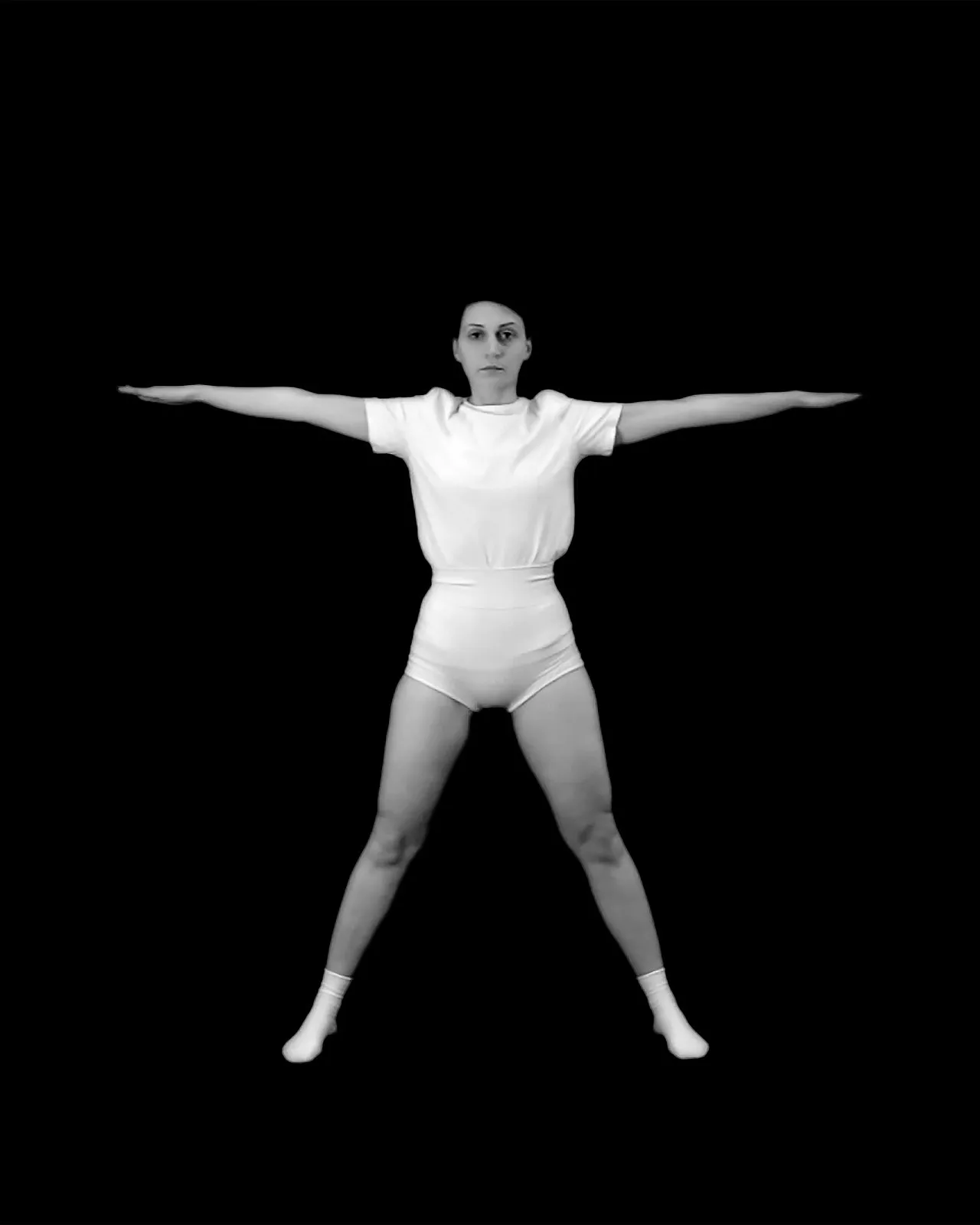
Esercizi obbligatori (Compulsory Exercises) © Marilisa Cosello
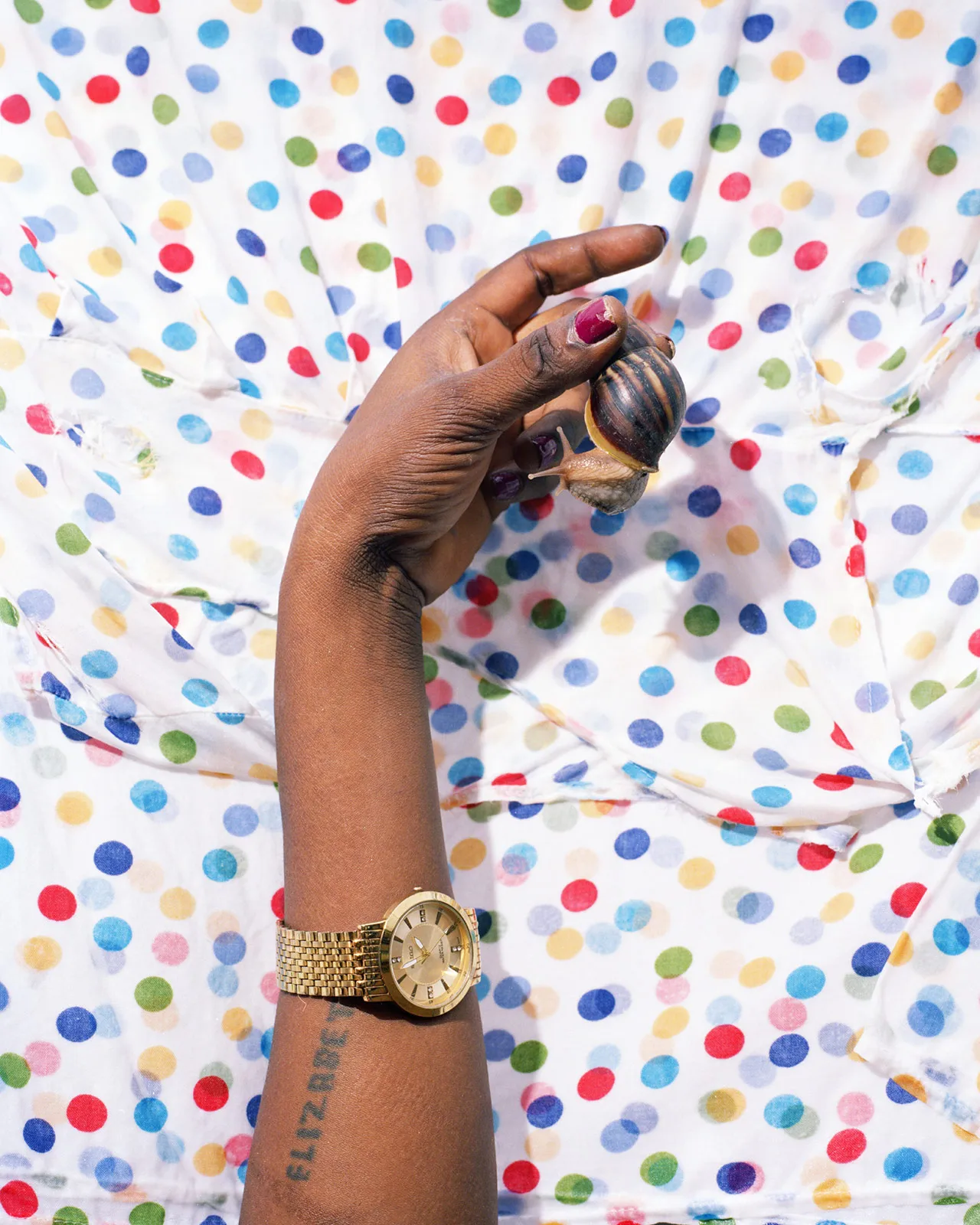
Butterflies are a sign of a good thing © Ulla Deventer
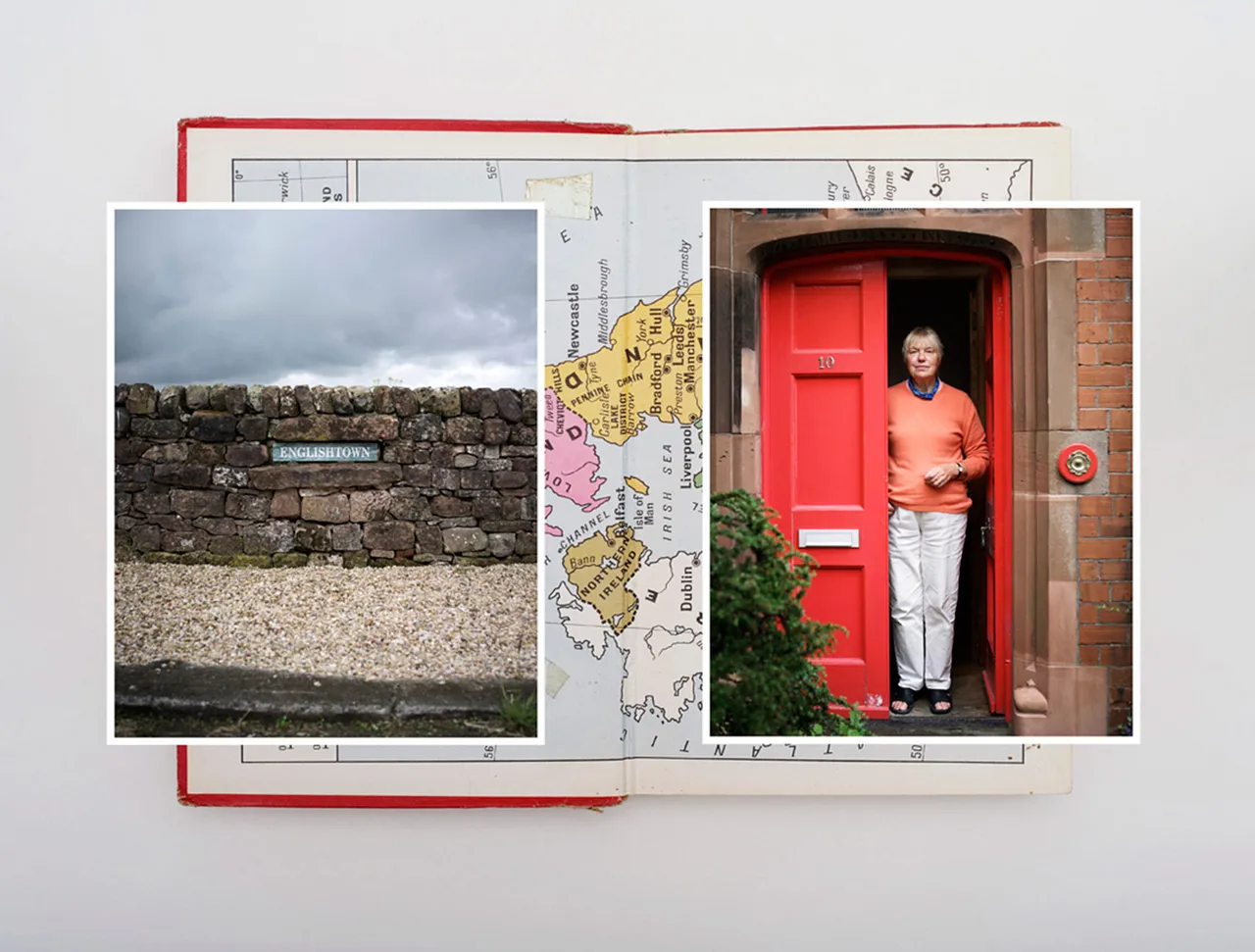
Home sweet home © Ed Alcock
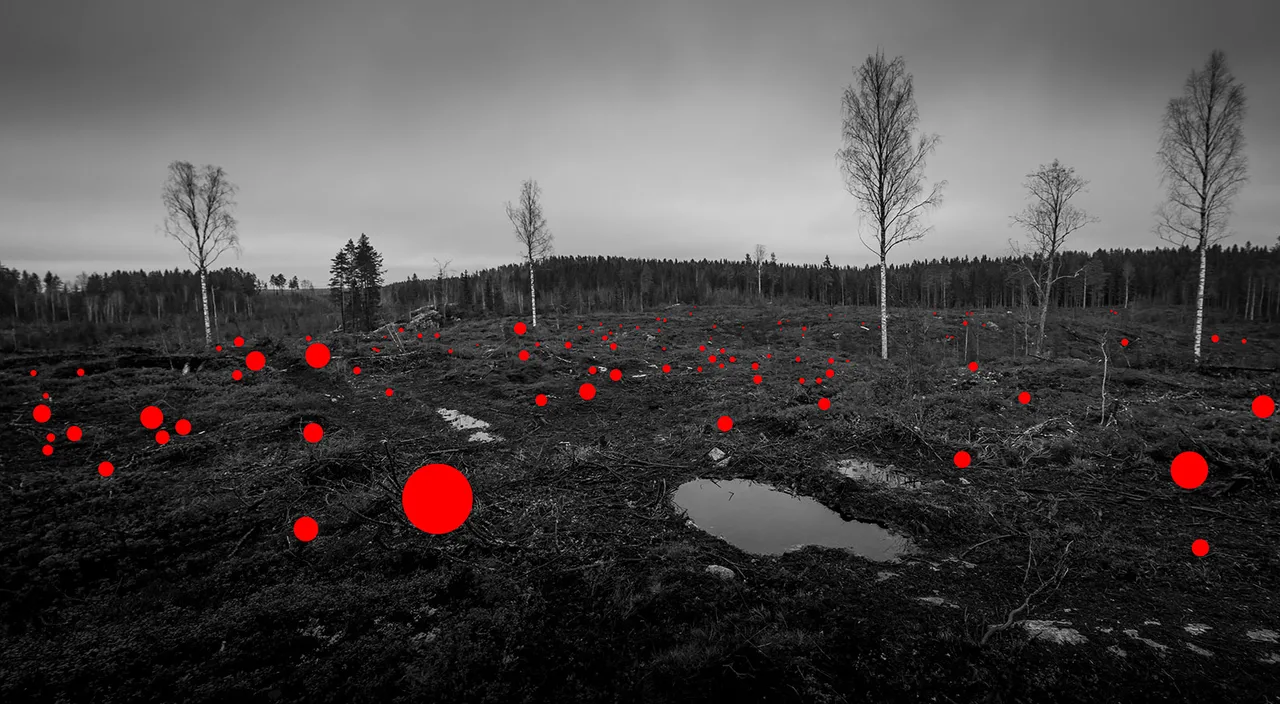
100 Hectares of Understanding © Jaako Kahilaniemi
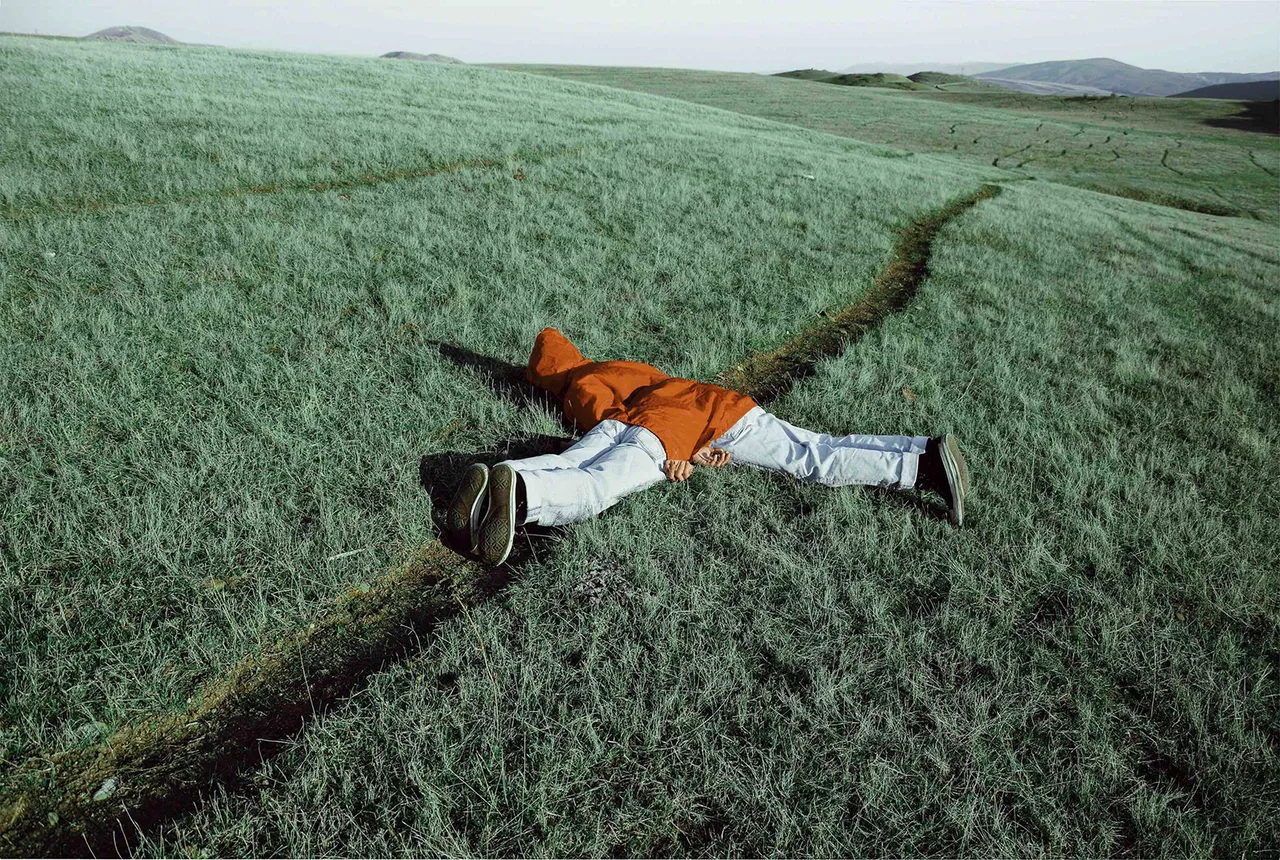
The Unlightnment © Luka Khabelashvili
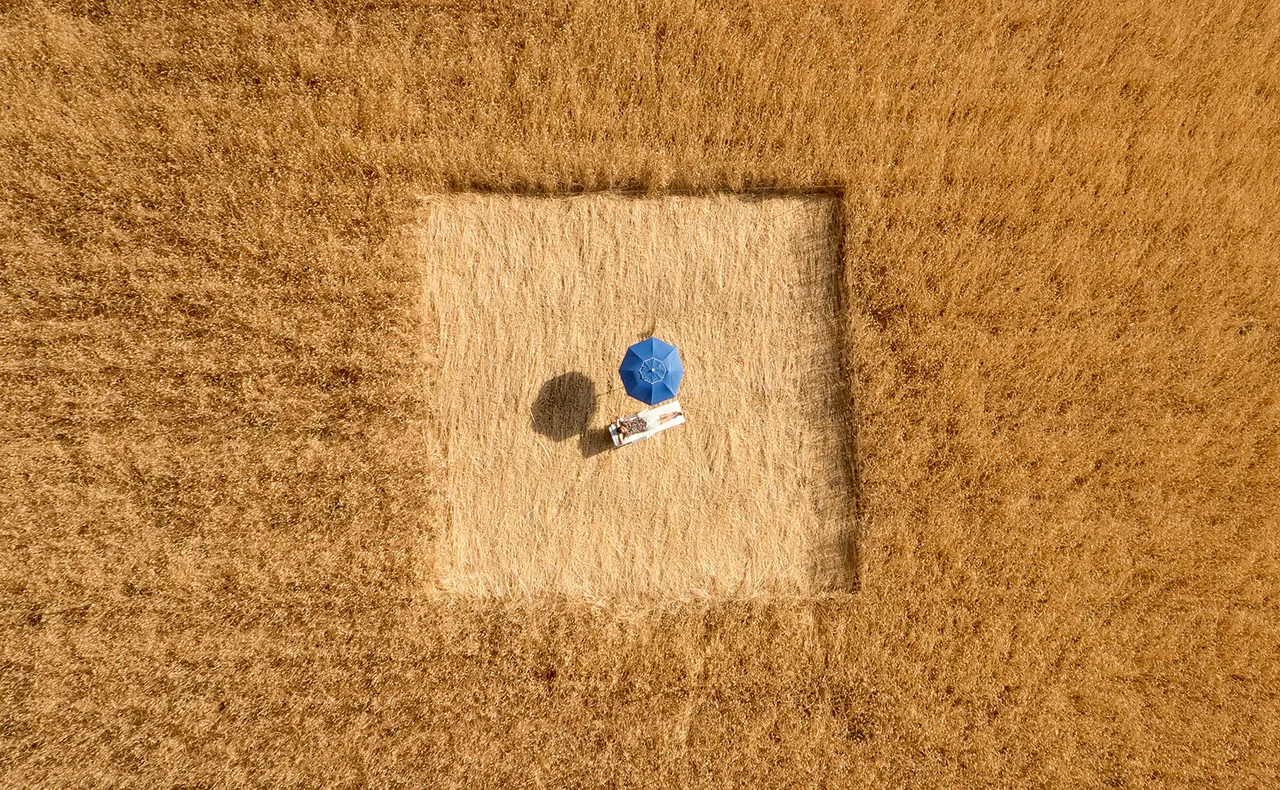
Minimal republics © Rubén Martín de Lucas
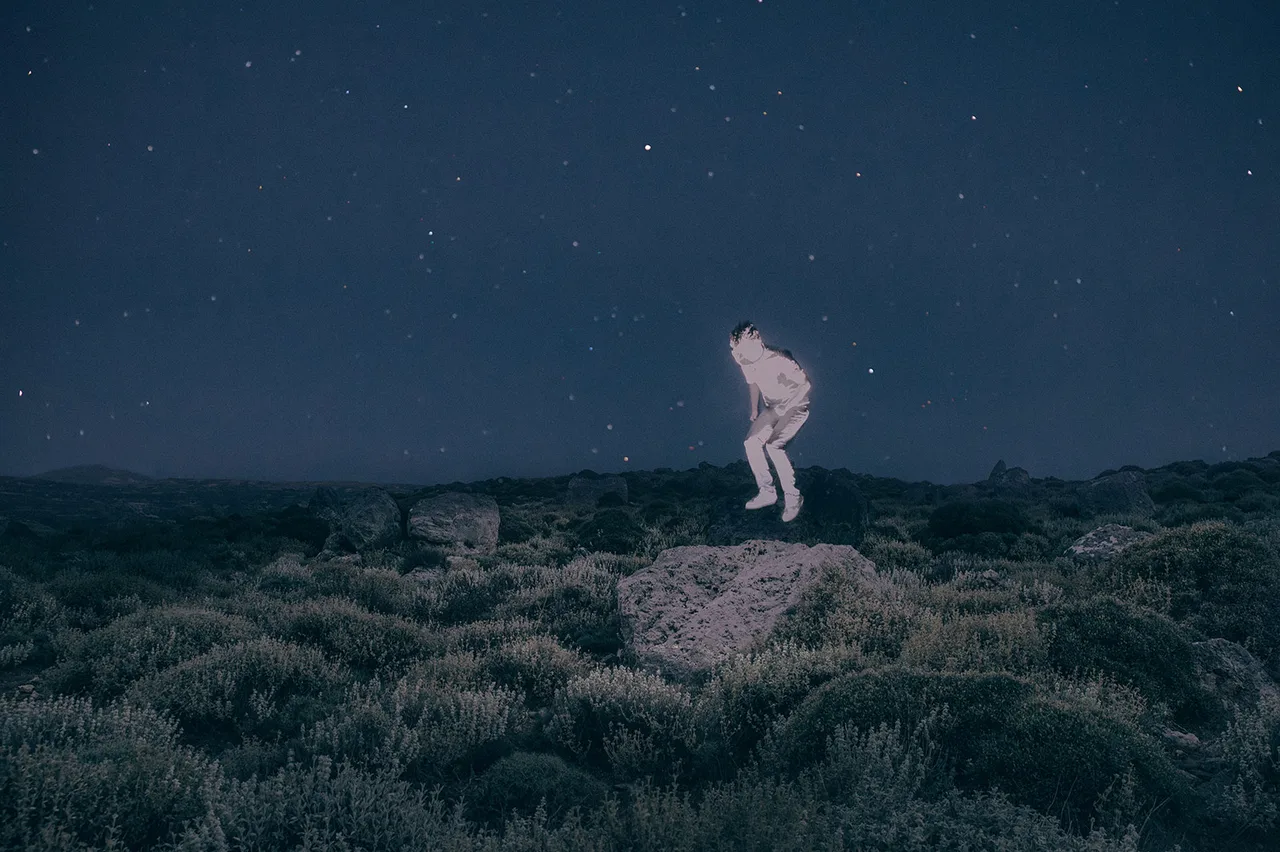
The Splitting of the Chrysalis & the Slow Unfolding of the Wings © Yorgos Yatromanolakis