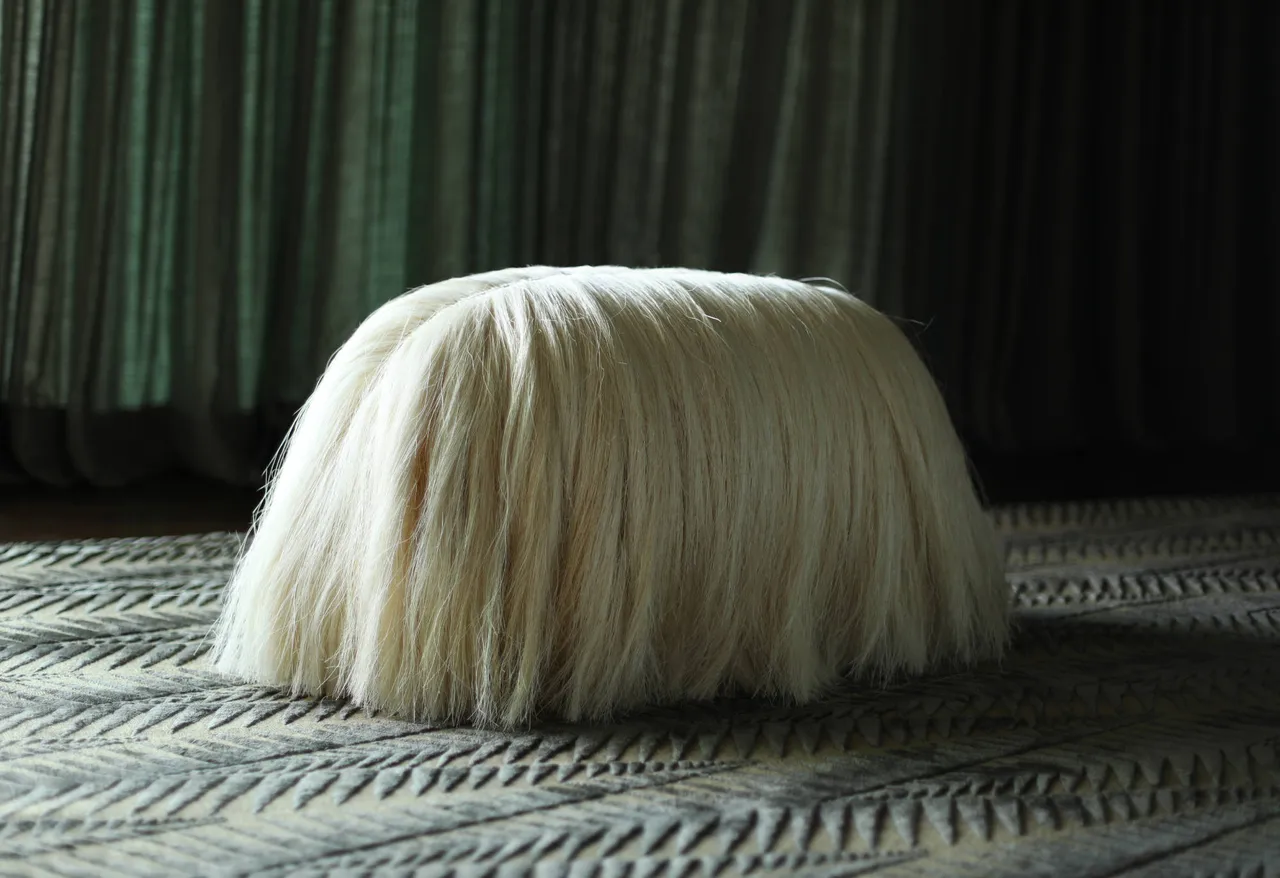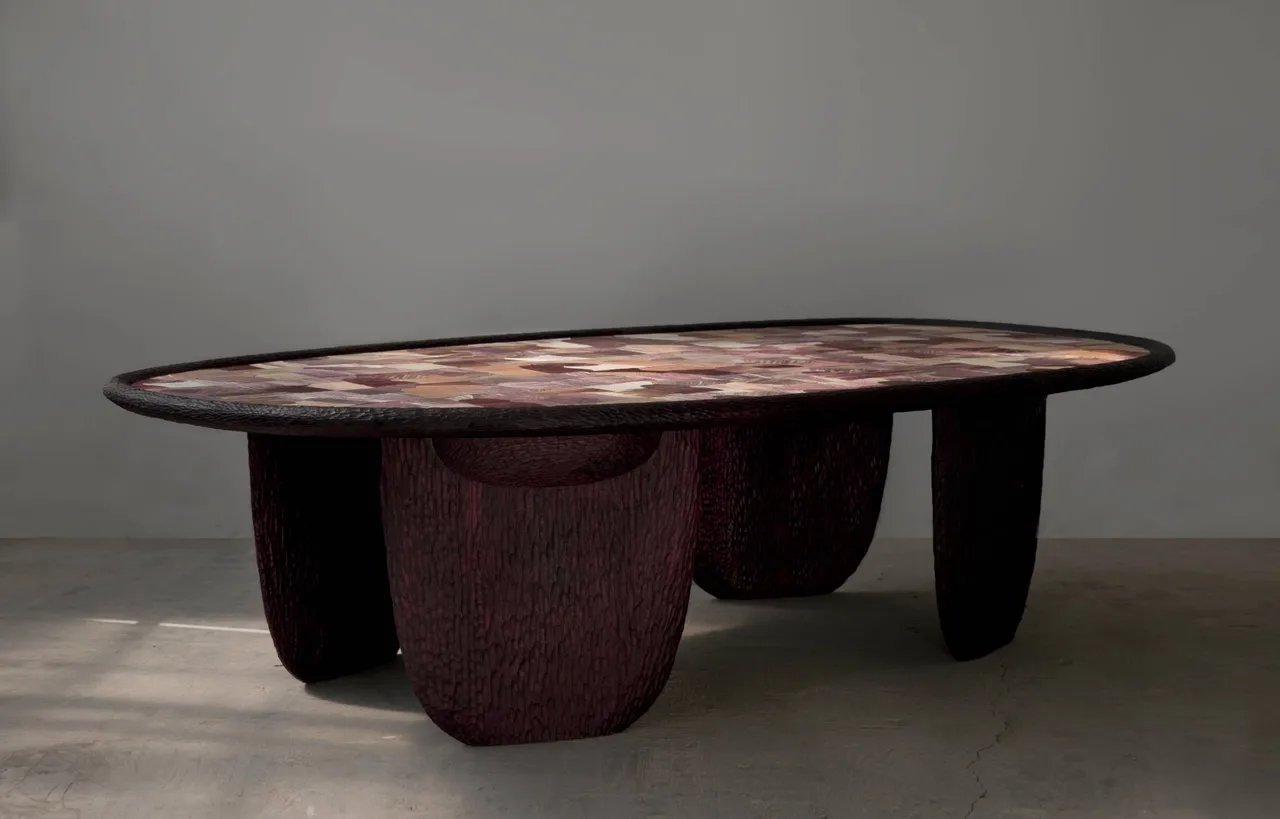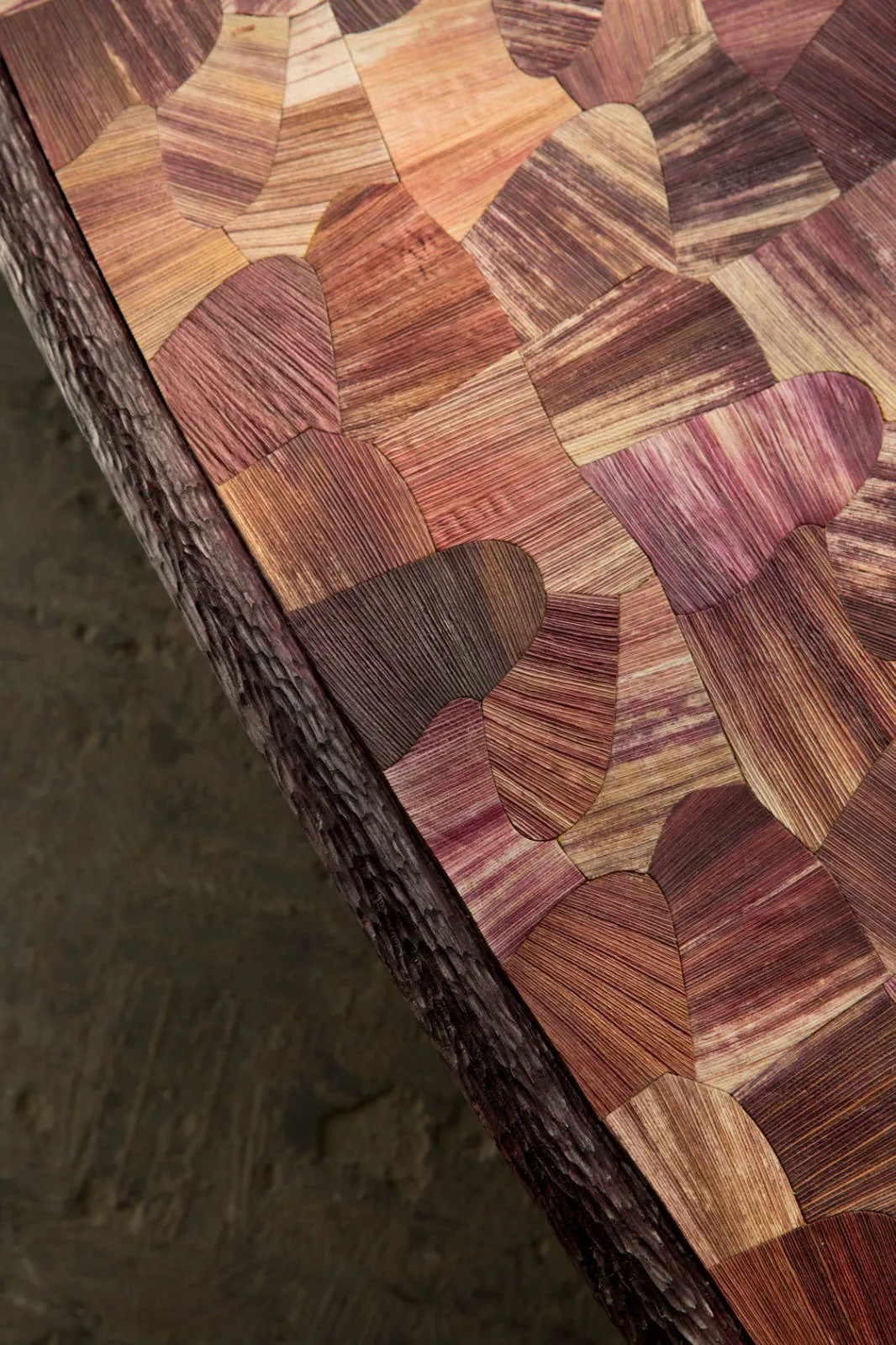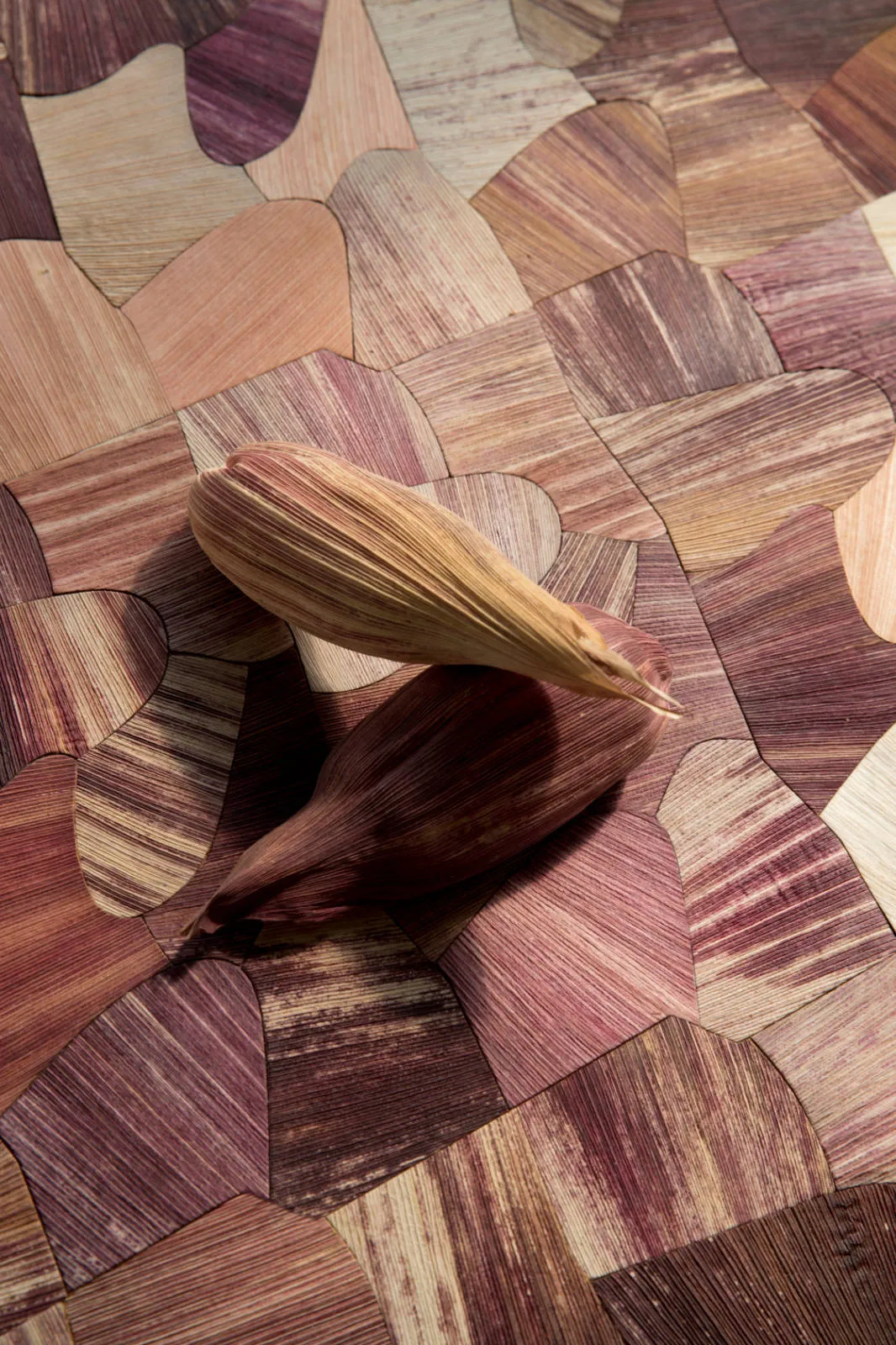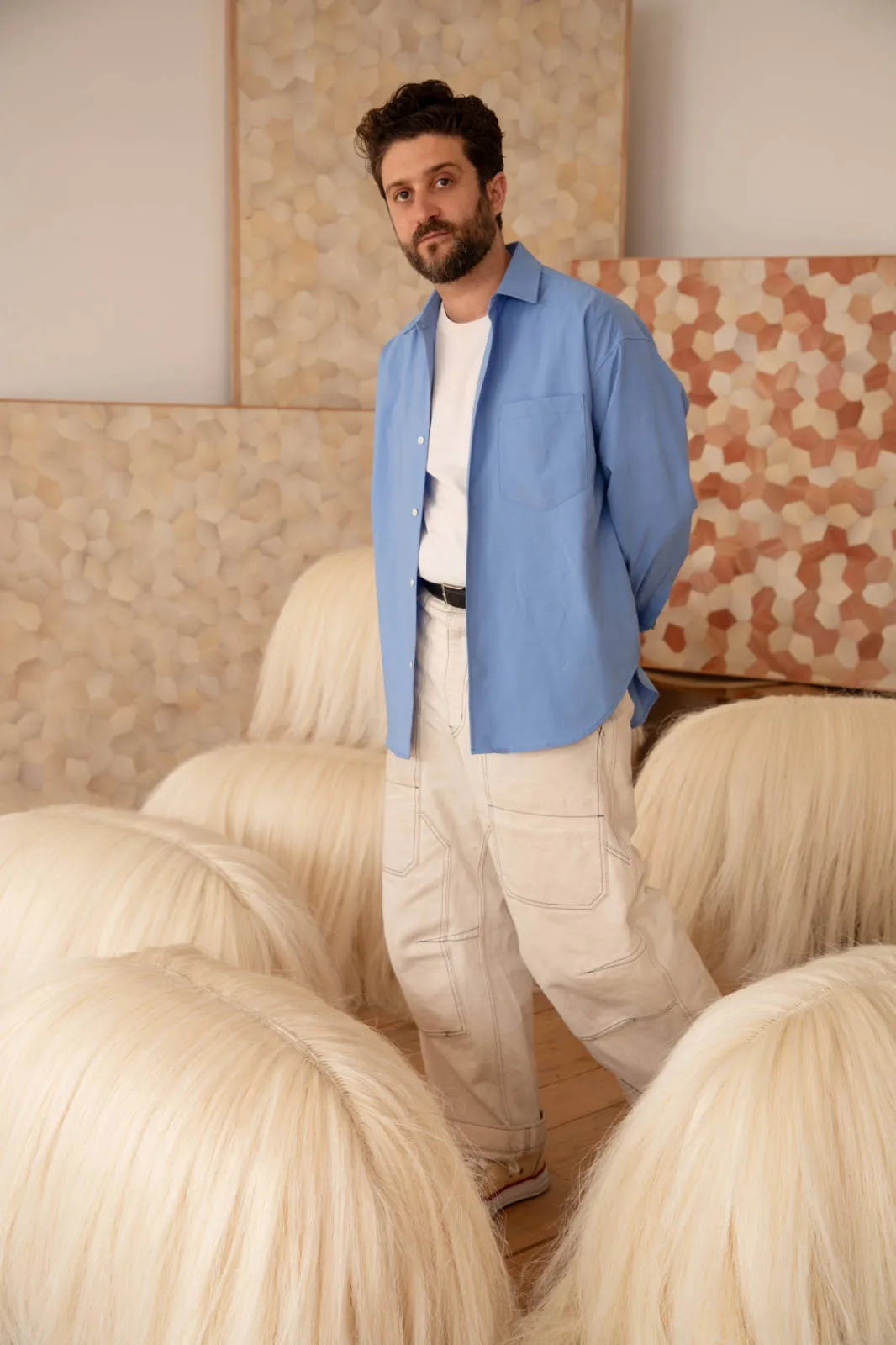
Fernando Laposse’s practice begins with attention. Before materials are shaped or systems are proposed, he listens. To farmers, to landscapes, to histories marked by extraction, neglect, and resilience.
For Laposse, design is not an act of intervention imposed from above, but a slow dialogue with places that have already endured environmental and political violence. His work reframes design as a tool for revealing complexity rather than simplifying it, grounding responsibility in deep listening and shared experience.
When you return to the landscapes you work with, you often speak about listening before doing anything else. What is the first thing you try to hear in a place that has already lived through environmental and political damage?
You have to listen to what the farmers have to say. I am not really looking for a particular message. I am just listening. In this case, they usually start with the most visible issue, which is that there is no work and that everyone has migrated. But then you start asking the next questions. Why is that? How did this happen? What do you mean you cannot make a living anymore? How were you making a living before? As you go deeper and deeper, other layers begin to appear. For example, something that is not immediately evident is the lack of water. I think people in this region [Southern Mexico] have been conditioned to tell their story through the lens of never having support from the government, what they literally call financial support. That conditioning is tied to a much deeper issue. This is an Indigenous population that is often considered worthless by broader Mexican society. They only become valuable right before elections, because their votes suddenly matter. So people are almost unconsciously trained to explain their entire existence and all their struggles through the absence of government support.
Once you set that aside and ask what actually changed, because it is not like they ever had that support, you start seeing much more complex realities. They explain that they used to be able to buy things with what they earned from their corn, and now they cannot afford anything. Then you look at the price of corn, which keeps going down. It is not even adjusted for inflation. That opens the door to understanding macroeconomic forces that affect a very localised community.
Over the years, one of the biggest realisations has been that this is also about climate change and water scarcity. When you introduce the idea of being a climate migrant or a climate refugee, people begin to reframe their entire story. Listening is not just about hearing. It is also about guiding the conversation so it can go deeper, not only for me, but for them to understand their own situation more clearly.
Once you set that aside and ask what actually changed, because it is not like they ever had that support, you start seeing much more complex realities. They explain that they used to be able to buy things with what they earned from their corn, and now they cannot afford anything. Then you look at the price of corn, which keeps going down. It is not even adjusted for inflation. That opens the door to understanding macroeconomic forces that affect a very localised community.
Over the years, one of the biggest realisations has been that this is also about climate change and water scarcity. When you introduce the idea of being a climate migrant or a climate refugee, people begin to reframe their entire story. Listening is not just about hearing. It is also about guiding the conversation so it can go deeper, not only for me, but for them to understand their own situation more clearly.
Your materials seem to carry their own memory and sometimes even resistance. Has there ever been a moment when a material simply refused to cooperate, and did that change how you approached the project?
At some point, materials never fully do what you want them to do. That is the challenge. The question becomes how you adapt. There is always a way to make something work, but if it truly does not work, it may be the wrong typology.
Then you have to recalibrate what kind of objects you are trying to make. Some shapes simply do not work with certain materials. That is not the material refusing. That is you trying to force an application that is not right for it.
Then you have to recalibrate what kind of objects you are trying to make. Some shapes simply do not work with certain materials. That is not the material refusing. That is you trying to force an application that is not right for it.
You have been working with avocado as a material for several years now. Is there anything new you would like to mention about that research or future developments?
I have been working with avocado since around 2018 or 2019. I started researching the avocado project in 2019 and worked on it quietly for about three years without publishing anything. We presented the research and the first physical objects in a major exhibition in Australia in December 2023. Since the beginning of 2024, we have been working very actively with avocado. It is very much part of my material palette right now.
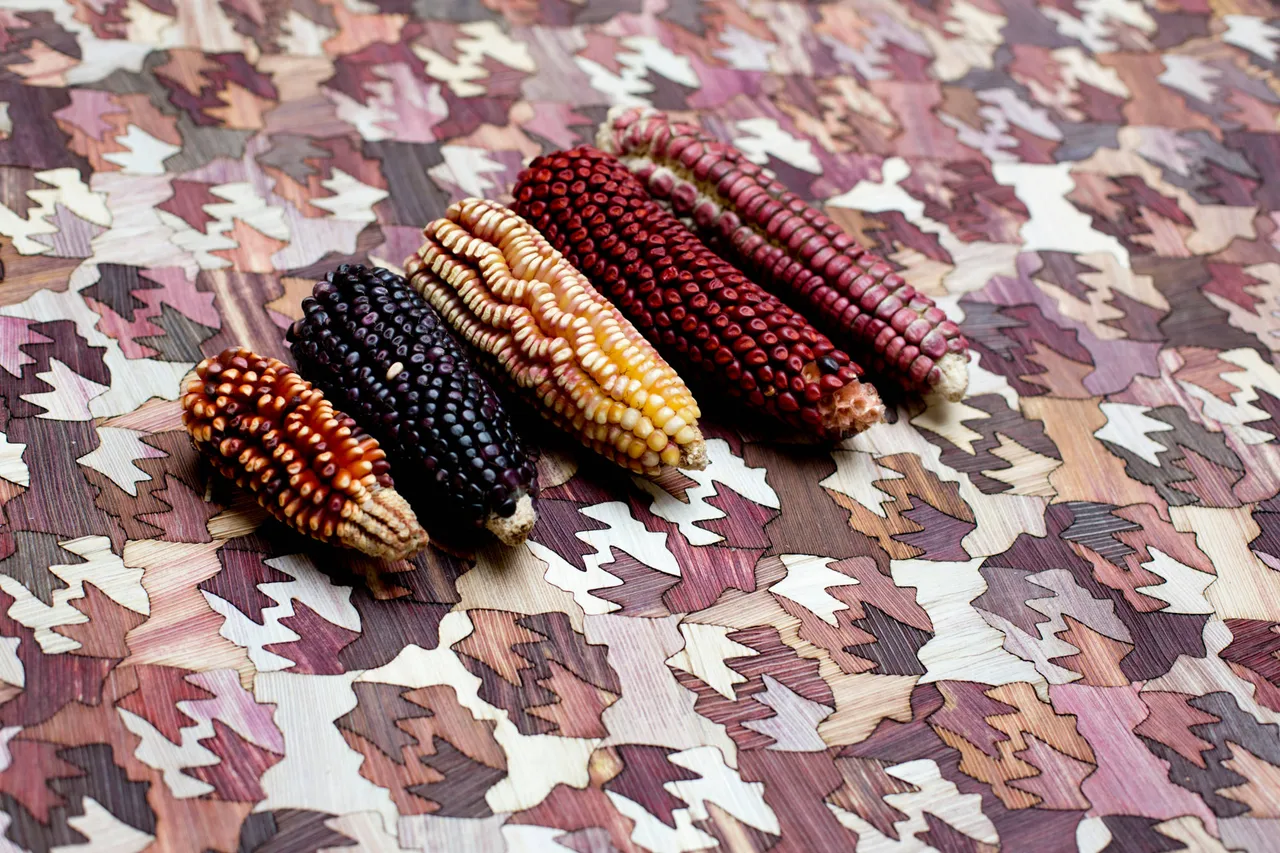
Collaboration plays a key role in your work, especially with the community of Tonahuixtla. How do you navigate the line between telling a collective story and ensuring that the community’s voice remains truly theirs?
I use a lot of videos. In exhibitions and on my website, my work is always presented alongside short documentaries. These include interviews where people speak directly to the camera. Of course, there is some structure through questions and editing, but the interviews are largely unfiltered. In the avocado project, the focus is investigative. It addresses the violence caused by the avocado trade in Mexico, deforestation and physical violence against people.
The project began while I was working with forest rangers who protect the Monarch Butterfly sanctuary, which is a UNESCO World Heritage Site. This forest should be completely protected, yet it is under increasing pressure from avocado plantations due to global demand. We were preparing a second interview with the head ranger, a key activist responsible for protecting the forest. That interview never happened because he was murdered. His death shifted the entire focus of the project. For me, it became impossible to talk about the climate crisis in places like Mexico or Colombia in purely abstract or material terms. It feels irrelevant to talk only about plastics or compostable objects when hundreds of thousands of trees are being destroyed every day through violence.
The project began to focus on how violence and inequality are fundamental drivers of the climate crisis. We started interviewing the son of the murdered activist, who has taken his father’s place. I also went to another village where women led a movement to protect their forest from loggers. These are people risking their lives to defend their environments. Telling their stories is about appealing to human empathy and asking people elsewhere to question the real cost of something as simple as avocado toast. The cost is not just financial. It includes human and environmental consequences, and those costs are enormous.
The project began while I was working with forest rangers who protect the Monarch Butterfly sanctuary, which is a UNESCO World Heritage Site. This forest should be completely protected, yet it is under increasing pressure from avocado plantations due to global demand. We were preparing a second interview with the head ranger, a key activist responsible for protecting the forest. That interview never happened because he was murdered. His death shifted the entire focus of the project. For me, it became impossible to talk about the climate crisis in places like Mexico or Colombia in purely abstract or material terms. It feels irrelevant to talk only about plastics or compostable objects when hundreds of thousands of trees are being destroyed every day through violence.
The project began to focus on how violence and inequality are fundamental drivers of the climate crisis. We started interviewing the son of the murdered activist, who has taken his father’s place. I also went to another village where women led a movement to protect their forest from loggers. These are people risking their lives to defend their environments. Telling their stories is about appealing to human empathy and asking people elsewhere to question the real cost of something as simple as avocado toast. The cost is not just financial. It includes human and environmental consequences, and those costs are enormous.
There is a softness in your work that almost conceals the urgency beneath it. Do you believe beauty can quietly open people up to stories they might otherwise avoid?
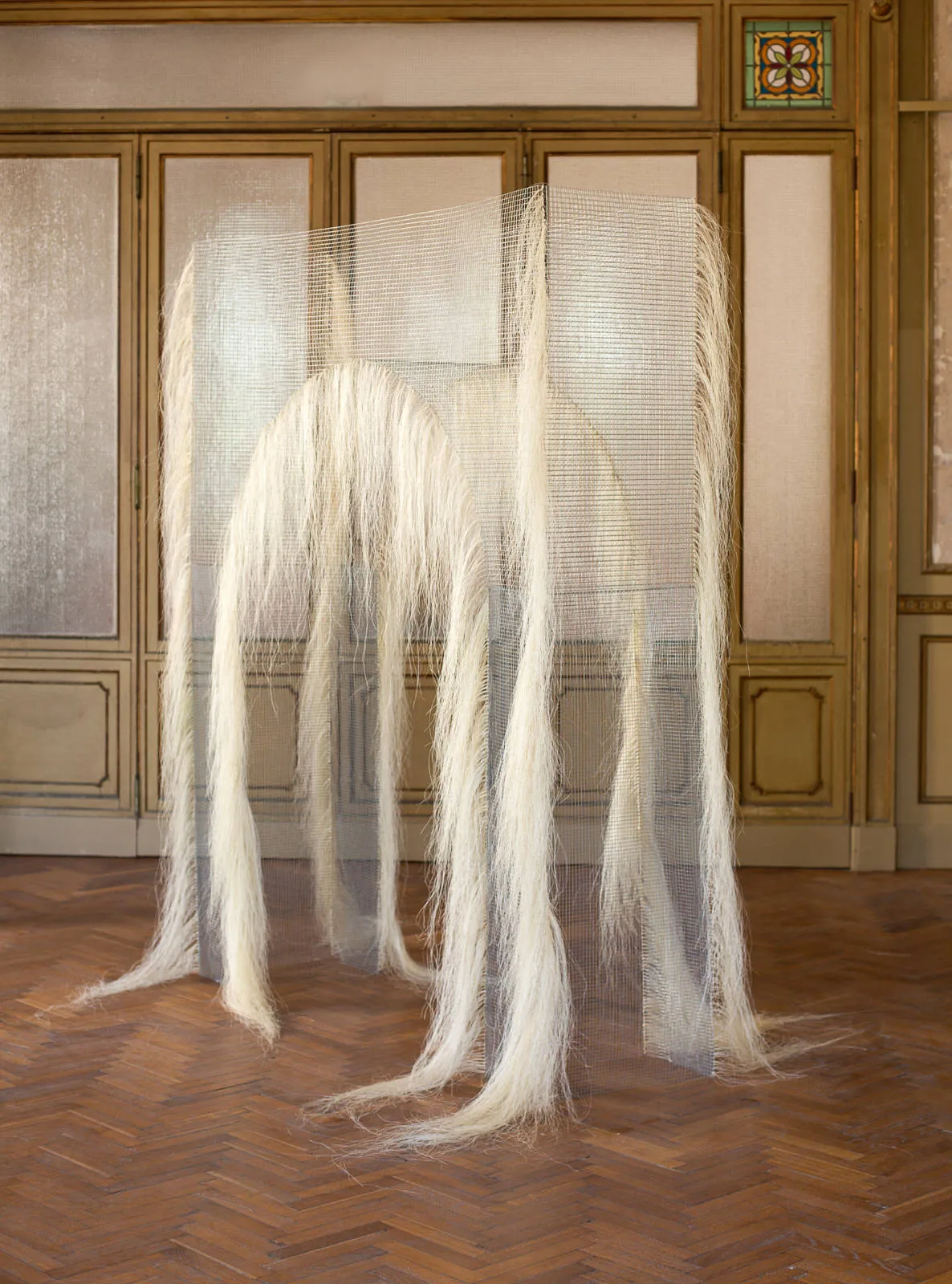
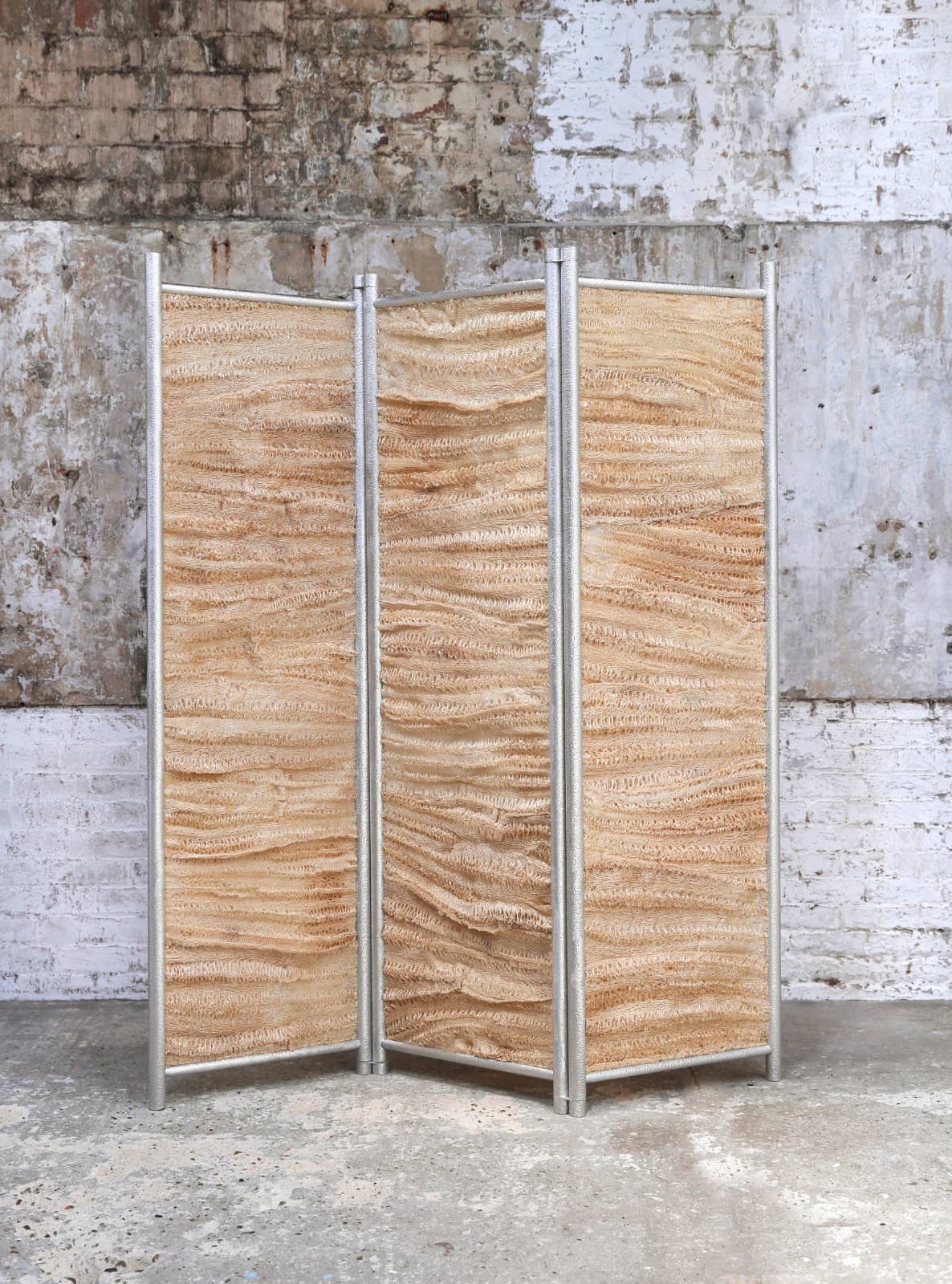
I think so. These are heavy subjects, and if the aesthetic is also heavy, it can become too direct and alienating. I prefer to keep the visual language approachable and soft. Changing minds is always a negotiation. You cannot begin by making people feel guilty. Instead, people are first drawn in by the aesthetics. Then they ask what the material is, and that opens the door to the deeper story. It is about gently pulling people in rather than forcing the message onto them. Aggressive confrontation often leads to rejection.
Your process embraces slowness in a design culture obsessed with acceleration. What has working slowly taught you about trust, both in yourself and in the people you collaborate with?
Working slowly allows you to course correct. It forces you to listen. When you move too fast, you cannot change direction. We work with plants, seasons and farmers. You cannot rush those rhythms. You cannot shorten a growing season or change the weather. It is not about going slow. It is about finding the correct rhythm.
That is why I love working with plants. Unlike stone or clay, plants are alive. You plant them, care for them, and wait. Corn might take a few months. Agave can take ten years. We planted agave last summer, and my main partner Delfino [Martinez], who just turned eighty, knows he will probably never see that harvest. That kind of relationship with time changes how you see responsibility, care and presence.
That is why I love working with plants. Unlike stone or clay, plants are alive. You plant them, care for them, and wait. Corn might take a few months. Agave can take ten years. We planted agave last summer, and my main partner Delfino [Martinez], who just turned eighty, knows he will probably never see that harvest. That kind of relationship with time changes how you see responsibility, care and presence.
Many artists carry childhood sensations into their practice. Is there an early memory or material experience that still shapes how you work today?
I have always been drawn to plants and natural materials. When I studied industrial design in London, one of my biggest frustrations was being taught to design primarily with plastics and industrial materials. They felt soulless to me. I always longed for Mexico and the proximity to materials. Even in modern cities here, you turn a corner and see someone weaving a basket on the sidewalk. That closeness to origin never really leaves you.
Mexican designers often have an instinctive understanding of natural materials. When foreign designers come and try to force industrial aesthetics onto artisanal processes, the results are often clumsy. Materials like clay move, shrink and resist rigid geometry. If you do not understand how to negotiate with that, it shows.
Mexican designers often have an instinctive understanding of natural materials. When foreign designers come and try to force industrial aesthetics onto artisanal processes, the results are often clumsy. Materials like clay move, shrink and resist rigid geometry. If you do not understand how to negotiate with that, it shows.
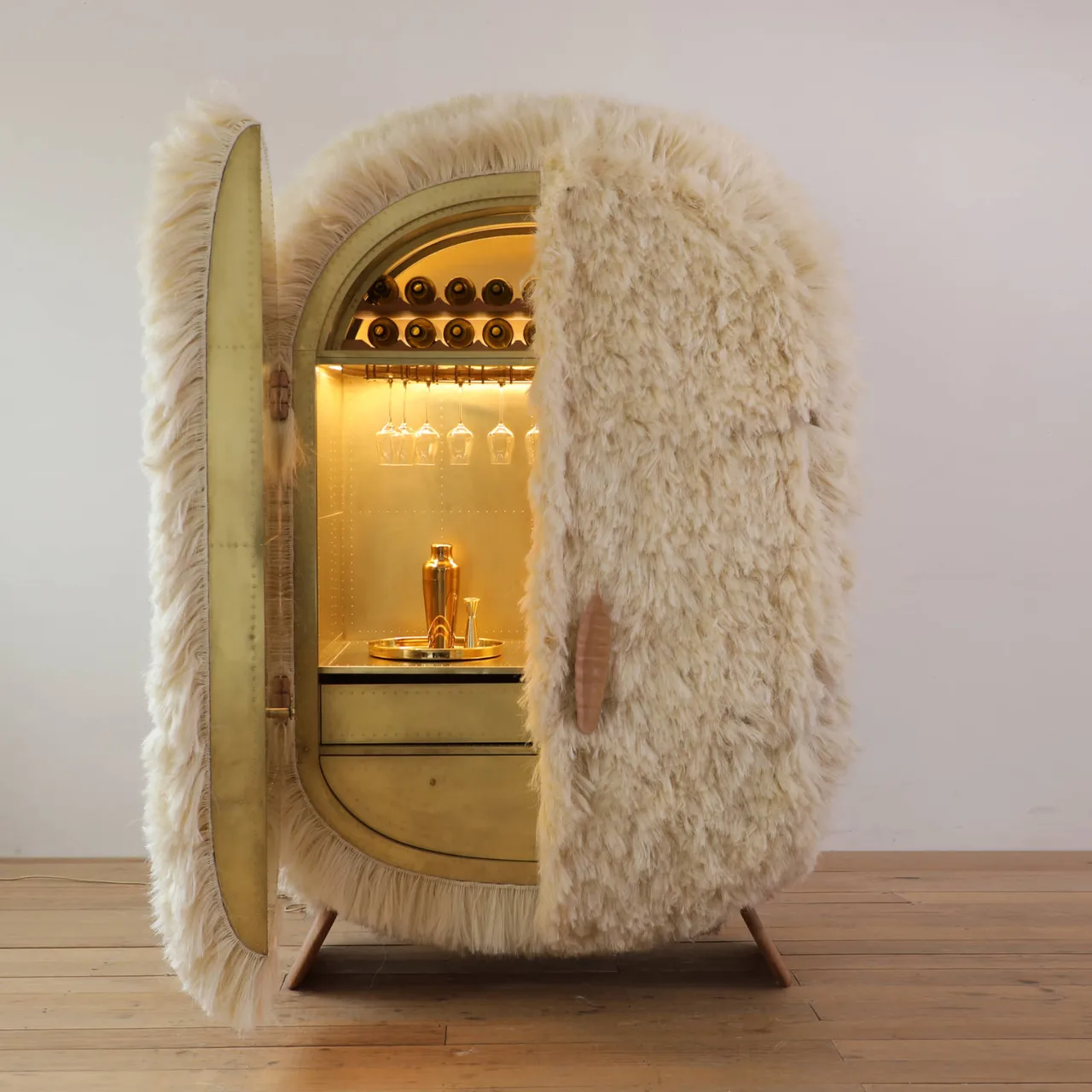
You studied at Central Saint Martins and lived in London for many years. How did that experience shape your work and your decision to return to Mexico?
London is great for learning, for inspiration, for exposure, but it’s very hard to grow past a certain point unless you become extremely commercial or receive serious investment. And when that happens, that investor tends to have a lot of control over what you do.
Coming back to Mexico gave me access to more space, more hands. I also started working with Friedman Benda, the gallery that represents me in New York. Shipping from Mexico to the United States is actually quite easy because of certain aspects of the NAFTA agreement. There are many terrible parts to it, of course, but that ease of exchange is one of the good ones. Professionally, that combination has really allowed the studio to grow. Personally, I’m just happier here. The quality of life is better. The food is great. My family is here. The weather is good all year round. I have a great dog. I honestly don’t think I could have even had a dog in London. So on a very human level, I just feel more settled and content.
Coming back to Mexico gave me access to more space, more hands. I also started working with Friedman Benda, the gallery that represents me in New York. Shipping from Mexico to the United States is actually quite easy because of certain aspects of the NAFTA agreement. There are many terrible parts to it, of course, but that ease of exchange is one of the good ones. Professionally, that combination has really allowed the studio to grow. Personally, I’m just happier here. The quality of life is better. The food is great. My family is here. The weather is good all year round. I have a great dog. I honestly don’t think I could have even had a dog in London. So on a very human level, I just feel more settled and content.
And, you often work with species shaped by human intervention, from heirloom corn to invasive animals. If you imagine a material born from a future ecological reality, something we don’t yet know, what do you think it would feel like? Or does that sound like a strange question?
It might sound strange, but it actually makes sense. We’re discovering new things all the time. Every time you open National Geographic or scroll through the news, there’s a headline about a newly discovered fungus, a deep sea creature, or a plant growing in a city that no one had noticed before. We tend to think we’ve discovered everything, but that’s far from true. There are also entire communities that hold knowledge which has never been documented or brought into the mainstream.
Just last week I was in Tonahuixtla filming. We’re currently working on a project in the Middle East where we’re starting a seed bank of desert-adapted food-producing plants. We were filming the seeds everyone already knows, the typical varieties. Then I asked if there was anything that grows naturally and is drought resistant, something people don’t usually plant.
Within a ten-minute walk, we found this desert cucumber. I had never seen it before. It was incredibly tasty and unlike anything I’d encountered. I’ve been going to this village for ten years and we’re still discovering new things. One woman knew about it, while even others in the village didn’t. I hope the materials of the future come from nature. I’m quite skeptical of the current obsession with biomaterials. Everything is a biomaterial unless you’re working with synthetic substances. Everything originates in nature.
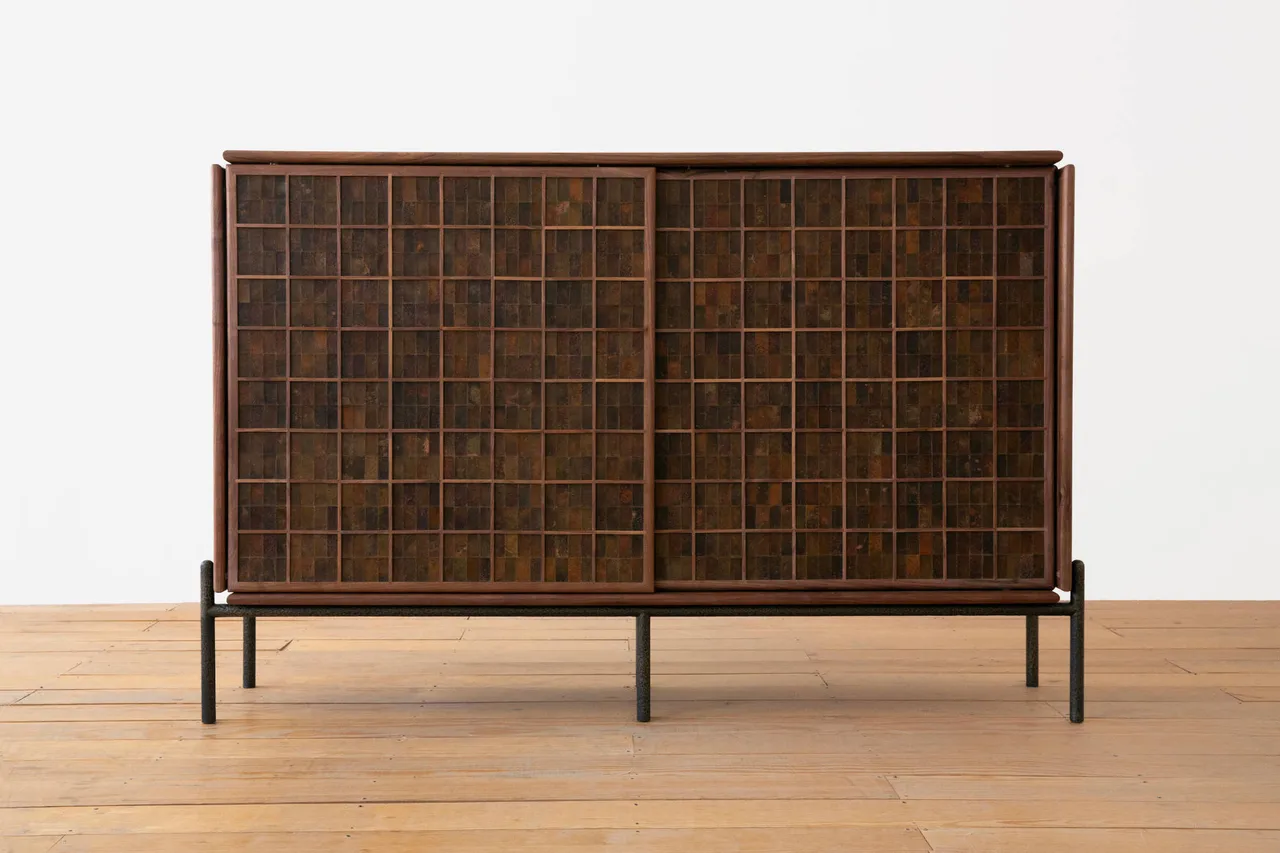
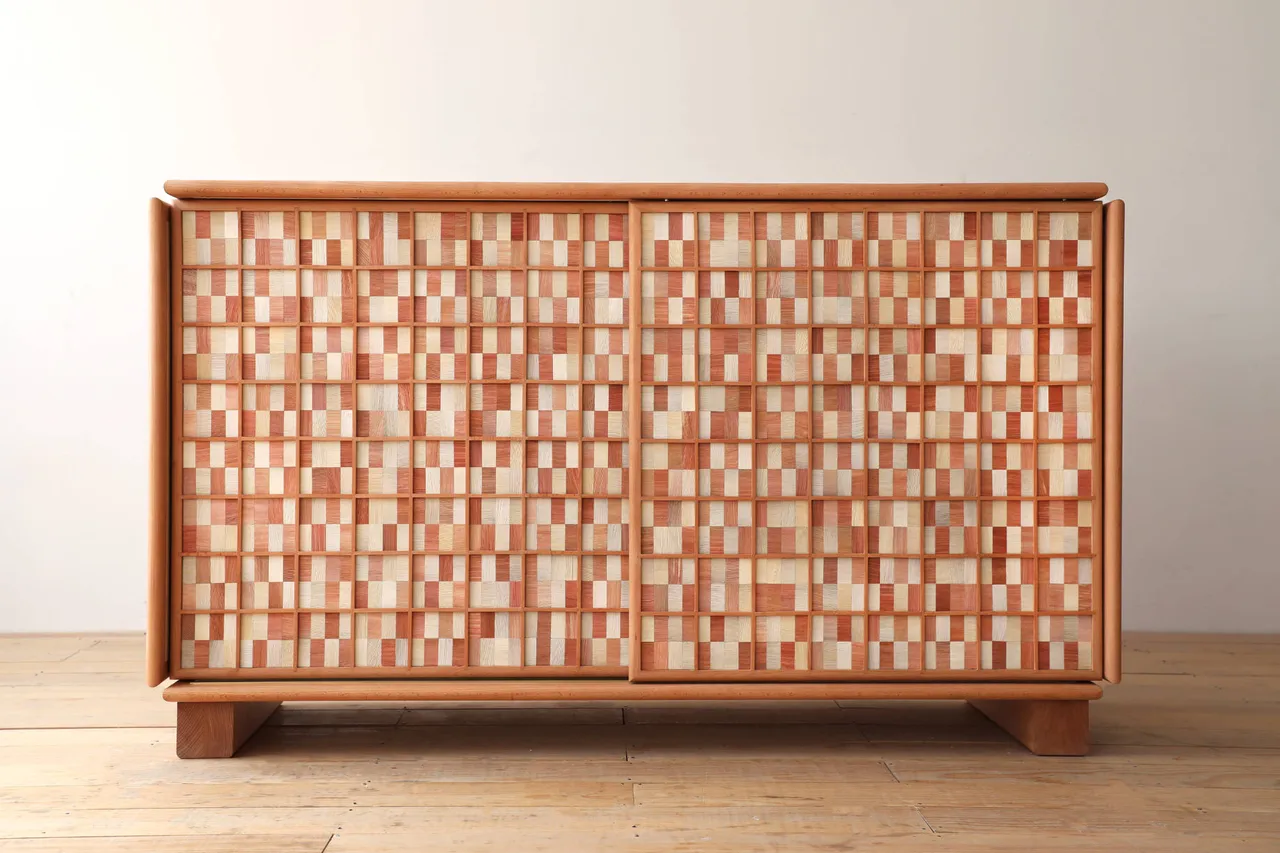
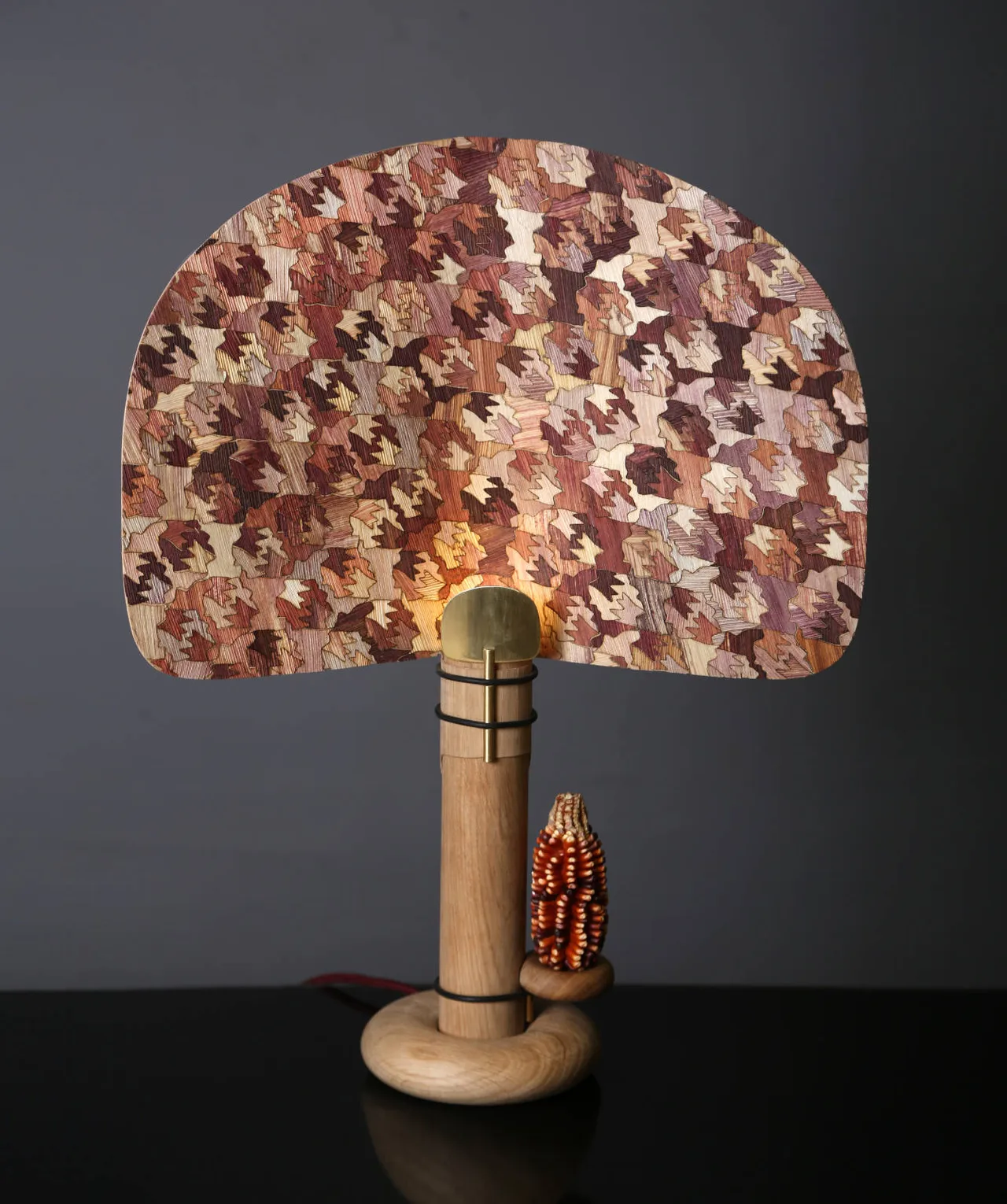
What concerns me is this fixation on recreating plastic. So much of what I see is an imitation of plastic that doesn’t perform as well, isn’t aesthetically appealing, and loses all sense of origin. It becomes an amorphous brown mass with no identity or provenance. When I work with materials, it’s about transforming them and domesticating them just enough to make functional objects, without losing their soul. You should still be able to see and touch what it once was. A corn leaf should feel like a corn leaf. An avocado skin should still be recognisable. If you pulverise everything, bind it, and turn it into a plastic-like sheet, it could be anything. It loses its storytelling power. The object no longer connects you to where it came from.
With more technology, more AI, and more distance from human touch, I hope there will also be a reaction. We’ve seen it before. England is actually a great example. It was the birthplace of the Industrial Revolution, but at the same time, it gave rise to the Arts and Crafts movement. Figures like William Morris pushed back against the machine, advocating for hand-making and craft. We’ve always moved in cycles, leaning into technology and then returning to the handmade. I want to be part of that return, staying curious about what hands can still make.
Just last week I was in Tonahuixtla filming. We’re currently working on a project in the Middle East where we’re starting a seed bank of desert-adapted food-producing plants. We were filming the seeds everyone already knows, the typical varieties. Then I asked if there was anything that grows naturally and is drought resistant, something people don’t usually plant.
Within a ten-minute walk, we found this desert cucumber. I had never seen it before. It was incredibly tasty and unlike anything I’d encountered. I’ve been going to this village for ten years and we’re still discovering new things. One woman knew about it, while even others in the village didn’t. I hope the materials of the future come from nature. I’m quite skeptical of the current obsession with biomaterials. Everything is a biomaterial unless you’re working with synthetic substances. Everything originates in nature.
What concerns me is this fixation on recreating plastic. So much of what I see is an imitation of plastic that doesn’t perform as well, isn’t aesthetically appealing, and loses all sense of origin. It becomes an amorphous brown mass with no identity or provenance. When I work with materials, it’s about transforming them and domesticating them just enough to make functional objects, without losing their soul. You should still be able to see and touch what it once was. A corn leaf should feel like a corn leaf. An avocado skin should still be recognisable. If you pulverise everything, bind it, and turn it into a plastic-like sheet, it could be anything. It loses its storytelling power. The object no longer connects you to where it came from.
With more technology, more AI, and more distance from human touch, I hope there will also be a reaction. We’ve seen it before. England is actually a great example. It was the birthplace of the Industrial Revolution, but at the same time, it gave rise to the Arts and Crafts movement. Figures like William Morris pushed back against the machine, advocating for hand-making and craft. We’ve always moved in cycles, leaning into technology and then returning to the handmade. I want to be part of that return, staying curious about what hands can still make.
It’s interesting you say that, because I just read an article yesterday about whether craftsmanship is being lost. I study journalism now, and I remember thinking, hasn’t it already almost disappeared? With AI, writing, and creative labour, everything feels strange and complicated.
We could easily talk about that for hours. But I think it’s important to remember how diverse the world still is. In Turkey, for example, there is still a lot of craft production. The same is true in Mexico. We often forget that many communities don’t have access to industry or AI. The problem is that we live in echo chambers, surrounded by people who think like us. Craft isn’t disappearing. People are just becoming less adventurous.
You see the same coffee shop everywhere. The same flat white, the same cup, the same machine, whether you’re in Mexico City, Paris, London, or Seoul. People are starting to get tired of that sameness. I think there will be a renewed market for diversity, for handmade objects, for uniqueness. People will be willing to pay more for it. We’re slowly moving out of a period of economic disinterest in craft. At the moment, luxury brands are defining craftsmanship, but true luxury is shifting. It’s no longer about a branded bag. It’s about something like this handmade hat.
You see the same coffee shop everywhere. The same flat white, the same cup, the same machine, whether you’re in Mexico City, Paris, London, or Seoul. People are starting to get tired of that sameness. I think there will be a renewed market for diversity, for handmade objects, for uniqueness. People will be willing to pay more for it. We’re slowly moving out of a period of economic disinterest in craft. At the moment, luxury brands are defining craftsmanship, but true luxury is shifting. It’s no longer about a branded bag. It’s about something like this handmade hat.
Exactly. It’s almost like what people call old money aesthetics now.
Yes. And while there are fewer craftspeople, I think we’re seeing a natural selection where the strongest survive. Craft will always exist. Japan is the perfect example of that balance between tradition and modernity. Mexico is similar in its own way. We’re proud of our traditions and heritage. We’re at a crossroads where part of the population wants to live like Americans, and another part wants to preserve Indigenous knowledge and ancestral ways of life. That tension creates fertile ground for meaningful work. That push and pull between tradition and innovation is exactly what I explore in my practice. Mexico is one of the best places in the world to do that.