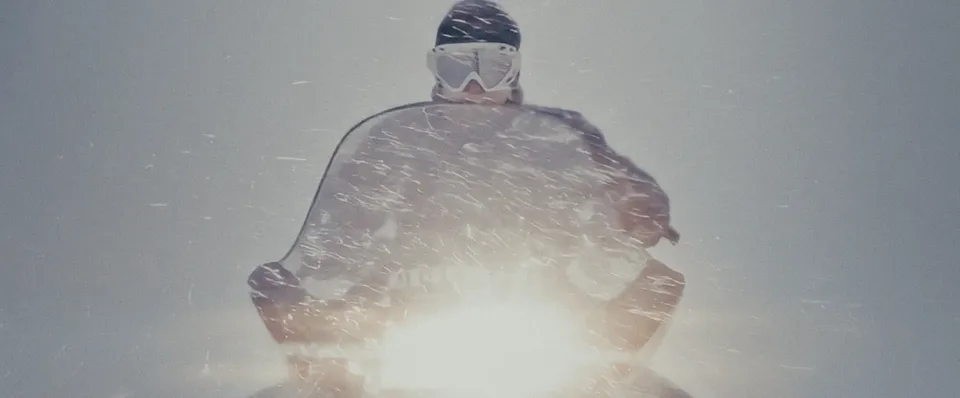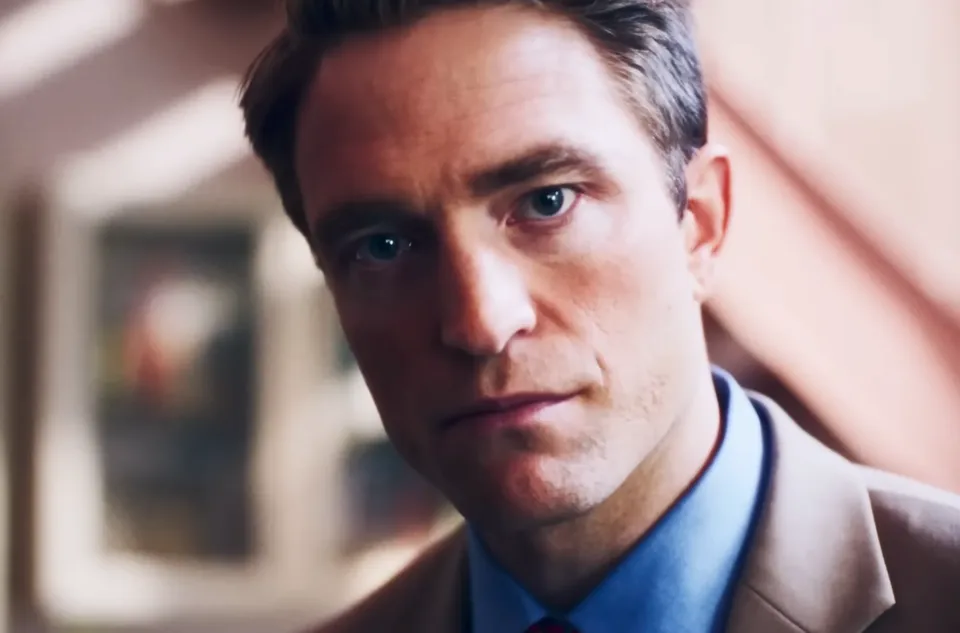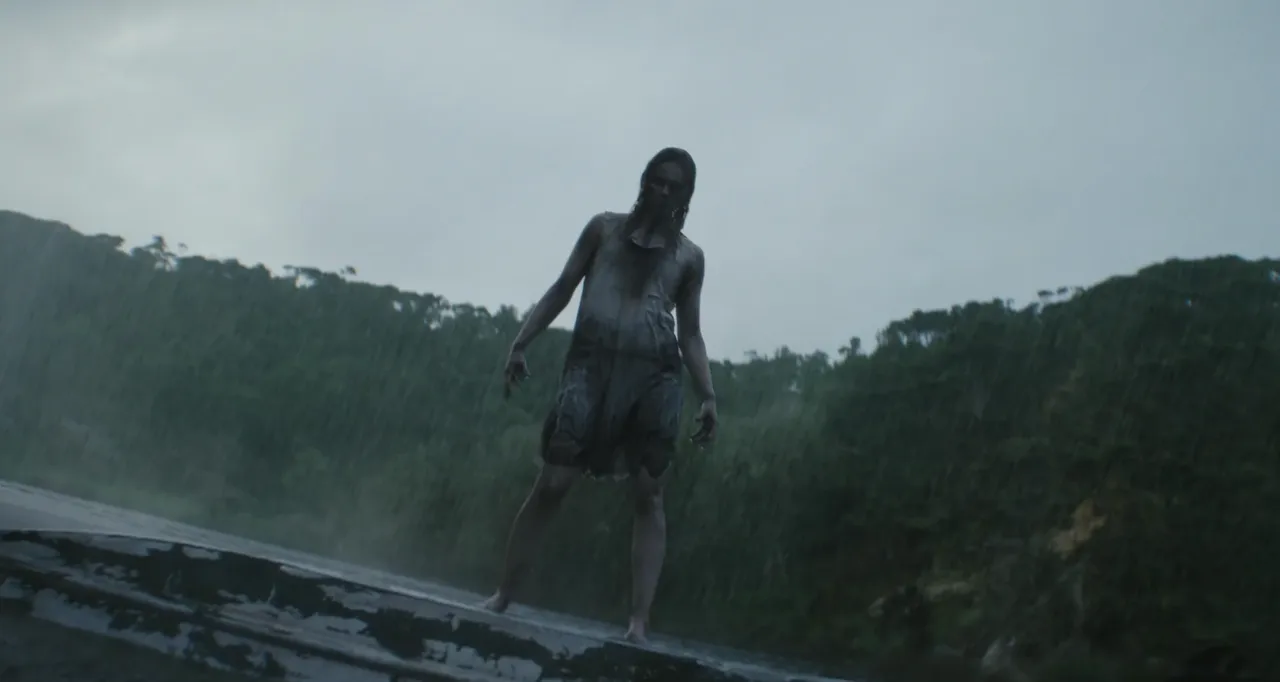
With Evil Dead Burn arriving this July, the sixth instalment in the cult franchise created by Sam Raimi, the saga returns to the same question it has been asking since 1981: how far can horror be pushed before it turns into comedy, exhaustion or something strangely moving? Across cabins, castles, apartments and family homes, Evil Dead has survived because it keeps changing shape without letting go of its most recognisable ingredients: the book, the Deadites, the body horror and the feeling that chaos is always one recording away.
The Evil Dead began as a nightmare stripped to its bones. Five students, a cabin in Tennessee, the Book of the Dead and a recording of ancient incantations were enough for Raimi to build a film that felt dirty, frantic and almost handmade in the best possible way. Its plot was simple, but its impact came from the way it treated the body as something that could be invaded, broken, dismembered and turned against itself. The gore, the screaming and the violence were not decoration; they were the grammar of a new kind of horror energy.
What makes the franchise interesting is that it never stayed in that first shape for long. Evil Dead II repeats the cabin premise partly for practical reasons, with Raimi reshooting the recap because he did not own the rights to the original footage, but it also mutates the idea. The second film keeps the possession, the book and the sense of entrapment, yet pushes Ash further into absurdity. His severed hand becomes both a threat and a joke, the violence grows more elastic and the tone starts to laugh at its own nightmare. It’s still horror, but now it has a slapstick pulse.
Army of Darkness makes that shift impossible to ignore. By sending Ash to the Middle Ages, the saga almost abandons the cabin completely and turns him into a reluctant fantasy hero. Less gory and more openly comedic, the film moves away from the claustrophobic terror of the first two entries, but it keeps the central tension: Ash is never fully in control, and the evil he faces is always one mistake away from multiplying. The change was risky because the premise felt almost new, yet that risk also proved the franchise could survive outside its original room.
That’s why the 2013 Evil Dead feels less like a restart than a correction in the opposite direction. Fede Álvarez brings the story back to the cabin and removes most of the humour, replacing Ash’s cartoonish bravado with Mia’s addiction storyline and a darker contemporary horror sensibility. For some viewers, that seriousness made the film feel more brutal and emotionally grounded; for others, losing the trilogy’s ridiculous streak meant losing part of what made Evil Dead different from other possession films. Either way, the reboot understood one thing clearly: the series could not simply imitate Raimi. It had to decide which elements were sacred and which could be sacrificed.
Evil Dead Rise (2023) continued that experiment by moving the Deadites into a Los Angeles apartment block. Lee Cronin kept the gore and the family-destroying cruelty, but changed the architecture of fear. The cabin’s isolation became domestic confinement; the woods became hallways, elevators and neighbours who can’t quite help. The film was praised for opening the franchise to a new setting and became the highest-grossing entry in the series, but it also confirmed the direction of the modern Evil Dead: less Ash, less slapstick, more trauma, motherhood, family collapse and relentless body horror.
That evolution is what makes Evil Dead Burn, coming now to cinemas, arrive with an interesting burden. Directed by Sébastien Vaniček, the new film appears to continue the anthology-like path of the recent entries rather than returning directly to Ash’s story. The premise again uses family as the pressure point: after a death, a gathering in a secluded home becomes a reunion from hell as relatives turn into Deadites. The mythology is familiar, but the emotional frame has shifted. Evil Dead is no longer only about young people opening the wrong book in the wrong cabin; it is also about grief, inheritance and the violence already present inside a home before the demons arrive.
The question, then, is not whether Evil Dead Burn will be bloody. Violence has always been the franchise’s most reliable promise. The more interesting question is what kind of violence it chooses to be. The original trilogy made gore feel anarchic and, eventually, funny. The 2013 reboot made it punishing. Evil Dead Rise made it domestic and claustrophobic. If Burn leans too far into brutality, it risks becoming only an endurance test; if it finds room for the strange humour and personality that have always haunted the saga, it could connect the old and new versions of Evil Dead more convincingly.
After forty-five years, Evil Dead remains alive because it has never been a perfectly stable object. It loses things, gains others and sometimes divides viewers in the process. The cabin gave way to the castle, the apartment and now the family home; Ash gave way to Mia, Beth, Kassie and Alice; slapstick gave way to trauma, then to something that may be trying to hold both. What remains is the thrill of watching a franchise fight with its own identity while the Deadites keep finding new doors to open.