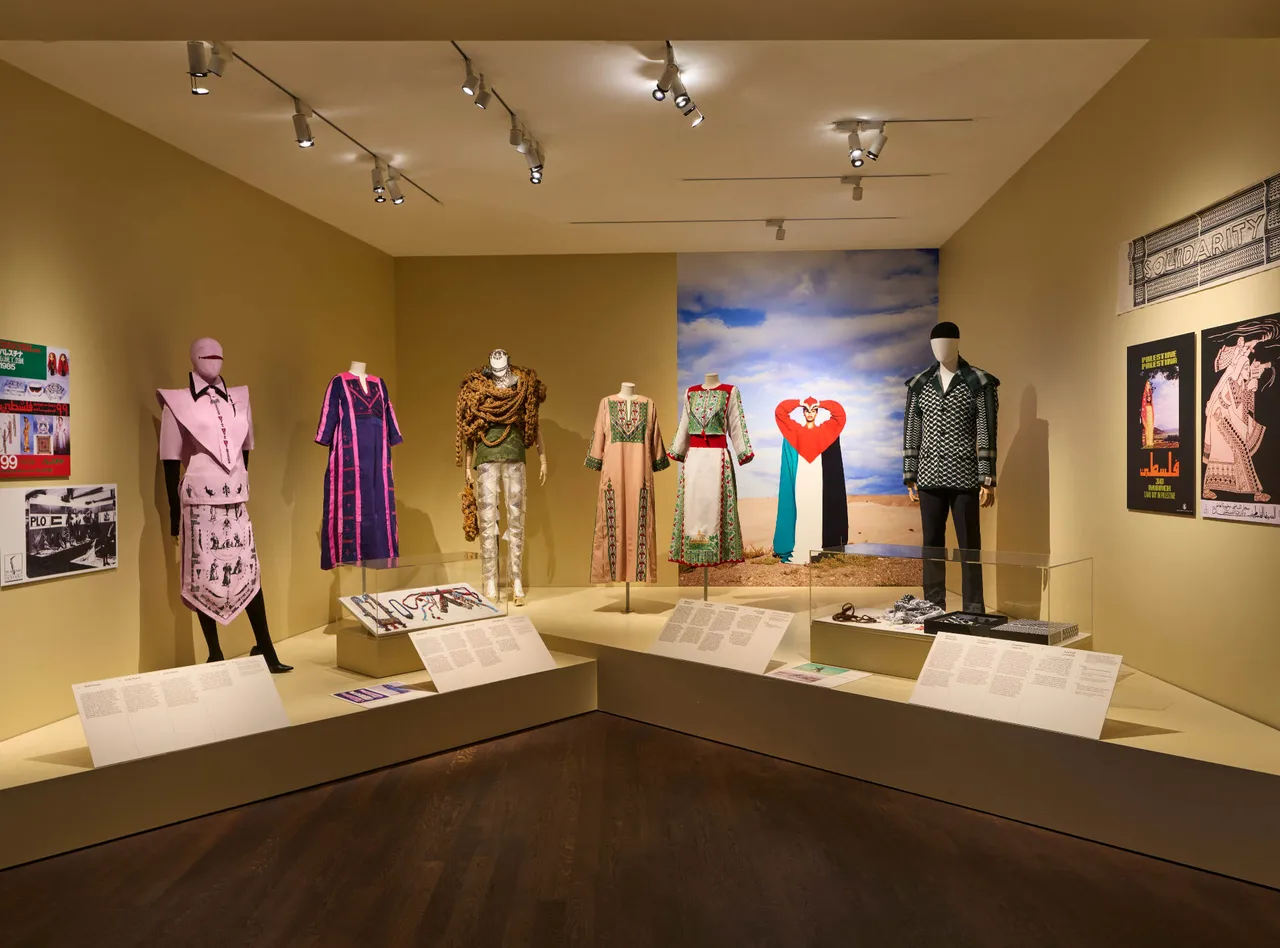
Support can be born and can take many shapes. From marching down the streets demanding justice and spreading information or resources to learning and acknowledging what's behind what we stand for: the history of the country, of their people, their identity and their traditions. At MoMu in Antwerp, Embroidering Palestine, on view until June 7, 2026, unfolds as a study of tatreez as lived knowledge rather than mere ornament. Long before embroidery was framed as heritage, it functioned as a shared language between women, carrying markers of region, family, and personal history. Stitch by stitch, identity took form through cloth, shaped by landscape, labour, and the passing of hands across generations.
Embroidery is one of the most detailed and telling practices in artisanal cloth making. Almost always required to be done by hand, it often becomes a graphic tale in shapes, colours and patterns that tell stories without the need of words. Exploring this practice through nature, power, and changes lived in Palestine, the exhibition portrays motifs drawn from local flora alongside indigo-dyed fabrics from the Galilee or how wedding garment embroideries once revealed and were a sign of status, celebration, and protection. Golden thread, silver jewellery, and talismanic patterns speak of belief systems where clothing held agency and what was worn could guard the body as much as it adorned it.
The weight of tatreez has become heavier now, and aside from meaning, it has become a force. Following the Nakba of 1948 and the displacement of Palestinian communities, embroidery became a means of holding ground when land, homes, and continuity were taken away. In the exhibition, textiles emerge as acts of refusal and remembrance, a way of insisting on presence through skill, patience, and memory. In a moment where Palestine continues to be subjected to erasure and violence, supporting and understanding its culture becomes inseparable from supporting and understanding its people.
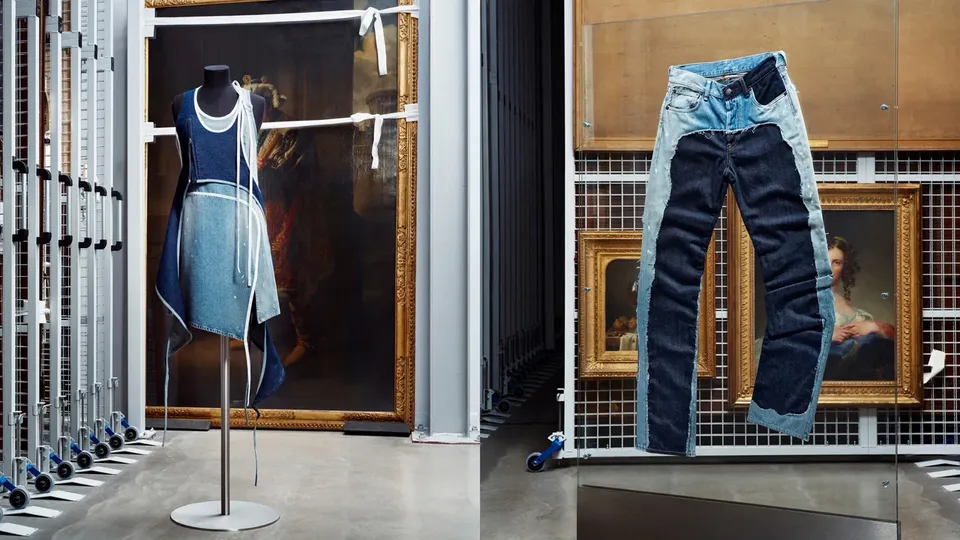
Demonstrating how fashion is political and setting a standard of cultural curation that is always up to date with the social causes that need a spotlight in a transversal way, MoMu offers a comprehensive lesson in Palestinian identity through fabric. Bringing together historical garments and contemporary practices as a way of landing the past in the present and building a narrative bridge that helps us understand the history, Embroidering Palestine, curated by Rachel Dedman, connects legacy to modernity, with designers working today, including Ayham Hassan, Reemami, GmbH, Studio Nazzal, and Zeid Hijazi.
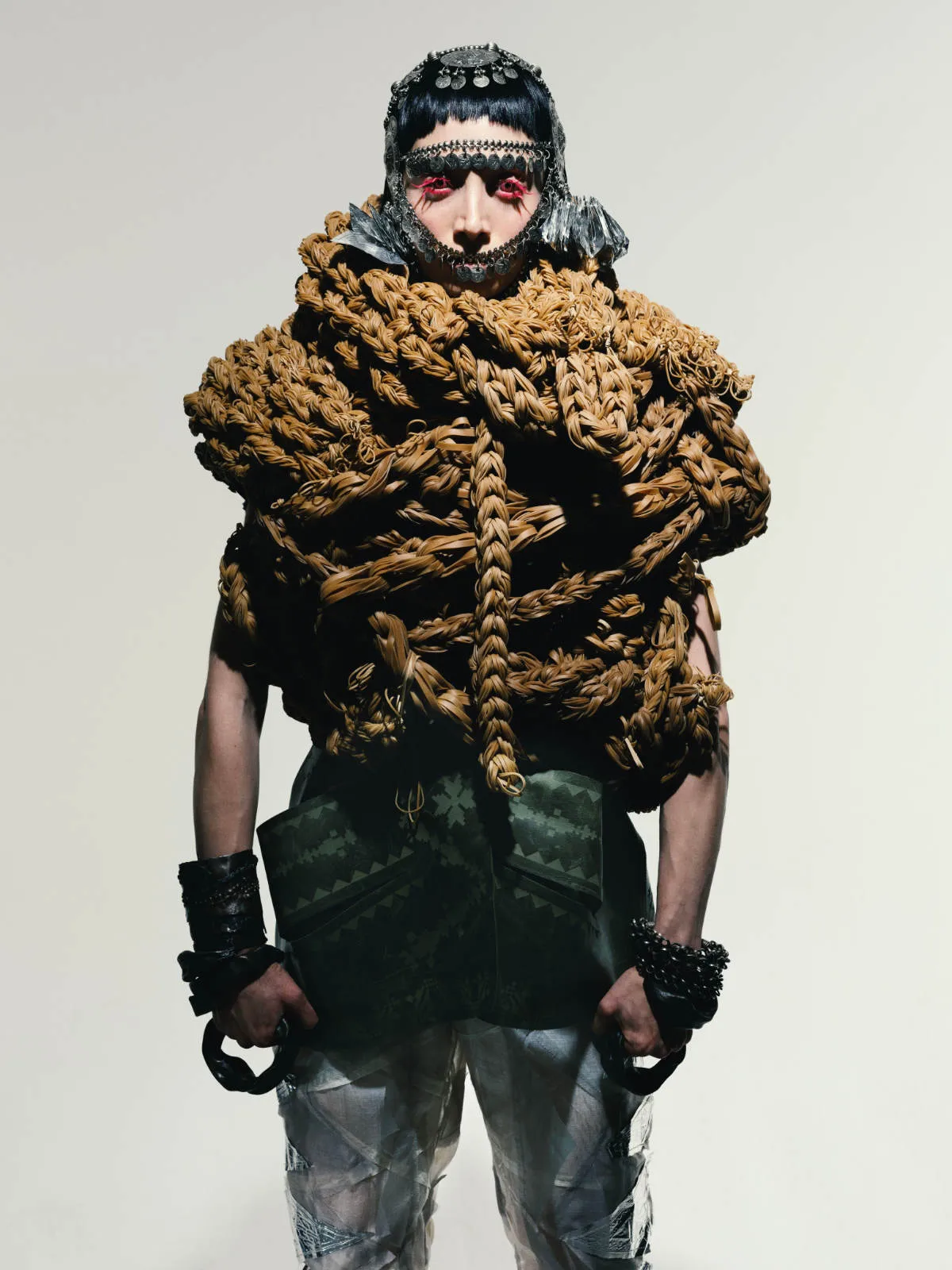
Ayham Hassan, Immortal Magenta, 2025 © Niklas Haze
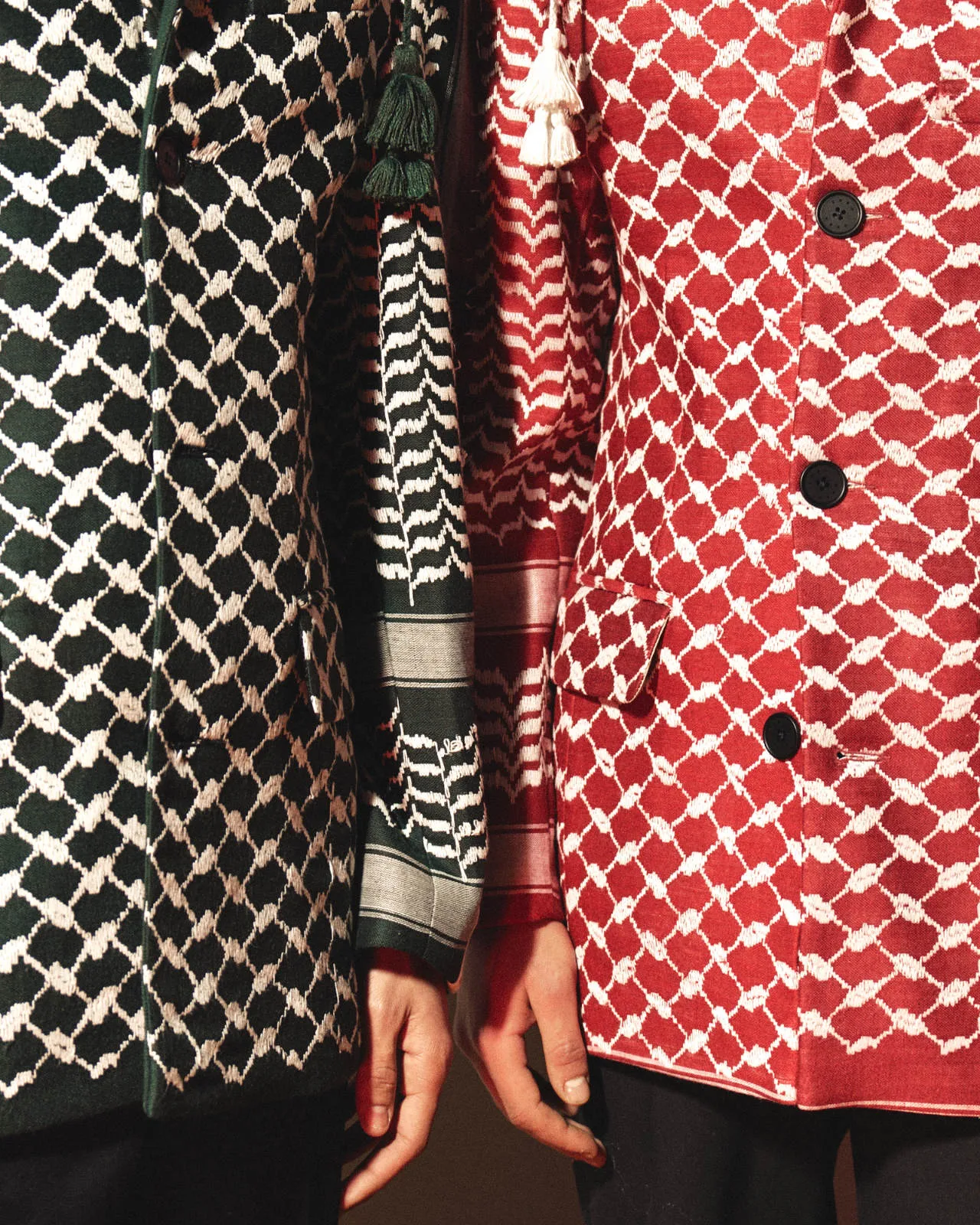
GmbH, AW 2024-25 © Marco Torri
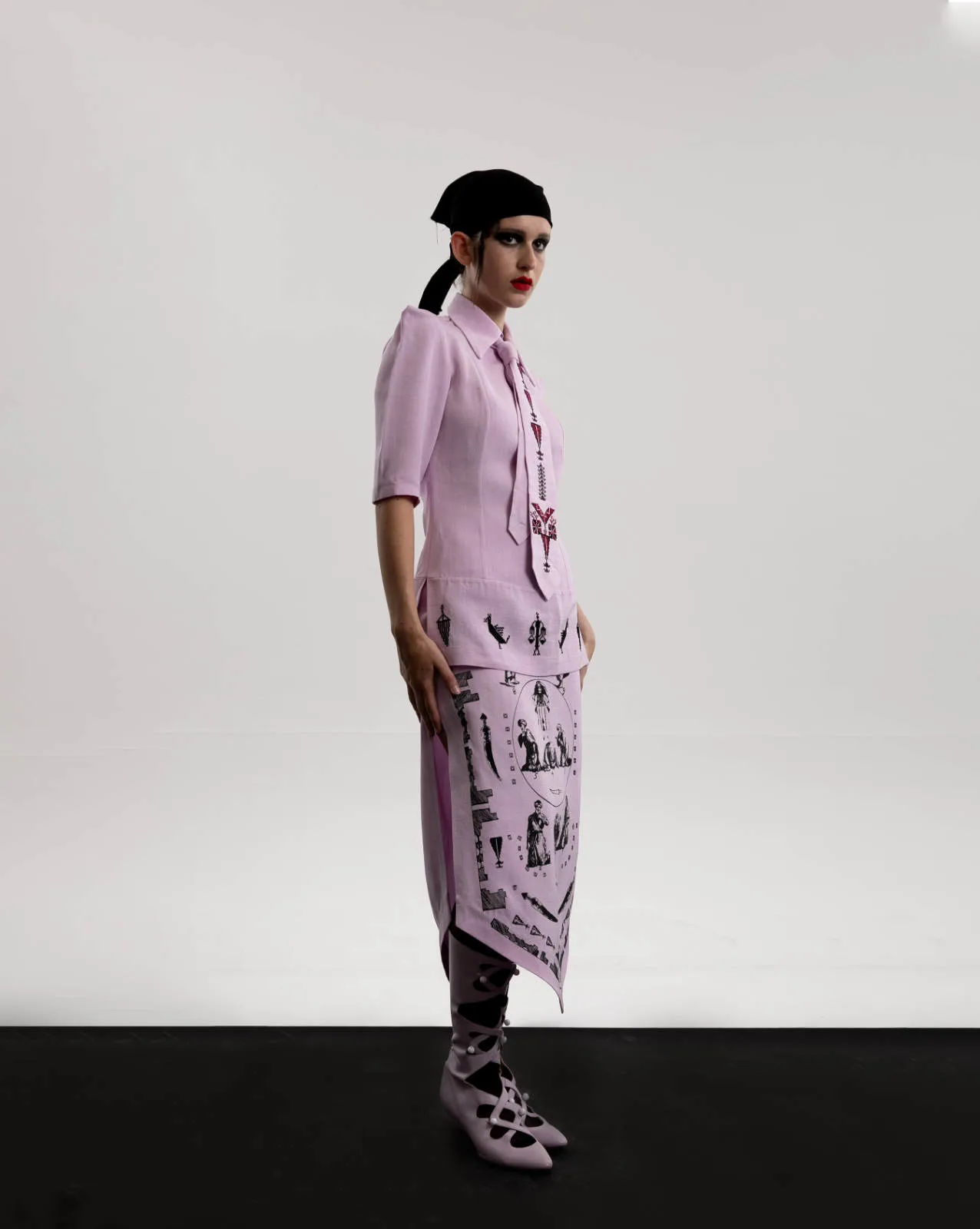
Zeid Hijazi, KALT, 2024 © Courtesy of Zeid Hijazi
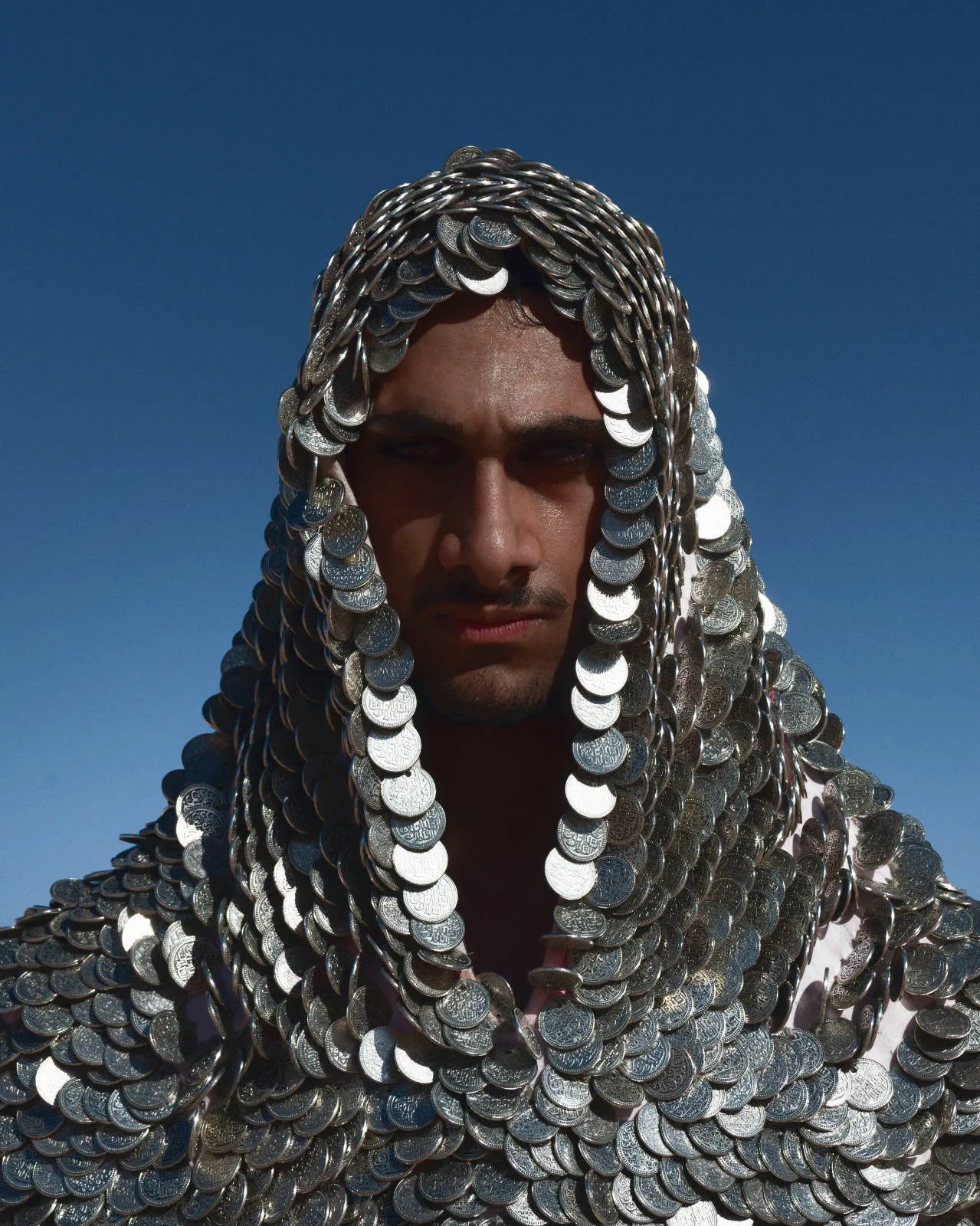
Nazzal Studio, What Should Have Been Home, 2025 © Photography: Zaid Al-Lozi
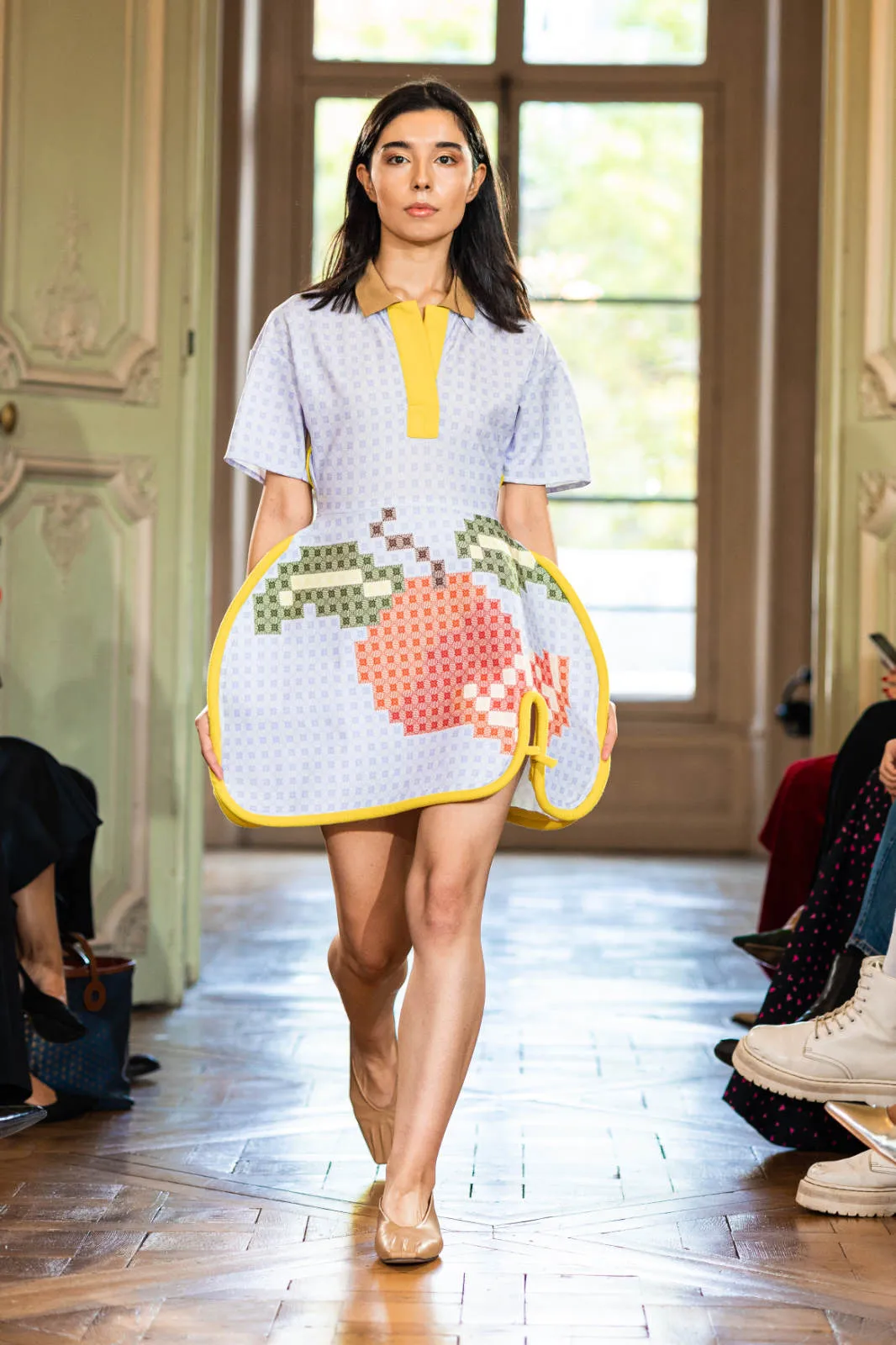
Reemami, Orange Pixel Dress, SS2024 © Courtesy of Reemami
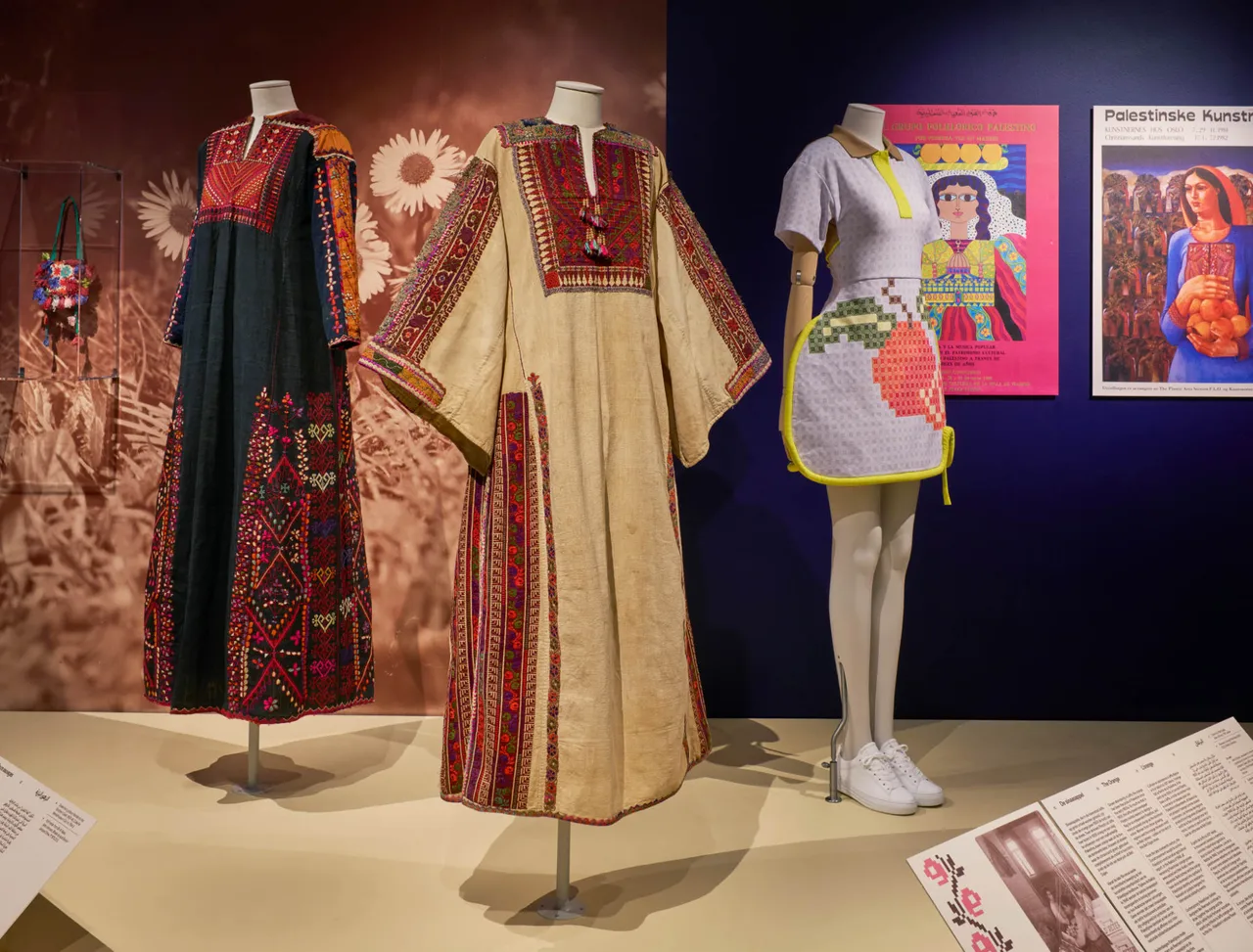
Embroidering Palestine at MoMu Antwerp © MoMu Antwerp. Photo: Stany Dederen
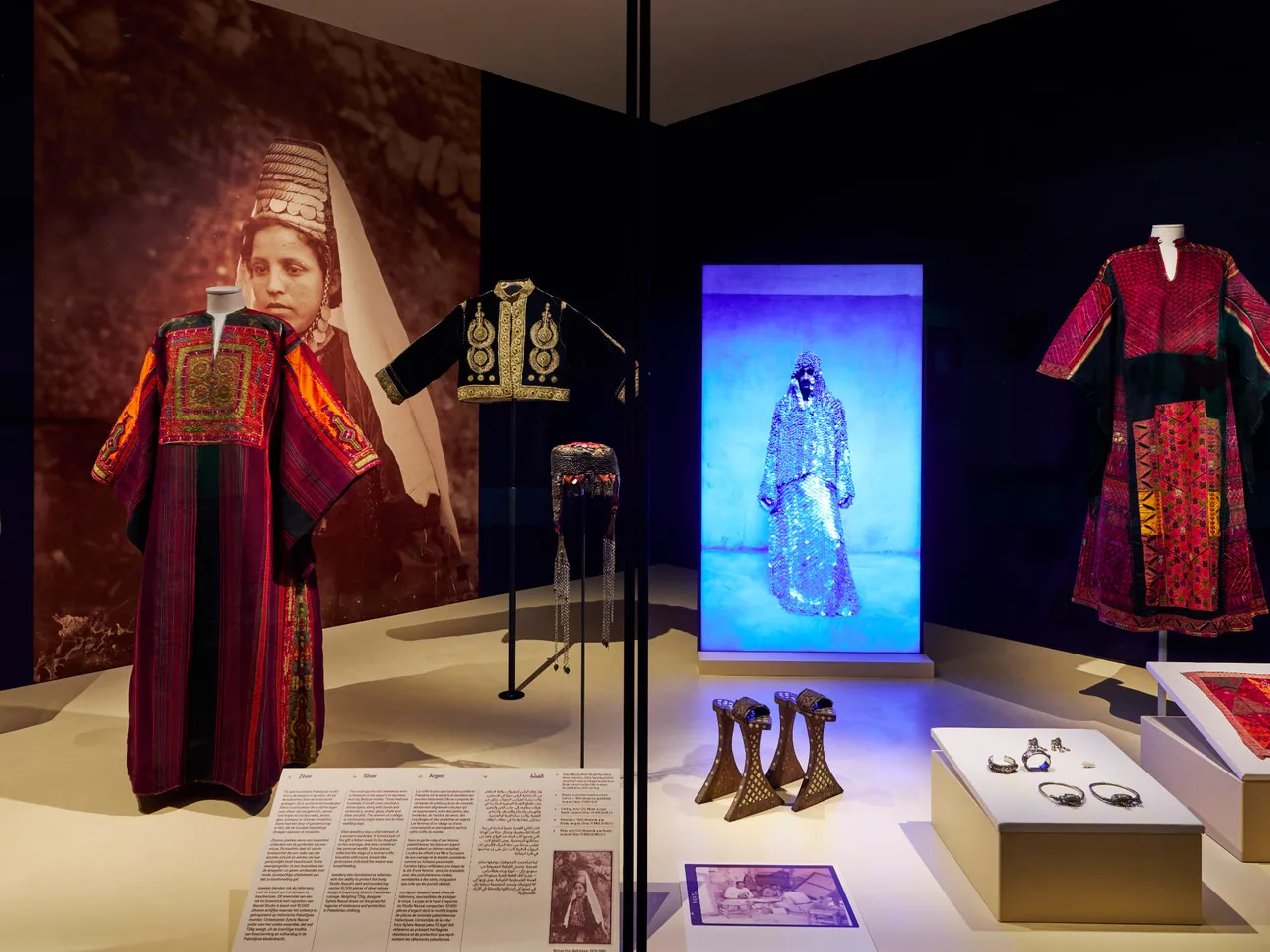
Embroidering Palestine at MoMu Antwerp © MoMu Antwerp. Photo: Stany Dederen