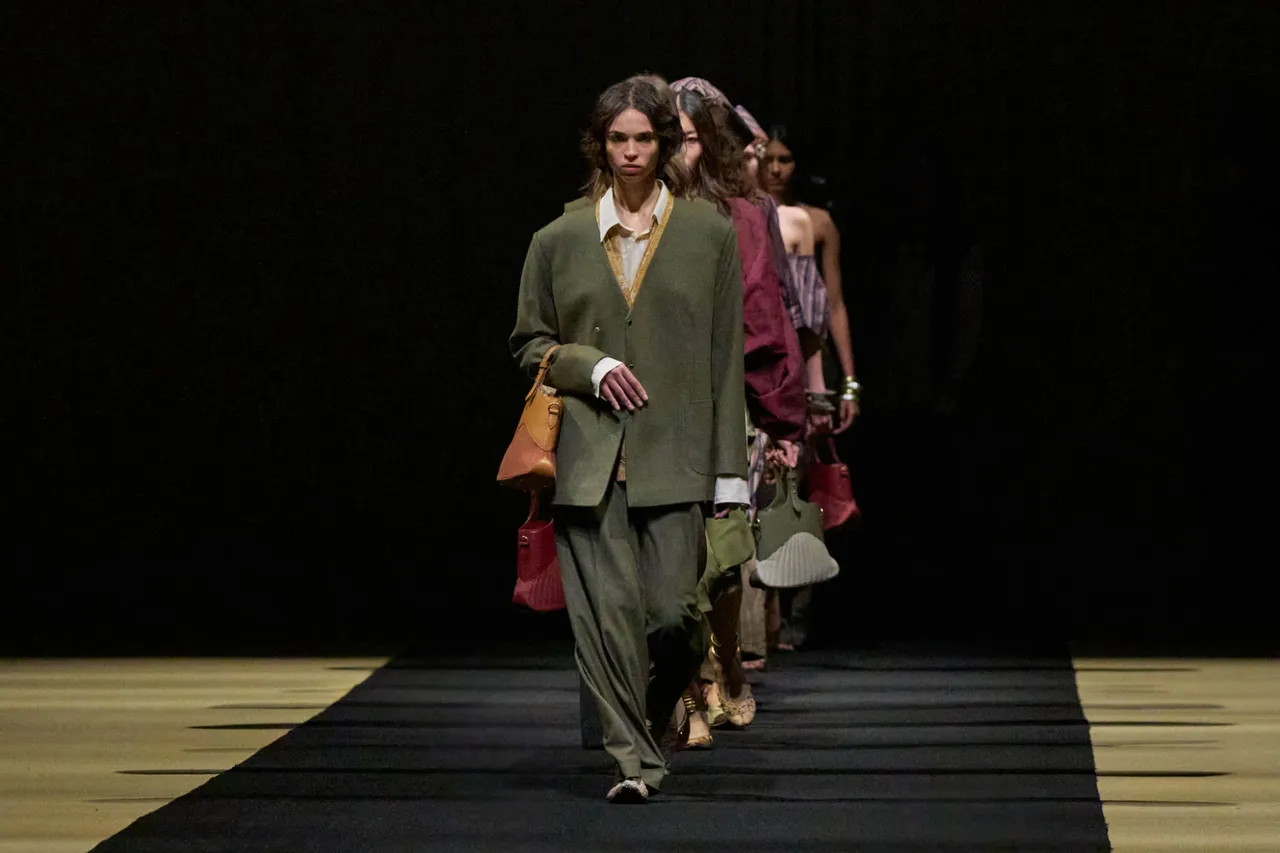
We all know the big four capitals of fashion, but what if we told you about the ones that are slowly growing into becoming powerful beacons of talent and global relevance? Dubai Fashion Week has rapidly transformed from a regional showcase into a strategic industry platform, propelled by international buyers, cross-continental designers, and the infrastructural backing of hubs like Dubai Design District (d3). Its meteoric rise mirrors the city’s broader cultural renaissance, positioning Dubai as the ultimate bridge where Middle Eastern craftsmanship meets the relentless innovation of the global luxury market.
For the Fall/Winter 2026/27 season, designers arrived with collections marked by a palpable sense of maturity, trading the fast-fashion cycle for deep storytelling and heightened “material intelligence". From the presence of storied Italian maisons to the emergence of surrealist regional talent, the runway unfolded as a space where protection and softness (both literal and metaphorical) took centre stage. Let's dive into our favourite collections presented this season.
Alberta Ferretti
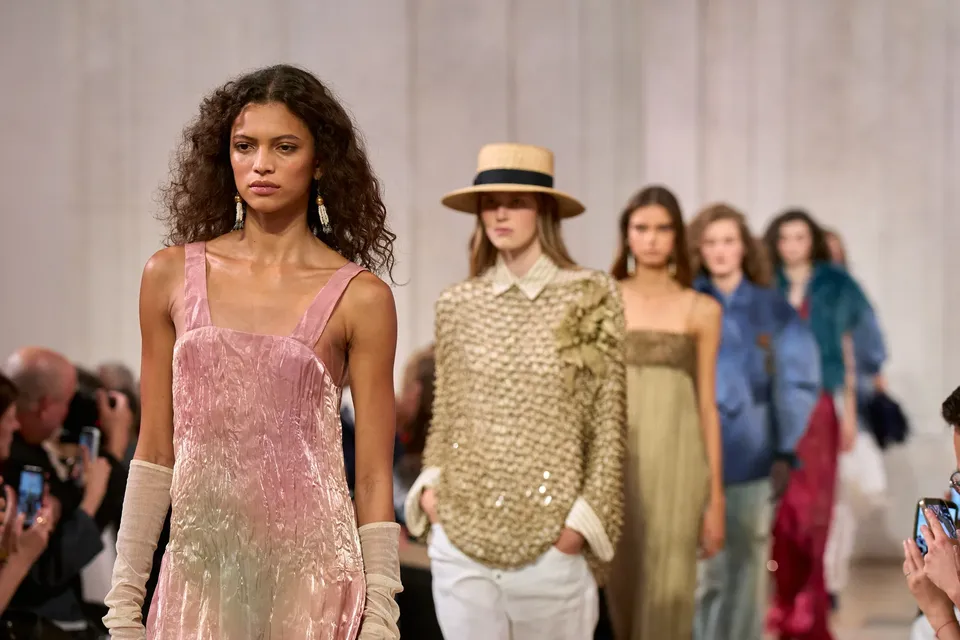
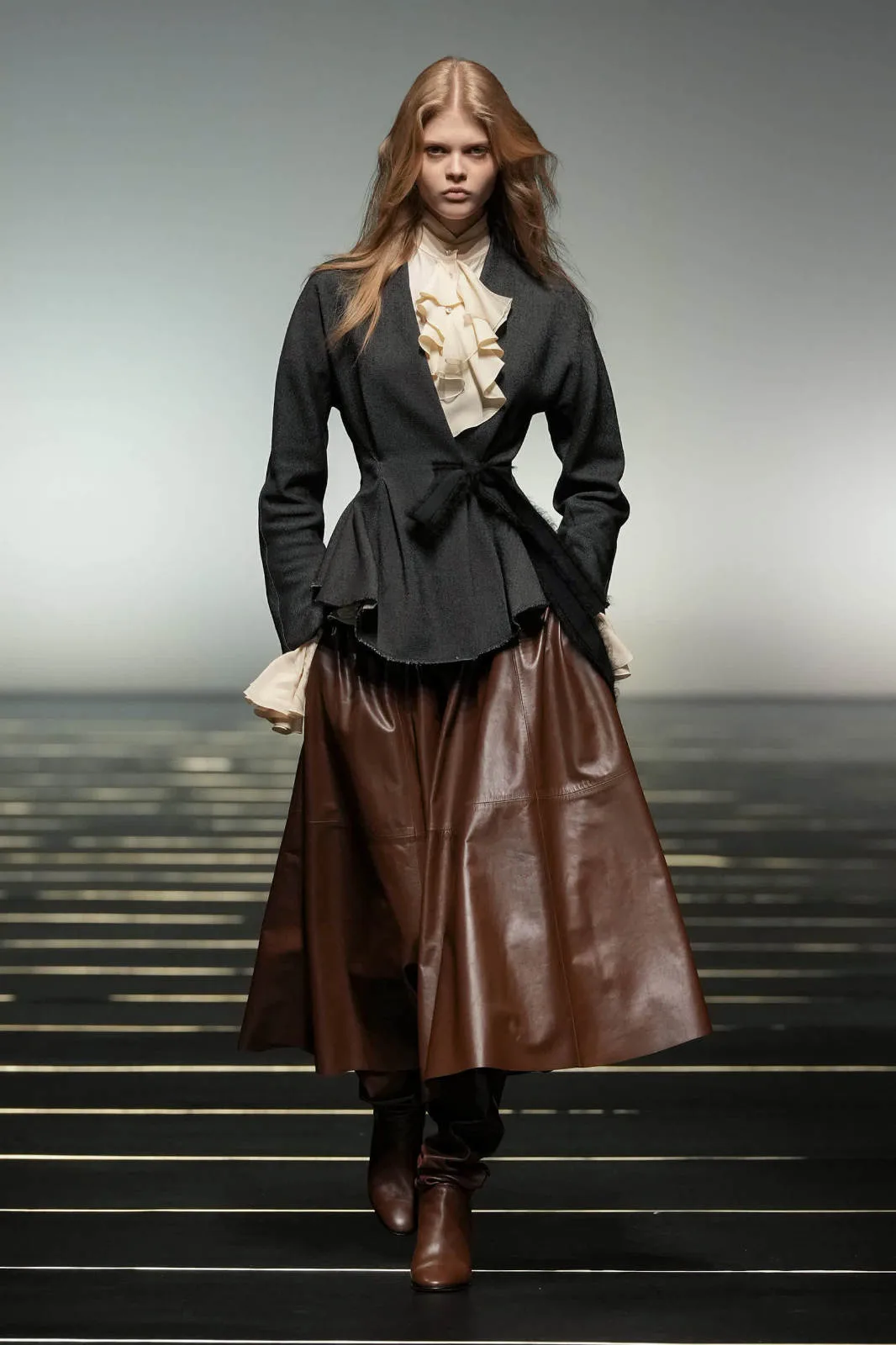
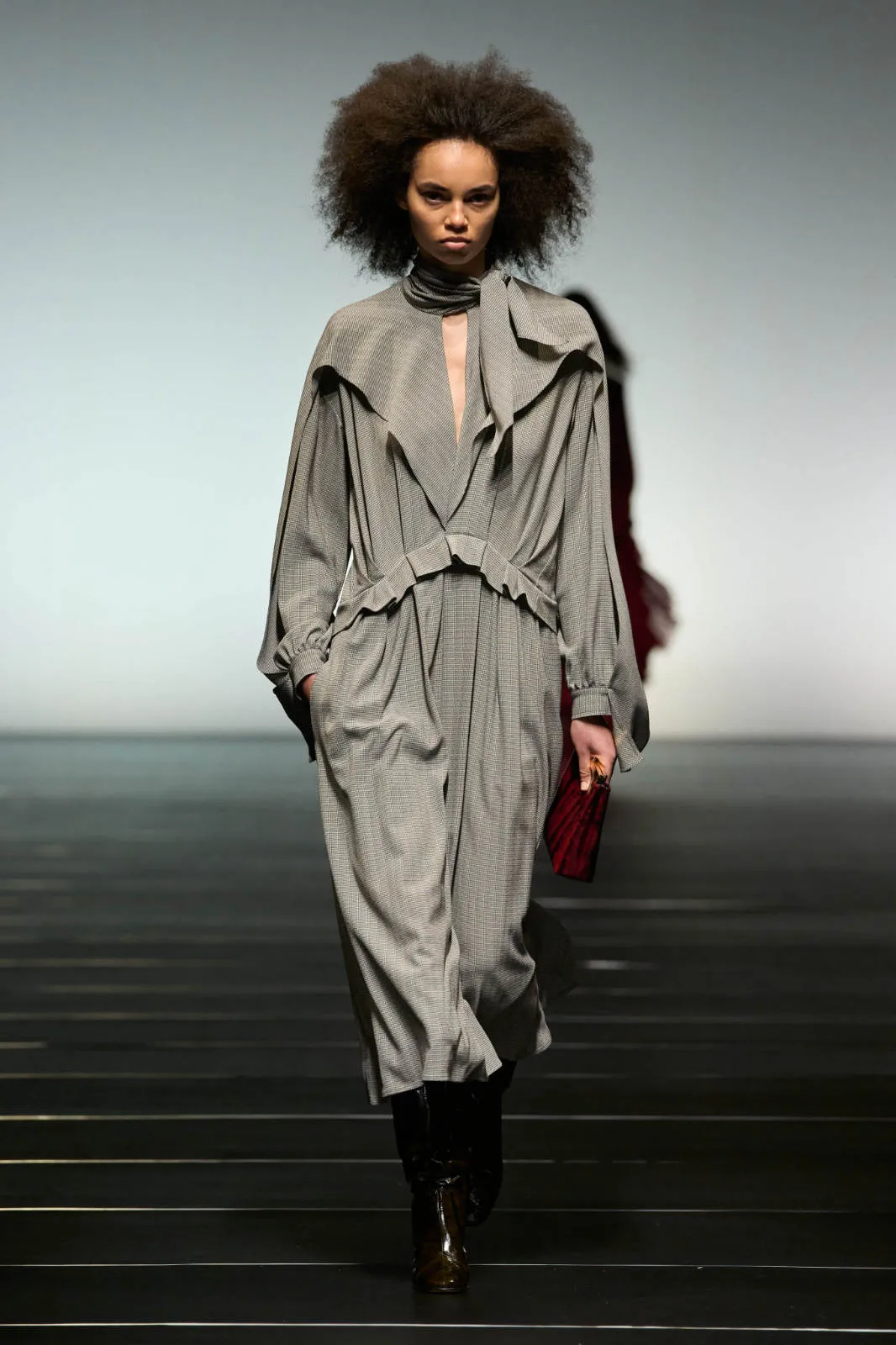
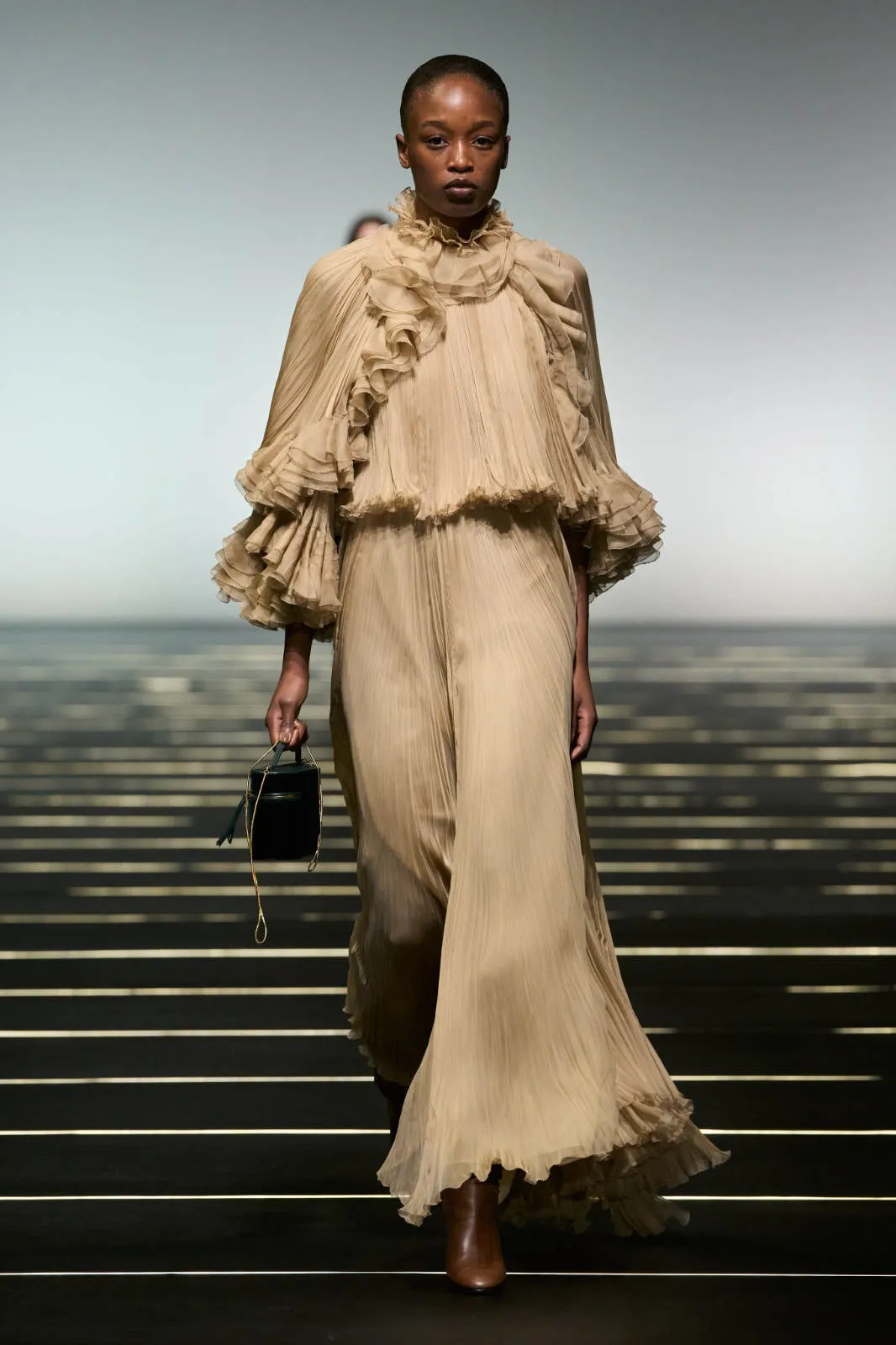
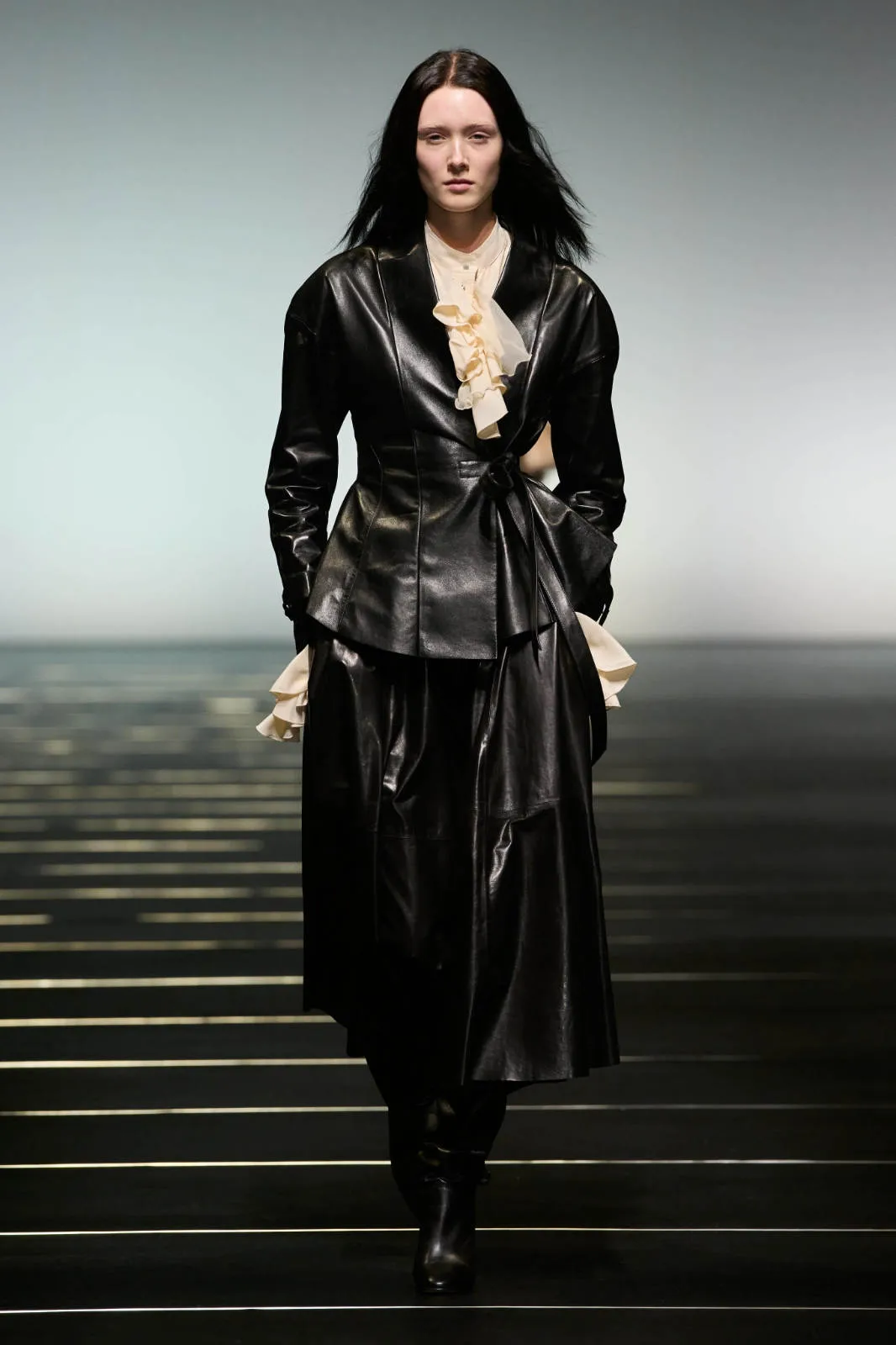
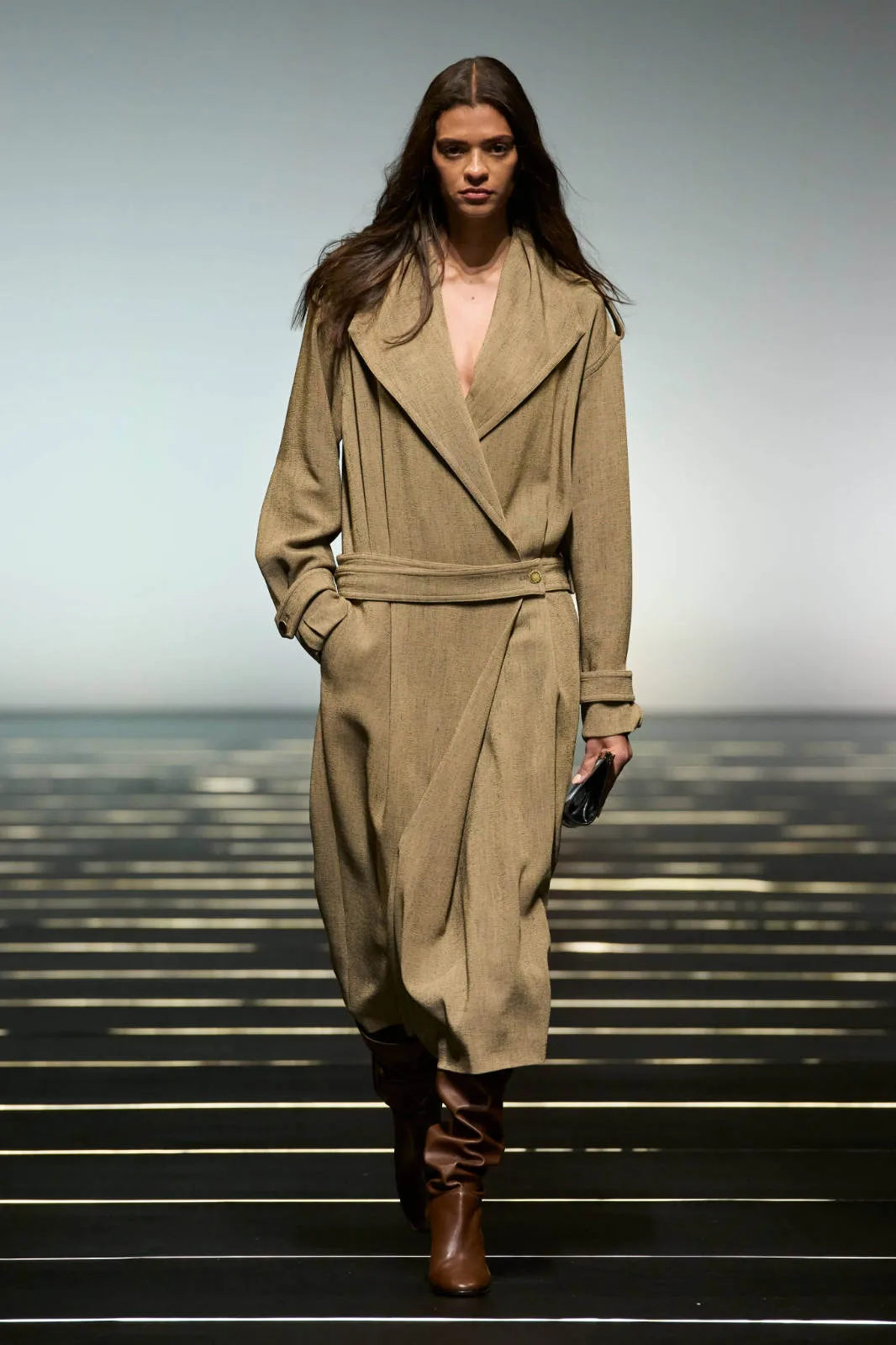
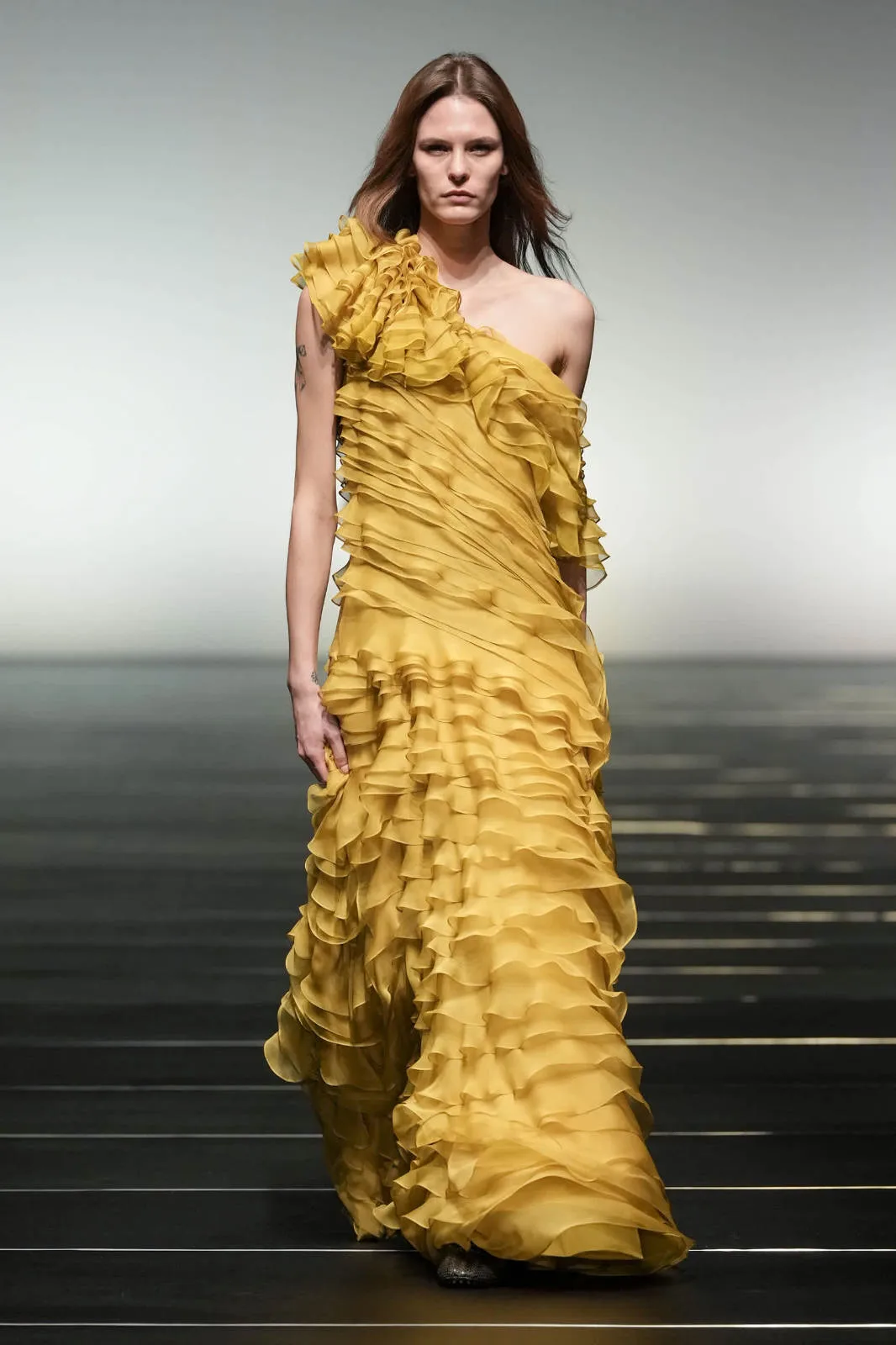
Opening the fashion week, the legendary Italian fashion house Alberta Ferretti made a grand entrance with its first-ever full-scale show in the Middle East. The Fall/Winter 2026/27 collection, titled Portrait of a Lady, was designed by Creative Director Lorenzo Serafini. The runway featured a blend of soft chiffon sculpted into protective silhouettes alongside structured leather and feminine tailoring, all grounded in a palette of black, ivory, ruby, and aubergine. With refined details like light tubular beading, subtle feather accents, and velvet evening capes paired with practical slouchy boots or flat ballerinas, the collection celebrated an instinctive, inward confidence that perfectly balanced Italian craftsmanship with the cosmopolitan energy of Dubai.
Absent Findings
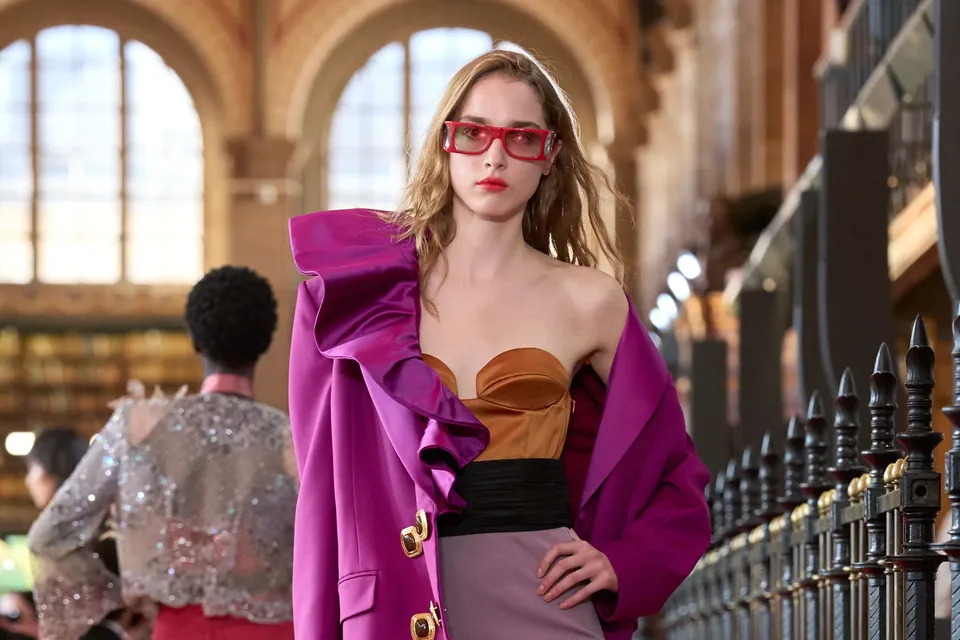
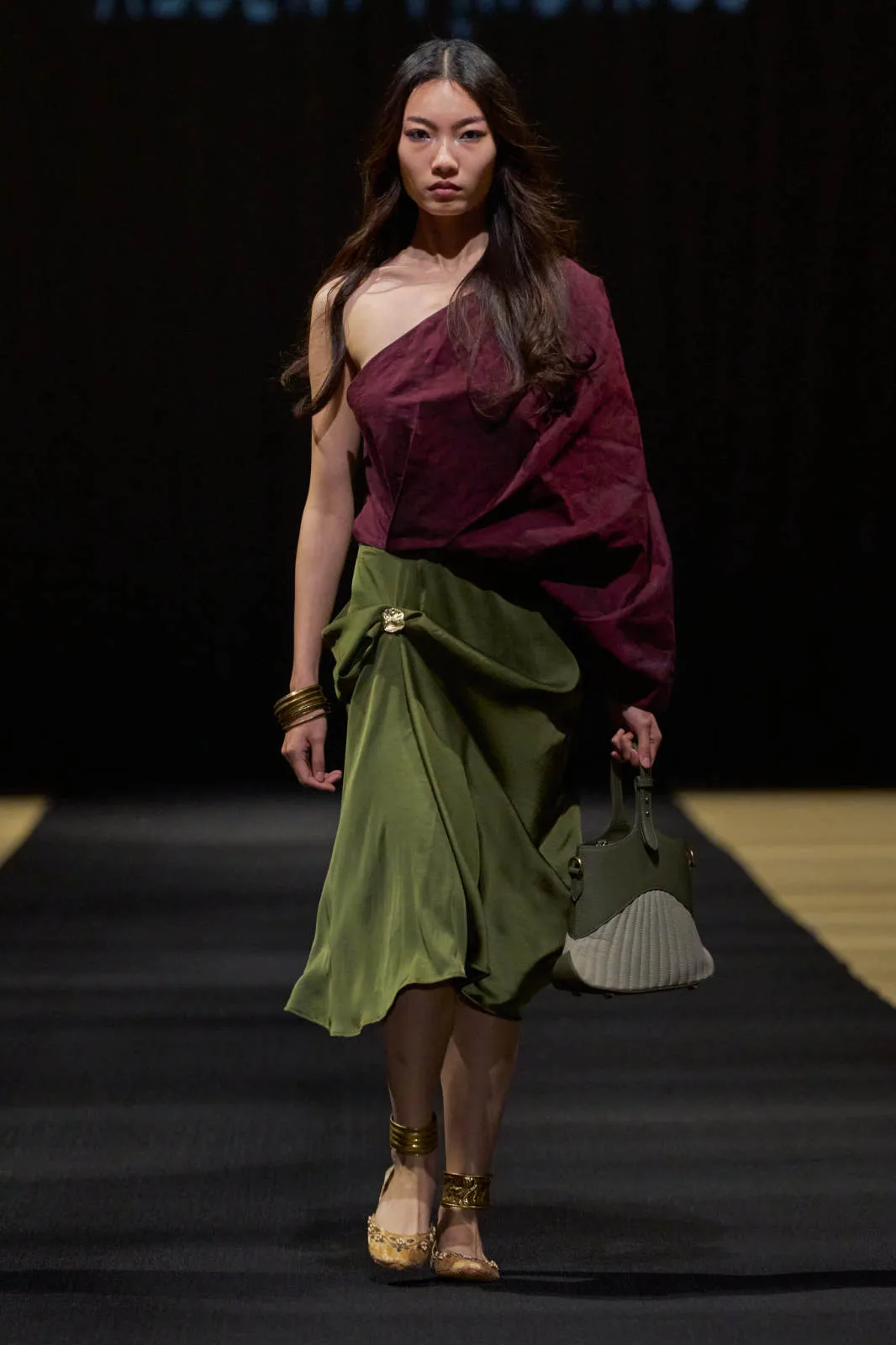
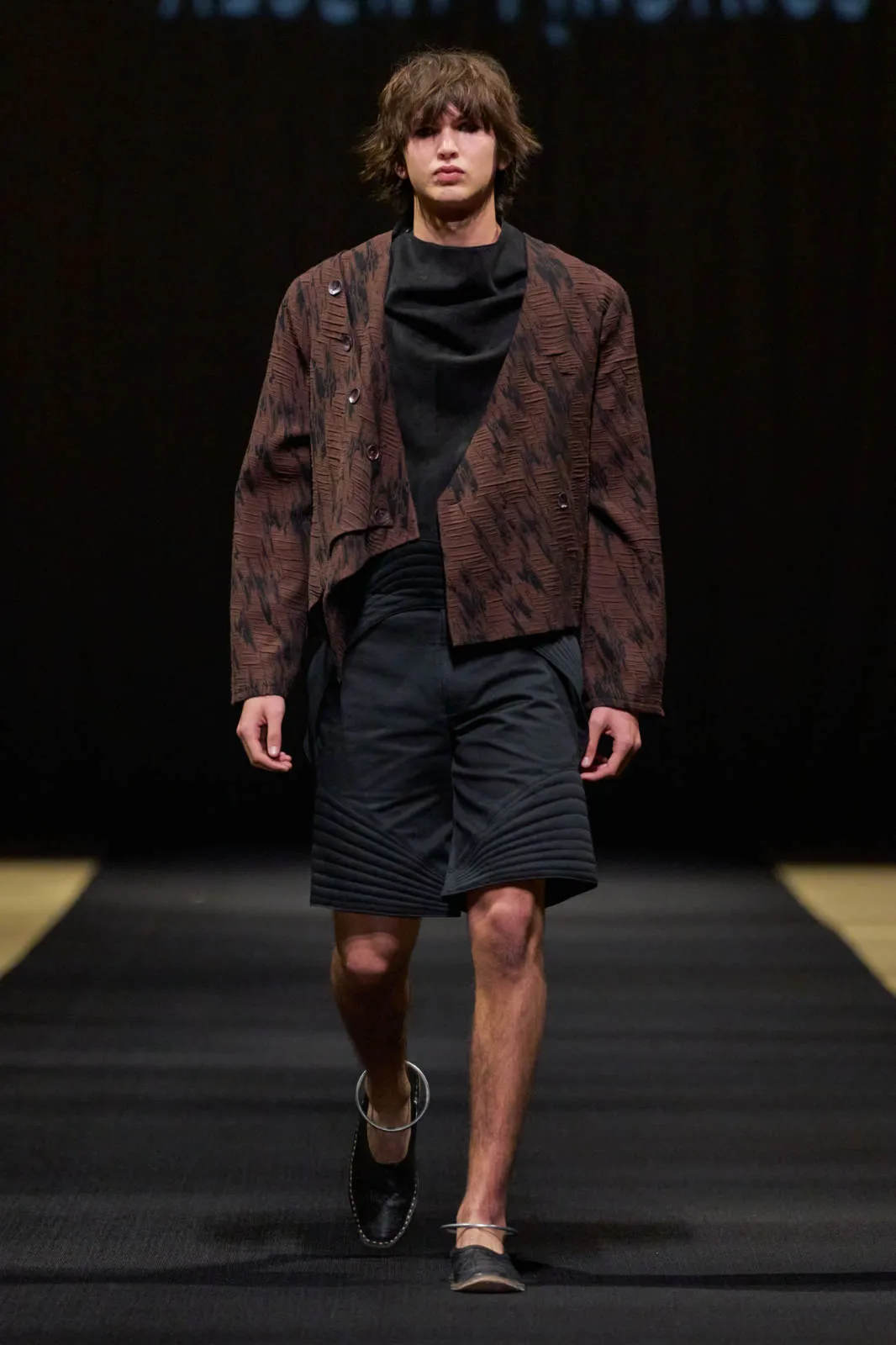
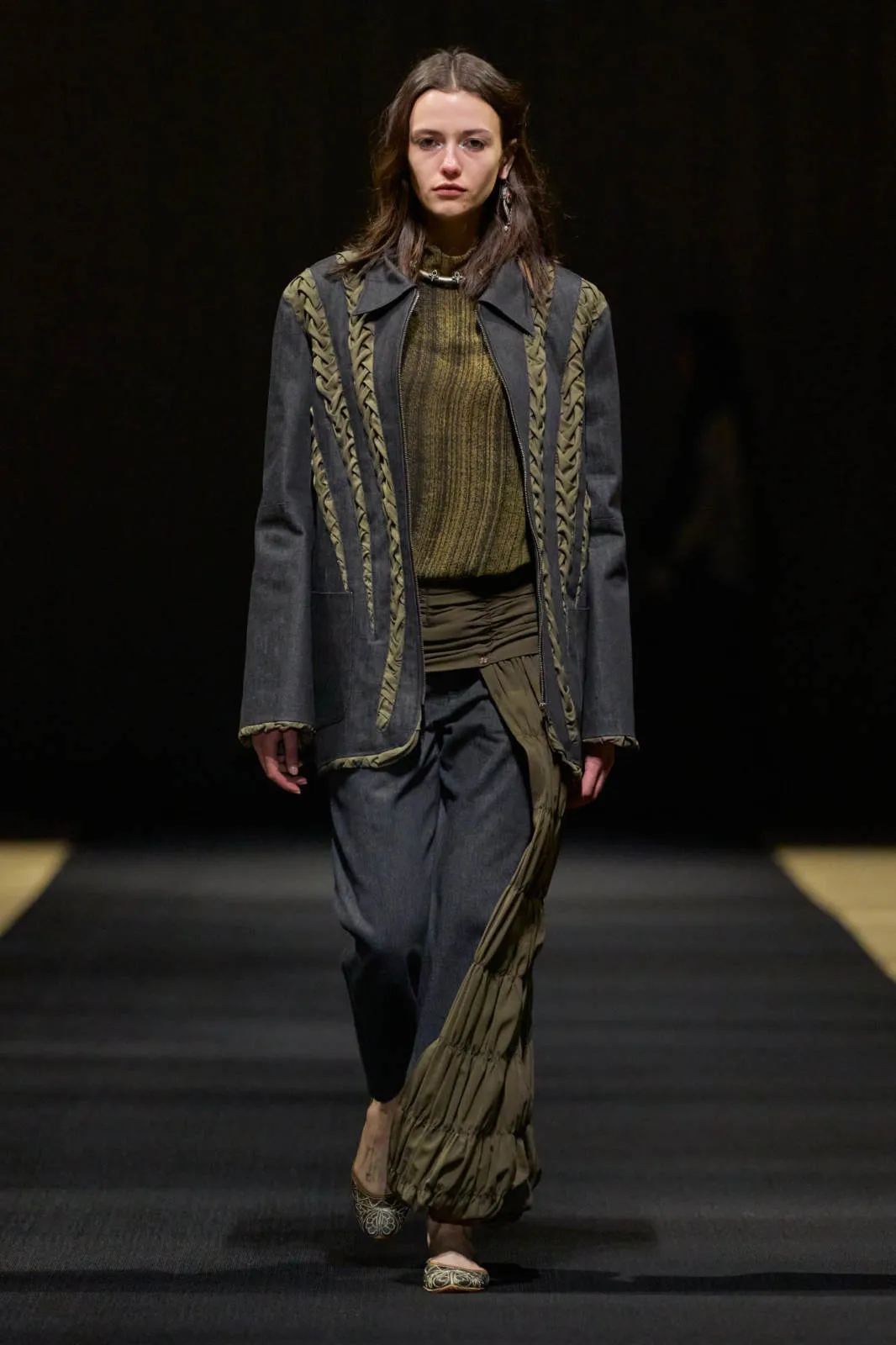
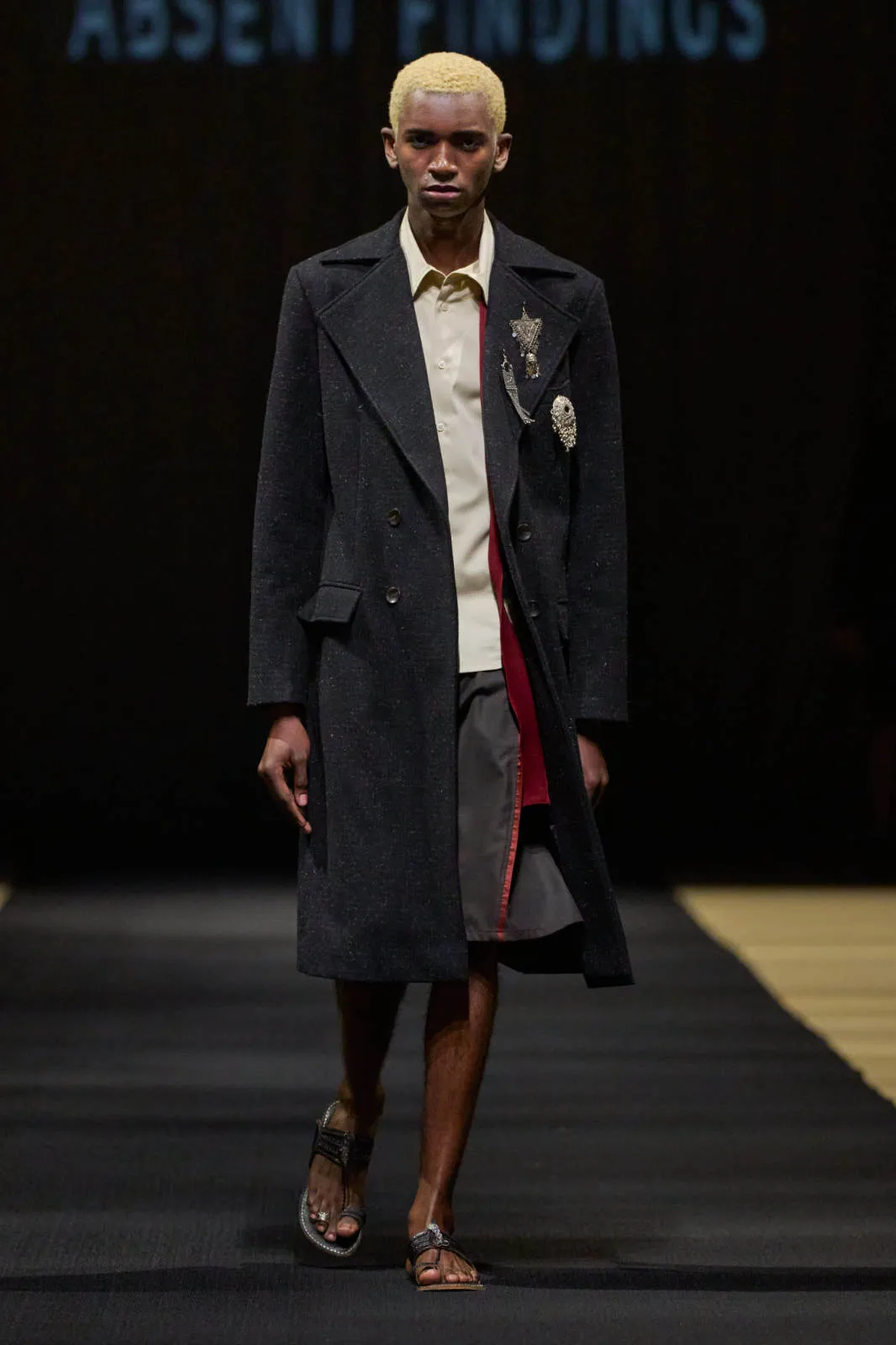
The brand Absent Findings turned the runway into a surreal, dreamlike space with its latest collection, Not What You Think. Inspired by the haunting art of Francis Bacon and Salvador Dalí, the show felt like a vivid memory caught between clarity and distortion. Models glided by in elongated, architectural silhouettes and pinstripe tailoring that blurred gender lines, all grounded in a moody palette of deep jewel tones and structured neutrals.
What truly set this collection apart was its soulful approach to sustainability and heritage. Shivin Singh breathed new life into the past by repurposing heirloom saris and using dead-stock fabrics, creating "material intelligence" that was both ancient and futuristic (and we love it). From ethereal ruffled bodysuits to meticulous Italian tailoring finished with traditional Kolhapuri sandals, the show was a powerful reminder that fashion is at its best when it explores the "absent" spaces between cultural history and modern identity.
BLSSD
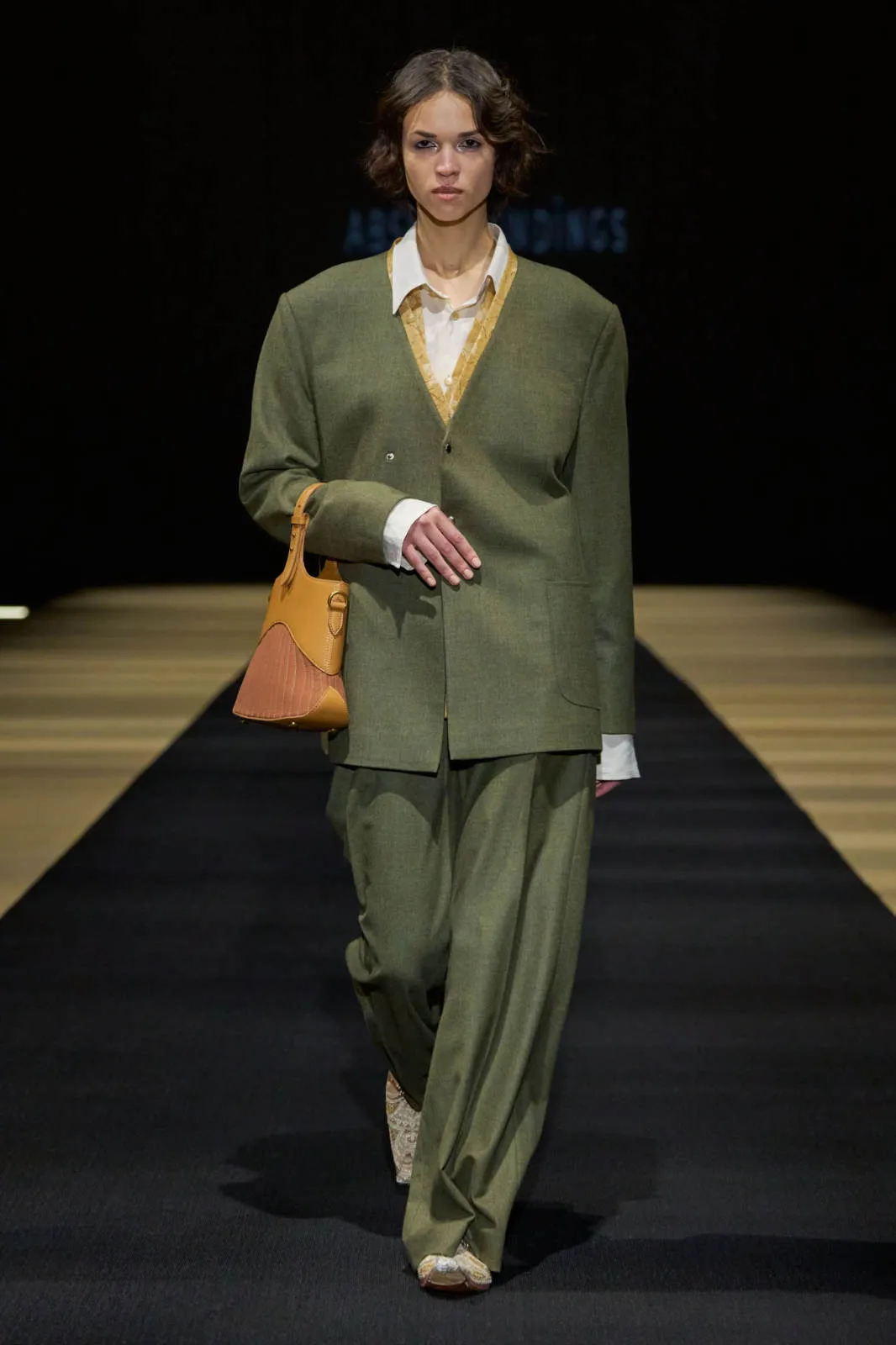
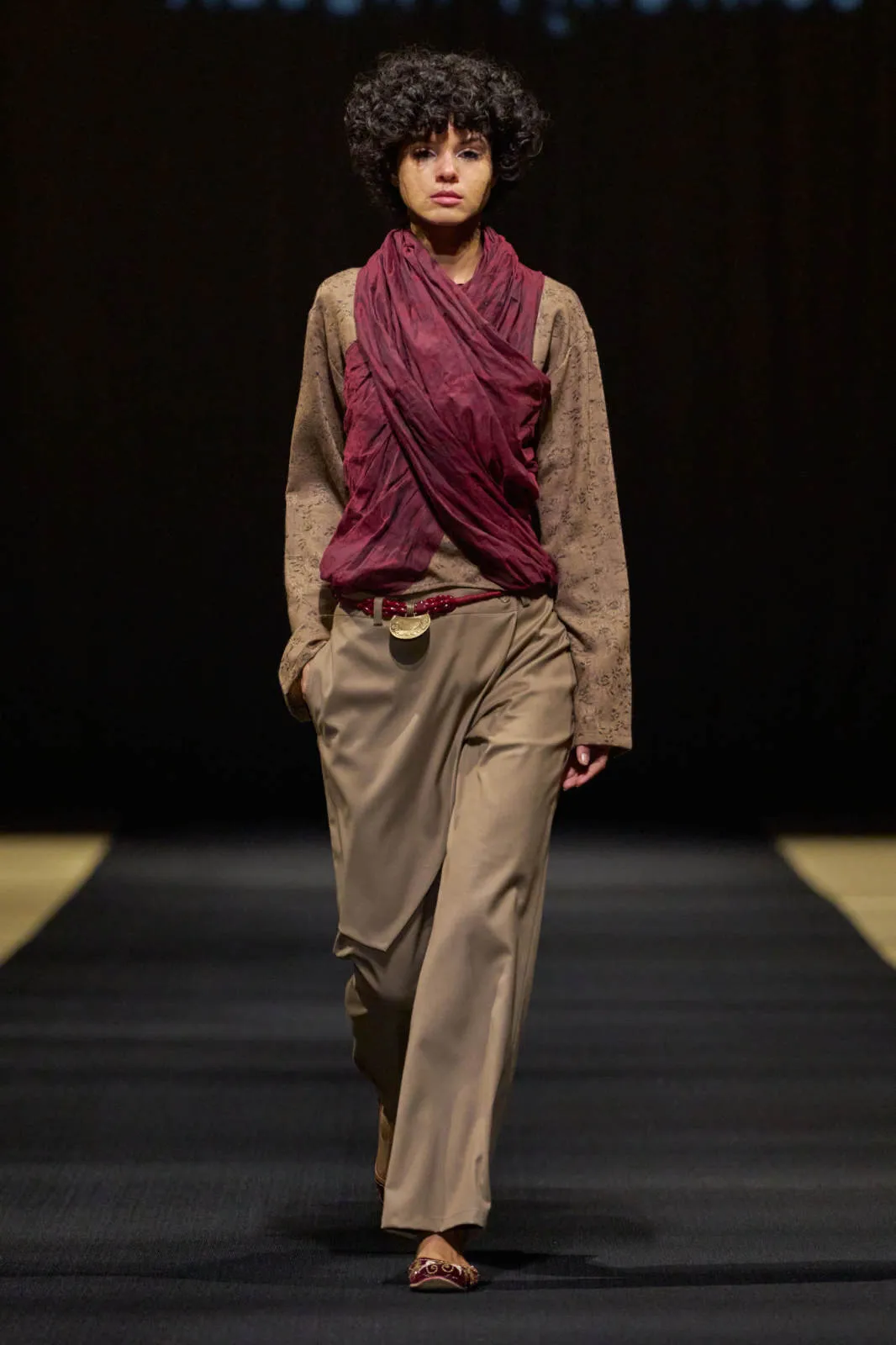
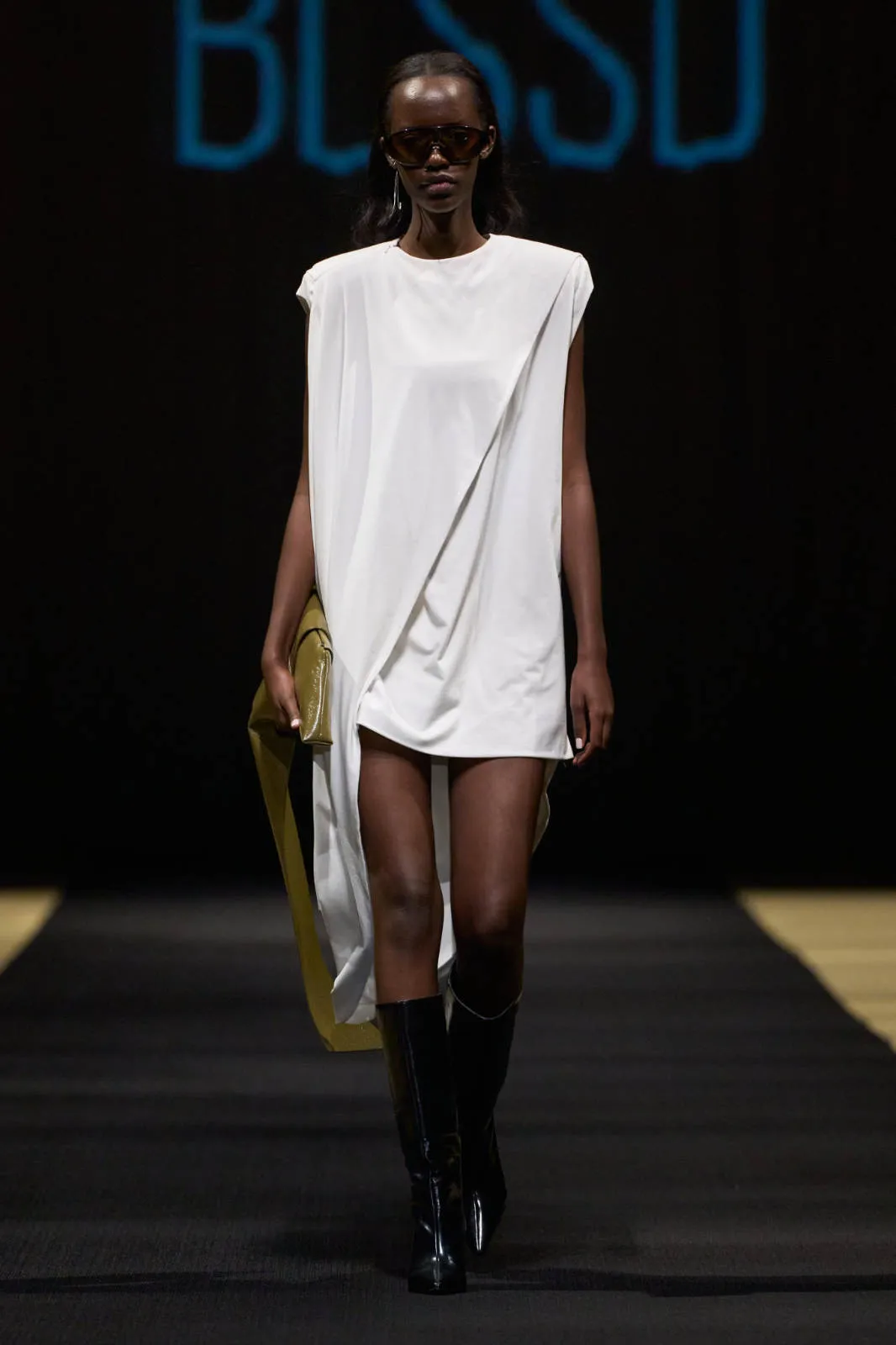
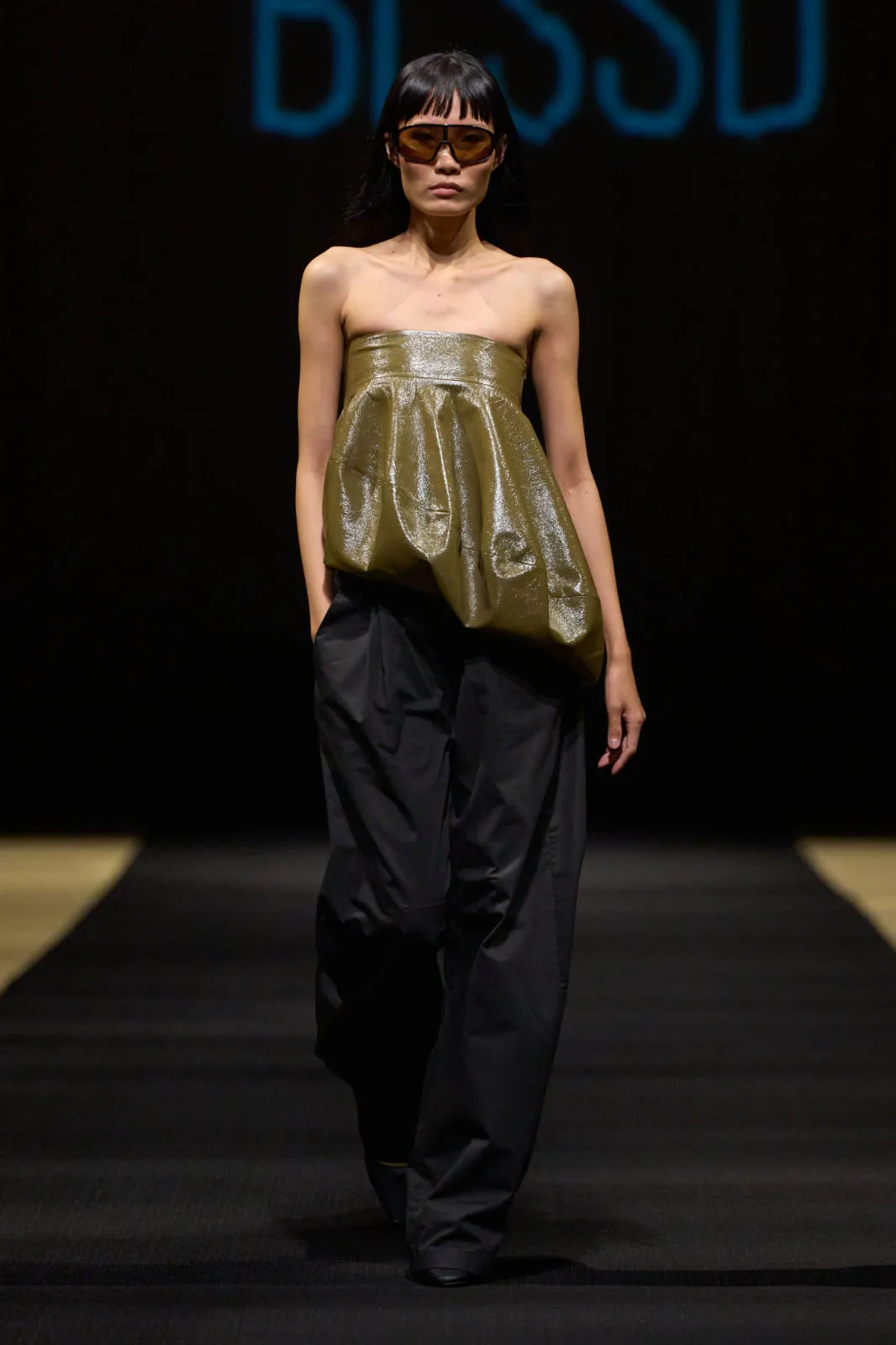
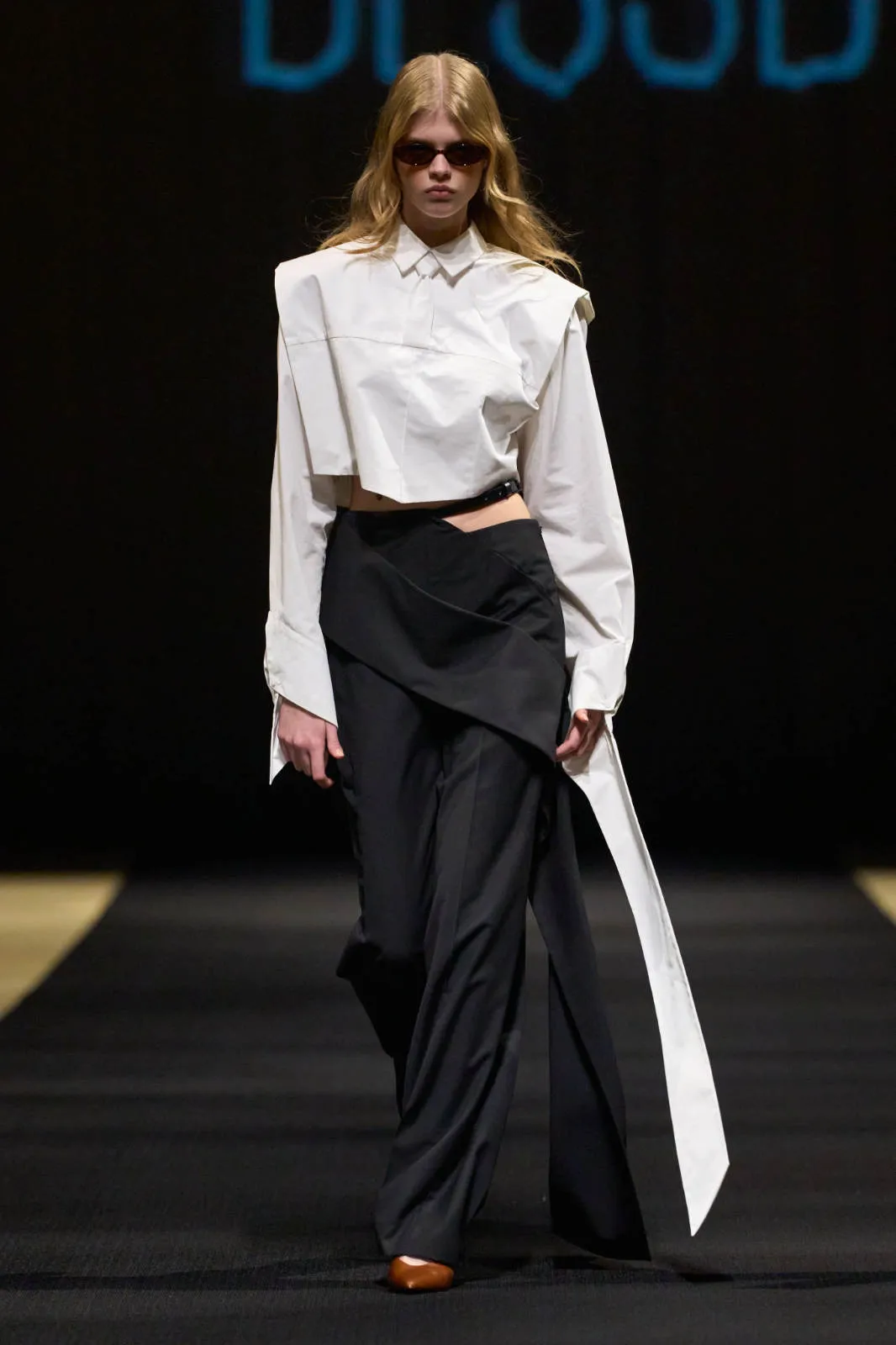
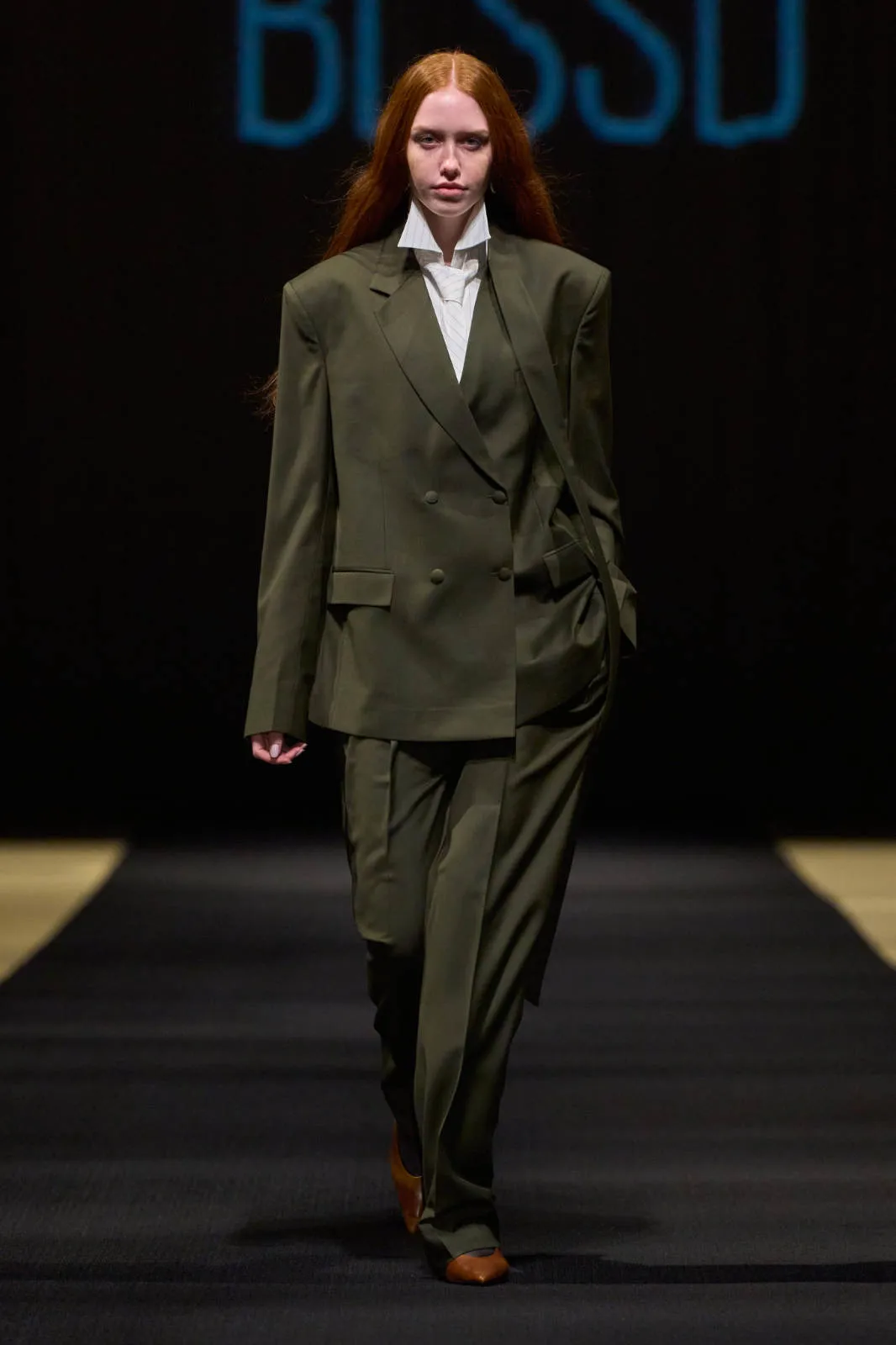
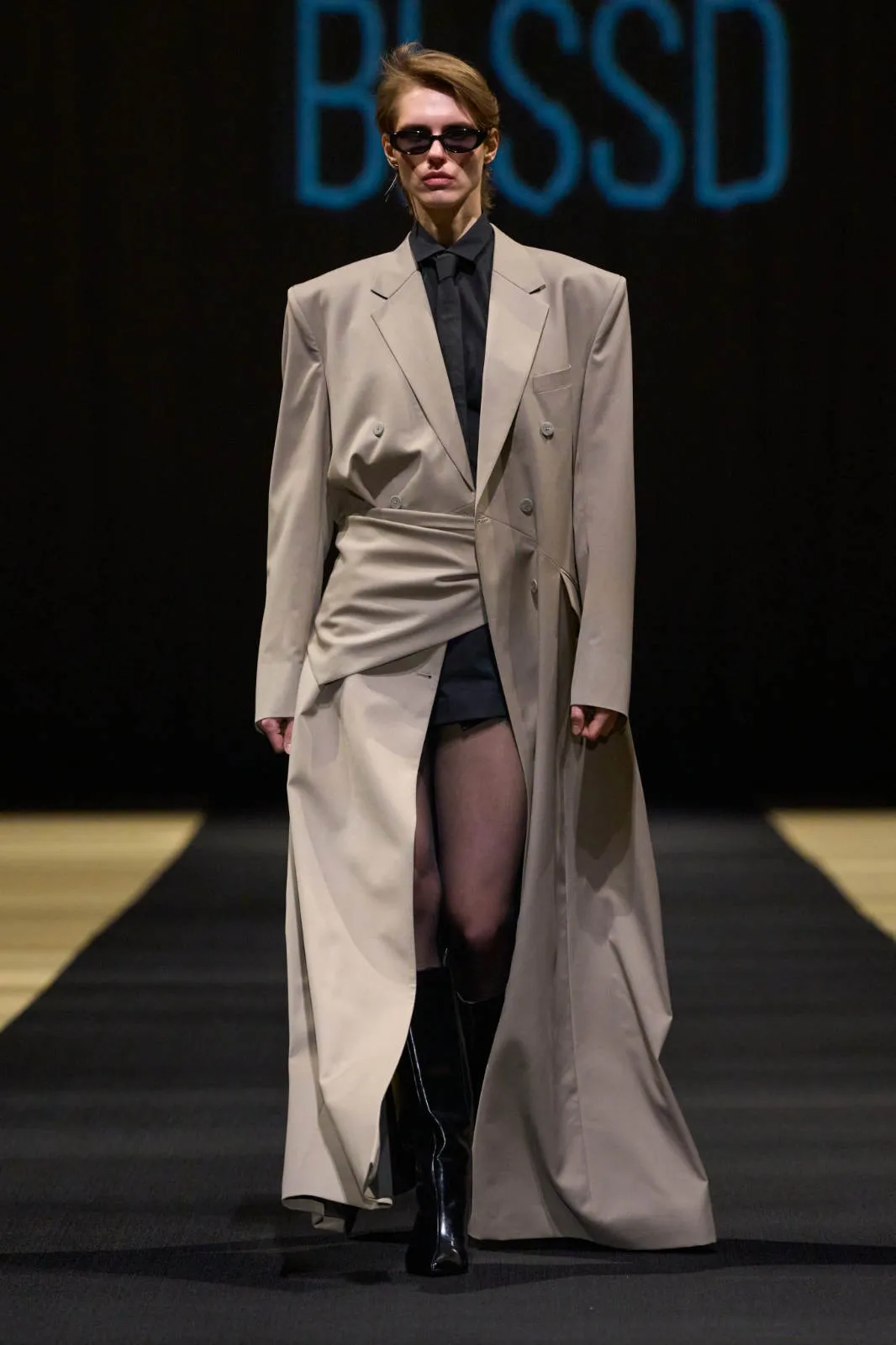
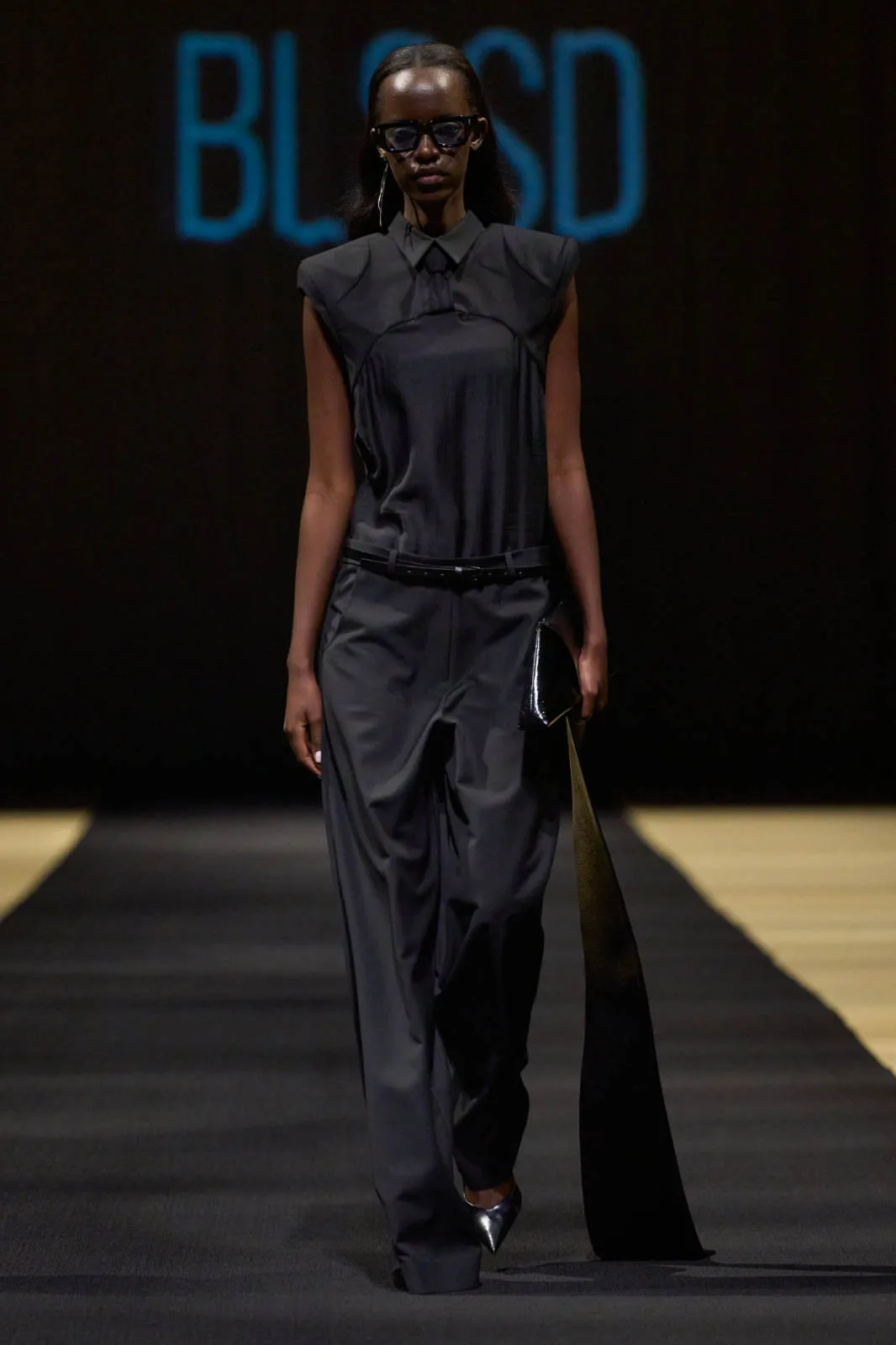
BLSSD returned to the runway this season with Yet, marking a strong mid-week highlight that reflected the label’s continued ascent since joining the Dubai Fashion Week Members Committee. Founded in 2015 by Lama Riachi, the brand remains rooted in its “Prêt-A-Gratitude” ethos but is elevated with ready-to-wear outerwear. This season, its visual language kept the monochrome line into earthy tans, army greens, blacks and whites.
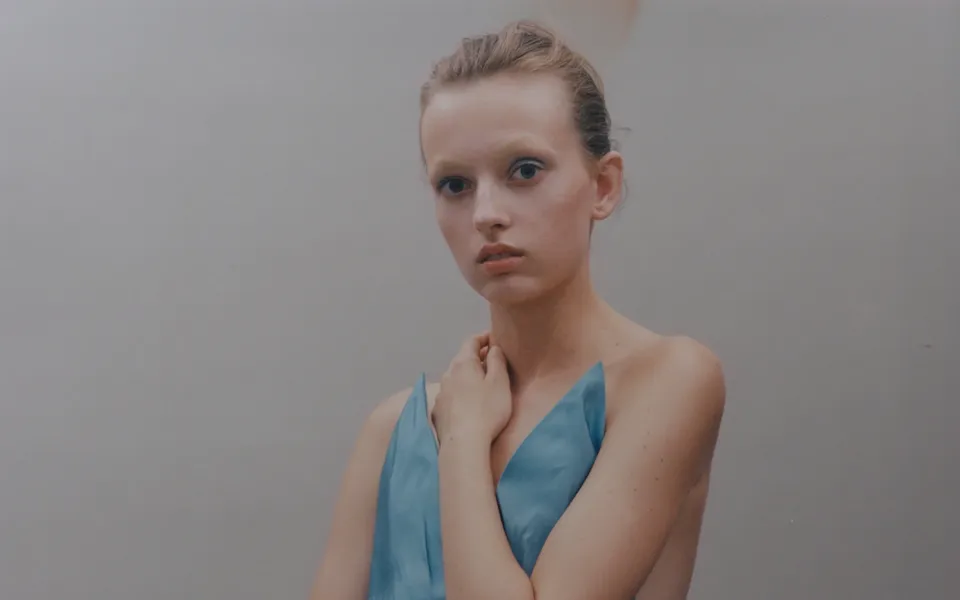
Outerwear proposals led the narrative, from sculptural vegan-leather trenches to tailored pieces like blazers and skirts, all of this elevated with deconstructed elements, like the typical “office” white shirts. The structured silhouettes were softened by moments of fluidity, most notably by fluid silk dresses in soft blue and black. The interplay of protection and softness encapsulated BLSSD’s evolving identity, purpose-driven, materially conscious, and increasingly expressive.
Emergency Room x Timberland
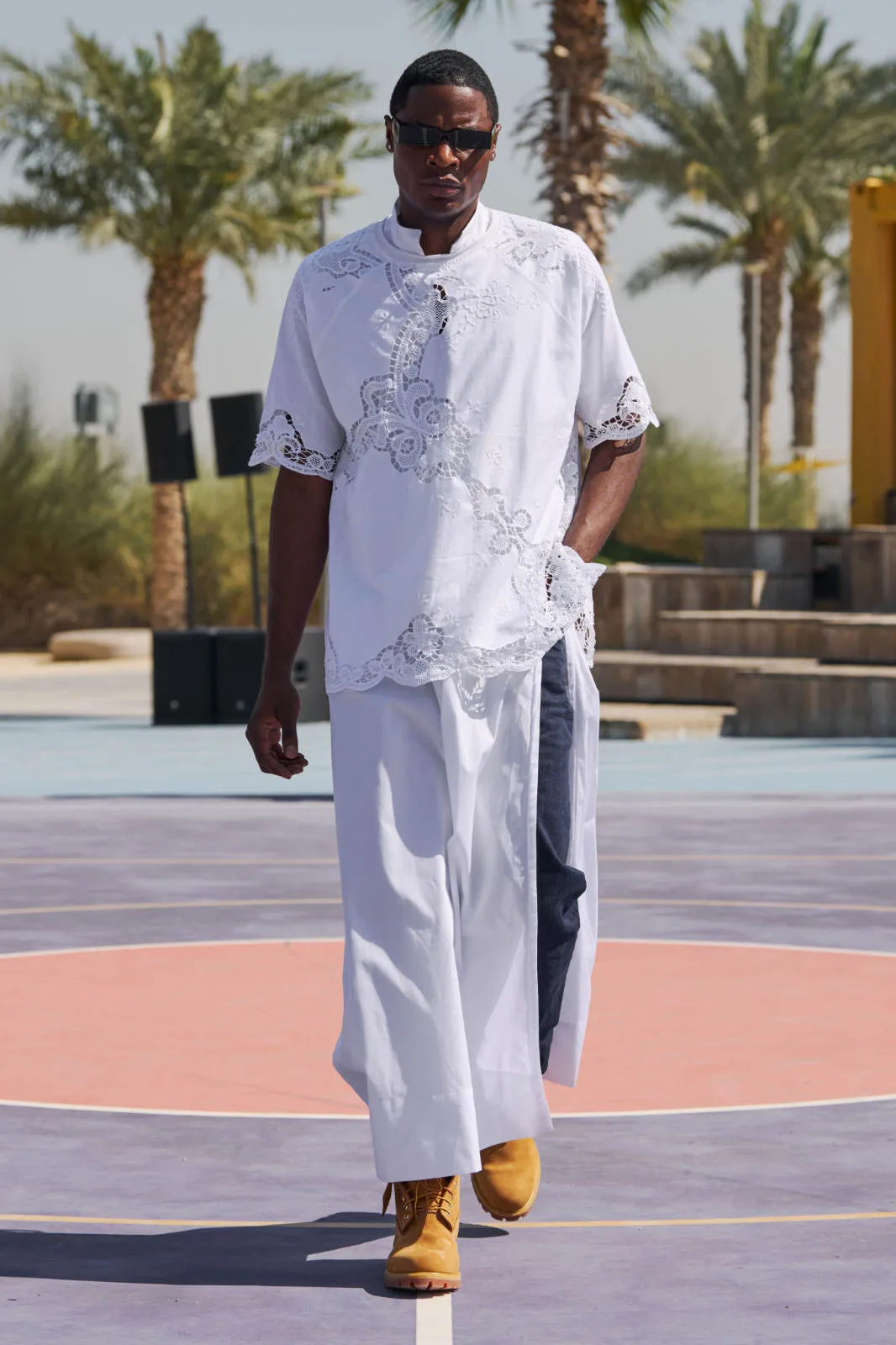
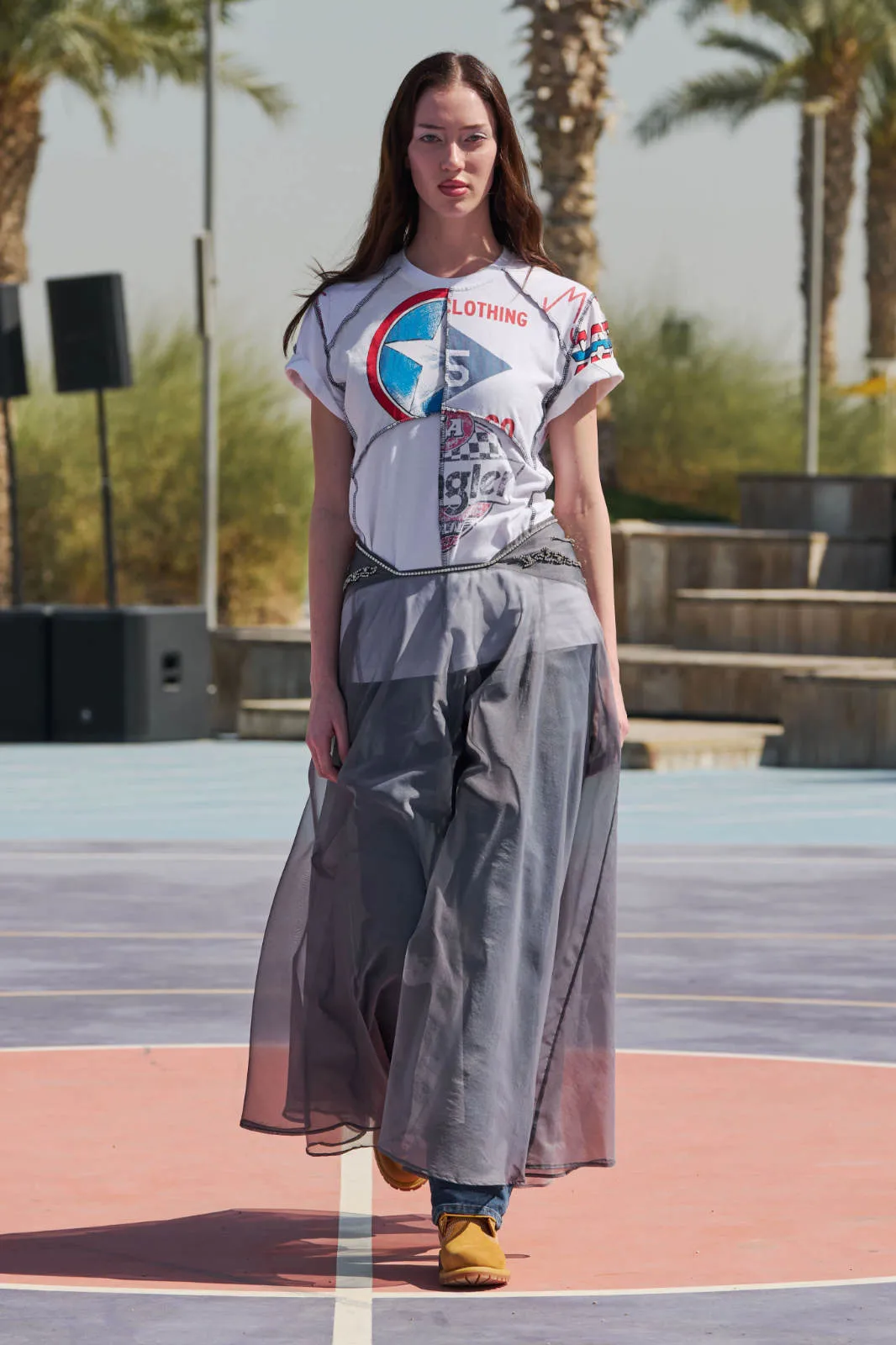
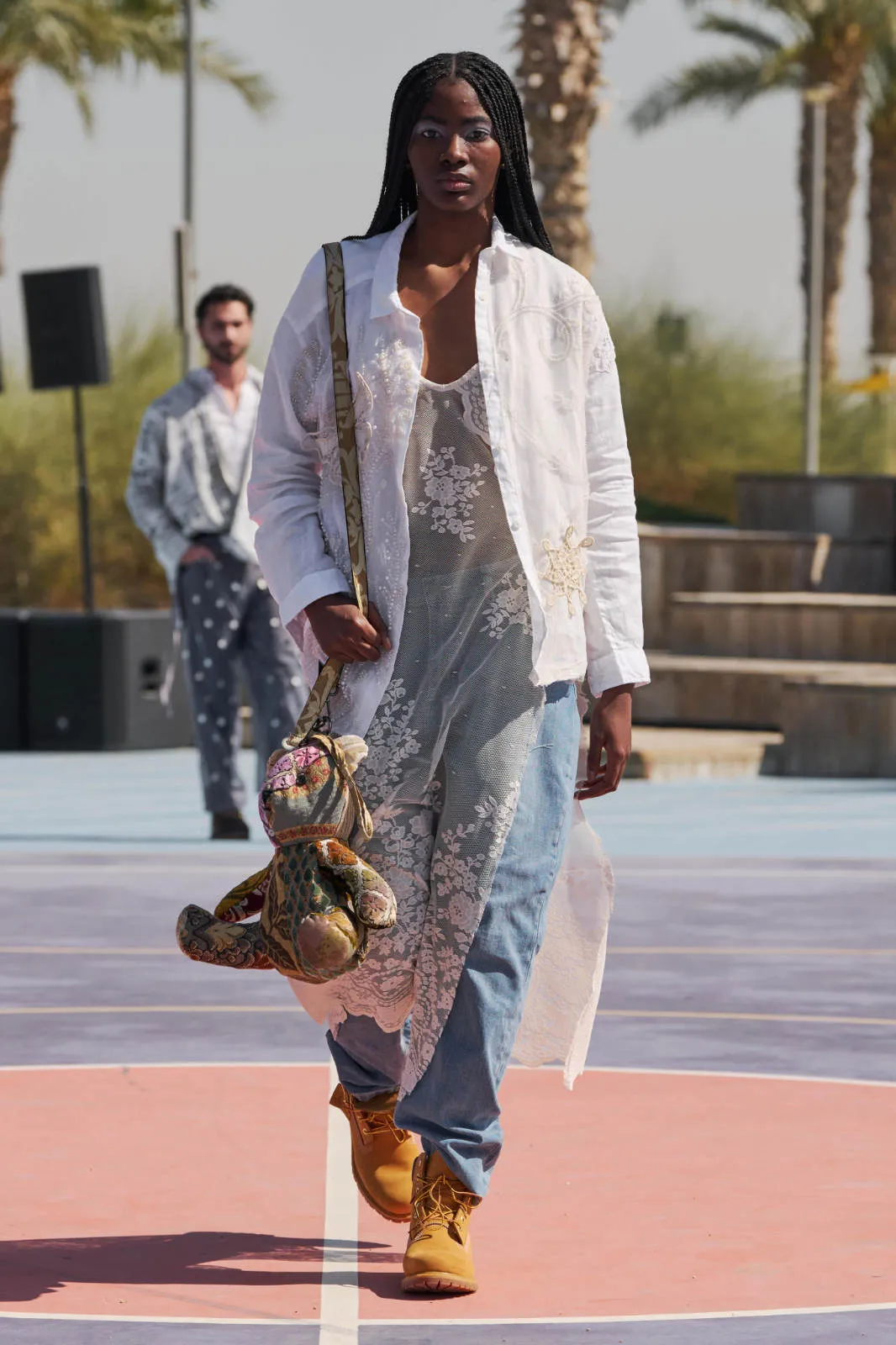
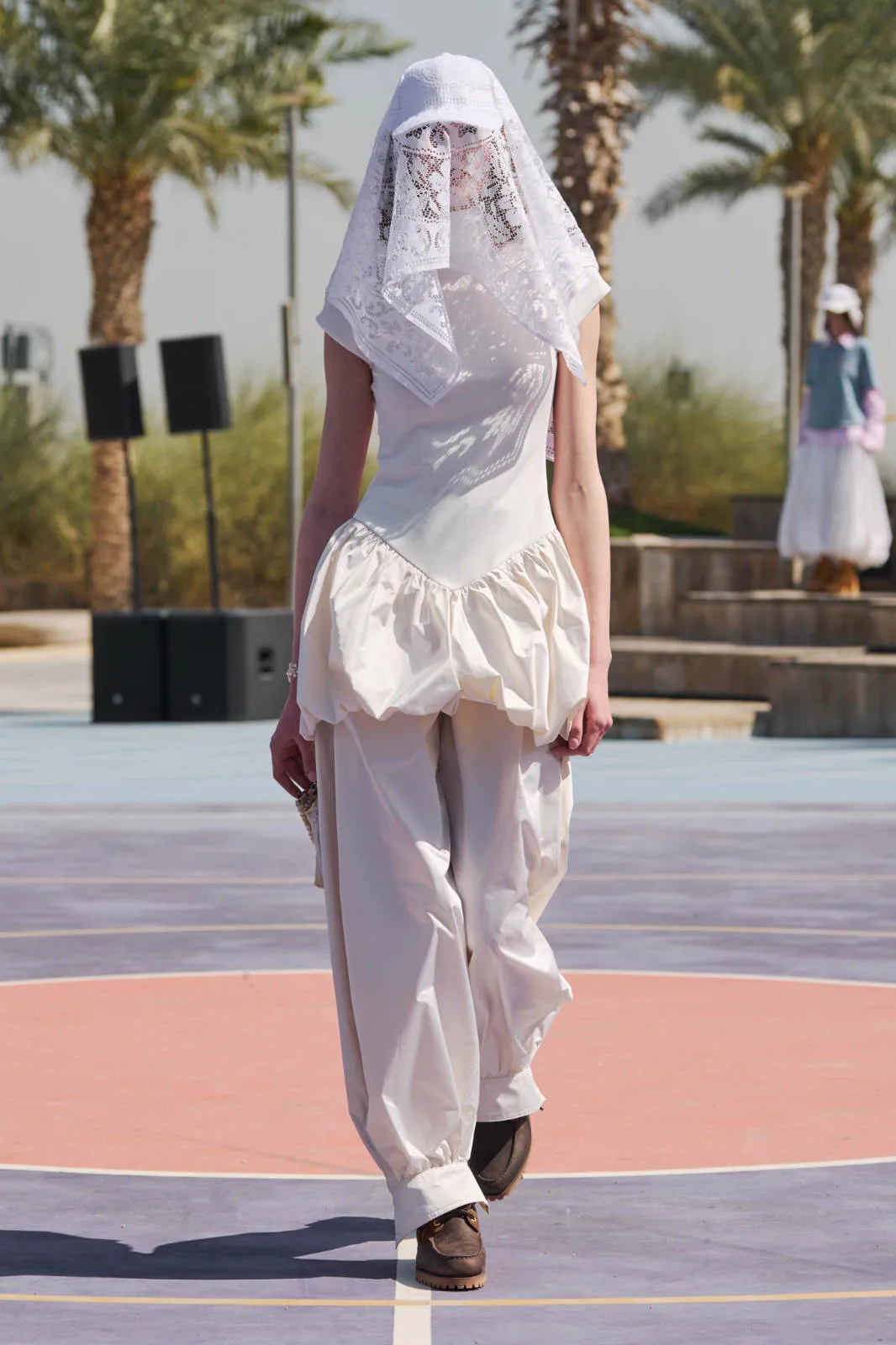
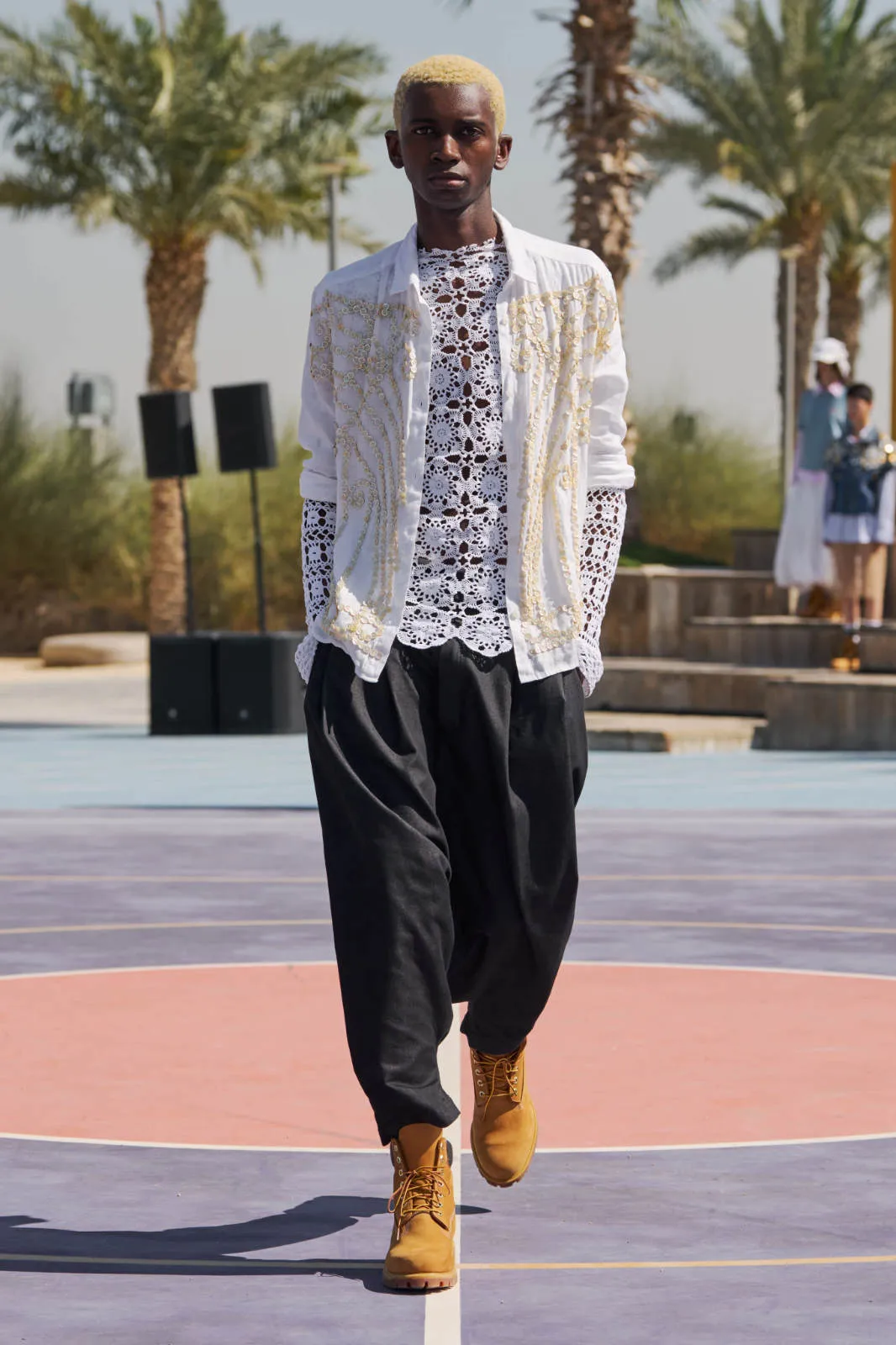
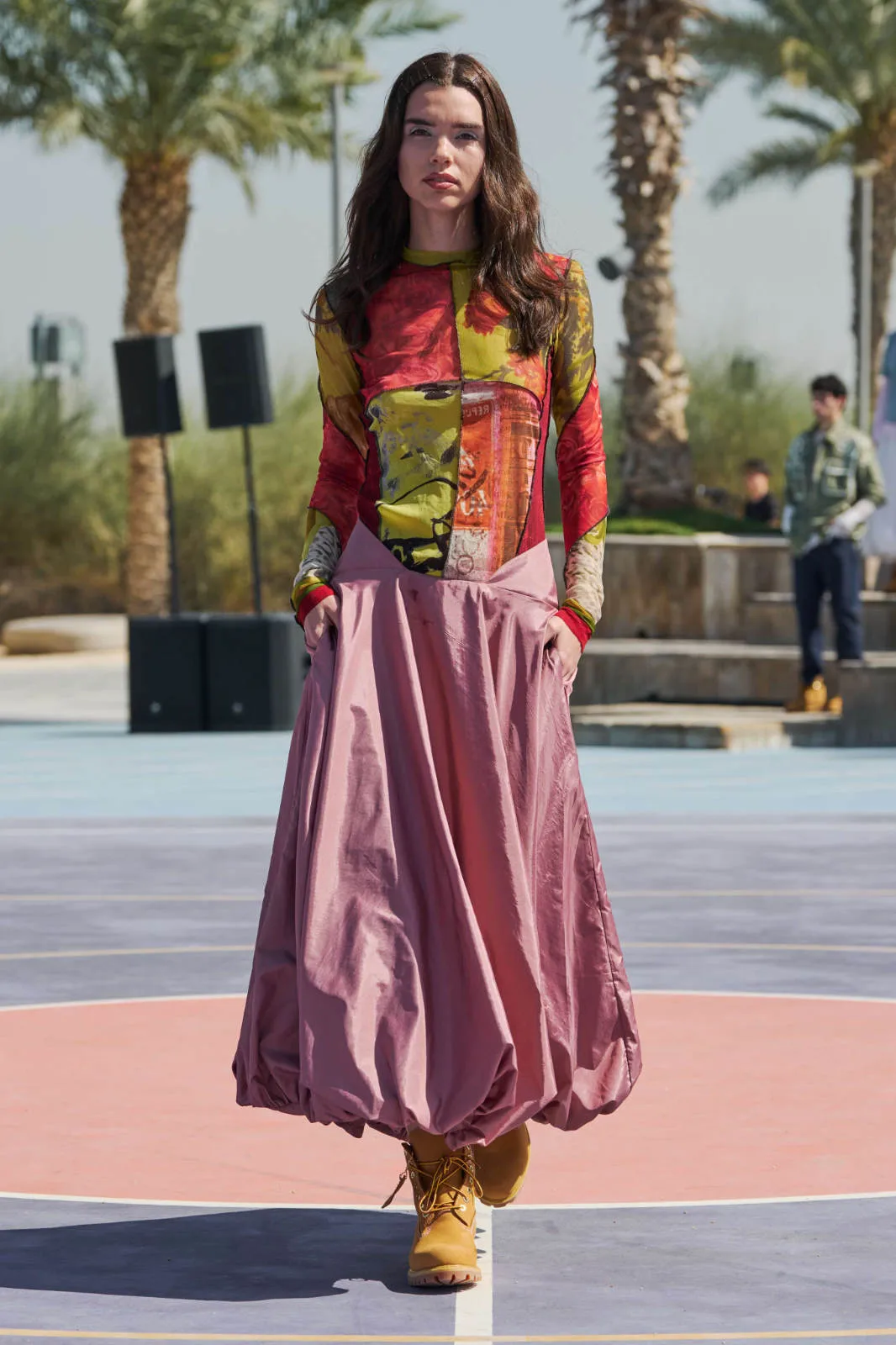
Emergency Room’s collaboration with Timberland stood out as one of the week's most grounded presentations. Held outdoors, the collection pivoted away from overt ruggedness to focus on layering, adaptability, and a softened approach to workwear. Traditional utility silhouettes were reassembled into hybrid, lived-in looks, such as lace veils draped over corseted tops and sheer dresses paired with relaxed denim. These experimental pairings were anchored by Timberland’s heritage footwear, which provided a sense of functional practicality without unnecessary posturing.
The collection’s general aesthetic is defined by a playful contrast between high-volume shapes and textured layers. Key elements include voluminous "balloon" skirts and heavy pleated silhouettes balanced against lightweight, semi-sheer fabrics. The styling often incorporates a "triple-layer" effect, such as graphic t-shirts or utility shirts worn over striped button-downs and lace tops. Detailed craftsmanship also plays a central role, featuring olive utility jackets adorned with white embroidery and vibrant, patchwork-style bodysuits that further emphasise the collection's focus on textured, multidimensional utility.
Weinsanto
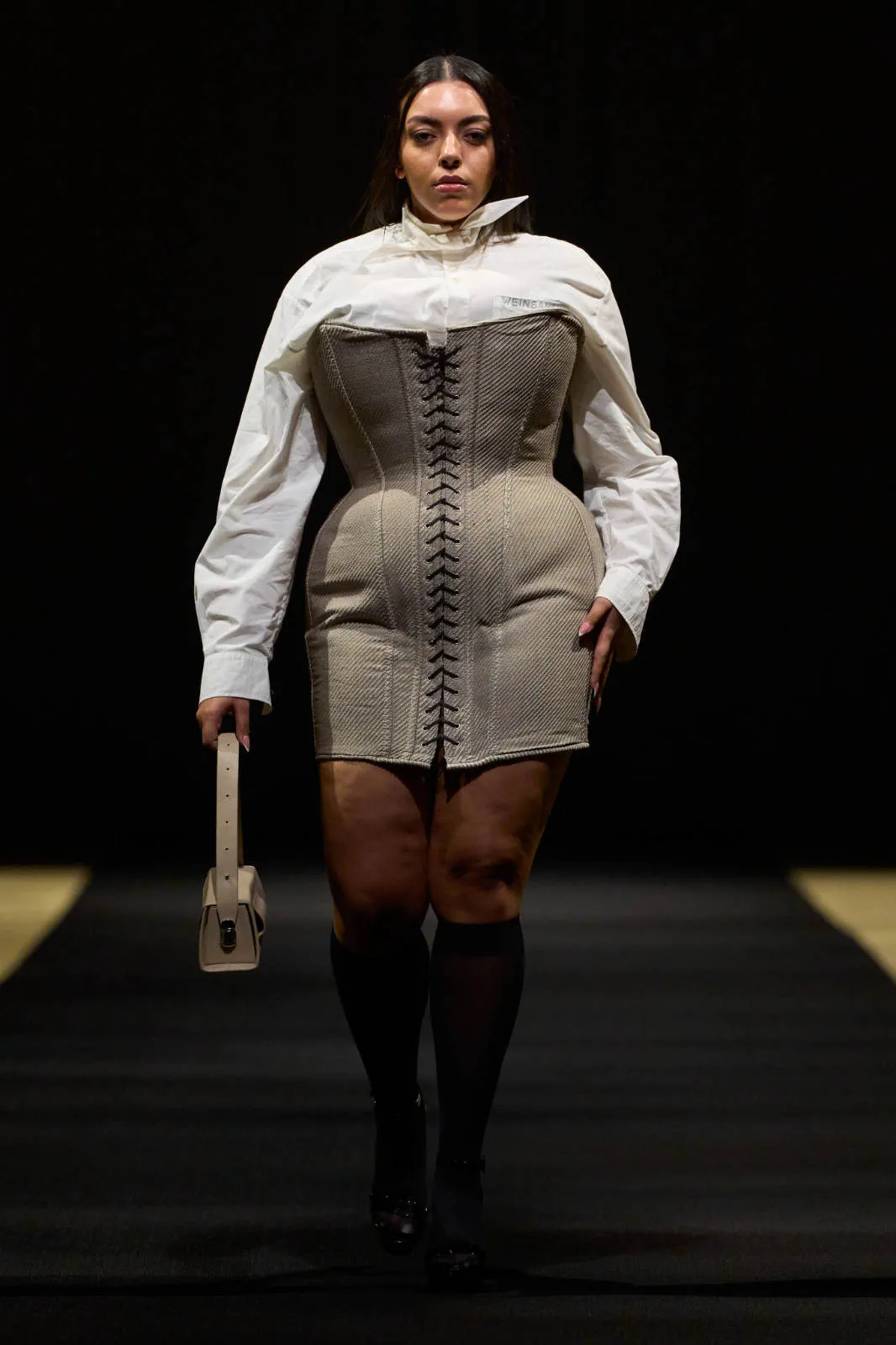
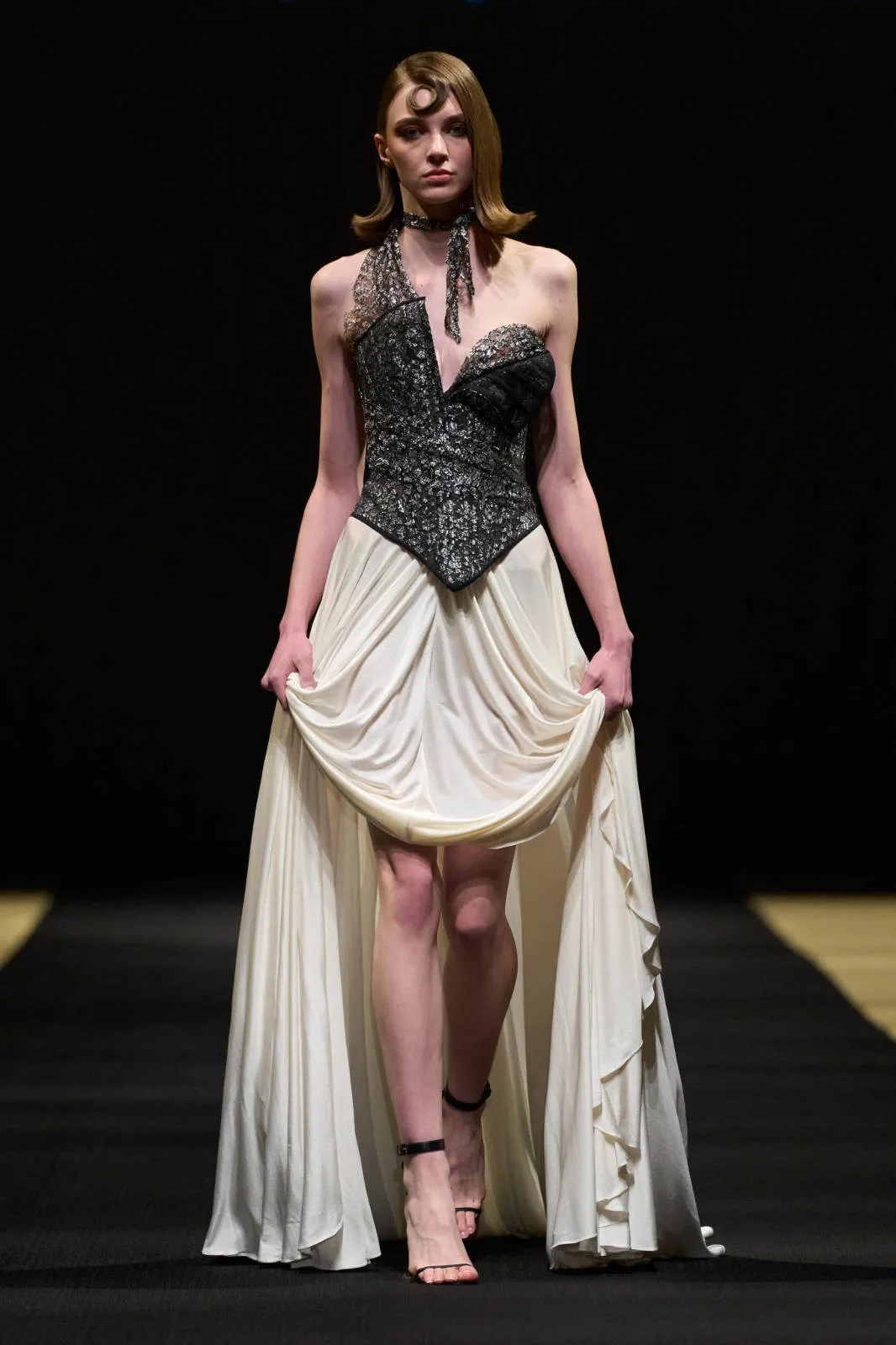
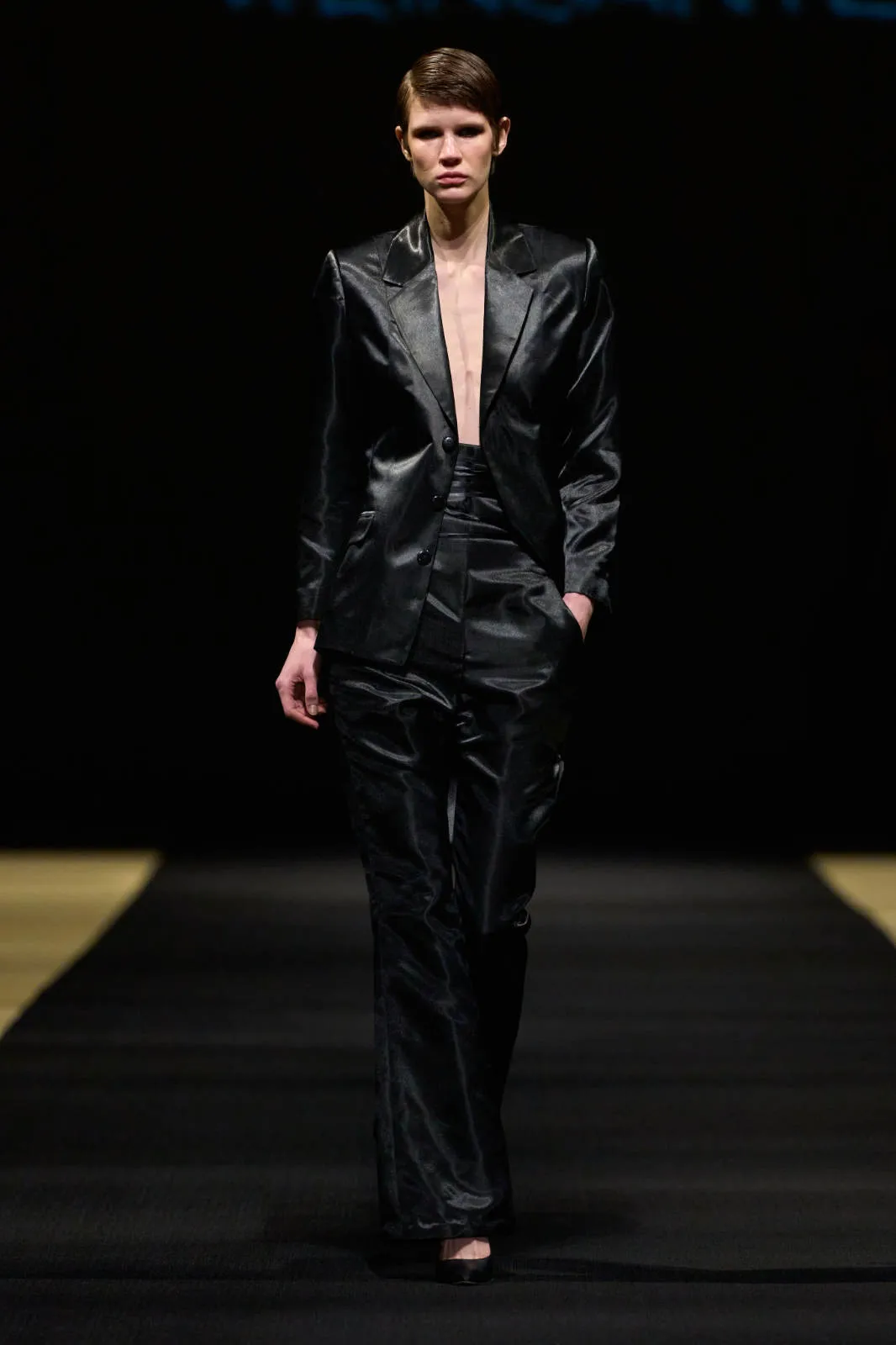
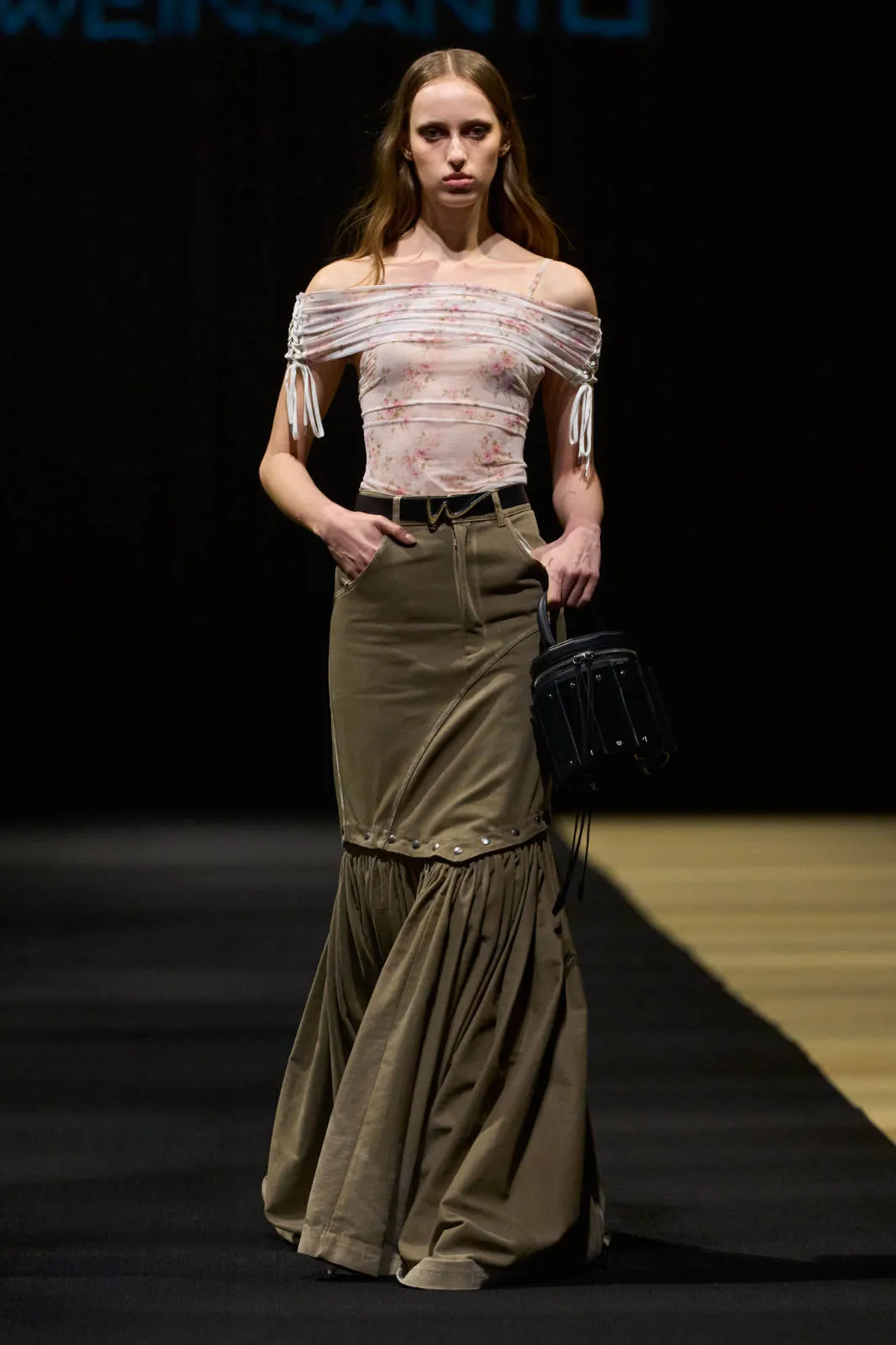
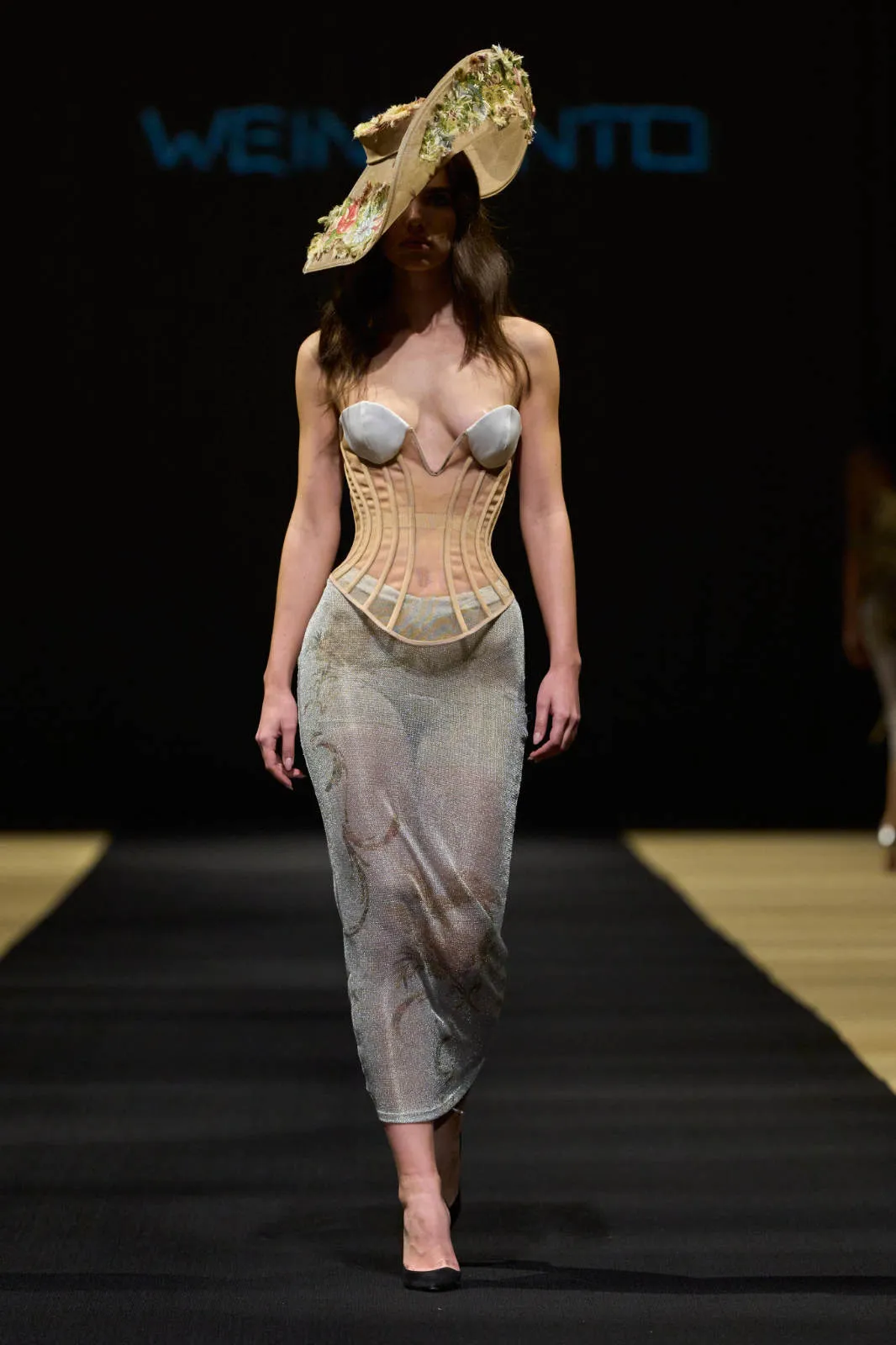
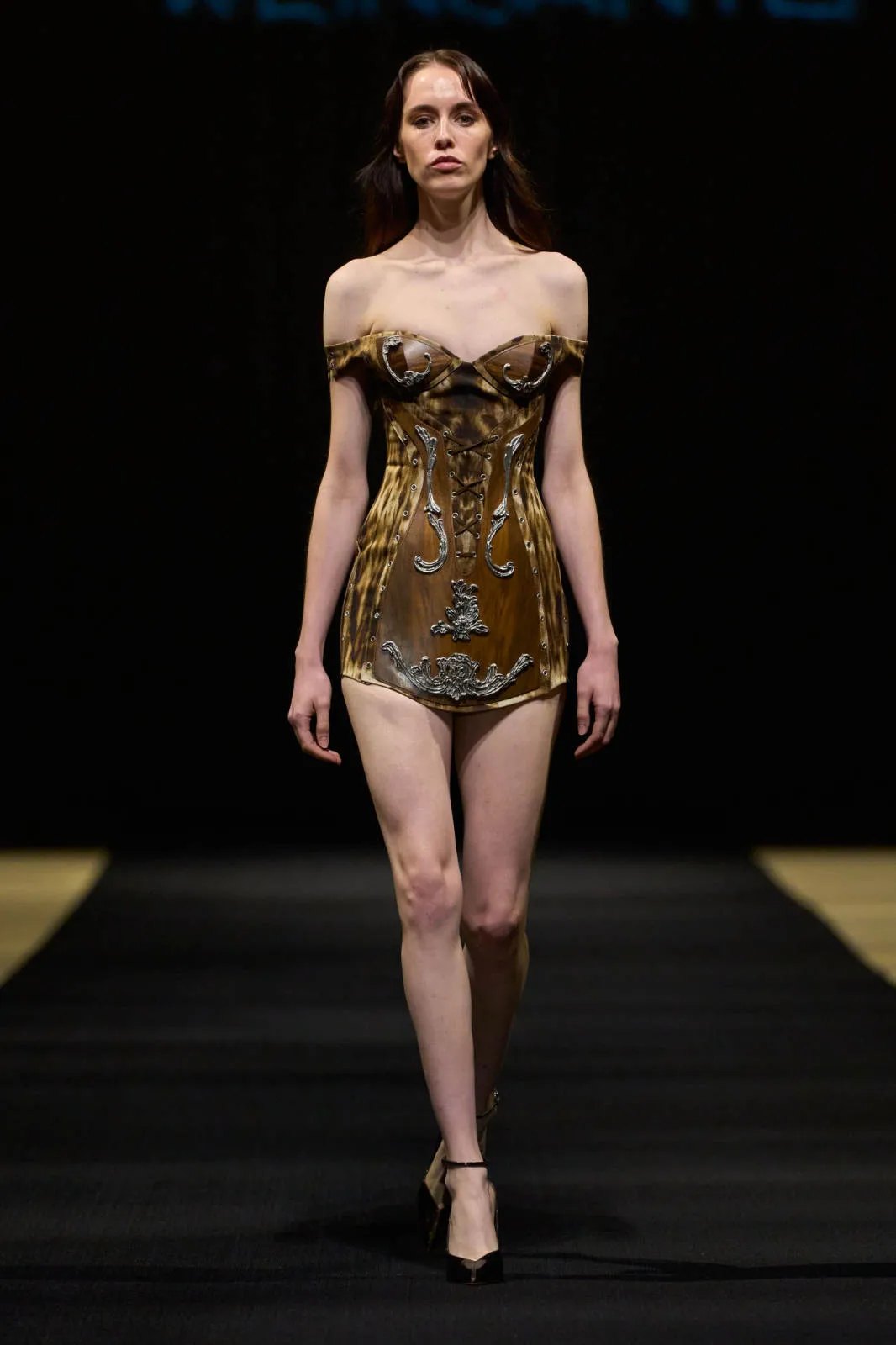
Weinsanto brought a surge of raw emotion to the season, debuting a Fall/Winter line that balanced theatrical flair with architectural precision. The collection centred on the human form, using corseted shapes, bold proportions, and sculptural elements to tell a dramatic visual story. Design details like lace-up bodices, visible boning, and off-the-shoulder cuts served to highlight the body’s silhouette through rigid, deliberate construction.
It was time for heavier textures and more substantial silhouettes to shine for this season. Materials featured a weathered, time-worn finish, ranging from muted, distressed whites to deep, burnished shades, prioritising the art of the fit and the impact of the sculptural form.