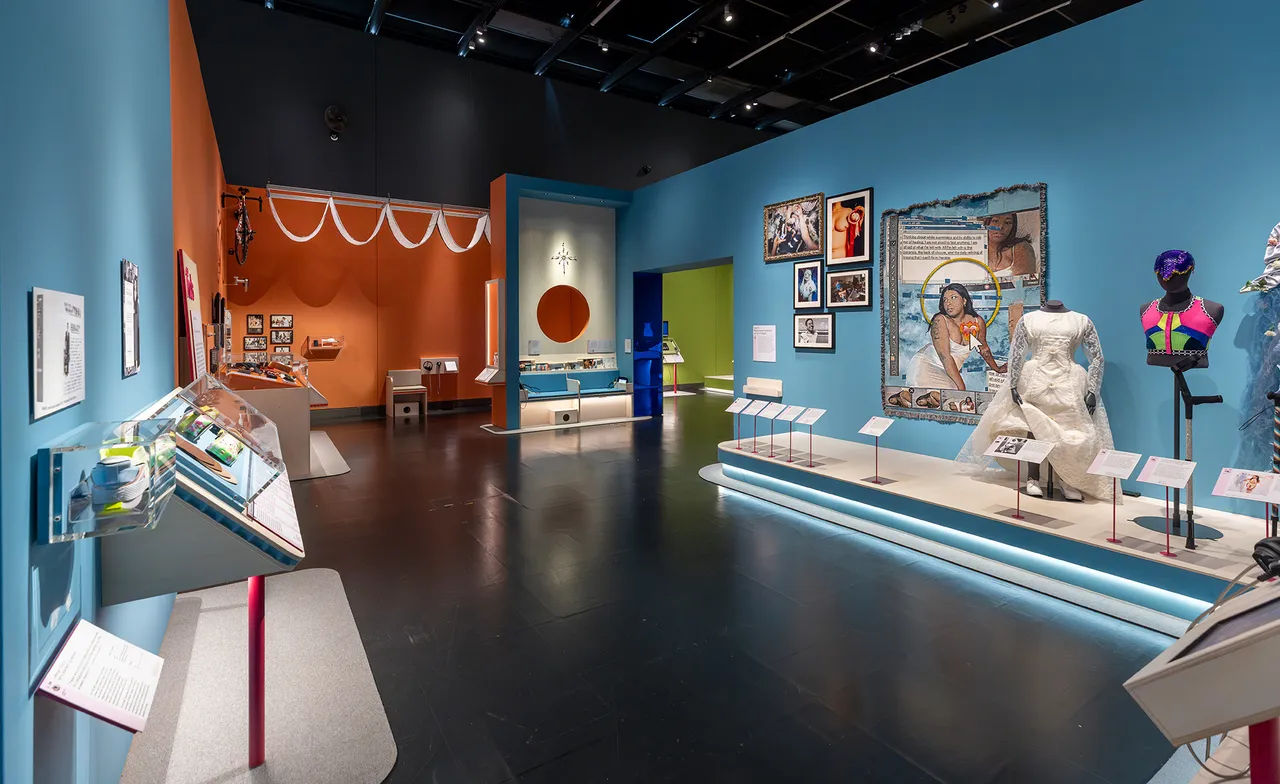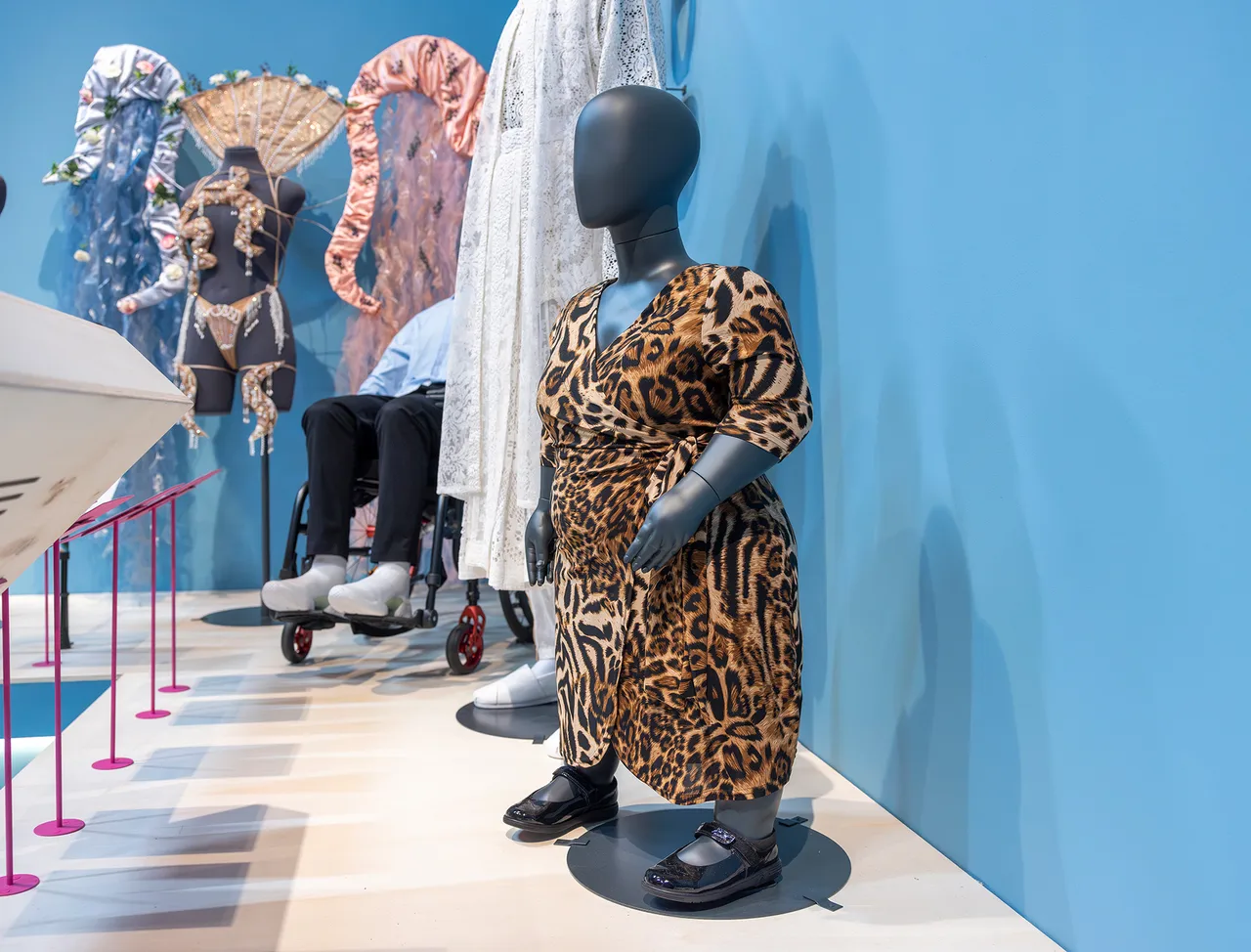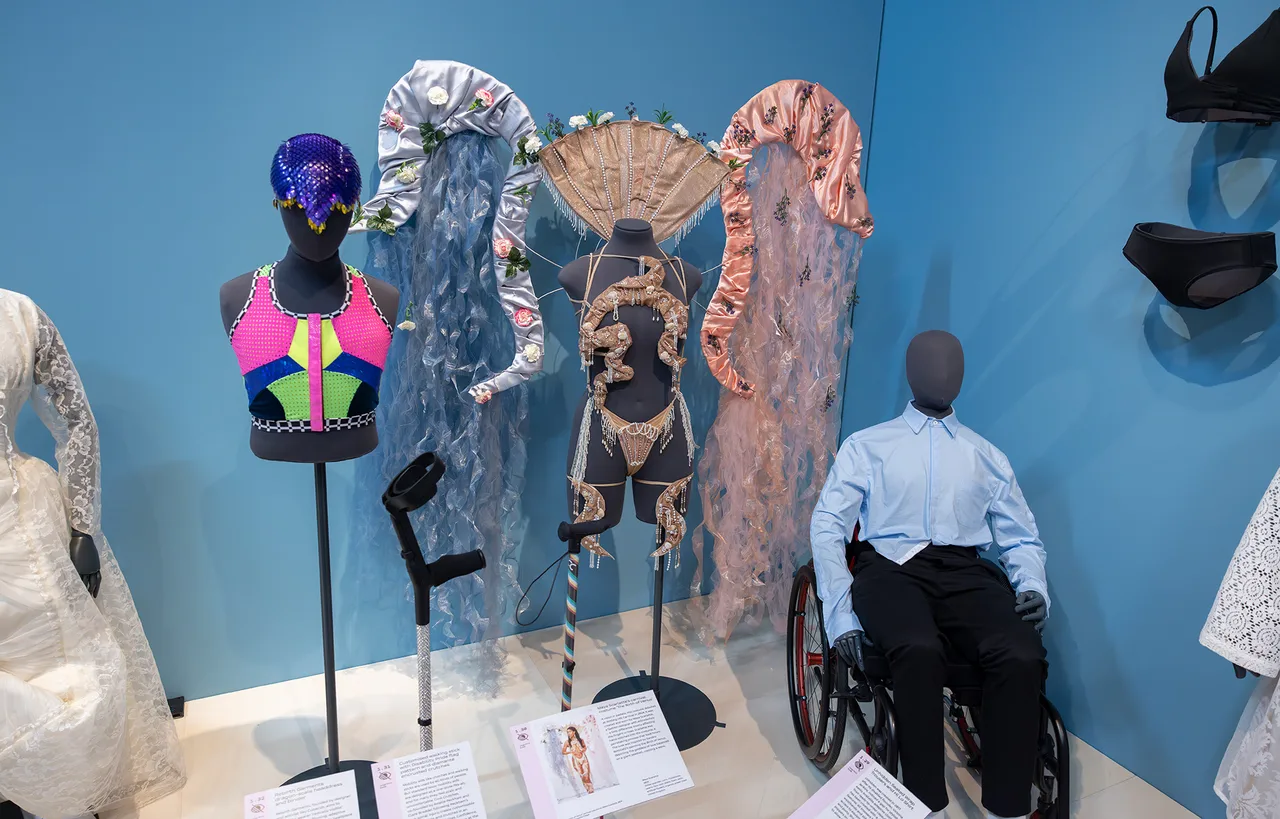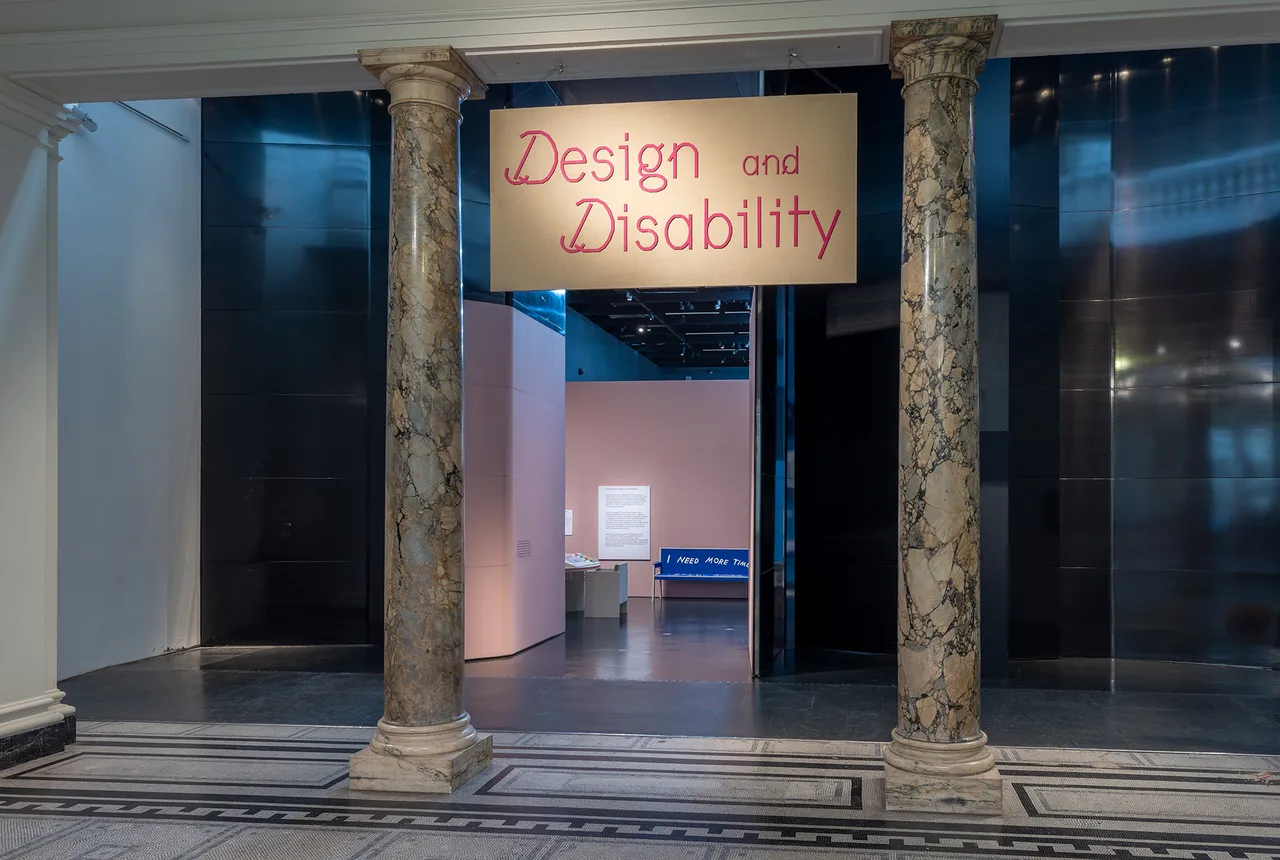
Imagine passing through your school and using the change in texture from one wall to another to signal a transition from the math to the literature wing. Or the smell of honeysuckle to determine you’re nearing the garden. Or the sound of your voice to tell you this echo means you are nearing the biology classroom. This innovative school is one of many creations highlighted in the Design and Disability exhibit at the V&A South Kensington in London, on view through February 15th, 2026.
Curated by Natalie Kane, this exhibit aims to recognise the wide breadth of contributions that disabled people have made to the world in the form of art, ingenuity, and accessibility. As able-bodied and neurotypical people, it asks us to engage with our discomfort and confront the taboos we have been taught. The exhibition incentivises curiosity and decentres our own understandings of what it means to be a disabled person and to live in a world that has catered to the needs of able-bodied people.
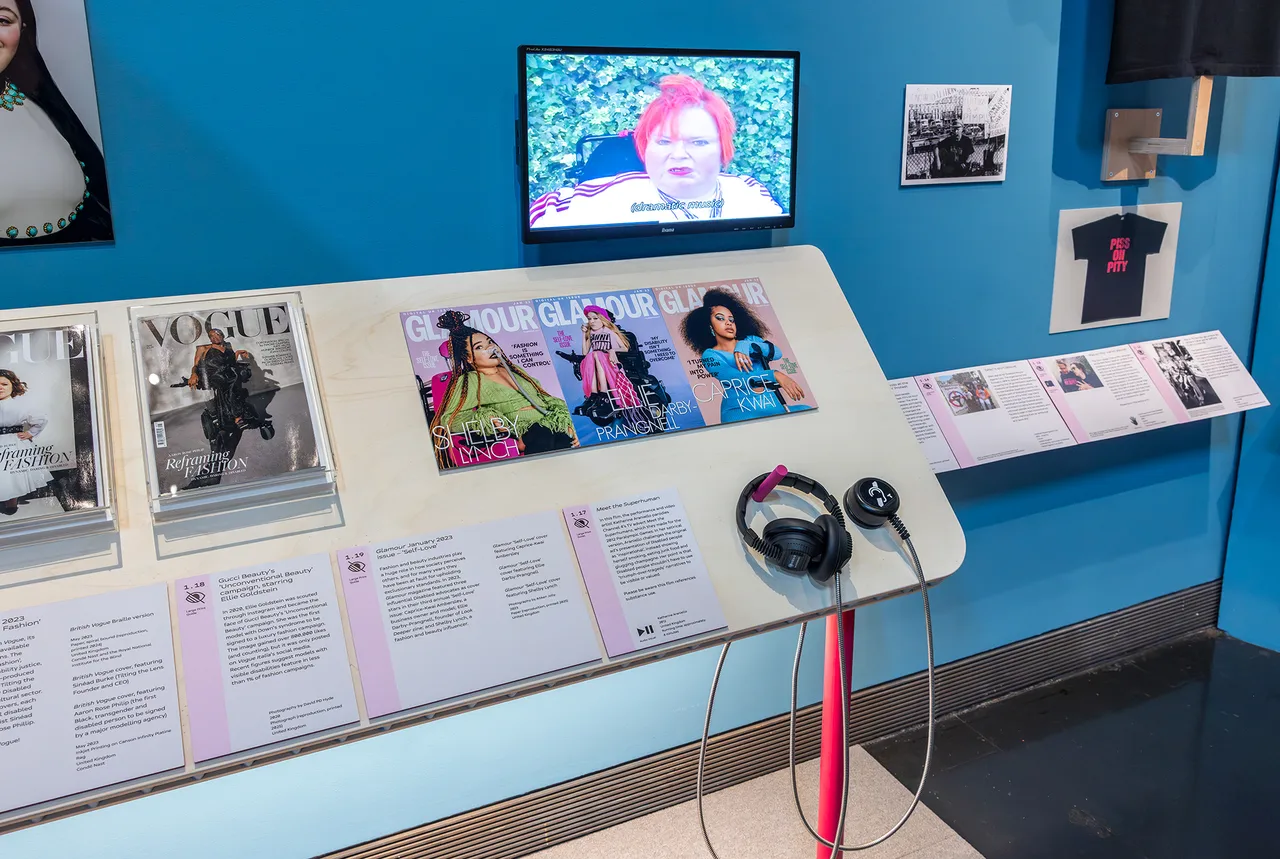
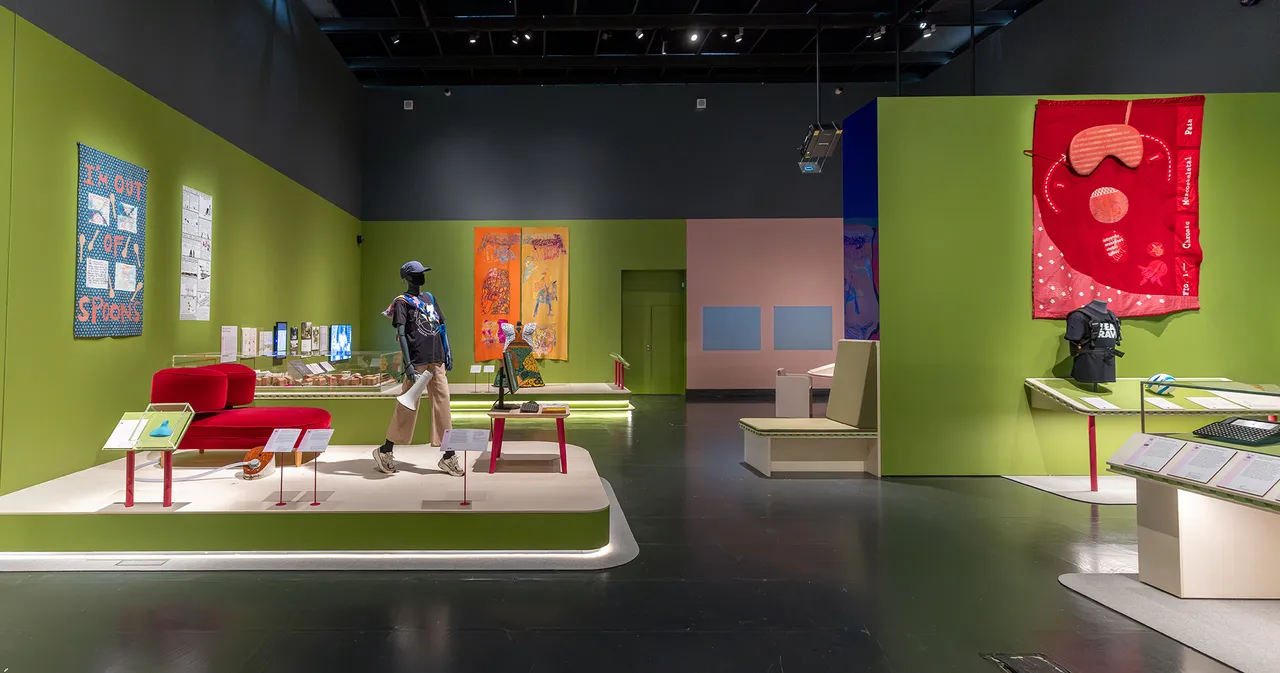
Before getting into the art and objects on display, the exhibition itself is a testament to how museums, and other institutions, can and should make their spaces accessible and adaptable. Along with a standard audio guide with audio descriptions, all text is matched with a Braille transcription, there is the option of watching a BSL (British Sign Language) video tour, and two types of guides with long and short descriptions for varied reading styles are available. It is divided into three main sections, Visibility, Tools, and Living, with each carrying art or objects that promote these three themes.
Design and Disability lives at the intersections of identity. Not only does it address the plights facing the disabled community but it shows how all systems of oppression – misogyny, white supremacy, homophobia, capitalism, and ableism – are intertwined. In the first room, a bench with the words “I need more time” encourages passers-by to have a seat, rest, and acclimate to the setting before continuing on. The piece, entitled Do You Want Us Here or Not, calls out the lack of seating in public spaces, especially museums, that makes it difficult for disabled people to take the rest or breaks necessary to sustain their energy.
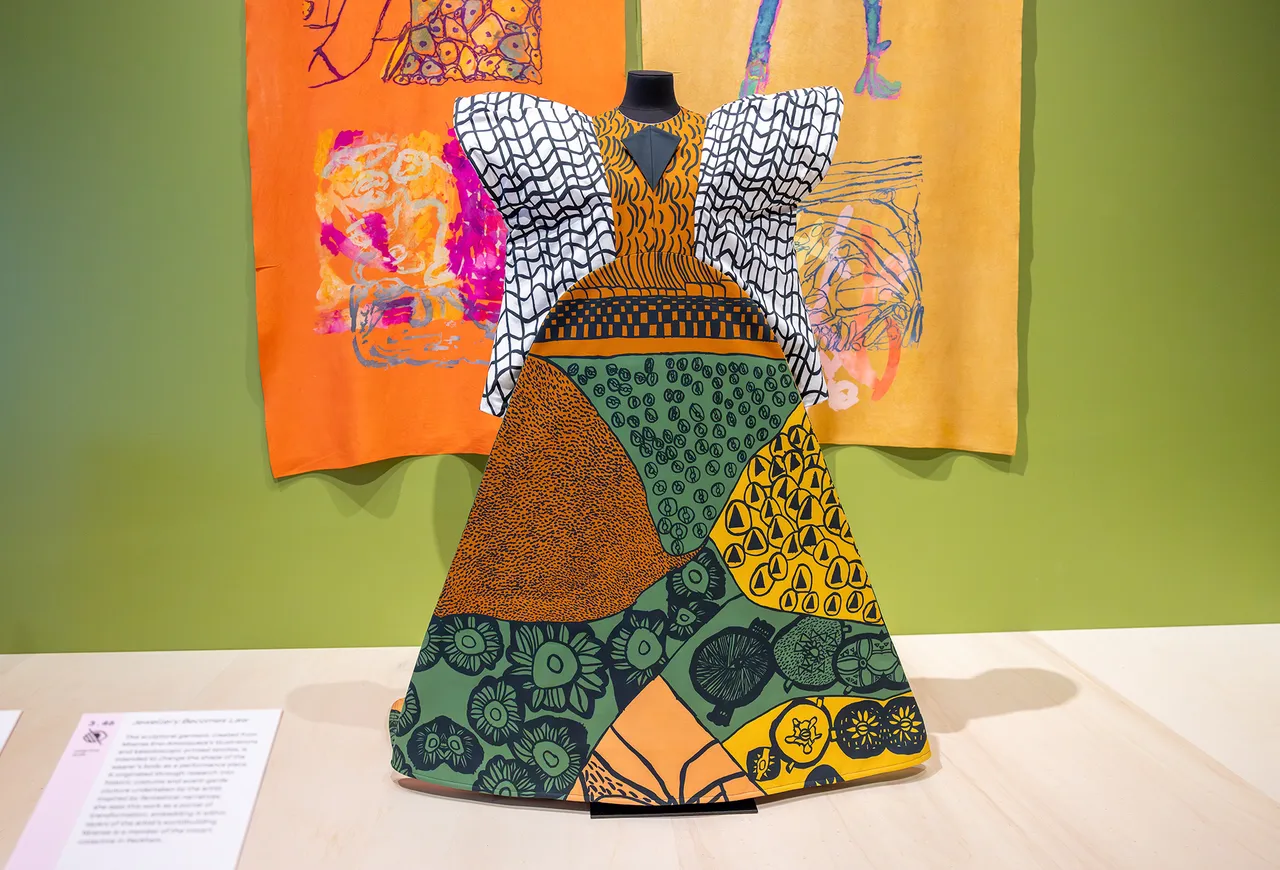
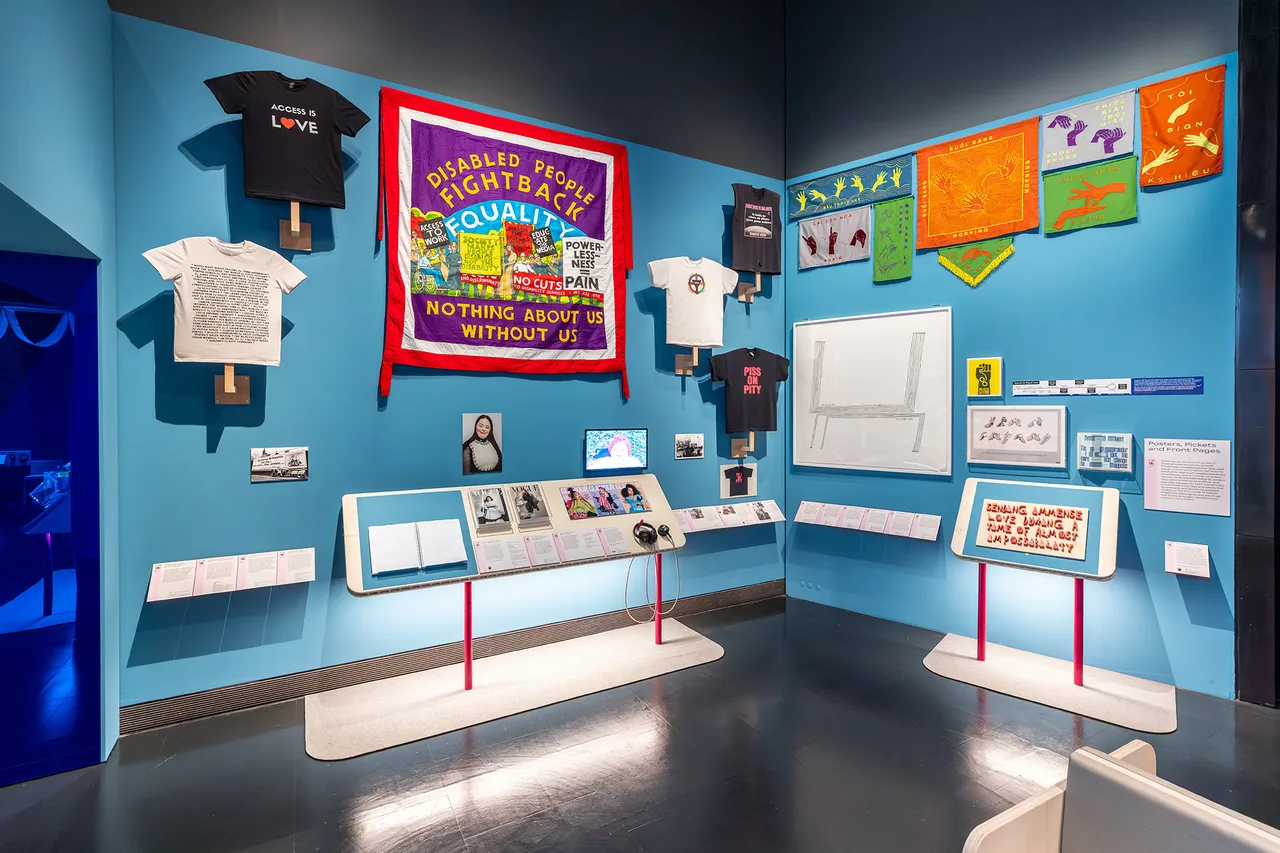
As you move through the exhibition, various mediums of art encourage you to interact with them through almost all your senses, especially touch. Tactile art in museums is very rare considering the delicacy of some pieces, but this limits the experience visually impaired people can have. In Design and Disability, this barrier is removed with shirts, tools, fabrics, and even a Braille edition of Vogue where you can pass your hand over the pieces and feel the art spoken about in your audio guide. Enacting these senses, even for those of us who are able-bodied, helps to interact with the pieces in a more profound way that reinforces the mind-body connection.
A core theme of the exhibition is the authenticity of disability narratives in the media. Many outlets promote a ‘triumph-over-tragedy’ storyline that pigeonholes disabled people into idolised caricatures. I like inspirational stories as much as the next person, but when these are the only stories being told, they can enforce an unattainable standard for disabled people. Part of a full life and being a human is making mistakes, doing bad things along with the good. We can’t be authentic without that side and ignoring it neglects humanity.
They also call out how perceived behavioral issues as a child push one into a life path that labels them as a ‘problem child’ instead of addressing the real issue. The education system (and society as a whole) is afraid of those who are ‘different’ because their way of thinking and understanding the world threatens an institution that relies on conformity. This life path oftentimes leads to institutionalisation in hospitals or prisons. The School to Prison Line poster emphasises this trajectory and how those from disadvantaged backgrounds are often at the forefront of this trend.
An important facet of the exhibition is what we owe to disabled people, especially in terms of innovation. Most of you reading this article may be swiping on your phone or tablet and zooming in on photos. FingerWorks, a company committed to making Touchstream to track finger movements using sensors for those with severe hand pain who found it difficult to use traditional keyboards, sold their invention to Apple, which incorporated it into the first iPhone. Their pinch-to-zoom function was particularly revolutionary and helped Apple to become the household name that it is today.
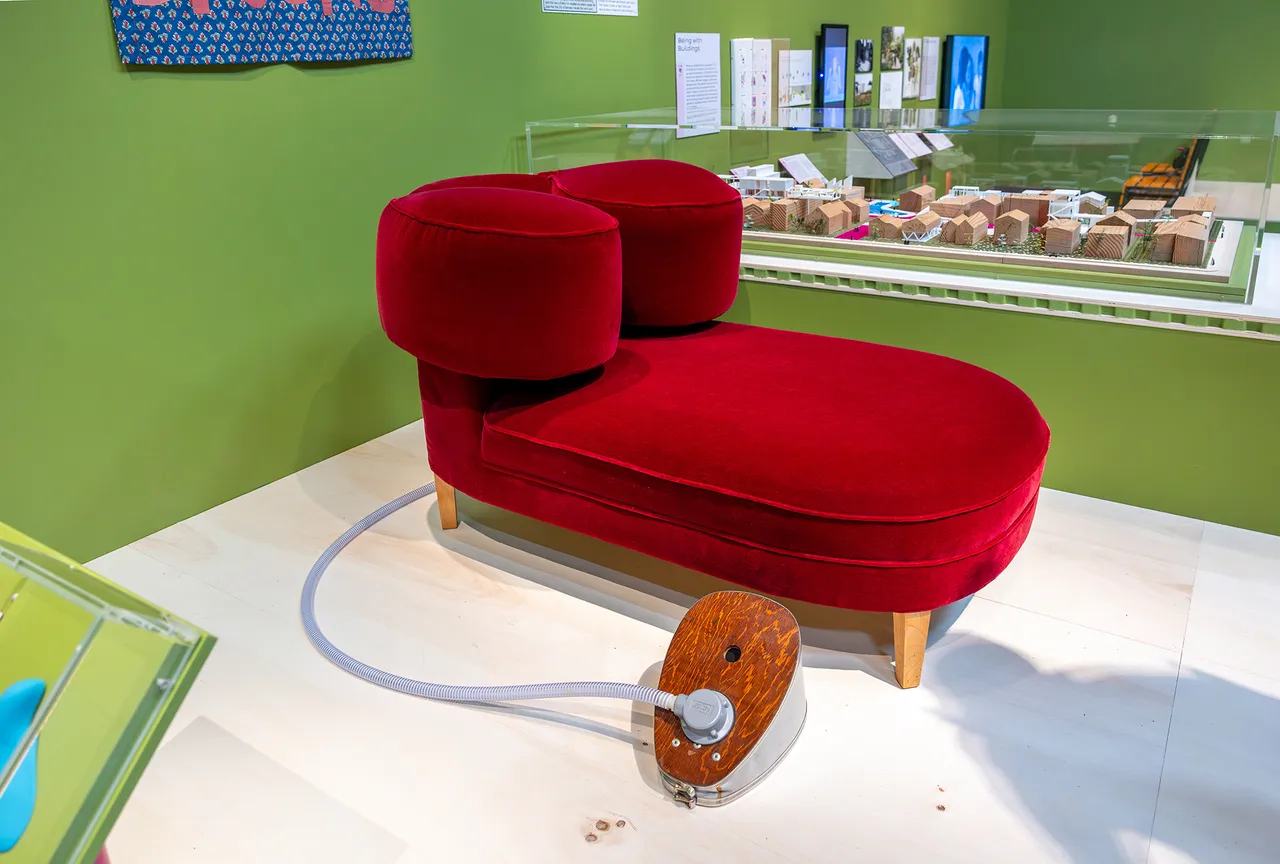
Throughout the sections of Tools and Living, I, as an able-bodied person, was shown a world that I otherwise would not have known through objects such as voting assistance tools, an easy-to-use eyeliner applicator, designer prosthetics, and a hands-free vibrator. Everything from the way I hold a knife to putting on moisturiser was questioned. We need this introspection to be challenged to think about how our societies can serve us all.
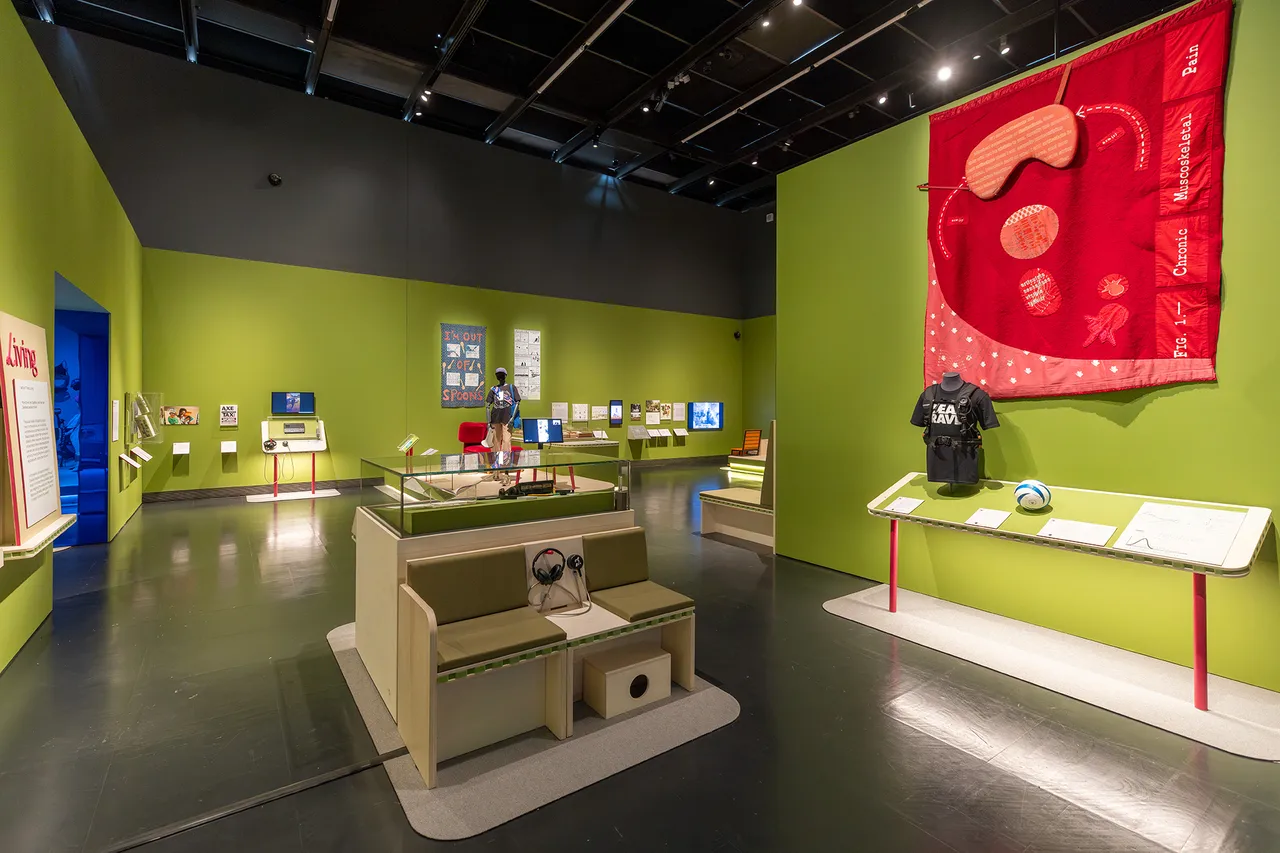
A quote from a quilt on display in Design and Disability encapsulates the message of the exhibition: “Society makes people disabled, not disability.” It asks us to reframe our thinking to see how society is what pushes a person out. Your body is not your enemy, but your greatest asset.
The exhibition Design and Disability is on view through February 15th, 2026, at the V&A South Kensington, Cromwell Rd, London.