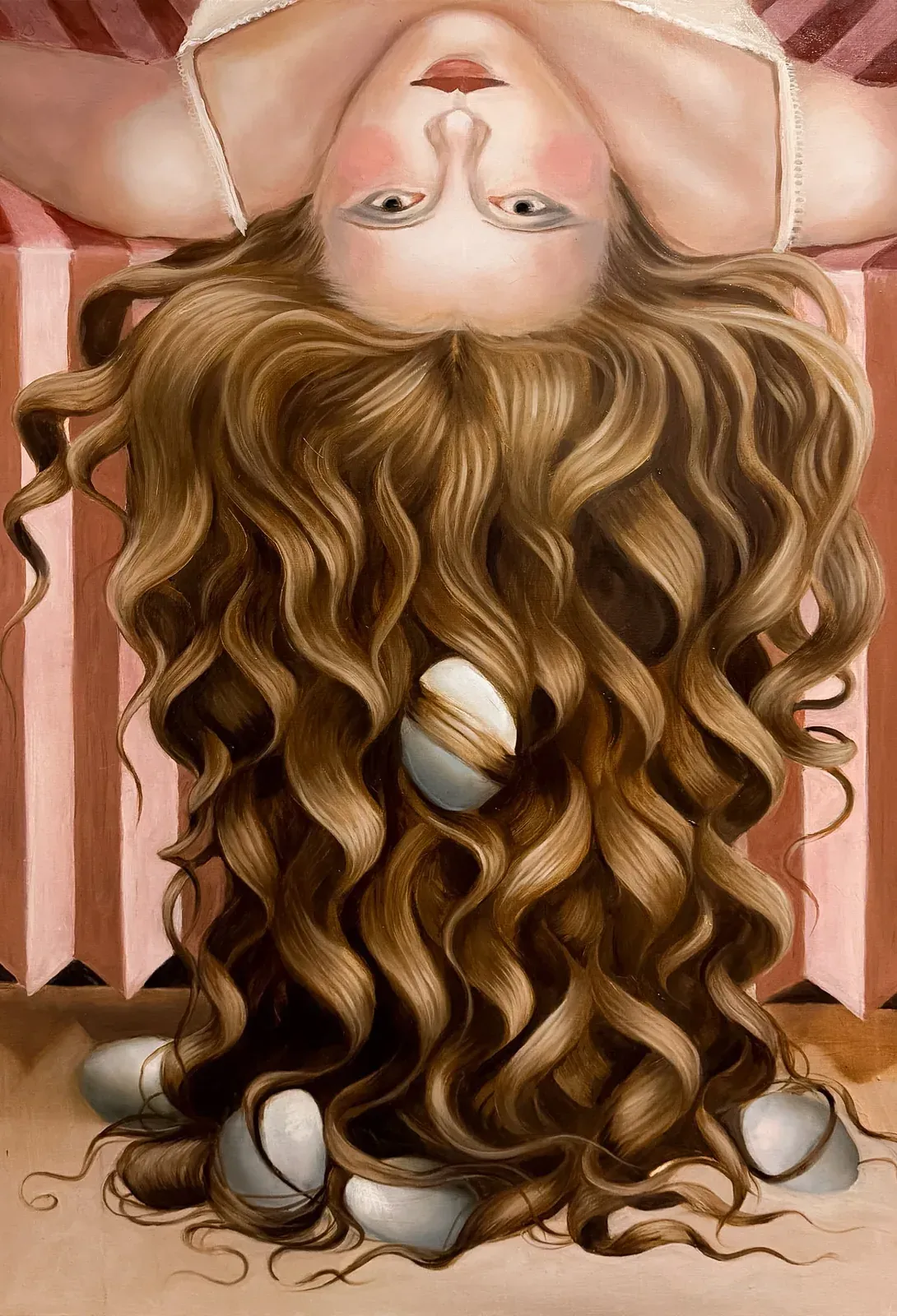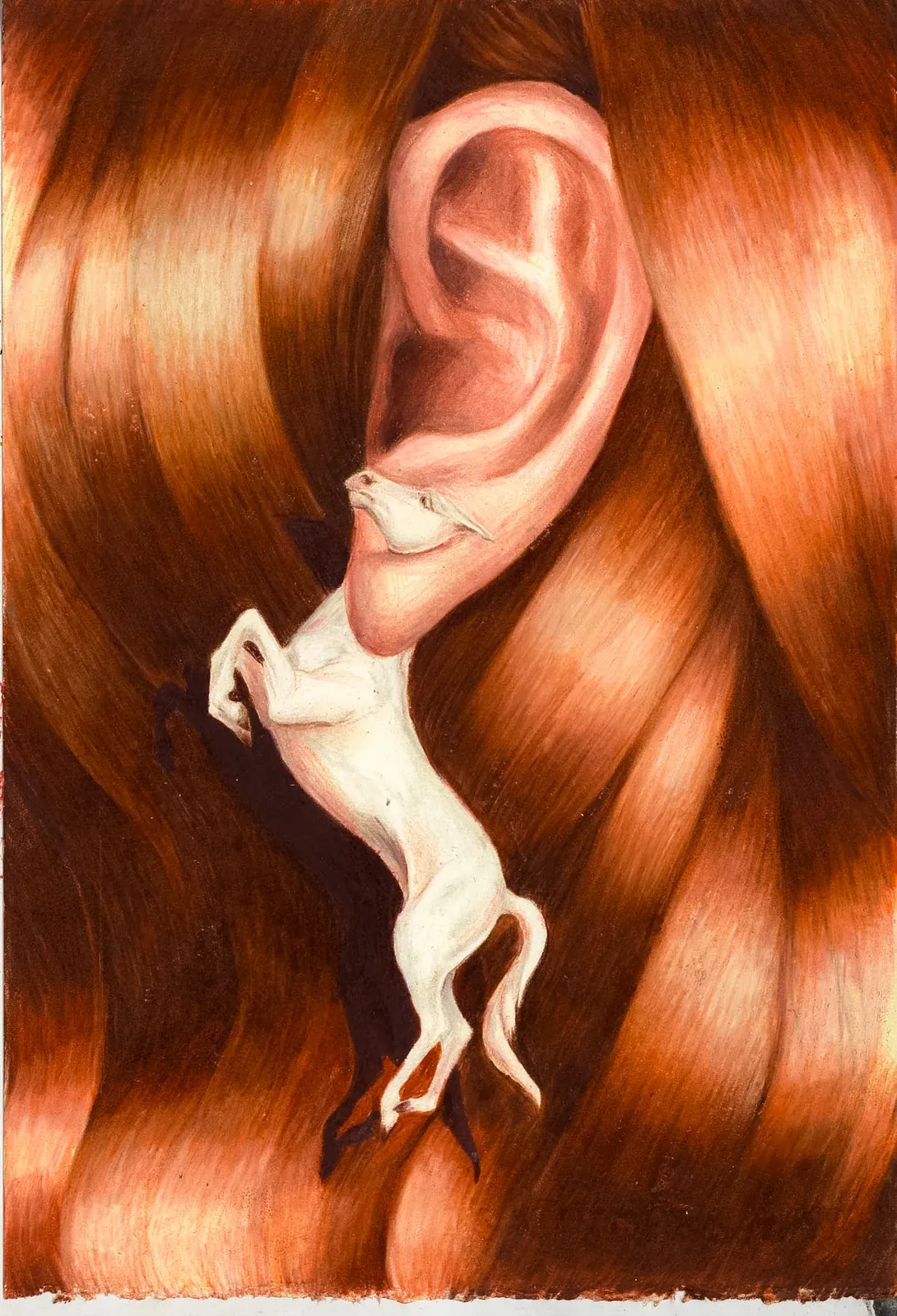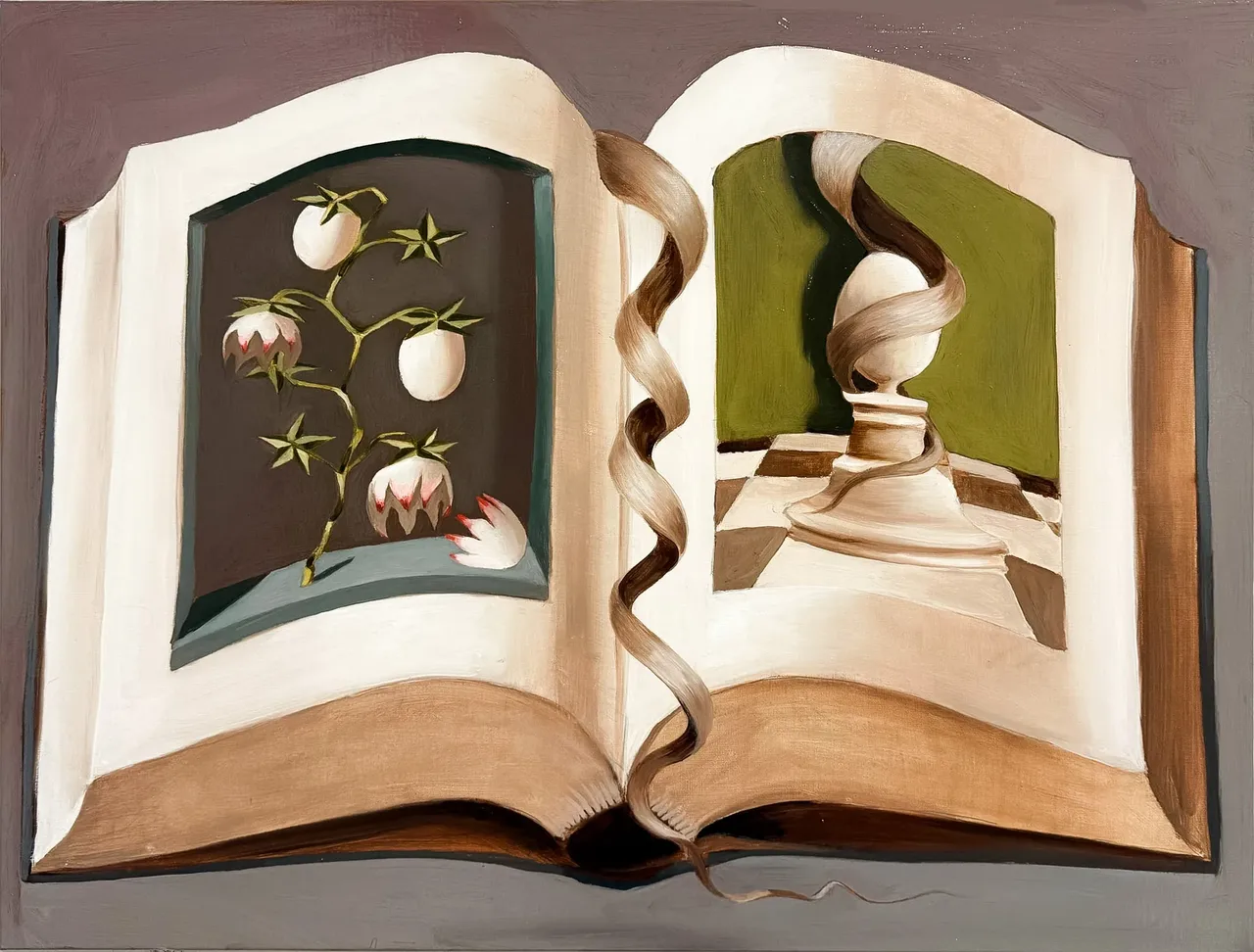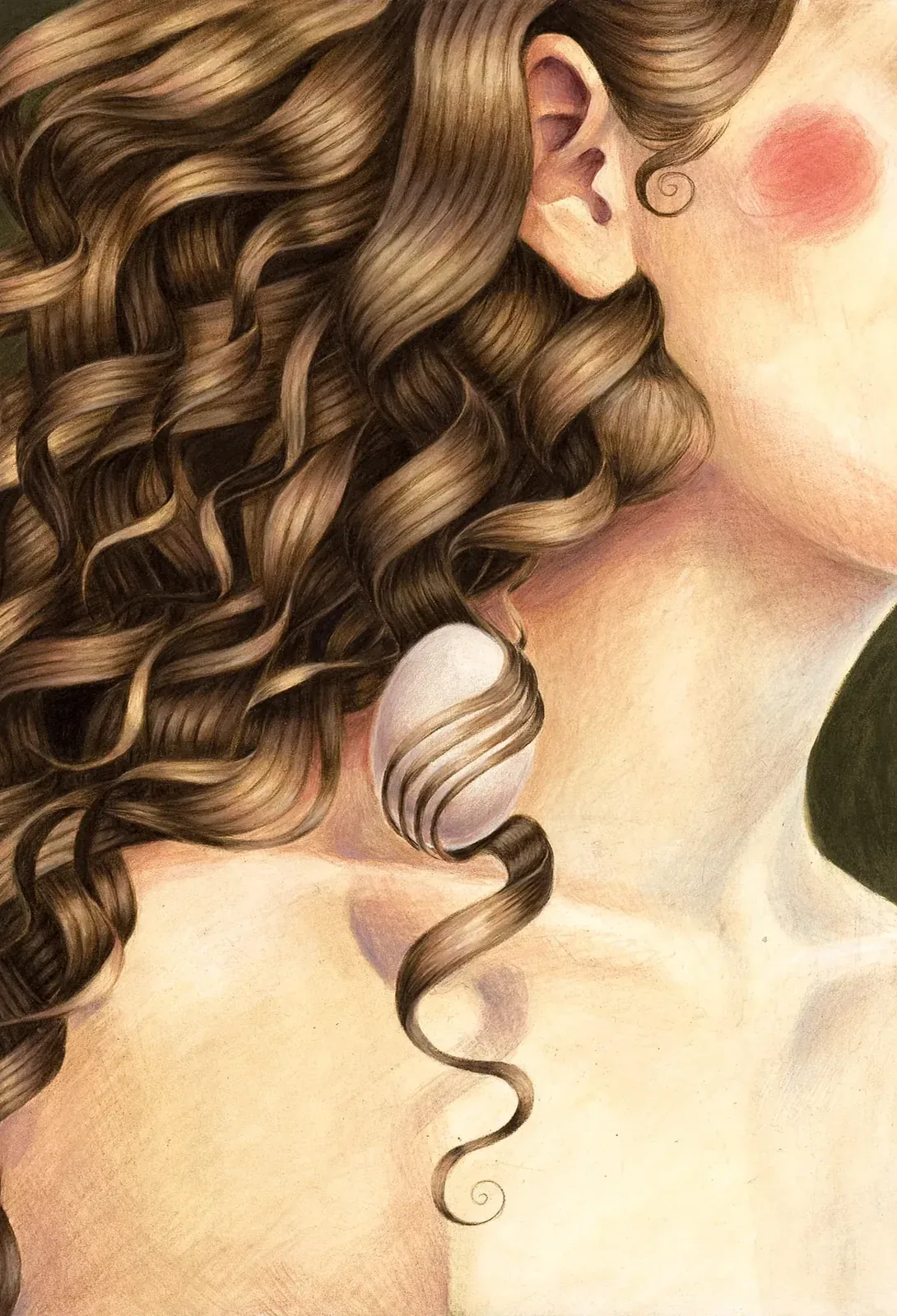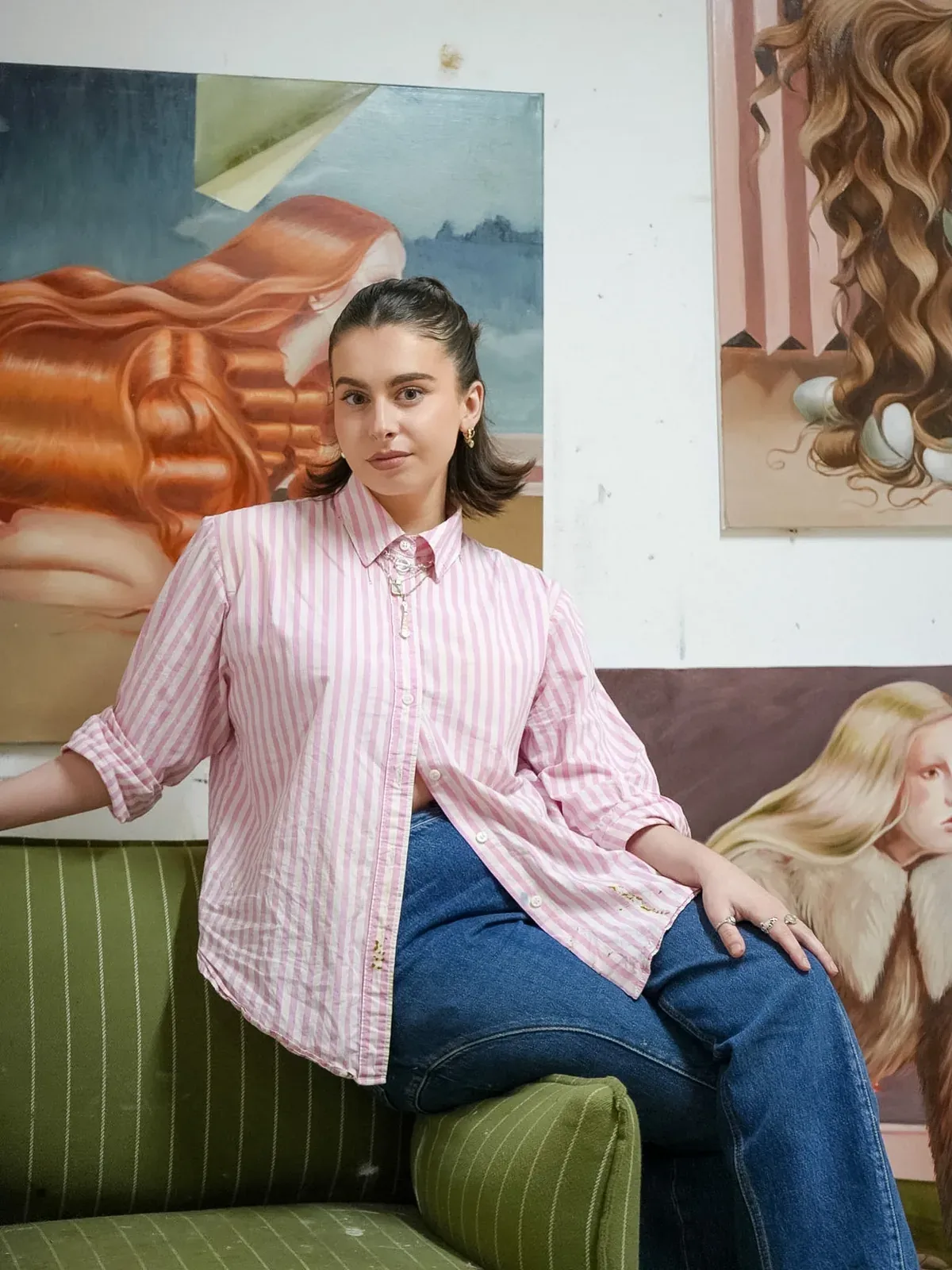
Bristol-based artist Darcy Whent works primarily in painting, building emotionally charged scenes that blur the boundaries between memory, fiction, and lived experience. Her work centres on girlhood and early womanhood not as something fixed or resolved, but as a state that lingers, repeats, and reshapes itself over time. Figures slip in and out of narrative, caught between performance and self-awareness, held within compositions that both contain and resist them.
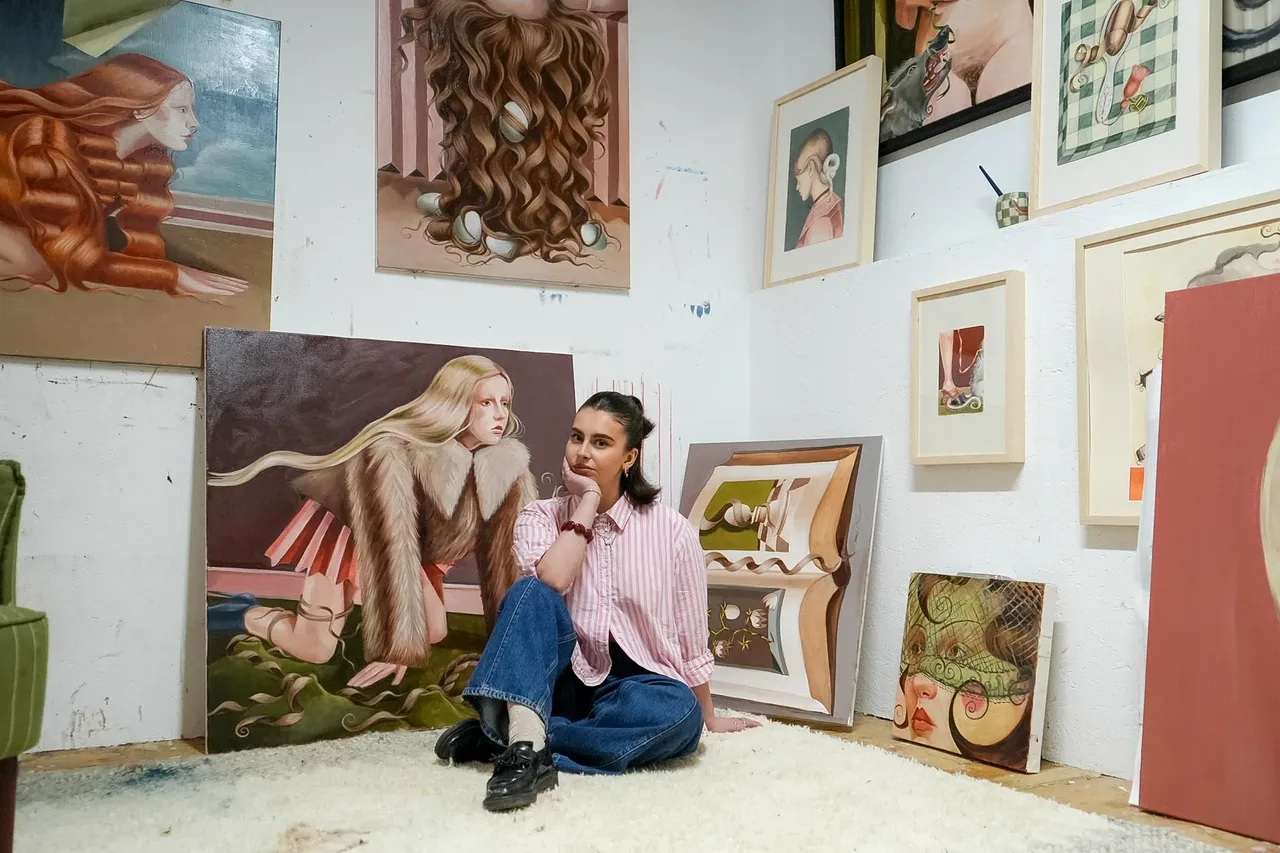
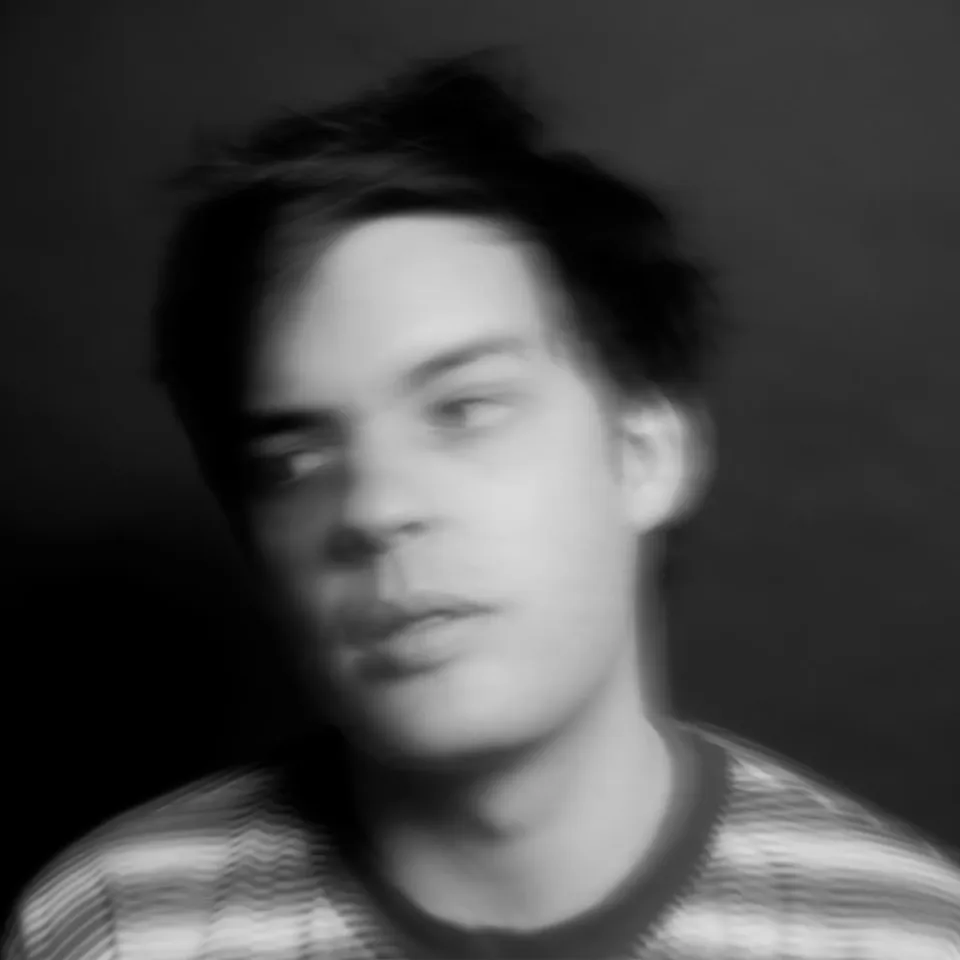
For this conversation, Whent is lensed and interviewed by photographer and filmmaker Emma Filer, drawn to each other’s work that navigates similar tensions between intimacy and distance. Their images can sit in an in-between space. Observed yet self-aware, composed but slightly unsettled, this collaboration aligns with the shifting, performative quality of Whent’s entrancing figures. During the conversation, Filer photographed Whent in her studio to produce a series of images that accompany this text. Rather than documenting, the photographs echo the same concerns: framing, performance, and the unstable boundary between being seen and seeing oneself.
This conversation unfolds in relation to an upcoming body of work, Soft Bodies, Hard Frames, to be presented at Kristin Hjellegjerde Gallery in Miami from 18 September to 24 October, 2026. The dialogue traces many of the themes that underpin the exhibition: memory, girlhood, performance, and the instability of identity, considering how these ideas are held, tested, and reshaped through painting. Rather than offering a fixed explanation, the conversation mirrors the work itself: fragmentary, reflective, and unresolved, moving between personal experience and broader cultural frameworks.
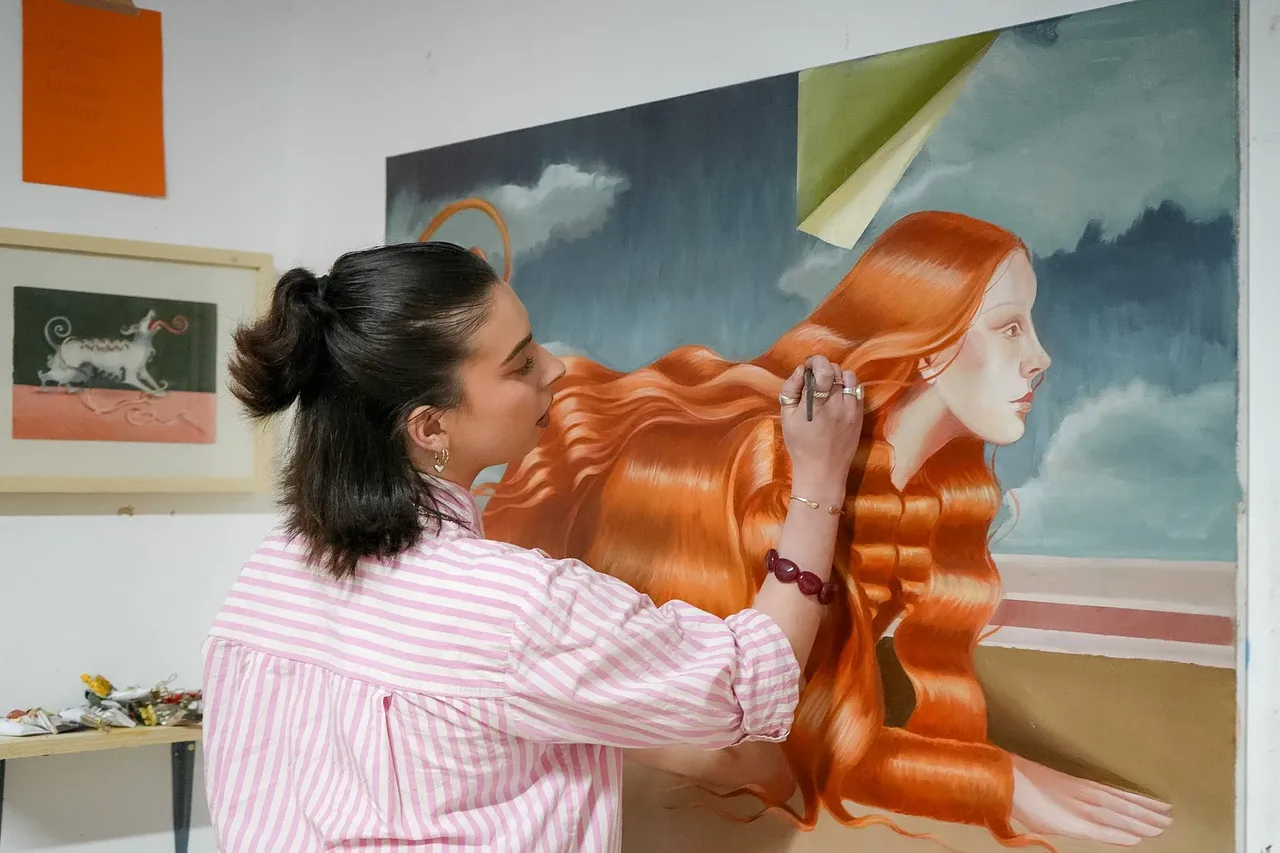
I keep returning to the phrase soft bodies, hard frames — that tension between something fluid, emotional, unstable, and something that tries to contain it. Do you feel your paintings resist the frame, or lean into it?
I think they’re always testing it, pressing up against it, like something that’s outgrown its container. The frame, or even the idea of the painting as a fixed surface, feels rigid. But the content — the bodies, the memories, the feelings — aren’t fixed at all. They spill, blur, repeat. There’s always a slight mismatch. Sometimes I think the figures know they’re being held in place, and misbehave because of it.
Misbehaving how?
Slipping out of narrative. Refusing to fully form. Or becoming too performative, aware they’re being looked at and playing with that. I’m interested in that awkwardness, where the body doesn’t quite settle. It feels similar to Judith Butler’s idea of performativity — identity as something you do, rather than something you have. The figures don’t hold identity; they try it out. Repeat it, get it wrong, adjust it. There’s always a small failure in there.
That feels tied to girlhood, being in-between. Your work seems to stay there.
Yeah, I’m not interested in resolution. Girlhood doesn’t end cleanly; it leaks into adulthood. It sticks in gestures, habits, memory. That’s where the performative side becomes more visible. You’re not just constructing identity, you’re aware you’re constructing it. Sometimes too aware. There’s a self-consciousness to it, like watching yourself becoming something without fully knowing what that is. So, the figures aren’t just in-between, they’re actively trying things out. Repeating, adjusting, never quite landing. That softness comes from something still forming.
“In girlhood, identity is shaped through being seen. It’s exhausting, but also generative.”
And the hardness?
The frame, but also expectation. Social structures. Ideas about what a woman or daughter should be. Those feel fixed, even when the body isn’t. There’s a tension between something shifting and something trying to hold it still. Even painting has its own kind of hardness; its history, its rules. There’s always a push and pull. Memory works similarly. The more you try to fix something, the more it slips. Roland Barthes writes about, in Camera Lucida, how an image seems to hold something still, but never fully does. It keeps escaping. I think the paintings do that: they look held, but they’re not.
That feels close to photography. The frame suggests control, but it also shows what’s missing.
Exactly. It highlights what’s been cut out. That’s why I work with fragments, it keeps something just beyond reach.
And that’s where the image becomes active. It holds you in uncertainty.
Yeah, it doesn’t resolve.
There’s a cinematic quality, it feels like stills from something longer.
I think of my paintings like that, scenes cut loose from something bigger. There’s always a before and after you don’t see. Film feels continuous, but it’s made of cuts. Painting can do something similar, just more quietly.
Do you imagine them moving?
Not smoothly — more like flickering, looping badly. Repeating slightly off each time. Like a memory distorting the more you revisit it. They also speak to each other. Not directly, more like echoes. One painting starts something another interrupts. I think of bodies of work as chapters.
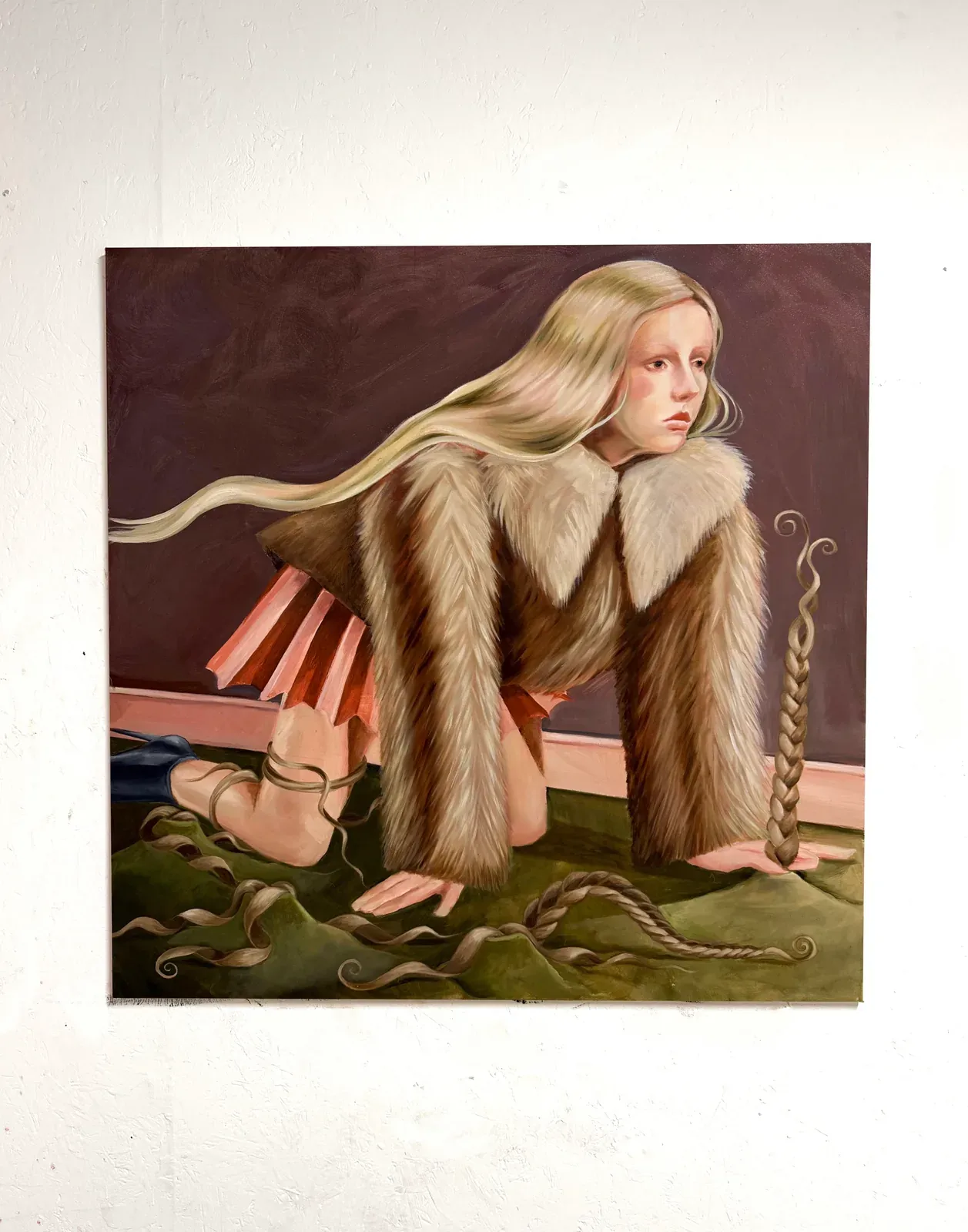
The figures feel like both subject and actor.
And maybe audience. Watching themselves being watched. Girlhood feels staged, learning how to perform yourself before understanding it. That doesn’t go away.
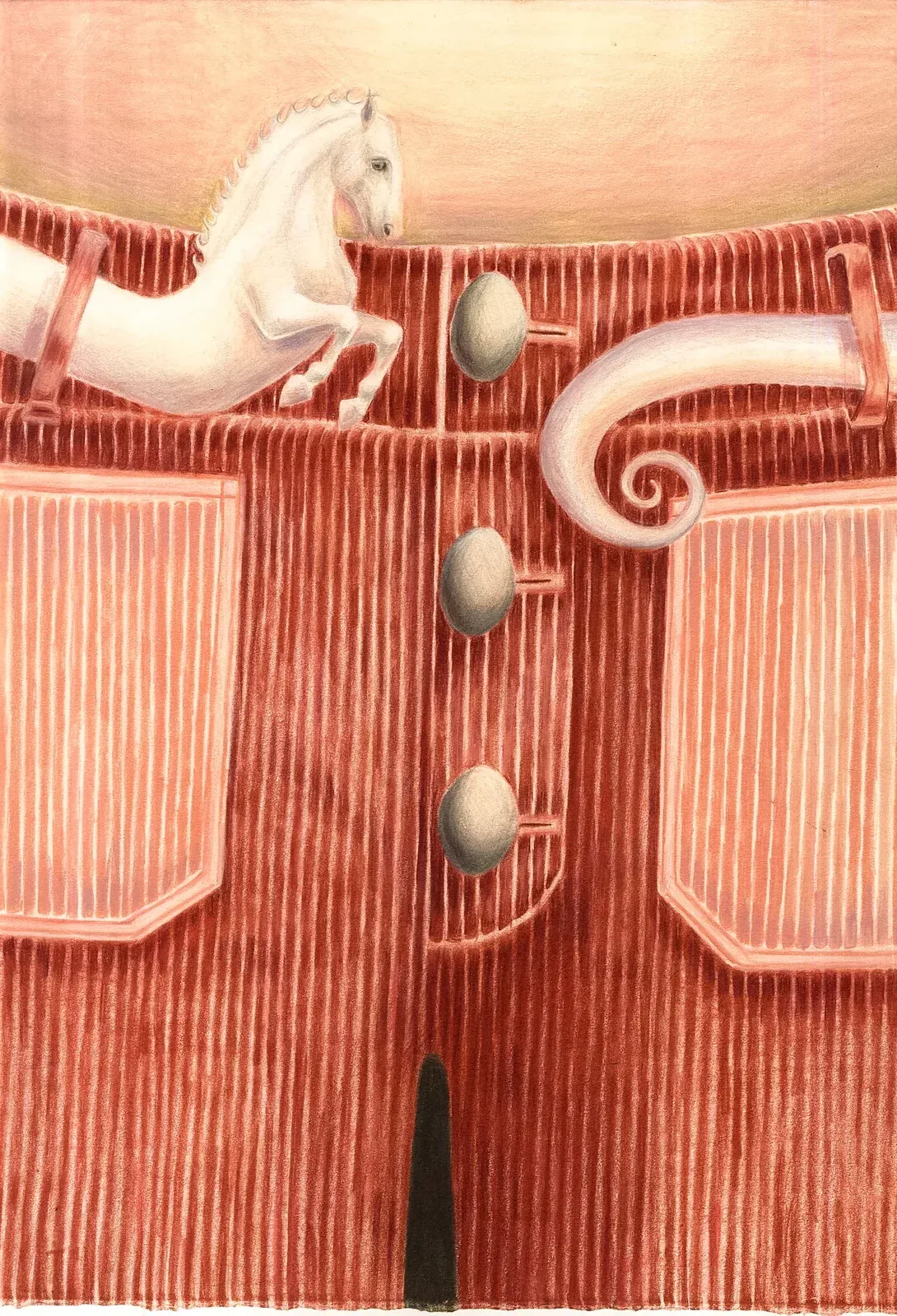
That makes me think about control, your horses and dogs, they sit right on that edge.
Horses especially, they hold that tension between control and the possibility of it breaking. I’m interested in small slips, not dramatic ones.
Performance plays out culturally too, like Justin Bieber at Coachella, just pressing play and still holding value.
Yeah, it’s about what’s allowed to count. Women, especially young women, are expected to constantly justify themselves. You can’t just arrive; you have to keep proving it.
One body gets to be still. Another has to keep moving.
Exactly. One becomes the frame, the other stays soft.
That instability feels structural.
It is. Especially in girlhood, where identity is shaped through being seen. It’s exhausting, but also generative.
There’s humour too.
It shifts things slightly off balance, not lighter, just less certain.
“That moment, realising you’re shaping the narrative you’re inside, is something I come back to.”
Like the work knows it’s being made?
Maybe. Or at least doesn’t let you forget it’s constructed. That’s where autofiction becomes useful, the “I” can shift, contradict itself. It feels closer to how memory actually works. I’ve been thinking about Labyrinth (1986) in that way, how the world Sarah moves through can be read as something she constructs. Everything seems pulled from her own life — objects from her room, familiar imagery, even David Bowie’s Jareth appearing there before becoming fully realised. It feels less like she enters a fantasy and more like she produces it.
That’s how I think about my work. The paintings are built from fragments: memory, personal imagery, things that feel known but slightly displaced. Her journey isn’t just about growing up. It’s about recognising agency within something that feels outside her control. Jareth becomes a kind of performative fantasy, something seductive but also restrictive. When she tells him he has no power over her, it feels like a shift in authorship. That moment, realising you’re shaping the narrative you’re inside, is something I come back to. The figures feel caught there. Performing, repeating, but slowly becoming aware.
That’s how I think about my work. The paintings are built from fragments: memory, personal imagery, things that feel known but slightly displaced. Her journey isn’t just about growing up. It’s about recognising agency within something that feels outside her control. Jareth becomes a kind of performative fantasy, something seductive but also restrictive. When she tells him he has no power over her, it feels like a shift in authorship. That moment, realising you’re shaping the narrative you’re inside, is something I come back to. The figures feel caught there. Performing, repeating, but slowly becoming aware.
Absolutely, especially thinking about image-making as something authored but not fully controlled. Film works like that too. With Labyrinth, that instability makes it feel interior. Constructed, but personal. Your work holds that tension. It doesn’t resolve whether something is real or staged. That’s what keeps it intimate without fixing it. There’s a line between softness and rupture.
I’m interested in the moment just before something gives way. Not the break, the possibility of it.
And now?
I’m trying to stretch that space, how long something can sit there without resolving. Thinking about voice — who speaks, who’s interrupted, who’s called a liar. I want the work to feel like it might tell on itself.
The work as secret and confession.
Or neither. Just something that keeps slipping between the two.