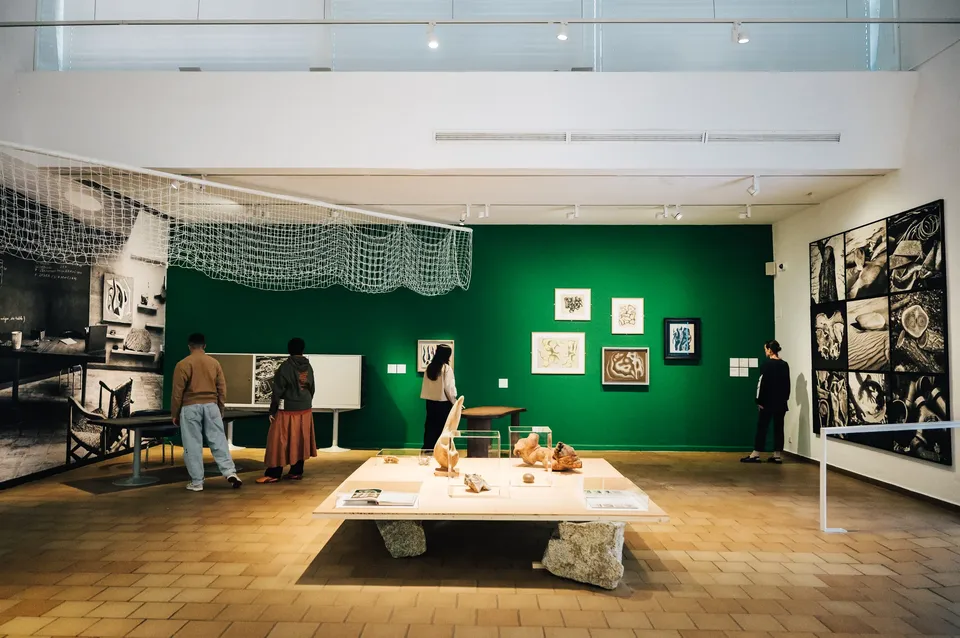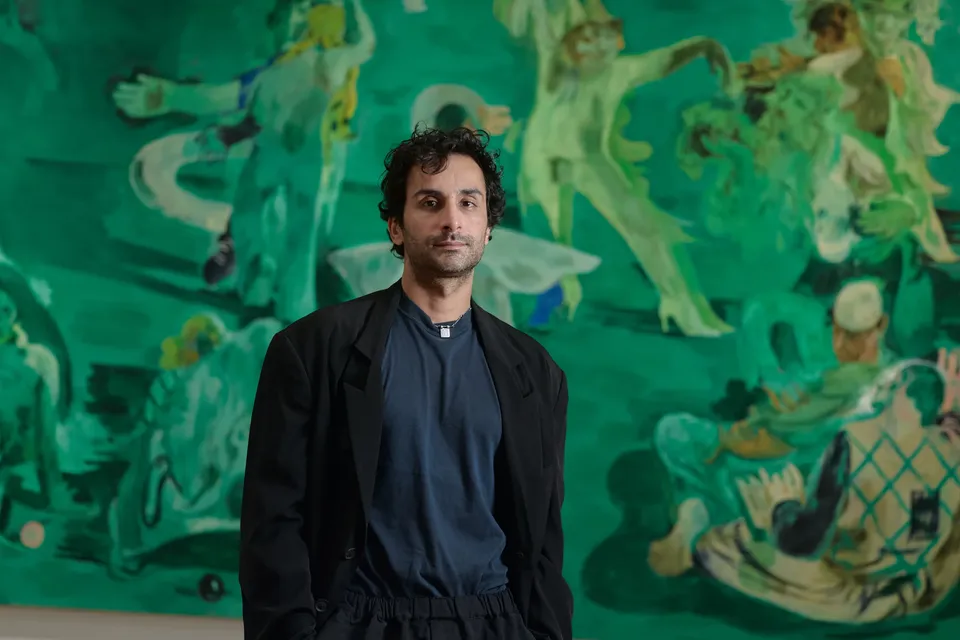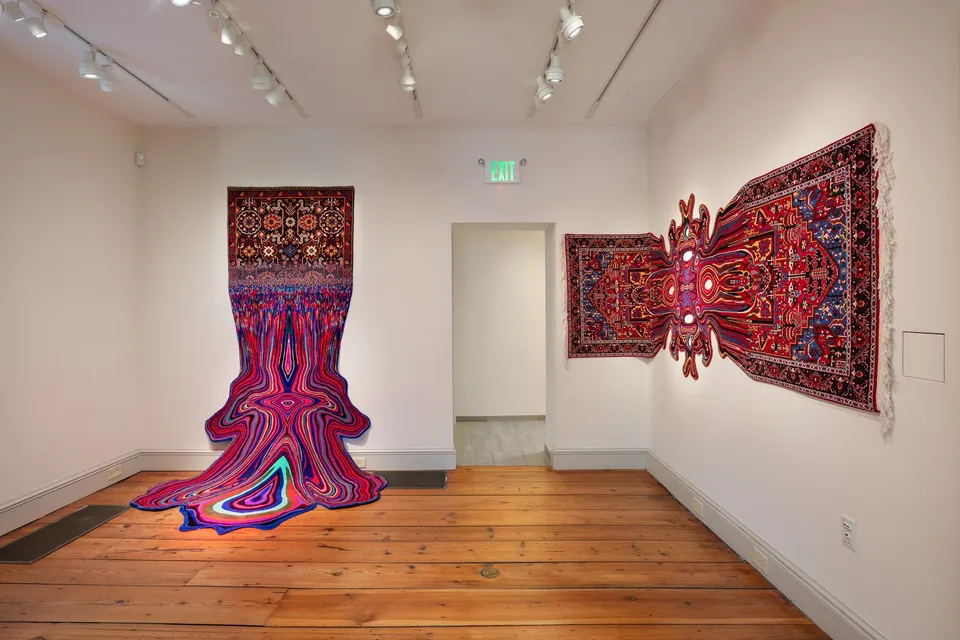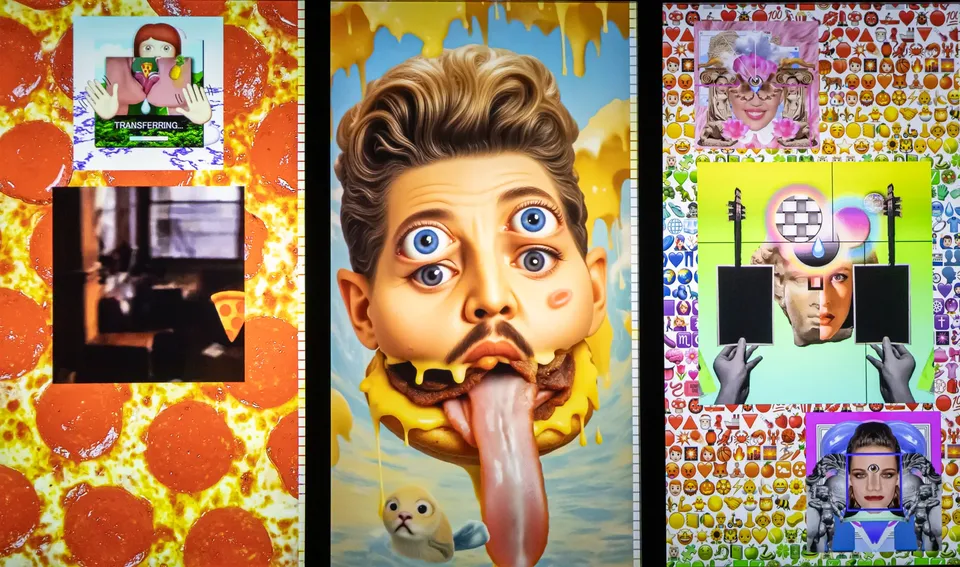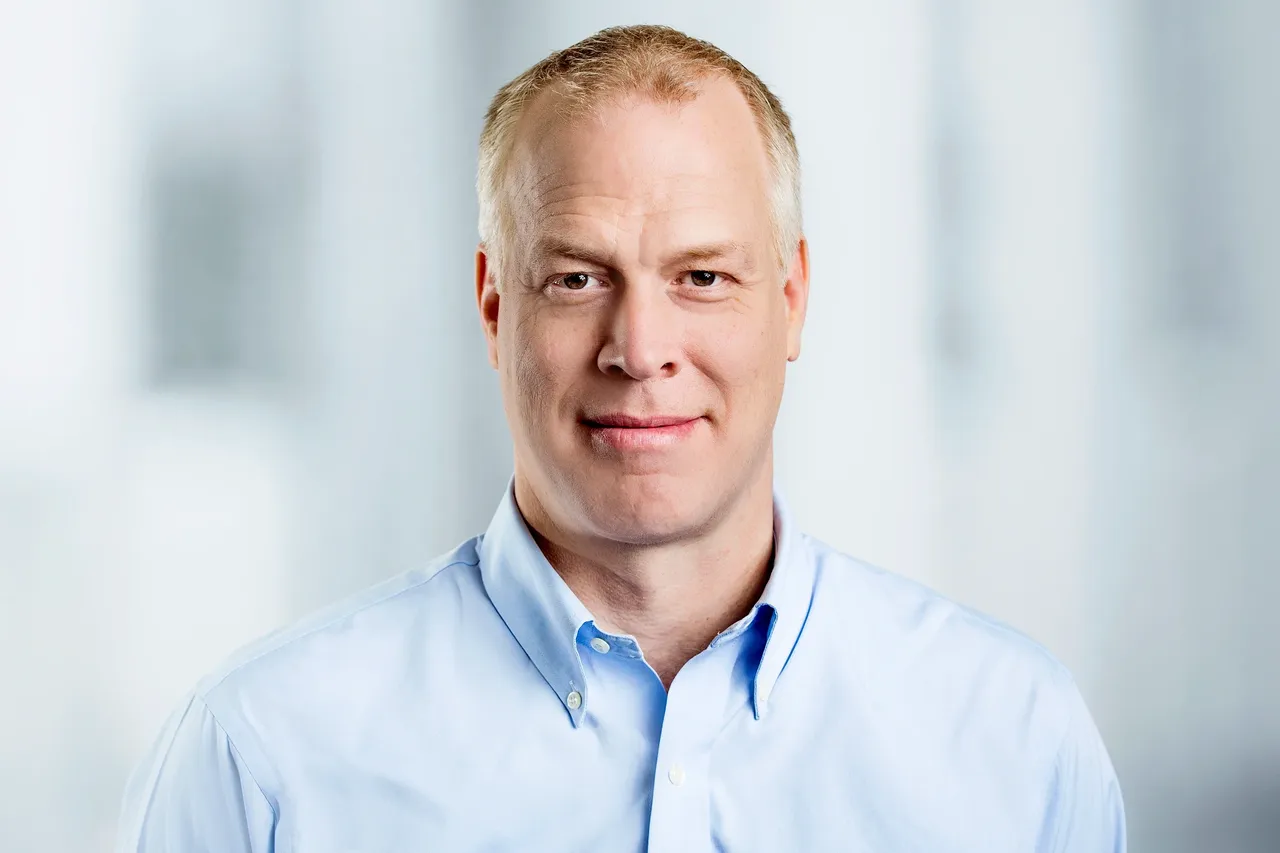
Daniel Hug has been the director of the Art Cologne fair for more than a decade, guiding one of the world’s most established fairs through a landscape of constant reinvention. Now, with the upcoming Art Cologne Palma Mallorca taking place from April 9th to 12th, he shifts the scene south, towards a slower, sunlit setting rooted in the island’s growing artistic ecosystem. The fair will bring together nearly ninety galleries from over twenty countries; the project signals a move away from the conventional fair model, towards something more regional and grounded.
In a few days, you’ll be hosting the Art Cologne Palma Mallorca as its artistic director. How did the idea to start this new fair come about?
Around two and a half years ago, we were approached by the Art Palma Contemporani gallery association in Palma about reviving our Art Cologne Palma de Mallorca fair from 2007. So, Ben Agert, Art Cologne director, and I checked out Palma, visited some of the galleries, the new Palau de Congressos in Palma Bay, and, over dinner with Fran Reus, the President of Art Palma Contemporani, Maria Baró, and Xavier Fiol, both galleries in Palma, decided it was a fantastic idea.
There will be eighty-eight international galleries from twenty-one different countries, presenting works running from modern to contemporary art. How do you select the galleries that participate?
I wanted to avoid this becoming a German fair, so we gave precedence to galleries from the Balearic Islands, particularly Mallorca, which has the highest concentration of galleries among the Balearic Islands; then mainland Spain; then the British and Germans, and so on. It was done by invitation only, so we really researched which galleries could be interesting for us and which would make sense.
Yes, almost half of the Spanish galleries taking part are based in Mallorca. How important is it for you to give visibility to the local art scene?
Very important. Art fairs are built from the ground up, meaning art fairs only function if there is a pre-existing art scene, enough artists, enough galleries, and enough collectors and institutions. Palma is a big city; it even has an Art School, and it has long been a refuge for both native-born artists and artists from abroad. It has a world-class institution, the Es Baluard Museum, and it has a gallery association with fourteen member galleries ranging from young galleries specialising in emerging artists all the way up to blue-chip contemporary galleries presenting well-known artists.
Furthermore, there are many collectors on the island, including people from the island as well as art lovers who flock there from abroad. With the explosion of art fairs around the world to nearly a hundred fairs, all of them have had to become more regional; the times when there were only four or five art fairs worldwide are long gone. Today art fairs have had to reinvent themselves, to rethink their purpose, and the most logical way is to focus on the geographical regions that they are located in. So, the fact that Palma Mallorca has a pretty amazing art scene and healthy ecosystem makes it an ideal location for an international art fair.
Furthermore, there are many collectors on the island, including people from the island as well as art lovers who flock there from abroad. With the explosion of art fairs around the world to nearly a hundred fairs, all of them have had to become more regional; the times when there were only four or five art fairs worldwide are long gone. Today art fairs have had to reinvent themselves, to rethink their purpose, and the most logical way is to focus on the geographical regions that they are located in. So, the fact that Palma Mallorca has a pretty amazing art scene and healthy ecosystem makes it an ideal location for an international art fair.
You are also the director of Art Cologne, one of the world’s most important fairs for modern and contemporary art. How has the event in Cologne changed in relation to the art world over the years?
Yes, of course, Art Cologne has changed and adapted many times over its fifty-eight-year existence. Probably the biggest change happened when Germany reunified in 1989. Up to this point, Art Cologne was the leading contemporary art fair worldwide. With the rise of a unified Berlin, Cologne and Bonn took a back seat, and Art Cologne had to find other ways of remaining relevant in the shadow of Berlin.
The fair will take place at the Palau de Congressos Palma Bay, a neobrutalist building by the sea and Palma’s centre, just a few minutes away from its emblematic cathedral. Why did you choose this venue?
The architect of the Palau, Francisco Mangado, is fantastic. It is such a unique space and location; the light is just amazing. Art Cologne in Germany takes place in a drab industrial tradeshow hall, it’s concrete without natural light in the cold German winter, which has become the industry standard over the years for most art fairs. So, a chance at organising a fair in such a beautiful and fantastic location has always been a dream of mine. It really is one of the main factors why we agreed to do the fair in Mallorca.
Given it’s such a large and bright space, are there any interesting logistics regarding how the artworks are distributed within the space?
The actual exhibition hall of the Palau de Congressos is quite small, so we were forced to use the surrounding infrastructure of the Palau, including conference rooms, hallways, various mezzanines, etc. This gave birth to the idea behind the Parcours area or sector; it also enabled us to offer smaller booths than standard, enabling galleries to take more risk in the type of work they are presenting, meaning if they don’t sell, they won’t go broke.
Before organising an event like this, do you consider the type of audience you want to attract? What kind of visitors are you expecting?
We, or all art fairs really, have two types of audiences: the professionals and the regular art lovers. The first come and buy or learn about new artists or are curators and directors of institutions. The second group are people interested in learning more about art, not buyers or professional curators but regular folks who want to see what is going on in the art world. There are many more of the latter than the first. If one did a fair and only invited the professionals, it would be pretty quiet and slow. Fairs are not just about selling, but ultimately fairs are about introducing new artists or rediscovering artists.
Mallorca has a strong artistic scene, with institutions such as Fundació Miró Mallorca, Es Baluard, and many international galleries. Was this one of the main reasons for choosing the island as the location?
Yes, the fact that Miró had his studio on Mallorca and lived there from 1956 to 1983 lays some of the groundwork for what we are about, the heart and soul of the fair, so to speak. Another example is Miquel Barceló, who grew up in Mallorca, or Rebecca Horn, who lived her last few years on the island. There are many factors that made us decide to take on the invitation of the Art Palma Contemporani Gallery Association.
Palma is well known for tourism, and the fair will take place just after Easter. How do you think this timing will affect attendance? Are you expecting more local or international visitors?
I think we tend to forget how small the art world really is. It is a niche segment of culture; there are more music fans out there, more fans of architecture, of film, of cartoons and animation, music videos, etc. We are not about popular culture; we are high culture, and that attracts a small audience across all social strata. No other world blends this range of wealth and age groups together like the art world. The art fair could in fact take place any time of the year; since Art Cologne in Germany is traditionally in November, we wanted to keep at least six months' distance between the fairs. Easter and Passover make sense since many of the art collectors on the island are present over the holidays. The weather is also pleasant, and the island is lush and green.
With such a big event, I imagine you have set certain goals. What would you like the fair to achieve, even if it’s just the first edition?
The first goal is to achieve enough good sales for the galleries so that they are happy and will return. The second goal is to bring divergent groups together to learn about and discover new art in a beautiful setting.
Is there a gallery or artist that has personally caught your attention or that you feel excited about?
Yes, many. One of my personal highlights is the work of Lin May Saeed (1973-2023), a German Iraqi artist who unfortunately passed away just two years ago. Jacky Strenz Gallery, from Frankfurt, is presenting a solo show of her sculptures, which are made from styrofoam. Saeed managed to create poetic beauty and elegance out of this simple packaging material.
This is the first edition of the fair. Do you see it becoming a recurring event and a long-term presence on the island?
Ideally. We are already scheduled to take place in April 2027, and I hope to create more bridges to the art scene in the Balearic Islands.