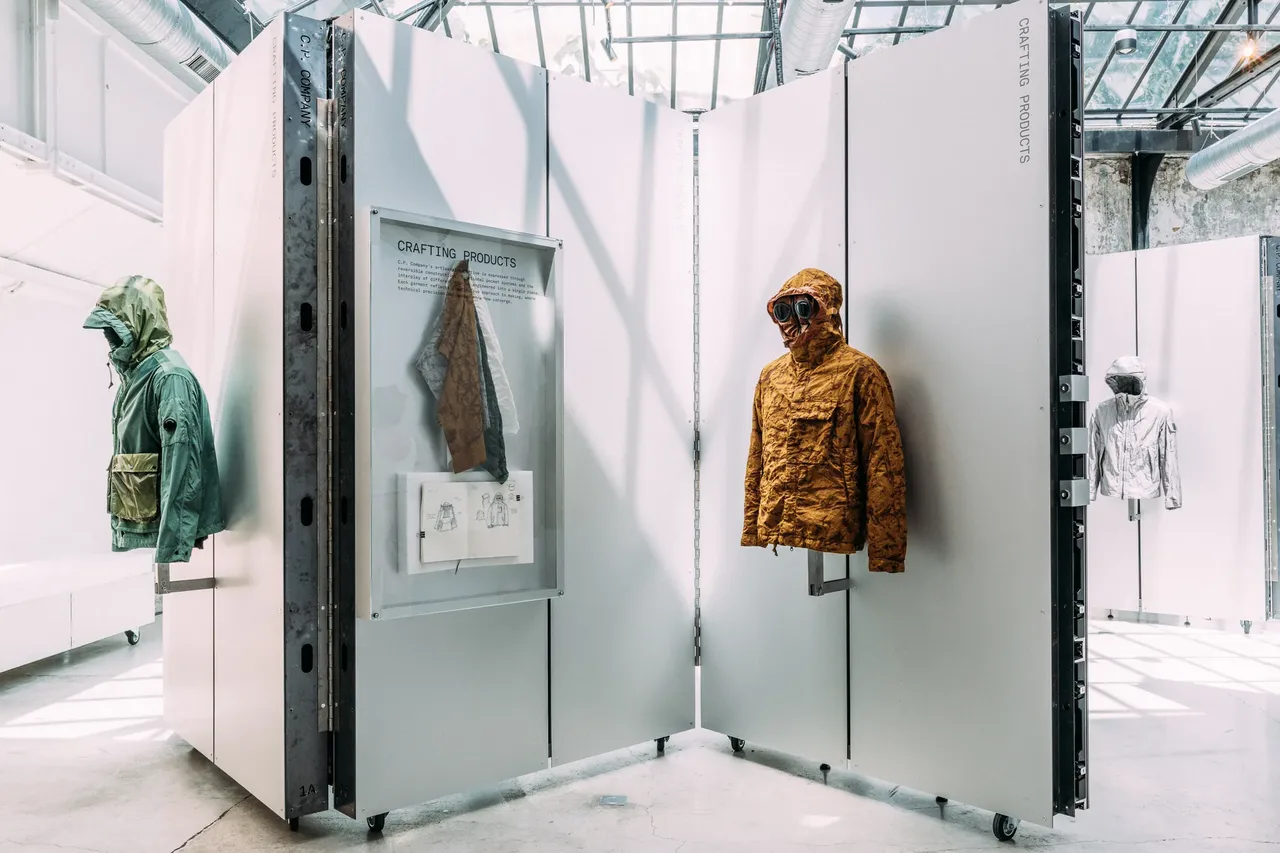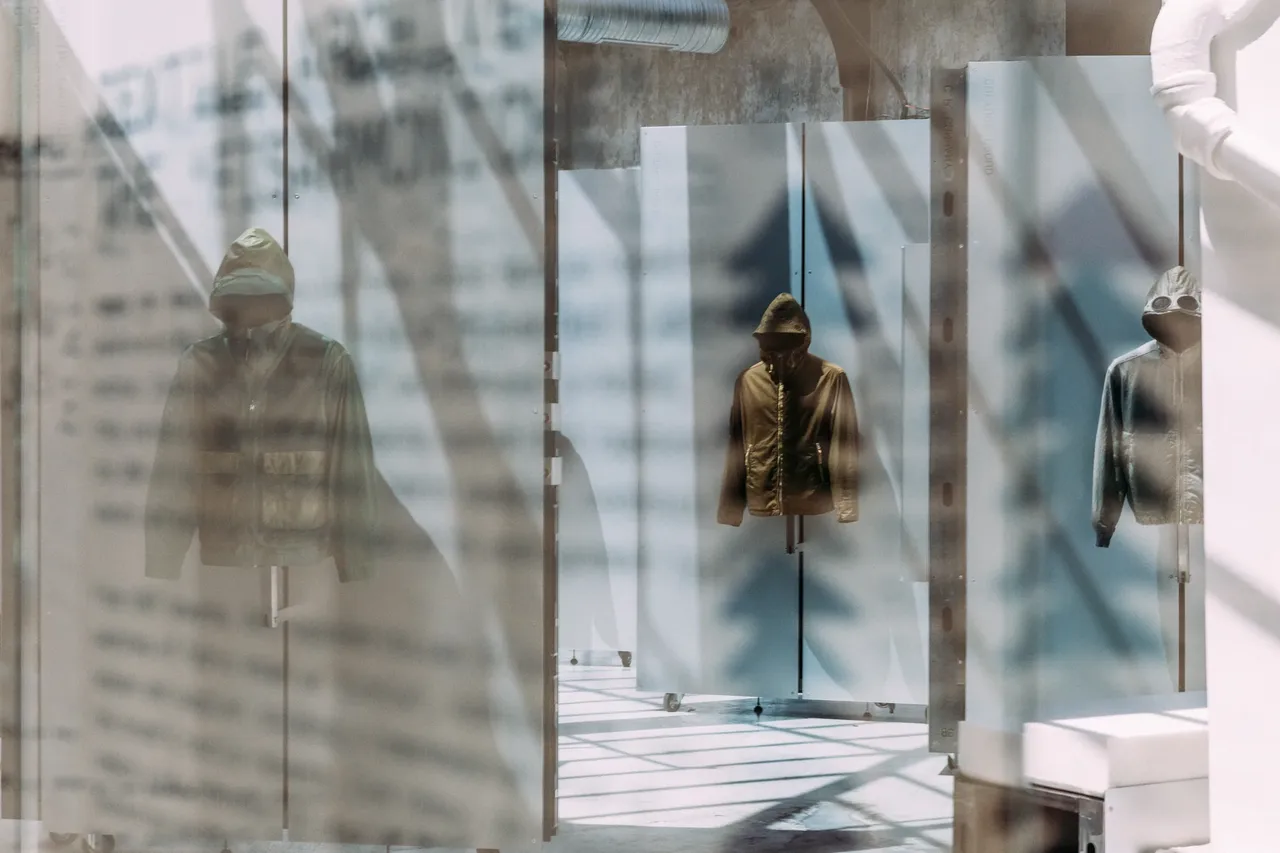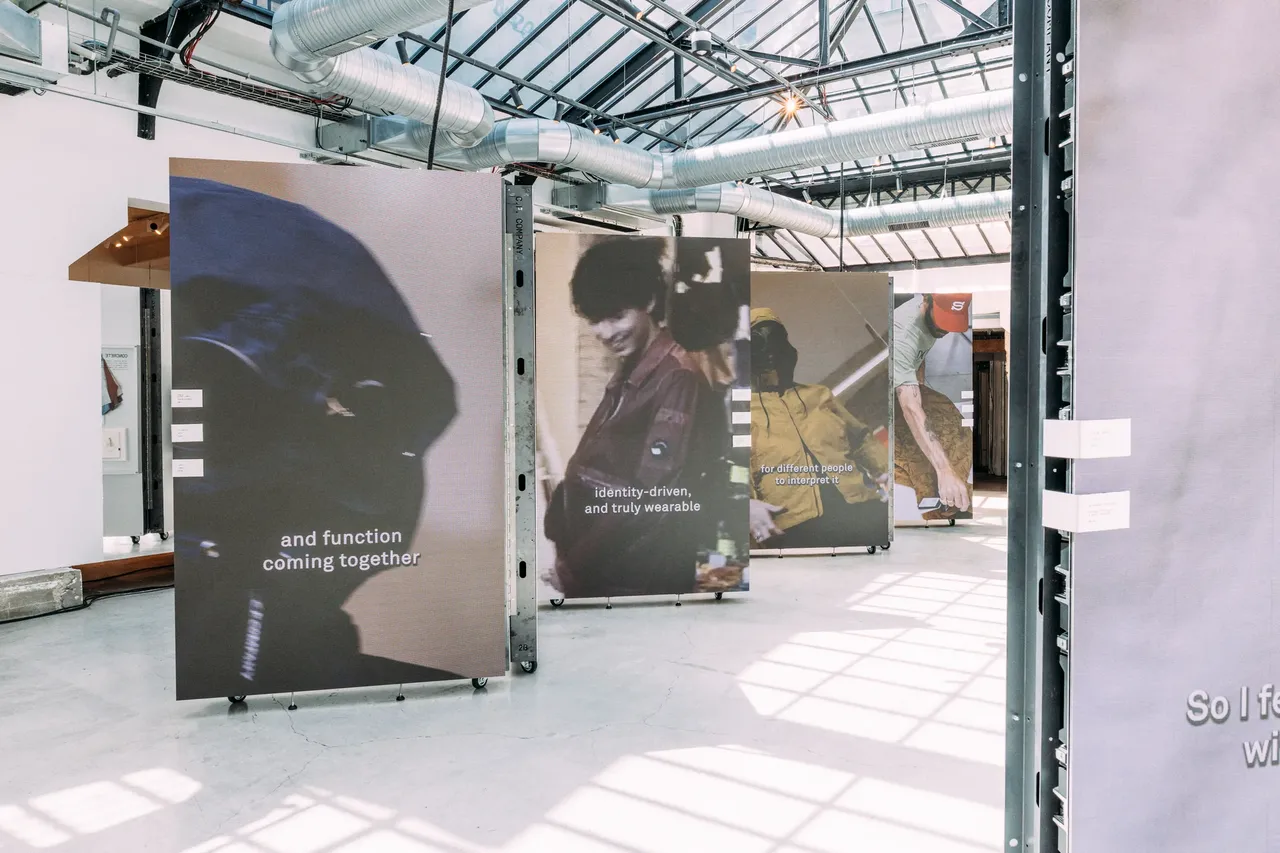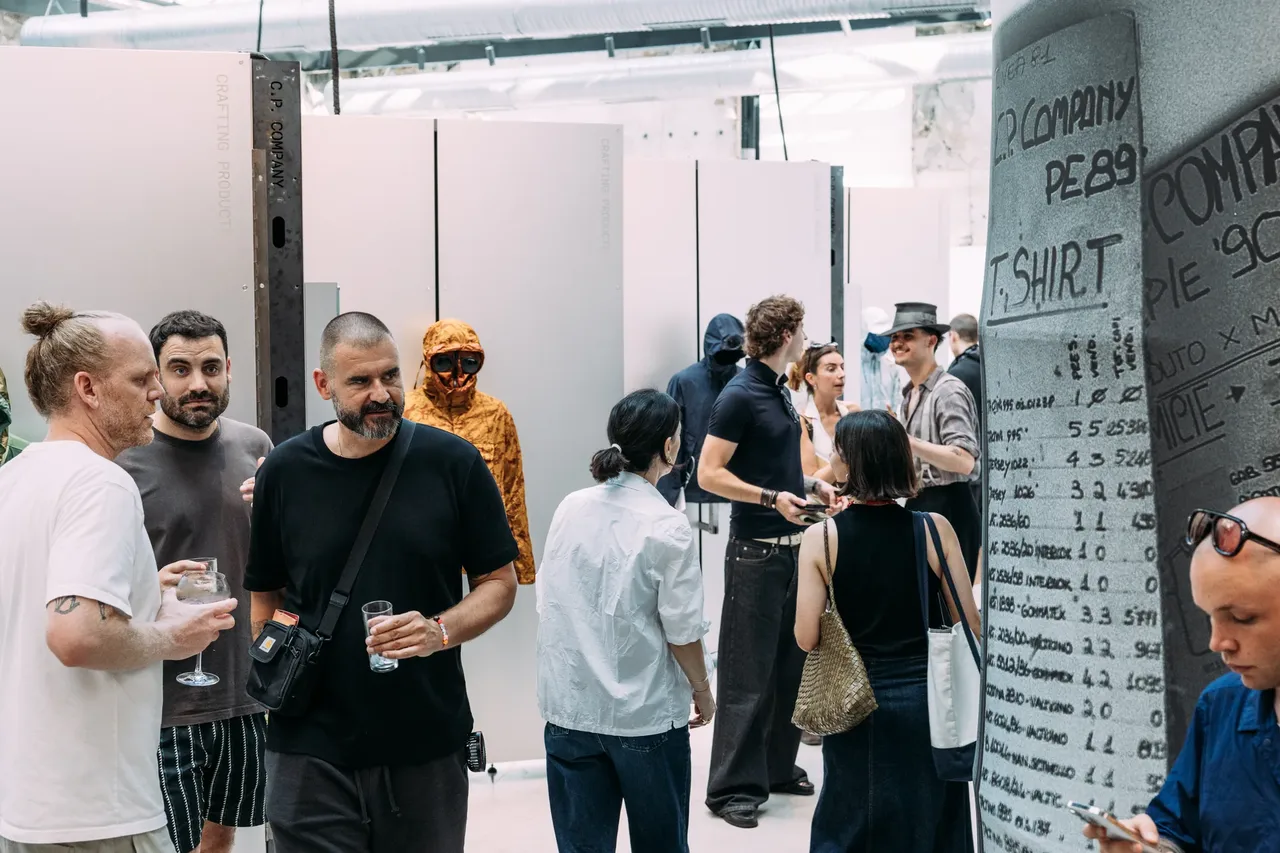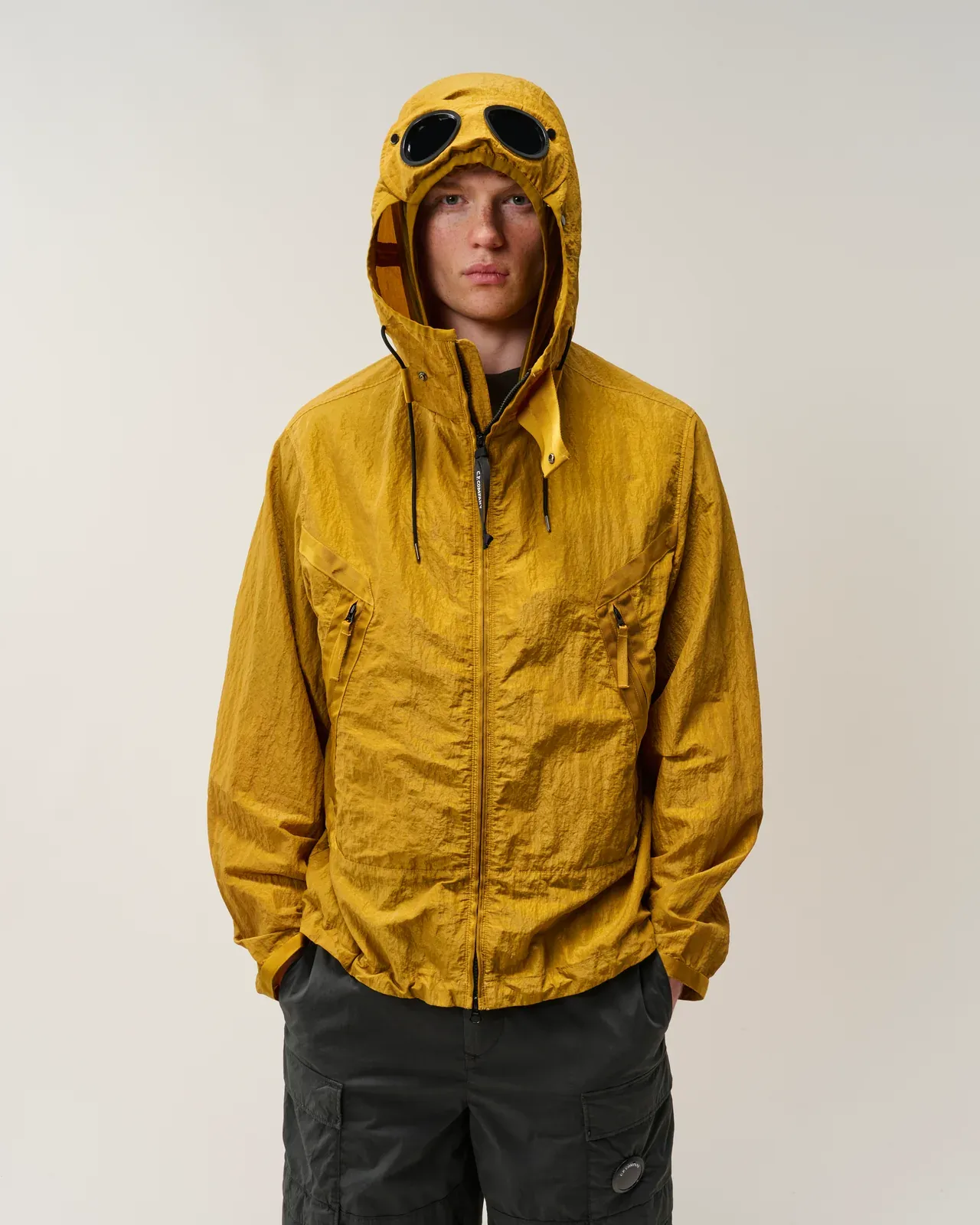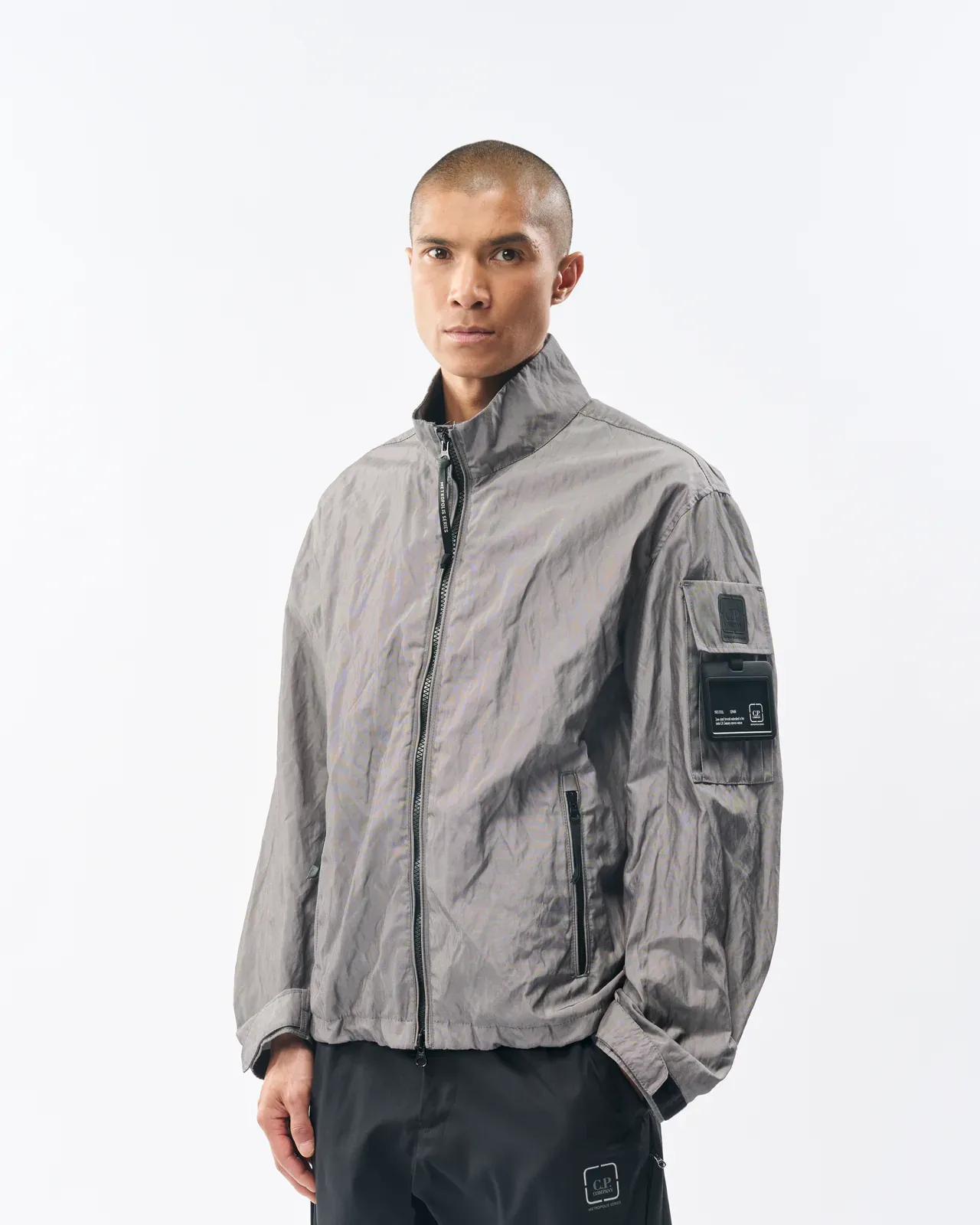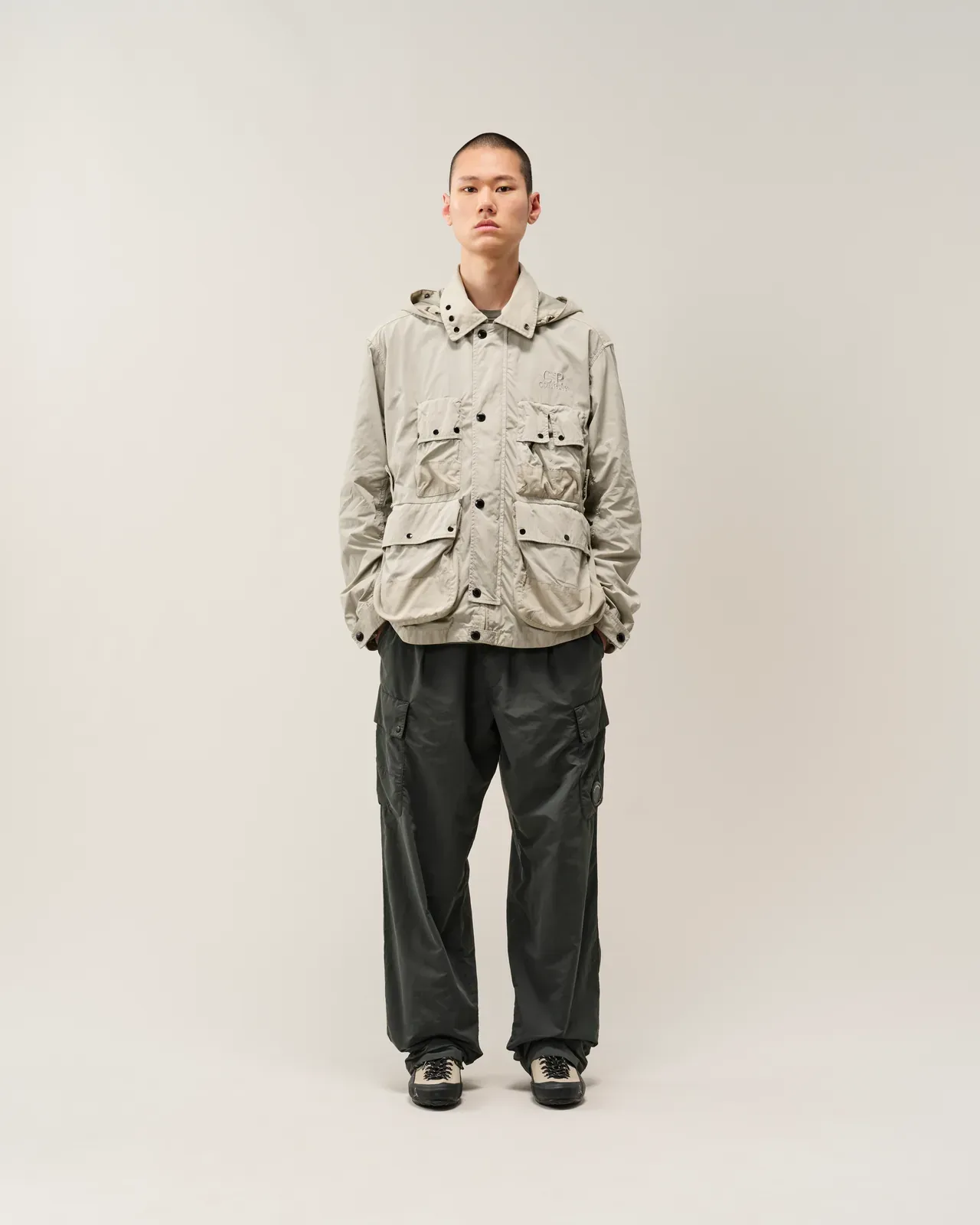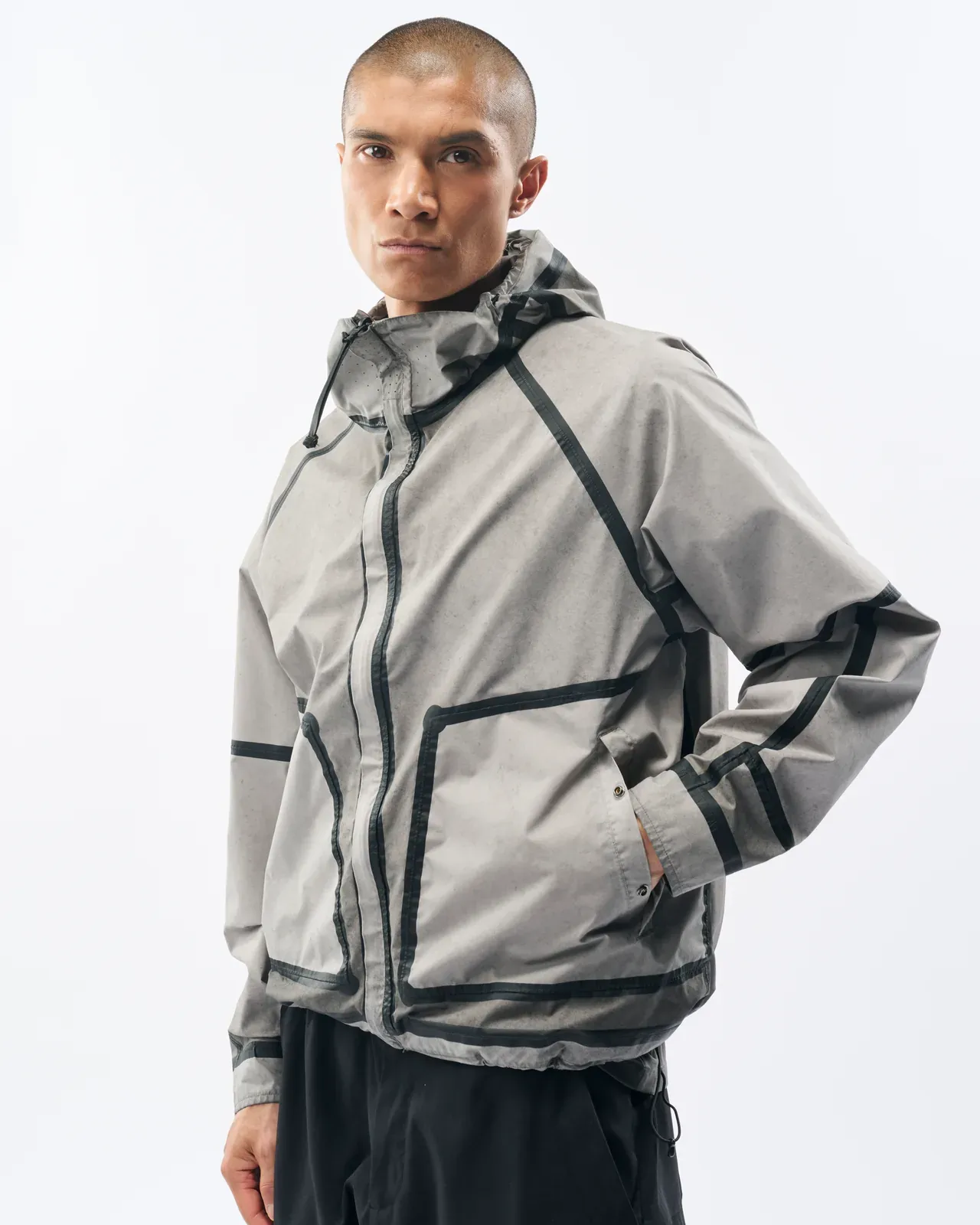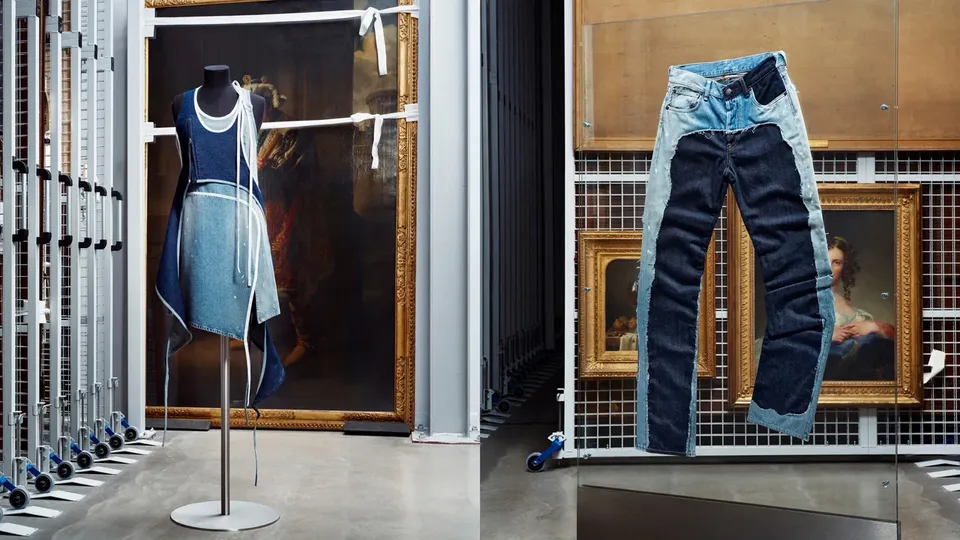
Textile research sits at the core of C.P. Company, shaping each collection through new techniques and a continued study of how the brand can evolve. Its Spring/Summer 2027 proposal was presented at the Paris showroom alongside the third Behind the Seams event, offering insight into the brand’s complex design process.
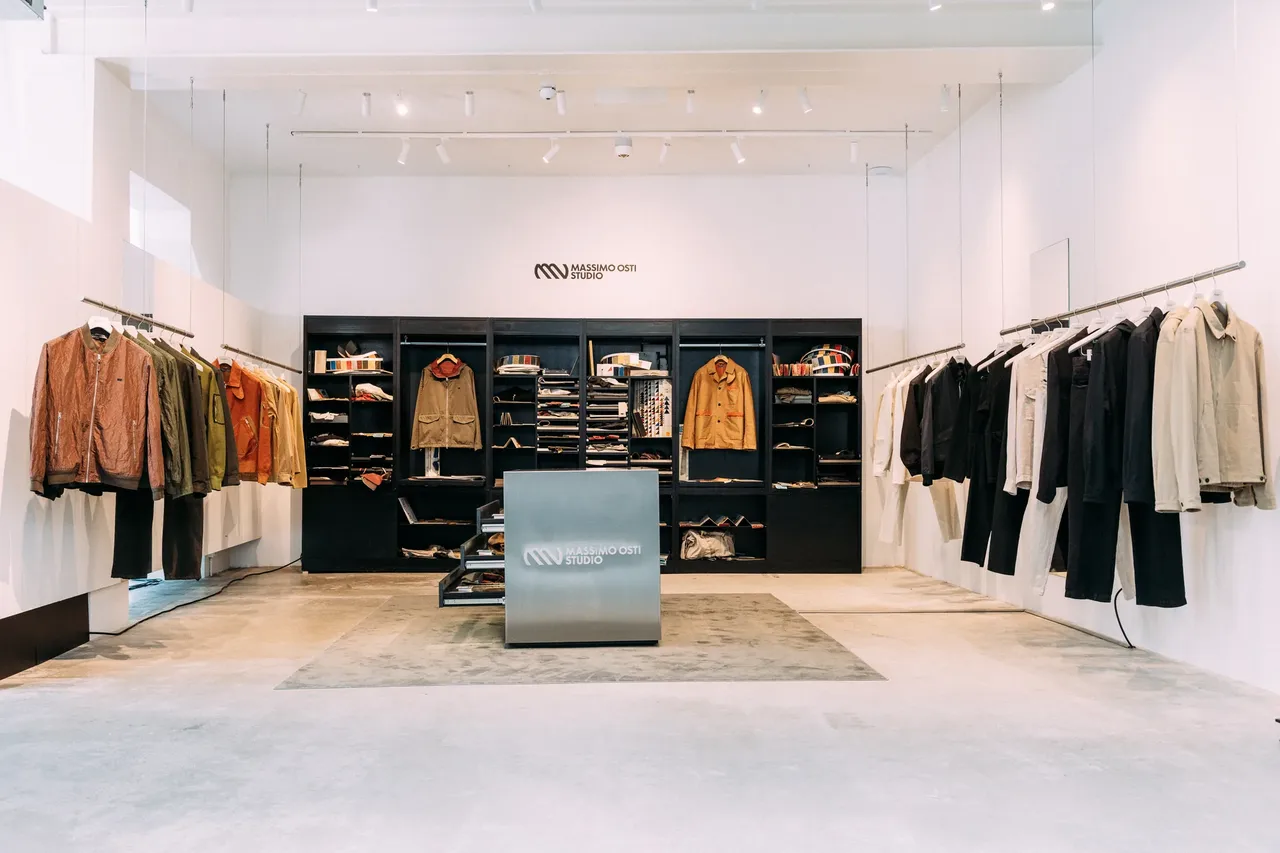
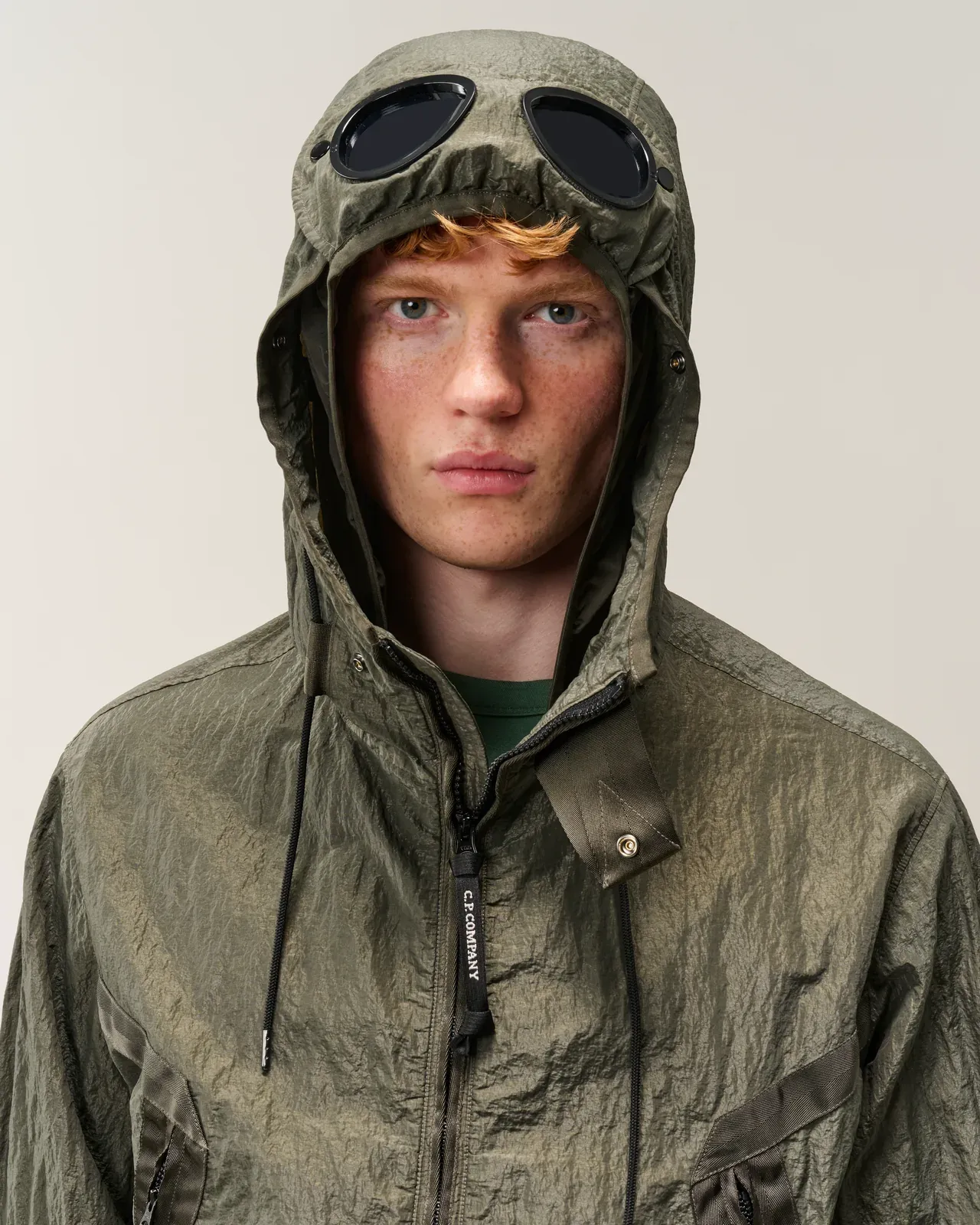
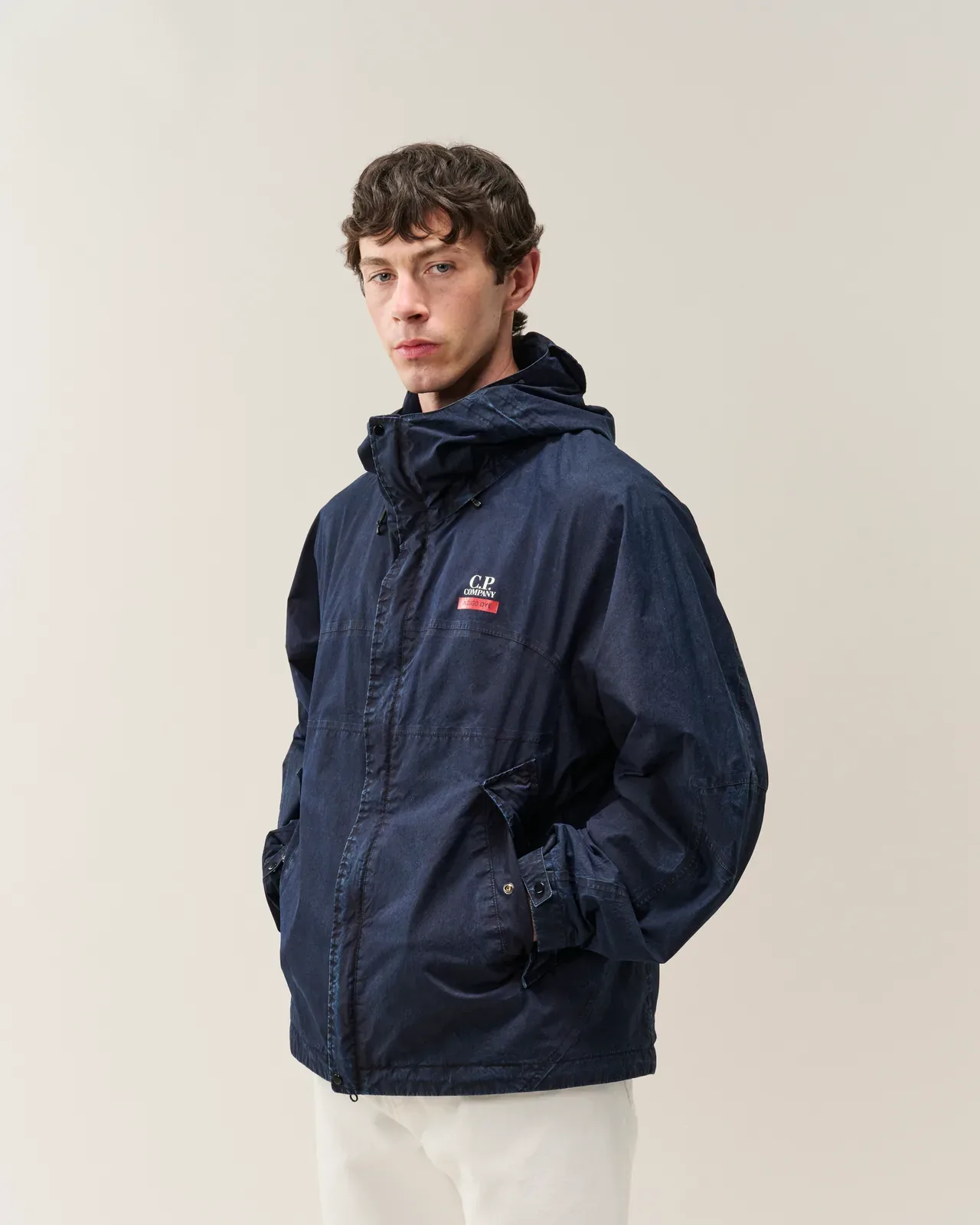
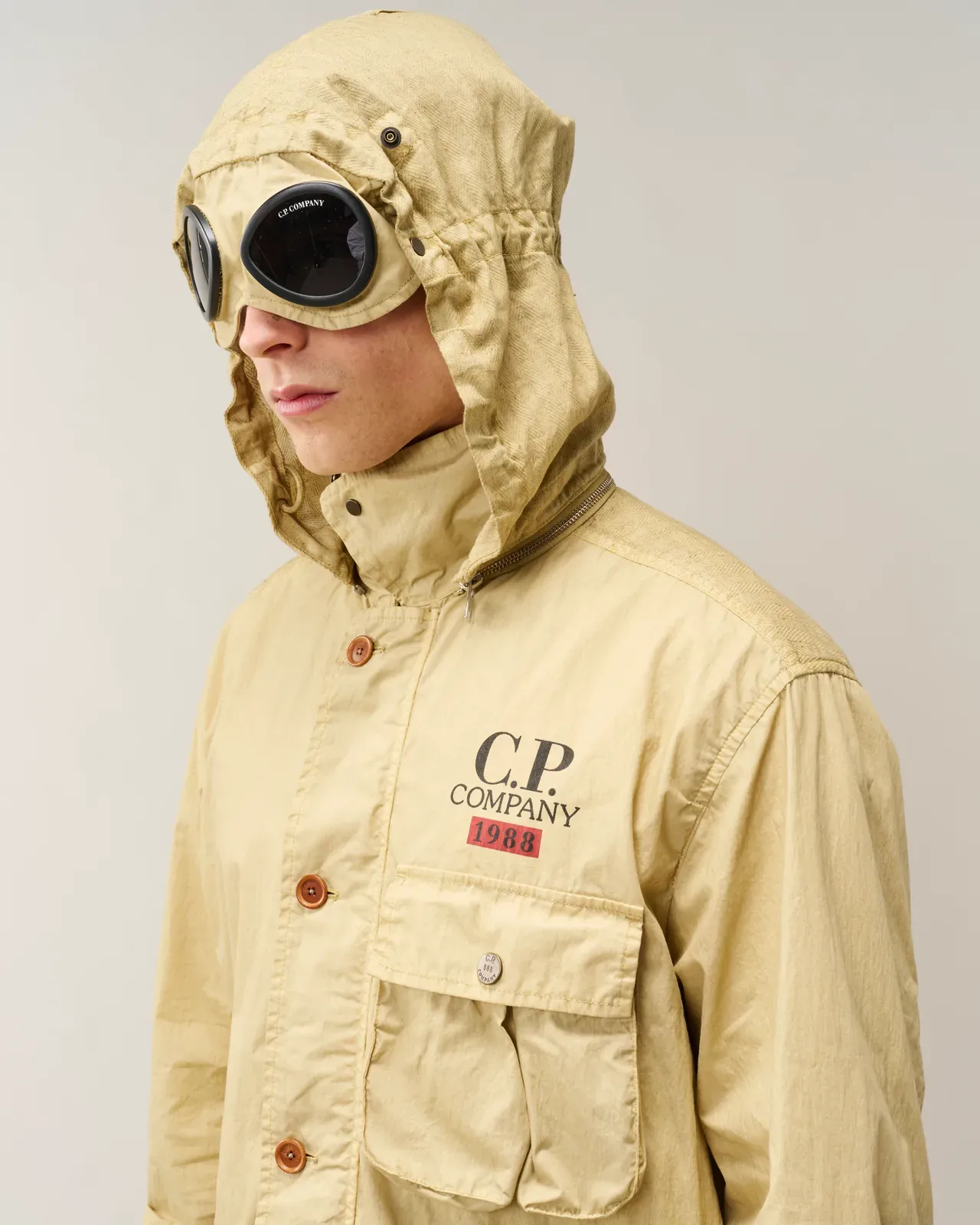
Archive garments are reimagined for each collection, bringing new perspectives and creative approaches to the brand's technical language. A capsule dedicated to the iconic Mille Miglia jacket, designed by Massimo Osti for the Mille Miglia car race in 1988, honours the garment’s history. The original silhouette is redesigned in 50 Fili with Fissato resin treatment and garment dyeing for a contemporary take. Cotton fleece sweatshirts and t-shirts made through the same process, and featuring the 1988 graphic logo, accompany the jacket in the tribute.
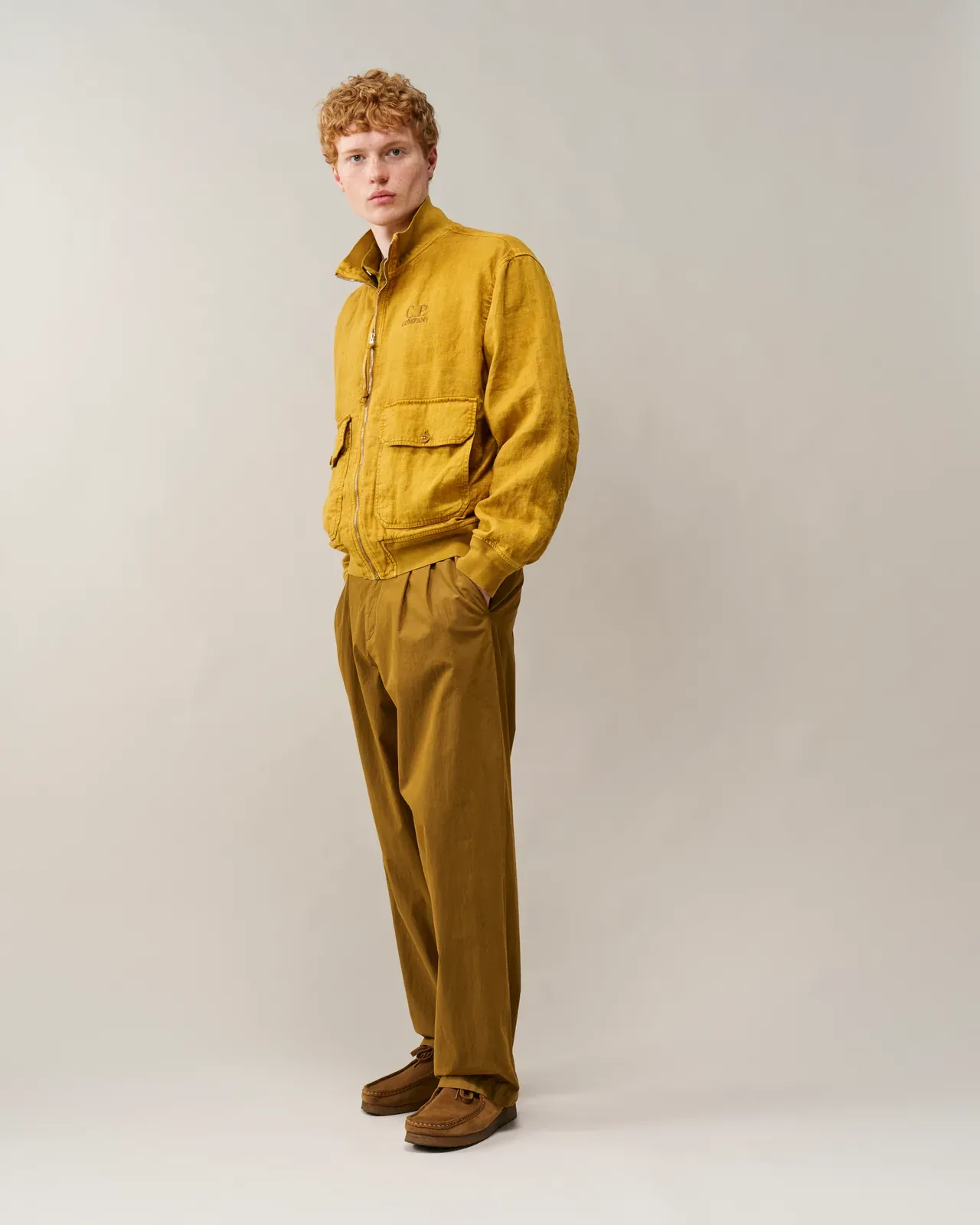
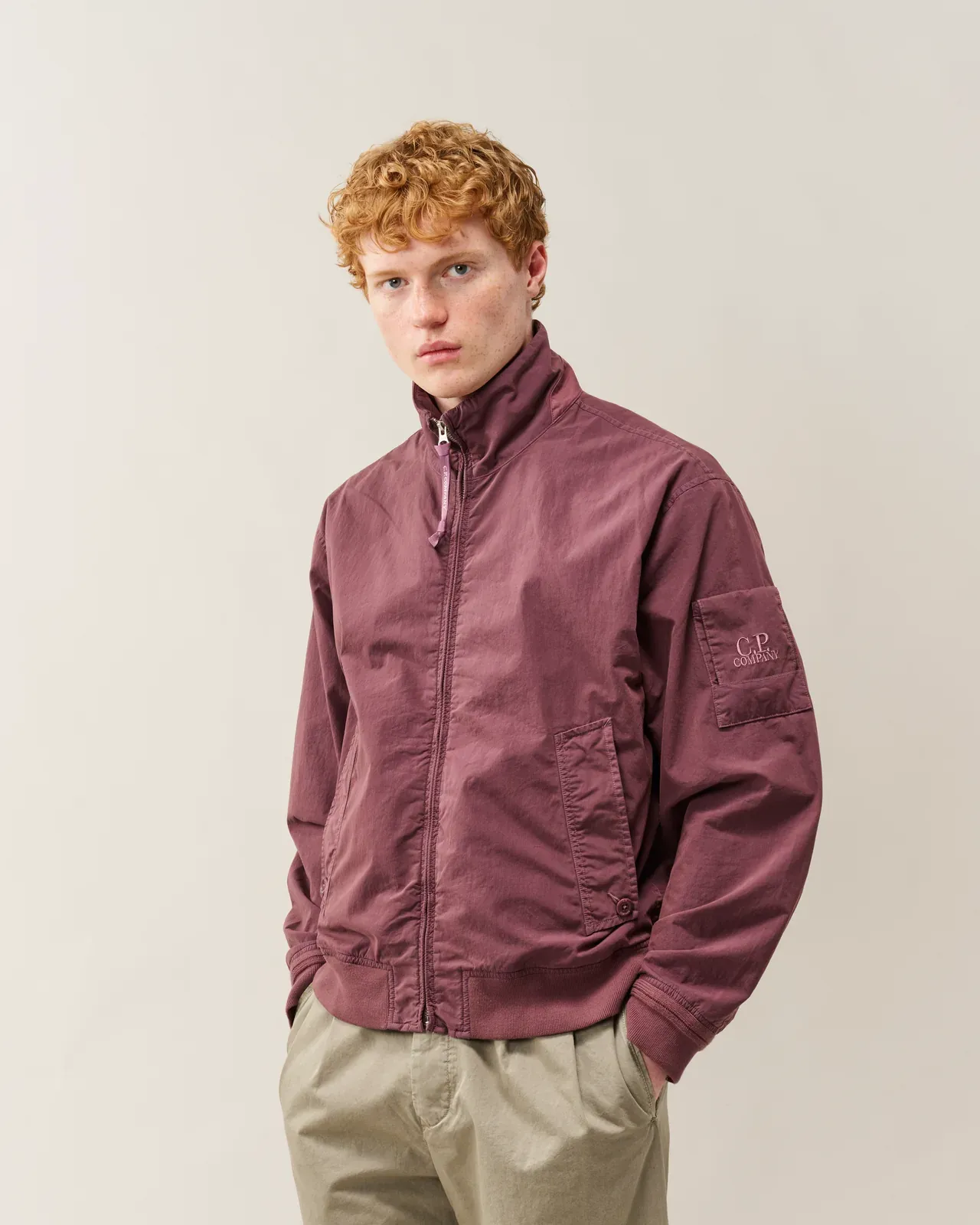
The Sunfade range explores the visual effect of garments exposed to sunlight over an extended period, reproducing the traces of time through manual decolouration. Each piece is unique, as the treatment creates tonal variations and a worn appearance. For C.P. Company, time is not an intangible element; it becomes a tool for development and an essential part of the way clothing exists in the contemporary wardrobe.
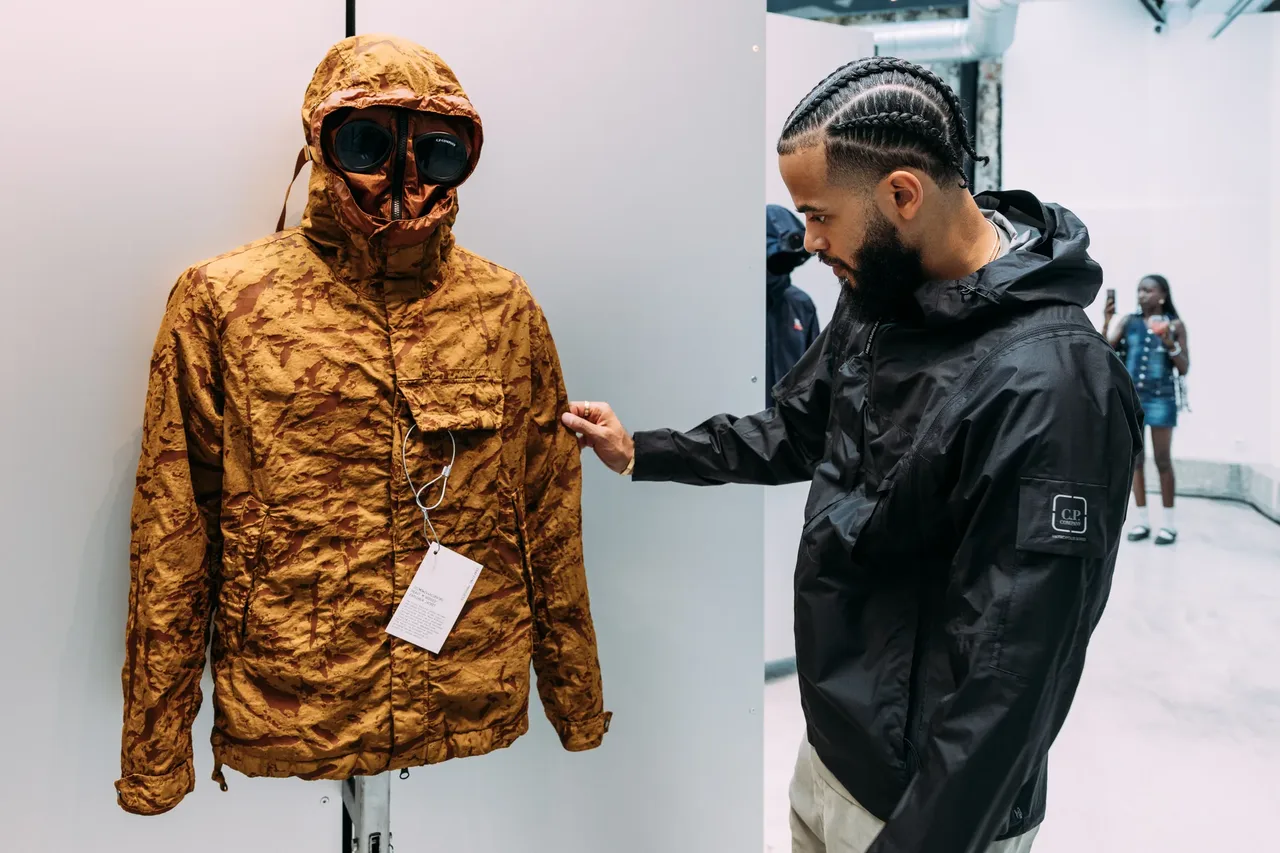
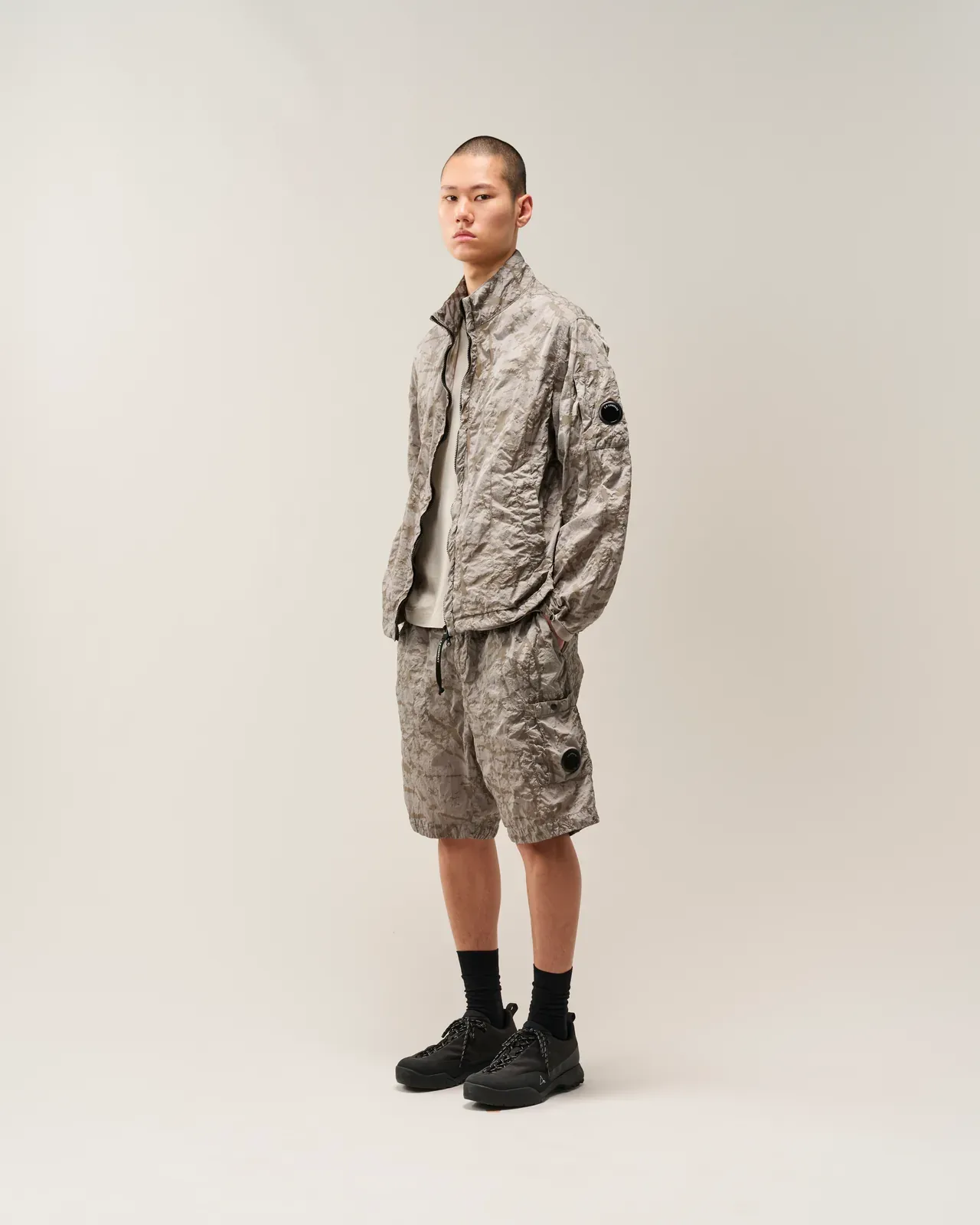
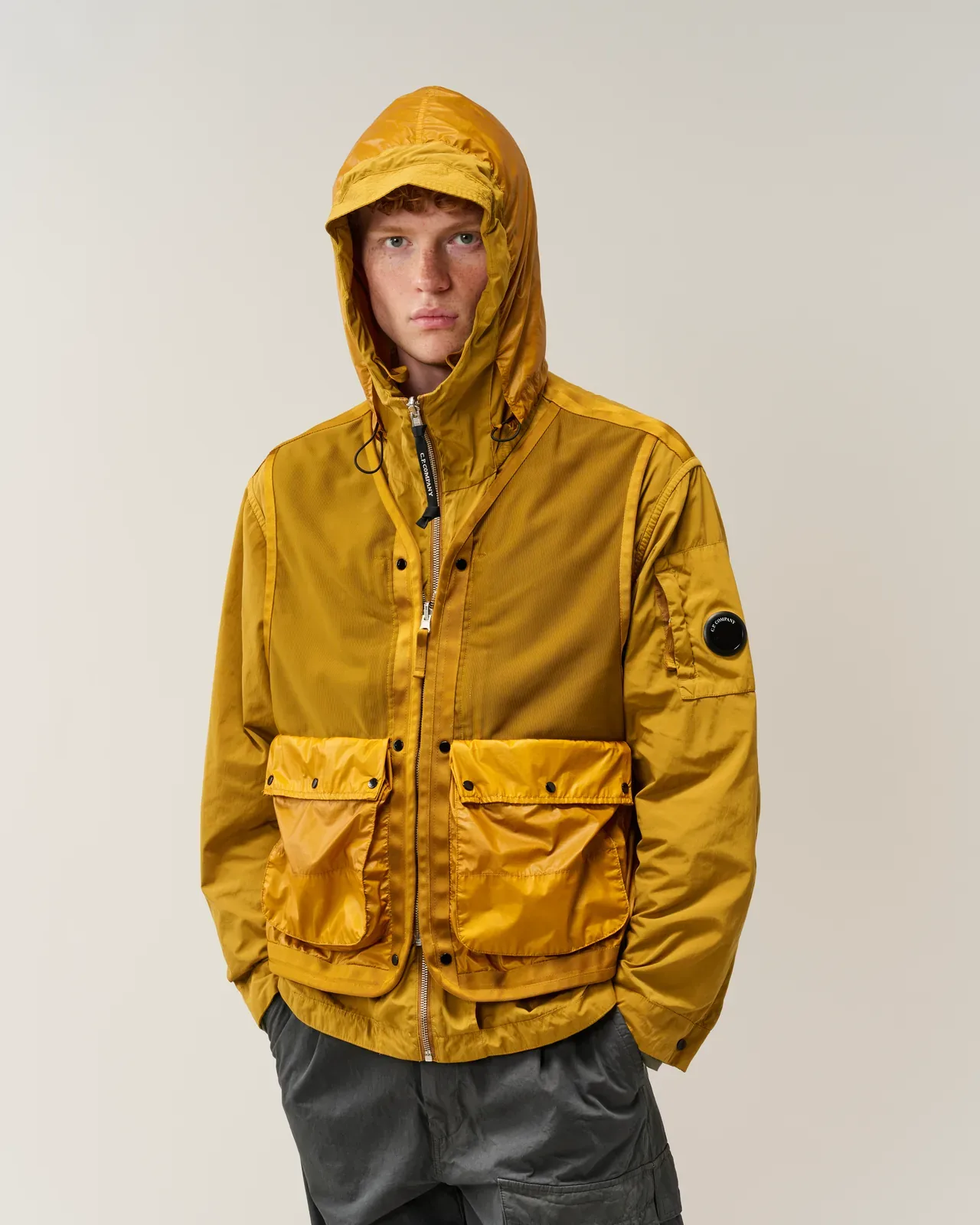
New to the label, the M-Bossed² surface is created through a specific etching technique, producing a textured effect further enhanced by chromatic rendering. The signature Lens is also updated. Early garments did not feature this addition, though it has since become one of C.P. Company’s most recognisable elements. This collection experiments with a concealable Lens as a nod to earlier works without dismissing it entirely, blending it into a flap pocket with an embroidered logo for a subtler look.
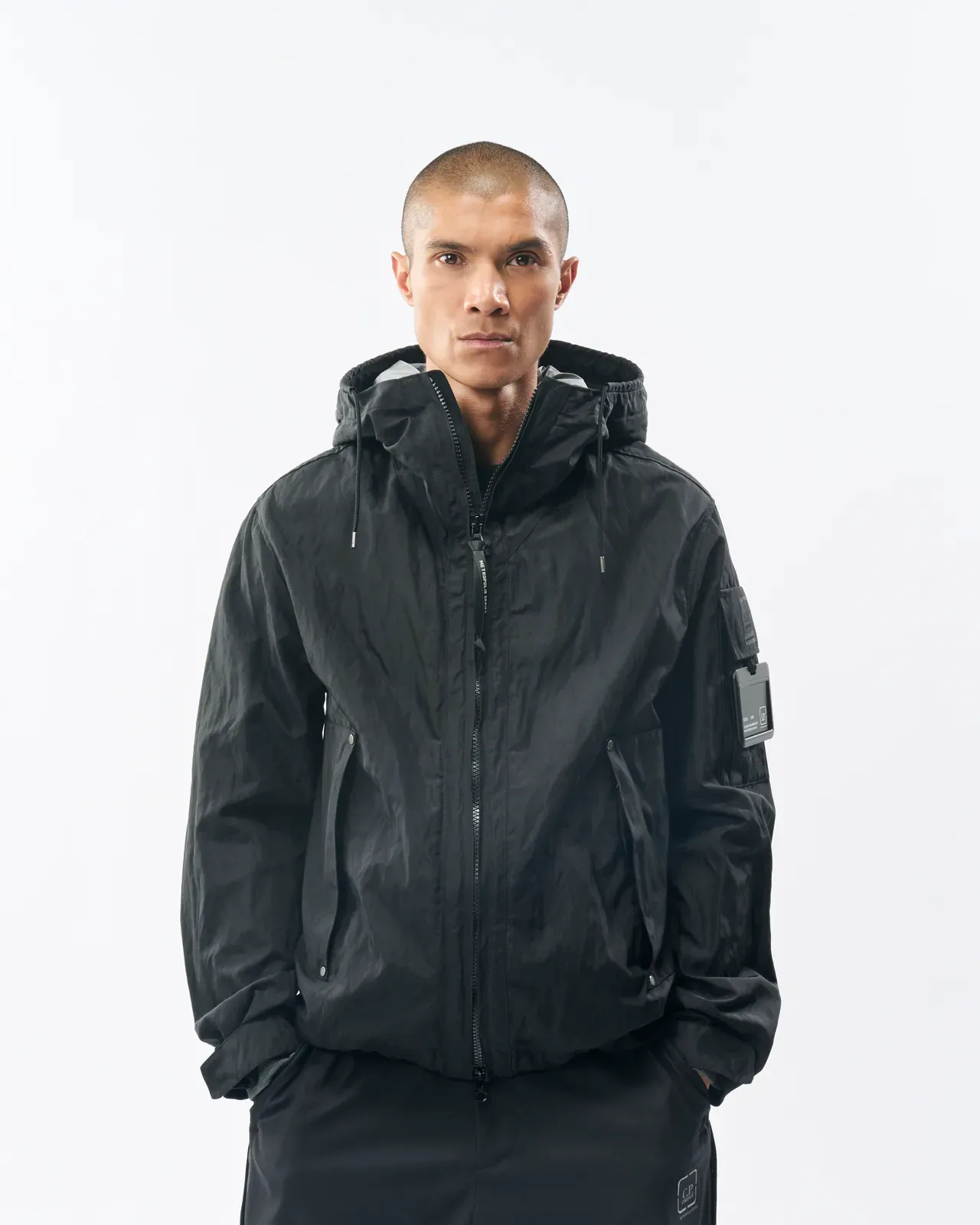
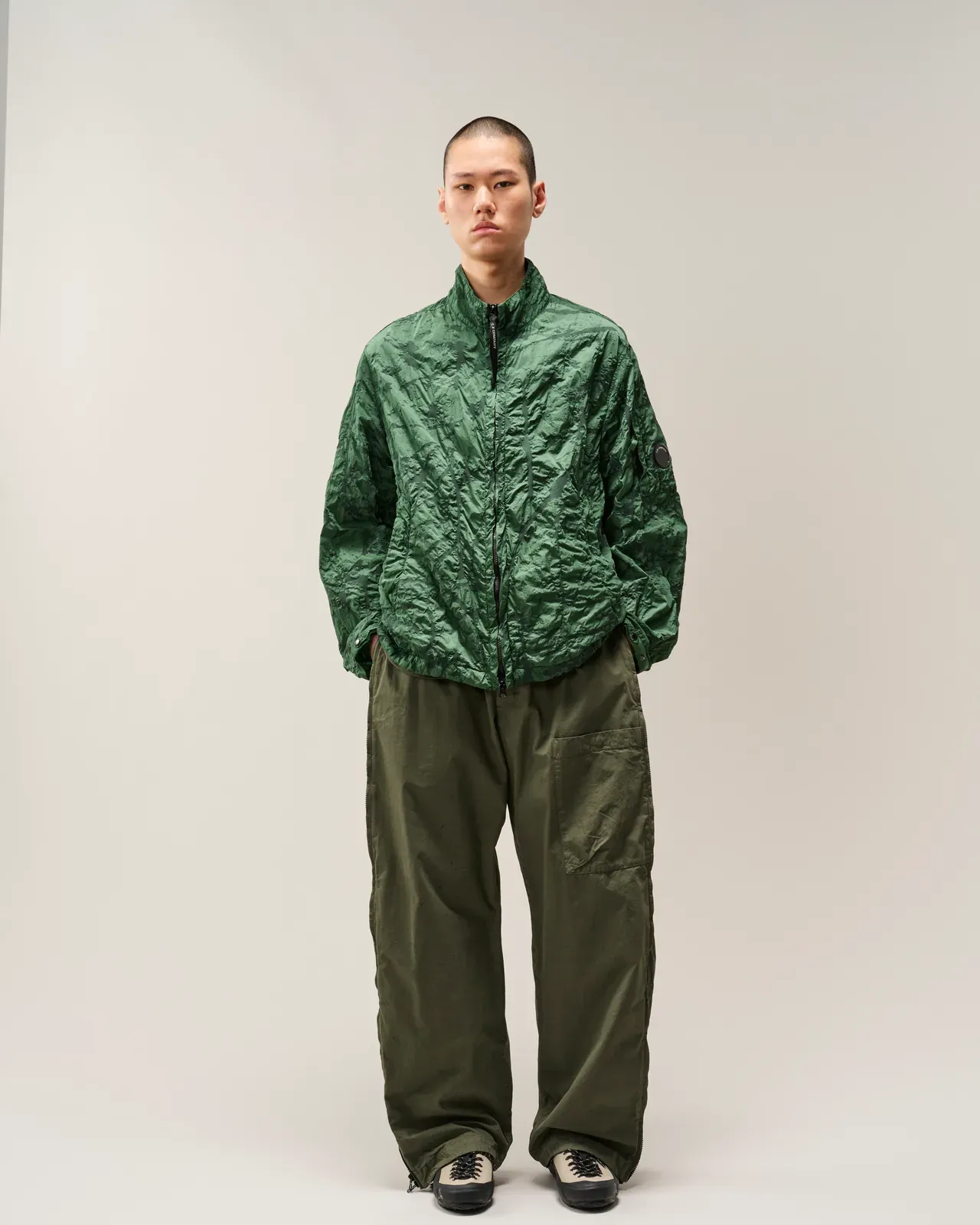
The Metropolis Series, which examines the dynamics between the body and the city, is extended through this collection with new techniques and iterations. Architecture, community, human existence and urban aesthetics converge in the line. Grey and black hues reference city palettes, while the materiality moves in rhythm with the individual through the urban landscape. Mais Steel fuses stainless-steel filaments with a canvas weave for a crinkled appearance. Metro-Tek pockets are reworked to include invisible lines and grey taping that peeks through the transparent material. The same fabric is used in reversible outerwear developed through a re-colour dyeing process, in which a garment dyed in a base colour is overdyed with pigment-soaked fabric scraps for darker tonal shading.