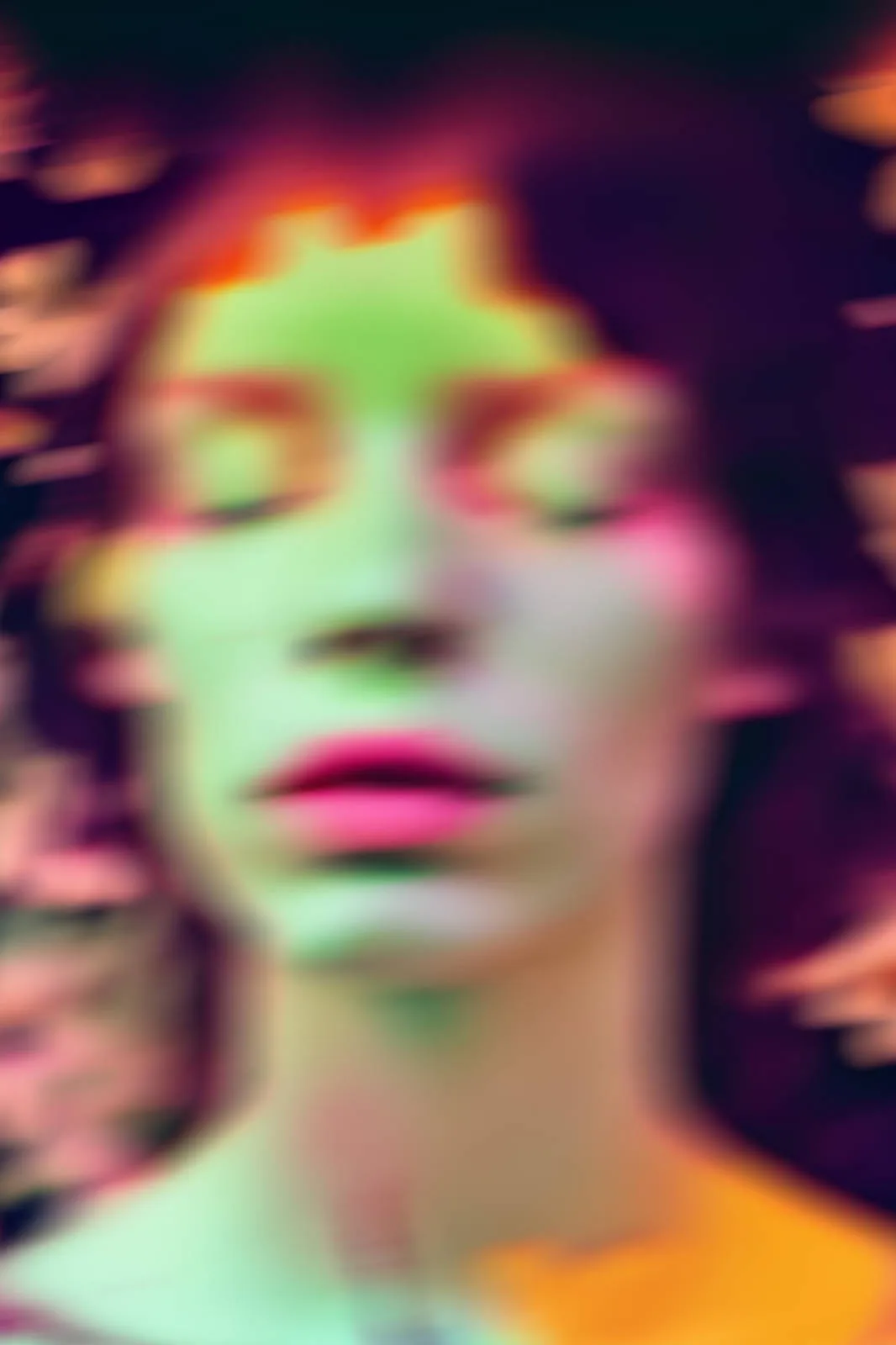
Let me introduce you to Claudia Fuggetti in the modern way through labels the internet loves: INTJ and Aquarius. If you are not into the sixteen personalities test or zodiac signs, you might wonder what any of this means. The definition of these two terms is gleaned from the 16 personalities website, astroseek, quora and reddit. INTJs are the architects: curious minds that never stop thinking. Aquarius carries a similar energy: a thinker, a seeker of meaning, visionary, a person driven by the desire to improve what surrounds them. Otherwise put, a highly intellectual, independent, innovative and future-oriented individual.
Reducing a person into two categories may be a bit reductive. And it is. We cannot truly introduce Claudia Fuggetti only through personality labels or astrological archetypes that anyone can find on her Instagram. But they do offer a small glimpse. You may believe in these things or not, but surprisingly, after talking to her, these characteristics start to align and to make sense in a way that’s almost uncanny.
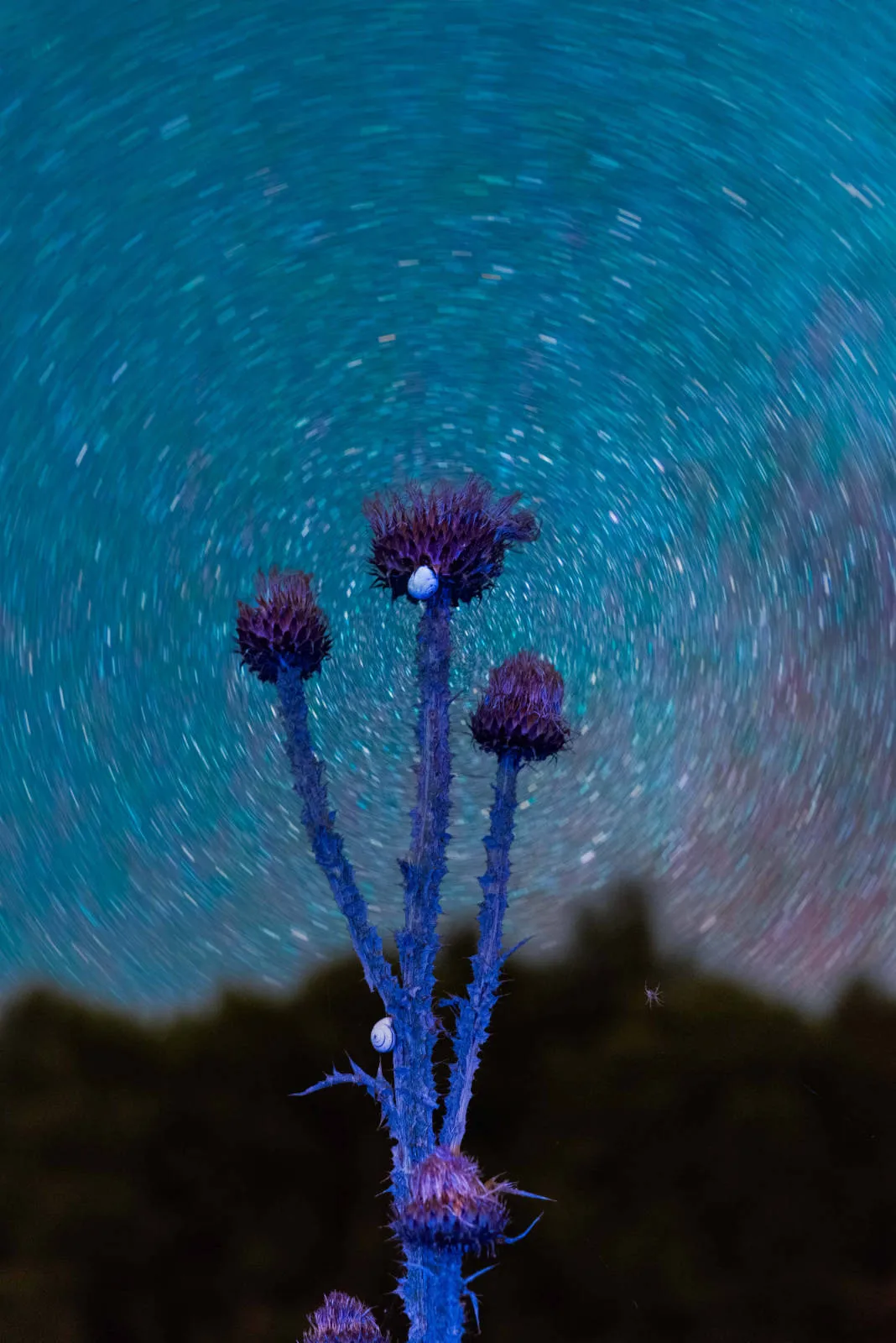
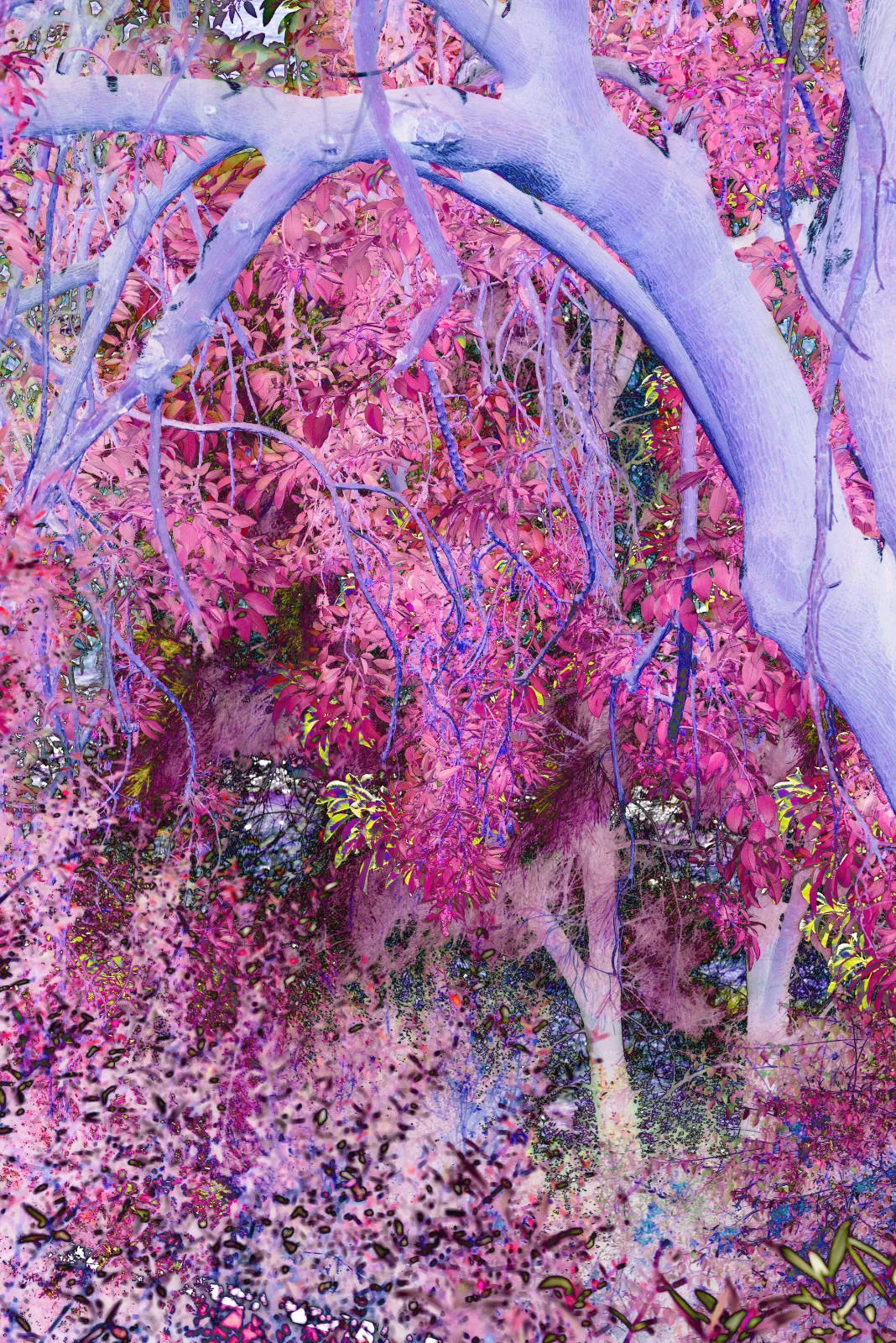
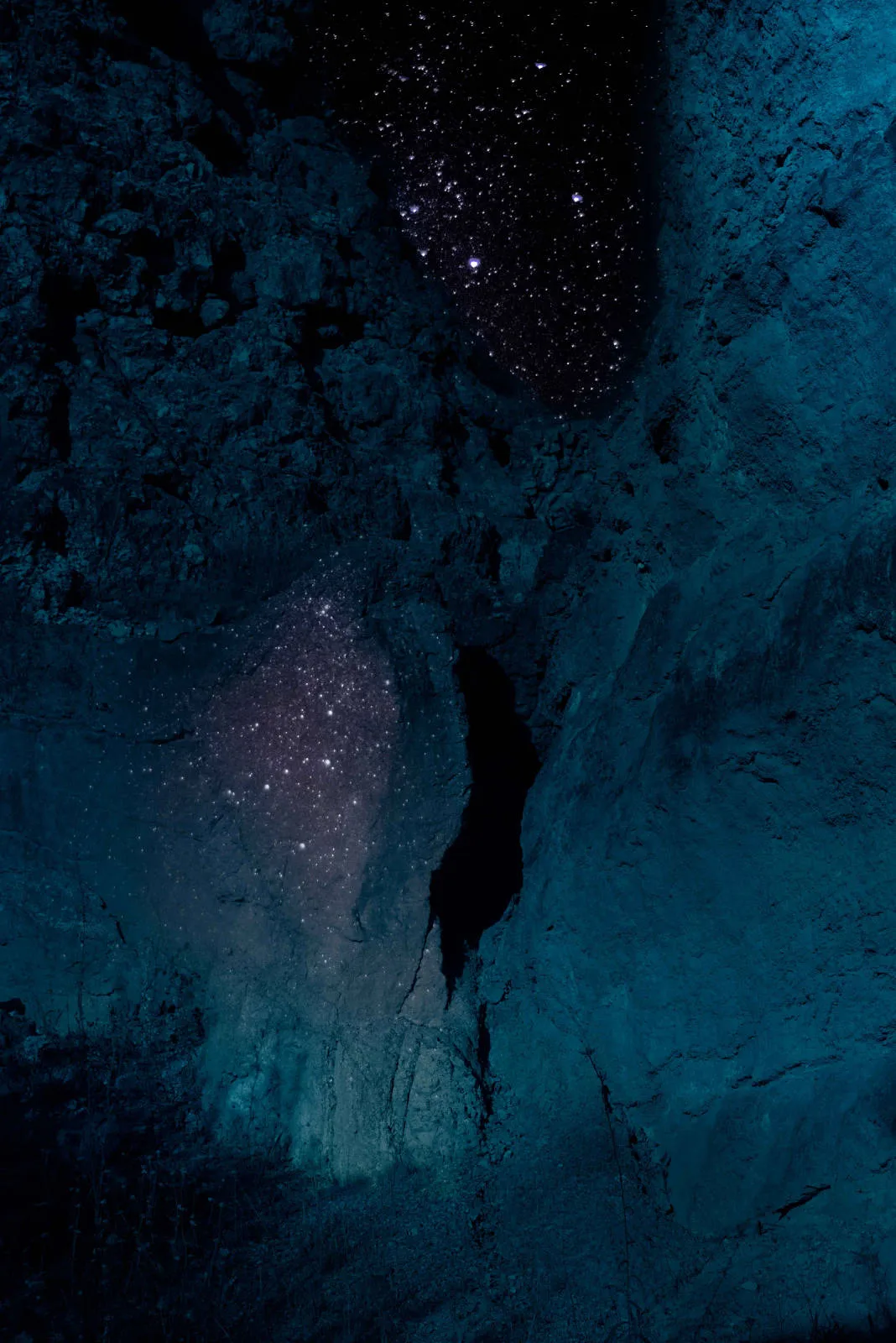
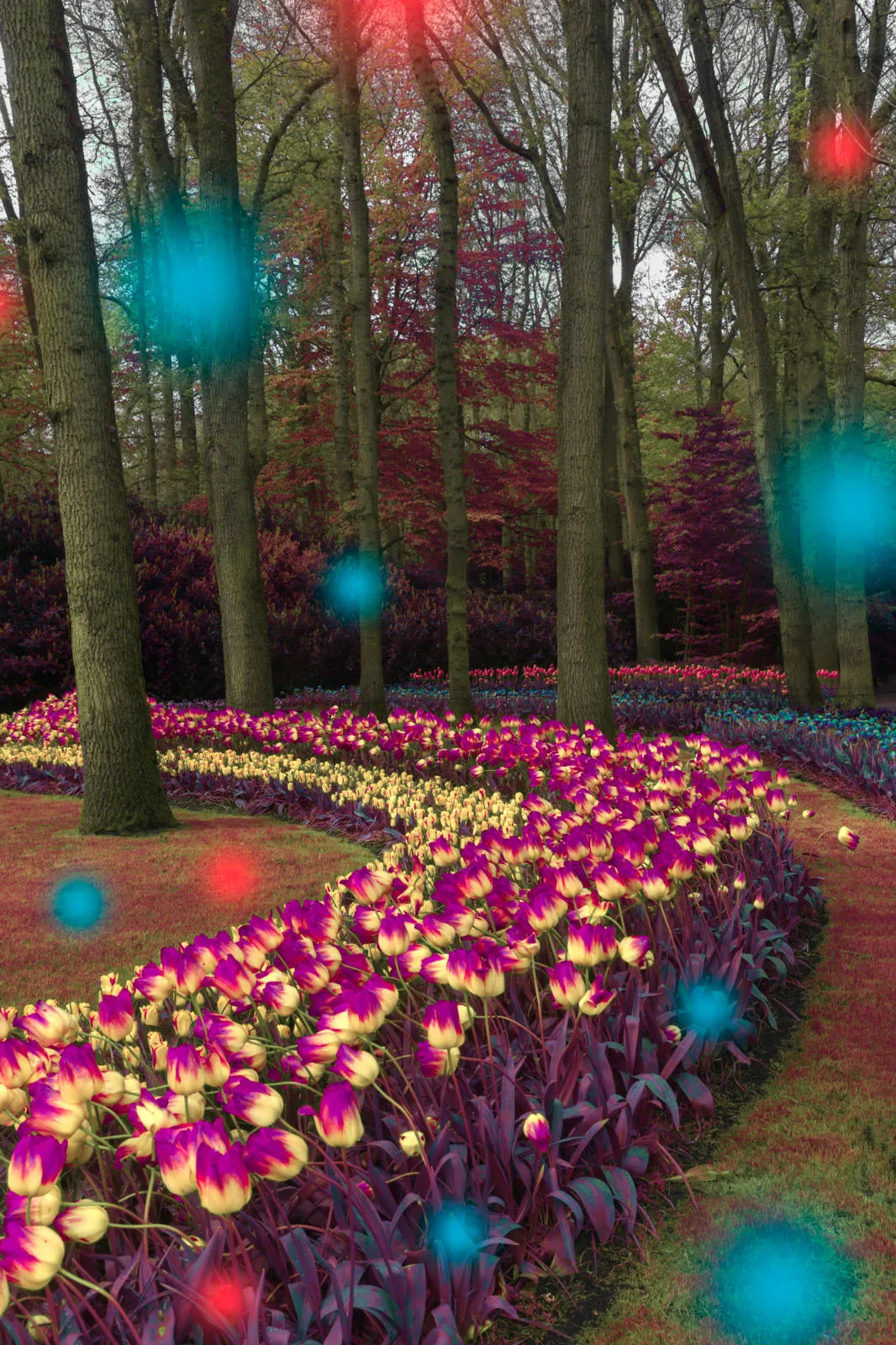
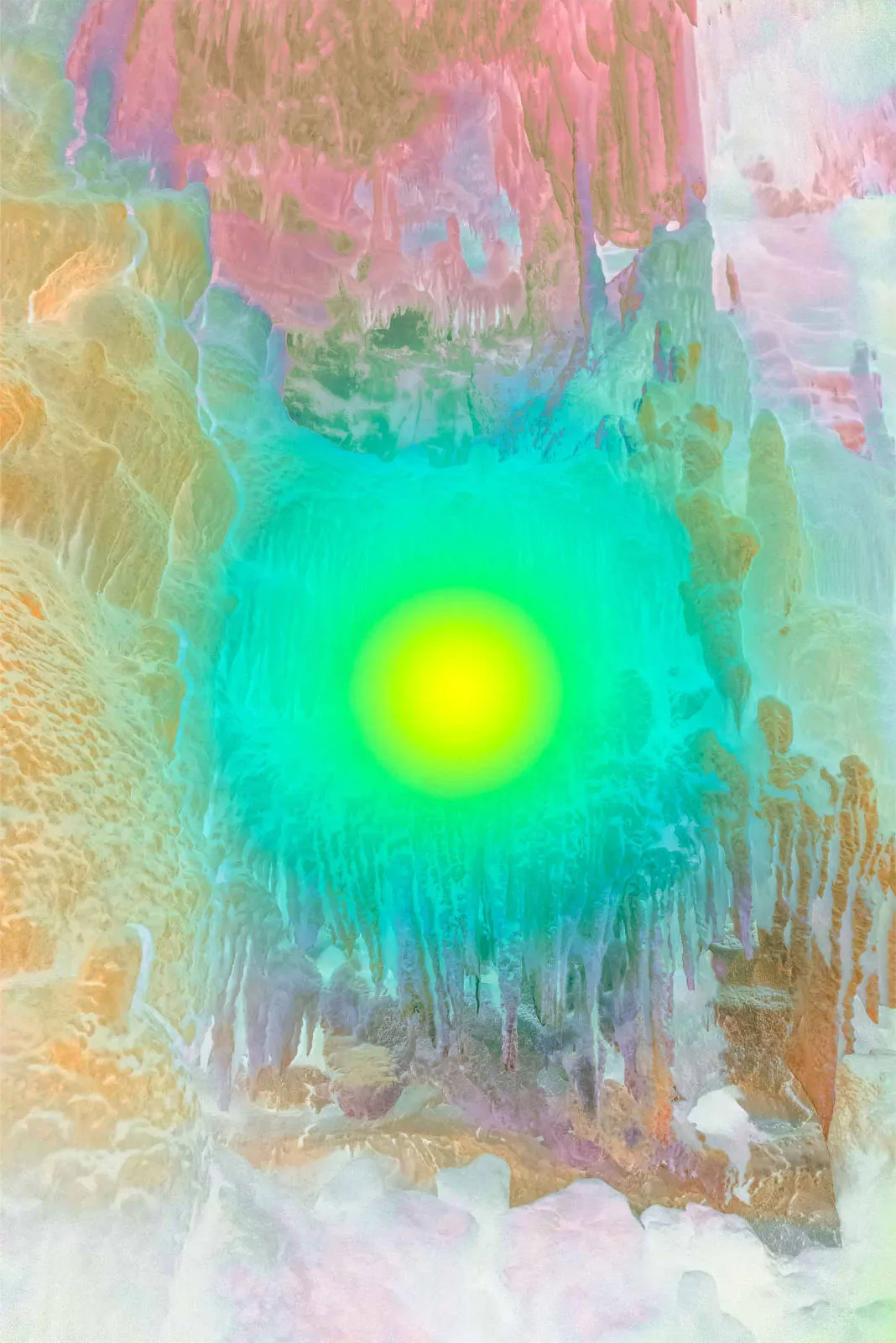
Claudia Fuggetti is an Italian photographer whose work confronts issues such as ecological crisis and technological dependency. But, she doesn’t approach these themes in a way that creates discomfort; instead, her images draw you in. Her artworks are bold, colourful, oneiric. Sometimes it feels like stepping into a dream. Her photographs almost function as portals to other dimensions, a form of escapism that allow us to enter a parallel world where the problems of our own reality suddenly appear clearer and sharper than they do here.
On a deeper level, her images resonate with a wide constellation of thinkers and philosophers whose ideas today feel more relevant than ever. This includes figures such as Marshall McLuhan and David Abram, to Aristotle. Her work is shaped by multiple influences: photography, philosophy, writing, music. And it is within this complexity, within this multifaceted nature of her interests, and voices that shape her work, that those simple labels we introduced at the beginning, capture in a really accurate way that thirst for knowledge that defines her.
In this interview, we hear from Claudia Fuggetti about all of this: the evolution (and loss of innocence) of social media, AI, technology, the future ahead of us, and the urgent need to relearn how to see and reconnect with the natural world.
You were at Paris Photo Fair until a few days ago. How was it?
I would describe it as intense. There are people from all over the world flying to Paris just for the fair, people that have never seen your work but get curious about it and people that recognise you from other exhibitions, which is always a beautiful thing. I was a bit nervous at the beginning, but I’m really happy with the result. I got the chance to meet some collectors and curators that I hope to keep in contact with.
What excites you the most about exhibiting your work, especially in a space shared with so many other amazing artists?
It’s not like when you are in school when there’s a lot of competitiveness, there is some of course, but the fact to have been chosen to be there, doing your own thing, and exhibit your work with titans of photography, gives you a lot of satisfaction.
Having experienced both the Italian and international art scenes, how do you see the opportunities available for emerging artists in Italy compared to abroad? Are there particular strengths or challenges you’ve noticed in each context?
Opportunities for emerging artists in Italy can be limited. While there are institutions and structures that support art, to gain real visibility often depends on being part of certain circles or having very specific chances. Compared to the support, salaries, and opportunities available abroad, things can feel more thinly spread here.
For larger support and more consistent opportunities, the international scene is often more favourable. Switzerland, for example, is almost magical in this regard. Museums there actively create space for emerging artists, they support different types of photography and encourage innovation. In Italy, on the contrary, there is sometimes hesitation to take such risks. A large part of the budget often goes toward well-established names, which is totally understandable, but it leaves little room for new voices.
That said, it’s not all bad, I’ve had wonderful opportunities in Italy as well. It’s just that, too often, the attitude toward innovation and the recognition of the artist’s role can be limited. When institutions do take risks and support emerging talent, it makes a huge difference.
For larger support and more consistent opportunities, the international scene is often more favourable. Switzerland, for example, is almost magical in this regard. Museums there actively create space for emerging artists, they support different types of photography and encourage innovation. In Italy, on the contrary, there is sometimes hesitation to take such risks. A large part of the budget often goes toward well-established names, which is totally understandable, but it leaves little room for new voices.
That said, it’s not all bad, I’ve had wonderful opportunities in Italy as well. It’s just that, too often, the attitude toward innovation and the recognition of the artist’s role can be limited. When institutions do take risks and support emerging talent, it makes a huge difference.
You started at a relatively young age sharing your work on MySpace at just fourteen. How did it feel to navigate the online world as a teenager back then?
I think MySpace was the most creative social media that has ever existed. It was an exhibition space, that you could personalise how you preferred. You could choose the skin of your page and put, for example, a giant Hello Kitty picture in the background. It was great because there wasn’t all that narcissism that there is today. It showed your taste, what you liked: pictures, music, poetry. Tumblr kinda resembles it but it’s not at the same level.
At the beginning, I had a punk music blog. Then my parents gave me a Polaroid with batteries as a gift and I started to publish the pictures I took and receive comments from people all over the world. Today, people are born with phones in their hands, so they take it for granted, but at the time it was something incredible to be able to talk to people that lived so far away and for them to see your work and what you liked. If you think about it, it’s kinda magical, technology is a form of magic. Even though today it’s more politicised, it still has a lot of advantages.
At the beginning, I had a punk music blog. Then my parents gave me a Polaroid with batteries as a gift and I started to publish the pictures I took and receive comments from people all over the world. Today, people are born with phones in their hands, so they take it for granted, but at the time it was something incredible to be able to talk to people that lived so far away and for them to see your work and what you liked. If you think about it, it’s kinda magical, technology is a form of magic. Even though today it’s more politicised, it still has a lot of advantages.
How was curating a space on MySpace different from an Instagram profile today?
I think Instagram took a lot from MySpace. The biggest difference is probably the limits in customisation: MySpace was a real space, you customised it as you wished and did whatever you wanted with it — a blog, a gallery. On Instagram, instead, you are much more limited. You have the image grid, and text becomes secondary, whereas on MySpace it had an actual function. I don’t think there will ever be a social cool as MySpace.
Do you think the internet used to feel safer than it does now?
Yes, for sure. Now there’s a lot of content that’s almost pornographic, whereas back then it was much rarer to come across images of that kind. Up to a certain age we didn’t even have cell phones, nor such direct access to the internet. There were many more limitations and restrictions. Now, it’s a jungle, and especially during adolescence, it can end up being a bit of a problem.
You’ve mentioned that you first started on MySpace with a music blog, so I assume that music is also a big passion of yours.
Yes, music has always been a passion of mine alongside photography. In high school, while my classmates were going to the tobacco shop to buy cigarettes, I was going to the library to read about the history of rock music. I think that’s when my obsession started. At the time, music magazines were a big thing: there were Il Mucchio Selvaggio, Rolling Stone, XXL, and it was great because it really felt like a community where people could share opinions and discoveries.
I also played electric guitar for a while and I even dreamed about starting a band, ideally an all-female one. Doing it with boys was a bit complicated: they either didn’t take you seriously and didn’t believe you could actually play, or they were just trying to hit on you. I had a bassist, but we never managed to find a drummer, so in the end the whole thing just faded away.
I also played electric guitar for a while and I even dreamed about starting a band, ideally an all-female one. Doing it with boys was a bit complicated: they either didn’t take you seriously and didn’t believe you could actually play, or they were just trying to hit on you. I had a bassist, but we never managed to find a drummer, so in the end the whole thing just faded away.
How does that passion for music influence your work today?
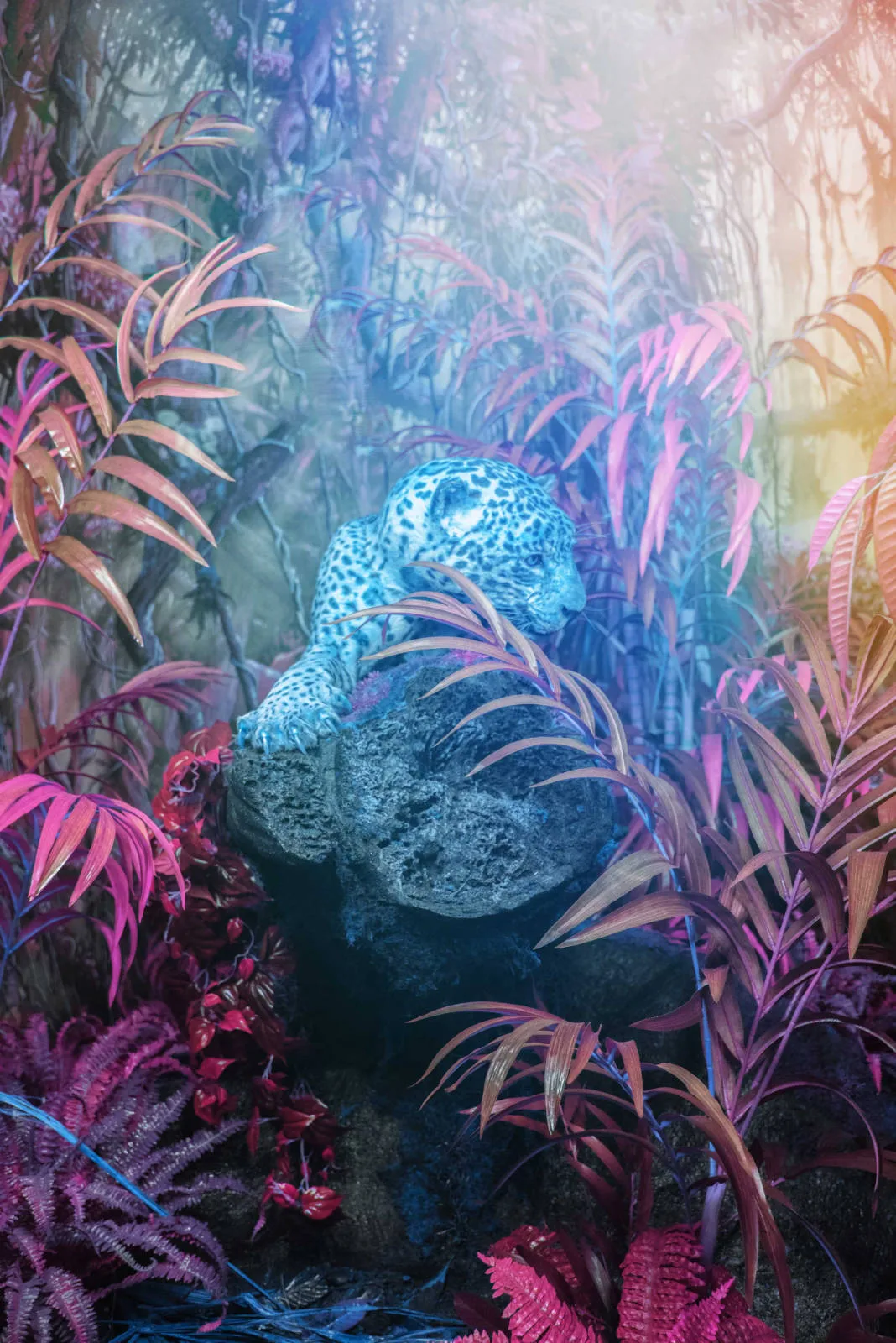
When I create, I listen to a lot of music. If I’m working on projects that deal with themes about the future, I listen to a lot of electronic, experimental, and techno music — a bit of everything, really. One genre I particularly like is shoegaze. It’s dreamy, melancholic, and those suspended, atmospheric vibes influence the colours in my work, and give them a slightly psychedelic feel.
I don’t do drugs or smoke. Occasionally I drink a bit more beer than usual. But although I’ve never really gone through those kinds of experiences myself, I’ve always been fascinated by the counterculture around these musical worlds. From psychedelia to punk, I love to bring those vibes into my photography, to weave them into the work. In 2018, I also worked on a project about clubbing, which became one of the first projects I published in Rolling Stone Italia’s Black Camera section.
I don’t do drugs or smoke. Occasionally I drink a bit more beer than usual. But although I’ve never really gone through those kinds of experiences myself, I’ve always been fascinated by the counterculture around these musical worlds. From psychedelia to punk, I love to bring those vibes into my photography, to weave them into the work. In 2018, I also worked on a project about clubbing, which became one of the first projects I published in Rolling Stone Italia’s Black Camera section.
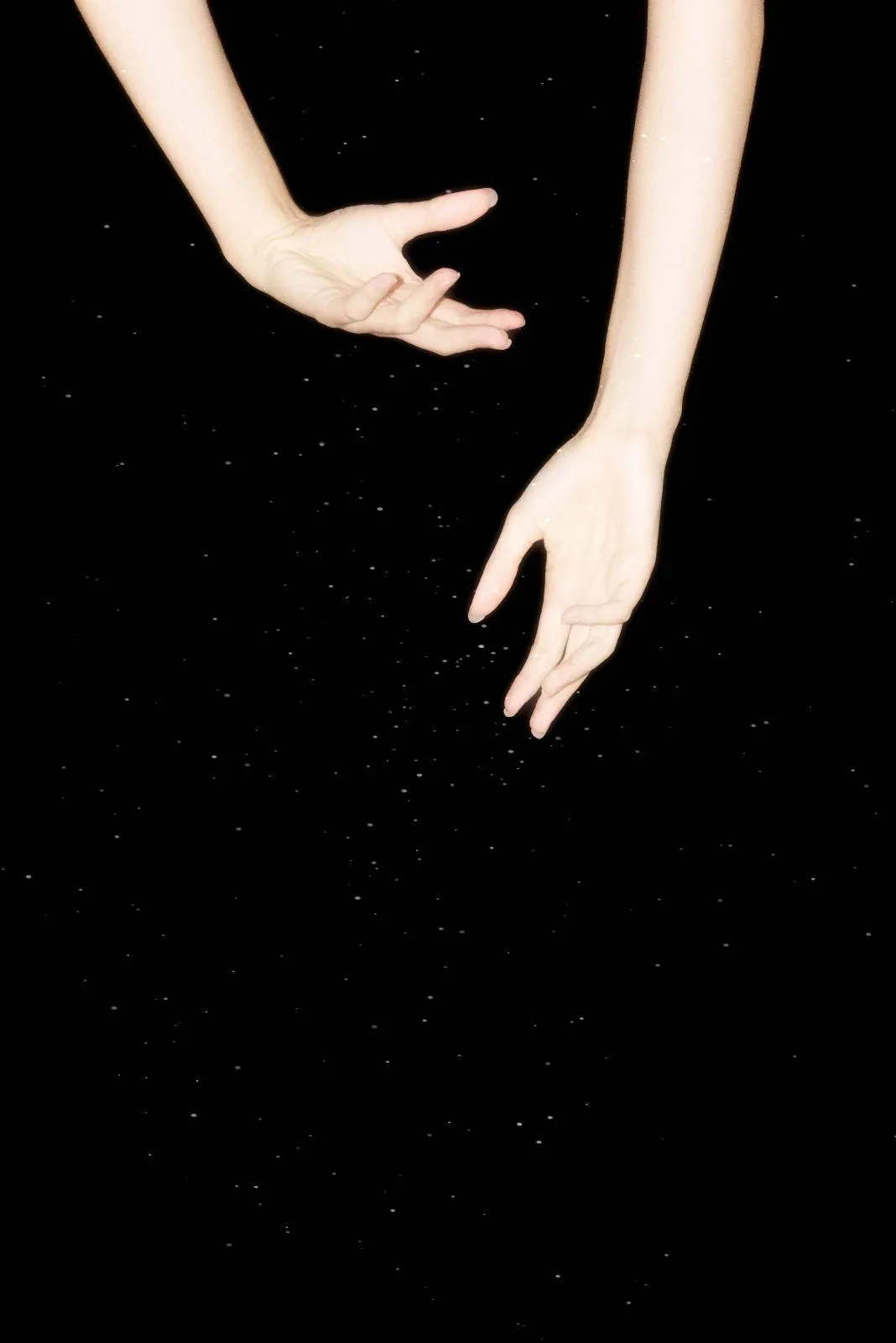
Your project Gaps is also from 2018. There you explore phones as extensions of the human body, inspired by Marshall McLuhan’s ideas. How do you see photography itself functioning as an extension of the body, the mind, or even the subconscious?
Photography feels like a more inner extension for me. I use it as a kind of refuge. When reality feels confusing or uncomfortable, or simply doesn’t appeal to me, I create something different. In Gaps, I explored the paradox of people performing for the camera, adopting these staged poses, and photography became my way to analyse and interpret that performance, like an extension of my own inner perspective.
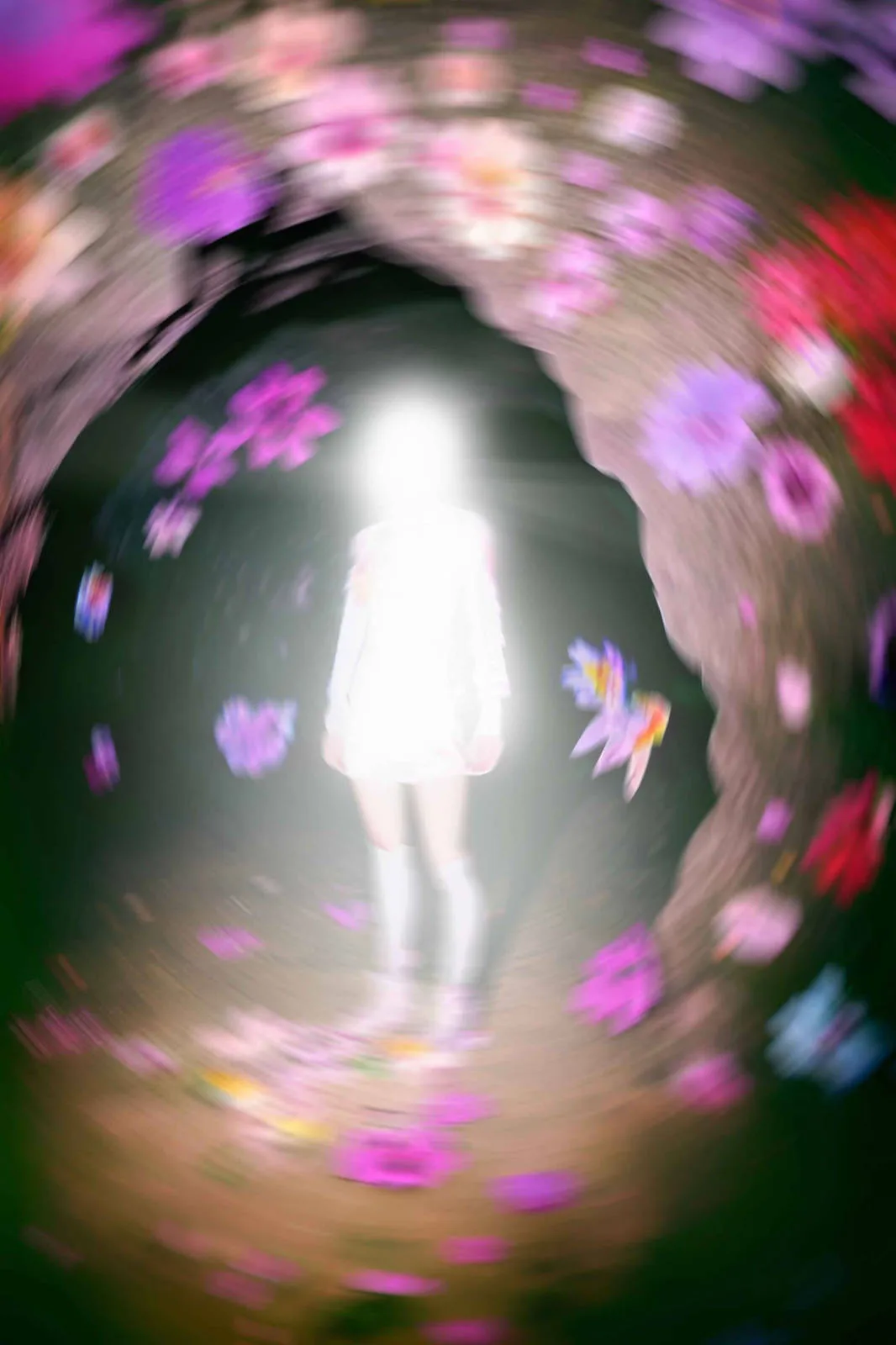
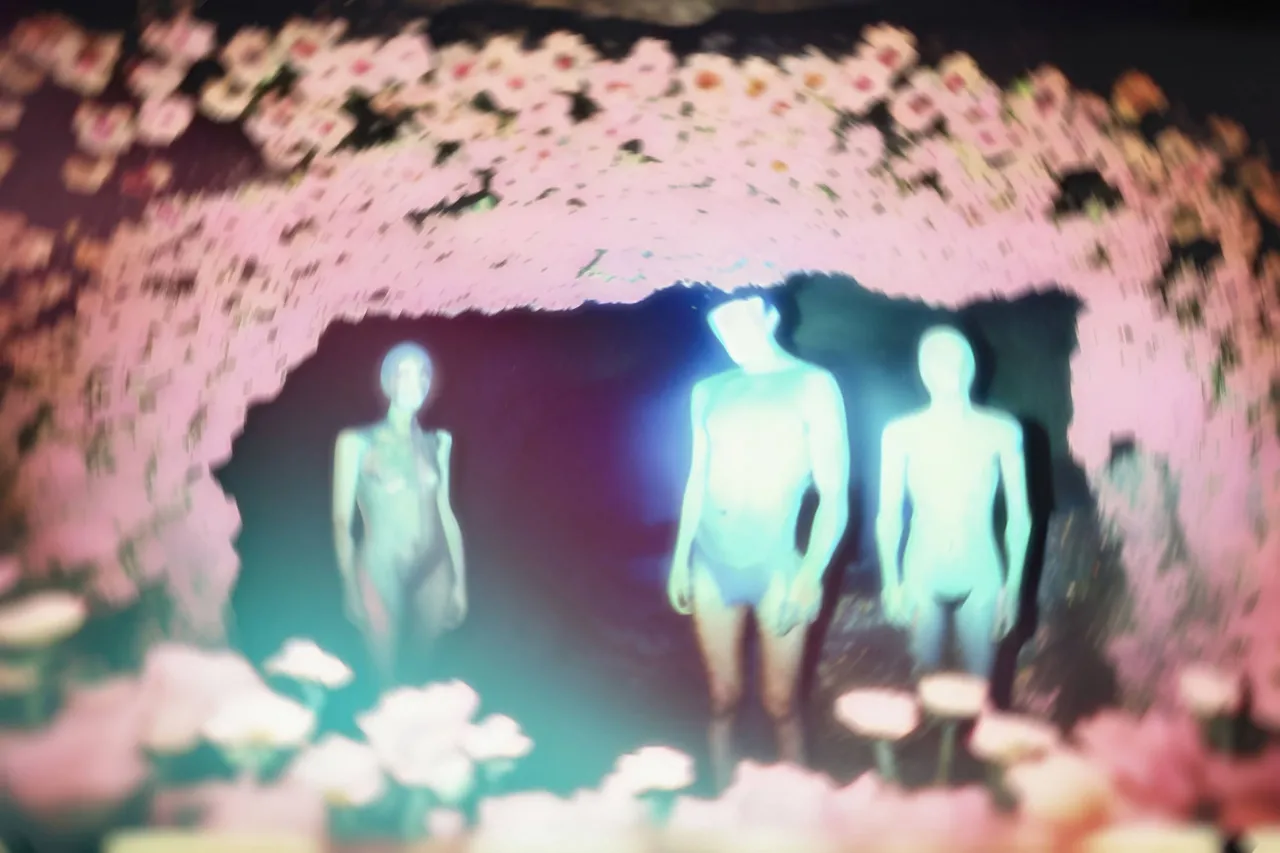
In a similar way, in Dream Machine which is a spin-off of Hot Zone, I worked with both my own photographs and an AI-generated dataset to create a sort of extension of the subconscious. I was trying to extend something that isn’t material but exists on a subconscious level. The neural network I used is connected to the brain rather than the body, so this work explores a more mental or subconscious extension, in contrast to the more physical and personal nature of photography.
In a similar way, in Dream Machine which is a spin-off of Hot Zone, I worked with both my own photographs and an AI-generated dataset to create a sort of extension of the subconscious. I was trying to extend something that isn’t material but exists on a subconscious level. The neural network I used is connected to the brain rather than the body, so this work explores a more mental or subconscious extension, in contrast to the more physical and personal nature of photography.
You once mentioned drawing inspiration from films like Metropolis, 2001: A Space Odyssey, and Blade Runner, all deeply connected to technology and its sometimes dystopian vision. Do you share a similar perspective on technology’s influence on our lives? Do you also have an apocalyptic vision of its future?
These films have a deeply hypnotic visual world. Their greatest merit is how far ahead they were able to see. Many things happen in the films long before they appear in reality, and this almost apocalyptic vision prepares us, in a way, for what might come.
The answer, though, isn’t simple. I don’t have a catastrophic view of technological development; I believe it depends largely on politics. In 2022 I wrote an essay for Francisco Carolinum Museum in Linz [Visions of Space and Images of the World in the Visual Arts published in Meta.Space] about how these tools have influenced art and our way of seeing the world. Throughout history, painting was used mainly to immortalise powerful people, and art has always been shaped by political forces. I often think about how new technologies have repeatedly revolutionised culture. Photography, for example, was not considered an art form when it first appeared, especially compared to painting, and today AI finds itself in a similar position. But photography is hybrid: if you change your point of view, you get something different. With AI, instead, what is the point of view when the system already contains prepackaged data? Whose perspective is it, yours or the perspective of those who own the data?
The answer, though, isn’t simple. I don’t have a catastrophic view of technological development; I believe it depends largely on politics. In 2022 I wrote an essay for Francisco Carolinum Museum in Linz [Visions of Space and Images of the World in the Visual Arts published in Meta.Space] about how these tools have influenced art and our way of seeing the world. Throughout history, painting was used mainly to immortalise powerful people, and art has always been shaped by political forces. I often think about how new technologies have repeatedly revolutionised culture. Photography, for example, was not considered an art form when it first appeared, especially compared to painting, and today AI finds itself in a similar position. But photography is hybrid: if you change your point of view, you get something different. With AI, instead, what is the point of view when the system already contains prepackaged data? Whose perspective is it, yours or the perspective of those who own the data?
That’s interesting.
I recently read that in the United States platforms like Instagram and other social media are already becoming secondary because Sora is taking over. But on Sora you don’t see real people, you only see generated content, and a huge amount of it. So I wonder: what will happen? Will we be satisfied with consuming only generated content? How are social platforms supposed to connect us, then? This opens up an enormous discussion.
The dystopian aspect, in my opinion, lies in the way people might start taking refuge in fiction. Think about Sora becoming one of the coolest social networks: what does that actually give us as human beings, if there is no longer a real point of view? We are moving more toward dystopia, even though technology also brings enormous advantages and benefits. We will certainly achieve extraordinary discoveries thanks to these tools, but if the intention of those who control them is to control us, the bigger question becomes: how will we manage to create real connections?
As artists, our task is to try to humanise these tools, or at least to create spaces for reflection around them — to use them critically and continue asking important questions.
The dystopian aspect, in my opinion, lies in the way people might start taking refuge in fiction. Think about Sora becoming one of the coolest social networks: what does that actually give us as human beings, if there is no longer a real point of view? We are moving more toward dystopia, even though technology also brings enormous advantages and benefits. We will certainly achieve extraordinary discoveries thanks to these tools, but if the intention of those who control them is to control us, the bigger question becomes: how will we manage to create real connections?
As artists, our task is to try to humanise these tools, or at least to create spaces for reflection around them — to use them critically and continue asking important questions.
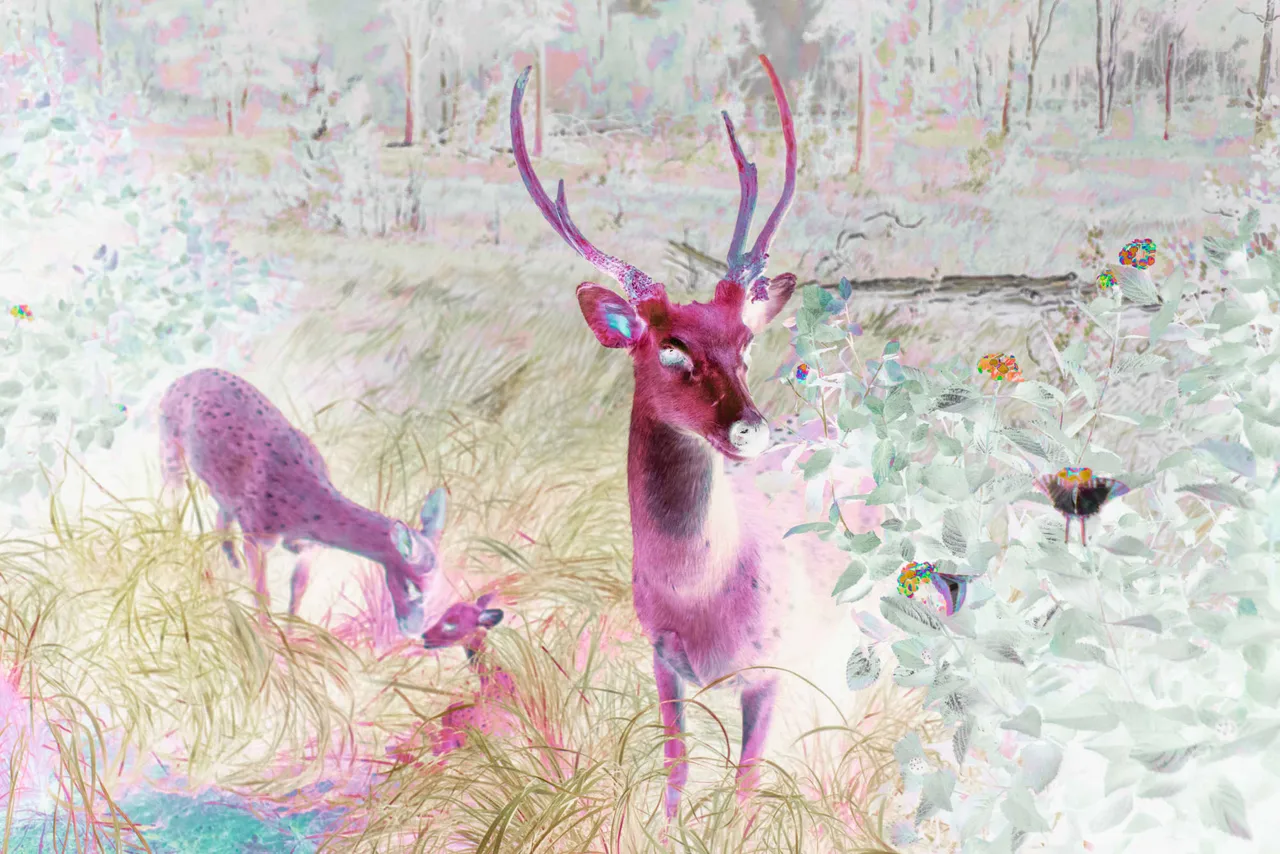
In Héxis (2021) you question the reality of faces on social media. Today with AI this feels more contemporary than four years ago. How do you see the boundary between reality and simulation in today’s society?
In my opinion, today things are really chaotic, and I think we’re moving more and more toward the synthetic. People are constantly seeking acceptance and understanding, because society now imposes very rigid aesthetic expectations. If you do not meet those standards, it almost feels as if you are not worthy of love or affection. AI, instead, offers a kind of comfort zone. At times it feels almost like living inside an episode of Black Mirror.
There is a widespread sense of confusion, and people are growing tired of it. In this climate, people become frustrated. Many think, Do I really need to go on another date? Go out again? Why should I bother? So they turn to chatbots, because they always seem to understand them. AI systems are, to a degree, designed to please the user.
Do I think people will still look for something more real in the future? I’m not sure. If things continue on this trajectory, many will simply retreat, saying, I tried, but everyone is impossible to deal with. Some will still long for human presence, others, especially those who are already frustrated, will wonder why they should engage emotionally with someone else at all. I hope it does not come to that, but the direction seems clear: everything is driven by business. And if a platform can create emotional dependence through its digital characters, it will.
There is a widespread sense of confusion, and people are growing tired of it. In this climate, people become frustrated. Many think, Do I really need to go on another date? Go out again? Why should I bother? So they turn to chatbots, because they always seem to understand them. AI systems are, to a degree, designed to please the user.
Do I think people will still look for something more real in the future? I’m not sure. If things continue on this trajectory, many will simply retreat, saying, I tried, but everyone is impossible to deal with. Some will still long for human presence, others, especially those who are already frustrated, will wonder why they should engage emotionally with someone else at all. I hope it does not come to that, but the direction seems clear: everything is driven by business. And if a platform can create emotional dependence through its digital characters, it will.
Speaking of this fatigue and confusion, it makes me think of Sediments (2018), where you addressed image overconsumption. As someone who creates images, how do you personally navigate such an oversaturated visual landscape?
When I create images, I always aim for impact, something that strikes, unsettles, or lingers in the mind because, as artists, that’s what we hope our work can do. I’ve learned you can’t maintain that intensity all the time but when you’re trying to describe or represent a place, a moment or a feeling, even if you’re not narrating a story, you still need a sense of rhythm.
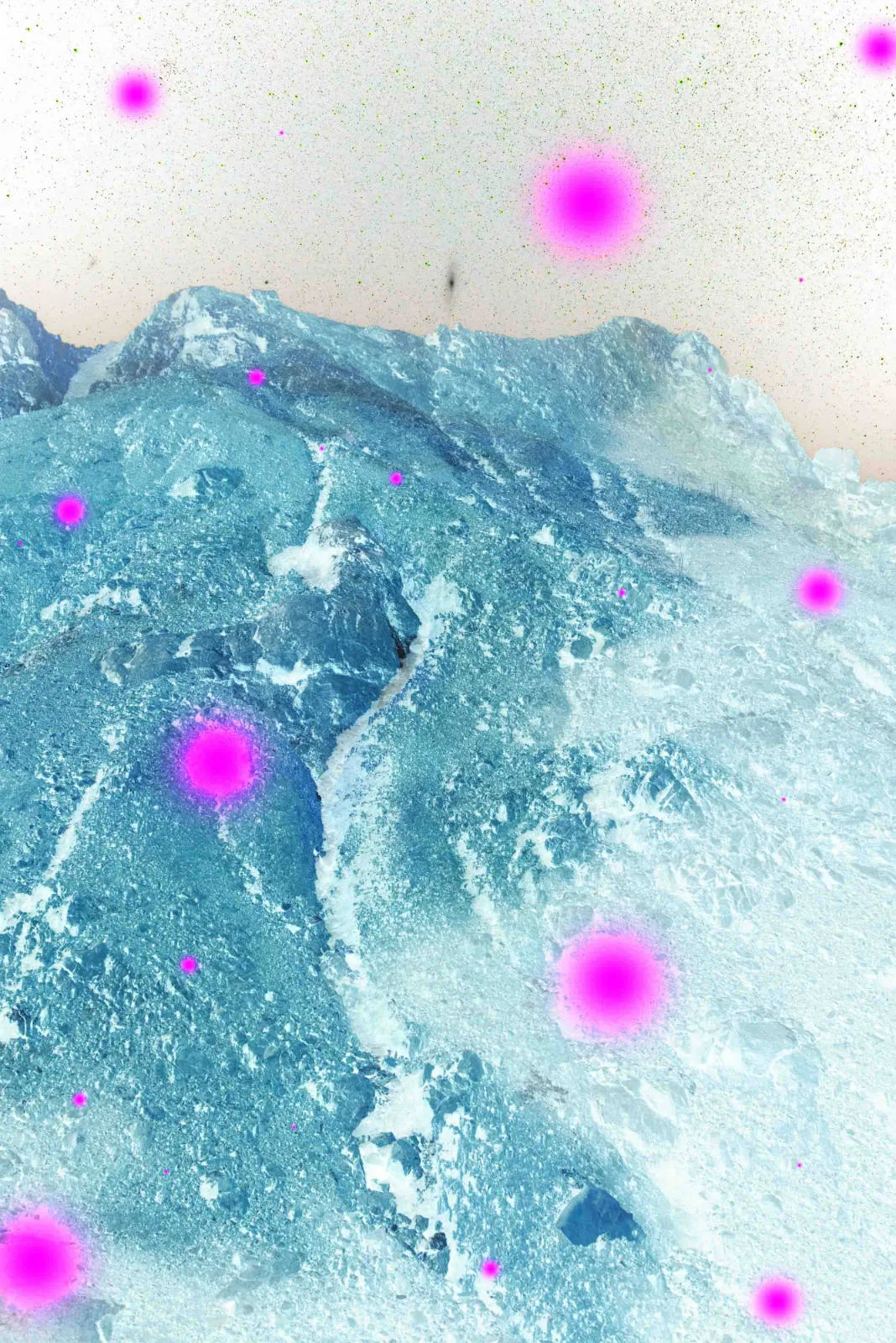
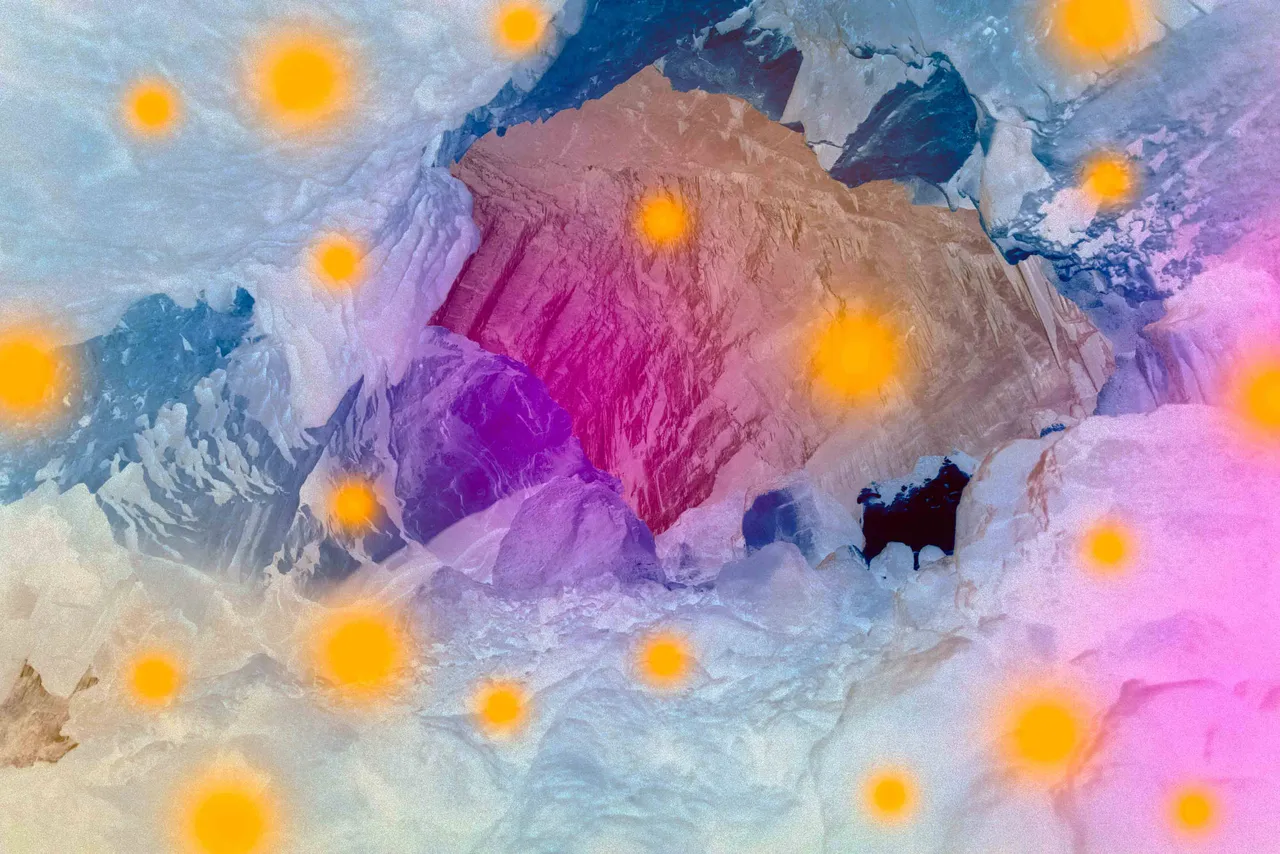
I created Sediments because I was frustrated by the overwhelming number of images on social media, and by how similar they often are. You see one image, another photographer replicates it, and suddenly there are countless visual clones stacking on top of each other. I wanted to address that, using my own love of colour, with the intention of showing how what we consume accumulates and overlaps without leaving a real impression but just fragments of it. It was a very conceptual project, and I loved working on it. Even though it wasn’t widely exhibited at the time, it’s interesting to see how people still connect with it today.
For me, producing images is a deeply personal act. Sometimes it can be compulsive, not out of consumption, but out of an obsession to capture a fleeting instant, a specific light, a fragment of reality. There’s a small human consolation in it: the idea of owning a moment, preserving its beauty, or its brutality. In a way, it’s an evolved form of collecting or museology. You try to steal a fragment of reality filtered through your own perception.
Editing is where everything comes together. After a long shoot, I look through hundreds of photos, questioning my choices: Why this one? Why not that one? Editing gives intention and focus. On social media, this rarely happens, anyone can post anything, but in my practice, I have the freedom to curate, to select meaningfully even if my images may inevitably echo what has been made before.
I created Sediments because I was frustrated by the overwhelming number of images on social media, and by how similar they often are. You see one image, another photographer replicates it, and suddenly there are countless visual clones stacking on top of each other. I wanted to address that, using my own love of colour, with the intention of showing how what we consume accumulates and overlaps without leaving a real impression but just fragments of it. It was a very conceptual project, and I loved working on it. Even though it wasn’t widely exhibited at the time, it’s interesting to see how people still connect with it today.
For me, producing images is a deeply personal act. Sometimes it can be compulsive, not out of consumption, but out of an obsession to capture a fleeting instant, a specific light, a fragment of reality. There’s a small human consolation in it: the idea of owning a moment, preserving its beauty, or its brutality. In a way, it’s an evolved form of collecting or museology. You try to steal a fragment of reality filtered through your own perception.
Editing is where everything comes together. After a long shoot, I look through hundreds of photos, questioning my choices: Why this one? Why not that one? Editing gives intention and focus. On social media, this rarely happens, anyone can post anything, but in my practice, I have the freedom to curate, to select meaningfully even if my images may inevitably echo what has been made before.
Your last project, Metamorphosis (2024) seems to address another kind of disconnection which is our relationship with the environment. How can we learn to see the natural world as a living organism again, to reconnect with it?
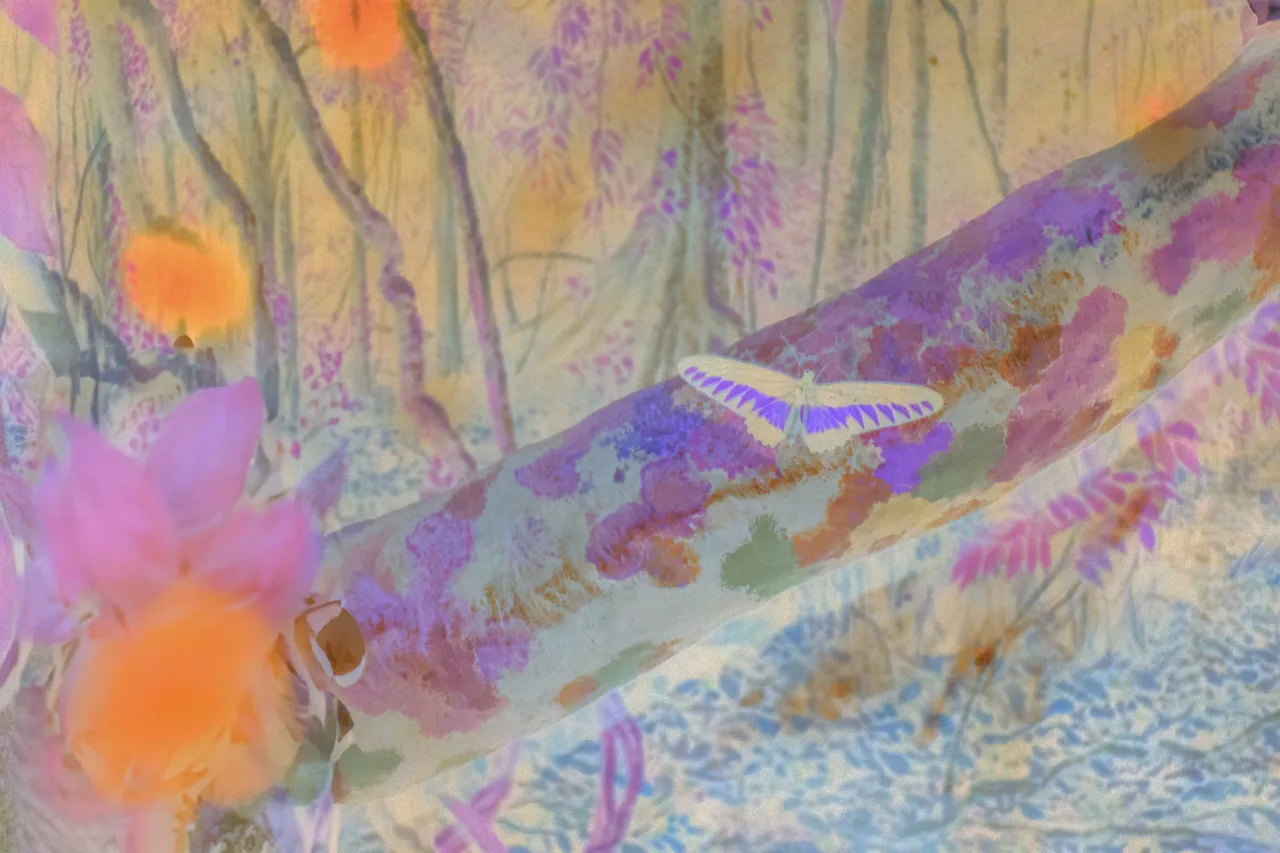
Metamorphosis is deeply connected to my hometown, Taranto, which is far from being a fortunate city. It’s not the typical tourist-friendly town; the presence of ILVA, a large steel industry, has heavily polluted the area with dioxins. Half of the population suffers from health problems related to this, including my father, who died this summer and wasn’t directly involved in the industry.
The project examines not just the physical consequences of pollution but also a crisis of perception. We’ve become desensitised: people may see a burning plant and not call the fire brigade, think, why should I care? Yet every plant, every living thing, plays a role in the ecosystem. We breathe the air, we are affected by what we ignore, and this desensitisation is part of the problem.
It starts with recognising a deeper problem: if we are not empathetic even with other humans, how can we be empathetic with nature? This is a cultural issue, our society, as we discussed earlier, often isolates individuals, disconnecting them from both each other and the environment. As Abram said, we are part of a whole — a collective made of people, animals, and plants. It may sound idealistic, but it’s true. Every action has consequences: if I throw a cigarette, and you throw a cigarette, and another person throws one too, it all accumulates. No one cleans it up, and eventually it affects the food we eat, the water we drink, and the ecosystems we inhabit.
Activism is not about vandalising museums or creating shocking gestures for attention. True activism lies in sensitising people’s gaze, in making them notice, question, and reflect. At the very least, artists can shift perception and encourage awareness, but ultimately, it depends on humanity itself rediscovering its own empathy and connection, not just with nature, but with each other.
The project examines not just the physical consequences of pollution but also a crisis of perception. We’ve become desensitised: people may see a burning plant and not call the fire brigade, think, why should I care? Yet every plant, every living thing, plays a role in the ecosystem. We breathe the air, we are affected by what we ignore, and this desensitisation is part of the problem.
It starts with recognising a deeper problem: if we are not empathetic even with other humans, how can we be empathetic with nature? This is a cultural issue, our society, as we discussed earlier, often isolates individuals, disconnecting them from both each other and the environment. As Abram said, we are part of a whole — a collective made of people, animals, and plants. It may sound idealistic, but it’s true. Every action has consequences: if I throw a cigarette, and you throw a cigarette, and another person throws one too, it all accumulates. No one cleans it up, and eventually it affects the food we eat, the water we drink, and the ecosystems we inhabit.
Activism is not about vandalising museums or creating shocking gestures for attention. True activism lies in sensitising people’s gaze, in making them notice, question, and reflect. At the very least, artists can shift perception and encourage awareness, but ultimately, it depends on humanity itself rediscovering its own empathy and connection, not just with nature, but with each other.