From the vestiges of the Covid pandemic and the consequential effects of the Ukrainian conflict to the increase in environmental disasters and the heightening of social-economic tensions, resilience is the focal point of the 13th chapter of the Circulation(s) Festival Of Young European Photography, set to take place over the course of two months, starting from March 25th until May 21st at the Centquatre in Paris. It is also a word, which has been brought-to-life and interpreted from a plethora of idiosyncratic angles, through the lenses of this year’s twenty-seven coeval, international image-makers.
Iván Puńal Garcia’s We Love Plastic is a case in point, the series was envisaged through using artificial intelligence to remark on the ecological paradox we face. Whilst Delia Katel’s The Last Breath, sees a space bathed in fluorescent blue light, mimicking the Mediterranean to illustrate the perils migrants encounter when traversing the ocean.
Meanwhile, Pascual Ross’ La sal se come la piedra (“salt eats the rock/earth”) is a work which is both equally contemplative as it is unmissable. Focused on the experiences of the communities who live in close proximity to the ocean and depend on it as a source of financial and nutritional sustenance, these images shed a light on their existence, whilst raising awareness of how this way of life is slowly being extinguished as a result of environmental challenges. “The sea no longer feeds them. Yet, many people keep returning on a daily basis to the shore they have known since the day they were born to try to catch any kind of fish or seafood to earn a little money” explains Ross. “This daily struggle is becoming increasingly difficult, and all feel like they are becoming a burden that society does not know what to do with.”
Meanwhile, Pascual Ross’ La sal se come la piedra (“salt eats the rock/earth”) is a work which is both equally contemplative as it is unmissable. Focused on the experiences of the communities who live in close proximity to the ocean and depend on it as a source of financial and nutritional sustenance, these images shed a light on their existence, whilst raising awareness of how this way of life is slowly being extinguished as a result of environmental challenges. “The sea no longer feeds them. Yet, many people keep returning on a daily basis to the shore they have known since the day they were born to try to catch any kind of fish or seafood to earn a little money” explains Ross. “This daily struggle is becoming increasingly difficult, and all feel like they are becoming a burden that society does not know what to do with.”
On par with this is Are We There, presented by Jenni Toivonen, the series traverses themes such as migration, and recollection, along with the relationship of humanity to the ecosphere. By seeking its ingenuity from the experiences of Toivonen’s great-grandparents, who along with a group of Finnish nationals, travelled to Brazil in 1929, to establish a Utopian community in order to live with the natural world, this is also a project which delves into the notion of both Utopia and nostalgia as catalytic tools which urge us to act.
With each showcase, Circulation(s) also continues to carry with it, the ambition to platform these emerging talents along with positioning their ways of seeing, and by extension their voices at the forefront of today’s conversations. Many of the works in this latest edition, for instance, reflect on overcoming traumatic circumstances, the (re)construction of self in light of experiencing domestic violence and the legacy of the Soviet Union. The primary purpose of this is to, as illustrated by Fetart, “encourage us to reconsider who we are, and rediscover ourselves, each of us and together, individually and collectively, geopolitically and intimately.”
With each showcase, Circulation(s) also continues to carry with it, the ambition to platform these emerging talents along with positioning their ways of seeing, and by extension their voices at the forefront of today’s conversations. Many of the works in this latest edition, for instance, reflect on overcoming traumatic circumstances, the (re)construction of self in light of experiencing domestic violence and the legacy of the Soviet Union. The primary purpose of this is to, as illustrated by Fetart, “encourage us to reconsider who we are, and rediscover ourselves, each of us and together, individually and collectively, geopolitically and intimately.”
Secrecy, intergenerational trauma and quietude are central components within Peter Pflügler’s work, and are laid bare more so than ever in Now Is Not The Right Time. Not to be missed, and unflinchingly personal, the composition reflects on his father’s suicide, and “the impossibility of secrets, of what we share when we hide. It’s a story about a pain inflicted out of love, about the complexity of silence and a boy’s unexplainable sadness.” Another example of these themes can be found in Ann Massal’s On Love, Violence And The Lack Of It, which offers a new interpretation of love and violence, whilst removing them from the conflicting dualities of good versus evil.
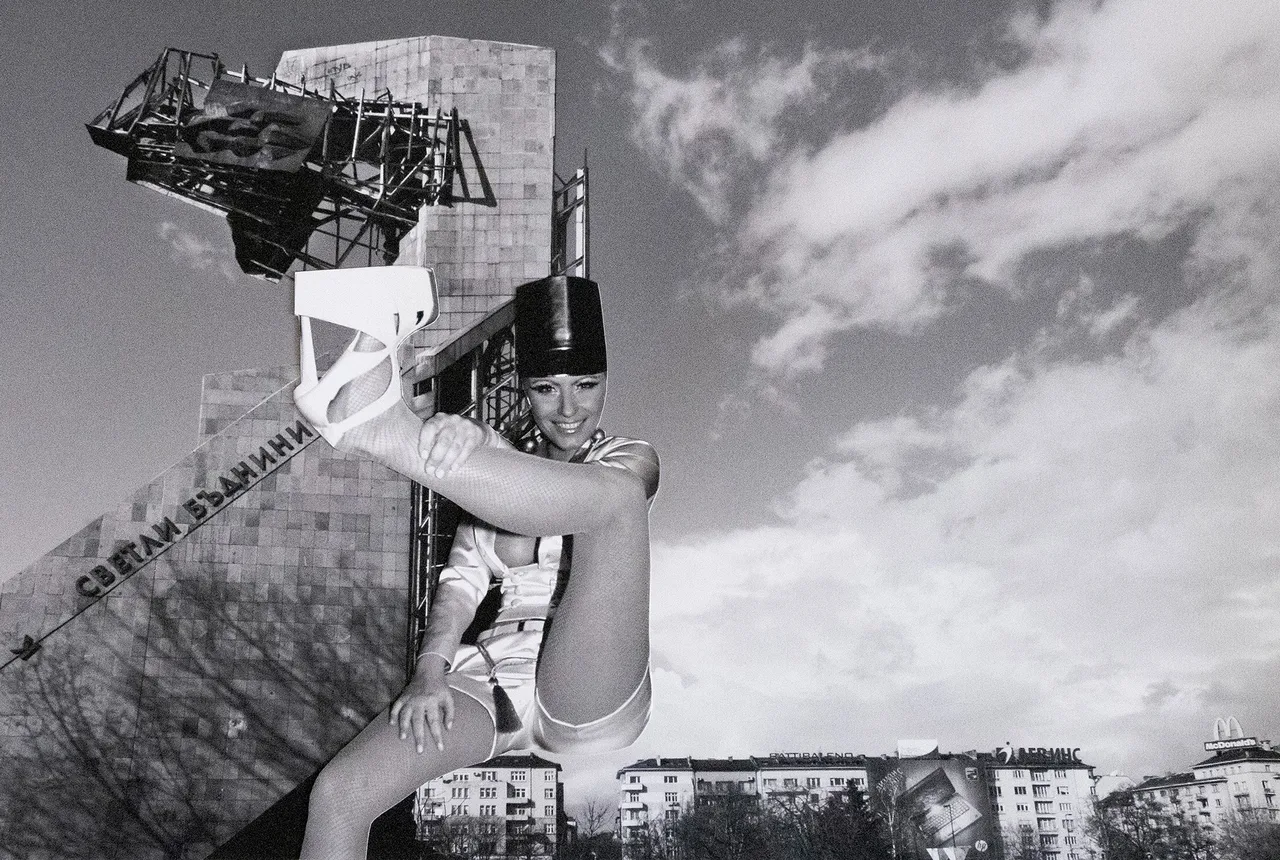
In keeping with tradition, this up-to-the-minute edition sees us encounter a line-up of four up-and-coming Bulgarian photographers, all of whom follow European talents showcased previously from countries such as Portugal, Romania, Armenia and Belarus through Circulation(s) ‘Focus on’ platform. For this year, they include; Salt In The Air, Sand In My Hair by Mihail Novakov, who captures the motions of human existence through a poetical lens, and Hristina Tasheva’s In Belief Is Power which focuses on xenophobia within Bulgaria alongside grappling with the notion of national identity in light of the influx of refugees. Alongside them, How To Forget Your Past Fast, introduces us to the works of Martin Atanasov. Assembled by Atanasov as a collage, the project fuses portraits of pop-folk Bulgarian music icons, and chalga together with photographs of the Bulgarian communist party under the helm of Nikola Mihov lifted from his titular work How to Forgot Your Past, in order to chart the transition from communism to democracy in his home country.
Tihomir Stoyanov’s I Give You My Face Portrait, is also undoubtedly worth highlighting, the piece presents us with a collection of twenty-three antique portraits captured between 1930 and 1991, before being sourced by the photographer in flea markets, and brought together to illustrate life in Bulgaria during the course of the early to late nineties. In the context of this work, these postage-stamped portraits, inscribed with messages on their backs, both serve as metaphorical, reminiscent blueprints of the country’s moral principles, along with its social-historical legacy and as reminders of the evolution of portrait photography.
In keeping with tradition, this up-to-the-minute edition sees us encounter a line-up of four up-and-coming Bulgarian photographers, all of whom follow European talents showcased previously from countries such as Portugal, Romania, Armenia and Belarus through Circulation(s) ‘Focus on’ platform. For this year, they include; Salt In The Air, Sand In My Hair by Mihail Novakov, who captures the motions of human existence through a poetical lens, and Hristina Tasheva’s In Belief Is Power which focuses on xenophobia within Bulgaria alongside grappling with the notion of national identity in light of the influx of refugees. Alongside them, How To Forget Your Past Fast, introduces us to the works of Martin Atanasov. Assembled by Atanasov as a collage, the project fuses portraits of pop-folk Bulgarian music icons, and chalga together with photographs of the Bulgarian communist party under the helm of Nikola Mihov lifted from his titular work How to Forgot Your Past, in order to chart the transition from communism to democracy in his home country.
Tihomir Stoyanov’s I Give You My Face Portrait, is also undoubtedly worth highlighting, the piece presents us with a collection of twenty-three antique portraits captured between 1930 and 1991, before being sourced by the photographer in flea markets, and brought together to illustrate life in Bulgaria during the course of the early to late nineties. In the context of this work, these postage-stamped portraits, inscribed with messages on their backs, both serve as metaphorical, reminiscent blueprints of the country’s moral principles, along with its social-historical legacy and as reminders of the evolution of portrait photography.
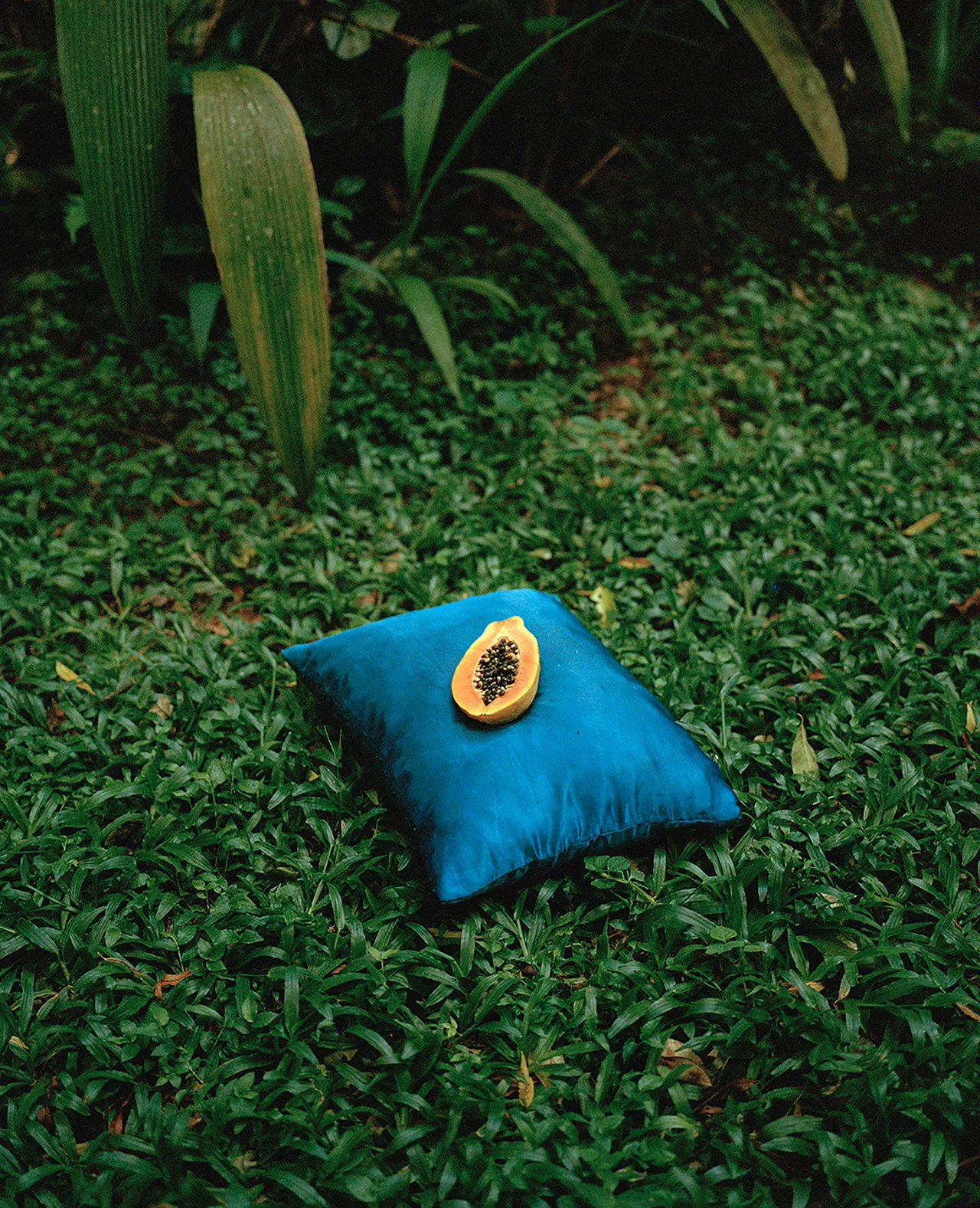
Are We There © Jenni Toivonen
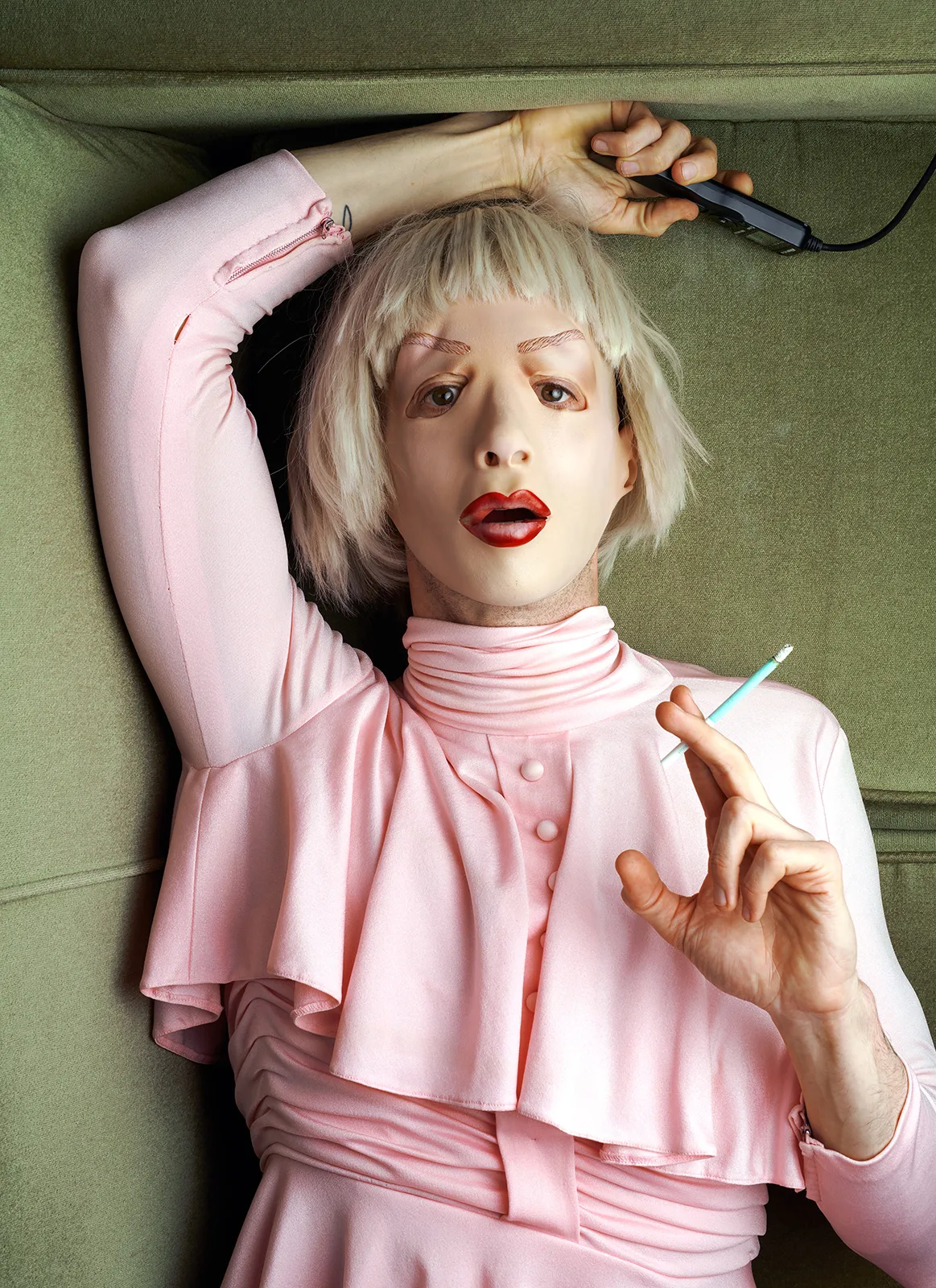
BodyCopy © Mitchell Moreno
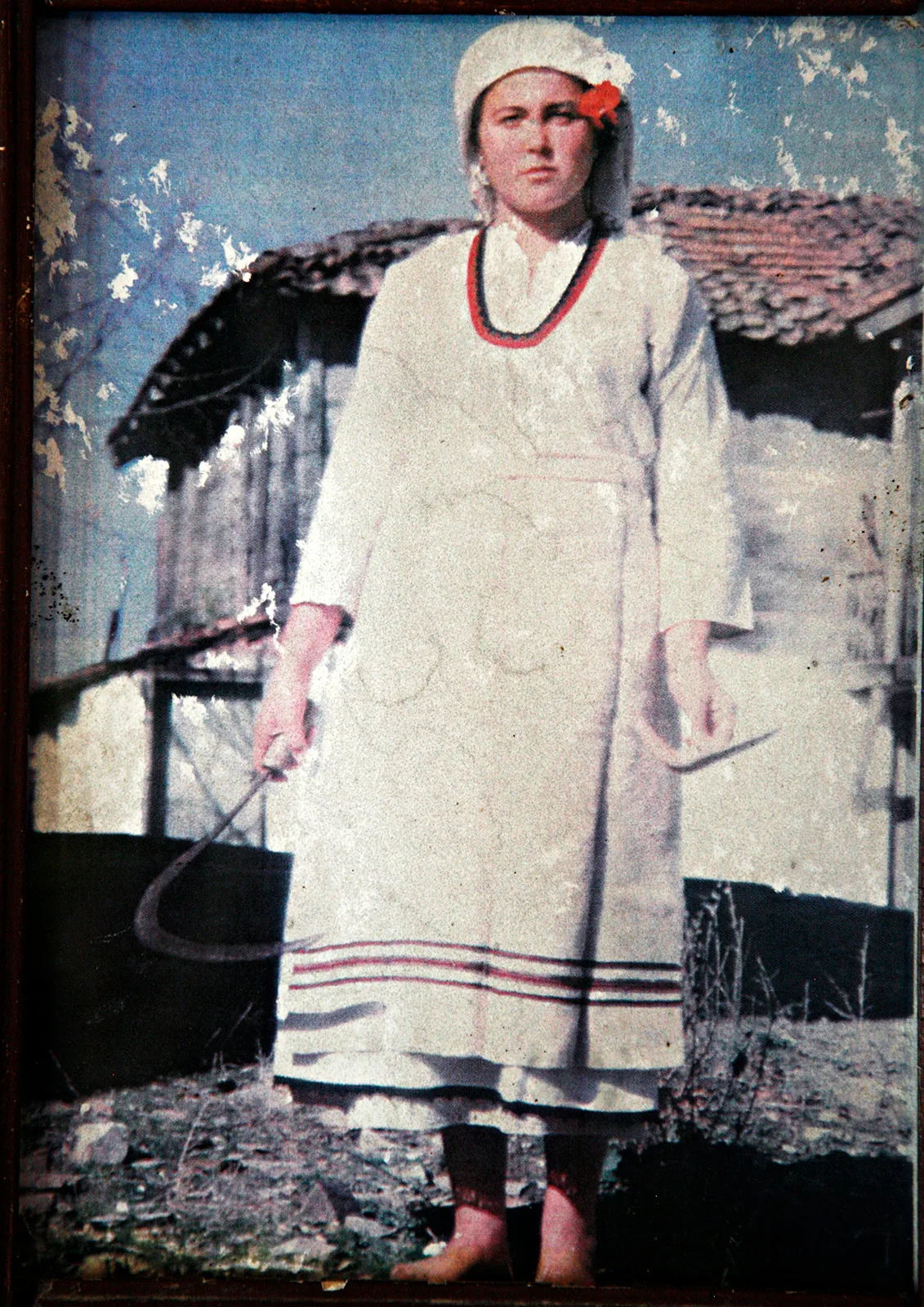
In Belief is Power © Hristina Tasheva’
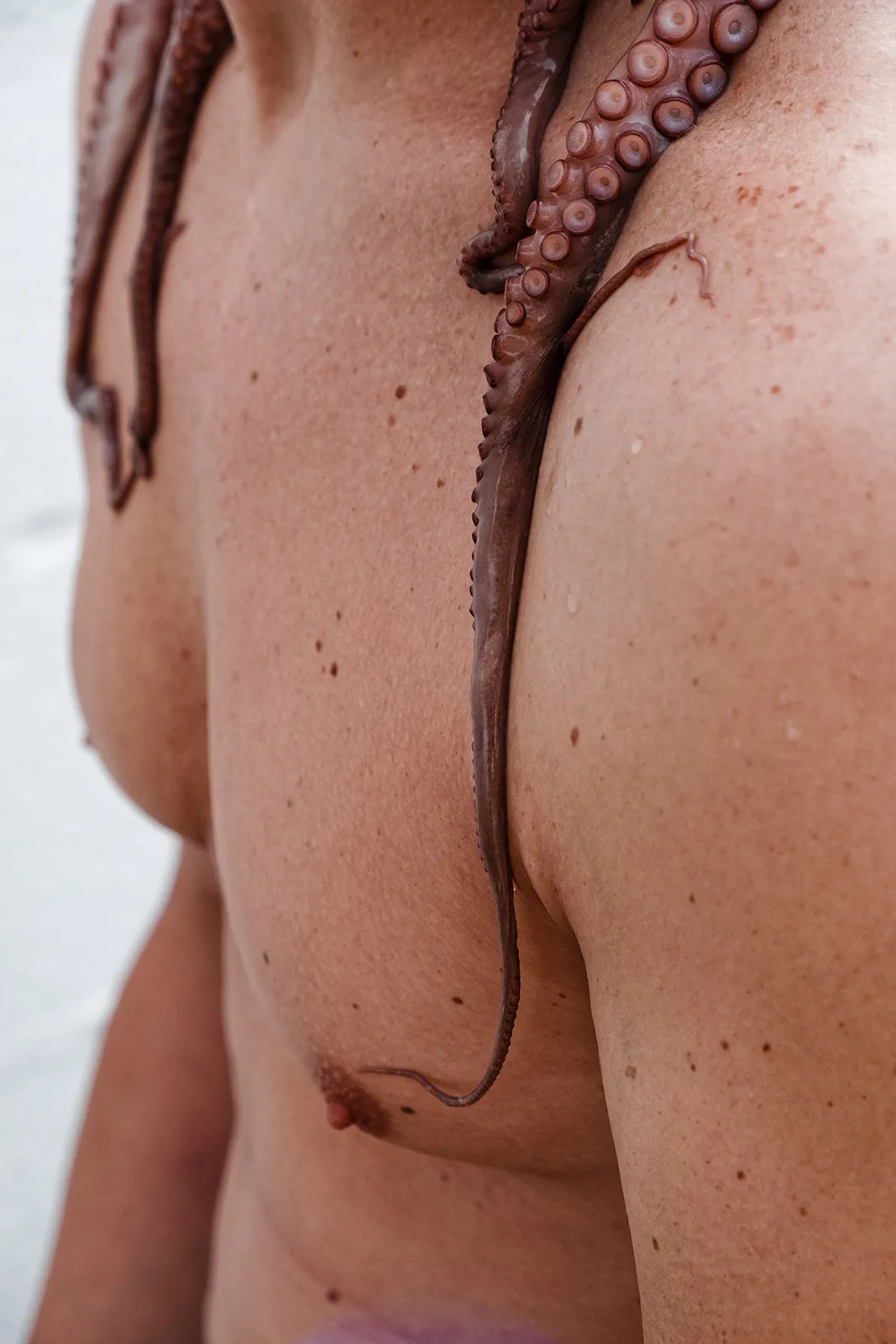
La sal se come la piedra © Pascual Ross
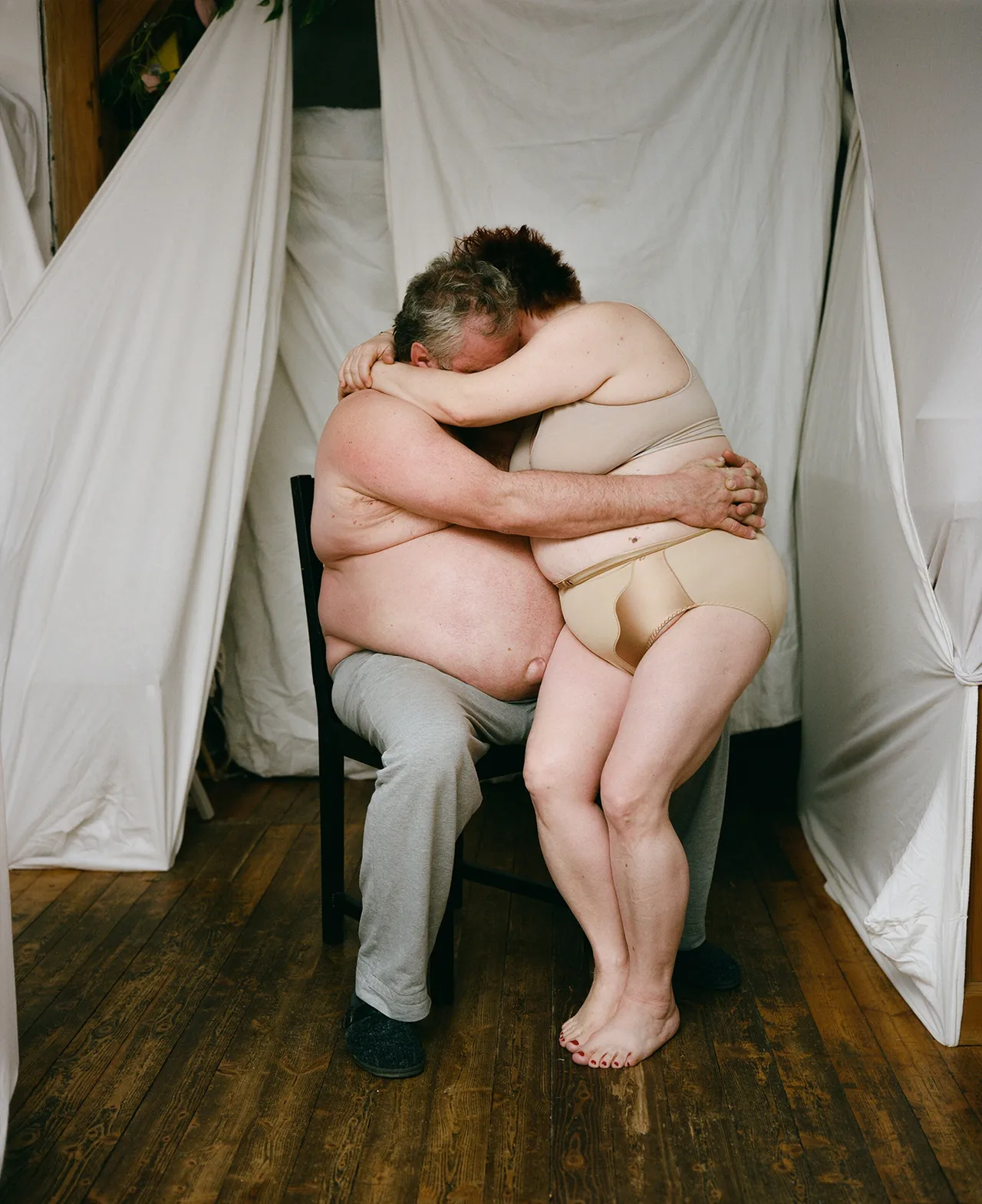
Now is not the right time © Peter Pflügler
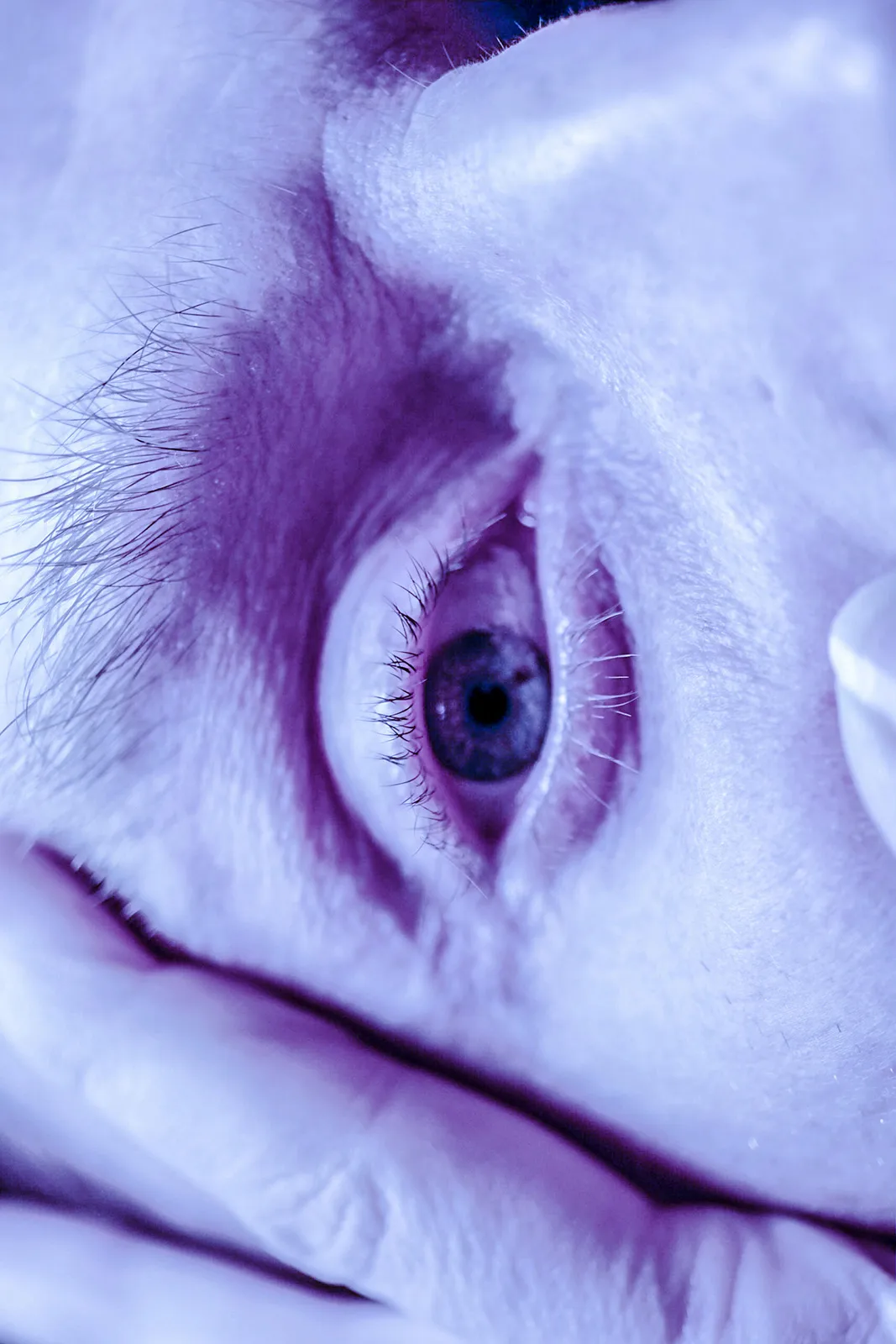
On love, violence and the lack of it © Ann Massal
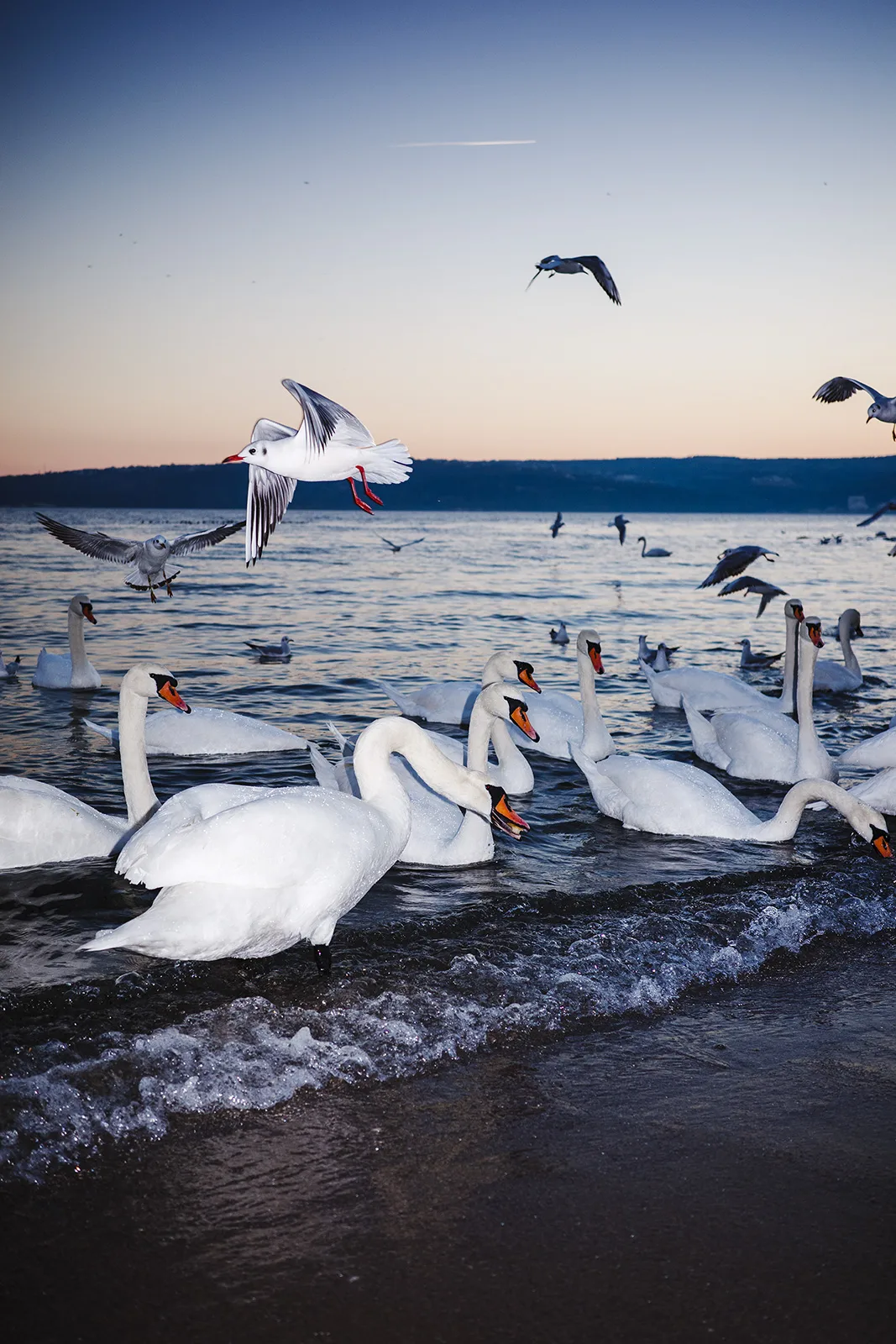
Salt in the air, sand in my hair © Mihail Novakov
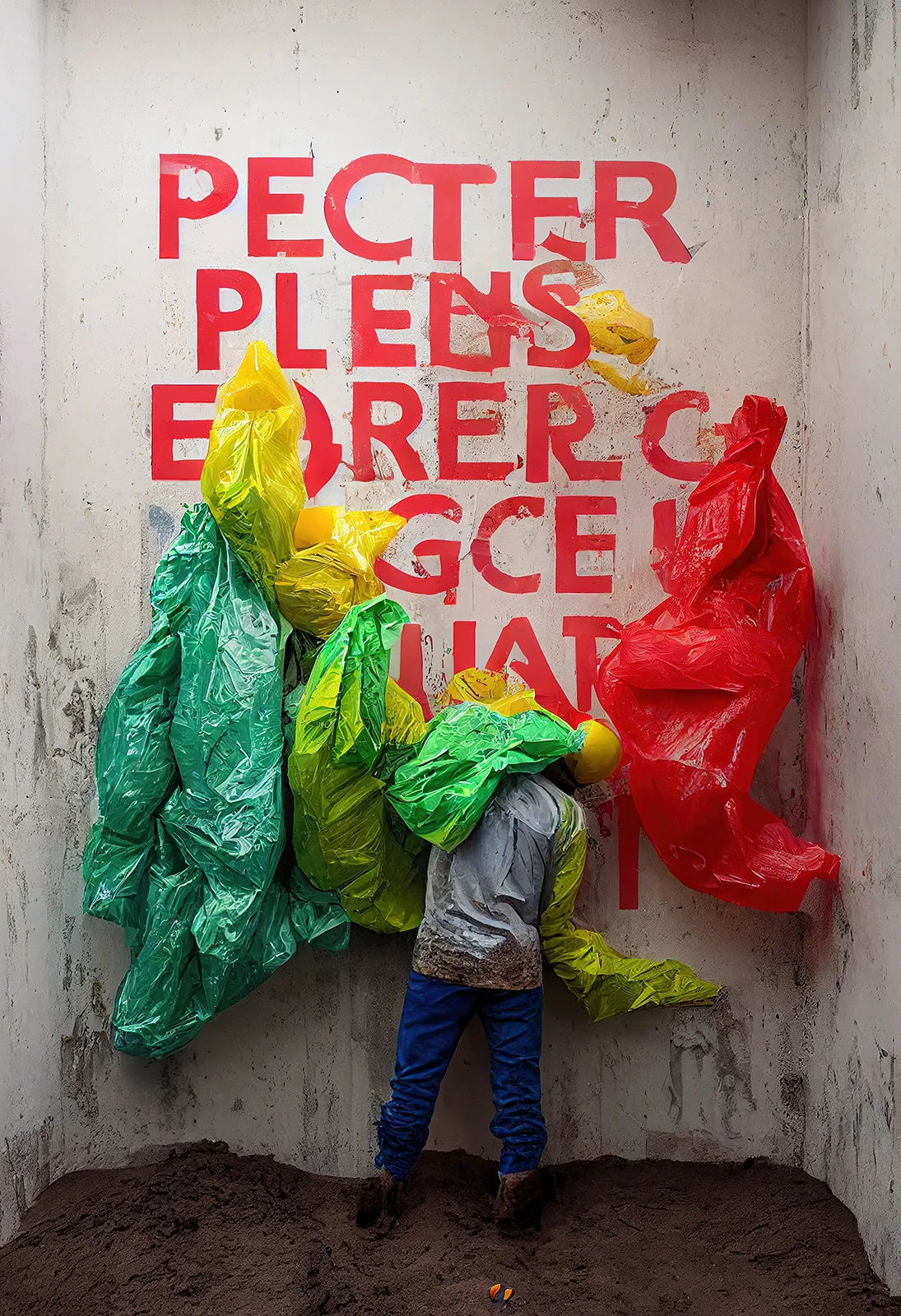
We love plastic © Iván Puńal Garcia