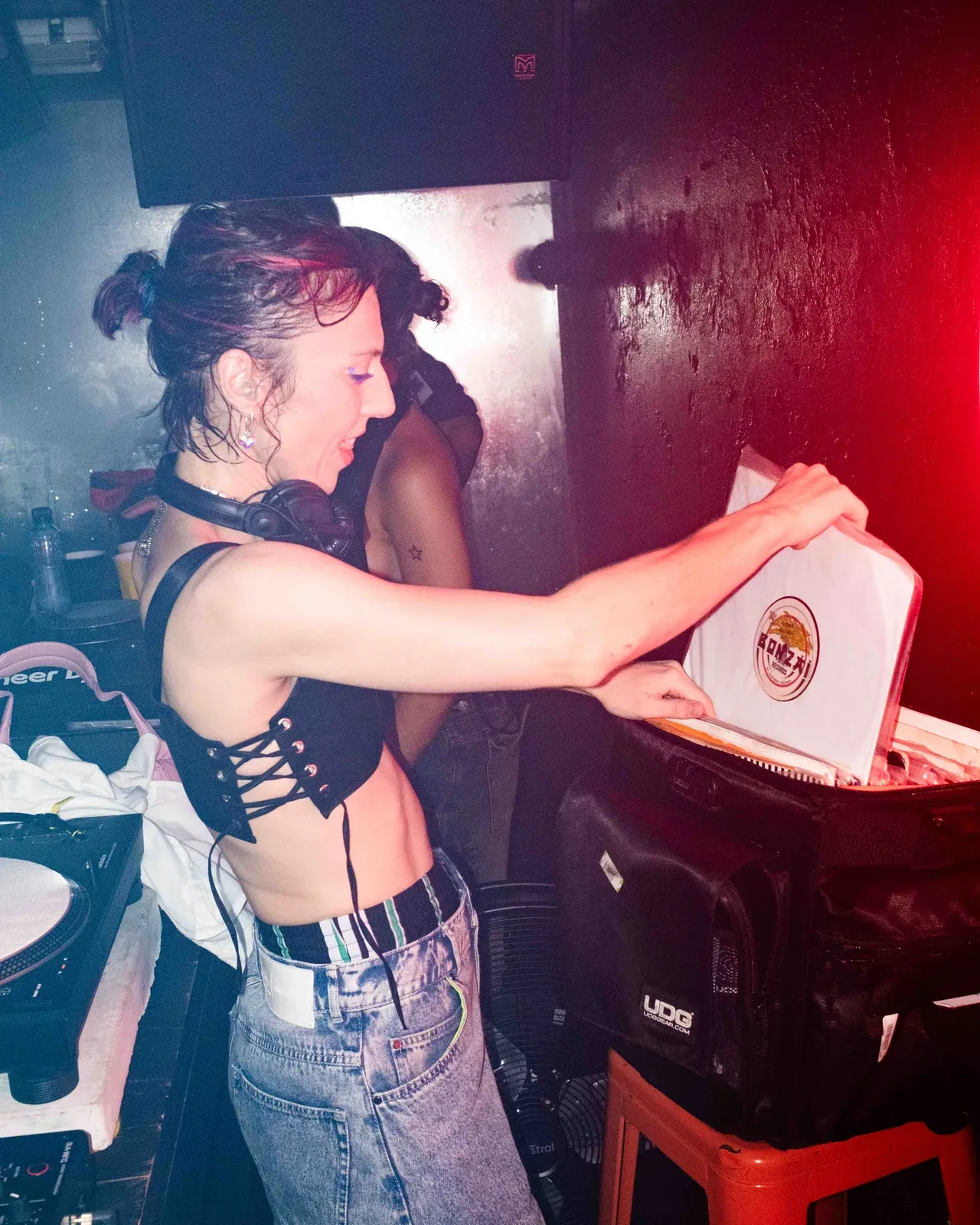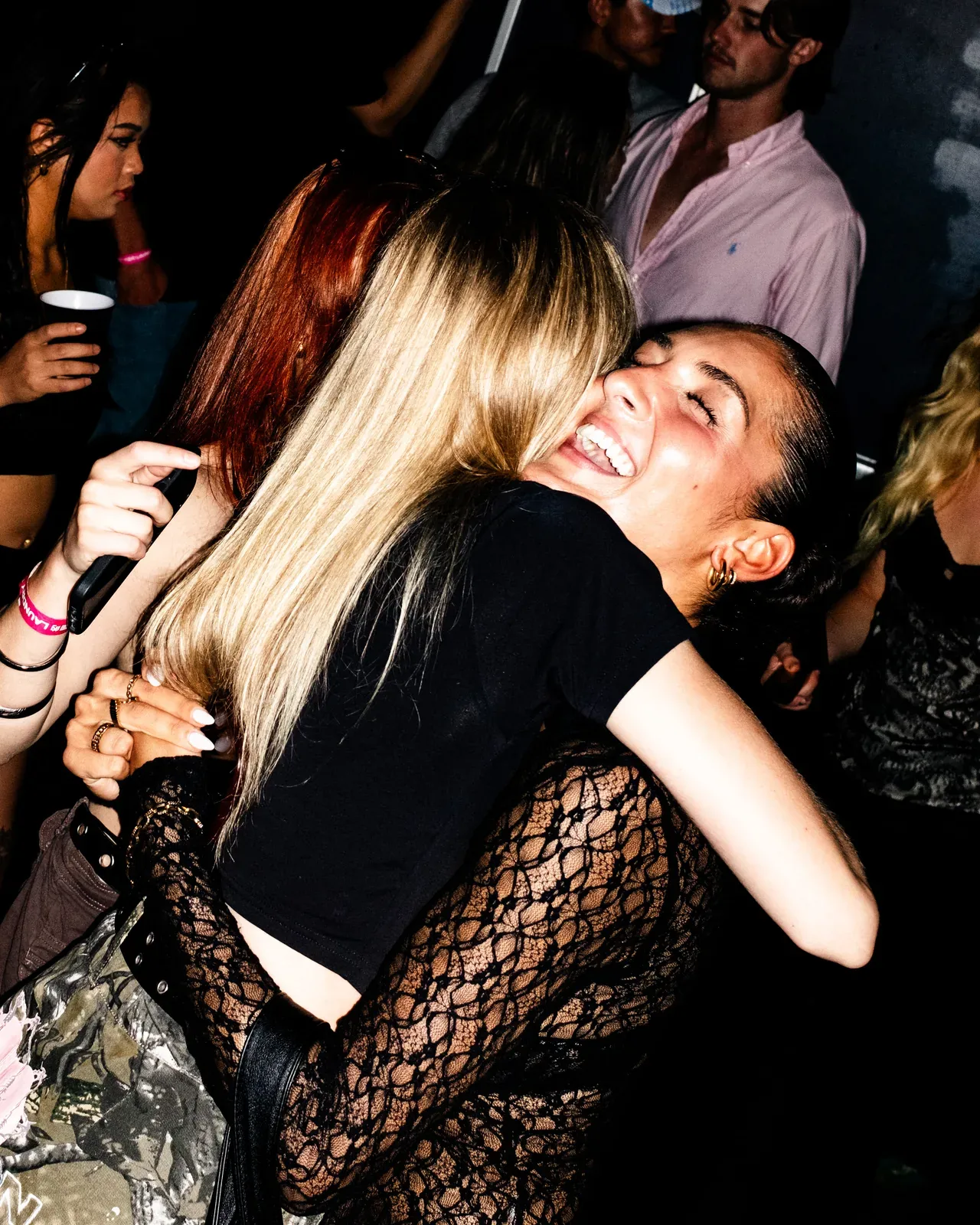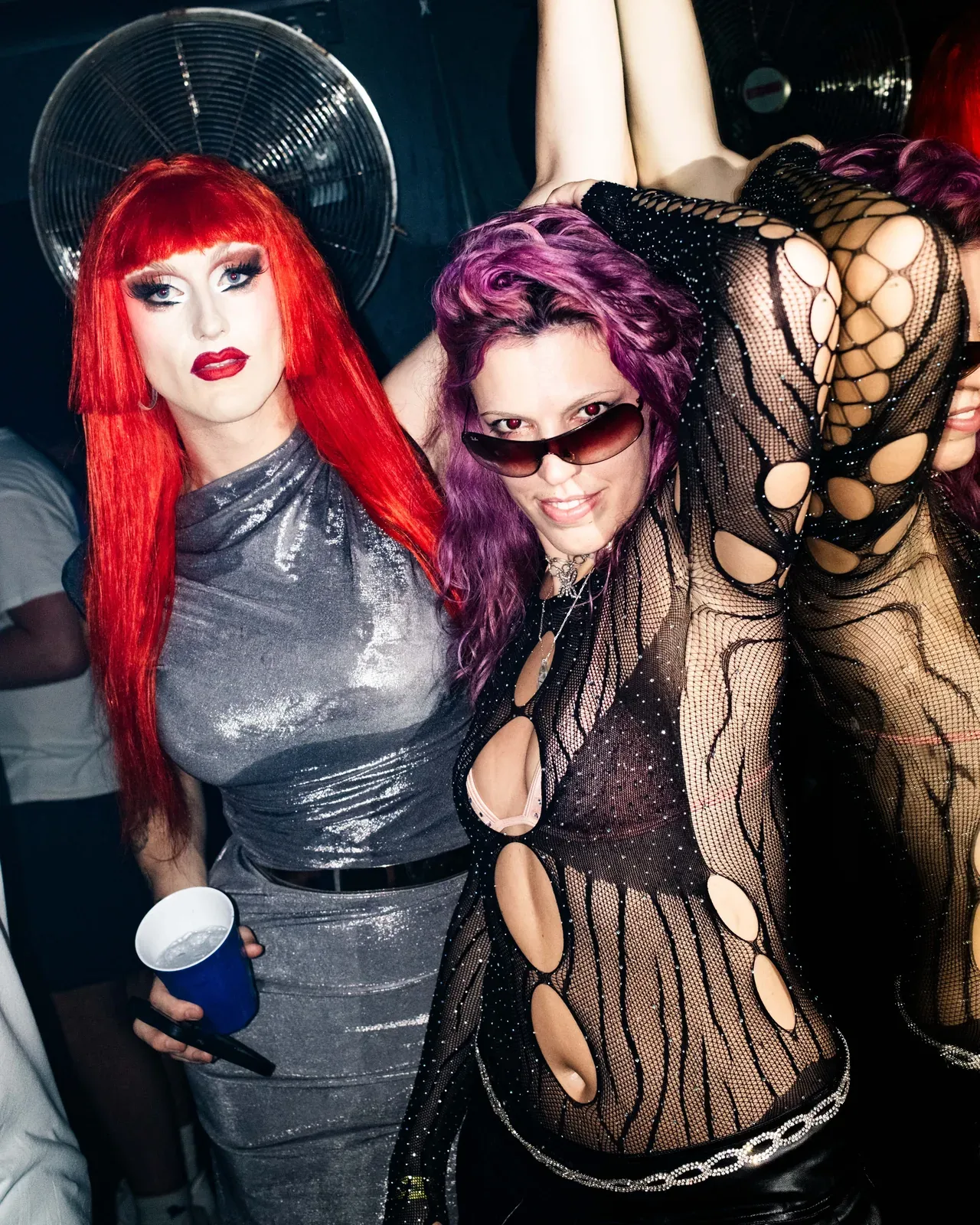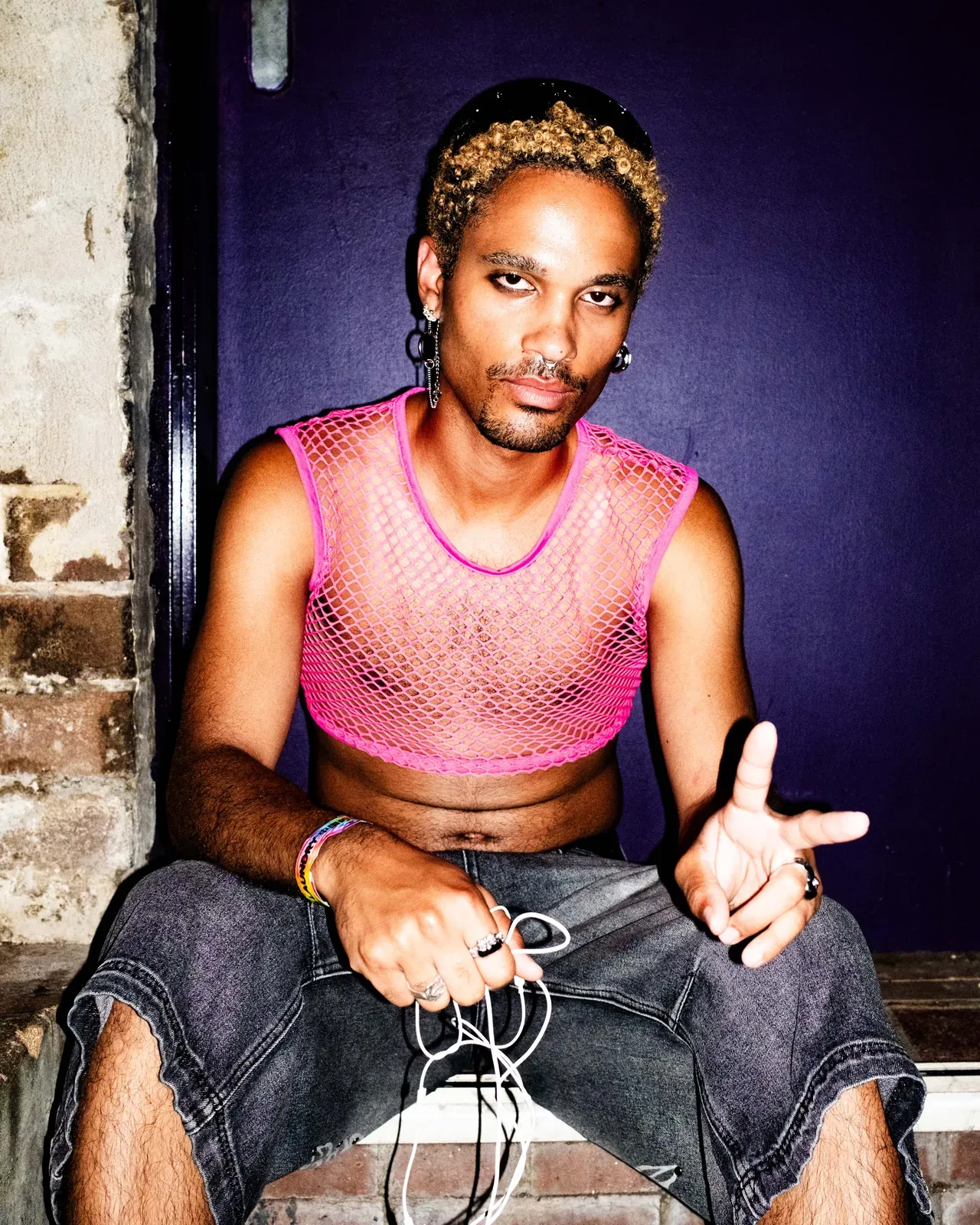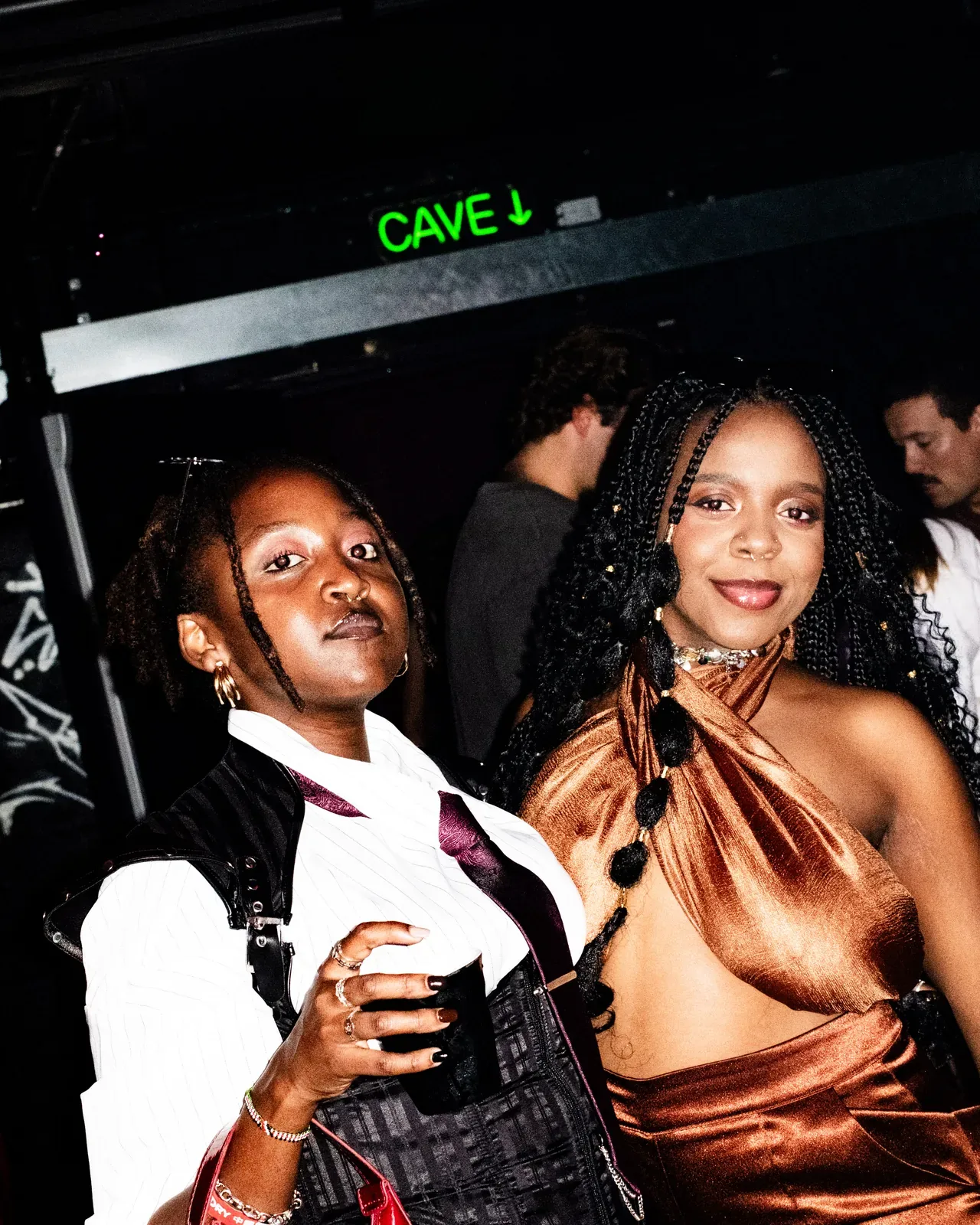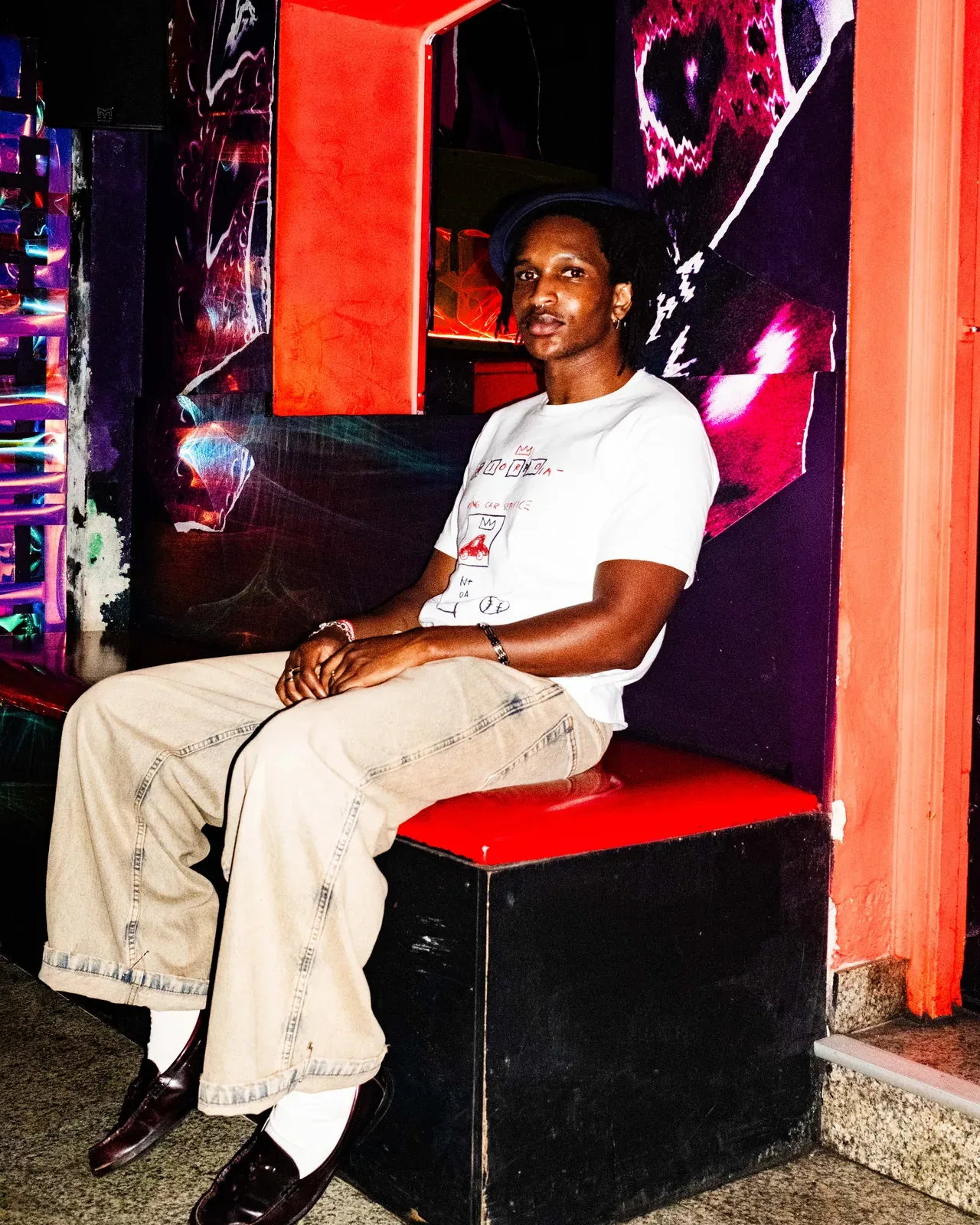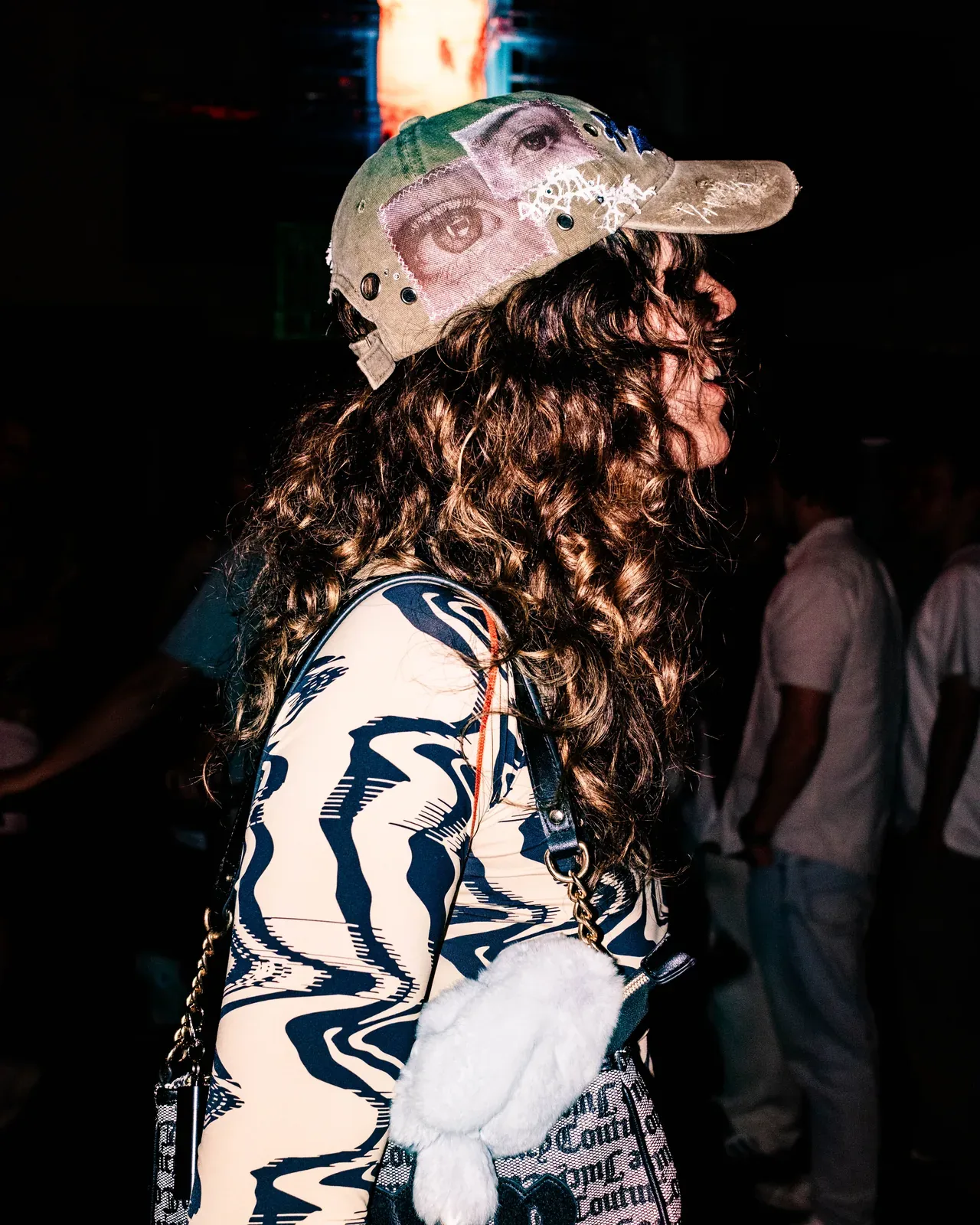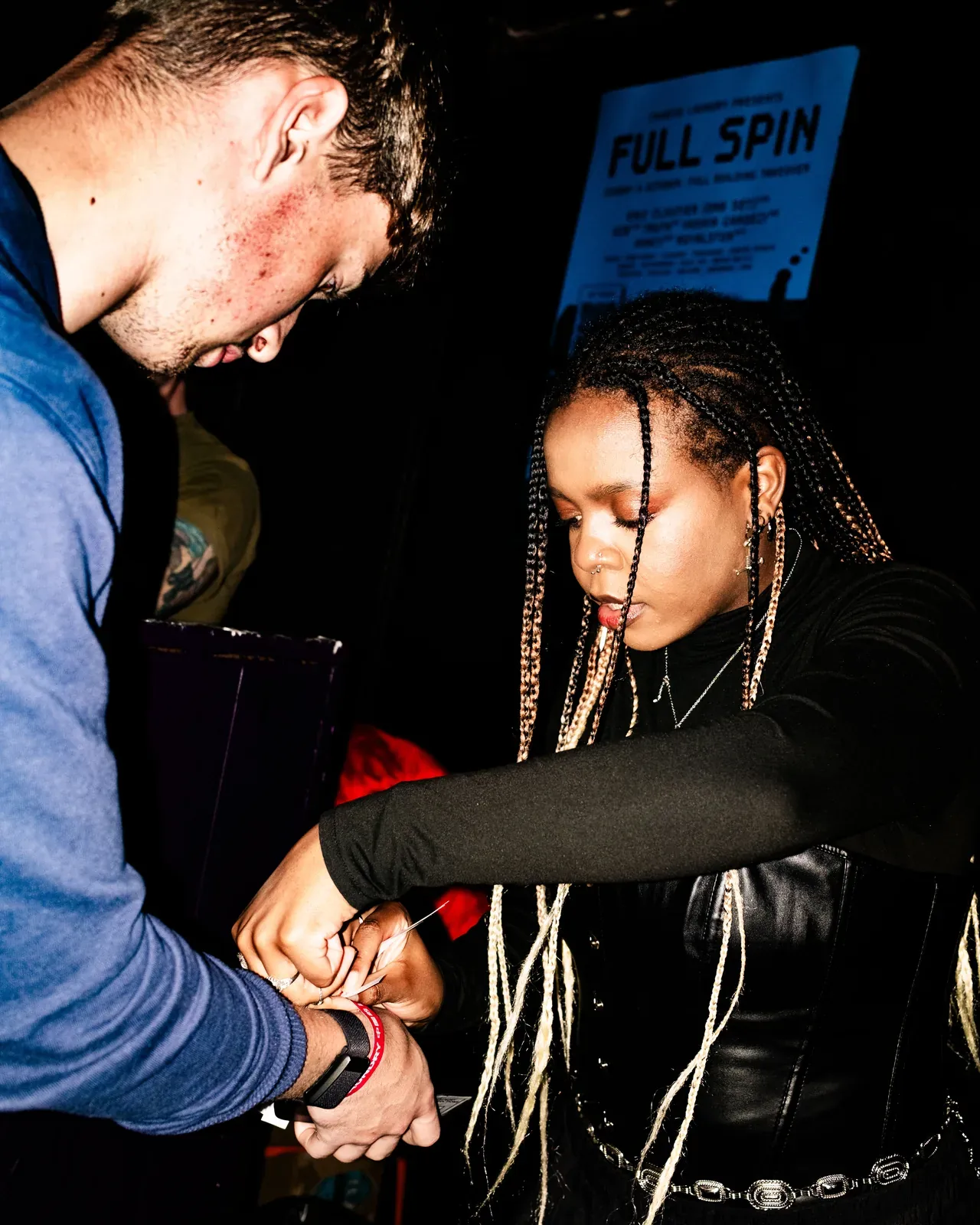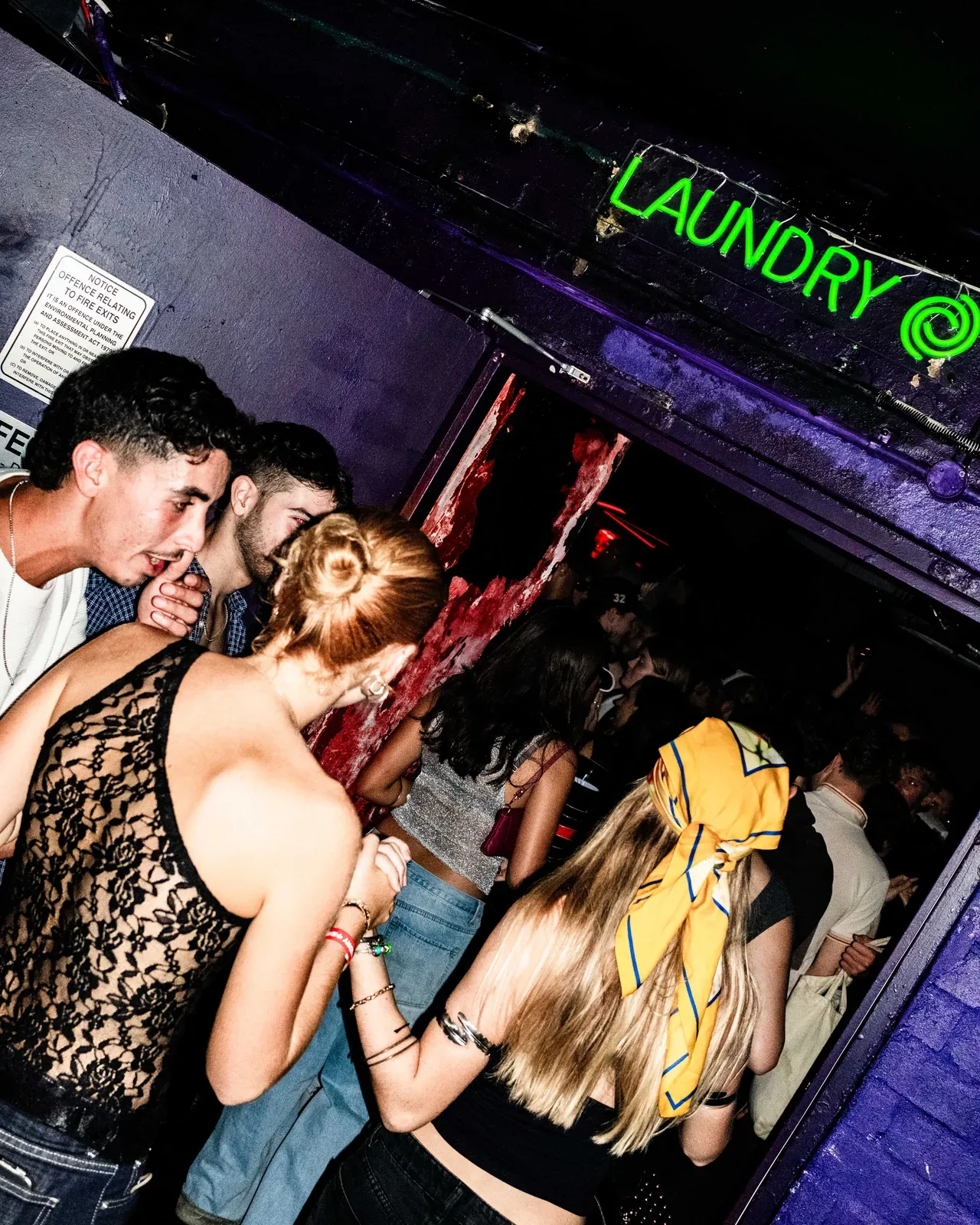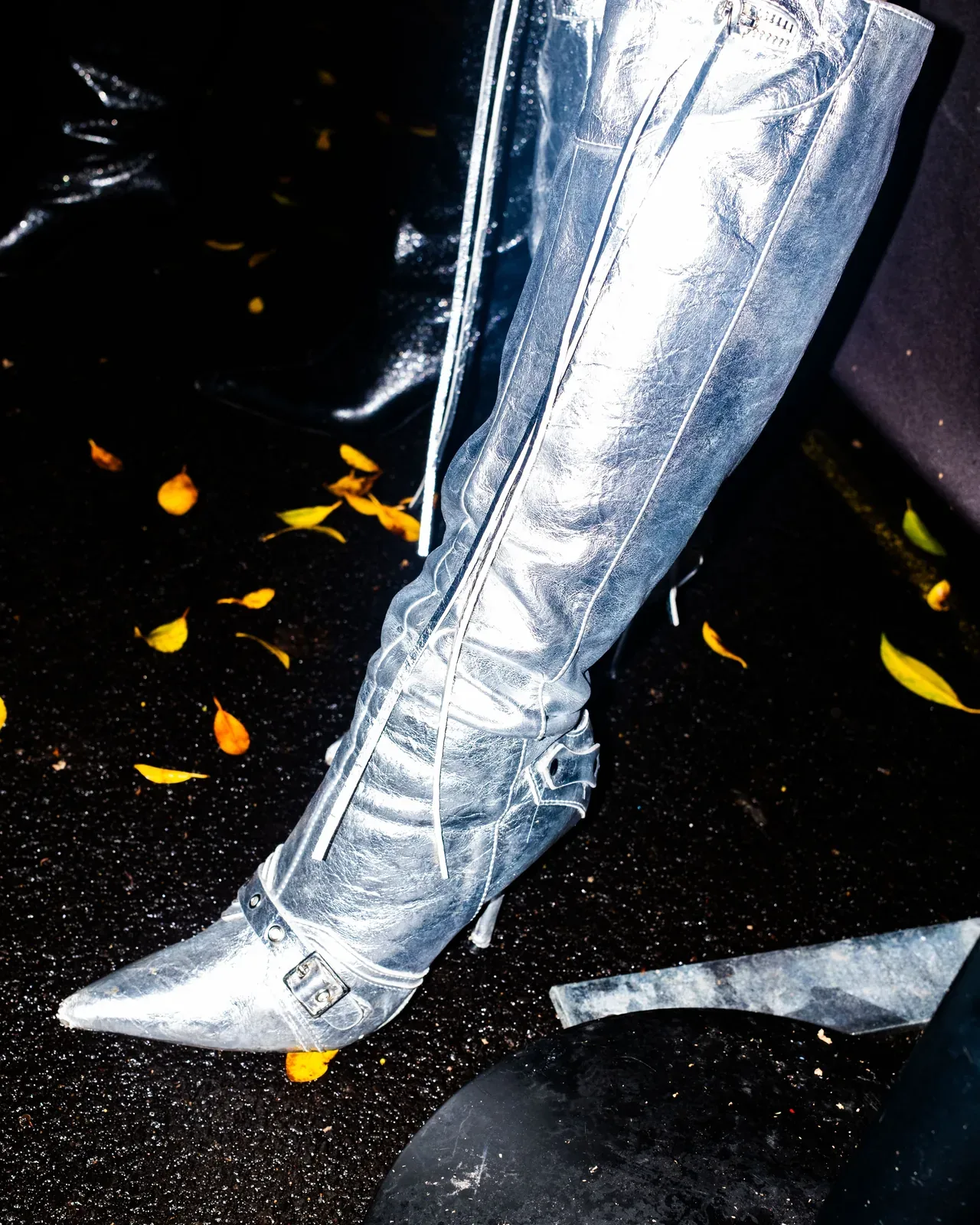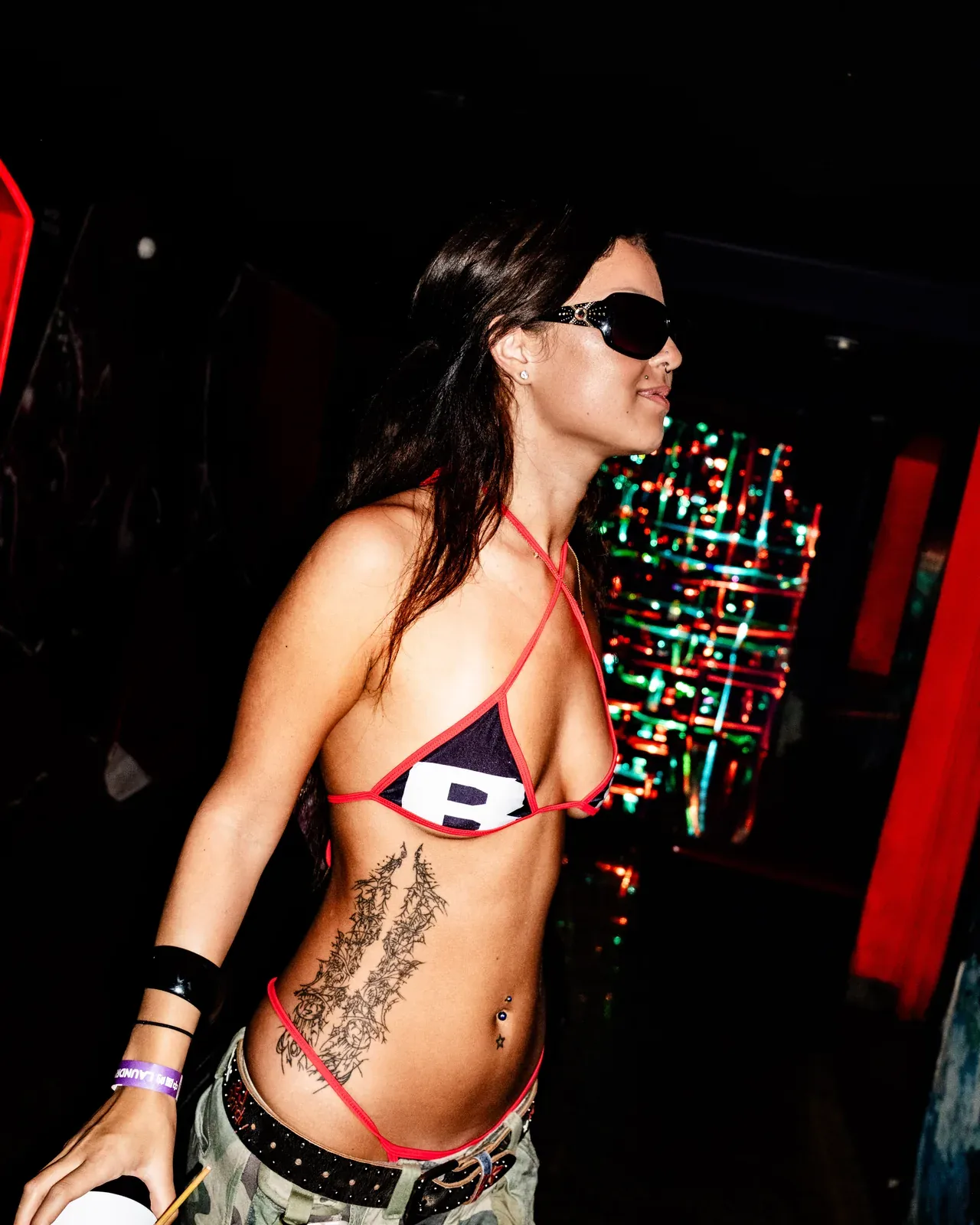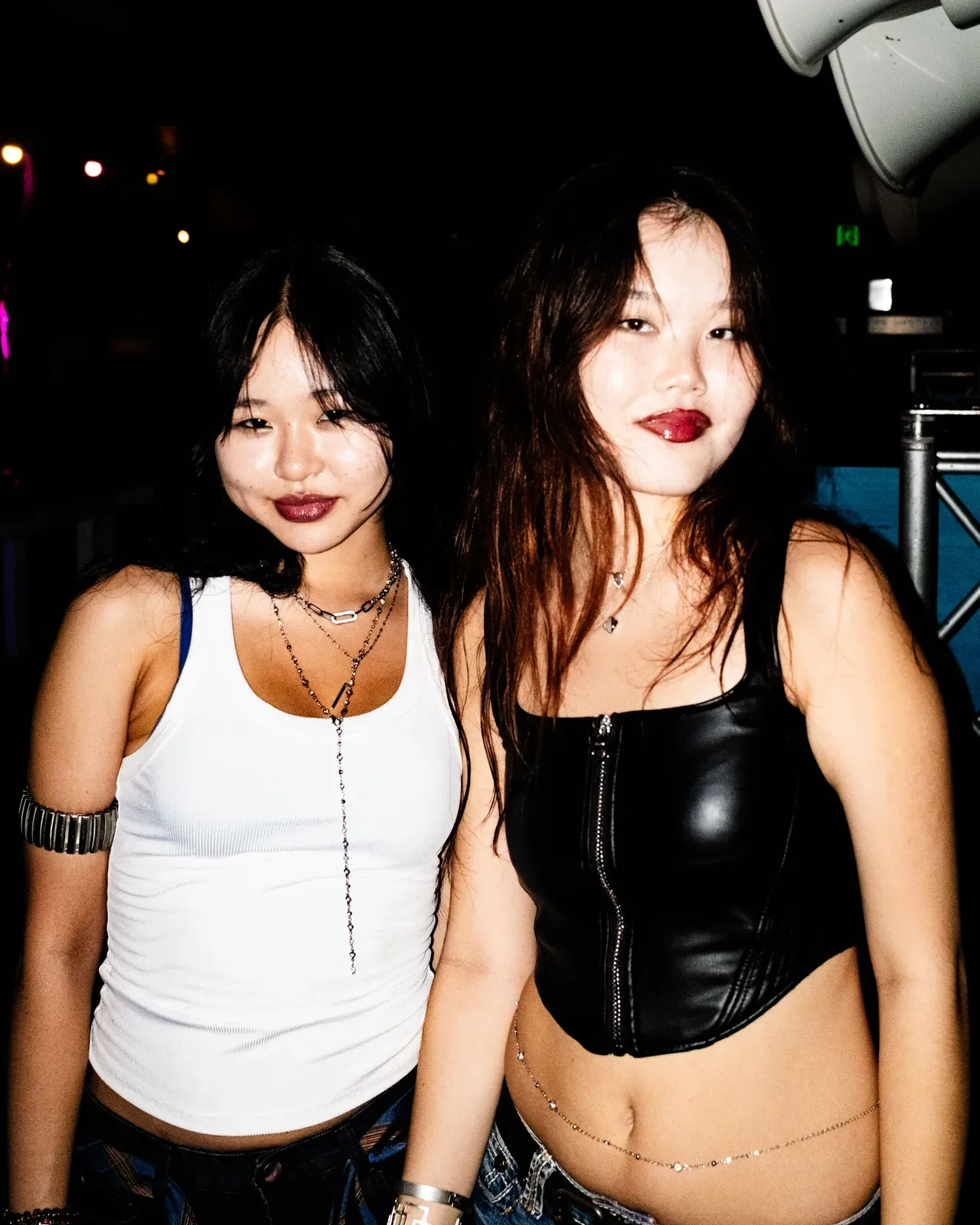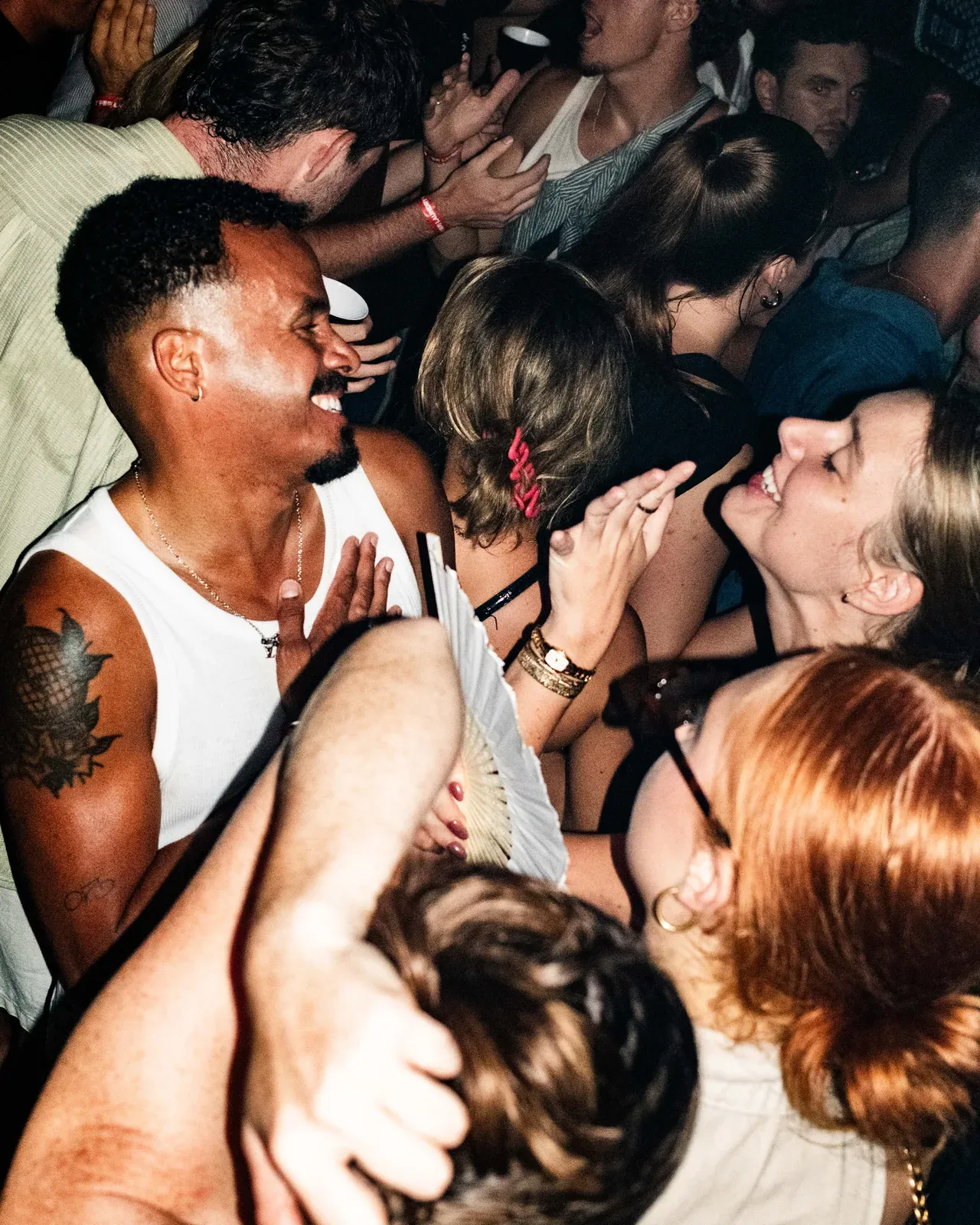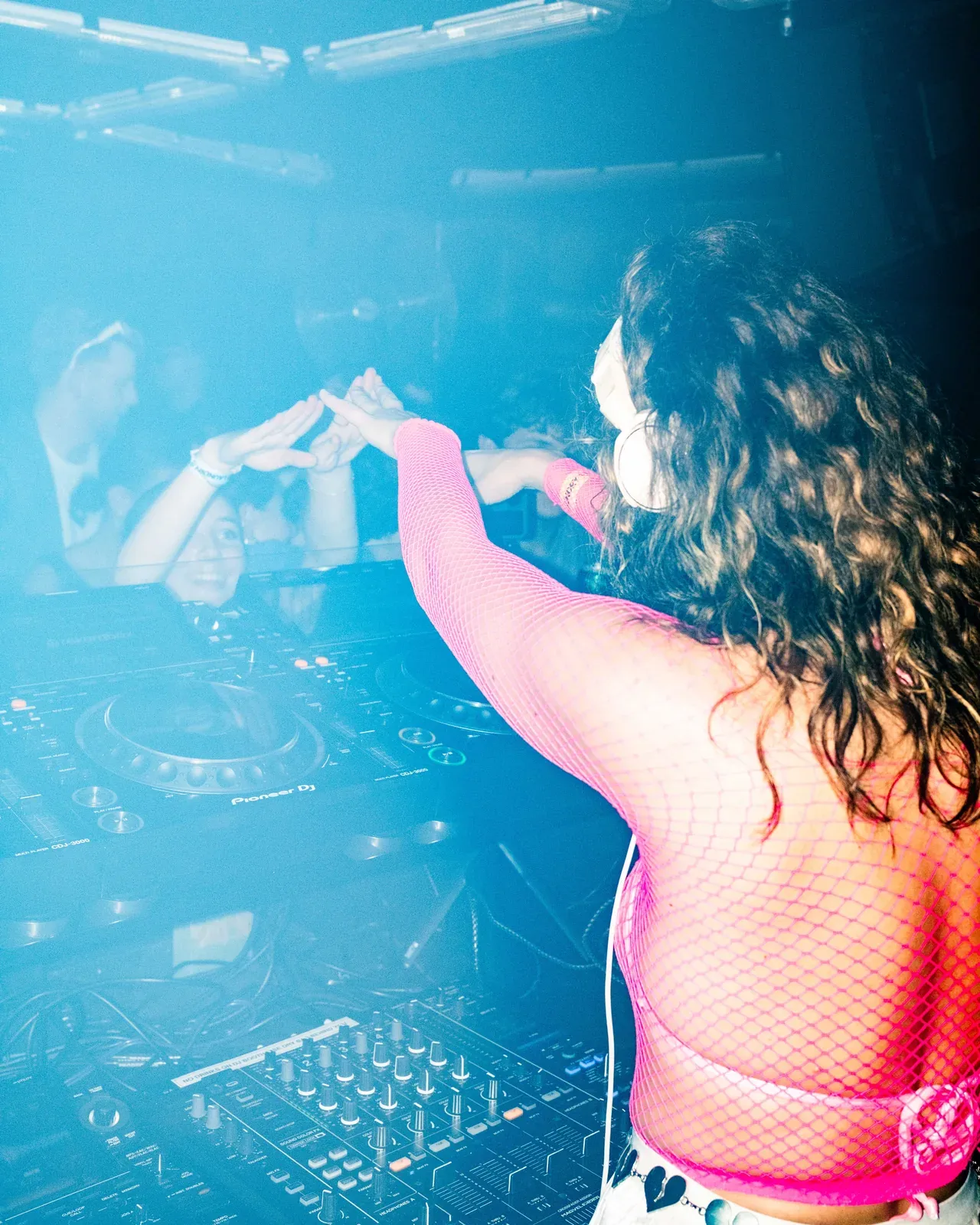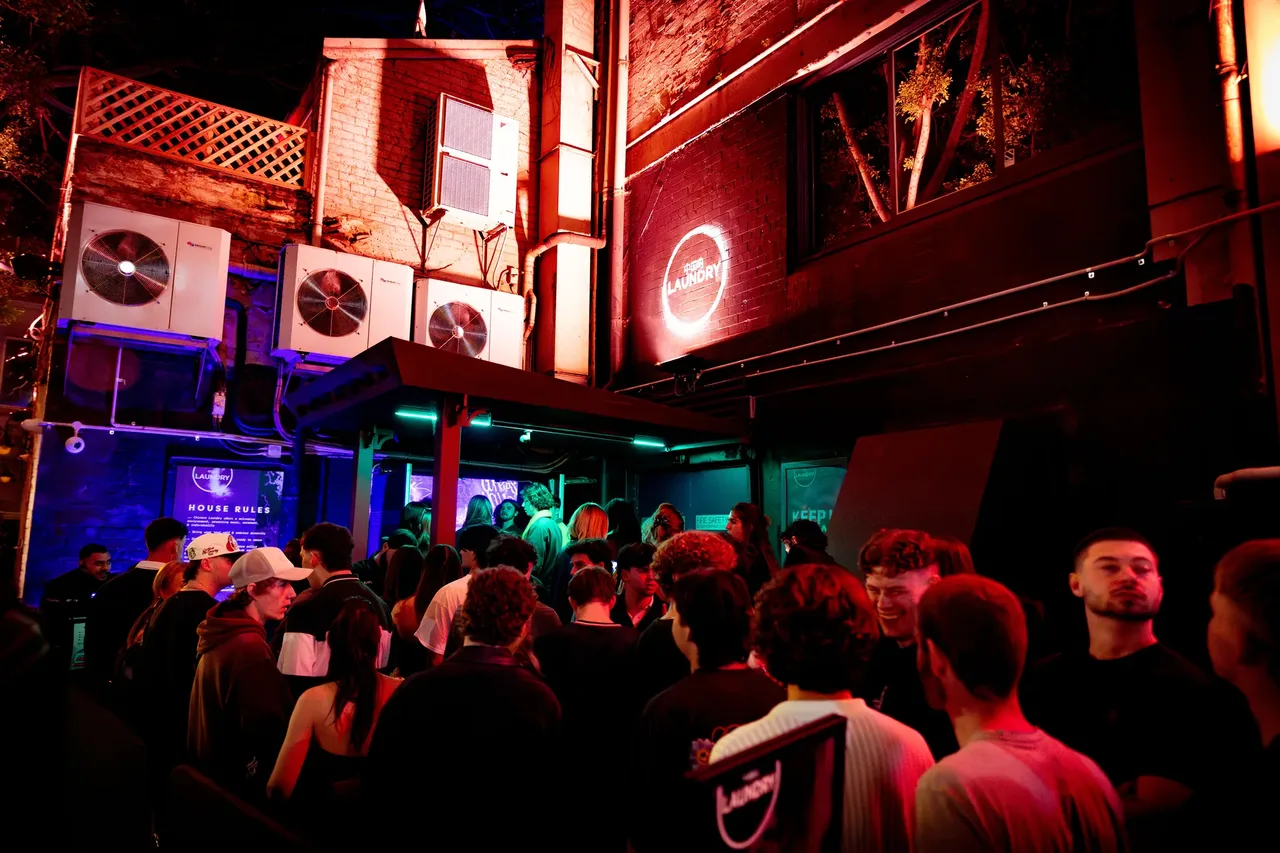
What allows a club to last over time, without losing what made it matter in the first place? It’s not always easy to put into words, but stepping into Chinese Laundry gets you closer to the answer. The images already say enough. There’s a certain closeness to everything, a feeling that the room pulls you in rather than keeping you at a distance.
On Sussex Street, the building itself carries a history that stretches back over a century. Long before it became a fixture of Sydney’s electronic scene, it was already part of the city’s nightlife. By the sixties, it had gained a reputation for underground parties that didn’t always follow the rules, bringing people together around music, expression, and a sense of freedom that felt real. That energy still lingers, even as the space has evolved.
What defines it now is how immediate everything feels. You’re close to the booth, close to the sound, aware of every shift in the room. It changes how a night unfolds. DJs respond to what’s happening in front of them, and the crowd moves with them without much distance between the two.
Over the years, Chinese Laundry has quietly shaped artists who would go on to much bigger stages. Flume and Dom Dolla both passed through early, while names like Jeff Mills and Goldie have brought a different kind of weight into the same rooms. Different moments, same feeling. There’s no sense of over-curation here. Programming leans into discovery, giving space to emerging artists while staying connected to a wider history of electronic music. It doesn’t try to define the scene too clearly, which is probably why it still feels alive.
In a city where nightlife keeps shifting, Chinese Laundry just keeps doing its thing. The room hasn’t really lost what makes it work, and once you’re in it, you understand why people keep coming back.