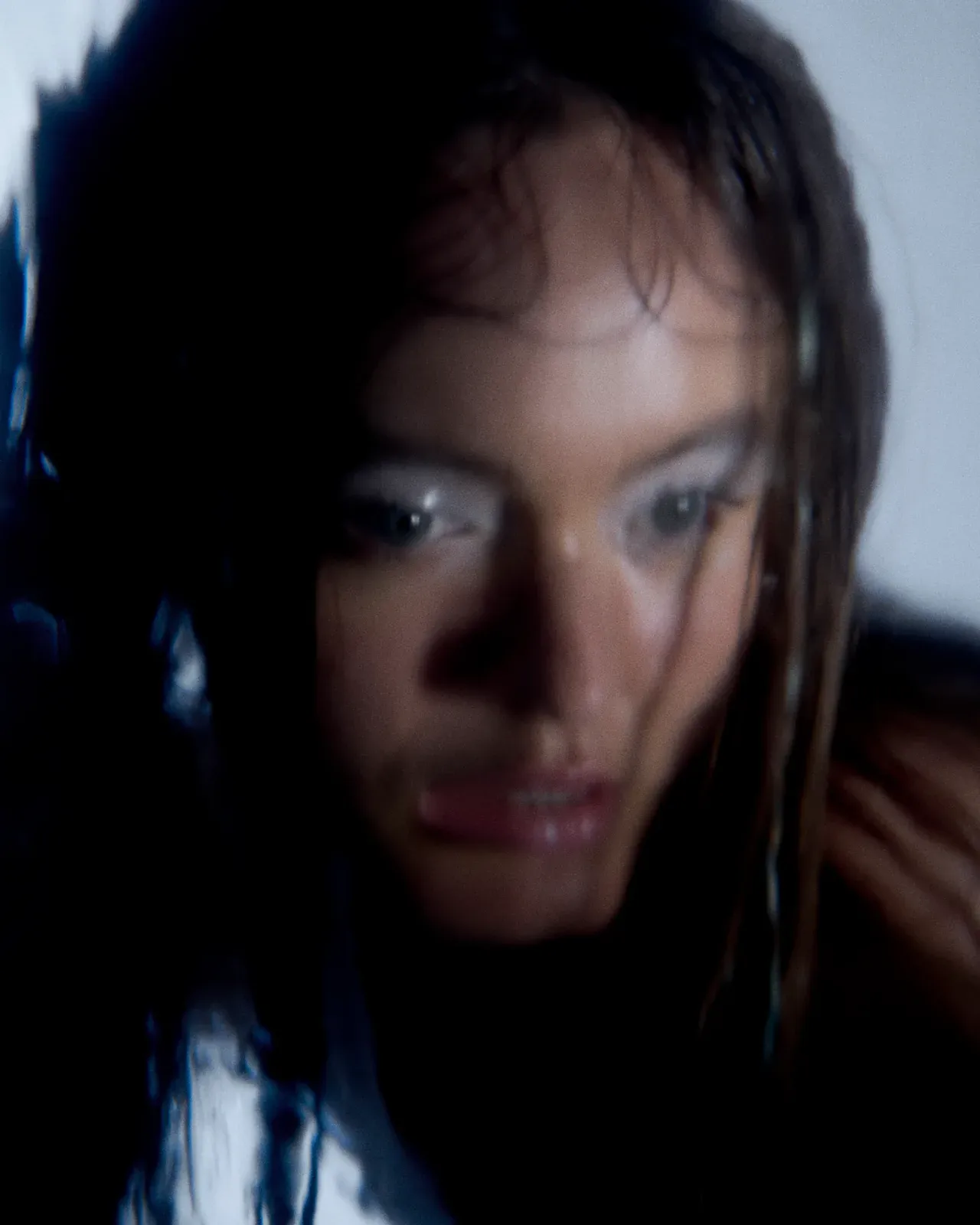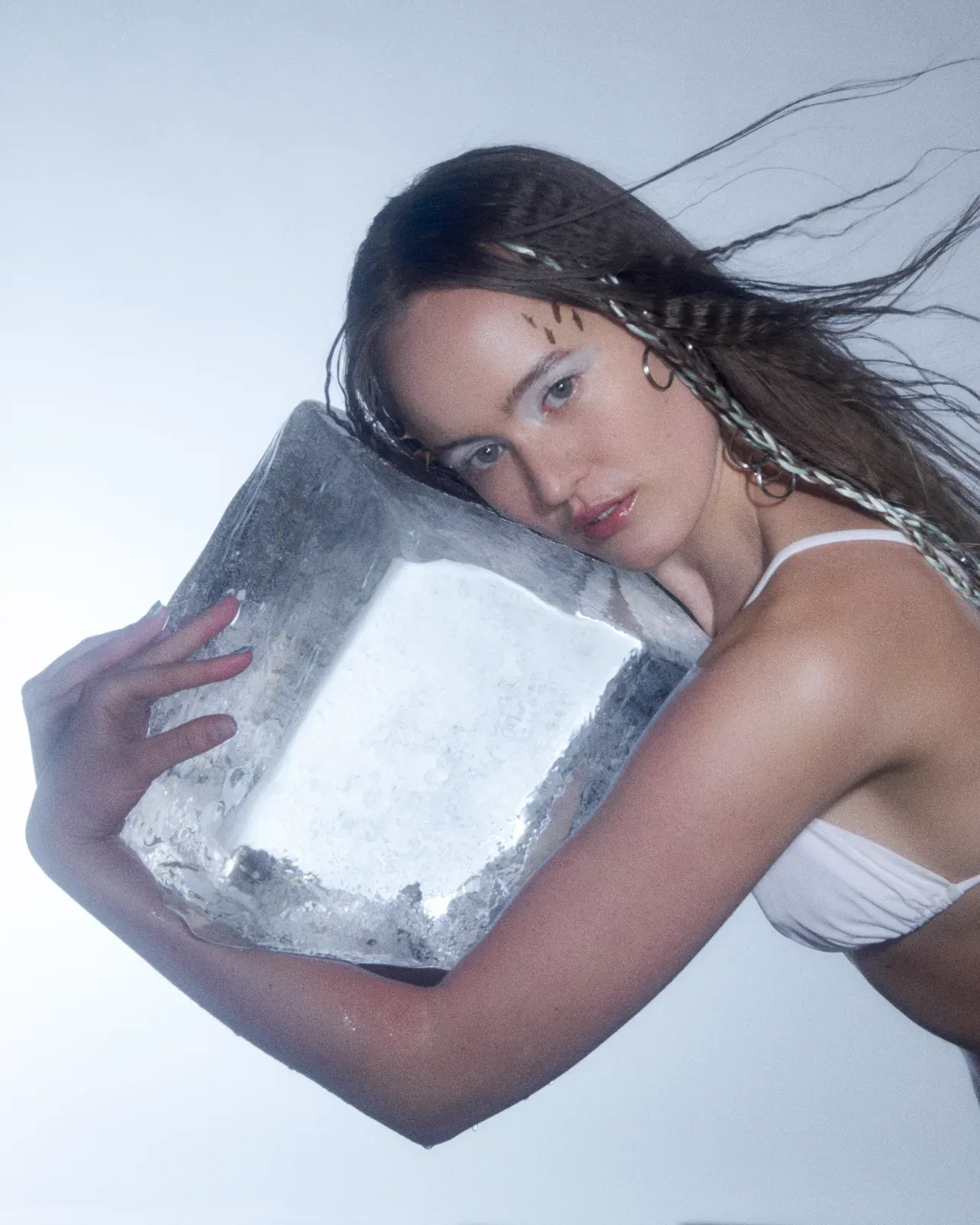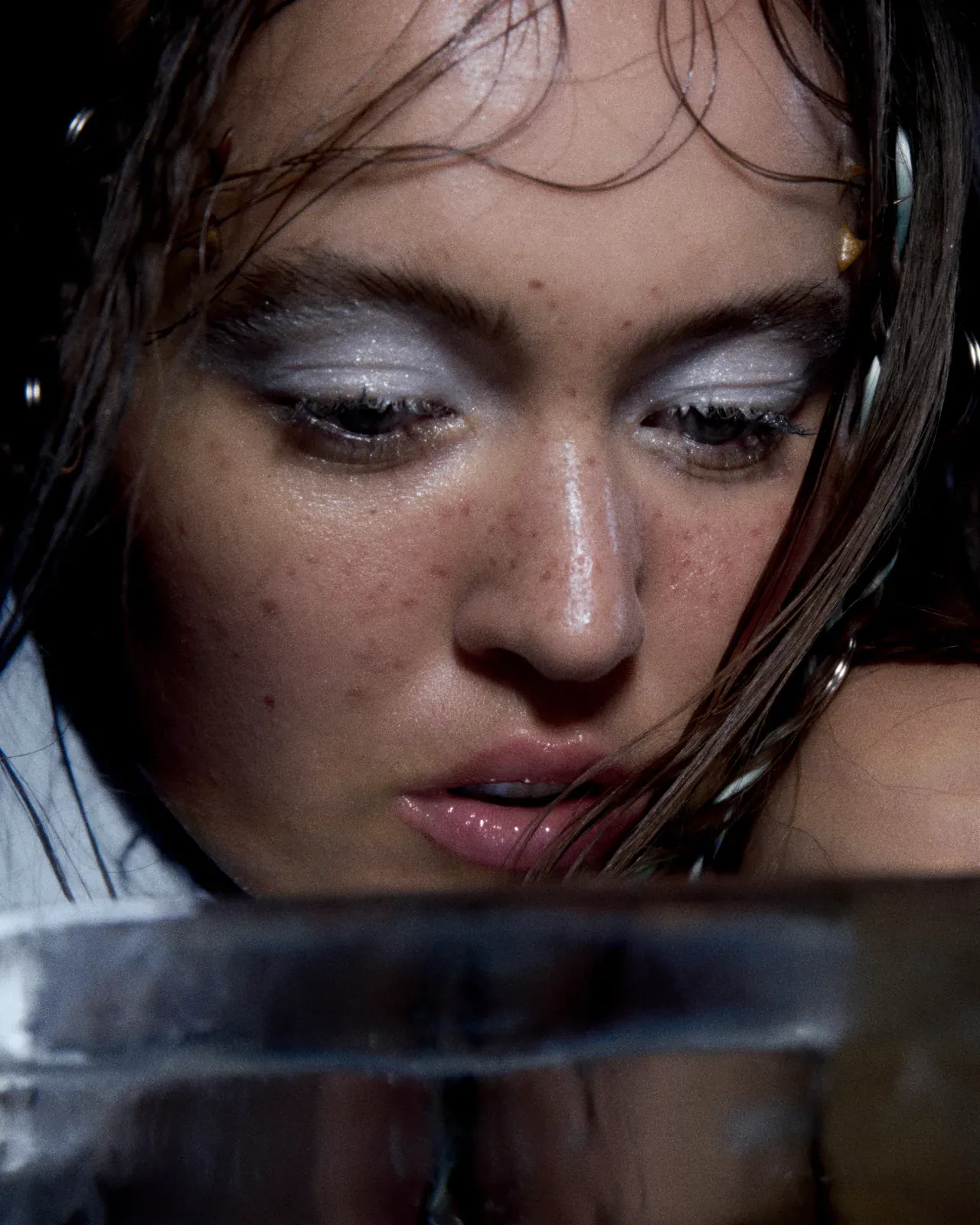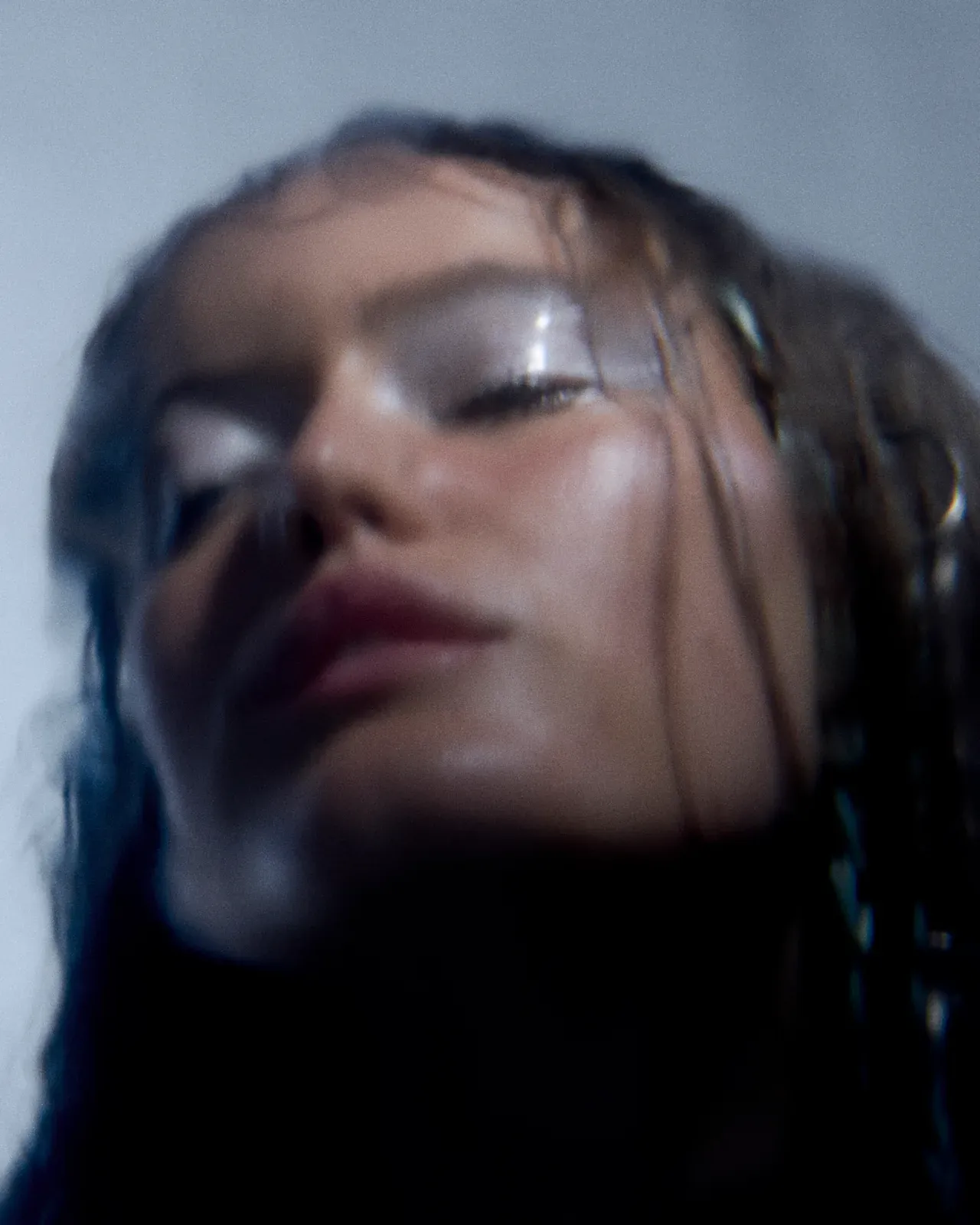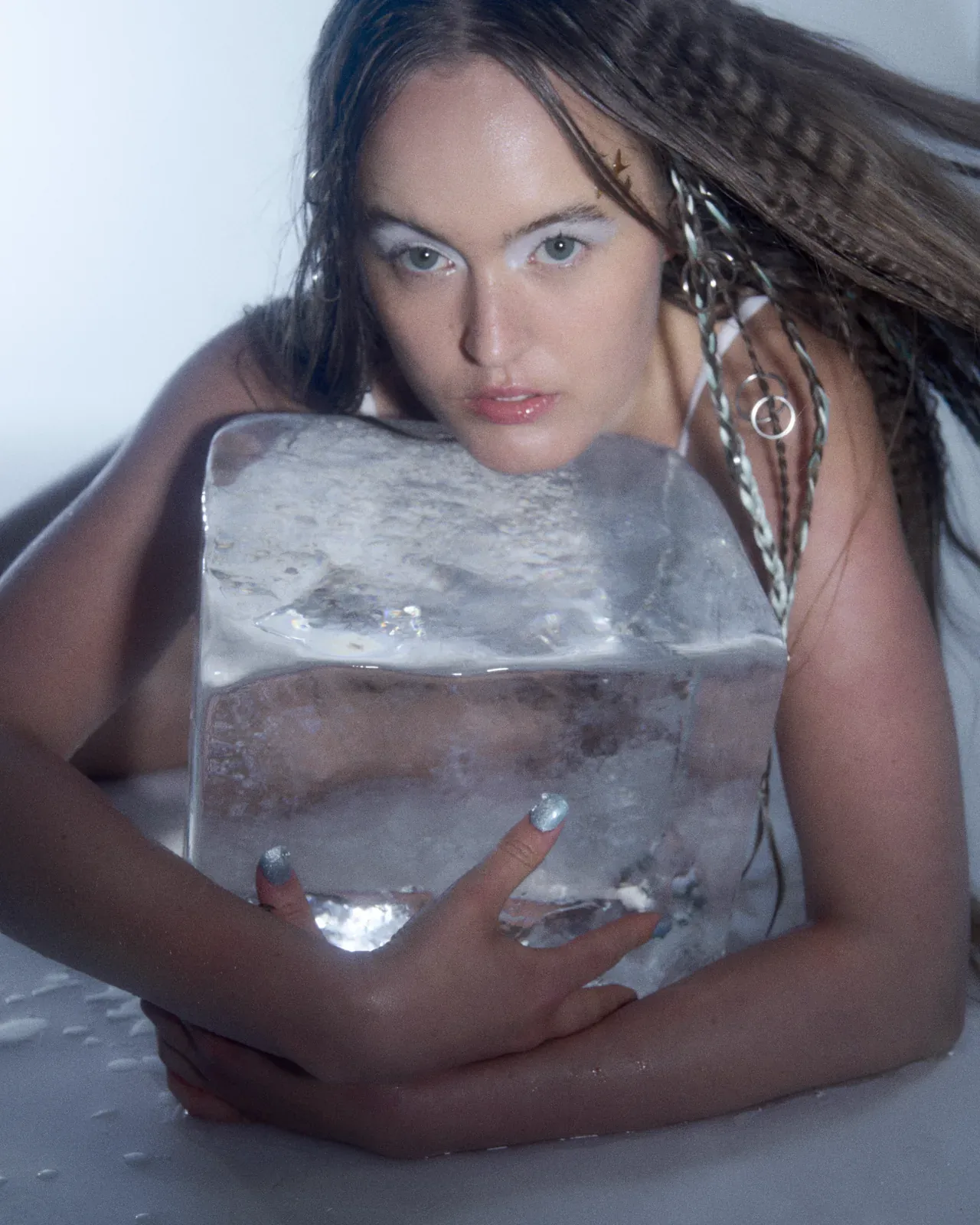
After spending her adolescence secluded and moving to London to a whole new world of sins, temptations and power games, The Debutante is the singer, songwriter, and producer’s debut EP. Six tracks that see Child + the banned move through sweaty trip-hop parties, psychedelic come-downs, explorations of the self that culminate in raw piano ballads, and a very cinematic finale.
A visionary artist, despite recently releasing her first EP, Josephine, along with her band, have already toured some of London’s most emblematic venues, supported artists like Judeline and performed at Milan Fashion Week and Nick Knight’s ShowStudio. Her bright signature vocals, extraordinary sensitivity and versatility see her weave a carefully built visual and sonic universe, with a second EP already in the works and no signs of slowing down.
Thank you for having me to see you! How are you today?
I'm good. I had two recording sessions yesterday and we finished really late. But it was really, really fun. Studio time is like where I’m happiest. I slept so much today, can you tell?
Not at all! You look very glammed up today.
It’s because I knew you were coming.
You're on the verge of releasing your debut EP, The Debutante. How do you feel?
I'm very excited. It feels quite cathartic. It's something that I've been talking and thinking about for such a long time and, I've only released singles, videos and a short film. Building up the universe was always really important and the order that things came in and what subsequently followed. For example, for my debut release I Dreamt, which was now four years ago, we made this huge water tank video for it. That was important because in that video, I'm this creature and there's a lot of references to birth and death and coming of age in it and that was the perfect beginning. Now it's like the second volume of that. It's really inspiring to get to put out a body of work and not just individual tracks.
I had to look up the meaning of debutante as I wasn't super familiar with it. So, I wanted to ask why you chose that as the title of your project?
It, sort of, came to me and then it wouldn’t escape my head. I find it's such a funny title because it's also an anti-title. These songs are very much about when I came to the city, I was in this Disneyland in my head where I could go out on to the street and anything could happen. I moved to London and I was like, I'm going to be making music in London and I literally didn't know anyone. You just throw yourself into all of these scenarios and you live and you learn and it's exactly those expectations that you have, but then also these experiences that shape you as you're becoming an adult. The idea of femininity and womanhood is always in my work somewhere. We might think that we are completely free from these old ideas of how young women are presented to society but I feel like that idea is very much alive, but in other ways. You can either be scared of it or you can try and interrogate it, attack it and be curious about it.
Meeting new people is something everyone who has moved away from home has dealt with, so, do you have any tips from your experience?
I literally would just go up to anyone who looked like they could be fun, or was my age and I'd just strike up a conversation. It probably led to a lot of people thinking that I was a bit crazy (laughs), but that's the exciting thing about a big city as well is that you’ve got nothing to lose.
That's very true. The EP press release I read was very personal and it talked about your adolescence and challenges in a very intimate way. Was it hard to be so open? How important was it for you to include that as part of your project?
In my specific context, I was taken out of school and had anorexia for years and was very secluded from normal young people growing up, but it also meant that all of this time I was really in my own world and that's something that in some weird way strengthened me artistically. I don't believe that you can run away from your demons. I think that your demons are always there and it's how you learn to face them, work with them and how you're both able to embody the light and the darkness within you. It's in my work, and the moment that I started talking about it, I had so many people reaching out to me because that resonated with them. If I can pass a little bit of that strength on to someone else then, that's not a bad thing to be doing.
Your voice is very unique and I read that it was “forever stuck in puberty”. How does that work? How did you find out about that?
The voice is such an interesting thing because my body was stuck in this phase and my whole hormonal development stopped for years during the time when it was supposed to develop. It just meant that it left some traces including that my vocal folds didn't fully mature or that was what the phoniatric specialist concluded. So, for me it's just further proof of how we can't escape our history but also how our history and our past is what makes us unique.
Your visuals are quite intricate and they're very interesting so I wanted to ask what were some of your inspirations both visually and sonically for this project?
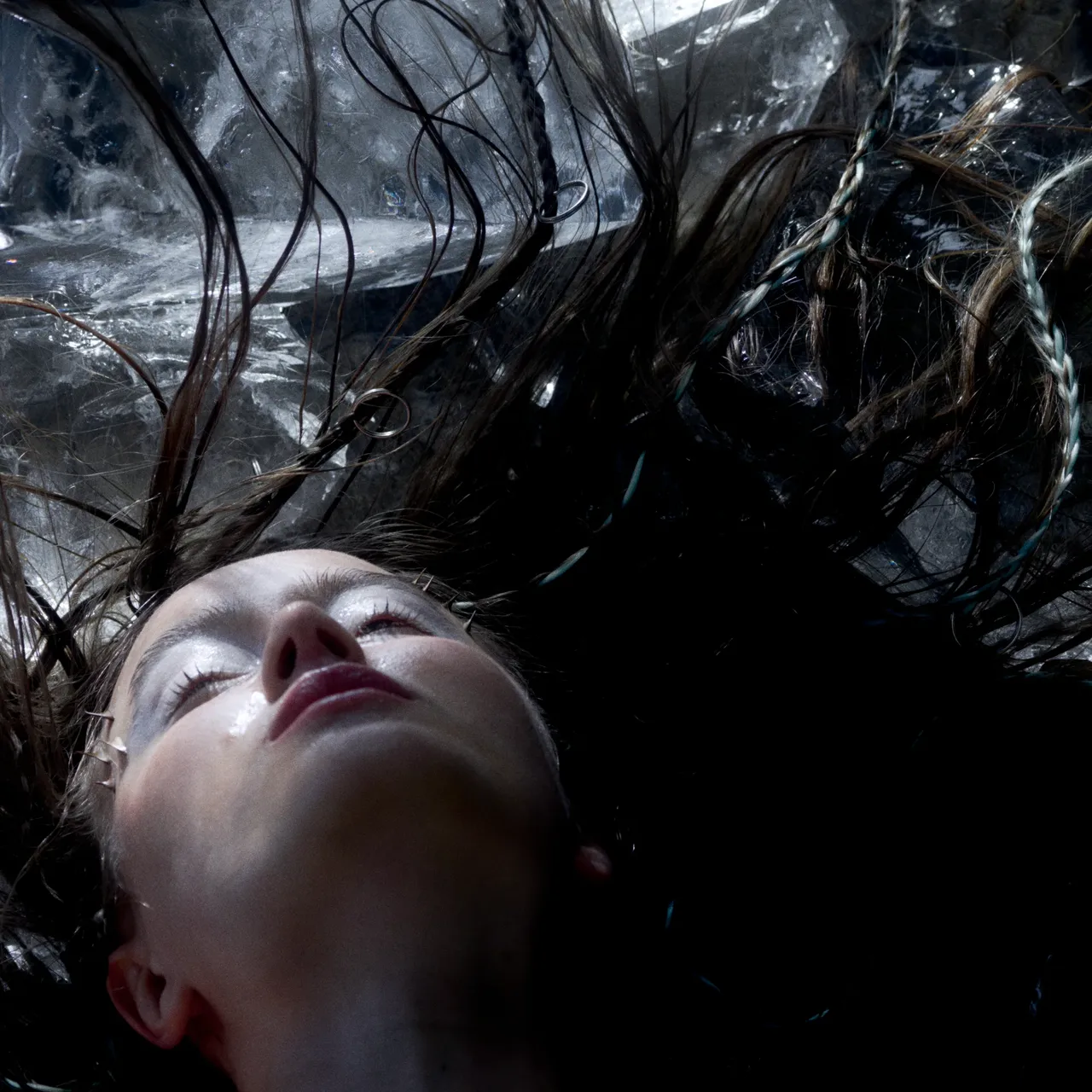
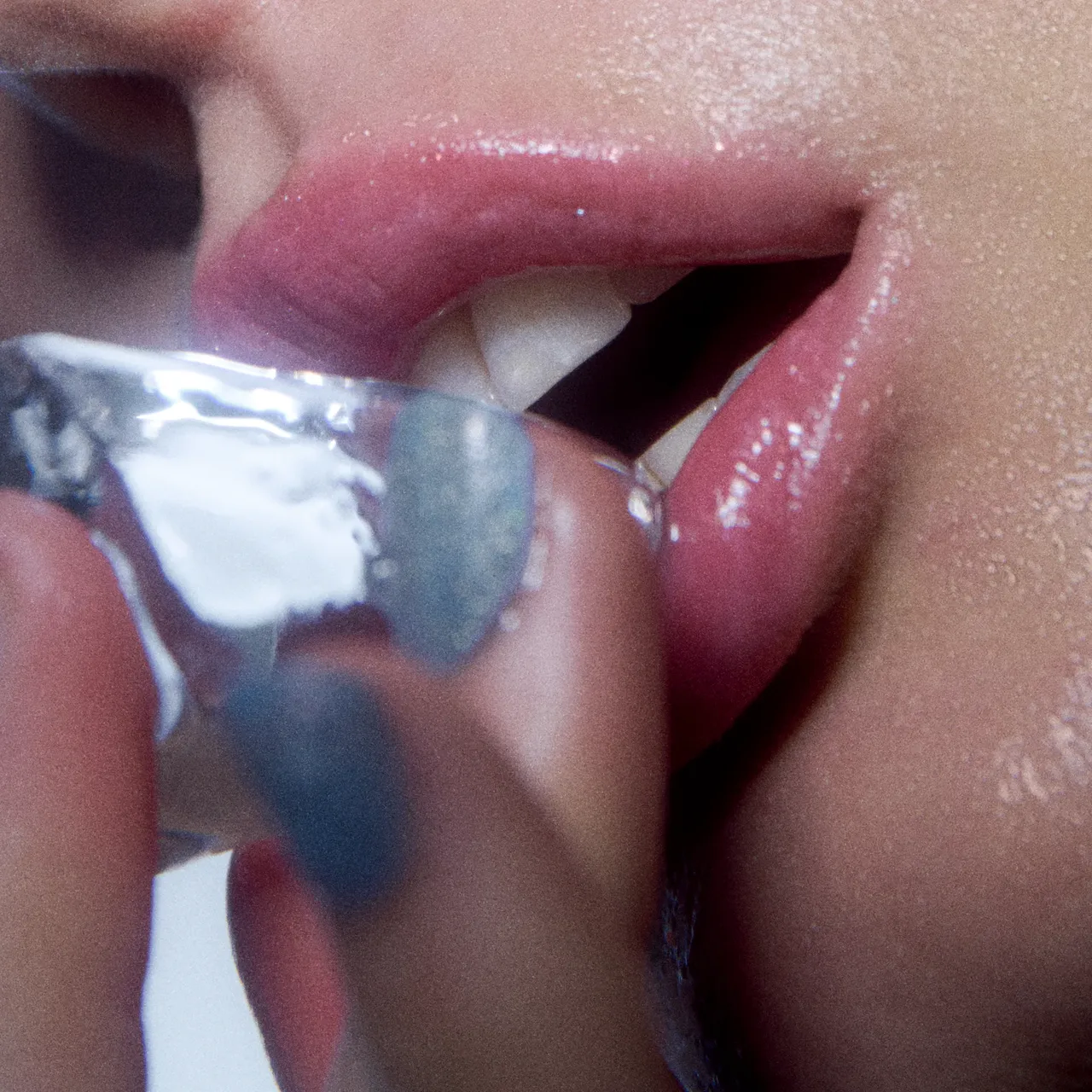
This project is quite a journey, right? It starts in this very trip-hoppy, trippy world and then you travel from carapace to carapace and there's always something being ripped off and then you travel through her brain and you get to the deepest part of her, or of me I suppose. I'm very story and character driven and I'll be picking up on references that come to me along the way. For the first tracks I was obsessed with this Japanese duo from the 90s called Cibo Matto and they inspired Ice Cube Candy that I worked on with Nathan Ridley. Then, I had this very strange night out that inspired Good Girl where I ended up at a casino with someone, it was one of these twelve-hour nights where you end up in Soho and everything's just like dishevelled. So, it's all coming from life and lived experiences, it's the only way I really know how to write.
That’s funny that you mentioned speaking about yourself in third person because I wanted to ask you what the separation between your art and the artist was. Is Josie separate from Child + the banned?
No, not really but I think both Nick Cave and Tim Burton have said this in really interesting ways that sometimes you make a character of yourself so you can be a more truthful version of that self. Somehow, if you think that you have to be a normal functioning person it's very hard to be the boldest you can be but if you take out your soul and mould this figure then you can see and turn this figure, understand the character and yourself.
How did you meet your bandmates?
Emma and I lived in this music commune in the countryside in Denmark together and then we moved to London and we couldn't really afford to be here so we would share a room for almost two years. This always shocks people when we say this (laughs).
A room, really? Not even a flat?
A room, yeah. We're from Copenhagen and Danish so we are quite practical when we have to be, let me just leave it at that. Jacques and Karolina were both studying at Goldsmiths with me and we met at a jazz workshop. I already wanted to make something incredible, so I was picking up on people's energy being like, hey, I'm writing these songs, do you want to play this show with me? And now, we're just really good friends.
How has that relationship evolved?
Playing so many shitty London venues with old drunks and getting paid nothing and all of the things that you go through as a band in London is either gonna split you or it's gonna bring you so much closer together and we are still together.
I saw you guys a few months ago when you opened for Judeline, how was that experience?
Oh, it was incredible. I think Lara [Judeline] is such a beautiful person and carries herself in a very natural way and is very down to earth and even direct with her fans. At the same time, her work is so elevated and her fans are just incredible. It really made me wish I was playing that show; I was like, damn, I wish I was born Spanish or Latin American because these people have so much fun and they're not afraid of it. EartH is just such an iconic venue as well and ever since the first time I went in, I just wanted to play it and, I'm not gonna lie, it made me want to do an arena.
“Your demons are always there and it's how you learn to face them.”
Speaking of Spanish fans and wanting to be born Spanish, did you have any cultural clashes when you moved here coming from Copenhagen?
That's a good question! London is so multicultural that there's something for everyone especially if you're a fiery driven character, then you're definitely gonna meet people here that will be your crowd.
What did you grow up listening to?
Lots of different music. Both of my parents are journalists and my mum used to be a music and film journalist and she used to do these TV interviews for the Danish BBC of Madonna, she went to George Harrison's mansion you know, interviewed Paul McCartney, etc. She interviewed everyone, so she'd always also get all of this music back home, everything from Simon and Garfunkel to Shakira. My sister also had really great music taste and one day she stole my iPod and she would delete all of my music and put all of her music on it, which was quite an amazing new experience to be let into this older girl's head, so I feel like I always get inspired by a good idea, a good line, a world in music. The only thing that doesn't inspire me is if I feel like I've heard it before or someone is trying to be something that doesn't feel quite authentic.
Do you still maintain that Scandinavian connection?
You can't take the Copenhagen out of a Copenhagen girl to some degree, but I also feel like a Londoner. London as a city embraced my energy and I met my people. I moved when I was nineteen, so, I never really got to be an adult in Copenhagen. Copenhagen is also very associated with my childhood and to me so it's funny how that whole place is anchored and carries that emotion, whereas London is curiosity, openness and sensuality.
When you see artists like Erika de Casier or Robyn or Cobrah, your Scandinavian peers, how does that make you feel?
It's really funny because that attention on Copenhagen and on Scandinavia never used to be there. You always had the Swedish who would be doing really well and as a Danish person you were always like, damn, why are we so behind? Why can't we just write a fucking banger? And then it's really nice to see that whole Escho-affiliated movement having so much success, it's really exciting. I am a slightly younger generation than most of those guys, so I'd like to think that while of course there are some common sensibilities I also want to bring something new.
One of the songs on your project is called Mirror Crack and cracked mirrors often symbolise bad luck, release and distorted realities. Is that what you wanted to evoke with that track? What role does that song play within the project?
Within the project, that's the point where we travel through her brain in some form. I almost have this feeling that the mirror is her head or what's right in front of her face, and that's what's cracking, so it's a cracked identity or carapace that reveals something softer.
That's followed by the song Butterfly on Cocaine. How was it working on that song?
It was really interesting because it's a song that has been with me for so long it was really important for me to get it right. We went through such a long process. The first vocal you hear is not recorded in a normal way, it's actually me singing into an old upright piano and then catching the reverb of that, so I'm not even singing into a microphone, I'm singing into a piano. Because for me it's so much about memory, I wanted it to feel haunted.
You’re also quite close with Nick Knight and performed at his ShowStudio in London, how has that relationship come about?
I was working with a really inspiring artist called Michaela Stark and she has been working with Nick for a while. So, I was doing a performance at his studio with Michaela, where I was live scoring a performance of hers, and I met Nick, he really loved the music, we just got along and started working on a couple of films together and then another performance. It's so inspiring to see someone who's had such a big career for so long and yet remains so curious. I love to think that when I'm at a point where Nick Knight is now, that I have the same openness, curiosity, empathy and excitement.
What are some artists you have on your radar right now?
I'm having a little bit of a Sega Bodega moment and a Ninajirachi moment, like all this abrasiveness. I think I'm also getting to a point where I hear so much vibes-based music but I would be very excited to see a resurgence of intentional, catchy, good writing. I am inspired by the Madonnas and the Lady Gagas who will write these incredible songs and still continue to be relevant and twenty years or forty years after. That's what I’ve got my eye on at the moment.
Do you think that lyricism is something your project incorporates?
This record is part vibe and then Butterfly on Cocaine is that song where you could have any production but as a song in itself, in all its nakedness, it holds together and it has a power as a song so I would say that on this record I’m teasing my direction of where I'm going but there's still some good vibes on there.
Where do you see yourself in five years?
My ambitious self would love to make a number one record. I would love to make a record which is just filled with undeniably catchy and weird but undeniable bangers. I don't feel enough people are doing that and that's something that I really want to do. With a well-written song you get into people's brains in a whole other way and it's almost like you inhabit a part deep within them and they can't let go of you, like a little virus that takes place in their body. I love the idea of being that little virus.
I want you to tell me about the horns you have on your face today.
I have a couple of things that I like to do because I can't really do makeup but for one of my releases, a song called No Harm, we made this artwork with my friend George where he covered me in thorns and there was something about this idea of not knowing where the harm came from. Is it coming from within yourself? Is it something ugly that grows from you? But at the same time, it can be quite beautiful, and so I just bring it back a little bit sometimes.
What do you think are some challenges of being an artist in 2026?
Money (laughs). It's hard because everybody is in different situations and some people have more support. I think you had your short answer and I could go on about that but also let's keep optimistic, right? We're here for the big dream.
Lastly, what plans do you have for the rest of the year?
The EP comes out today and then we have our headline show on the 22nd of April with HEZEN, who is supporting and we are very excited. At the same time, we want to do a listening party, as we're releasing a special remix more towards the end of spring or summer. If all goes well, I am recording the second EP now, and let's see if we start teasing that in the fall. It might come out either fall this year or spring next year, but believe me I'm in the studio every single day trying to make the best music that I possibly can and it's very exciting.