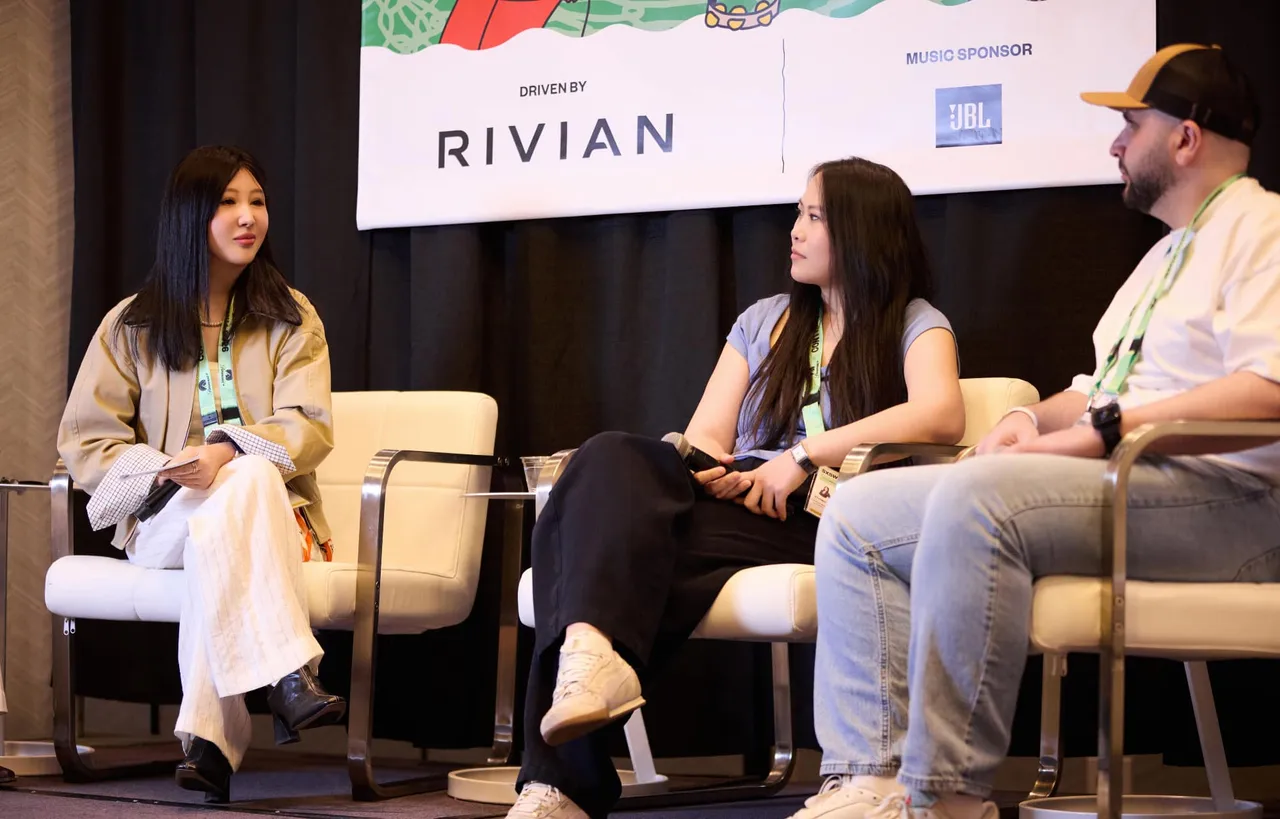
On 16 March, during this year’s SXSW in Austin, Texas, Cheerful Music stepped into one of the festival’s most forward-looking conversations. The label, founded by singer-songwriter-turned-entrepreneur Snow J, joined the panel East x West: Cross-Cultural AI Trends in Music Production, a discussion exploring how AI is reshaping music creation across global markets. Bringing together perspectives from China and the international electronic scene, the session quickly became a focal point for professionals trying to understand where technology and artistry now intersect.
Founded with the ambition of building bridges between the Chinese music ecosystem and Western audiences, Cheerful Music has increasingly positioned itself at the centre of conversations around innovation. At SXSW, Snow J appeared alongside Vivian Wei, Vice President of Copyrights at NetEase Music, and international electronic artist MKJ to examine how AI is transforming not just the tools used to make music, but the structures that define the industry itself.
One of the central themes was scale. As Vivian Wei explained, AI has dramatically lowered the barriers to music production across Chinese platforms, triggering a surge of uploads and an ever-expanding catalogue of AI-assisted tracks. Yet despite the sheer volume of new music, genuine breakout hits remain scarce. Technology can generate abundance, but cultural impact, the kind that resonates with listeners, is still far harder to manufacture.
Cheerful Music’s response to this landscape has been deliberate, and the label integrates AI as a supporting tool while maintaining a strong emphasis on human-led creation. Snow J explained that current initiatives include AI-assisted reinterpretations of popular tracks and the development of a virtual artist, all while continuing to invest in songwriting camps and projects rooted in traditional Chinese instrumentation.
The conversation also turned to audiences. According to Wei, Chinese listening habits have remained remarkably consistent over the past decade, with Mandopop and R&B ballads continuing to dominate mainstream charts. For artists hoping to enter the market, understanding these cultural preferences may be far more important than chasing the novelty of AI-generated music.
As the panel moved toward questions of copyright and royalties, the speakers acknowledged that regulatory frameworks are still catching up with technology, yet one conclusion stood out. As Snow J summarised during the discussion, “The faster AI develops, the more valuable human-created music becomes.”