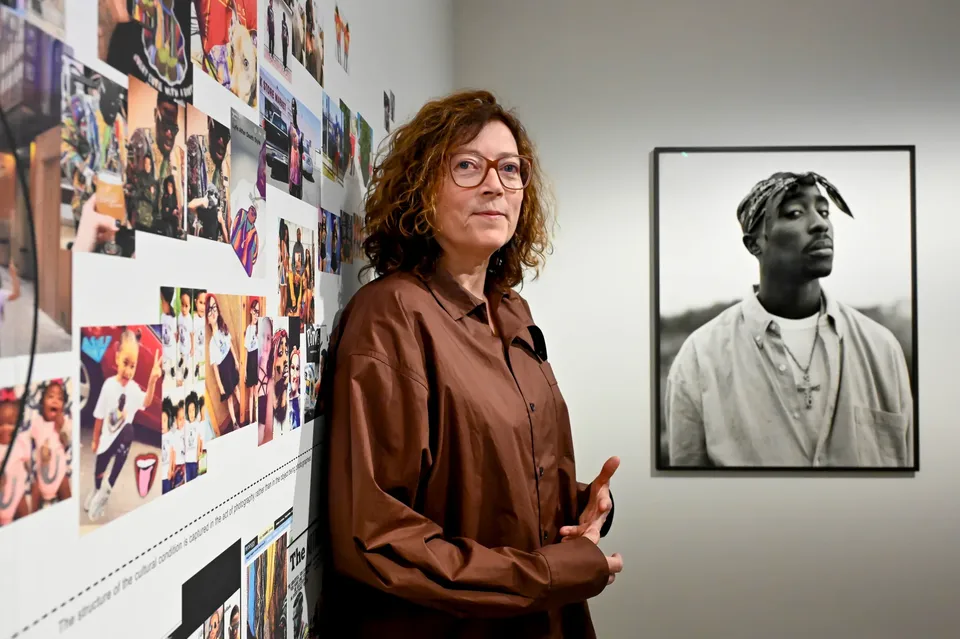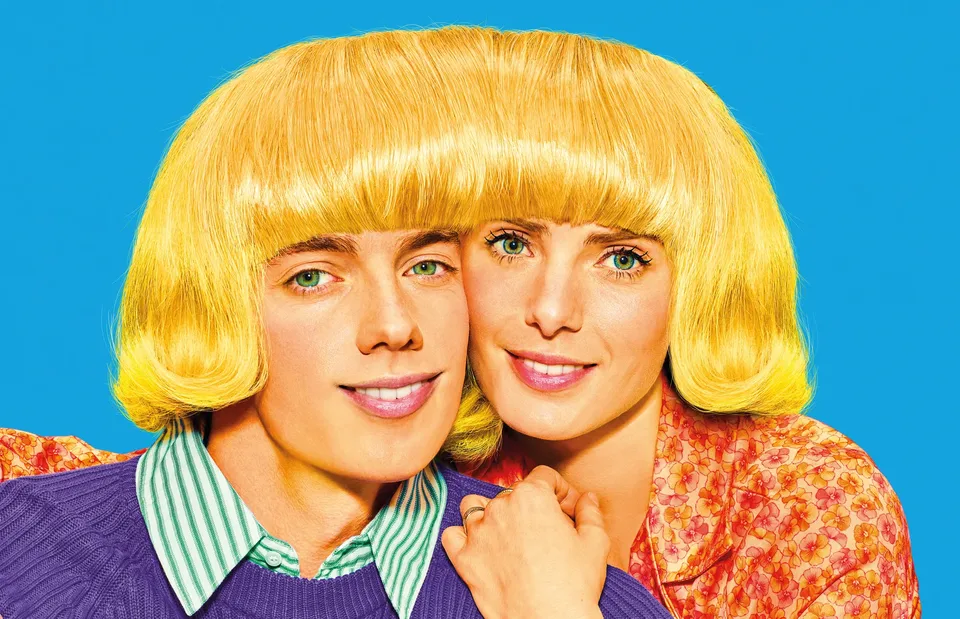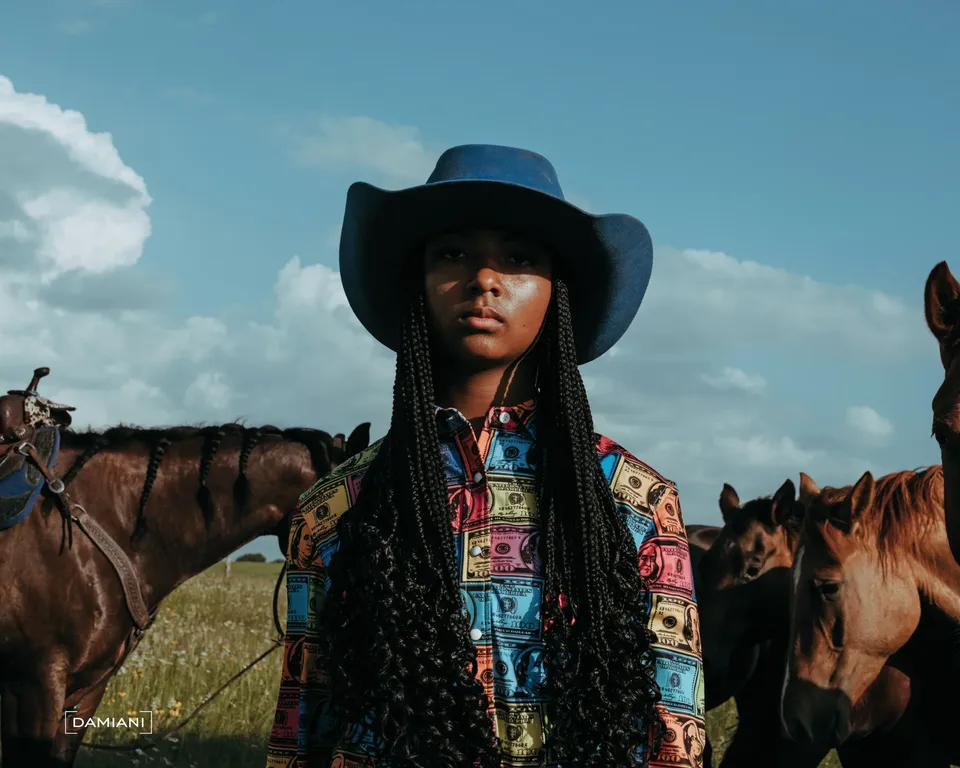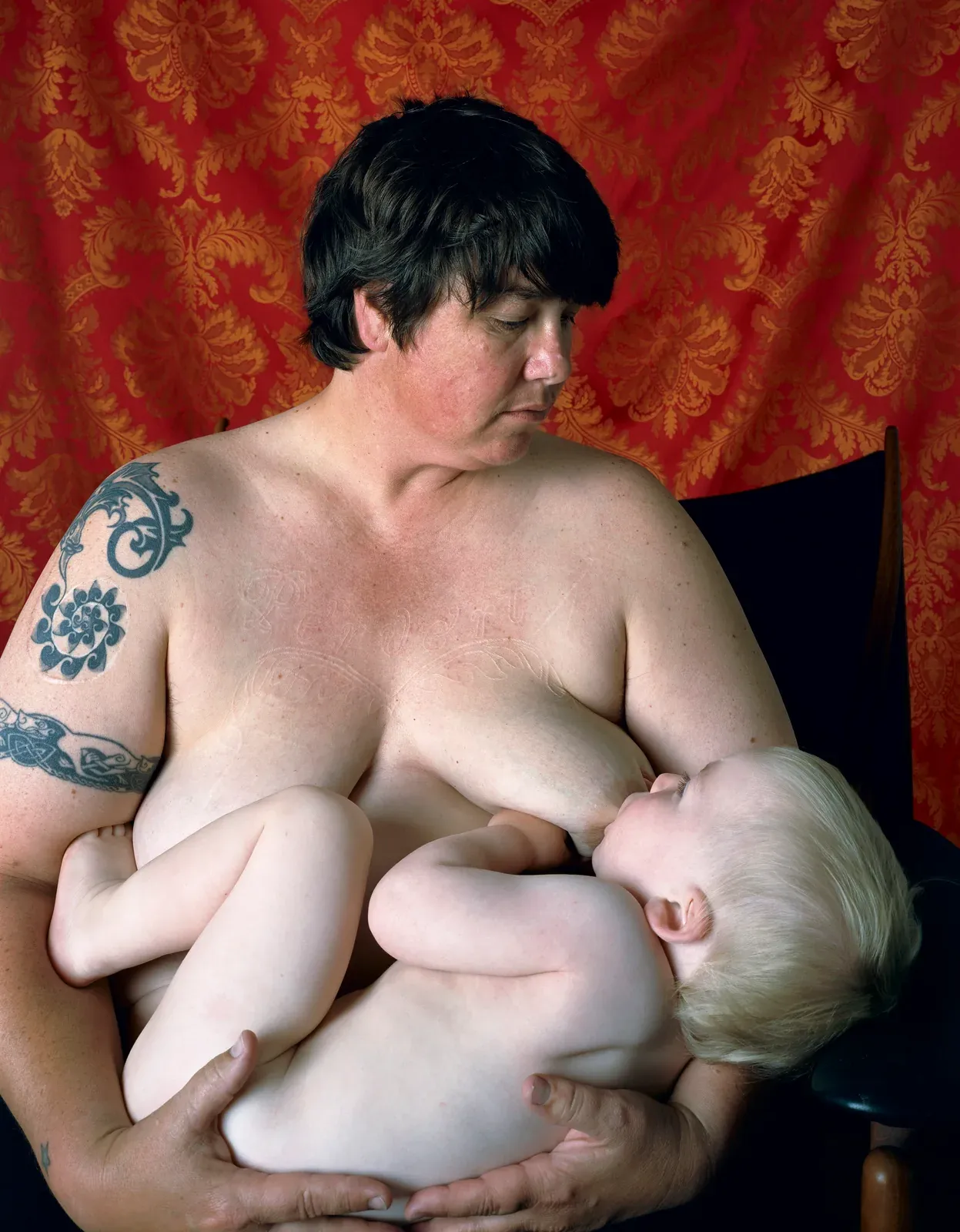
Representation of marginalised communities has always been limited; it’s something we’ve regrettably grown accustomed to in society. And, as art comes under attack, the aperture of inclusion dwindles. This lens will widen and narrow as the years go on, but there will always be someone excluded from its gaze. Catherine Opie’s lens, however, has maintained its breadth, featuring everyone and everything from queer companionship to high school football players. Now, her first major UK exhibition at the National Portrait Gallery in London, Catherine Opie: To Be Seen, is on display until 31 May, fulfilling her mission to explore and foster belonging through portrait photography.
Portraiture as a form of visibility has historically been reserved only for those who held a societal importance: kings, queens, nobility, politicians. Opie reimagines this medium for the masses. It is a form of art that automatically centres your attention on the subject, peering into another soul framed and hung up in front of you. Where the way someone plucks their eyebrows, holds their arms, or ever so softly parts their lips says as much about them as their diaries could. The intimacy of Opie’s portraits unveils a life we may never have known otherwise.
Within that question of visibility, queerness emerges as a central theme developing the show into a commentary on representation, or lack thereof, and the deep hunger for an authentic portrait that doesn’t seek to facilitate queer caricatures. Everyone deserves to be seen, to be loved, to be understood. But as a queer person, it is that much harder to find pockets of the world that take you in as their own. That’s why chosen family and community are integral to queerness and are prominently shown in Opie’s oeuvre.
We first see her community in one of her early collections, Being and Having (1991), where she photographs a group of her lesbian and queer friends performing masculinity through artificial facial hair, macho expressions, and hairstyles. Up close, you can see the glue of mustaches or the subjects almost breaking character. It serves as a reminder of the performativity of gender, not just for queer people but cis-straight people as well. It’s not something you’re born with but socialised into regardless of circumstance. With this collection, performance is tangible, made more obvious to show the absurdity of gender.
Opie has stated that she takes inspiration from Hans Holbein the Younger, a 16th-century Renaissance portraitist who worked almost exclusively with the aristocracy. By ennobling her models, Opie encourages a reverence for real, at times forgotten, people. Her work with high school American football players may seem unrelated to this message at first glance, as their social position is secure and respected for its ultra-masculine and rugged exterior. But, in speaking with these young boys, she finds many of them turned to football for the possibility of a professional sports career or scholarship instead of their fallback plan of joining the military after high school. These traditionally strong embodiments of masculinity are rethought as vulnerable, trapped between the precipices of competitive athletics and the military industrial complex that preys on those who may have no other option.
Self-Portrait/Cutting (1993) may be one of her most well-known portraits featured in this exhibition. It shows her bare shoulders with a childlike drawing of a house and two mothers cut into her skin. The engraved scene was done by her friend, Judie Bamber, who had never done such carving before. As Bamber drew blood, careful not to slice too deep, the image took on an apprehensive sensibility, as though they were unsure of committing to a lifelong branding of a familial scene. But this is exactly how Opie wanted it to appear; the unsure lines of the house, varying depths drawing more or less blood, questionable expressions on the figures’ faces. She wanted this to show her own apprehension toward domesticity, motherhood, and partnership. These are themes that, especially in the 90s and early 2000s, were never shown as queer phenomena, yet, as a woman, were engraved into her life’s purpose since she was a child.
The blood also serves as a conduit to highlight the AIDS crisis which, during the mid-90s, was at its peak, becoming the leading cause of death for all Americans aged twenty-five to forty-four. Opie’s 1993 self-portrait showed solidarity with those who were at heightened risk, but was also a tool to work through her own grief of friends who had died due to the epidemic. On a wider scale, it also exemplifies the camaraderie of lesbians who, especially during this time, were some of the fiercest accomplices of justice and humanity.
Catherine Opie: To Be Seen reflects on the photographer’s work, on her childhood, and on her community that built her into the person she is today. Its glaring relevance to today’s social and political climate is unnerving, exposing the danger of regressive nostalgia that pursues a puritanical image of the world. Opie’s emphasis on community, solidarity, and collaboration offers hope from a generation we can turn to who has overcome and found those pockets of love amidst brutality.
Catherine Opie: To Be Seen is on view through May 31st at the National Portrait Gallery, St. Martin's Pl, London
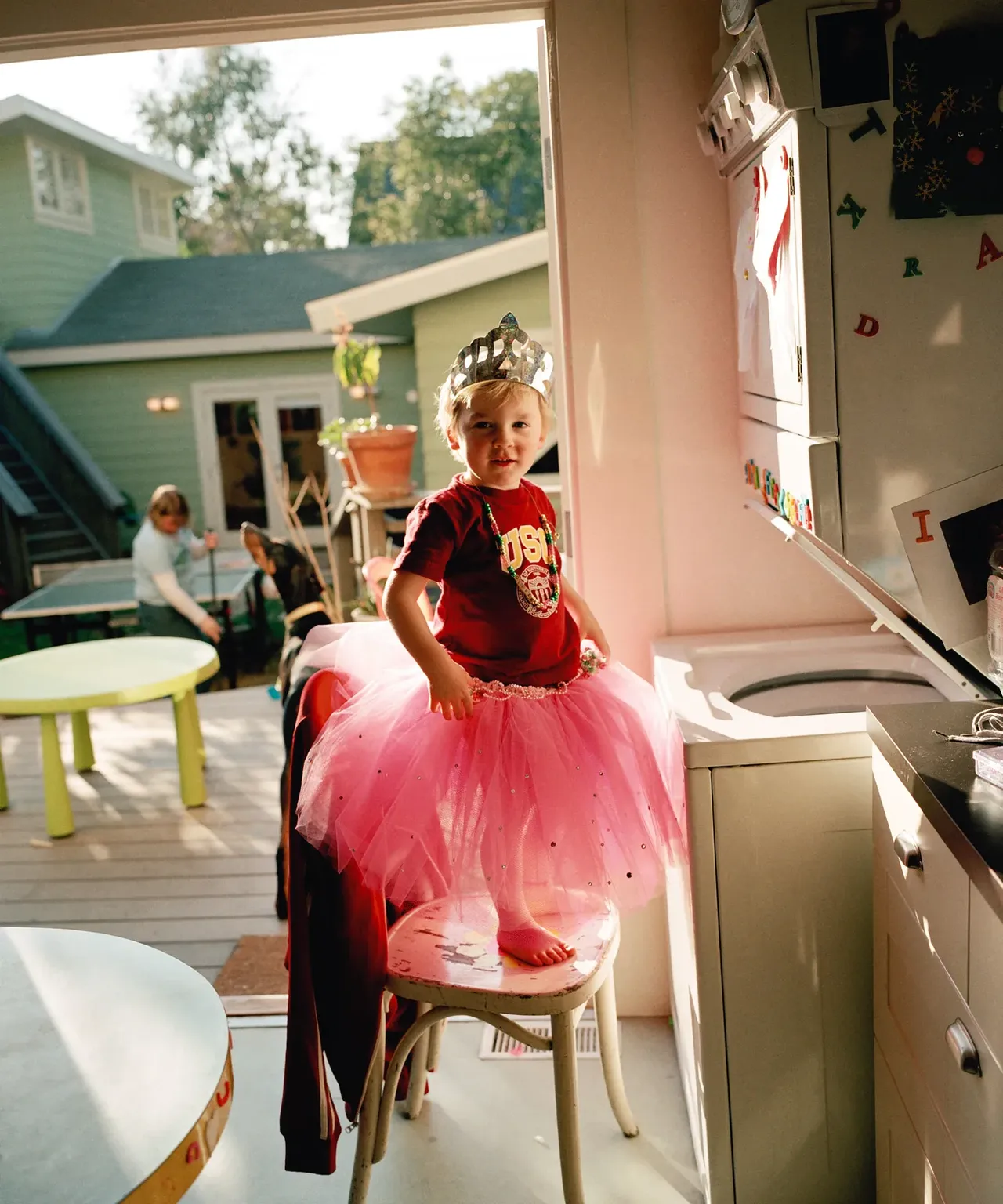
Oliver in a Tutu by Catherine Opie. 2004 © Catherine Opie
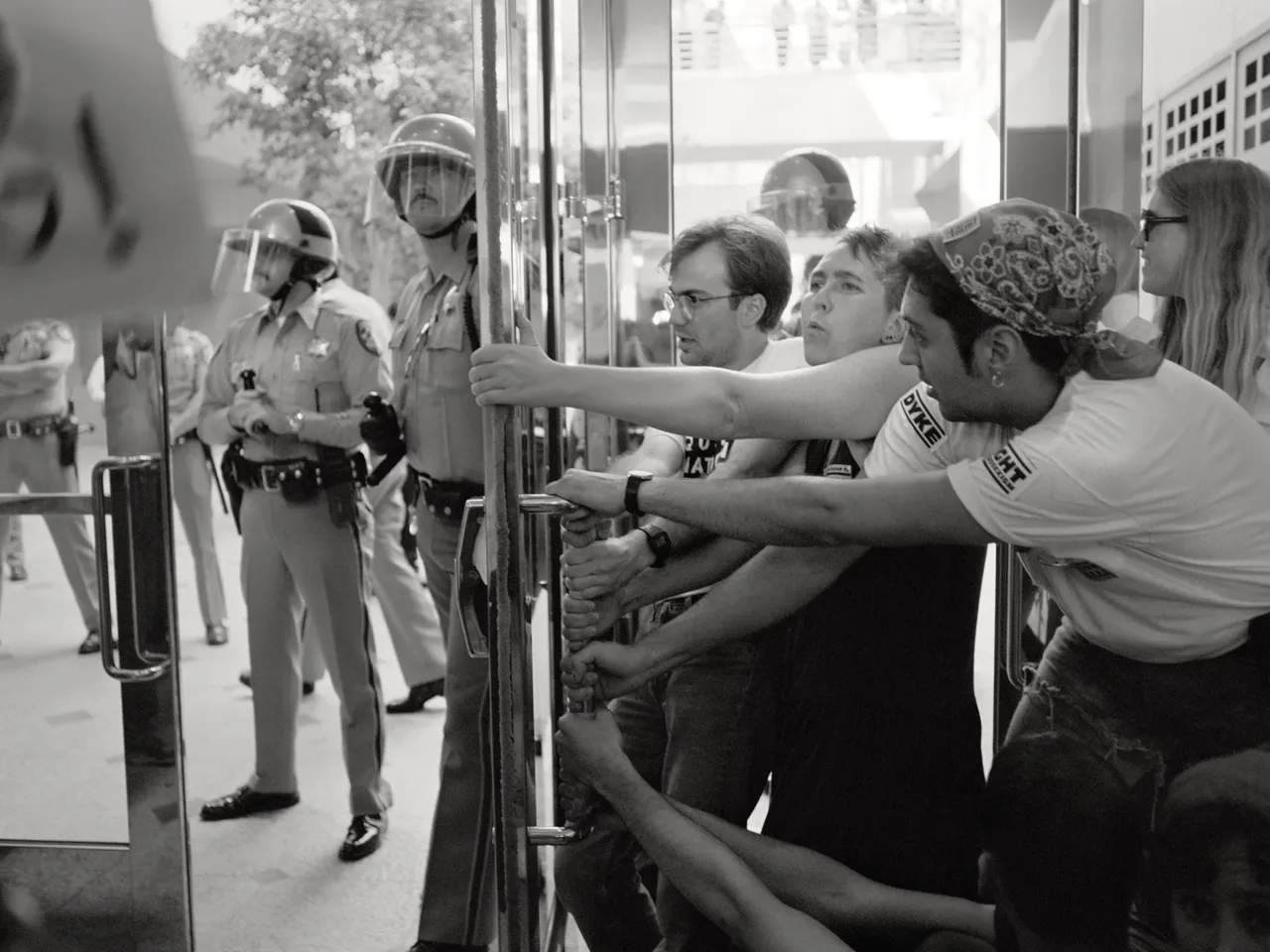
AB101 Demonstration by Catherine Opie, 1991 © Catherine Opie
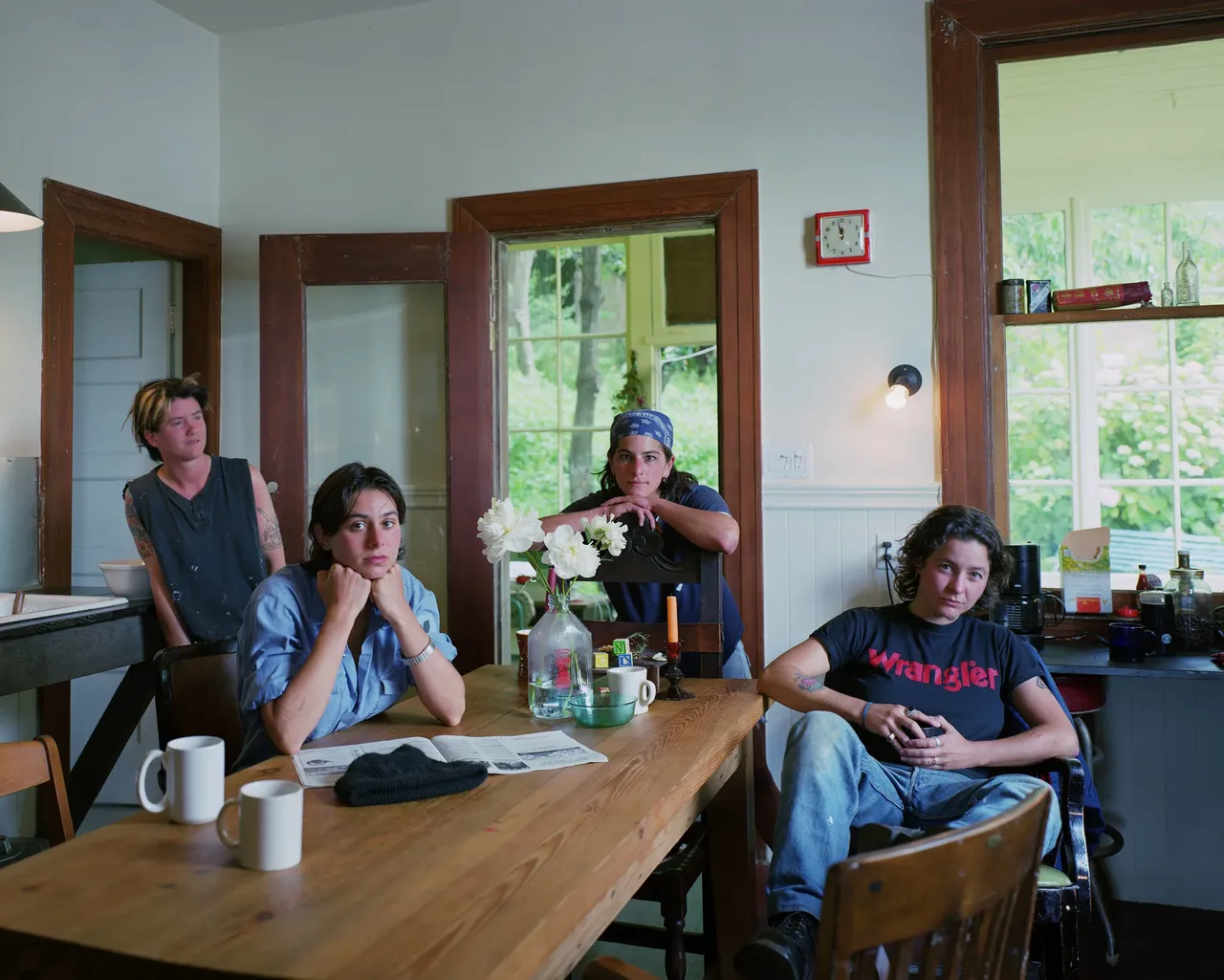
Flipper, Tanya, Chloe & Harriet by Catherine Opie, 1995 © Catherine Opie
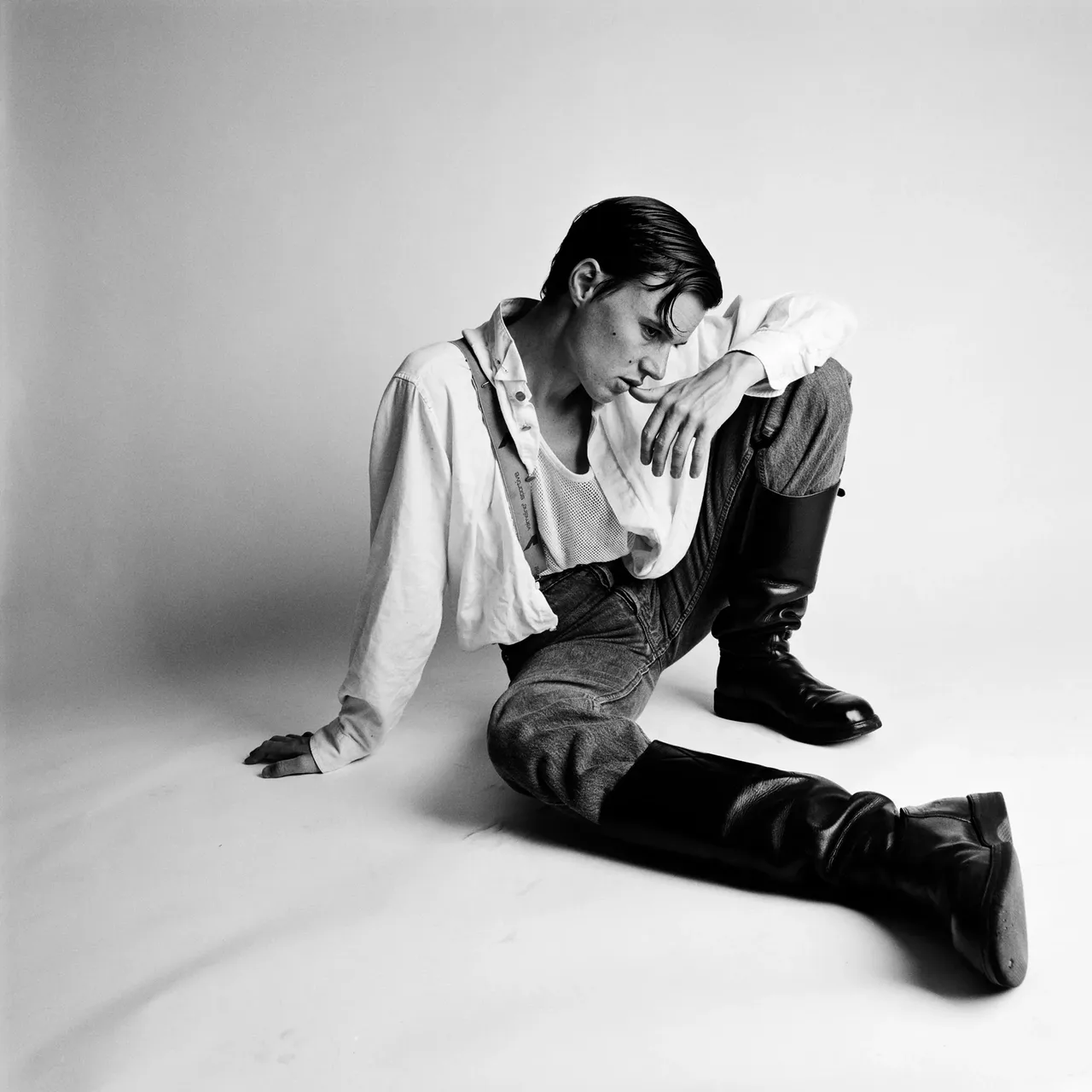
Angela (boots) by Catherine Opie, 1992 © Catherine Opie
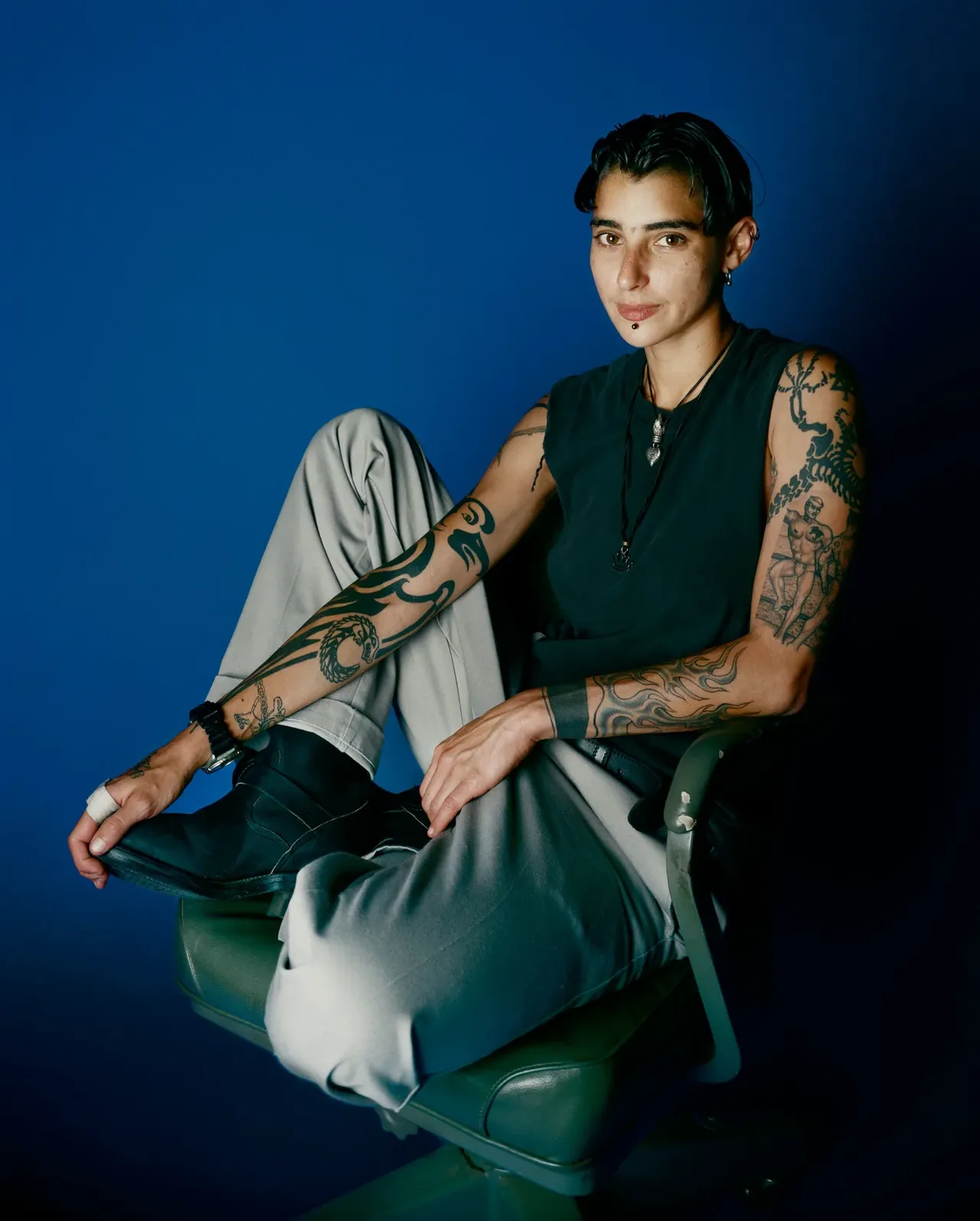
Alistair Fate by Catherine Opie, 1994 © Catherine Opie
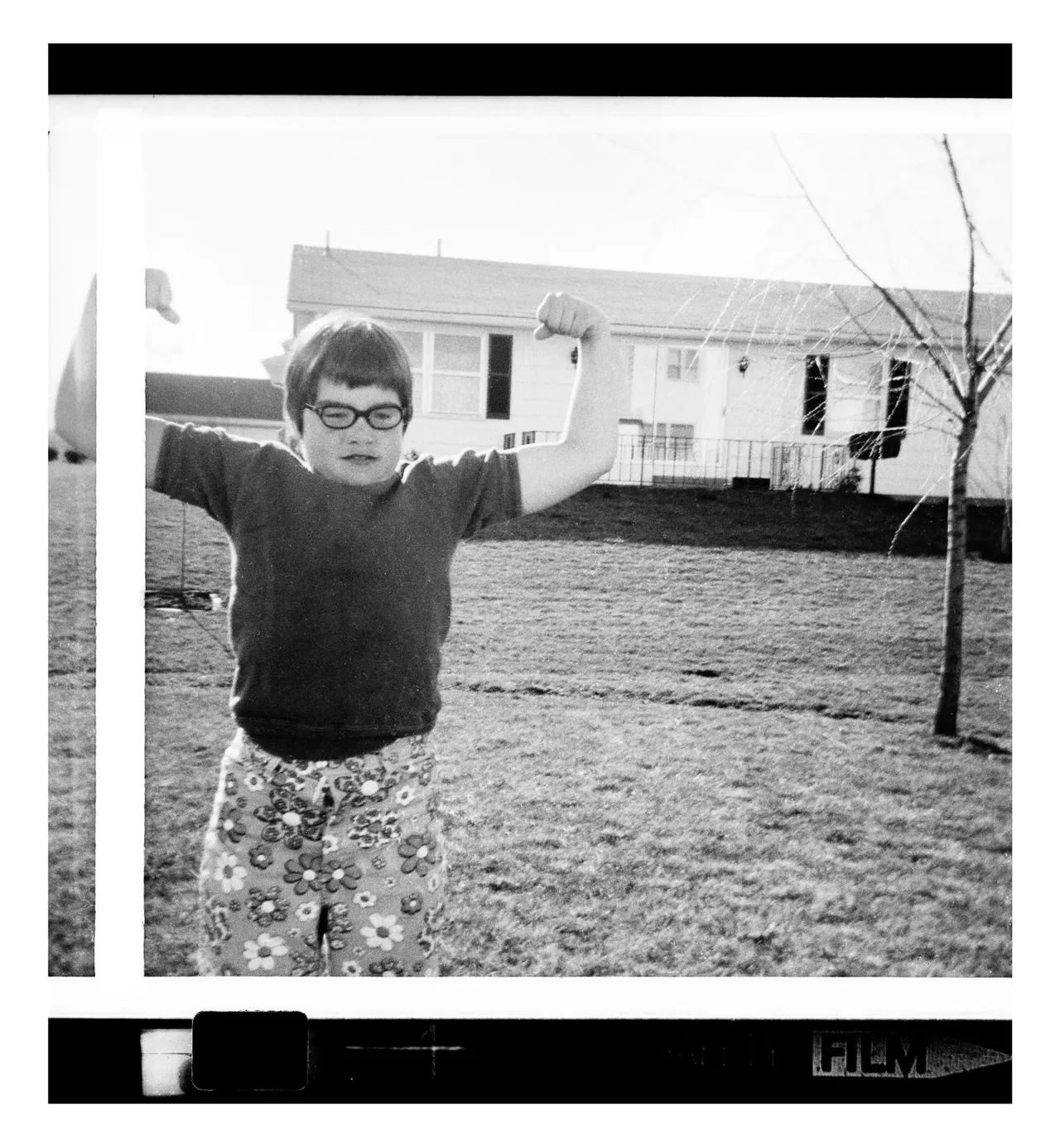
Self-portrait By Catherine Opie, 1970 © Catherine Opie