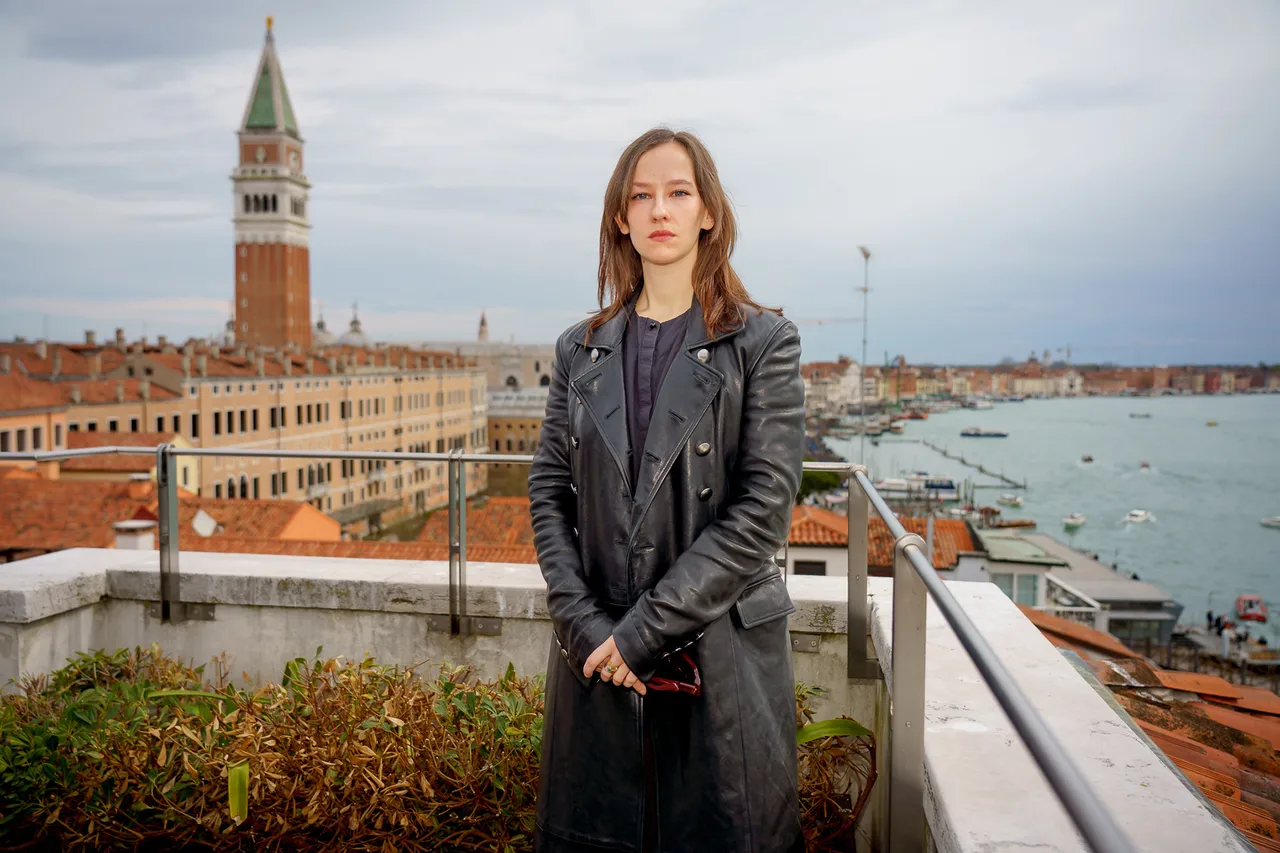
How do you take on the massive challenge of curating the Venice Biennale? One of the most respected cultural institutions in Europe – and arguably the world – La Biennale di Venezia has been a pillar of the art world for over a century, gathering some of the most relevant names of the moment. This year, the organisation made an incredibly bold move by appointing Caterina Barbieri as the Artistic Director of Biennale Musica, the branch of this vast institution dedicated to, you guessed it, the musical aspect.
From 11 to 25 October, a wide range of artists, musicians, and composers gathered in the arrestingly beautiful Italian city to perform newly commissioned pieces. In past editions, though, the audience hadn’t had to confront such singular, experimental, hard-to-classify works. But thanks to this year’s theme, The Star Within, the acts posed questions on the ever-expanding boundaries of music and sound. As Caterina Barbieri tells us in this interview, “It’s more of a poetic and symbolic image of music as ‘the star within,’ something that opens us to a wider dimension of interconnection with the cosmos, something beyond our ego and individual existence.”
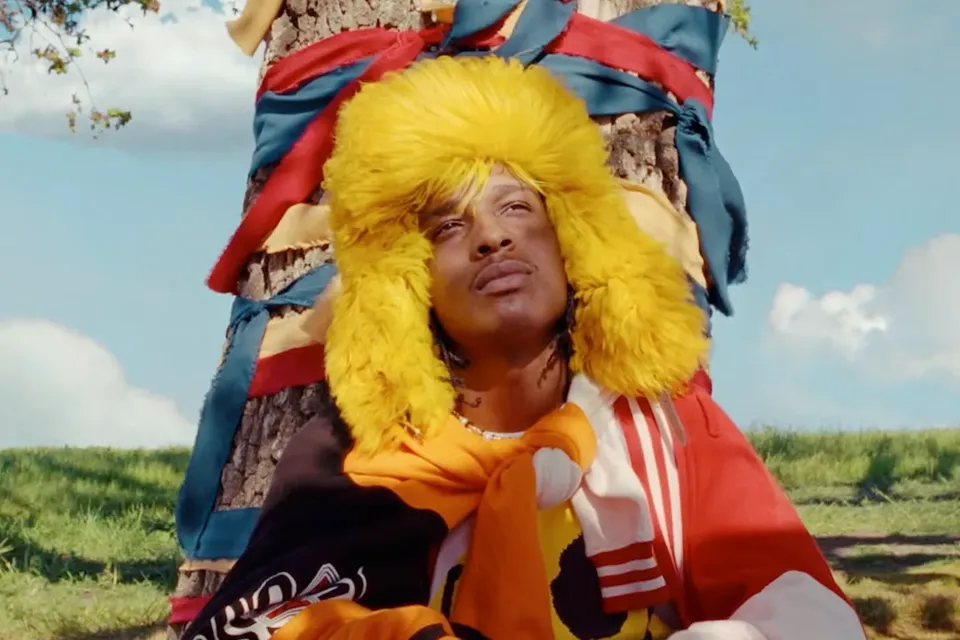
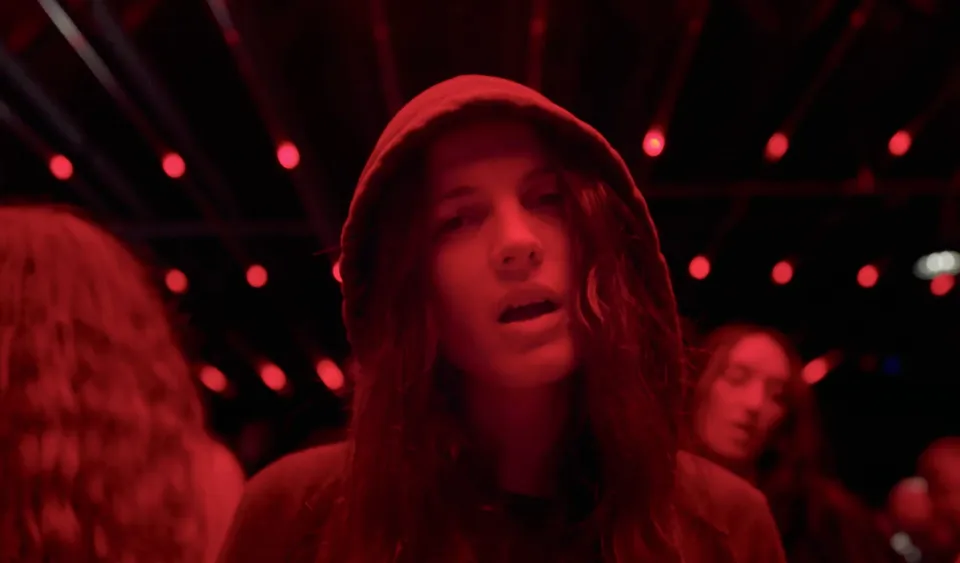
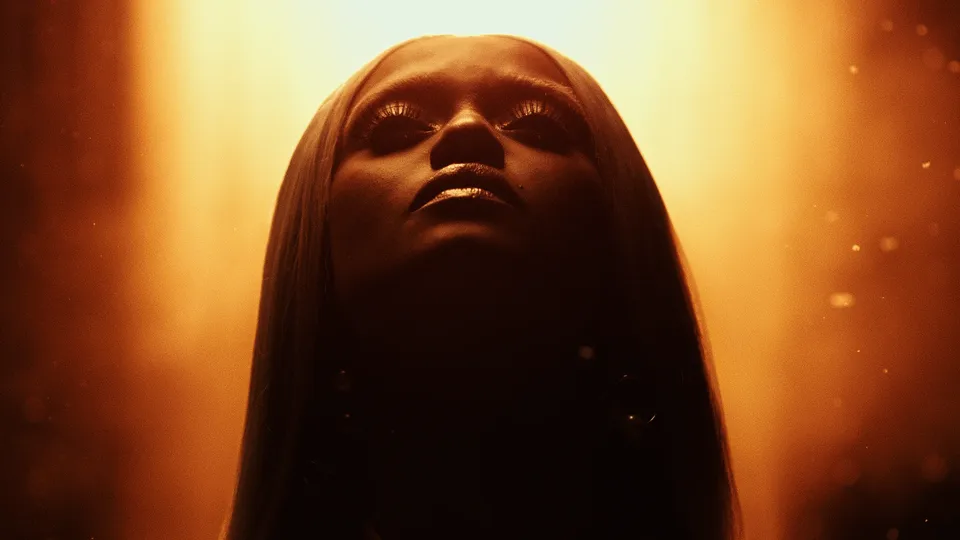
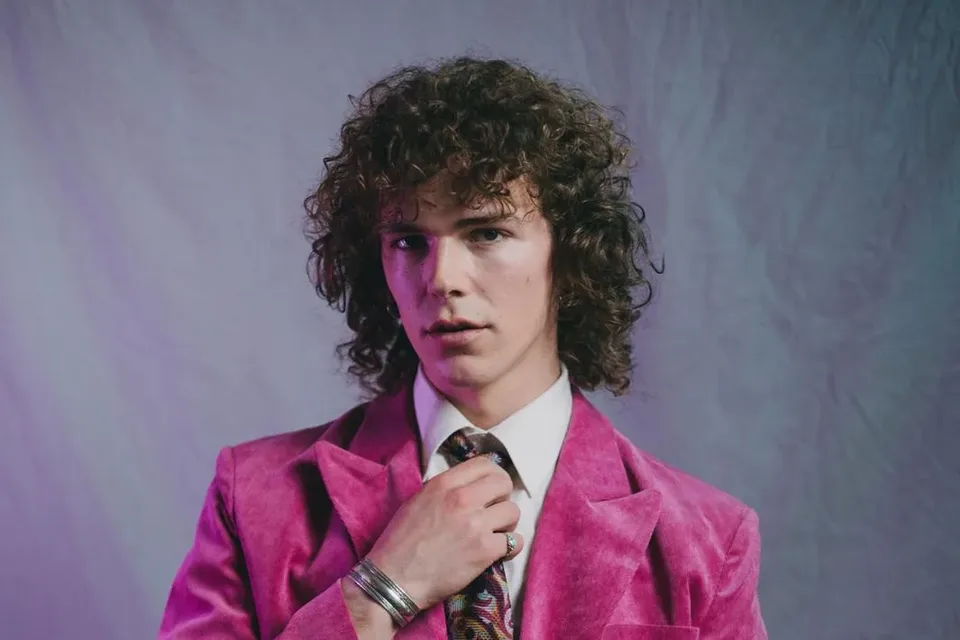
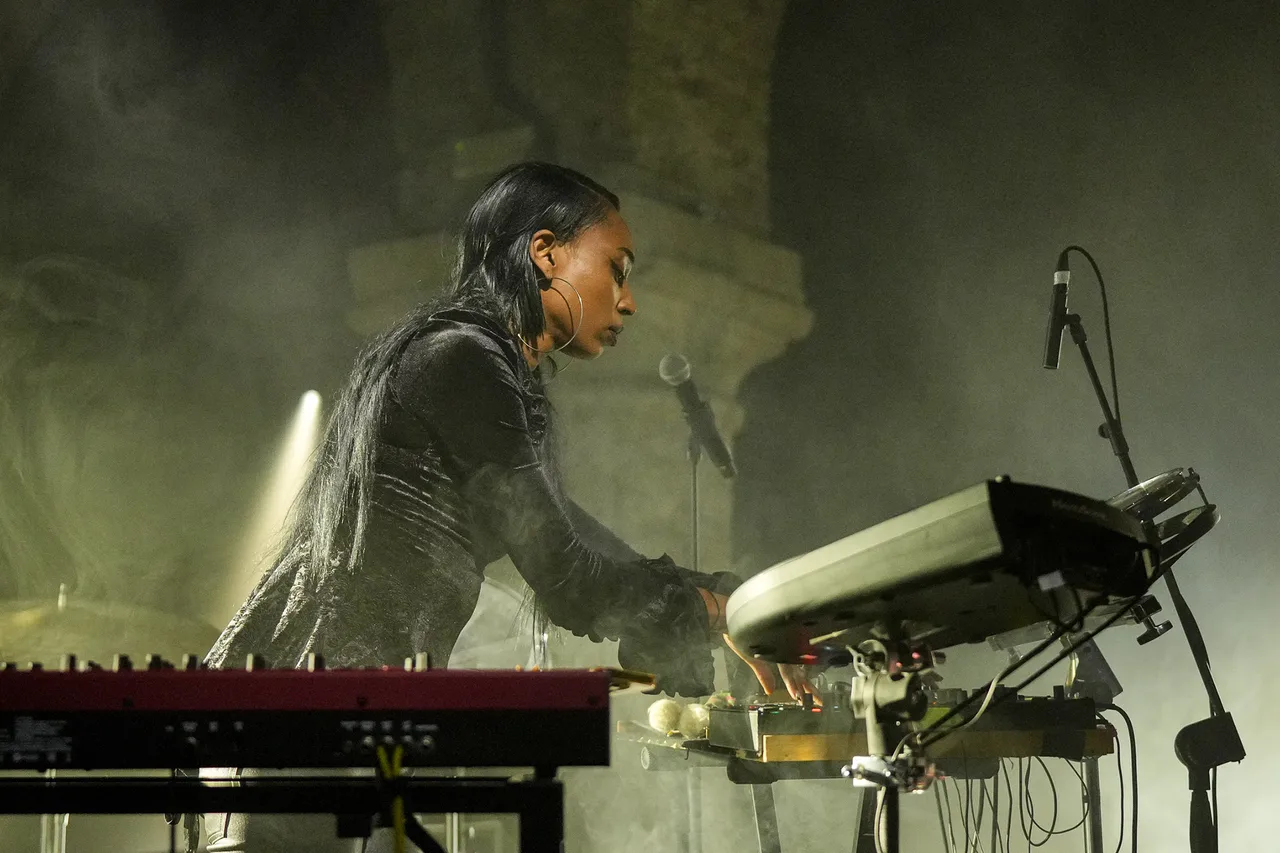
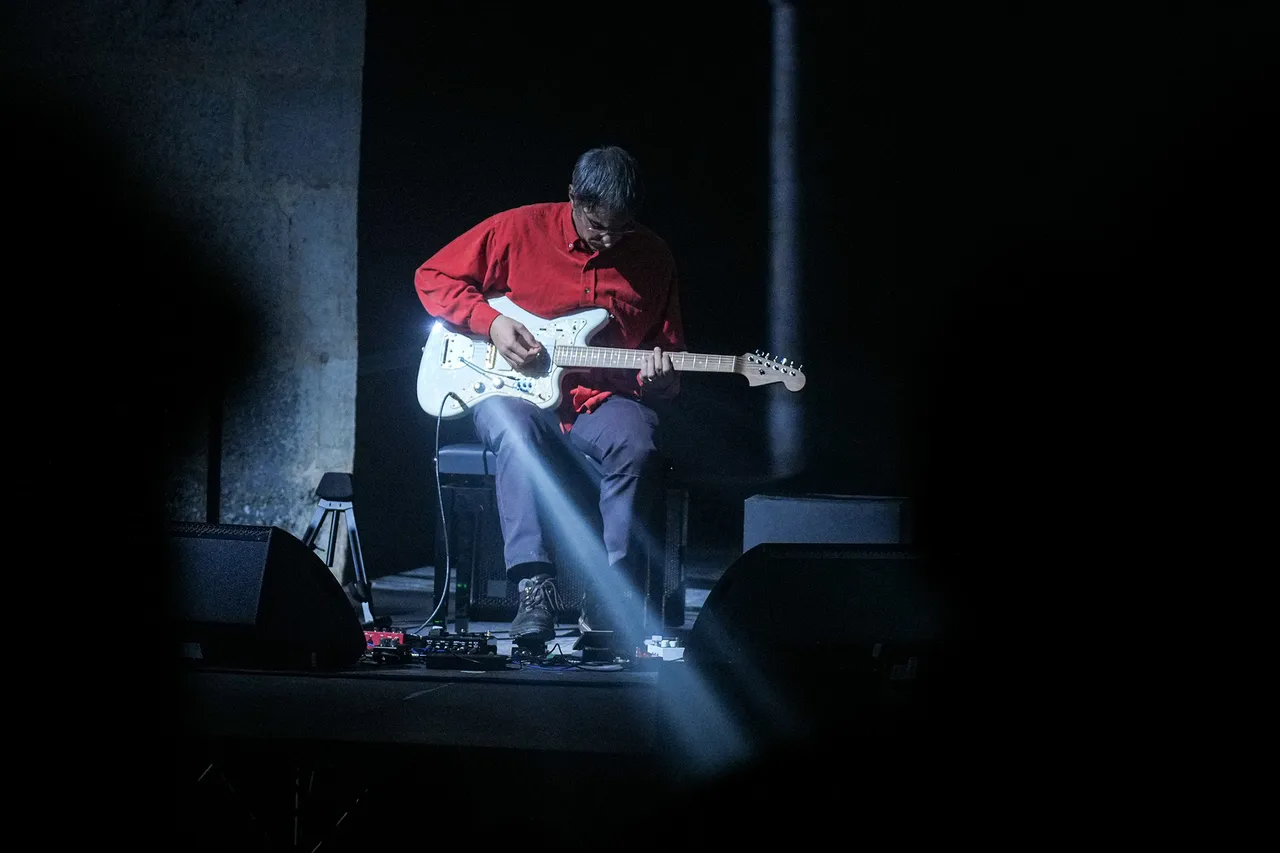
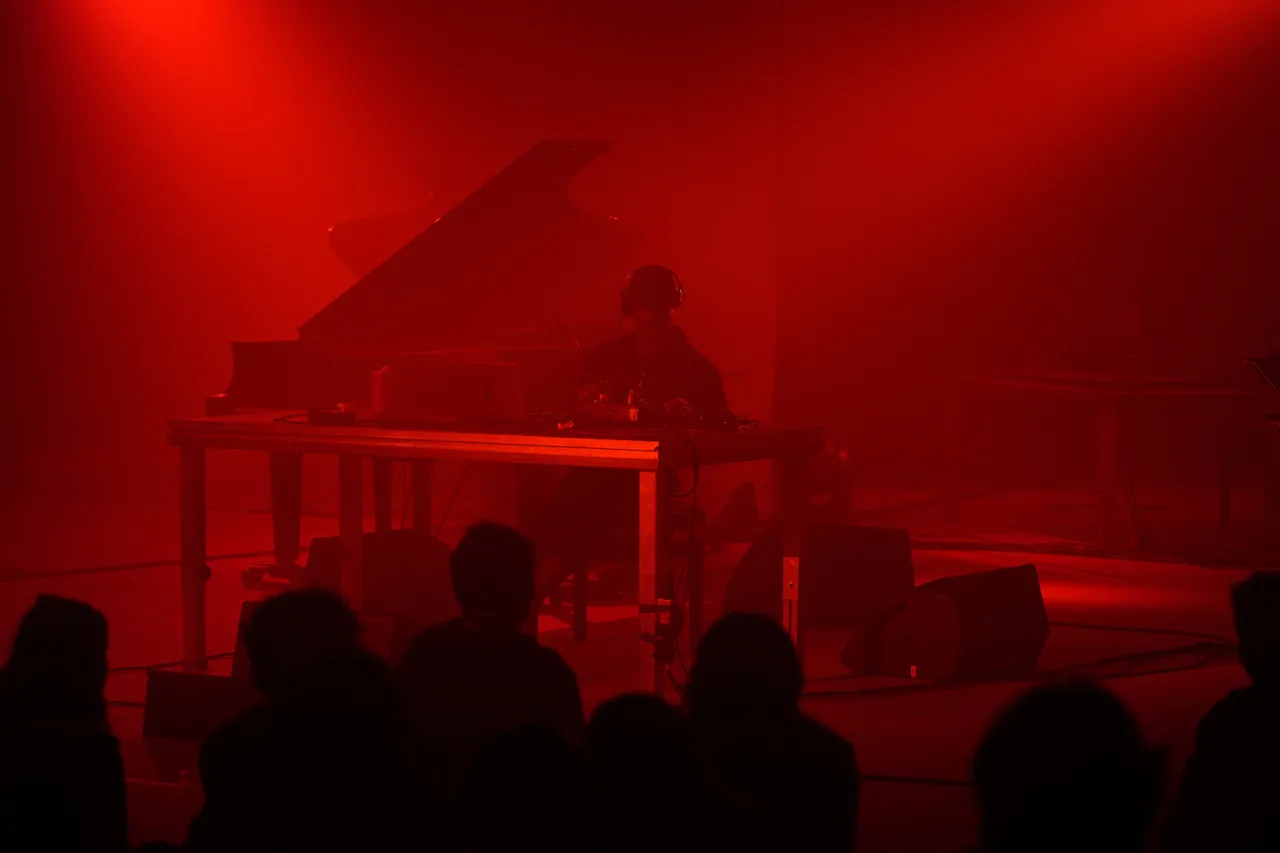
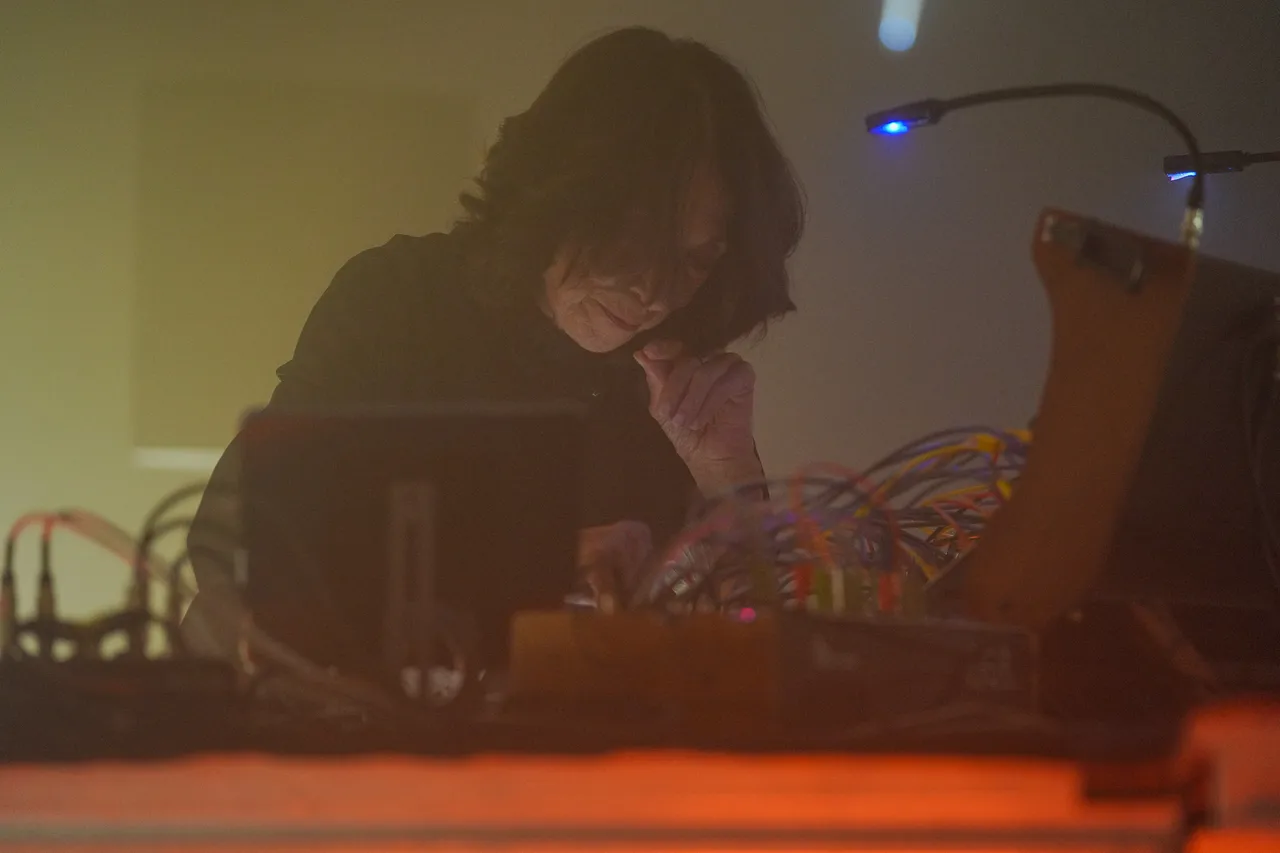
And who exactly has Barbieri programmed to reflect this poetic concept? A wide range of artists working across multiple media, instruments, genres, and techniques, including Golden Lion recipient and cross-disciplinary pioneer Meredith Monk, William Basinski, Abdullah Miniawy, Ecco2k, Moor Mother, Sunn O))), DJ Marcelle, Asa Chang, Bendik Giske, Nkisi, Rafael Toral, DeForrest Brown Jr., Actress, Suzanne Ciani, and Carl Craig, to name a few.
On the last day of Biennale Musica, we had the immense pleasure of sitting down with Barbieri to discuss the hardships of fighting bureaucracy, using machines as oracles in the creative process, how she experienced this year’s edition, and what she has planned for 2026, when she’ll return as Artistic Director.
How and when did you receive the news that you’d be the Artistic Director of Biennale Musica? Did you apply for the role somehow?
No, I was touring in Asia last October when I received these messages on WhatsApp from the president of La Biennale, Pietrangelo Buttafuoco, and I actually ignored them for maybe two weeks — I’m like this, I never reply. I thought he wanted to interview me and I’m a bit protective. Then he insisted and said, “I really need to talk to you.” We arranged a call and he was very straightforward, asking me if I wanted to take on the direction of Biennale Musica.
It came unexpectedly, of course, because calls for something so important are always unexpected. But in the past few years, I’ve collaborated more and more with the Biennale, culminating in my participation last year in the Italian Pavilion — I composed the music with Kali Malone for it. I think that was part of this process of collaboration with them, but of course, this is a great opportunity to bring my vision to a more institutional level.
It came unexpectedly, of course, because calls for something so important are always unexpected. But in the past few years, I’ve collaborated more and more with the Biennale, culminating in my participation last year in the Italian Pavilion — I composed the music with Kali Malone for it. I think that was part of this process of collaboration with them, but of course, this is a great opportunity to bring my vision to a more institutional level.
You have an incredible academic background. How do you think that intellectual approach has helped you face the challenge of curating the Biennale Musica?
I think it helped me because there is a strong theoretical side to research, and it’s something that has informed my practice as an artist too. When you start touring so heavily, you focus a lot on your career, so for me this has been an opportunity to go back to studying, expanding my interests, and reconnecting with the kind of research I was doing during my university years or when I was establishing my practice. So it’s been useful, especially my studies in literature and philosophy, because I like to have a bit of a philosophical and poetic framework.
The last female director of Biennale Musica, Lucia Ronchetti, also shared a similar background: graduated from the conservatory and with university studies in philosophy. And she’s also Italian. Did you ever talk with her about taking on the Biennale Musica?
No, but she reached out to congratulate me. Of course, I studied what she did in the past, and I think she opened up a certain kind of curation that is more accepting of electronic music, for example — she did one edition where electronic music had a strong presence. In a way, there are some connections. But her path has been very different: she has mostly worked in the contemporary classical and academic world.
I come from an academic background but I sort of broke away from it because it felt too conservative sometimes. This is also why I moved away and based myself in a city like Berlin, where it feels more fluid in terms of languages and cultural codes. So yes, there are some connections, but also very different approaches.
I come from an academic background but I sort of broke away from it because it felt too conservative sometimes. This is also why I moved away and based myself in a city like Berlin, where it feels more fluid in terms of languages and cultural codes. So yes, there are some connections, but also very different approaches.
This year’s theme is The Star Within. You say that music is “the desire for great things, for vastness,” and that sound “permeates the cosmos and pierces us through with ecstasy.” Could you elaborate on how this concept translates into a concrete musical programme or audience experience?
I think it’s more of a poetic and symbolic image of music as ‘the star within’ — something that opens us to a wider dimension of interconnection with the cosmos, something beyond our ego and individual existence. This is an idea of music that resonates with me, with my practice, and with how I approach other people’s music. It’s been a compass to navigate the present. It’s a very abstract concept in some ways, so I don’t know how to answer. I followed this idea and tried to create a programme that was centred around the theme of cosmic music. The idea is more about music and its generative nature, and how it can create new worlds beyond the static idea of genre, style, geography, or time.
The programme is a testament to this because there’s very different stuff happening. My idea was to create resonance between different musical styles. In the past, as we were saying, the Biennale has been more about contemporary classical music and the idea of a seated concert. To bring a new audience into this music, my aim has been to break certain expectations and combine acts that might sound different but can surprisingly create connections, so people listen to it in a more open-minded way, hopefully.
The programme is a testament to this because there’s very different stuff happening. My idea was to create resonance between different musical styles. In the past, as we were saying, the Biennale has been more about contemporary classical music and the idea of a seated concert. To bring a new audience into this music, my aim has been to break certain expectations and combine acts that might sound different but can surprisingly create connections, so people listen to it in a more open-minded way, hopefully.
“What is scary about AI for me is that it’s too sophisticated, polished, and perfect. You lose the magic of the happy accident, of the unpredictability, of the mistake, of the vulnerability, which is what triggers creativity.”
One of the highlights of the programme, which you awarded the Golden Lion, is Meredith Monk. I didn’t know about her work until this year thanks to a recent documentary, Monk in Pieces, so I thought this was a beautiful, cosmic coincidence. When did you first hear about her, and why did you feel it was important to include and award her decades-long career?
I knew her work but didn’t have a strong personal connection with it. Then I heard this song by Dean Blunt, which is incredible and based on a sample he took from a piece by Meredith Monk, Vessel: An Opera Epic. It’s an amazing song based on the Hockets, a vocal composition she has explored a lot. It’s split between two voices with these ping-ponging high pitches. This was my portal into her work.
She’s a female pioneer and she’s achieved a lot, and for me it was important to give the Golden Lion to a figure like that. The multidisciplinary breadth of her work — I find it very contemporary. It’s hard to define her practice; it’s not just music, it’s also poetry, theatre, dance, choreography, and architecture.
She’s a female pioneer and she’s achieved a lot, and for me it was important to give the Golden Lion to a figure like that. The multidisciplinary breadth of her work — I find it very contemporary. It’s hard to define her practice; it’s not just music, it’s also poetry, theatre, dance, choreography, and architecture.
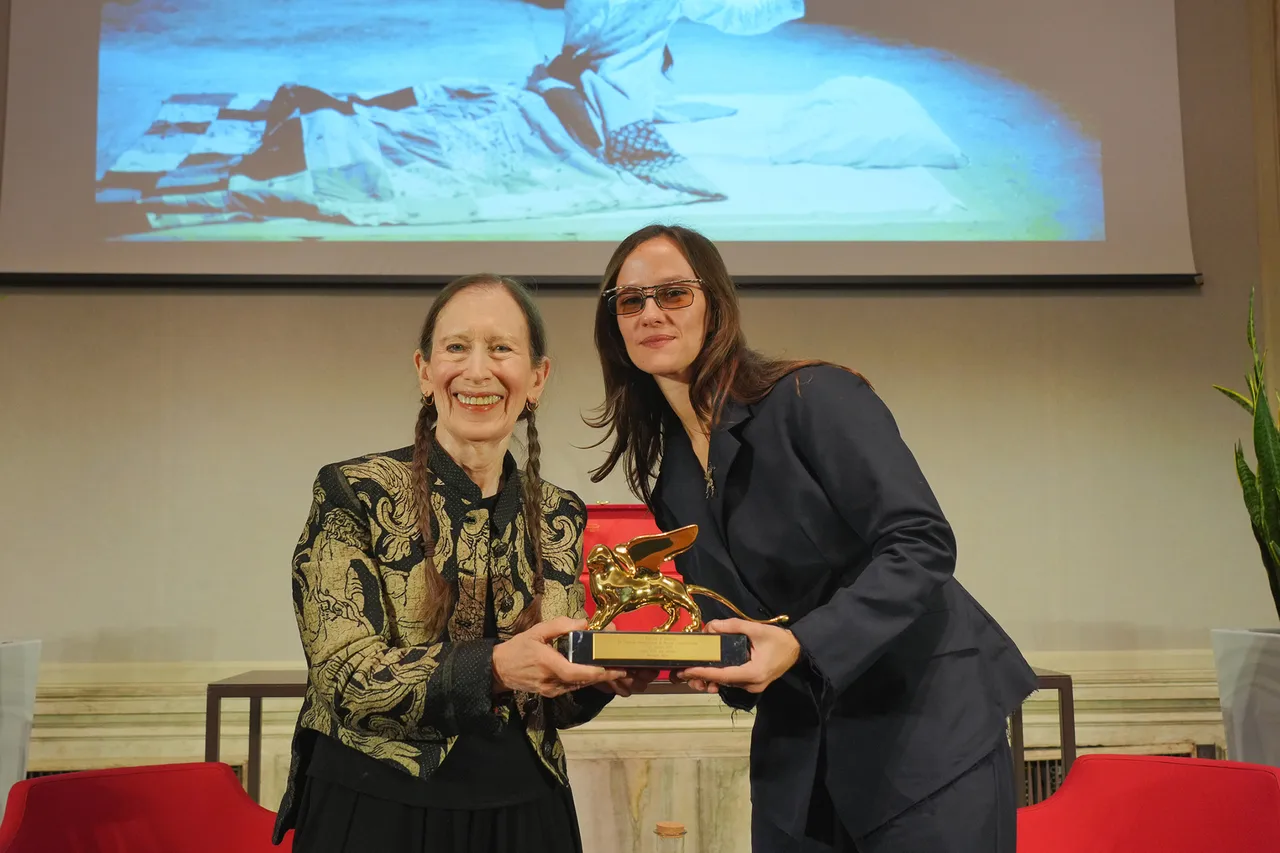
Meredith Monk & Caterina Barbieri
I’d like to talk a bit about your work outside of the Biennale. You often describe your compositional process as an integrated cognitive circuit, so I wonder: at what point does the machine intelligence of the sequencer stop being a tool and begin to be a co-composer? Especially now that AI software is starting to create its own work without an artist behind it.
That’s scary. I have to say that technology is a big part of my creative process, but I haven’t used artificial intelligence because the sequencers that I employ are quite old-school — they’re hardware machines and take a lot of time to programme manually, so they don’t have much autonomy. I use these sequencers more as a source for certain creative processes. For example, producing random or semi-random combinations of tones, some unpredictable stuff. For me, what’s interesting about the machine is this active dialogue, not the machine just creating on its own. It’s almost like an oracle — I ask a question and then I see what the answer is, and I build my own reasoning and process based on these answers. But it’s very active.
What I also like about the machine is its fallibility; when it makes a mistake or there’s some unpredictable stuff, some glitches, some accidents. Usually, that’s the spark for creativity. What’s scary about AI for me is that it’s too sophisticated, too polished, too perfect. You lose the magic of the happy accident, of unpredictability, of the mistake, of vulnerability, which is what triggers creativity.
What I also like about the machine is its fallibility; when it makes a mistake or there’s some unpredictable stuff, some glitches, some accidents. Usually, that’s the spark for creativity. What’s scary about AI for me is that it’s too sophisticated, too polished, too perfect. You lose the magic of the happy accident, of unpredictability, of the mistake, of vulnerability, which is what triggers creativity.
As the Biennale comes to a close, I’d like you to reflect on your own experience. You’ve attended everything, so how has it been?
It’s been an emotional overload, especially the first week. I basically invited all my favourite artists — it’s really like this. It’s been great to experience premieres of new works from my favourite artists, what an honour! It’s always great to see their usual shows, but we had the privilege of commissioning new works, which is exciting and unique. It’s been nice to see that the artists are so happy to be in Venice and have this opportunity. I’ve had such peaks of emotion over the past few days. I can’t believe it’s coming to an end today.
You’re the Artistic Director for another year. With this edition’s experience, how do you envision the 2026 Biennale Musica?
This year was a lot of work just to get to know the mechanisms of the Biennale because it’s a big institution, so this has been the main struggle. Coming from another world like music festivals or a context like Berlin, it’s tough. I want to experiment with new formats, even just formats of listening or gathering, but it’s tough when you have to deal with a big institution. Sometimes certain ideas I have, I have to compromise or find ways to make them work within this big machine. But I’ve gathered some experience and next year I’ll try to push even more, be more radical, and maybe hack the bureaucracy. Let’s see. But it’s very nice to work at this level and have this infrastructure.
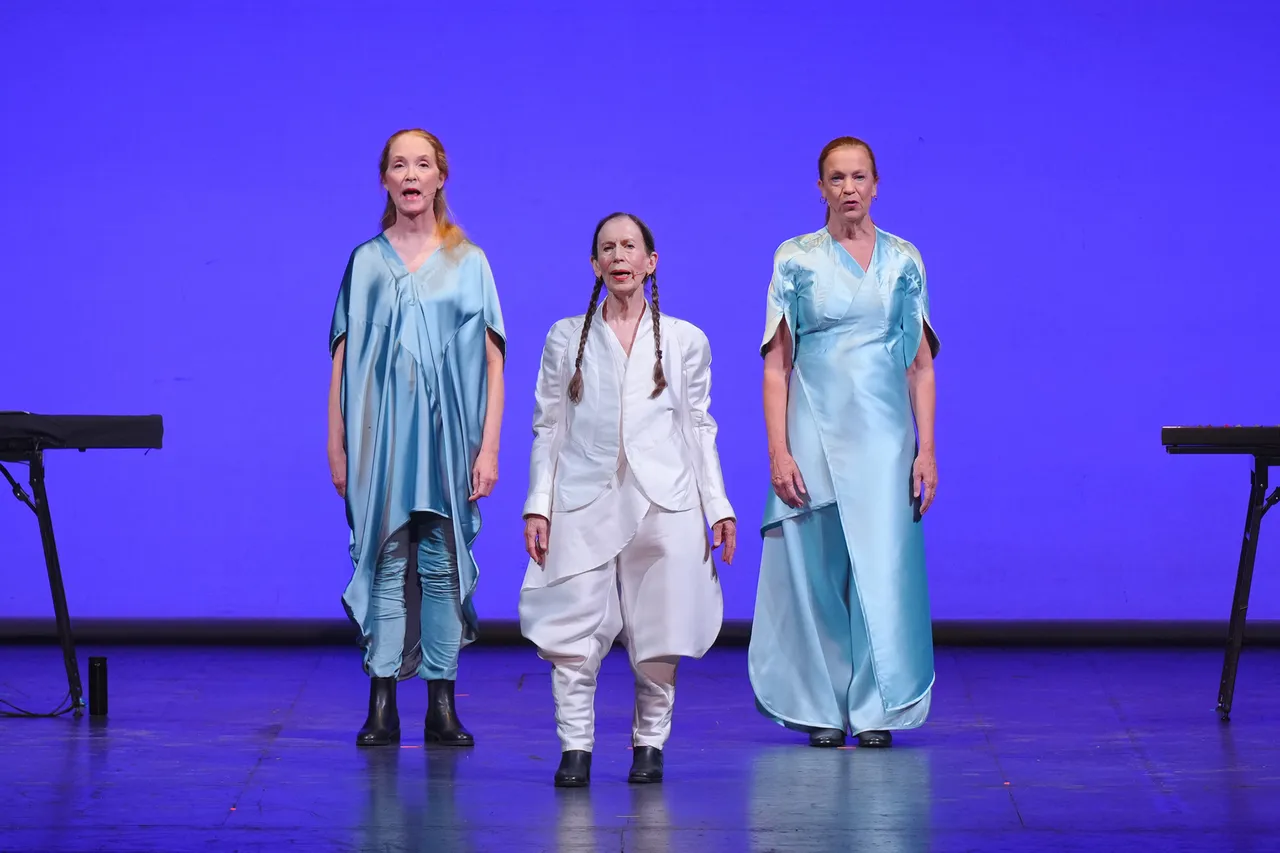
Meredith Monk
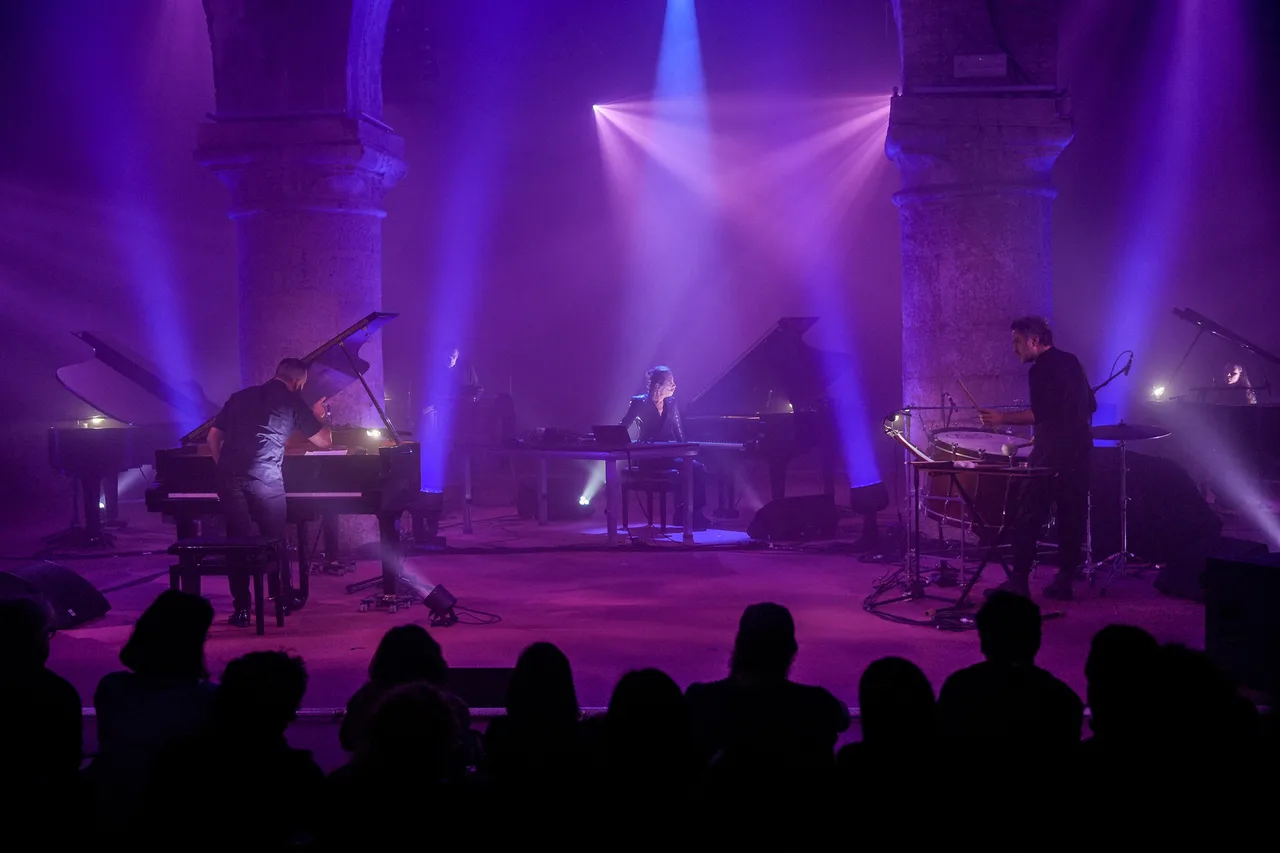
William Basinski
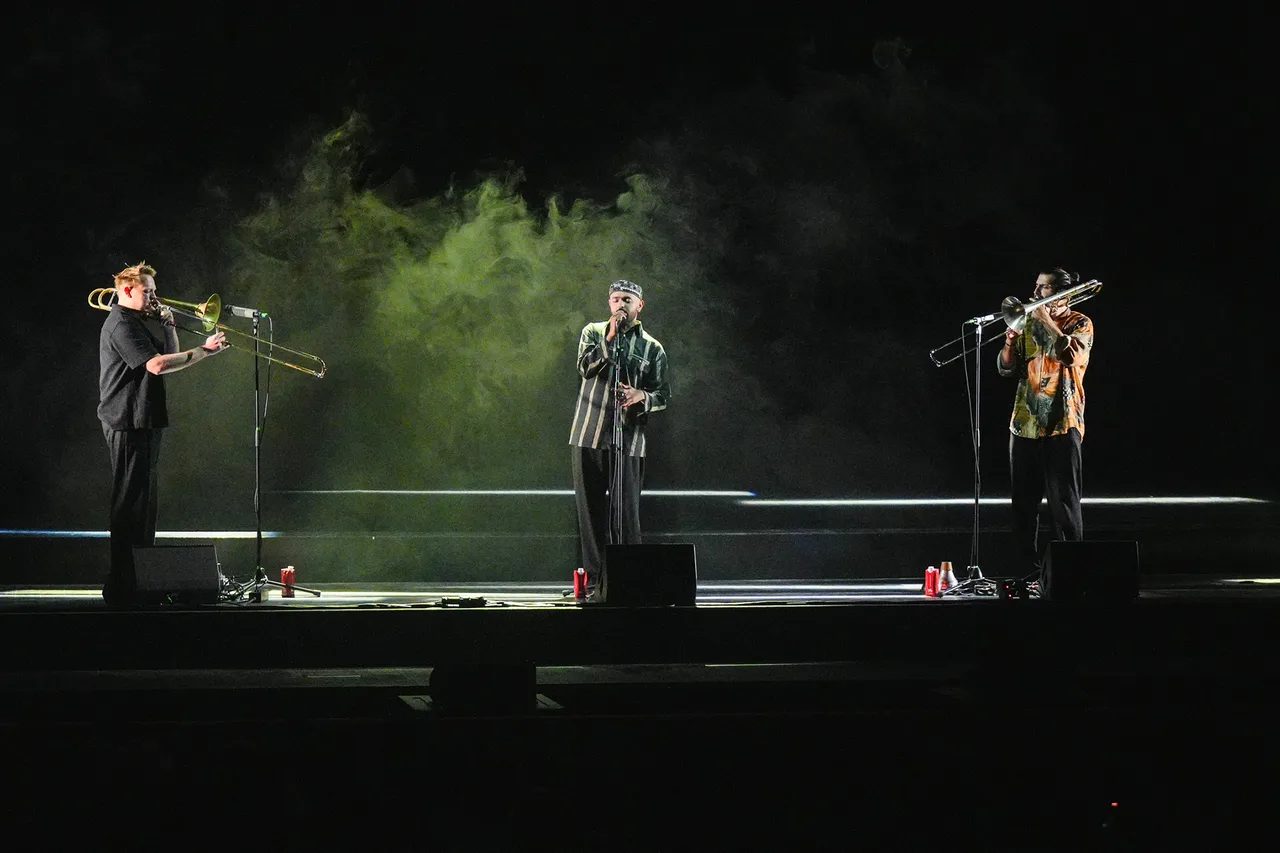
Abdullah Miniawy
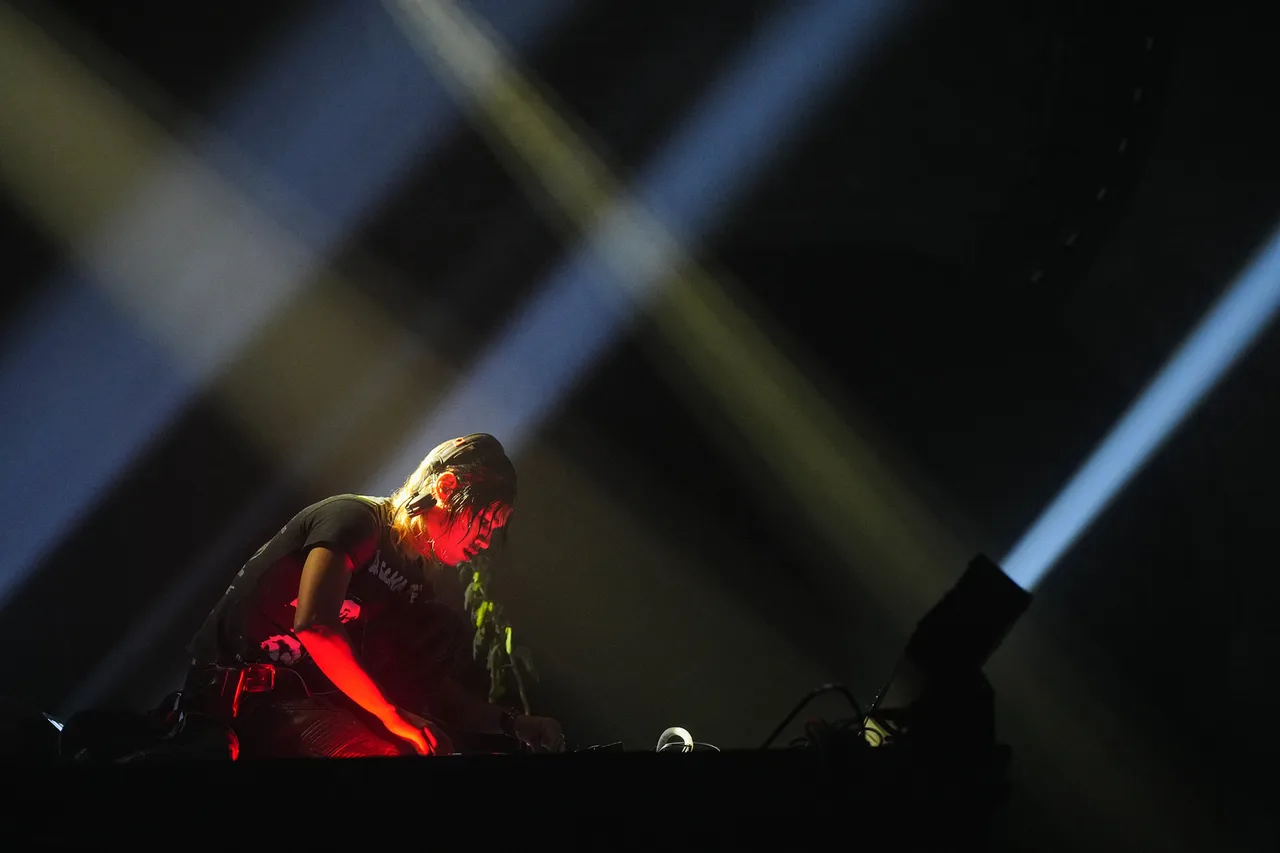
Ecco2k
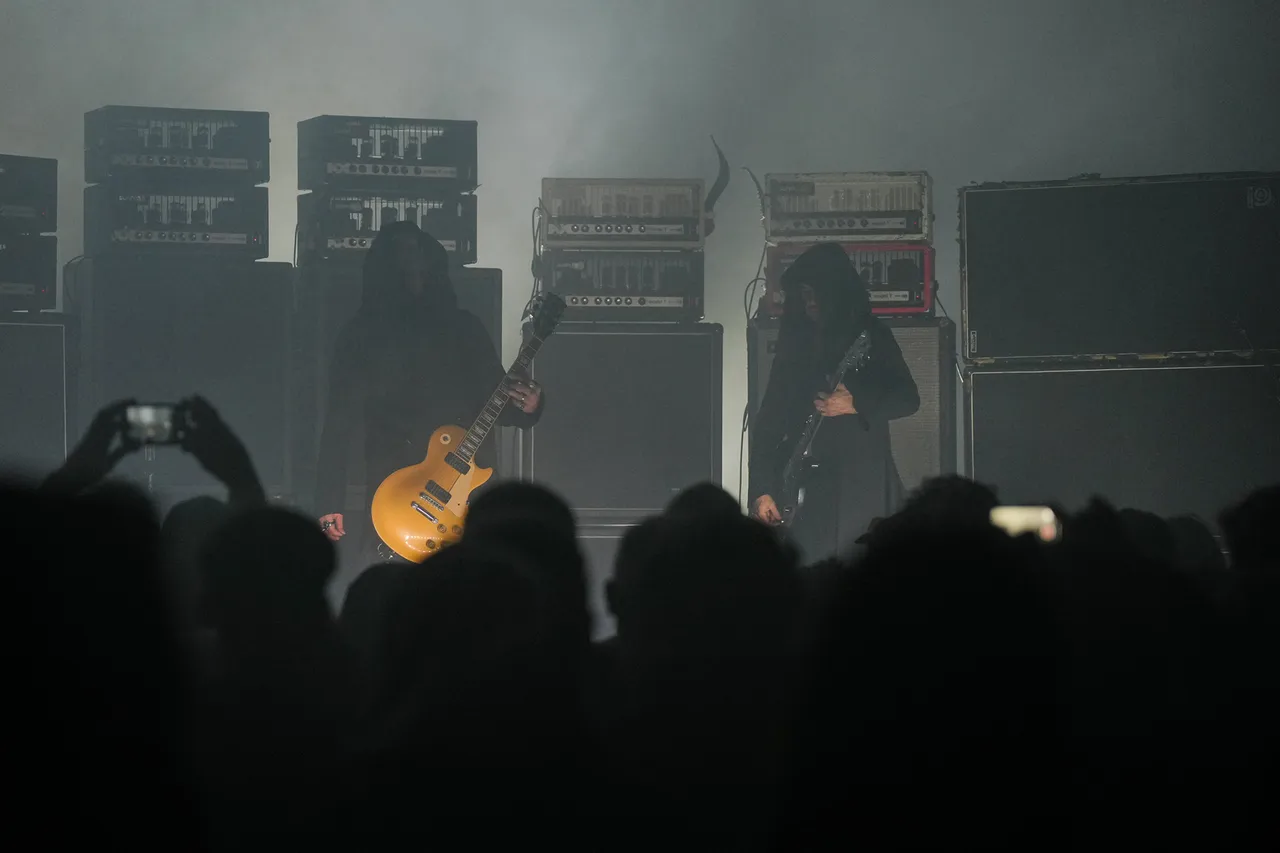
Sunn O)))
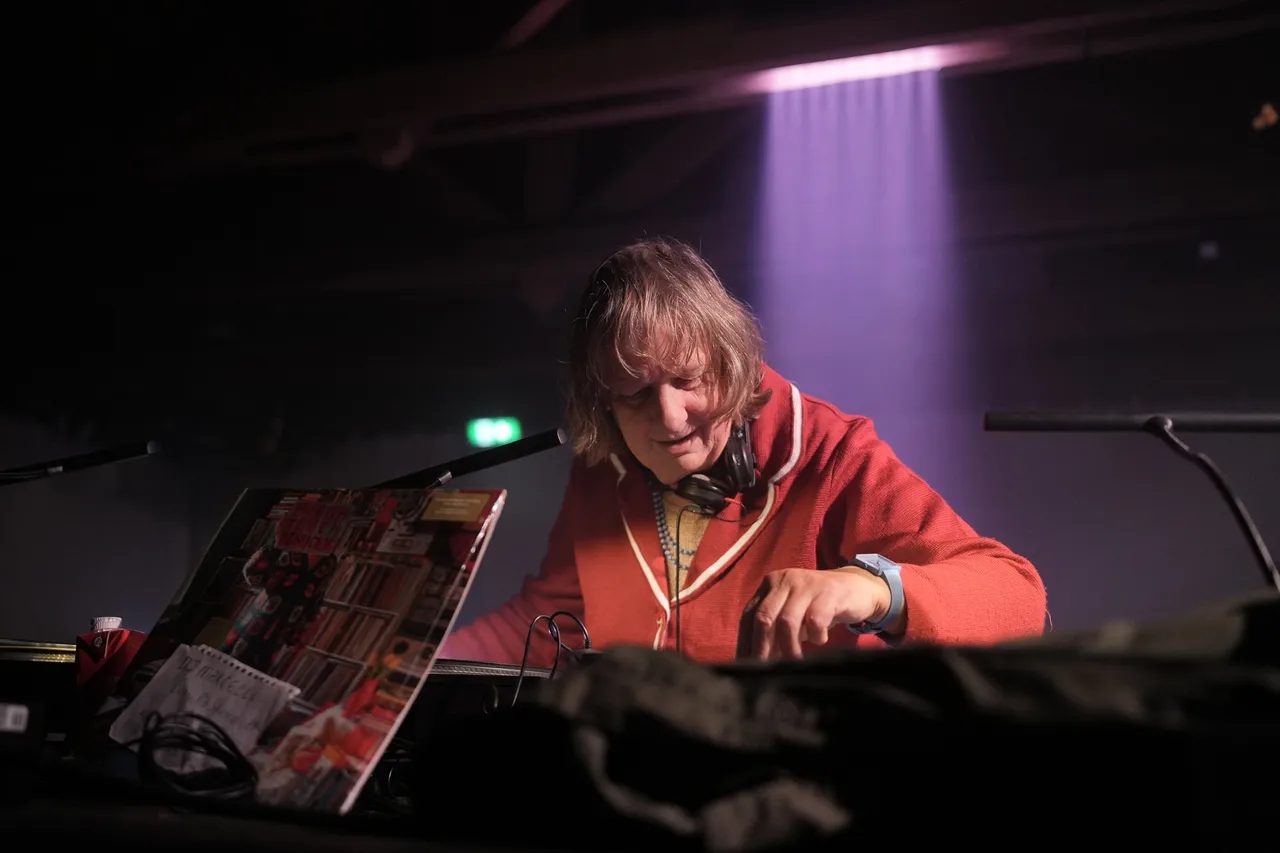
DJ Marcelle
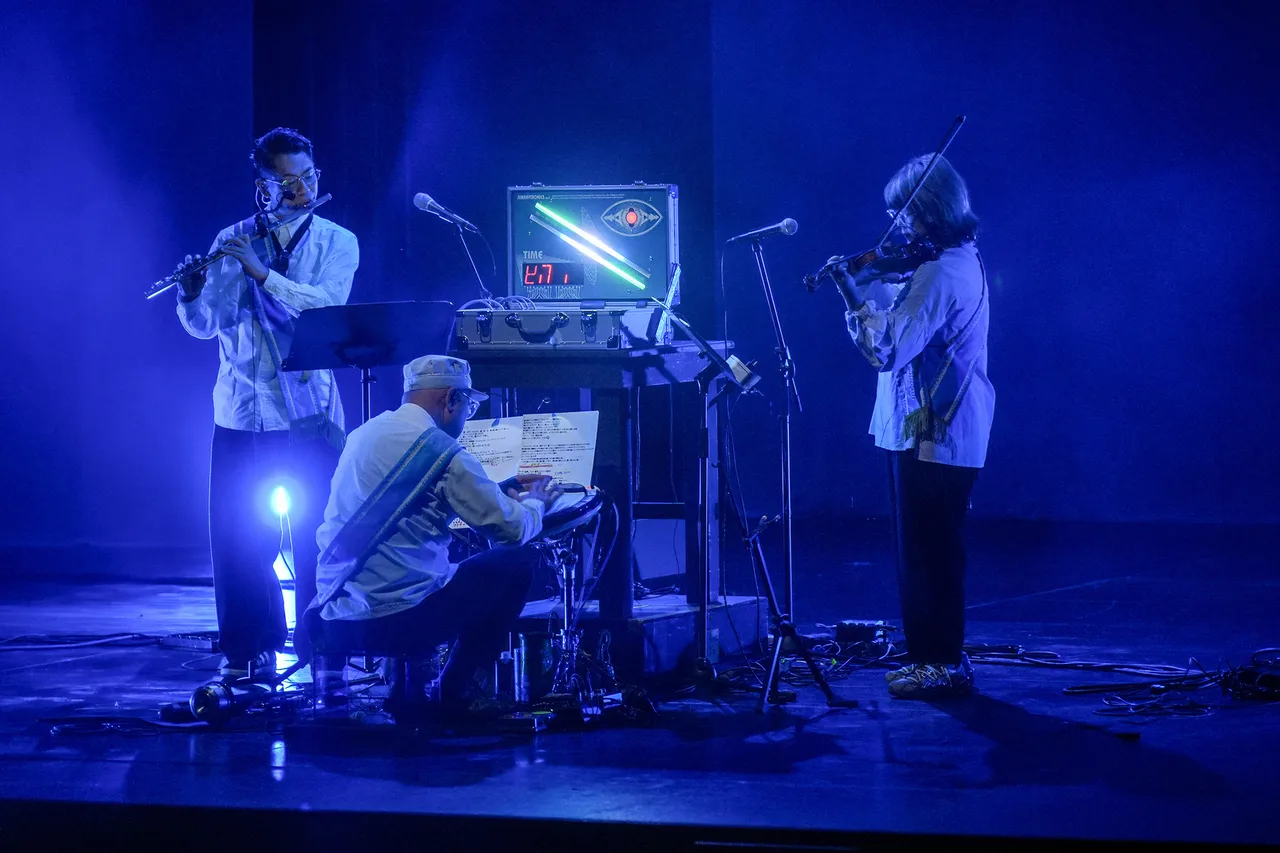
Asa Chang
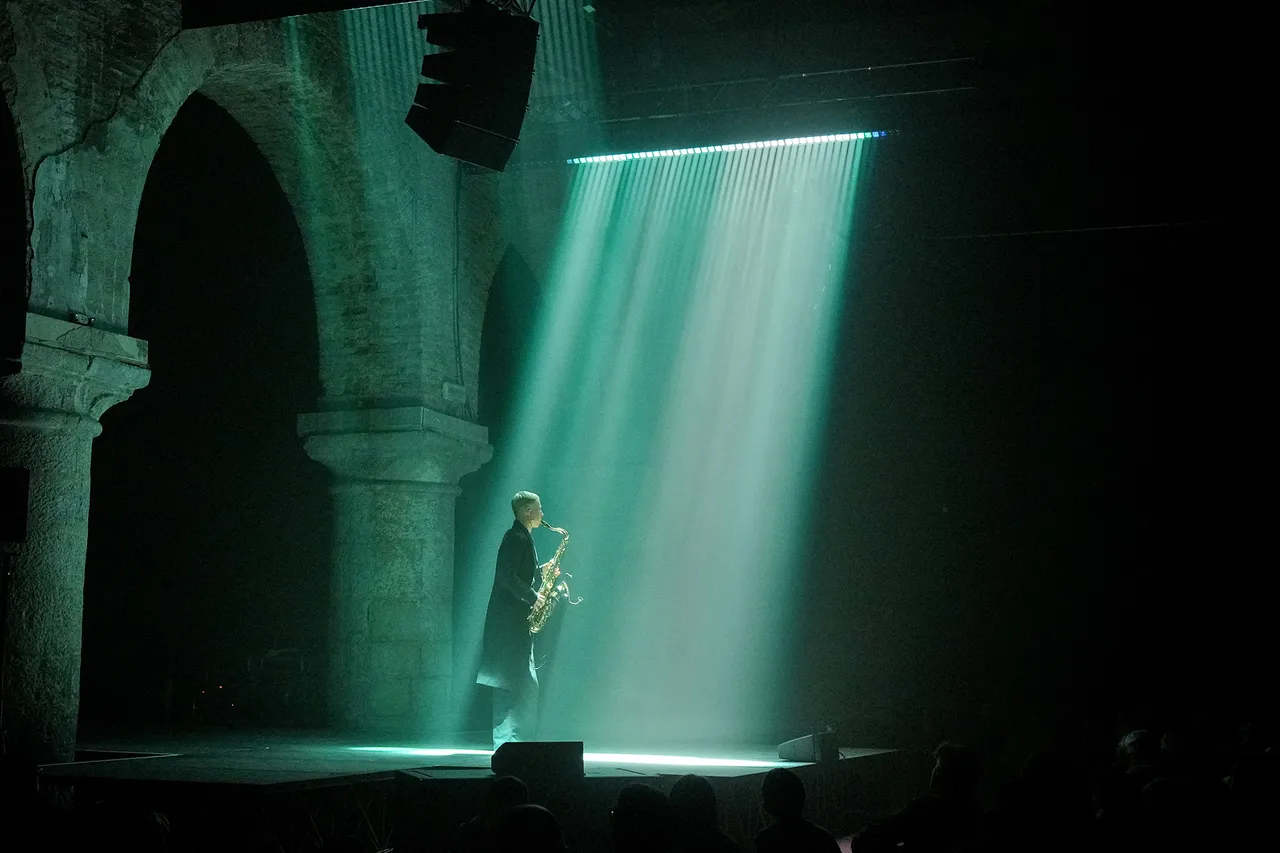
Bendik Giske
Rafael Toral
DeForrest Brown Jr.
Suzanne Ciani
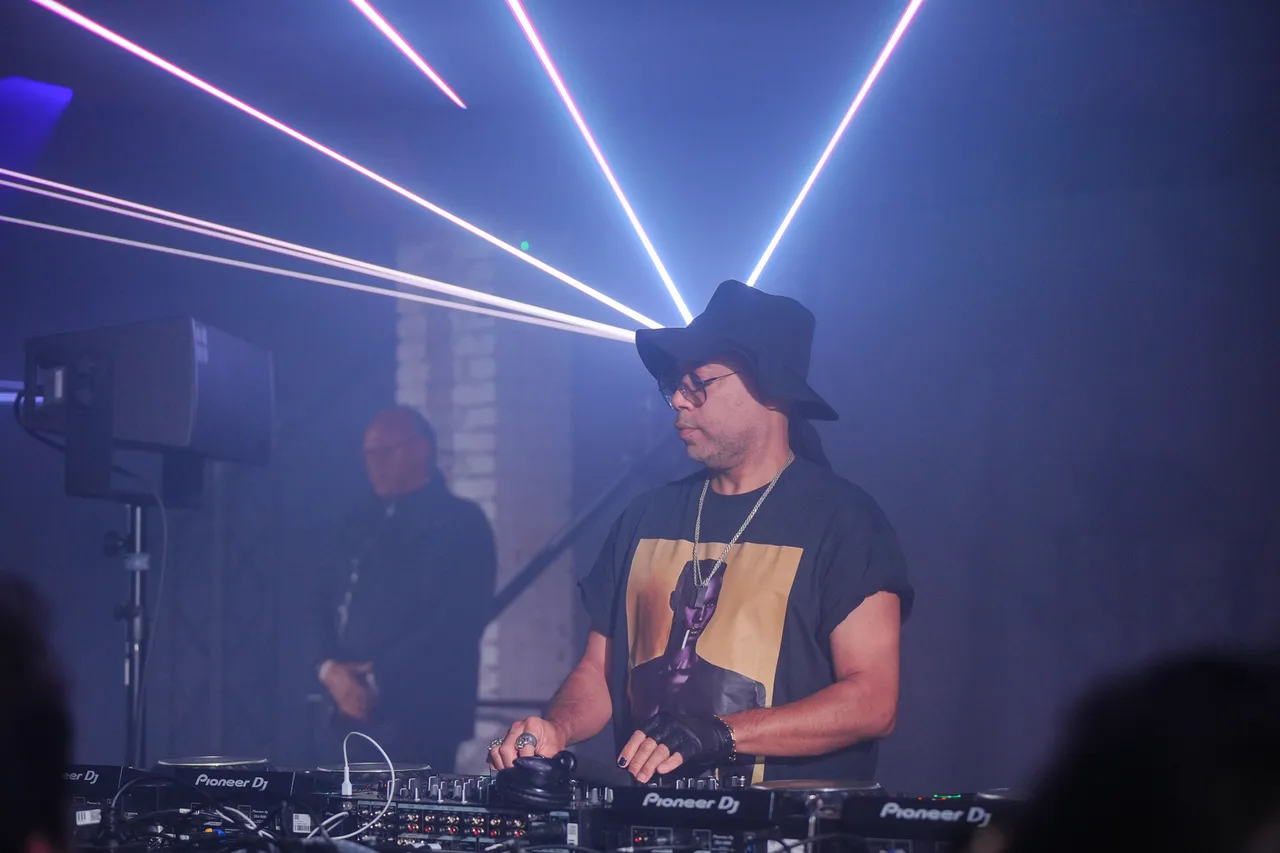
Carl Craig