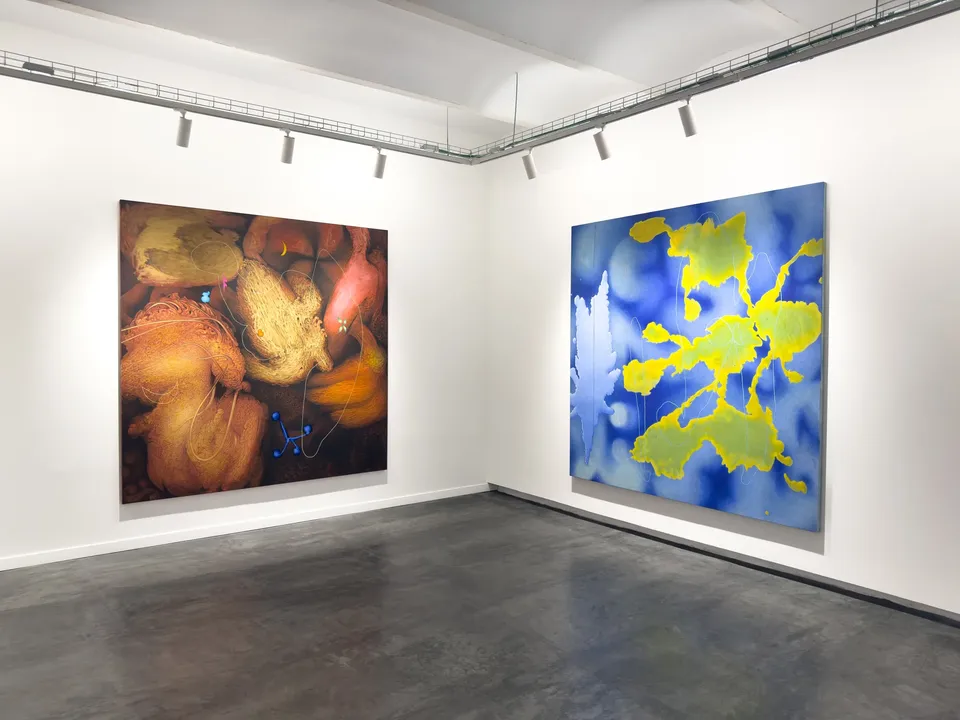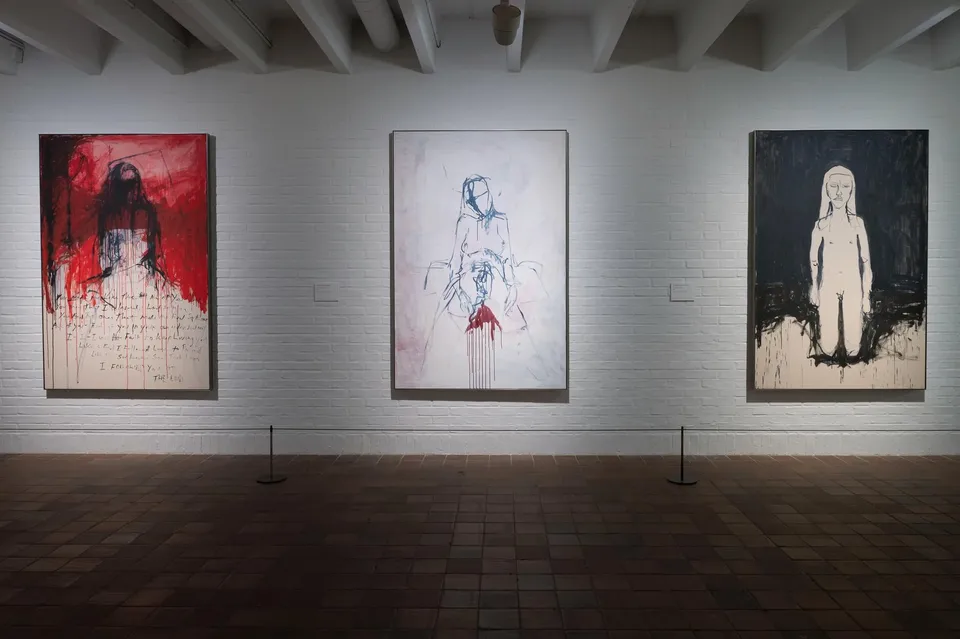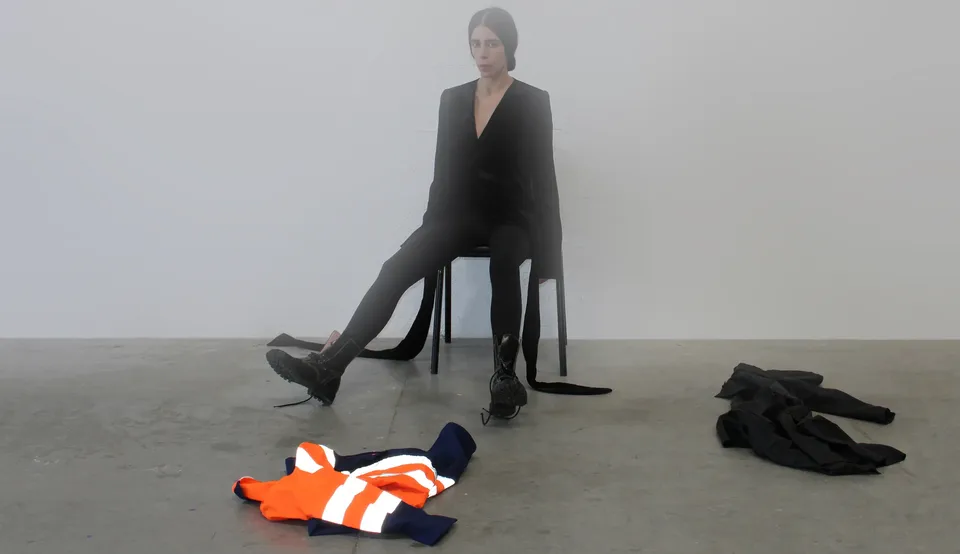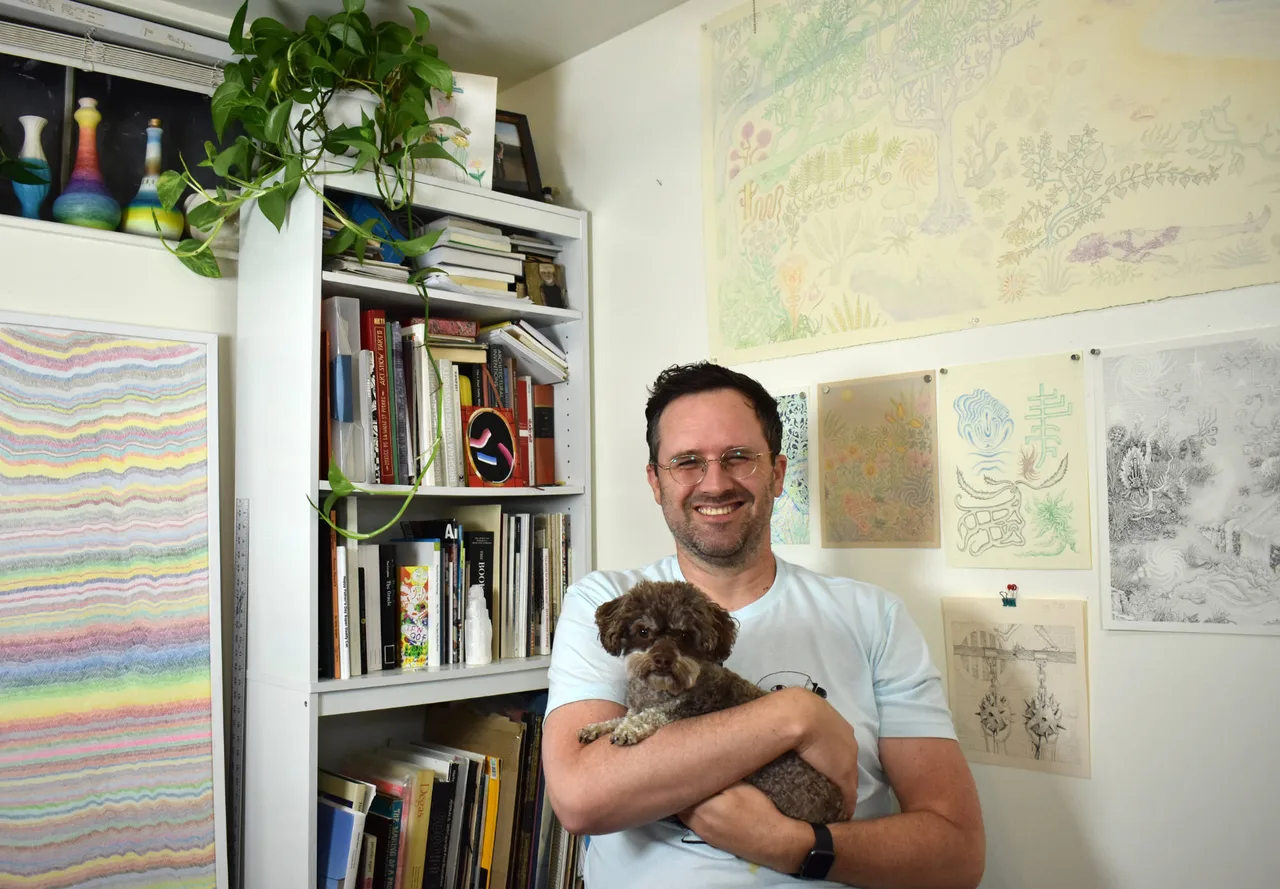
You know the feeling when you get your first kinda-fancy drawing kit and the pencils feel like butter gliding across the page? Well, this new book, The Drawing Stall Vol 2: Compendium of Colored Pencil, available for pre-order now, shows all the beautiful creations of seventy artists using those rich coloured pencils as their main medium. Curated by artist Casey Jex Smith, the book showcases exemplary work to break down the stereotype of coloured pencils being rudimentary tools.
Casey Jex Smith may look at you sideways for using Crayola coloured pencils, but he emphasises the importance of bringing artists together in an inclusive space such as his curatorial Instagram by the same name as the book. Meanwhile, his own work, ranging from flora and fauna to architecture and monsters, shows his expansive imagination and masterful attention to detail.
You want to live in the worlds he creates, but some of them are also a bit apocalyptic – as though a black hole opened and dropped mythical creatures from childhood bedtime stories into our dimension. Smith grew up Mormon, a particularly conservative sect of Christianity, and sought out exploration and experimentation to break out of the many imposed rules. His art reflects this thirst for funk, for the unfamiliar, for the magical. We speak with him about his artistic and spiritual influences, how coloured pencils are perceived, and what it takes to bring artists together.
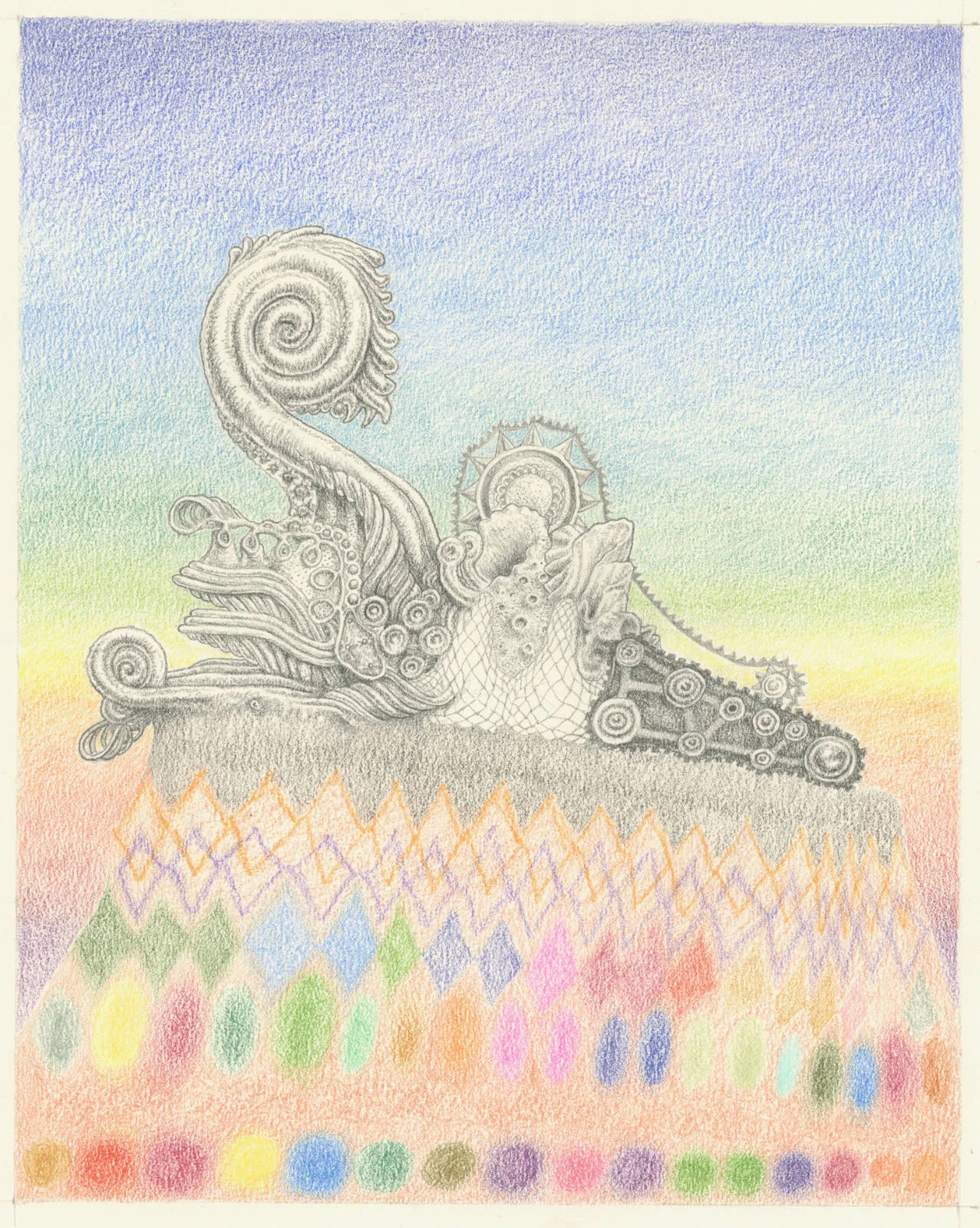
Size 13, 2025 © Casey Jex Smith
Hi Casey, how are you doing today? I think my first question has to be what is your opinion on Crayola coloured pencils – are you pro or against?
Against. They’re fine for kids making art under the age of twelve. Occasionally one of them will make its way into my set of Prismacolors and I always have this feeling of shock. I’d rather use a Crayola crayon than a Crayola colour pencil.
When did you start making art?
Very young. My mother was an art teacher and colour pencil still-life artist so supplies were always around. By age nine or ten, I knew it was something I was good at and enjoyed doing more than anything else. My two loves were art and basketball, but I was a crap athlete so the choice was easy.
The attention to detail in your work is mesmerising – through repeated patterns, soft blending, and deep shading, it makes you want to look at each dot on the paper. Would you say when creating these works, is it more of a meditation or a frustrating process?
Thank you! I’d say the more the drawing is landscape and filled with plant life it can be meditation and I can get into a real flow state. I can’t really make mistakes. The more architectural or narrative it gets the more I need to be actively planning and conceptualising what comes next. That’s when I find myself looking at the time and noticing back pain but it’s necessary pain to create something fresh.
Your work reminds me a bit of M.C. Escher’s style and Where the Wild Things Are, by Maurice Sendak, with the faces of the beasts. Who or what would you designate as your biggest influences?
M.C. Escher is a huge influence. When I was around fifteen years-old a travelling show of M.C. Escher prints came to the Utah State Fairgrounds and it blew my mind. I had just learned two-point perspective so I could understand a bit of his process. His buildings looked like playable video game levels with a bit of surrealism mixed in. They were a perfect mix of ingredients for my brain at the time. And of course, Where the Wild Things Are was highly influential as well. I have two kids that I’ve been able to share it with again and it is truly magic every time you open it. The pen work isn’t overly fussy. It’s rough and you can see every mark. Everything has texture.
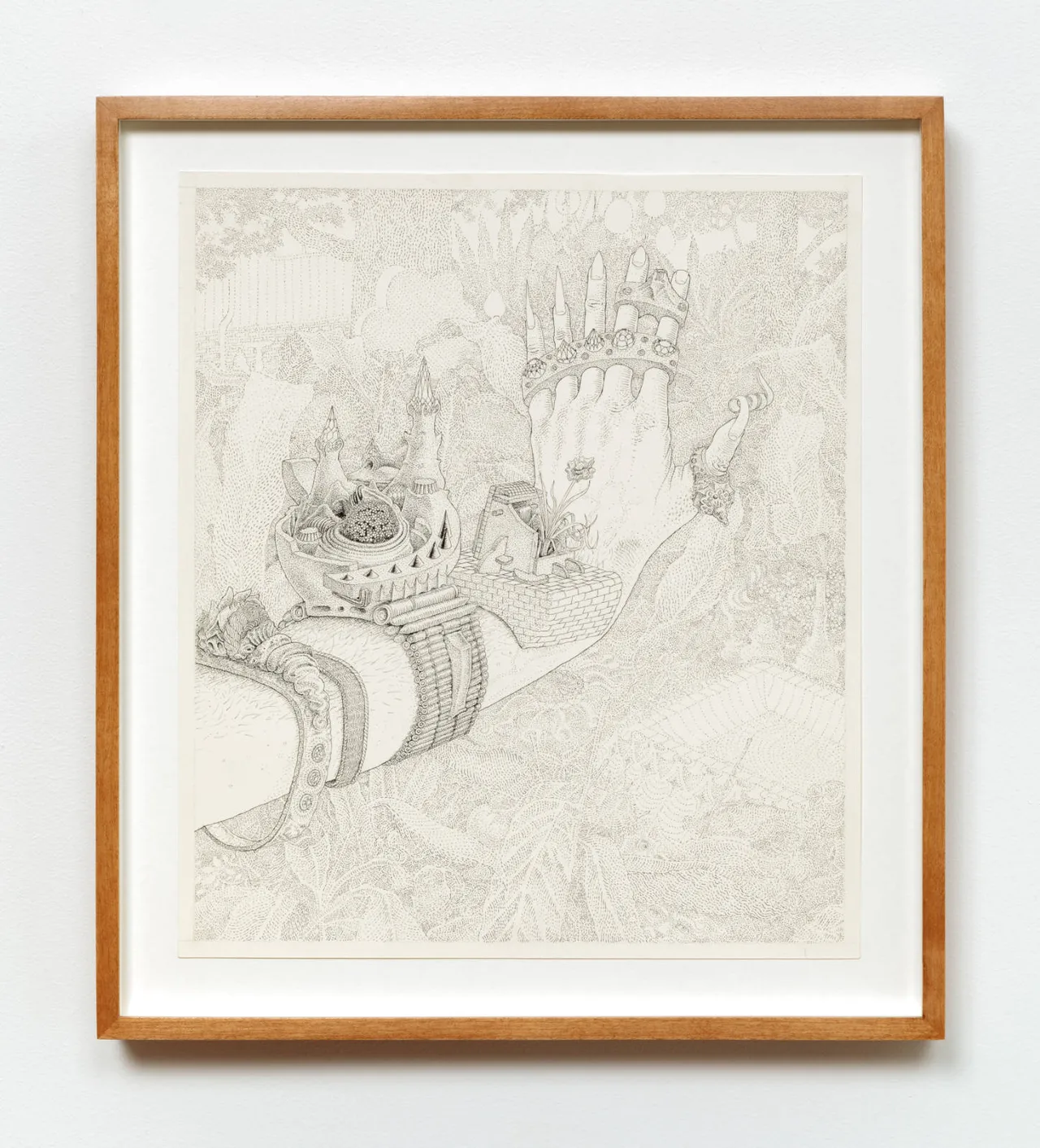
Telling Time, 2023 © Casey Jex Smith
You also have a background in teaching art. How did this experience influence your artistic style, if at all?
Young students just want to draw what they like. I’m constantly trying to unlearn my grad school self who wanted to make something important or smart. I do my best and my students do their best when they draw what they like. It really can be that simple.
You’ve spoken quite a bit on your Mormon upbringing and how that pushed you to explore new places and ideas. Was this about the culture and religion or specifically about being in Utah and constantly surrounded by it?
I was living in a Salt Lake suburb surrounded by other Mormons. All my friends lived within a block and we all could walk half a block to our Mormon church. It’s all encompassing for good and bad. I was never bored as far as keeping my body busy playing sports, camping, having sleepovers, mountain biking, etc. But I had this part of me that desperately wanted to be in a place where I could smell cigarette smoke, see art, and experience other cultures than mine. The things I was attracted to were outside of that puritanical upbringing. Even the geography was a bit oppressive to me. We’d get three rainstorms a year and one of them would have a few lightning strikes. When I’d visit my father in Detroit in the summers I’d get to hear a tornado siren go off, see someone drink a beer, and go to Greektown for flaming cheese. These things were and still are exciting to me.
How would you say that your experience with Mormonism manifests in your art?
There’s a couple of concepts from Mormon theology that still heavily influence my art. First is the idea that all things have a soul from a pebble to a jellyfish. Everything has intelligence and sits on a spectrum from good to evil. Second is the idea that we all have the potential to be Gods that will create infinite worlds and offspring. And lastly, “prosperity gospel”. It’s more a Biblical idea than anything but it features heavily in my work about class and how it props up a patriarchal clergy consisting mostly of doctors, C-suite executives, and lawyers.
“I do my best and my students do their best when they draw what they like. It really can be that simple.”
Mormonism has a reputation as being very conservative, politically as well as culturally. What positive lessons from Mormonism would you say you’ve taken with you?
I don’t drink alcohol and I have no interest in starting. And I think most Mormons have a love and appreciation for fantasy and sci-fi storytelling. It’s in our DNA to want to believe in a world where magic exists. Most everything else I’ve discarded along the way and finally left the church in 2016. I still have a lot of shame and embarrassment over some of the things I believed.
In the new edition of The Drawing Stall: Compendium of Colored Pencil, you bring together nearly seventy artists using coloured pencil as their primary medium. What distinguishes the coloured pencil sect in the art world? How is coloured pencil as a medium seen?
Probably class. They're poor but still want to work in colour. They can’t afford a studio, big stretcher bars, easel, ventilation, etc. They have to work on their kitchen table in their small apartment and need to be able to get right to work. No time or space to let layers dry while you work on another canvas. No time to clean brushes. And like most drawing, it’s perceived as a preparative thing you do so you can make real work — painting.
It’s been nearly four years since the first volume; how does Volume 2 differ?
The first volume focused on artists working primarily in black and white drawing like pen, pencil, and charcoal. Printing in black and white was cheaper and I figured those were the artists that had the hardest time getting art world attention and selling work. This volume is different in that it’s full colour and focussing on colour pencil artists and in how it is funded. We did pre-orders and my good friend Nathan Thomson offered to pay for any upfront costs and is designing it. Vol 2 has more pages, better design, and more art in it.
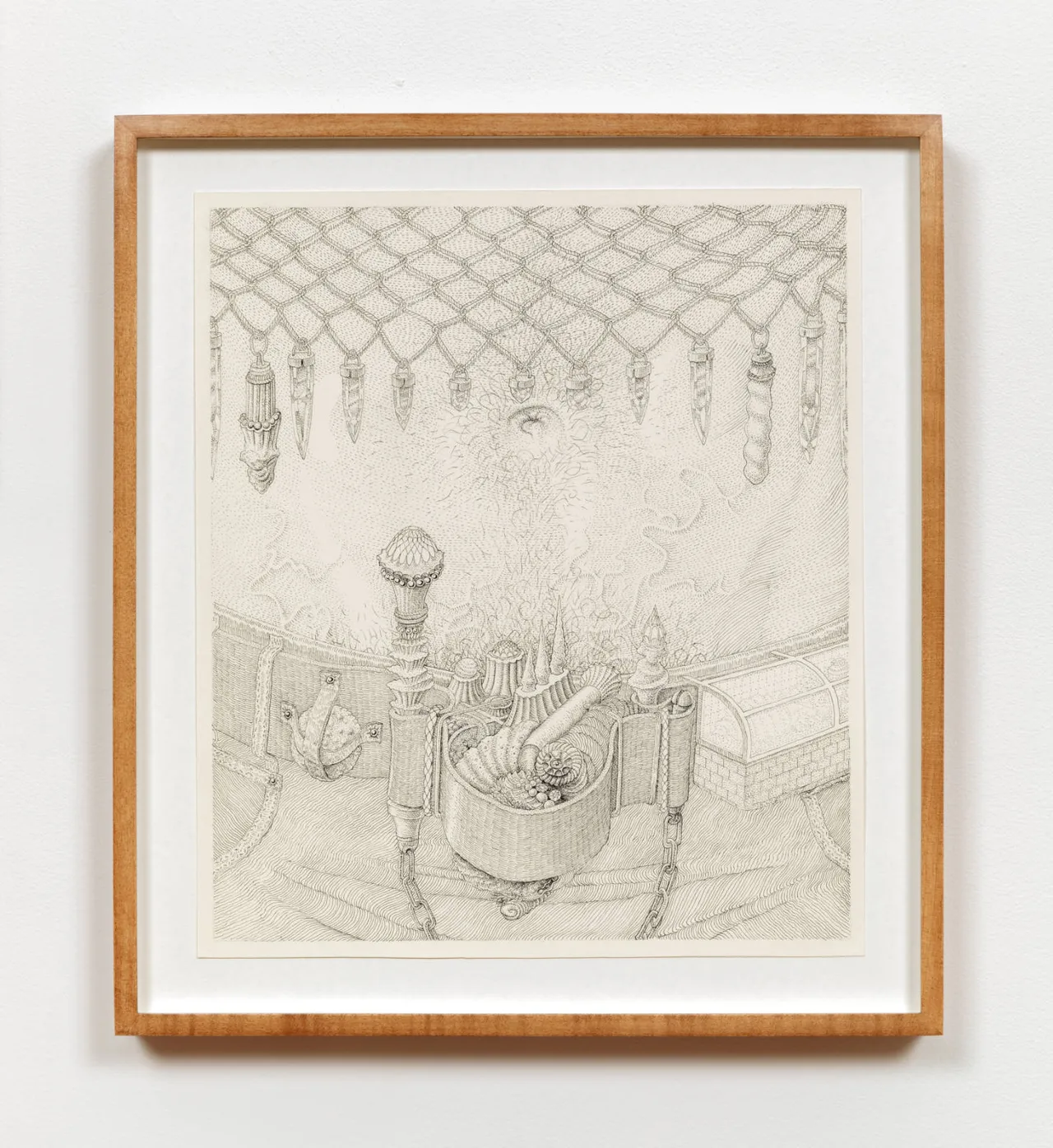
Belt Buckle, 2024 © Casey Jex Smith
What is the process of finding the artists, establishing a theme, and curating the book? Is it something you have meticulously planned out, or intuitively comes together based on the artists?
Luckily, artists find the Instagram account now. I used to have to search around a lot to find good artists but now they find the account and it’s much easier to feel like I have a handle on who the exciting artists are right now working with colour pencil. I also heavily use colour pencils in my own practice so often there’s just mutual attraction between people using the same medium. I keep a large spreadsheet with all the artists I want to work with and have their medium in a column. After I’d filtered out colour drawing media for Volume 1, I saw this huge list of artists using colour pencil and I knew if I ever made the second book it would be on colour pencil artists.
What made you want to curate this book, and, more broadly, the Instagram page? What gap did you see that needed filling?
I know how hard it is to create and continue creating. I know how much tuition is for art school. I know how hard it is to get and keep a job in the arts. When I was laid off about a decade ago from my art teaching job, I transitioned to doing UX Design for startups. It was stressful and not what I’d trained for, but I had two kids and needed good, consistent health care. Since then, I’ve had a decent career and feel like I’ve wanted to give back in any modest way I can. Supporting drawing on Instagram is one way and the next level up was publishing a book. I’m not in a position to hand out solo exhibitions in NY or Berlin so I give back to the drawing community in ways that are hopefully meaningful to these artists.
And again, Painting usually sucks up ninety-nine percent of exhibitions, sales, museum shows, auctions sales, and tenure track positions. The money will always prop up painting so other mediums like drawing need champions.
And again, Painting usually sucks up ninety-nine percent of exhibitions, sales, museum shows, auctions sales, and tenure track positions. The money will always prop up painting so other mediums like drawing need champions.
The page also sometimes documents the sketchbooks and processes of the artists you feature. Why is this important to you?
I could talk all day about the negative ways that Instagram impacts art. One of the few things that is still enjoyable and gets deserved clicks are the process videos. You get to see how your favourite creators make their work. That’s never a bad thing. And sketchbooks are where artists are at their most honest. Who doesn’t like to flip through a filled sketchbook?
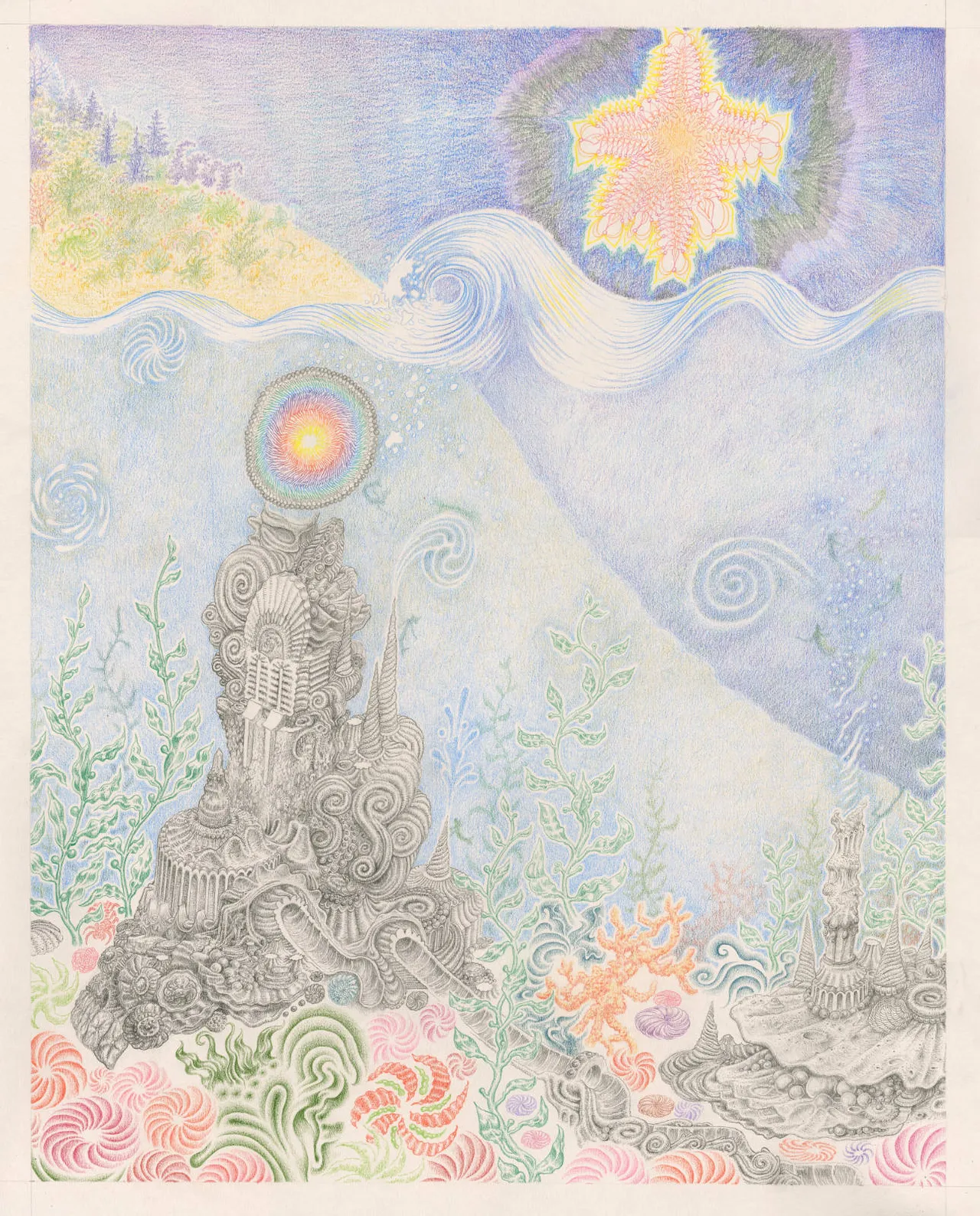
Under the Sea, 2025 © Casey Jex Smith
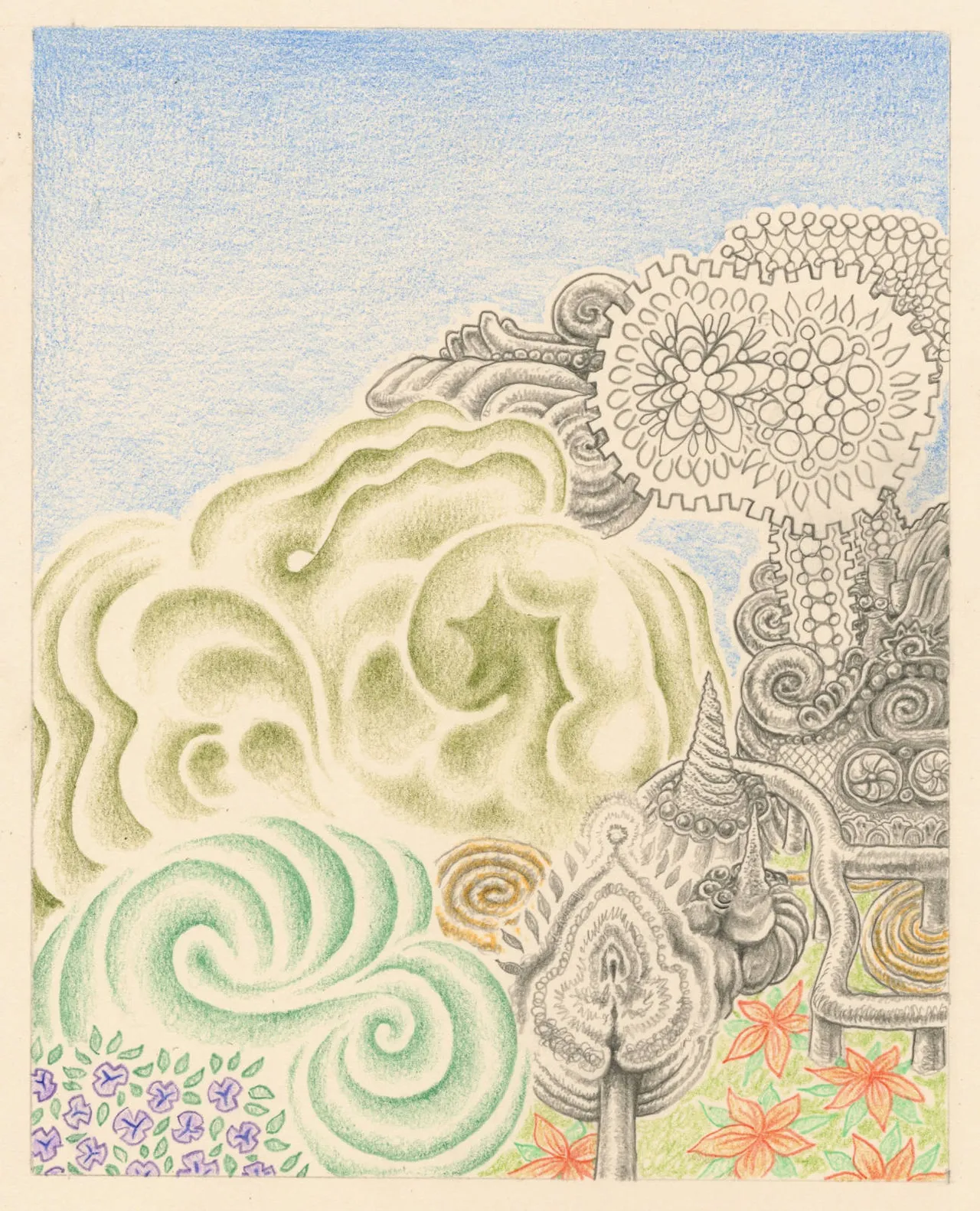
Bump & Grind, 2025 © Casey Jex Smith
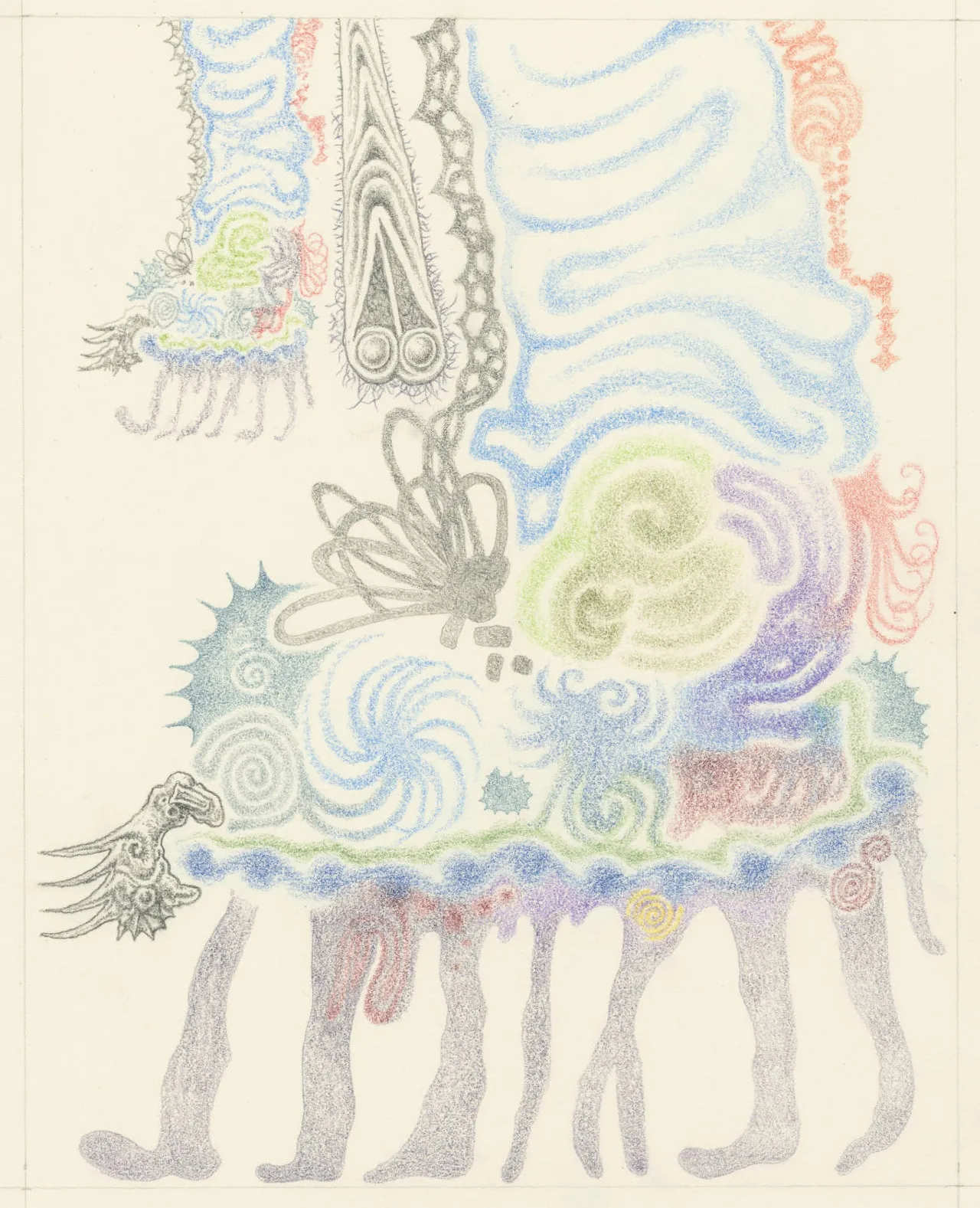
These Boots, 2025 © Casey Jex Smith
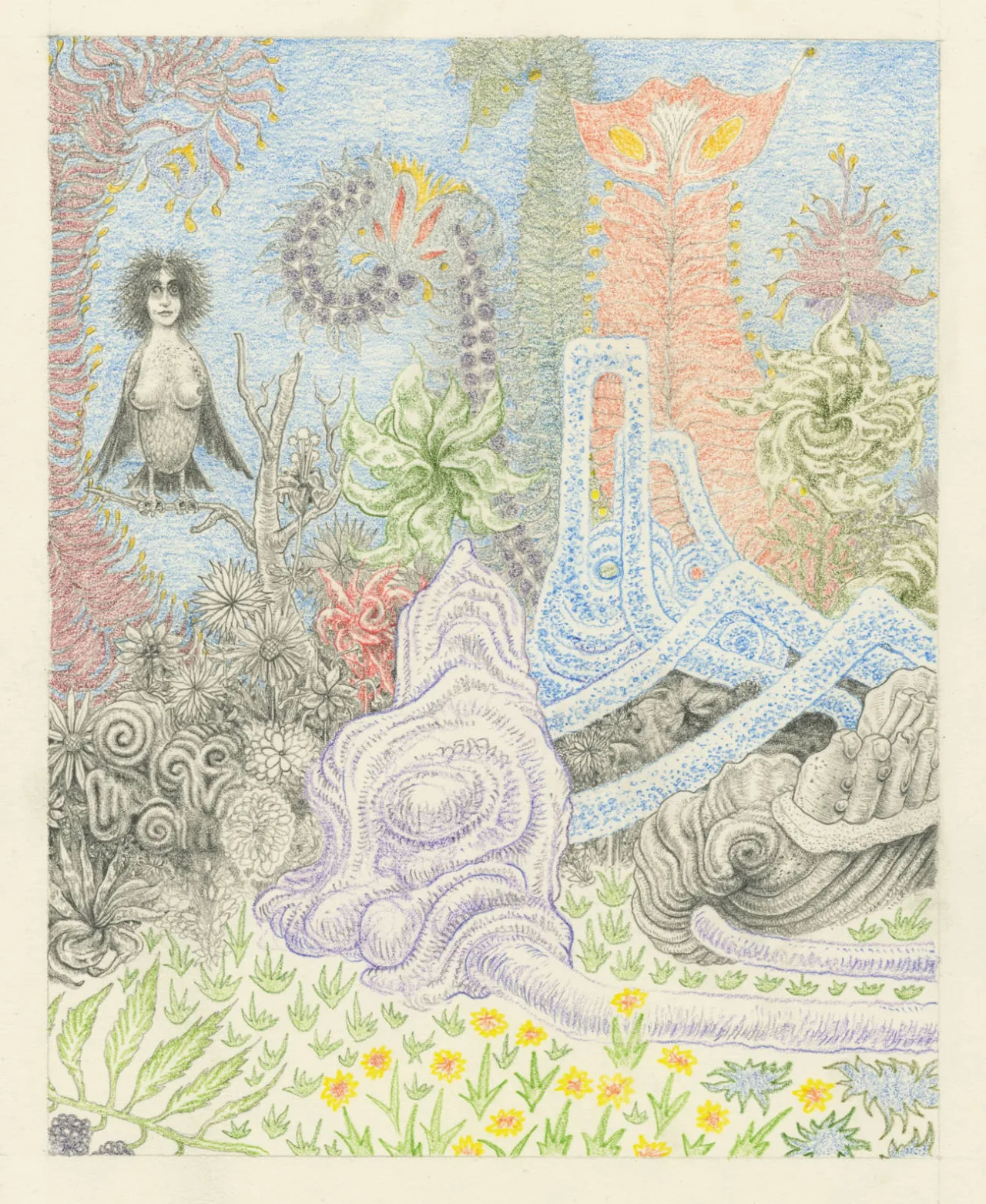
Harpy, 2025 © Casey Jex Smith
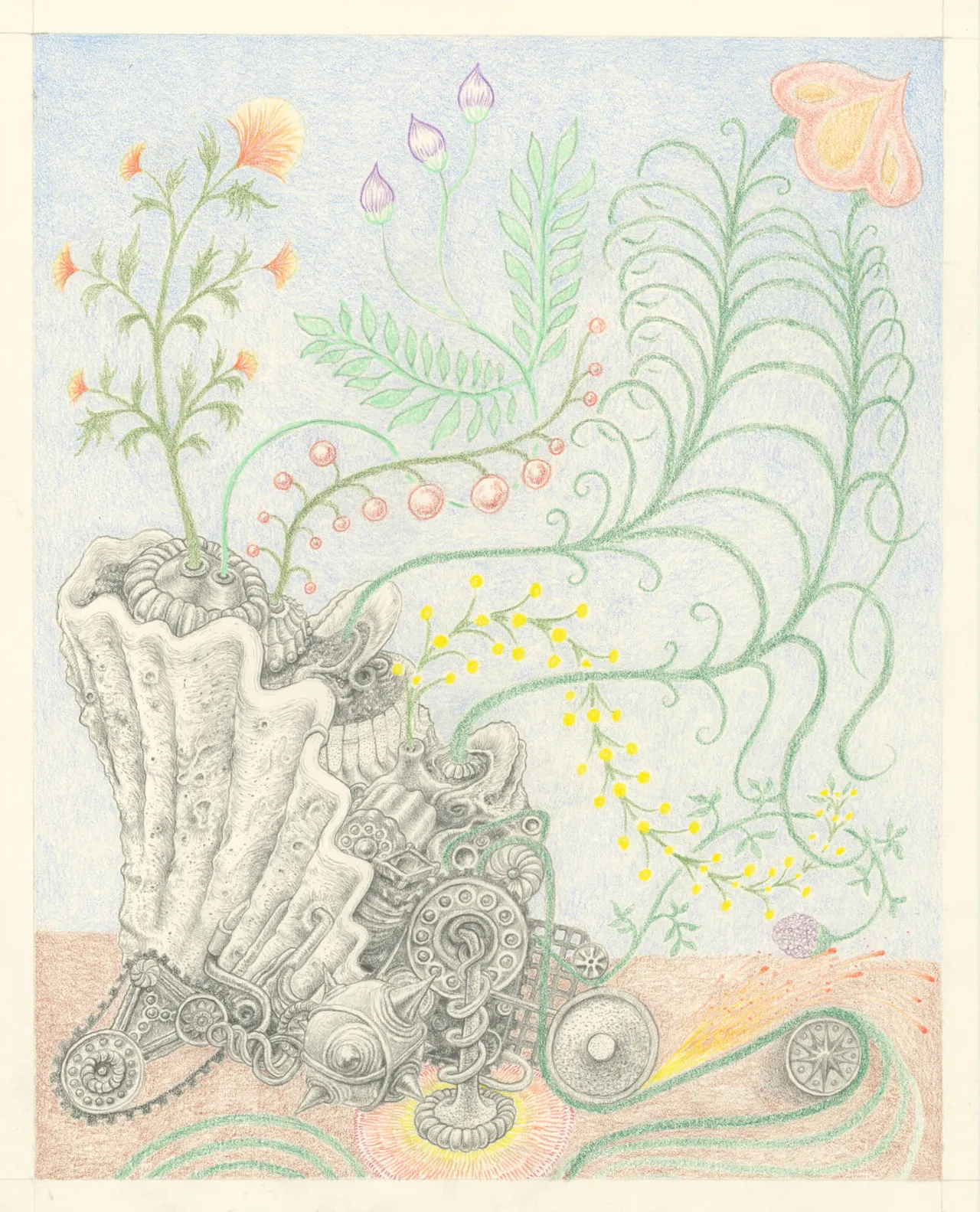
Shell Game, 2025 © Casey Jex Smith
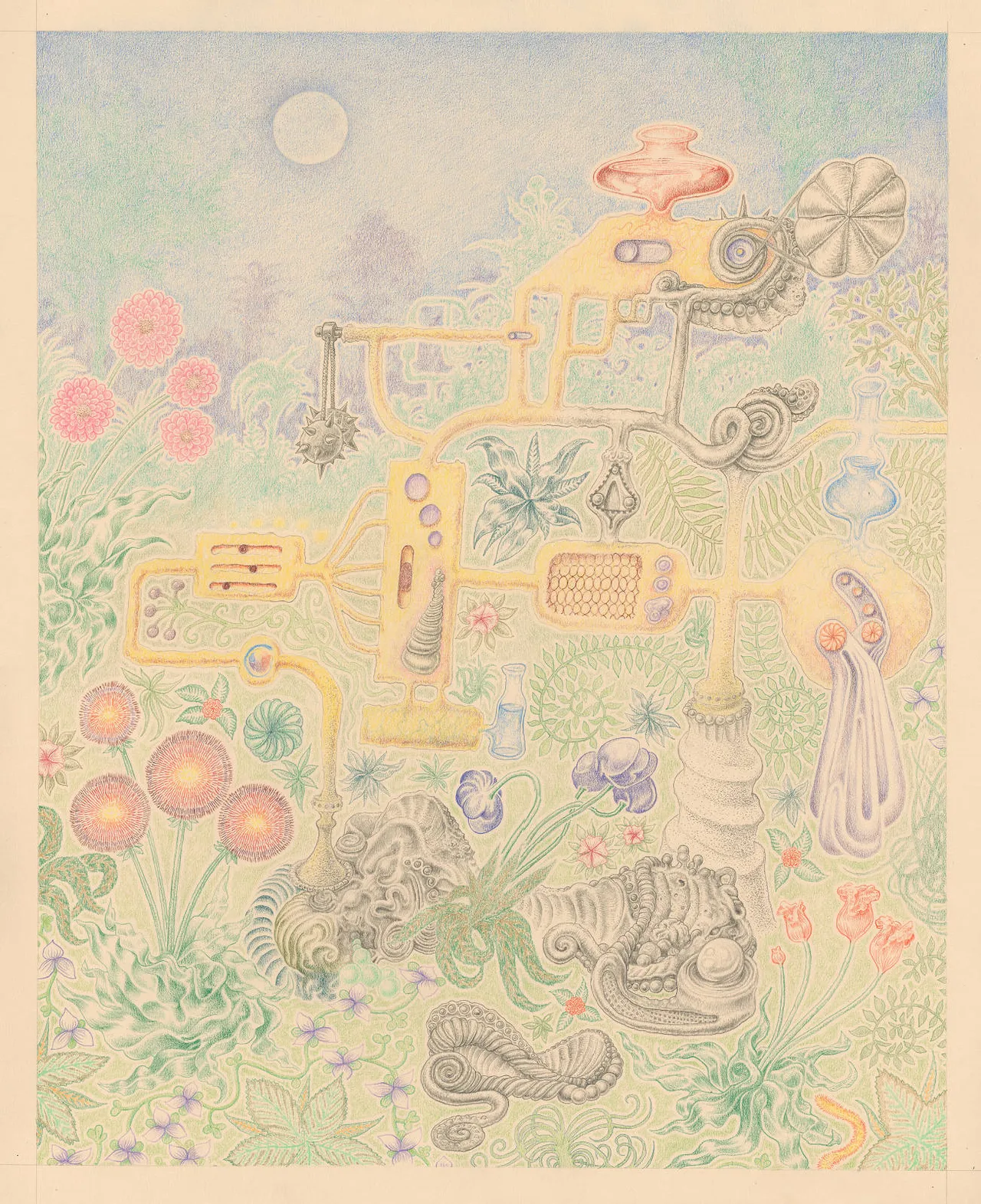
Flow Chart, 2025 © Casey Jex Smith