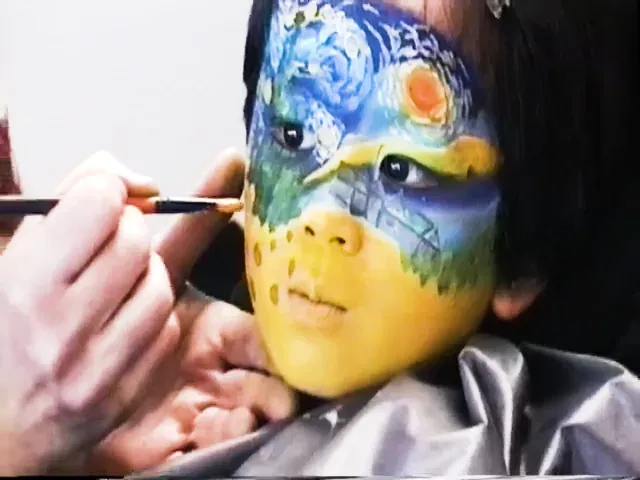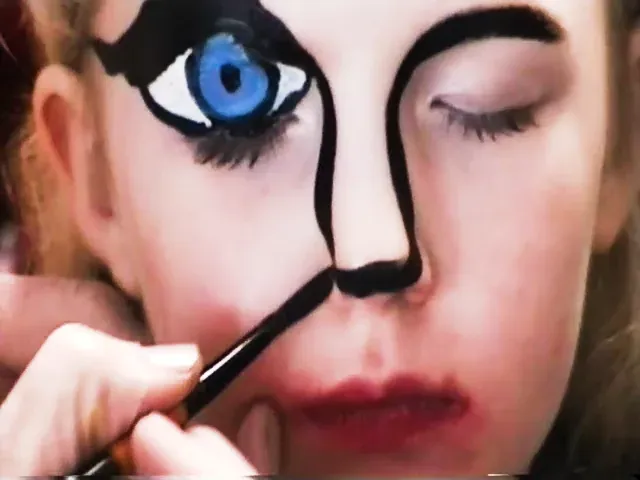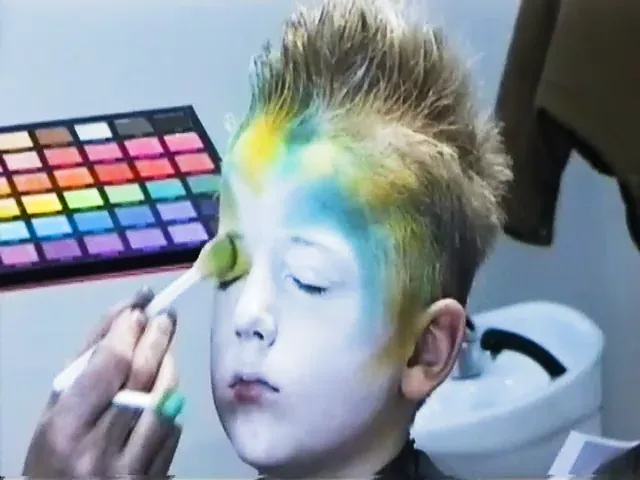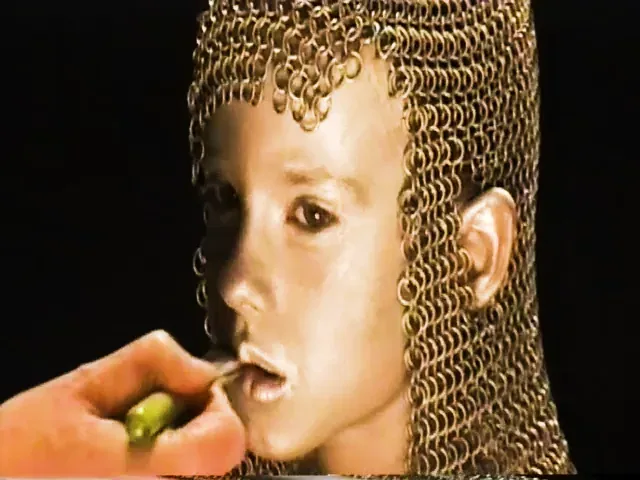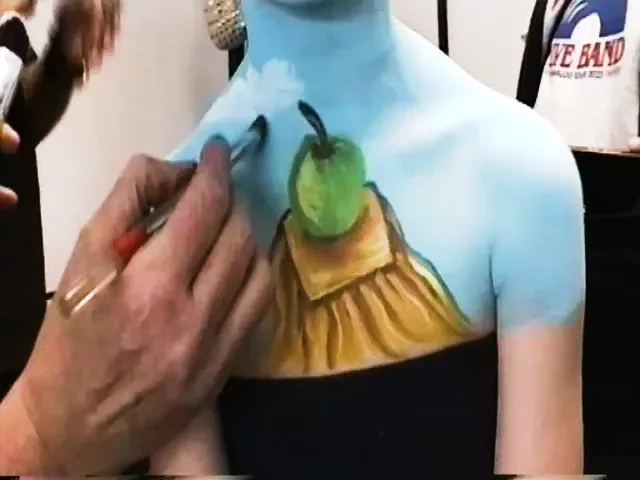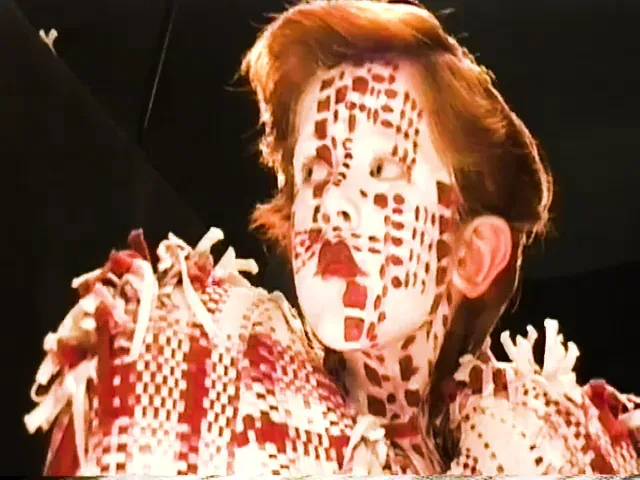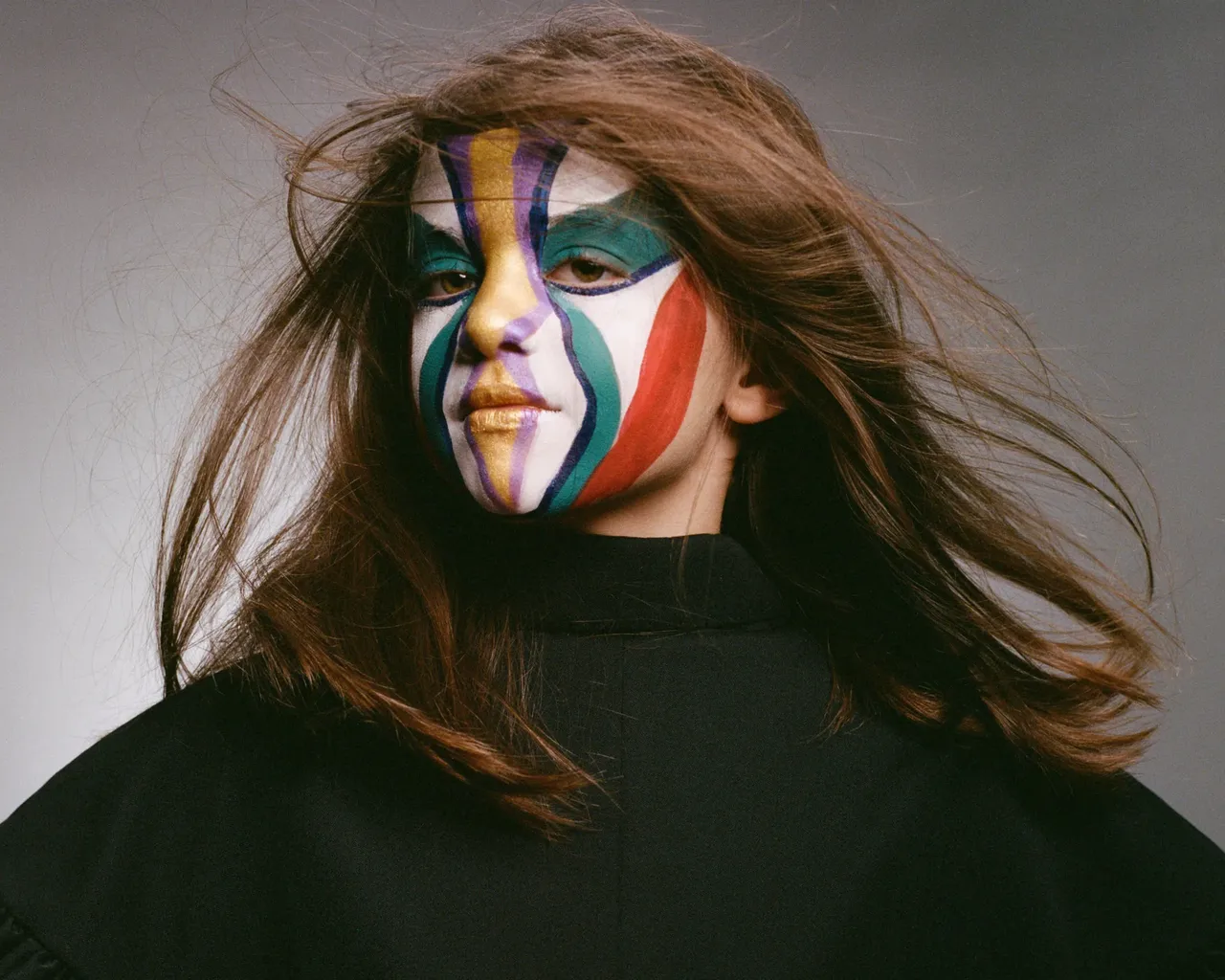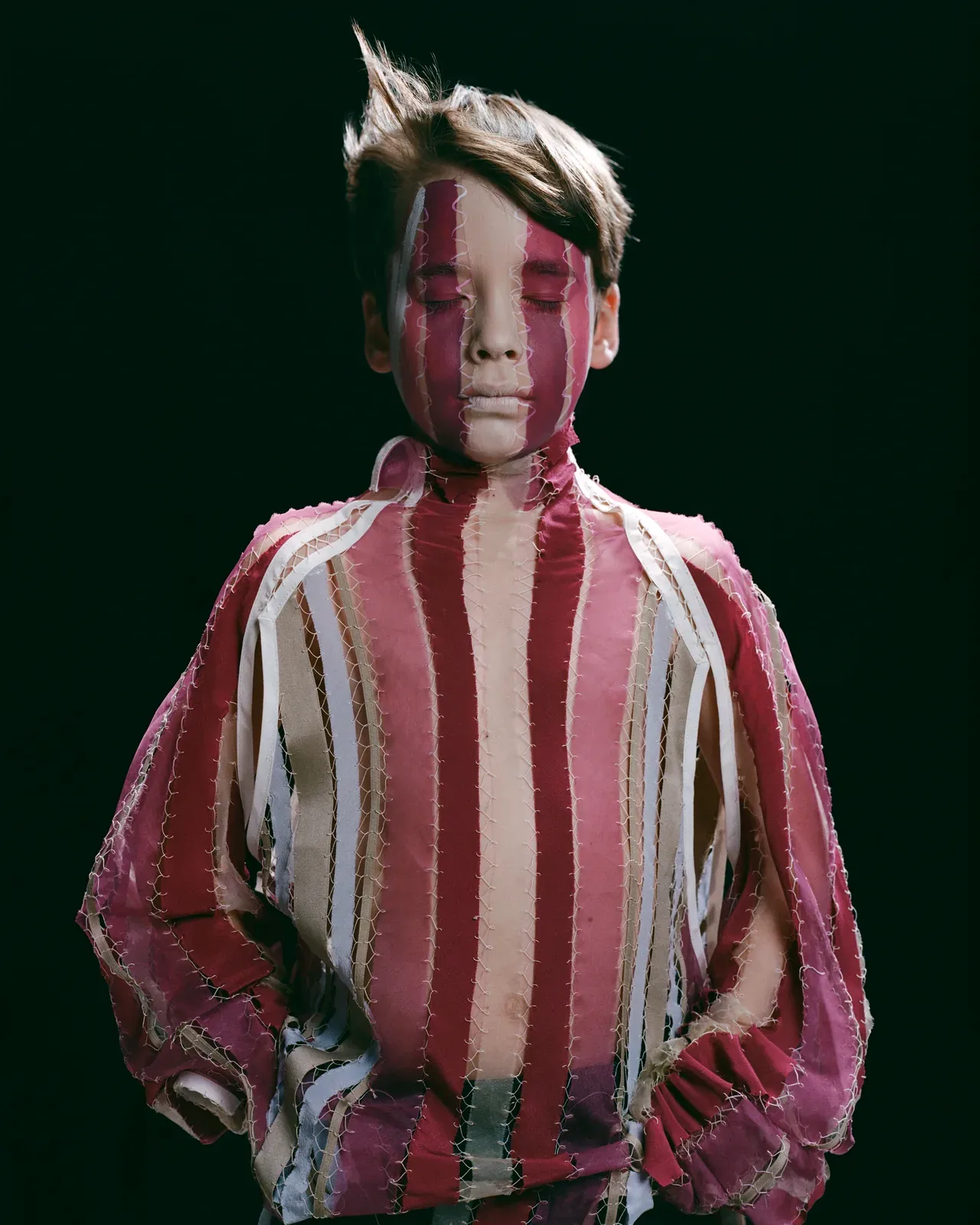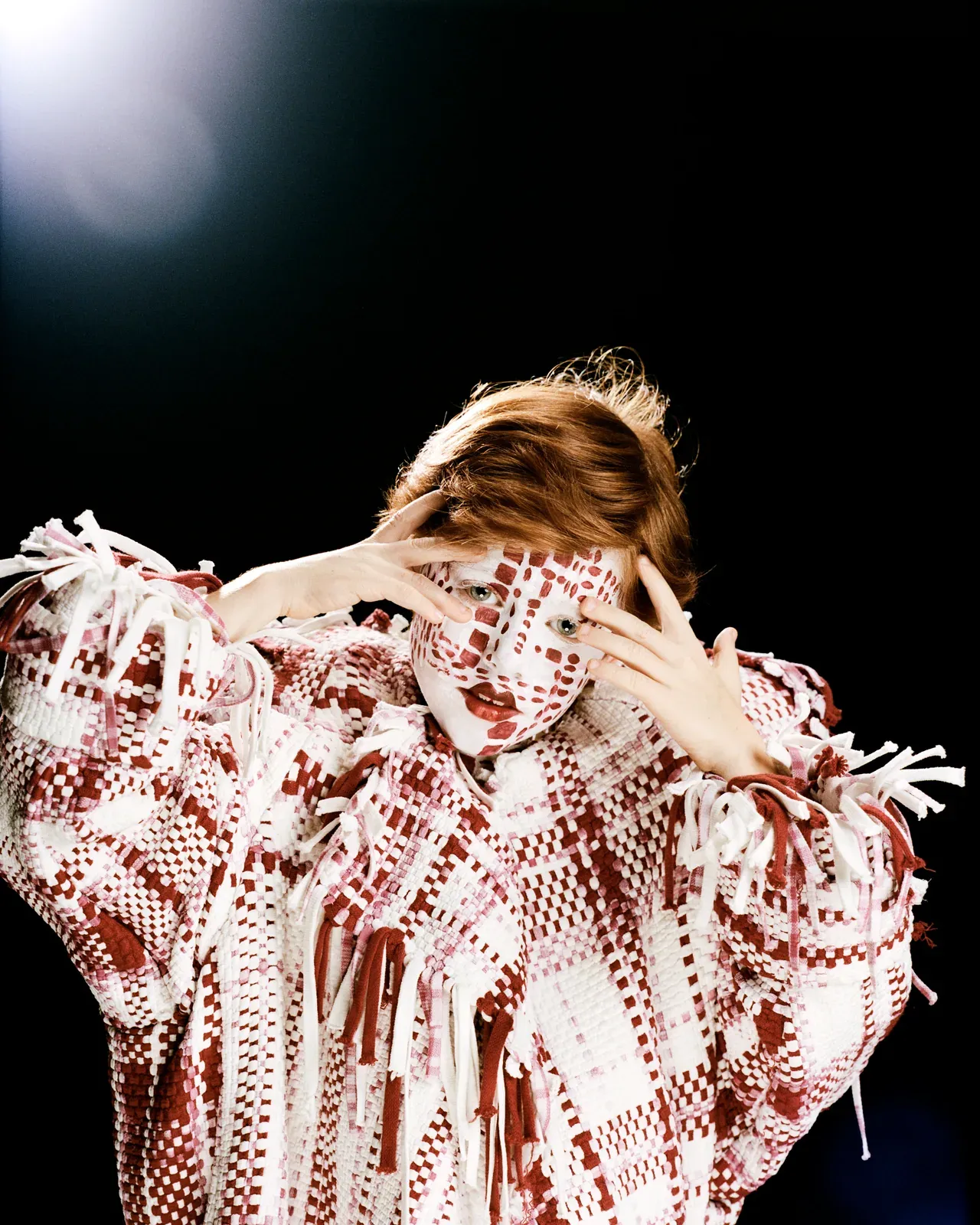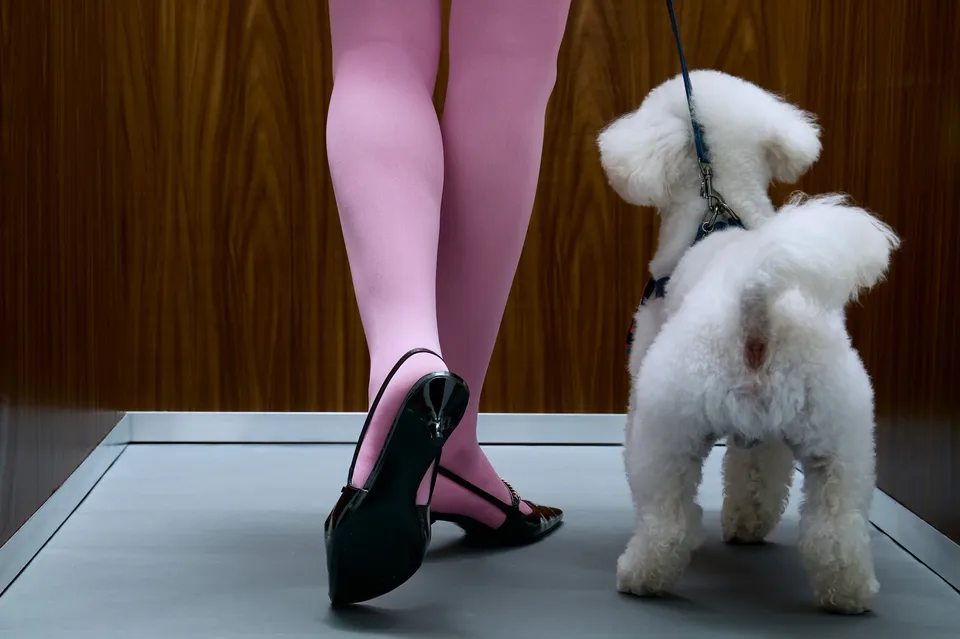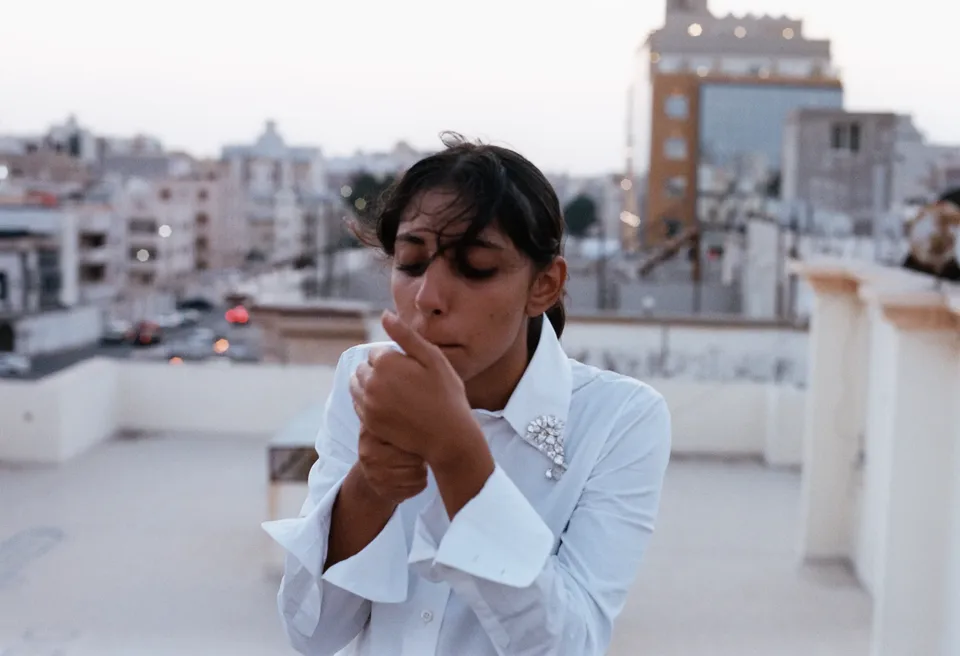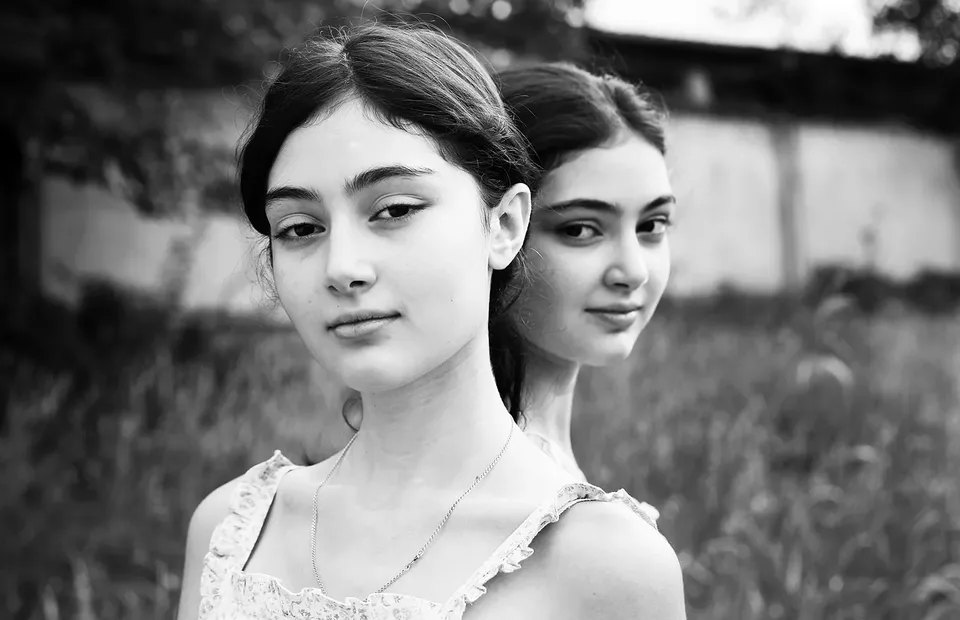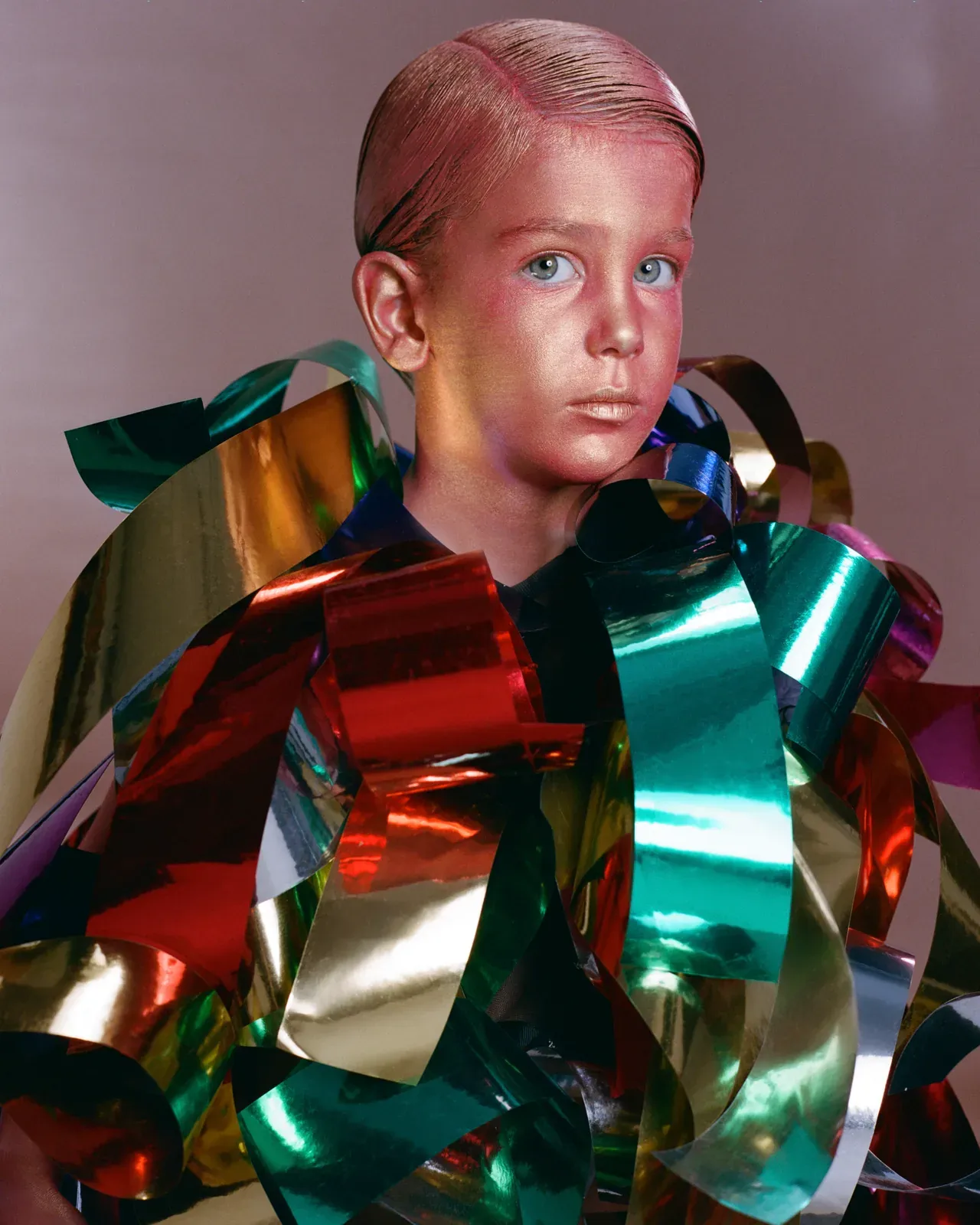
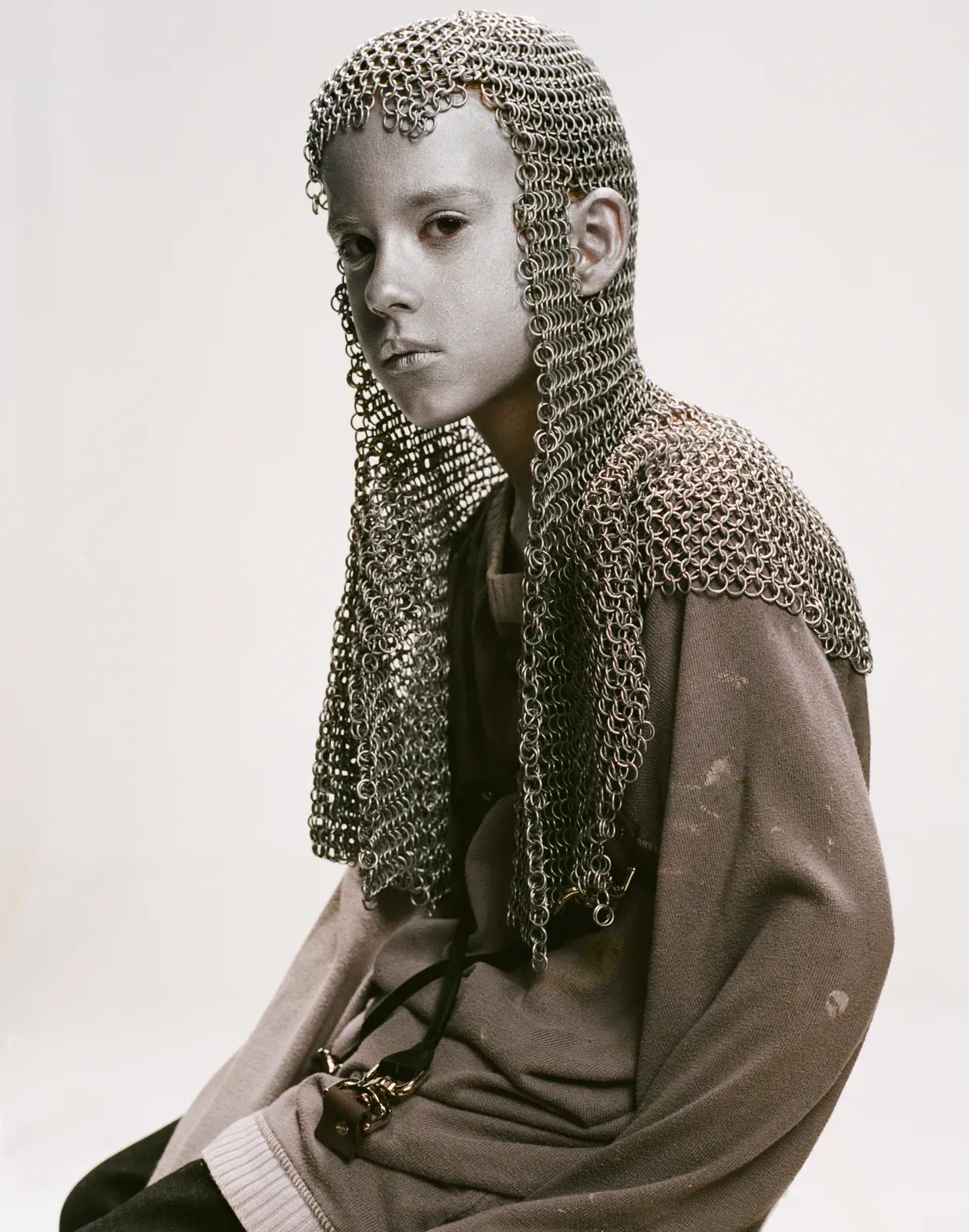
There is something joyous about the freedom kids have to express themselves before they’re constrained by society’s norms on what’s acceptable and what’s not: getting dressed as their favourite characters, singing out loud in public, or saying exactly what they think. Also, getting their face painted—whether at a funfair, at a birthday party, or at home. It’s transformative, playful, and incredibly fun. For photographer Carlijn Jacobs, it’s also a liberating process, and she’s lensed it in her latest self-released book, Making Faces.
“At first, it was meant to be a zine,” she comments. But her collaborator, Christopher Simmonds, “felt it should become a book—and he was absolutely right.” Not only because it gives the work “a more timeless quality”, as she highlights, but because it grounds it at a time when image-making is considered ‘just content’ to be easily consumed and digested within a couple of scrolls. The book brings you face to face with the happiness of the kids, the behind-the-scenes of them getting painted, and how it changes them—not only physically, but mentally. “You can see them starting to surrender to the transformation, a mix of nerves and excitement,” Jacobs adds.
We all know the transformative power of makeup; but forget about beauty influencers or kids and pre-teens roaming through the aisles of Sephora looking for products they definitely don’t need. We’re here to discuss memory, imagination, excitement, improvisation, and dress-up parties.
This book stems from a childhood memory. If you could go back and art direct your own seven-year-old self getting your face painted, what would you change?
I probably wouldn’t have picked a butterfly face paint but a Gustav Klimt! (Laughs)
At what point did Making Faces shift from a fun, personal project to a book?
I had already photographed it and I was working on it with Christopher Simmonds. At first, it was meant to be a zine, but Chris strongly felt it should become a book—and he was absolutely right. It gives the work a more timeless quality; a book is something you keep, not something you throw away.
You took a leap of faith and decided to work with Yvonne Zonnenberg, whose work you discovered online. Do you recall what first drew you to her work?
Well, I could tell she was super experienced. She does many different forms of paint—face paint, body paint, belly paint, prosthetics.
What was the experience on set with her like?
I was so impressed when I saw her working on set; she is very talented and can draw anything on a face! A real artist. She arrived with a big wagon full of face paint, makeup, and attributes.
The book features children in the process of being painted. Why was it important to show the transformation halfway done rather than just the finished ‘character’?
I loved the behind-the-scenes aspect. There’s something really special about that moment when the children are still in transition—half themselves, half character. You can see them starting to surrender to the transformation, a mix of nerves and excitement.
Working with children is very different from working with adults. What were the main differences and similarities on set?
They def do not sit still! (Laughs) But that’s also the fun part; you create moments where they are just being themselves or doing goofy things. They are more uncontrollable, but that also gives very real emotions—it’s less staged. You end up creating moments where they’re being themselves or doing something silly, and you have to work with that energy rather than against it.
What were you looking for in the children you cast?
Julia Lange and her team did a great job. We photographed around thirty-five kids over a couple of days. We were looking for diversity in every sense: boys and girls, different hair colours, skin tones, and personalities. That variety was important because it brought a real sense of individuality to each character and made the overall series feel much more alive and layered.
Speaking to System, you commented that this project was your “way of returning to that feeling” of “being transformed, almost like I could become someone else.” In what other ways does image-making help you connect with your inner child?
It feels like the dress-up parties I always did as a child. My life is still kind of the same—just on a bigger scale.