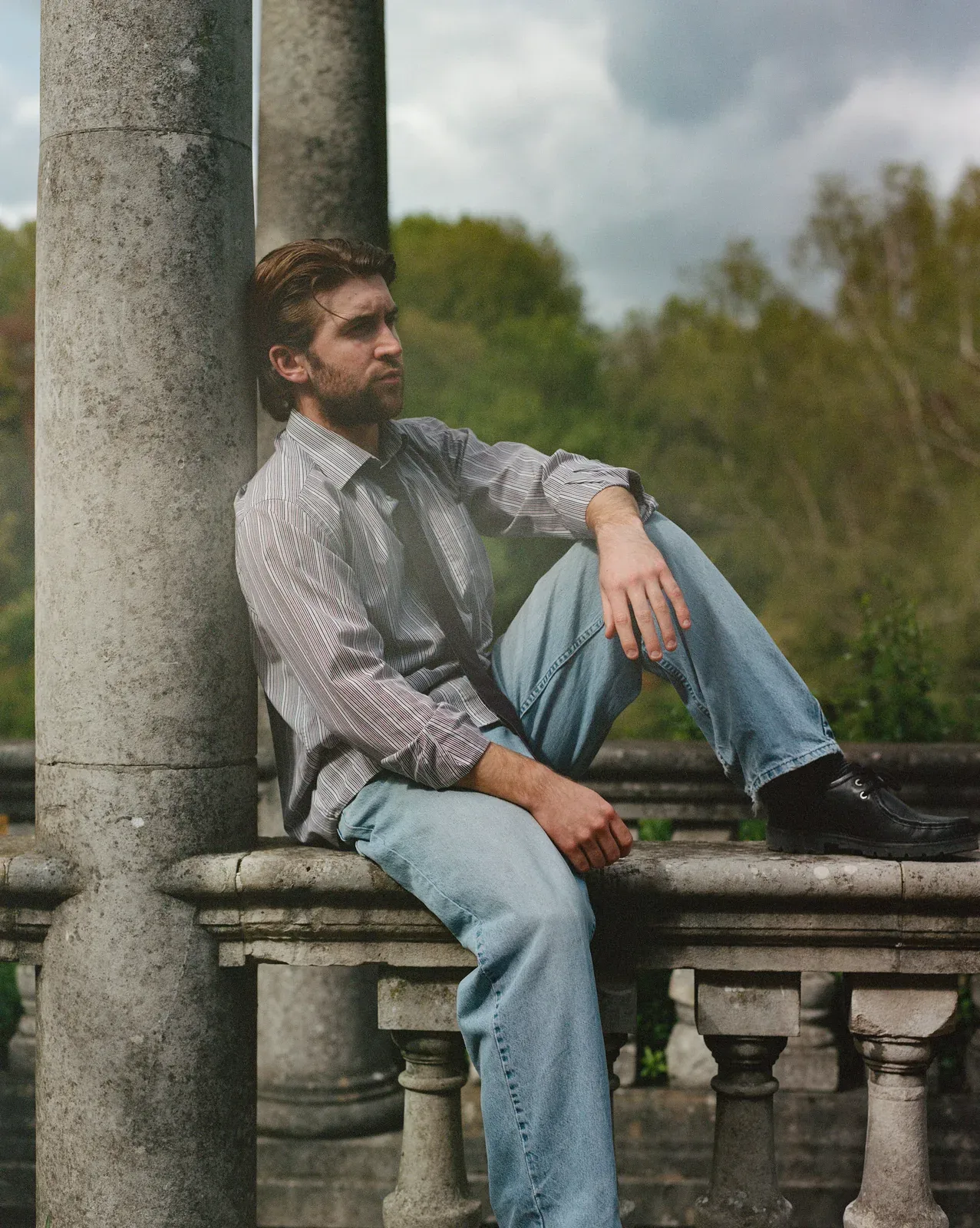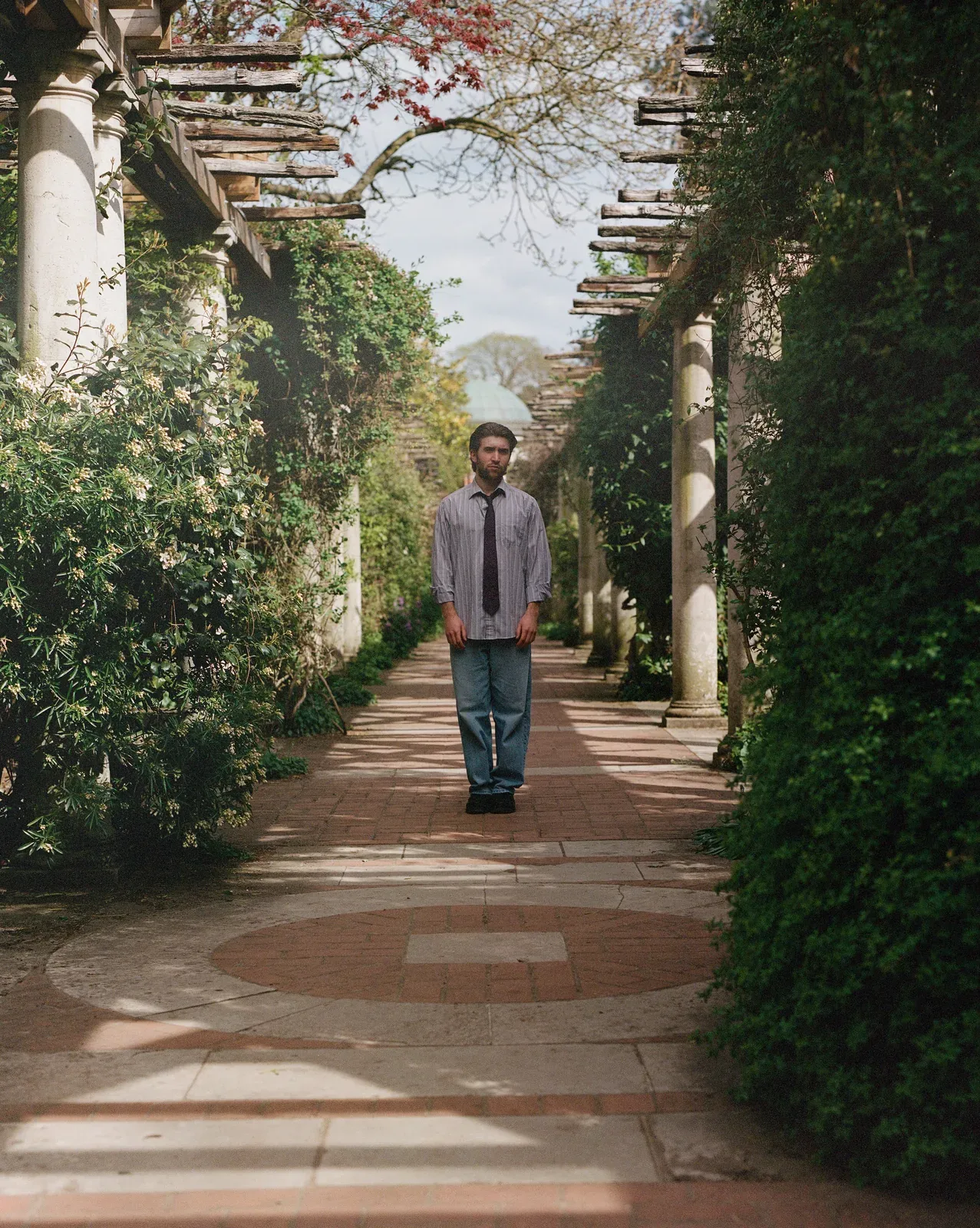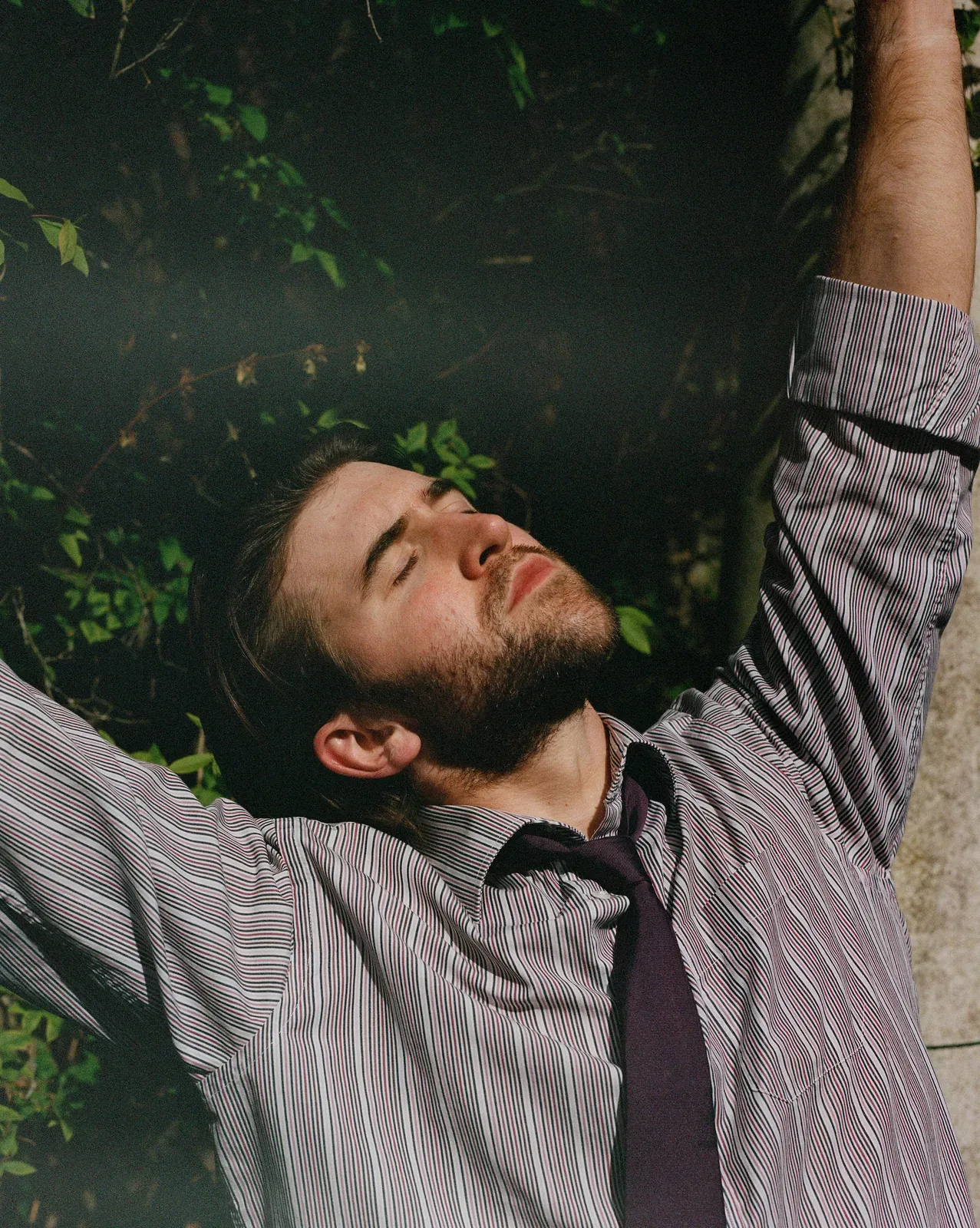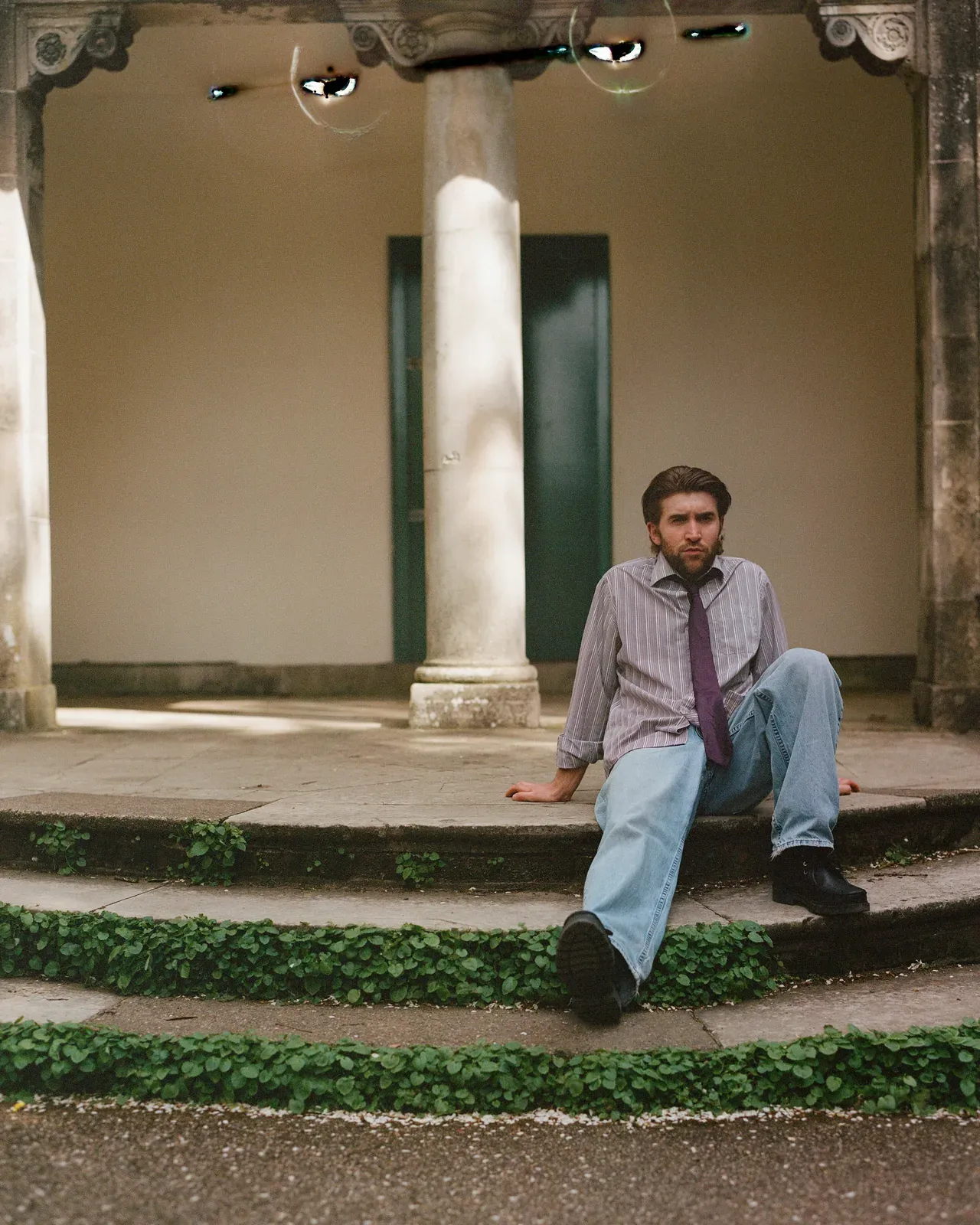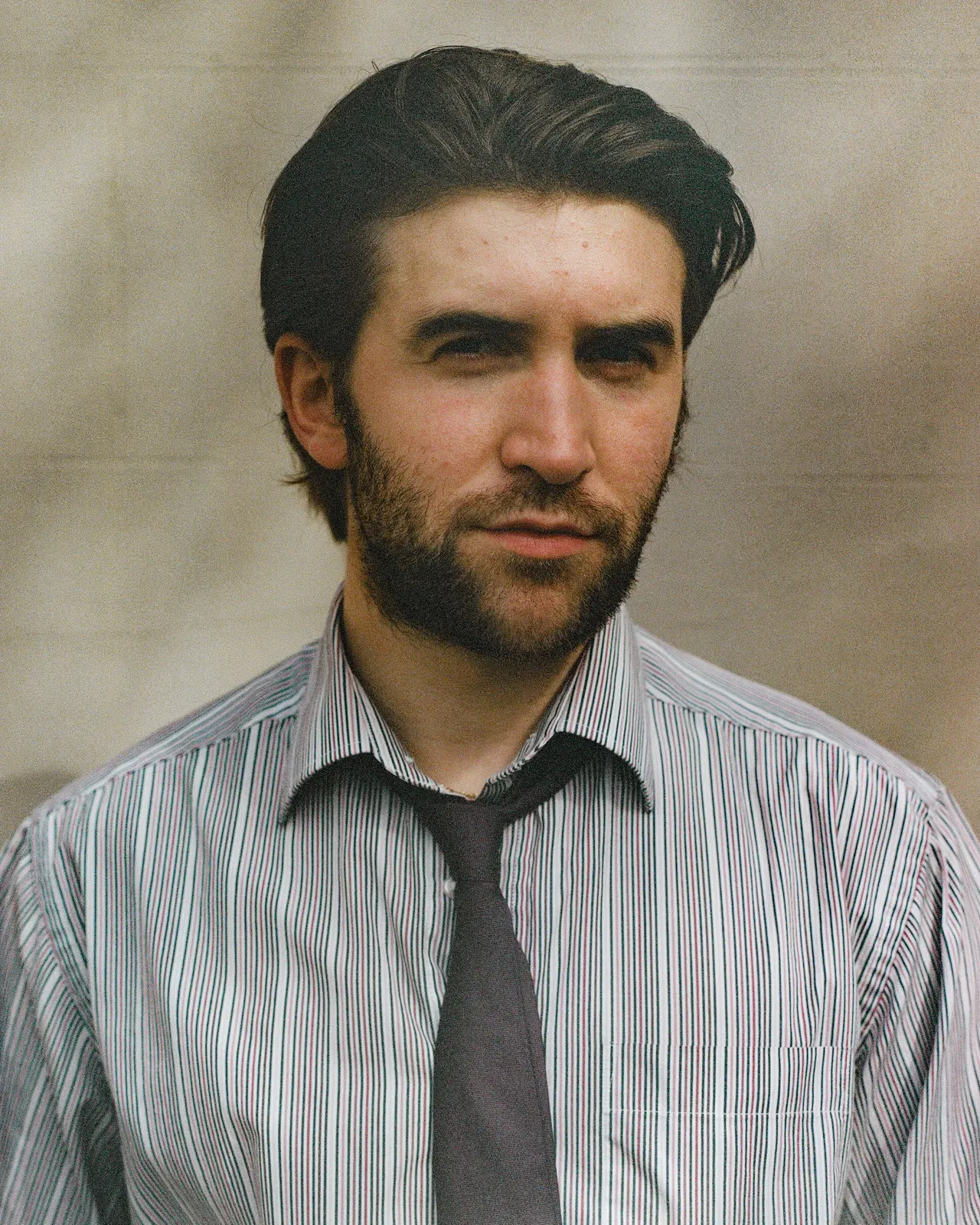
Originally from South Wales, Callum Scott Howells has compiled an impressive record of achievement throughout his acting career so far, performing on stage since childhood and being nominated for a BAFTA for his performance in It’s a Sin. On the release of his latest project, Madfabulous, where he stars as larger-than-life Henry Paget, Howells spoke to METAL about the challenges of balancing creativity with history, and what lies next for his career.
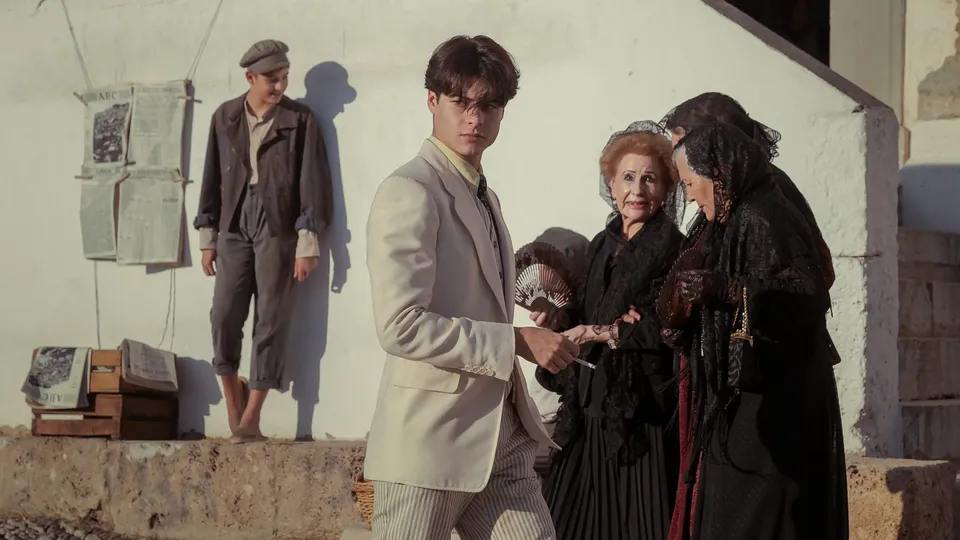
Based on a true story, Madfabulous is a dreamy, flamboyant drama drawn from the life of Henry Paget (Howells), Fifth Marquess of Anglesey, who is notorious for spending his inheritance — and accumulating substantial debt — on an extravagant world of lavish productions, ornate costumes, and opulent jewellery. Howells’ performance navigates both the character’s dazzling, theatrical persona and the complexity and fragility lying beneath it, especially regarding the long illness faced by Paget throughout his short life.
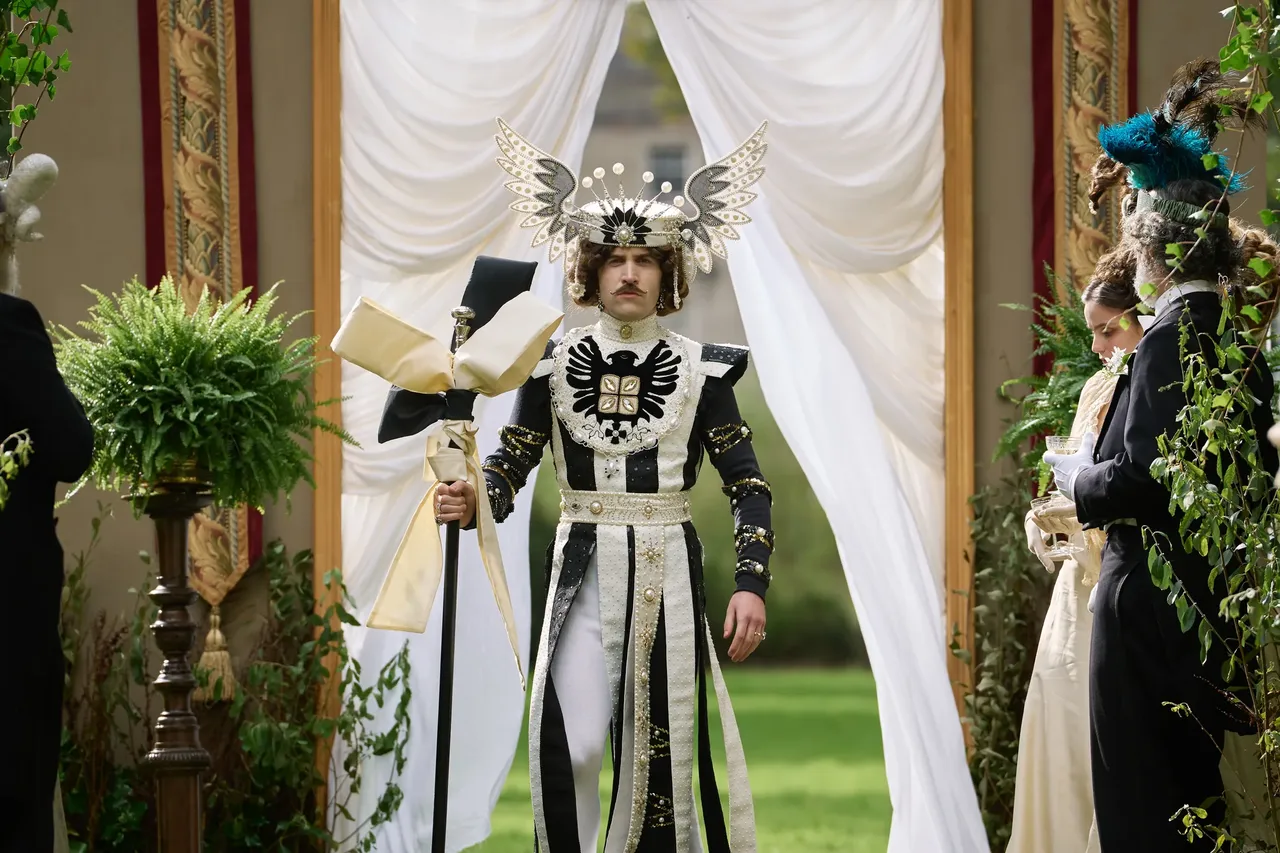
Madfabulous is truly striking visually, with Paget’s home, Plas Newydd, providing a rugged, sweeping backdrop, and the costume design closely reflecting the character’s devotion to extravagant clothing and performance. The use of a replica of Paget’s characteristic white cape is particularly captivating, especially due to the fluidity of Howells in emulating the dancing Paget was known for.
Howells’ performance in Madfabulous is in equal parts euphoric and vulnerable, capturing the lavish, fantastical elements of Paget’s life but equally embracing the more raw, melancholic aspects. This balance is perhaps why the film is so compelling: it doesn’t feel like a tragedy or a cautionary tale, but rather a visually rich exploration of the life of a complex individual, whose infectious energy stood apart from the social norms of the time.
Hi Callum! Madfabulous is described as a ‘fantastical reimagining’ of the life of Henry Paget, the fifth Marquess of Anglesey. Did you know much about his life before taking on the role?
I actually didn’t. Which I’m ashamed to say, as he’s now someone I’ve really come to admire so much and someone I would have loved to have met.
Much of the filming took place in Anglesey, where Paget lived and performed. What was it like to step into his world so literally?
Shooting on Anglesey and in and around where Henry lived was a beautiful experience. I kept wondering if I was ever stood where he stood and just imagining what he was feeling or thinking in any given moment. Especially when we were at Plas Newydd.
How did you find the experience of balancing the creativity of acting with the factual nature of the role, considering its focus on an influential figure from history?
At the beginning of the process, I found it quite difficult as there are so many questions that surround Henry still to this day. I did, however, have a lot of help with research from the creative team as well as doing my own digging. For me, the photos and stories told about him from sources throughout his life were so useful to me. I used them as inspiration to physically and emotionally embody him which was an unbelievably fun (albeit challenging) process.
He’s such an intriguing figure — the film really shows the contrasting elements of his personality. What aspect of his character did you find the most interesting?
I definitely found interrogating why he was so eccentric the most interesting part of his character. Beneath all of the looks, the costumes and the performances I knew there was someone very complicated. I really enjoyed delving into the aspects of his life which were darker and more mysterious as they really helped inform everything when bringing him to life. The dancing was fun too!
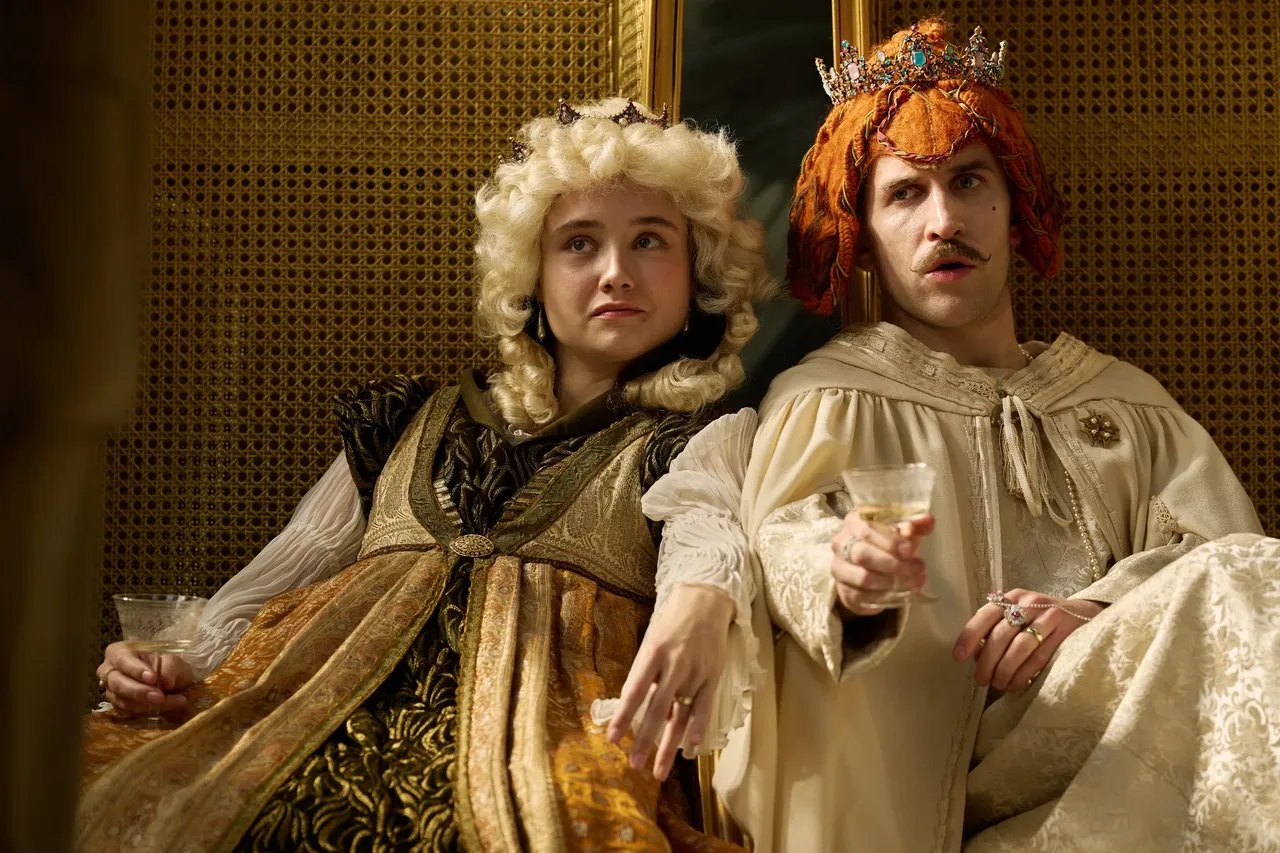
The costumes in the film are striking, in keeping with Paget’s love for fashion: did the design choices help you to understand his character?
They absolutely helped my physicalisation of him. It was quite daunting at the beginning as they are so out there but once I had each of them on they all brought out different aspects of Henry that always surprised me. We did a lot of improvisation which always involved doing something with whatever costume I’d be wearing in any given scene.
The replica of the bejewelled cape Paget is often depicted wearing is particularly memorable. What was it like to wear an outfit so directly associated with his identity?
That was a crazy day. I really felt a huge responsibility that day as the look is so iconic within Henry’s lore. I wanted to do him justice.
How did you approach portraying the Dancing Marquess, in terms of the physicality of his performances, especially his characteristic Butterfly Dance?
It was always about the idea of him almost constantly thinking about how he was presenting himself in any given situation. It was often very interesting when he’d push his behaviour in front of other people who held titles or came from a similar level of status. I think that’s when Henry really made a name for himself, it was almost a form of rebellion in him I think. There is definitely a big fire inside him that I enjoyed exploring throughout the shoot.
You’ve got lots of experience in theatre, appearing in performances of Oliver and Cabaret, among others. Did you think this helped you channel Paget’s passion for entertaining?
100%. I grew up performing onstage from eleven years old so it was incredibly useful when stepping into Henry’s shoes.
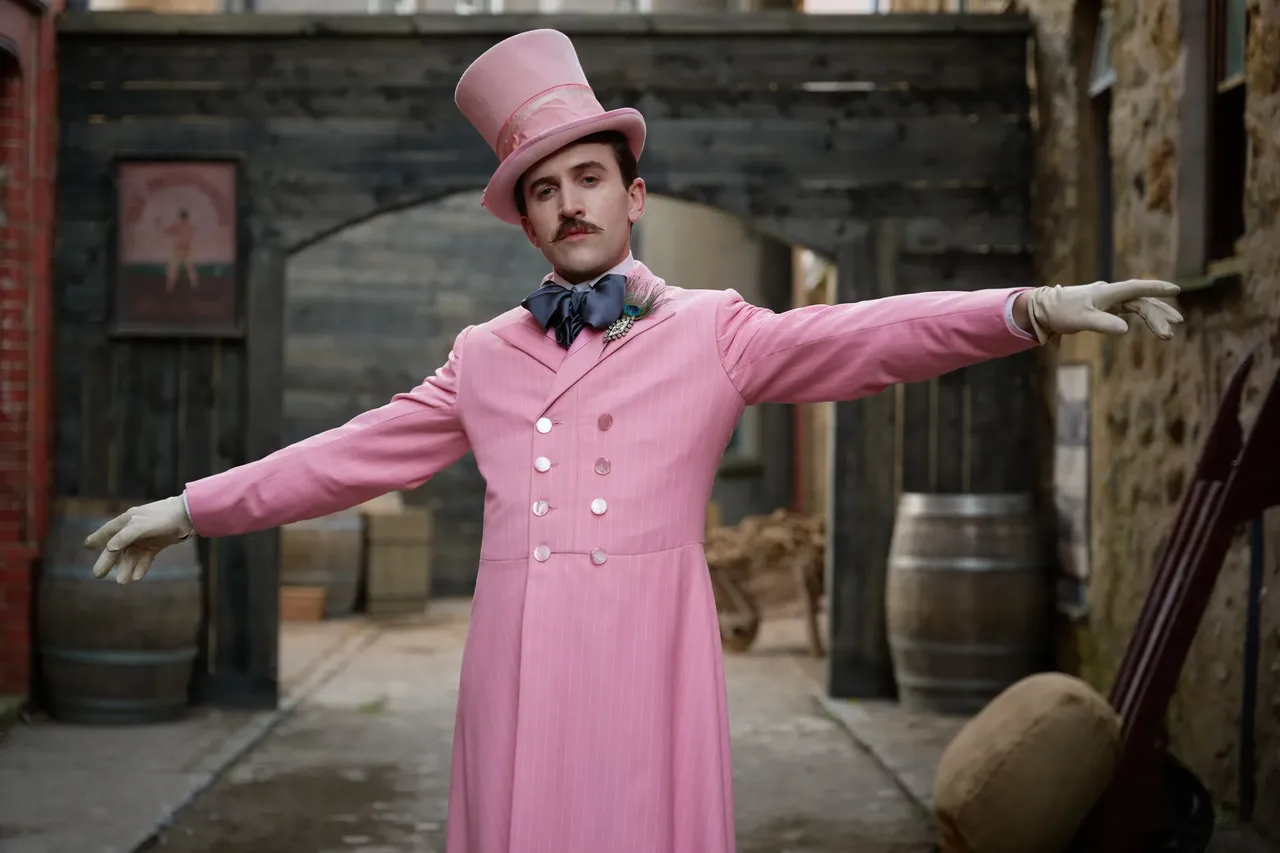
Paget’s defiance of norms surrounding gender and class are now viewed in a much different light than they were at the time. What about his life do you think resonates with contemporary audiences?
I think the idea of society trying to suppress someone from being who they truly are or want to be is one that certainly should resonate with a modern audience. I thought for a time that we were on a positive path towards real change but it seems in the last few years we’ve taken several steps backwards. I hope audiences are inspired by the story of Henry Paget as in a lot of ways (aside from blowing all his money!) he represents the good in all of us.
The film doesn’t try to categorise or label him in terms of his sexuality. How did you approach portraying that ambiguity?
Well, there was never any evidence or even hearsay about any intimate relationships Henry had so I felt it quite important that we didn’t impose anything concrete onto him in this film. Although, I did find it interesting exploring telling the story of his marriage as that informed a huge aspect of him as a character for me.
Madfabulous is summarised as a ‘riotous, uncompromising celebration of otherness’. Do you think audiences are looking for stories like this more than ever right now?
I hope so!
What’s up next for you? You’ve been filming a thriller in Snowdonia recently, right?
Yes. I’ve recently finished filming for Deadpoint in and around Eryri, North Wales. It’s a thriller set in the mountains and it’s being made by Clerkenwell Films who produced the shows Baby Reindeer and The End of the F***ing World and Channel 4 who I did It’s a Sin with. It should be out soon!
Are you excited to be involved in Madfabulous, as it’s such a different type of production?
Yes and I’m so excited for audiences to be able to see it in the cinema.