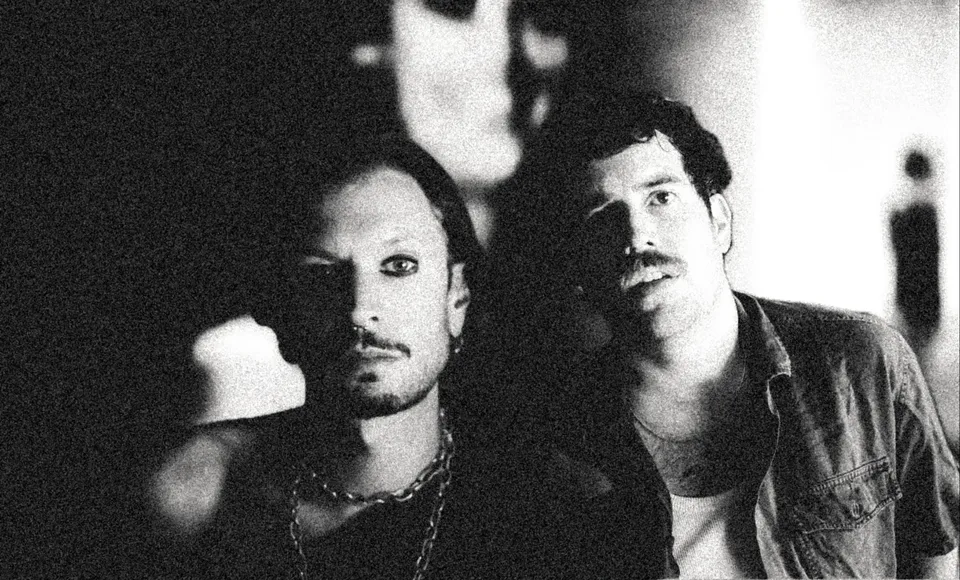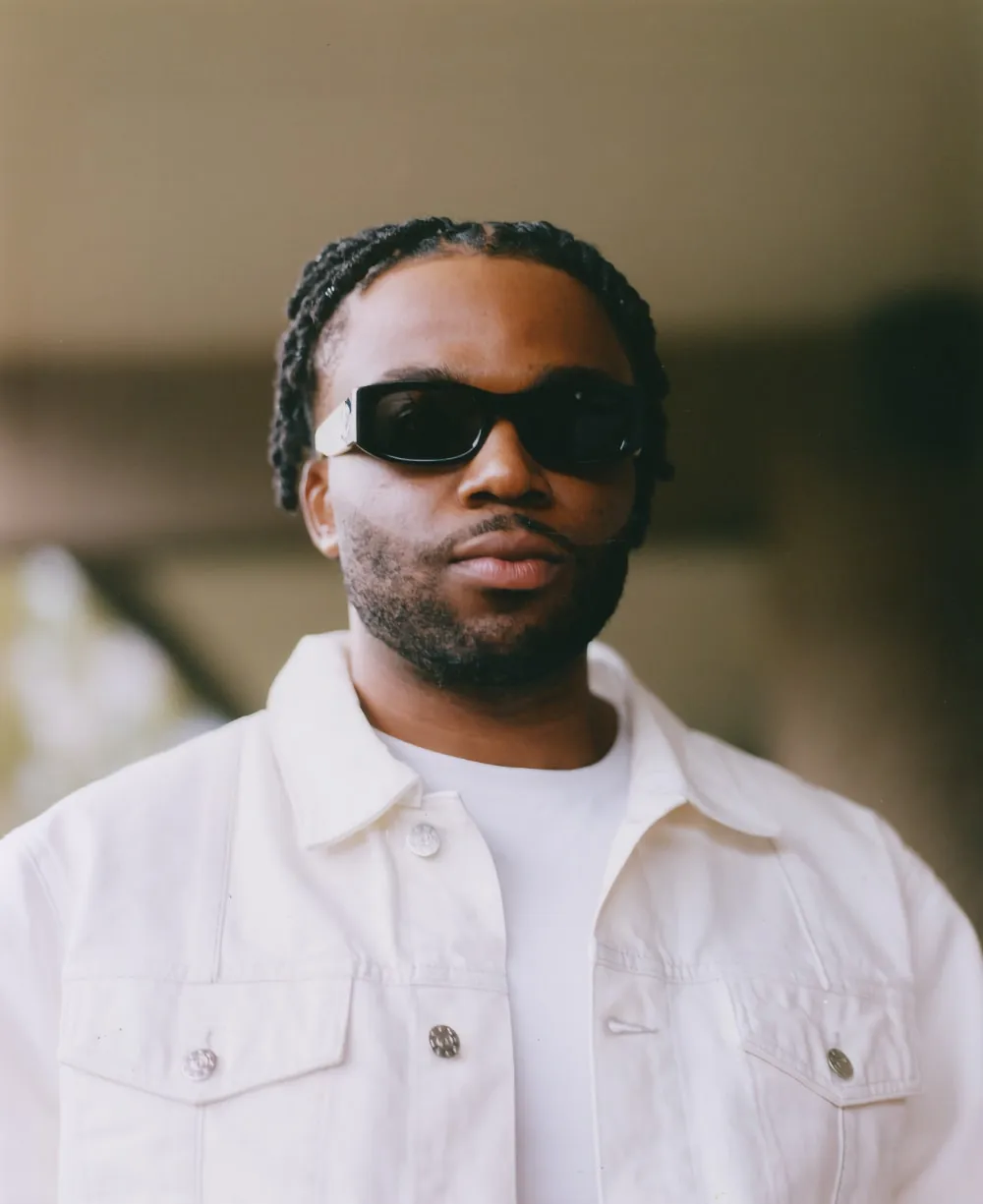
Blanco’s new EP, Paradise on a Lifeboat, arrives as a moment of suspension, the kind of pause that quietly rearranges the architecture of a story. Ten years after his first steps in Kennington, he releases a project that feels both distilled and disarmingly poignant, rooted in tension, memory, and the search for meaning amidst survival.
The EP draws from an arc in Naruto, where the so-called filler episodes reveal the emotional logic beneath the narrative. As Blanco explains, “Paradise on a Lifeboat is inspired by an arc from the anime Naruto. The title immediately stood out to me because of its oxymoronic nature; it captures both beauty and struggle, and their coexistence. Can’t lie, it reflects my own life, my upbringing was rough, but there were still moments that felt like paradise.”
A few days before the release, he reflected on the decade behind him, writing, “How can there be paradise when we’re barely surviving? When I reflect back on my music career, a lot has changed. It’s been ten years exactly since I started rapping, and now I’m four projects deep… doing fuckeries on the ends, surrounded by chaos and desperation, but the people around me made it paradise.” Across six tracks, Blanco sharpens that duality. Kuduro textures nod to his Angolan roots, while London’s pulse tightens every line. The collaboration with Kidwild on One More Day adds a warmer counterbalance, the kind of chemistry that already shaped their connection in Remontada, here returning with a more understated tone.
Musically, the project moves with a clear sense of intention. Regime sets the pace with a contained urgency, while Yango and Porto Alegre open the sound toward more rhythmic, global influences without losing focus. Akaza sits at the emotional centre of the EP, its restraint giving way to flashes of internal pressure. The closer, Reborn, offers a softer lift, a moment that hints at change rather than resolving it outright.
Yesterday, he released the video for Akaza, a stark and controlled visual that mirrors the EP’s inner gravity. It extends the project’s language into image, showing how Blanco anchors mood and narrative through simplicity. Instead of presenting itself as a definitive statement, Paradise on a Lifeboat feels like a chapter that opens more than it closes. Blanco leans into precision, into smaller gestures that carry weight, and into a sound that continues to evolve without losing its centre.