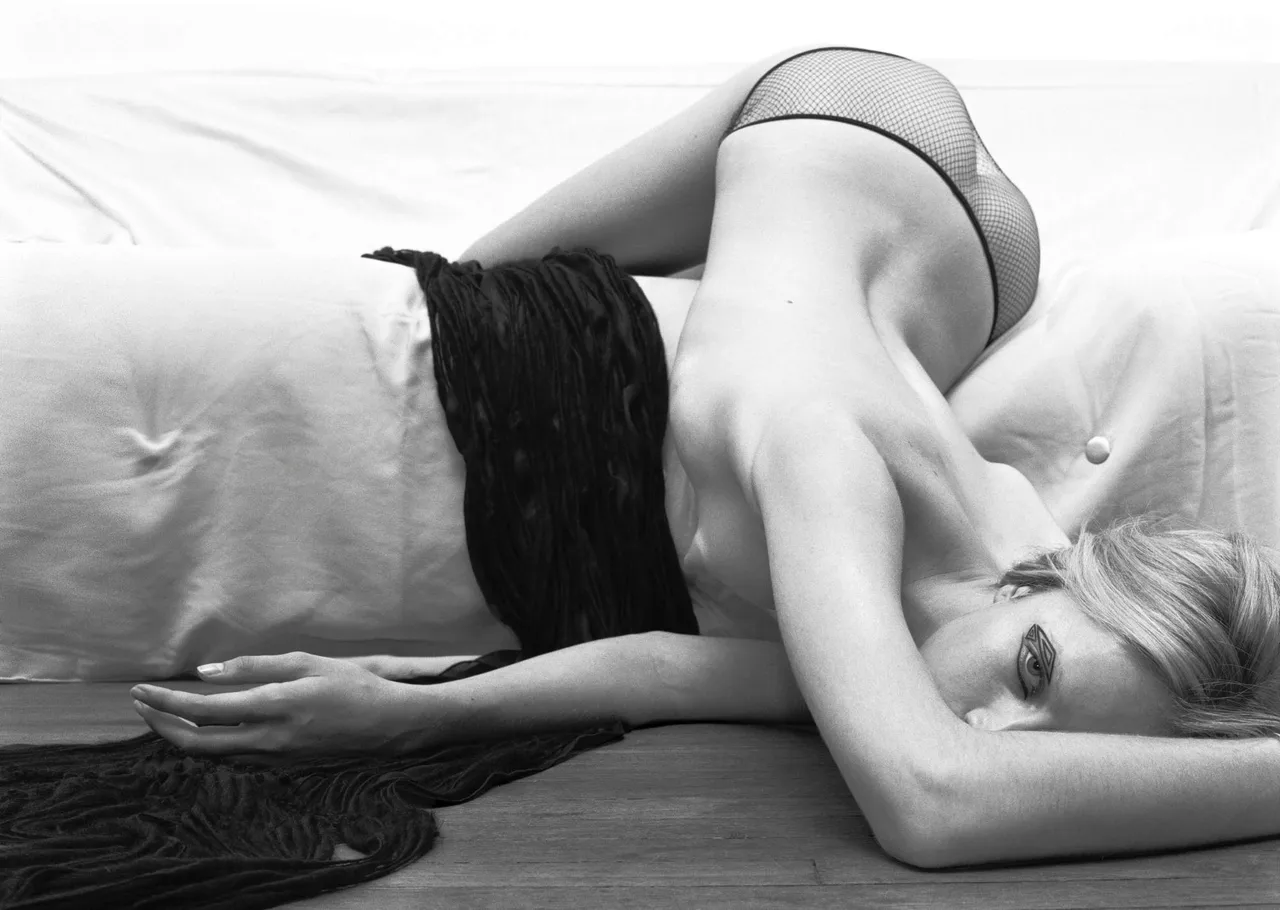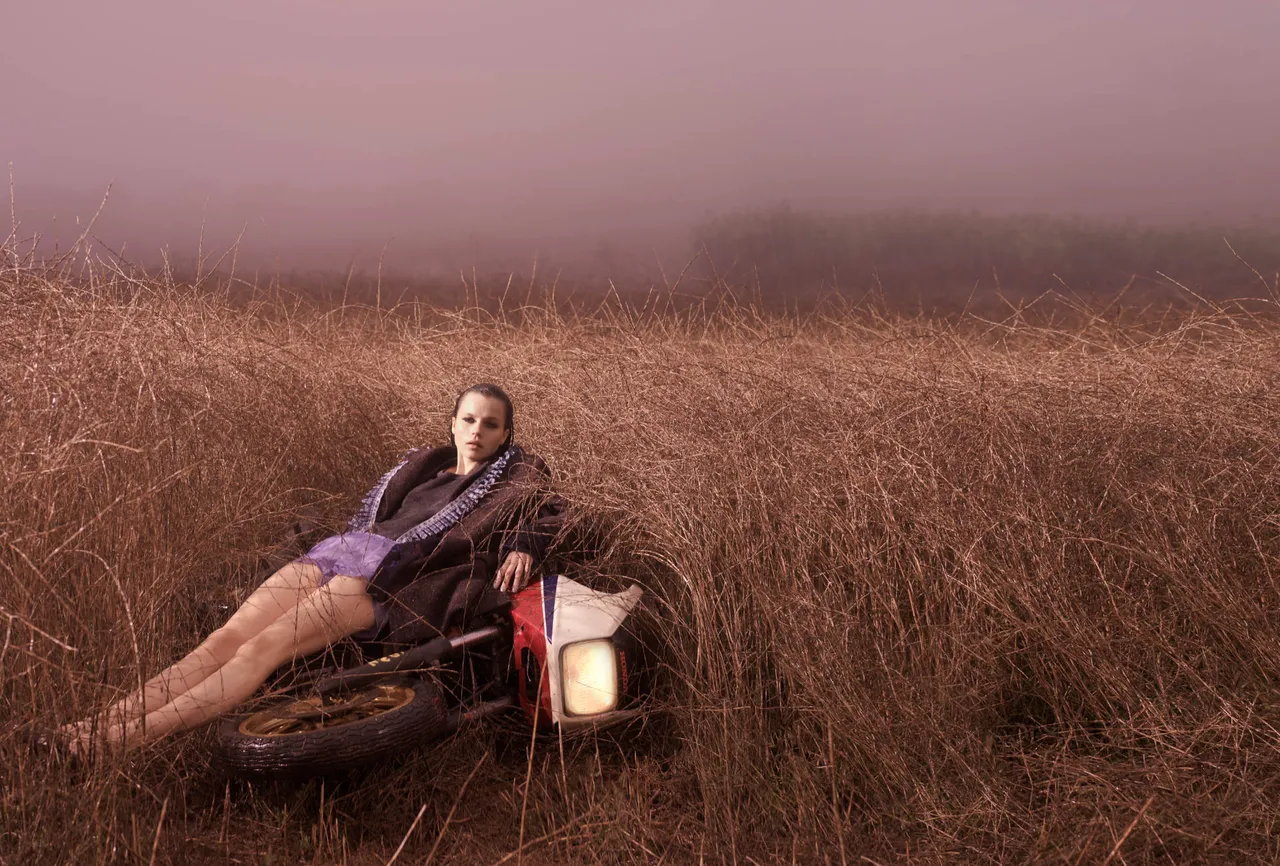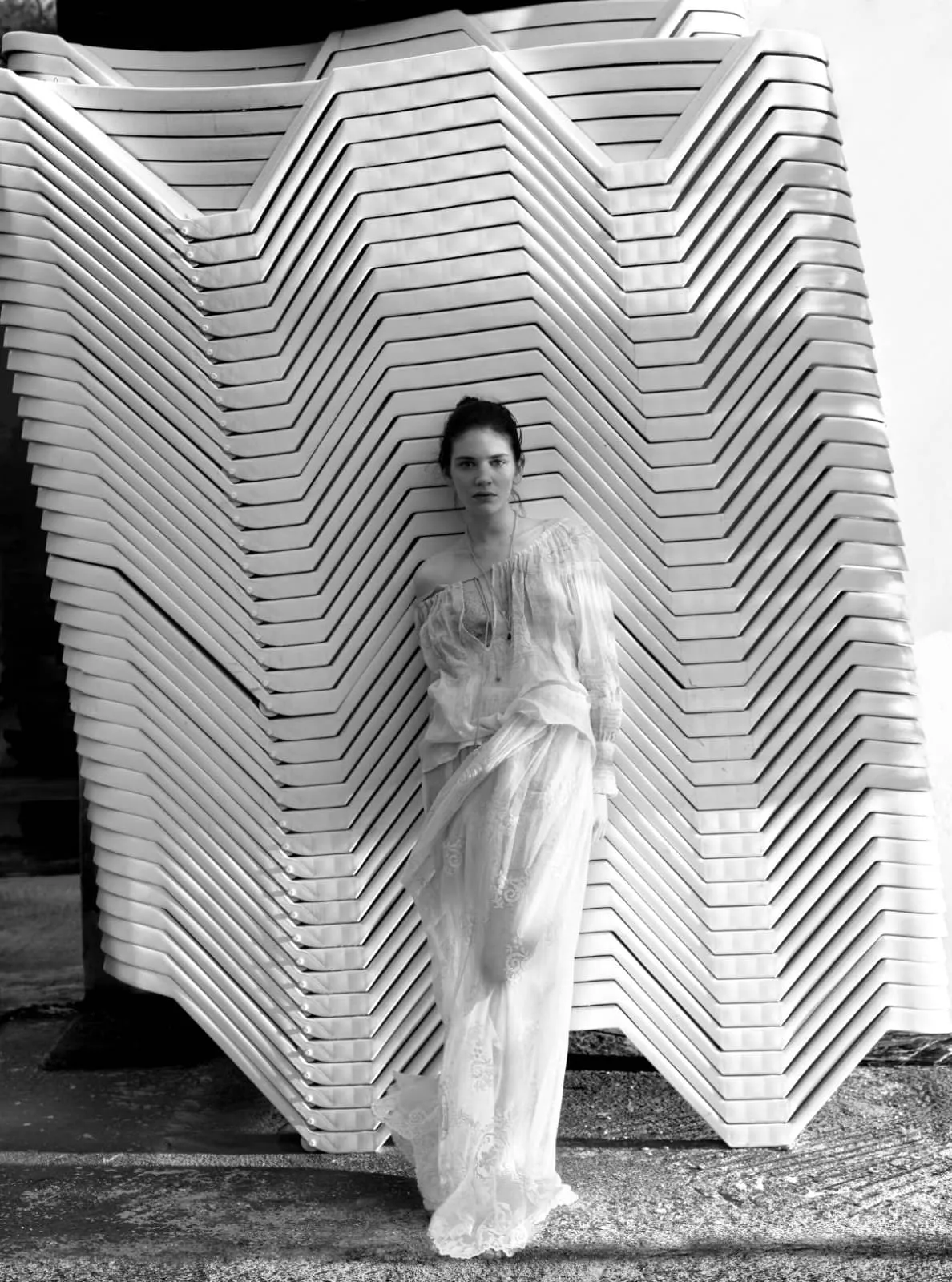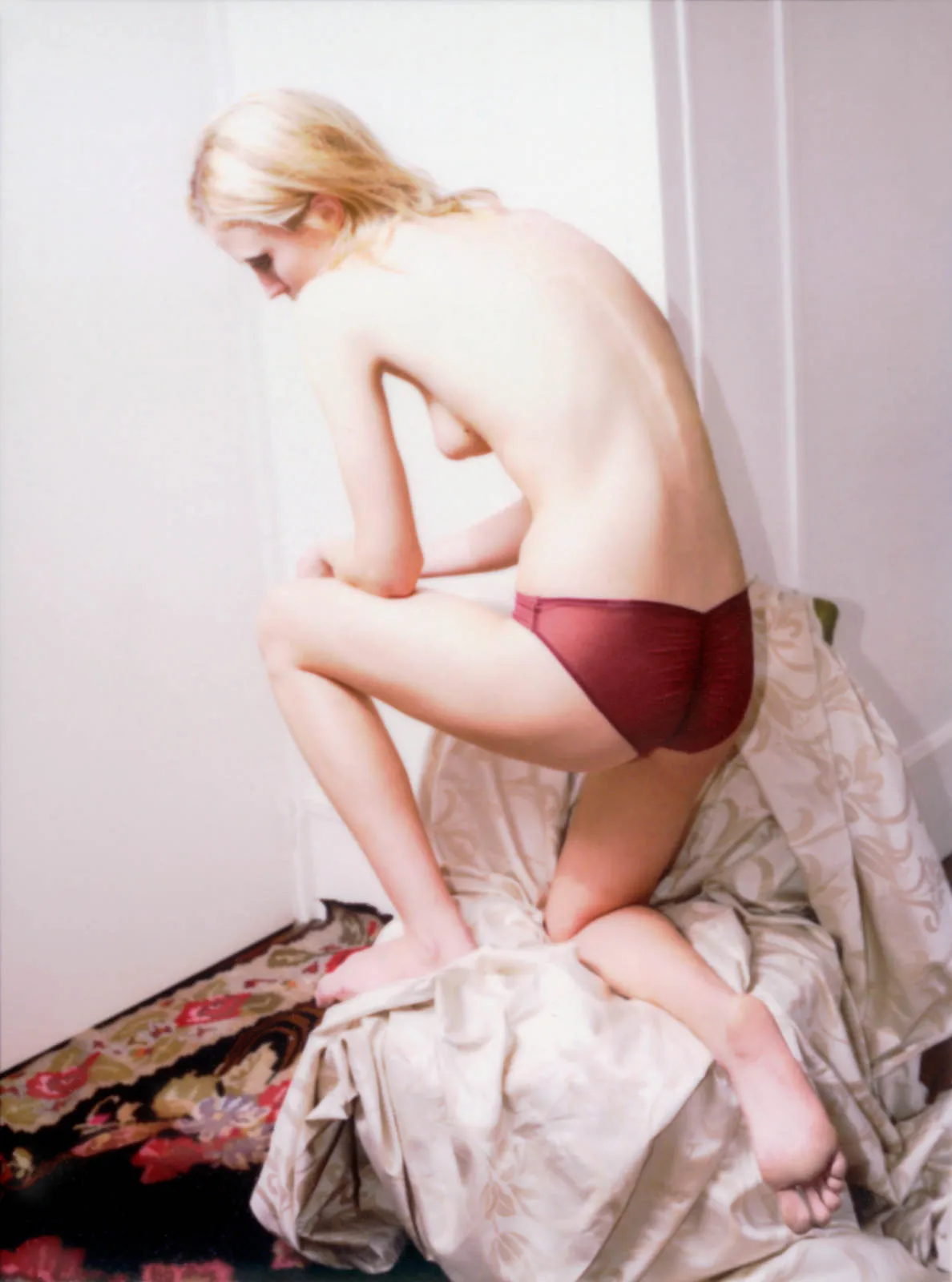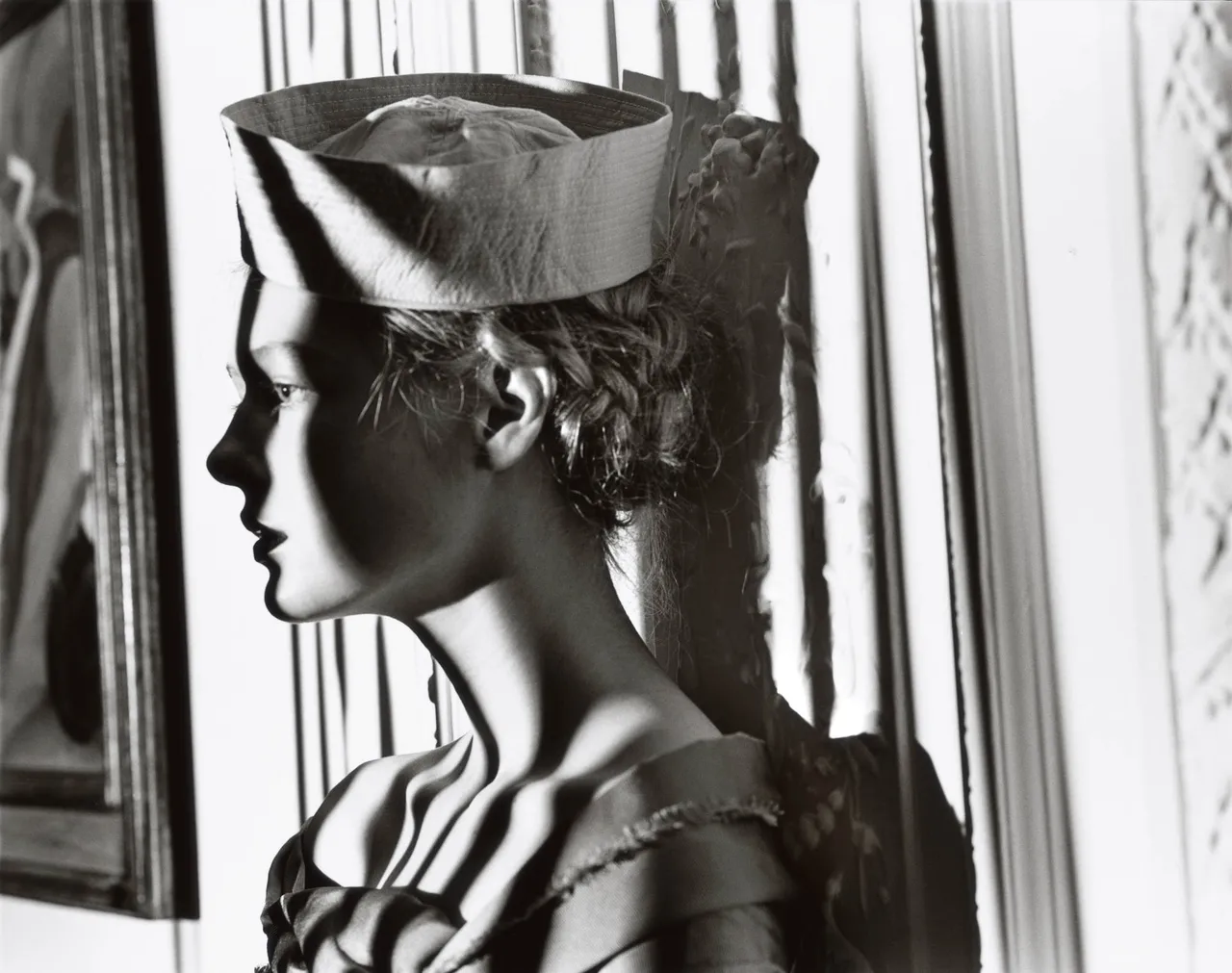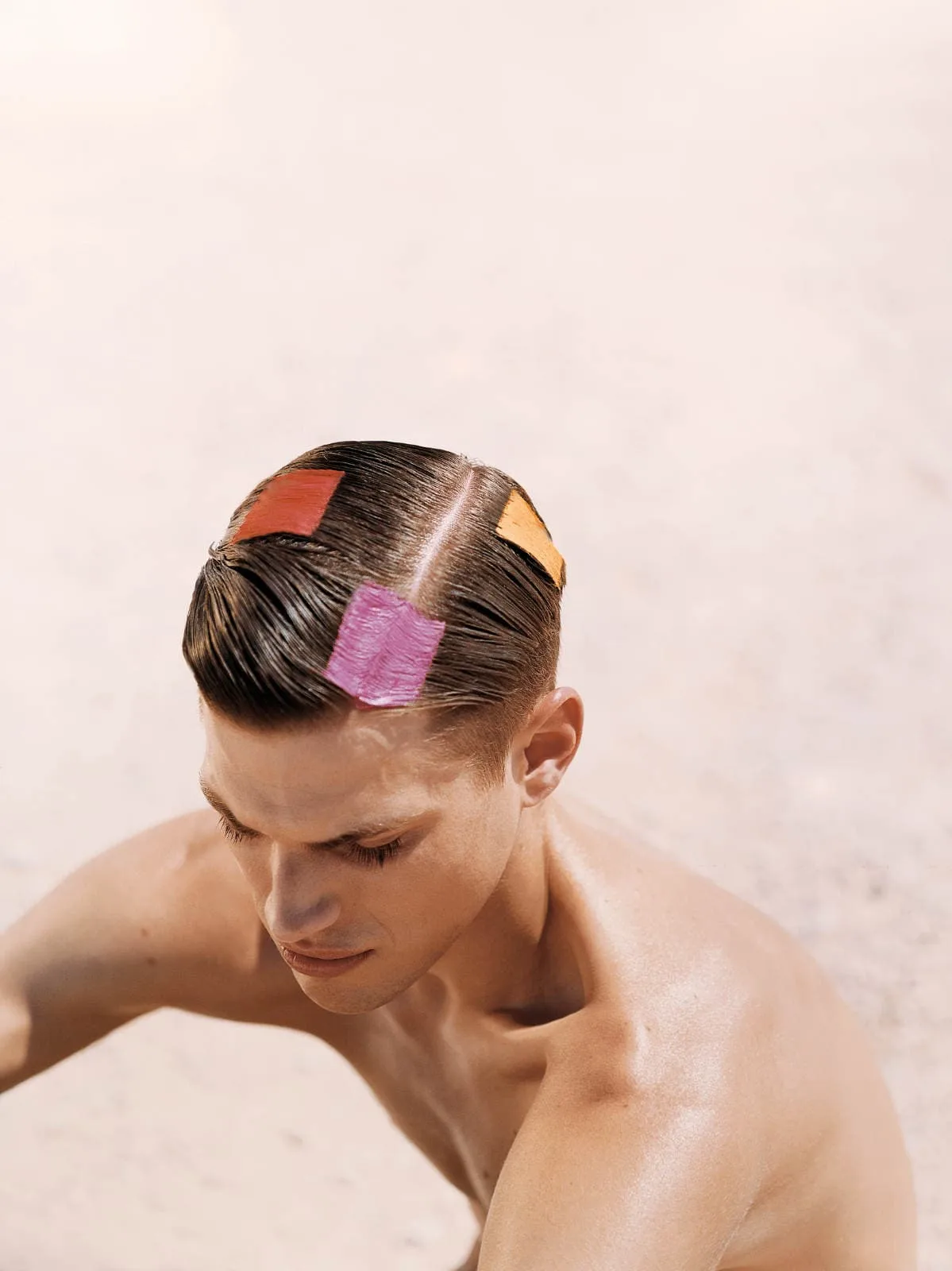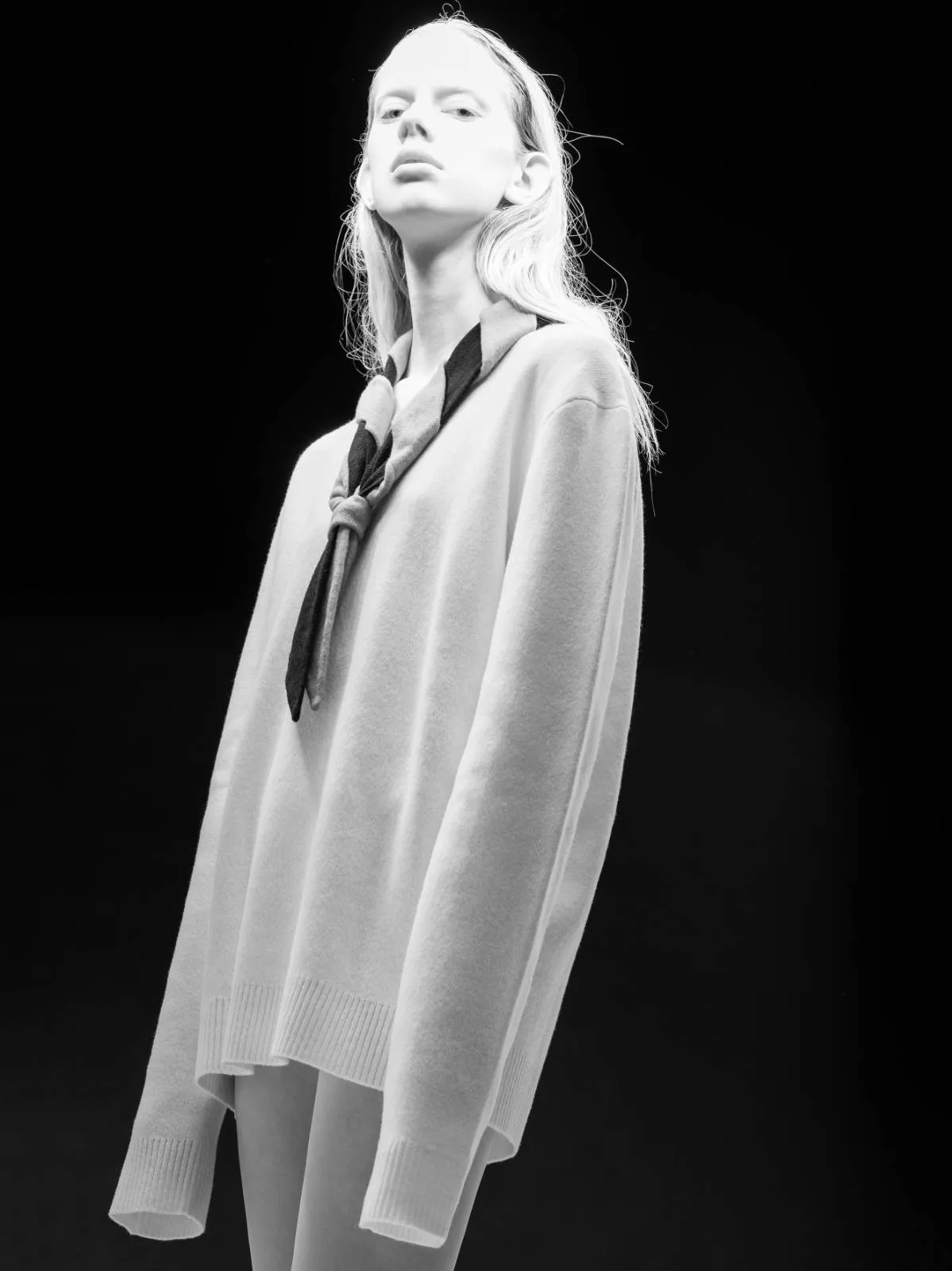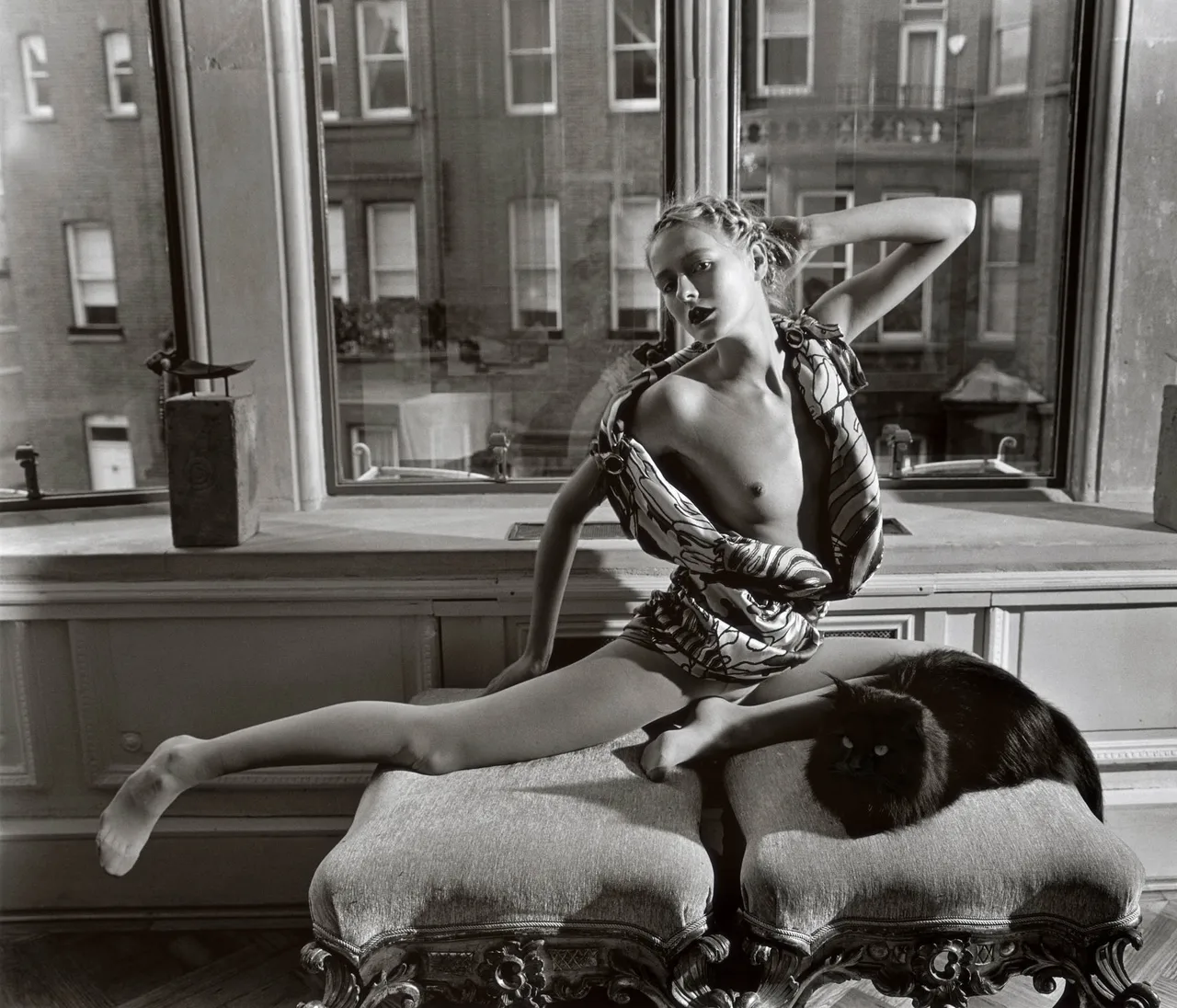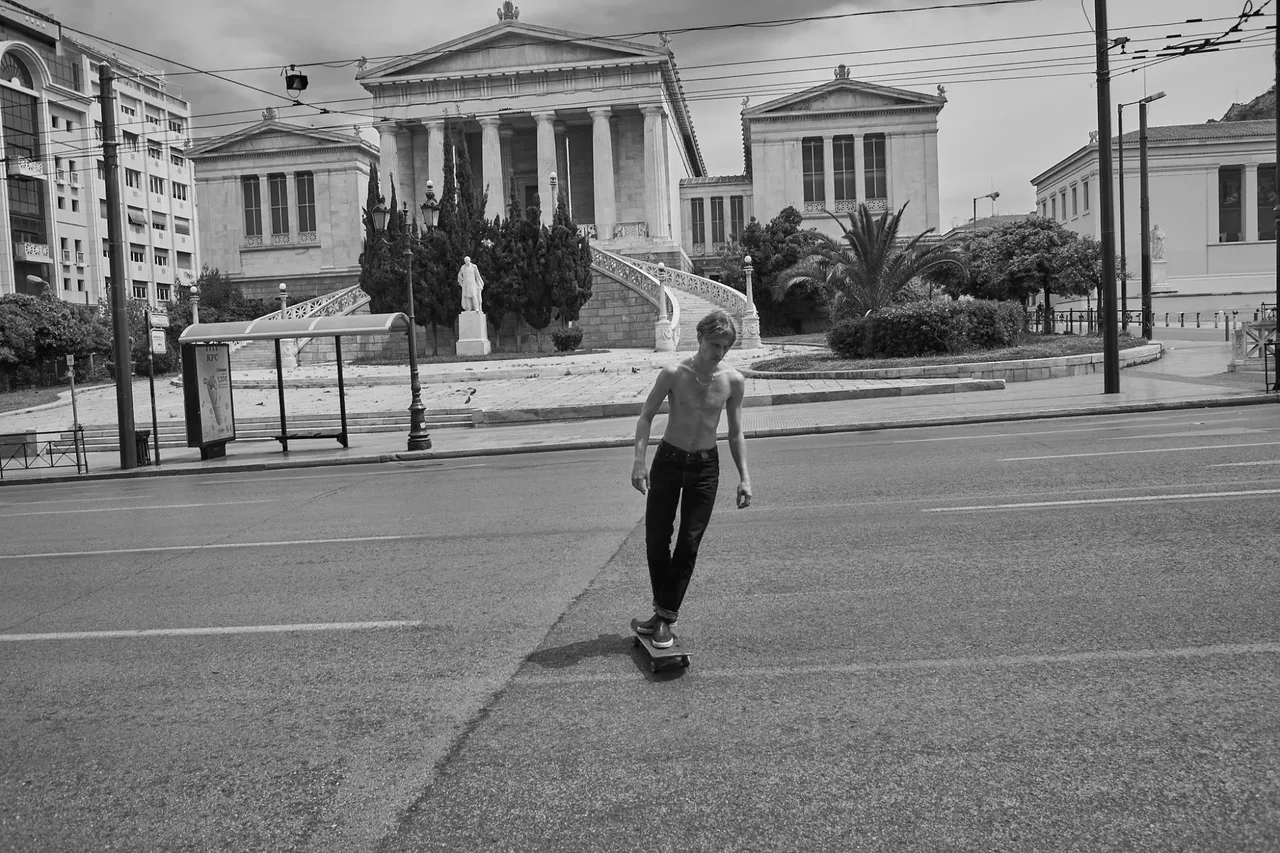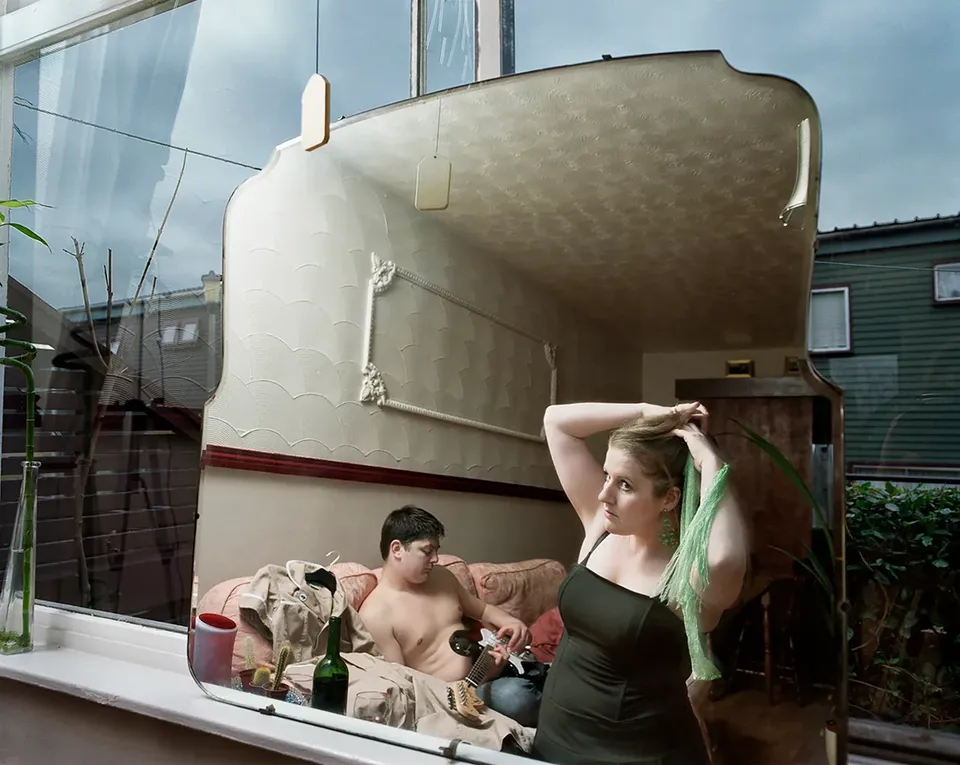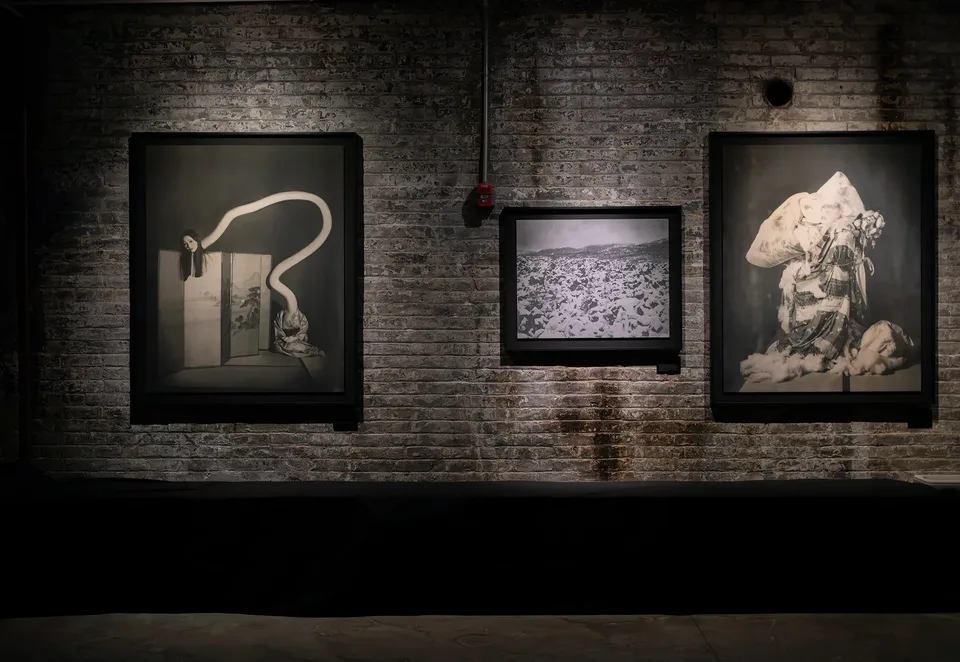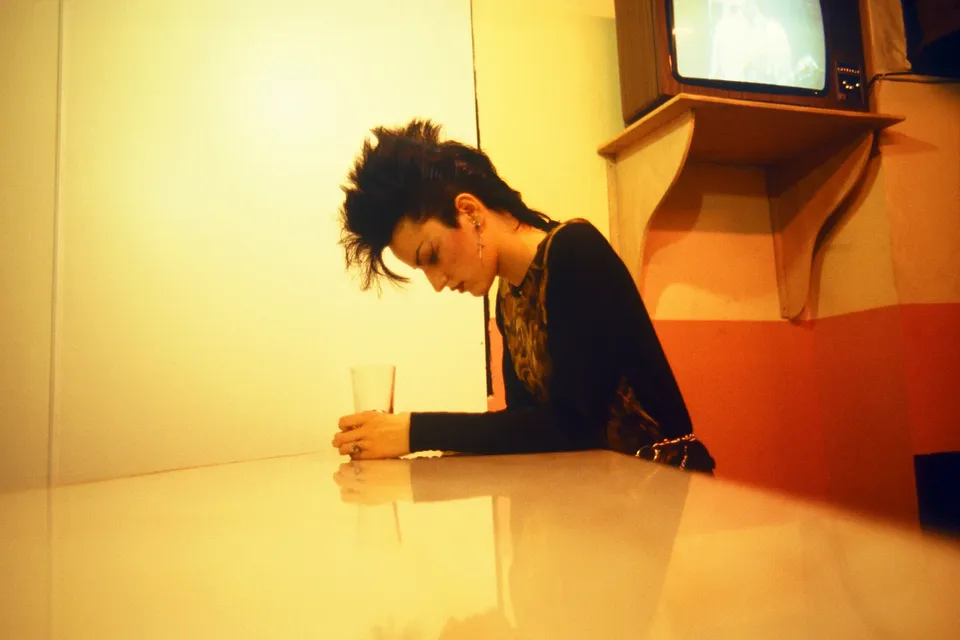
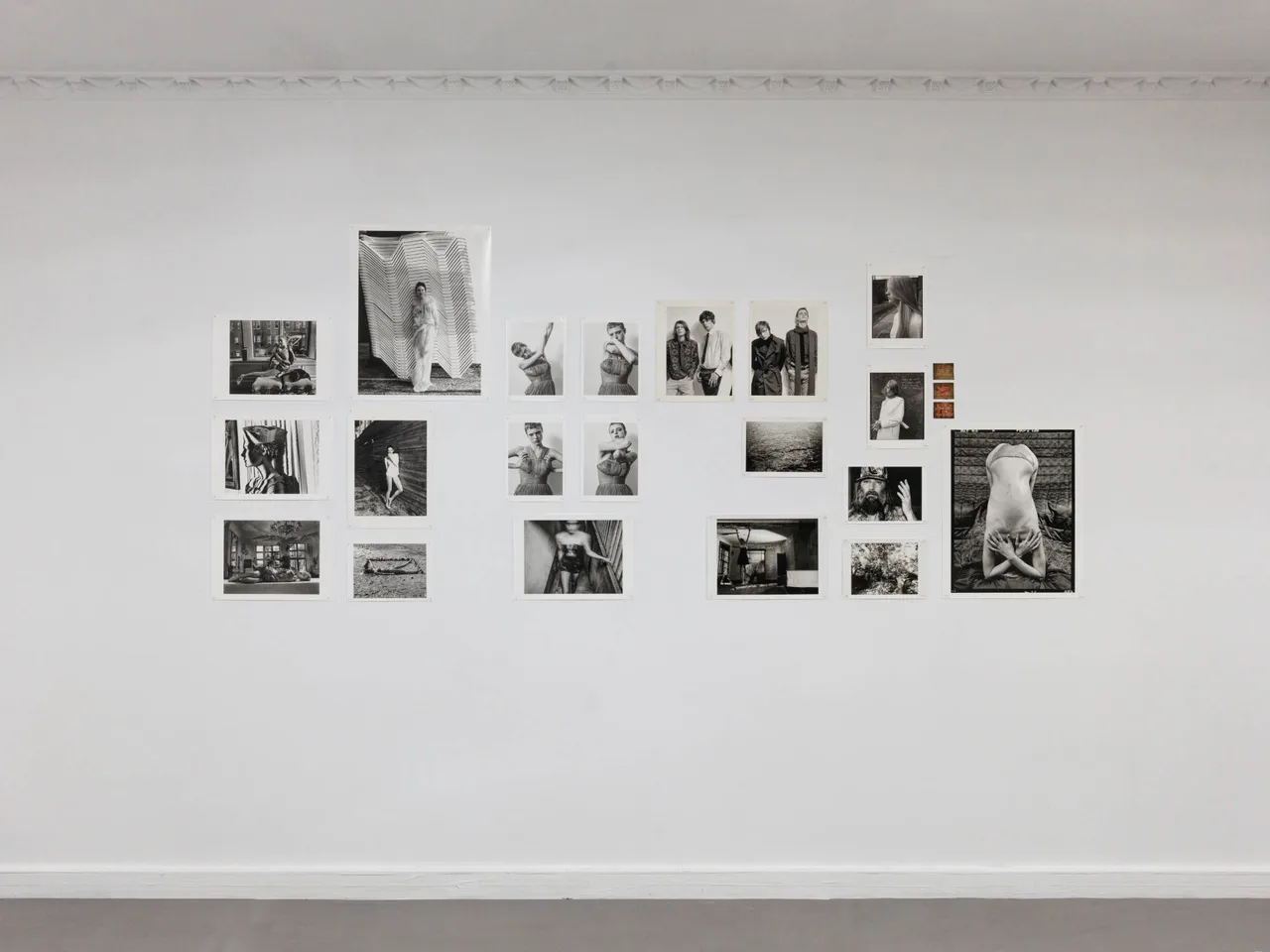
Across a practice spanning three decades, Bill Georgoussis is concerned less with the speed of fashion than with the depth of seeing. In this passage from analogue to digital, photography moves closer to time itself, shaped by quiet attention rather than the instant. Now, the Athens-based photographer is showing part of his decades-long career in Push Plus One, a solo show at Lesvos’ K Gold Temporary Gallery, on view through March 15. Today, we sit down with Georgoussis to reflect on fashion photography now, how moving away from home stays with you, and the secrecy surrounding the photographic process.
Push Plus One looks back on thirty years of practice. When you revisit this archive today, is there a visual reflex or aesthetic decision you no longer defend?
In the past, I would sometimes move toward a mood of visual and technical complexity, which I have gradually pushed out of my work. Although my images can still be quite technical, I try not to make this apparent in the final photograph. I have always been happiest when an image carries a sense of spontaneity and captures an unexpected moment. While going through my archive for the exhibition, I noticed that my favourite pictures were the simplified and spontaneous ones, something I still strive for in my current work.
Fashion photography has become a field built on speed, production, and circulation. Is consciously maintaining a ‘less shooting, more thinking’ approach an aesthetic preference for you today, or an ethical position?
It is partly a reaction to the demands the industry has placed on creatives in the fashion business to work more cheaply and quickly than ever before. Once film, labs, and scans were eliminated, production costs dropped significantly. The same happened to photographers’ rates. Shooting budgets are now largely spent on celebrity models and large-scale fashion shows that focus more on video than still imagery. Clothing is increasingly sold through moving images rather than through carefully crafted campaigns.
Ethically, I believe in slowing down the pace of a shoot, looking at the model more carefully and creating a rapport that allows me to reach the spontaneous moment I am searching for. Even my choice of digital camera reflects this mindset. I use a medium-format digital camera with manual focus. It reminds me of the film cameras I once used. Smaller digital cameras are faster and easier, but that is not what I am looking for.
Ethically, I believe in slowing down the pace of a shoot, looking at the model more carefully and creating a rapport that allows me to reach the spontaneous moment I am searching for. Even my choice of digital camera reflects this mindset. I use a medium-format digital camera with manual focus. It reminds me of the film cameras I once used. Smaller digital cameras are faster and easier, but that is not what I am looking for.
As someone who personally experienced the transition from analogue to digital, do you think this transformation changed the photographer’s way of seeing the world, or did it only change the speed at which images circulate?
The arrival of digital photography opened the floodgates, allowing photographs to saturate the visual world, which had previously been dominated by paper and ink. There used to be a physical limit to how many images a magazine or client would request, since each image carried post-production costs. More thought went into final selections. Today, image use feels unlimited because there is far less physical printing involved, so clients demand more images. This has changed the creative pressure on photographers, as many clients push simultaneously for quantity and quality, yet the two do not always coexist.
What struck me recently was seeing my work printed on paper and displayed on walls, rather than viewed on a screen. This shift, I believe, has altered how photographers now see the world. A printed photograph enters another dimension; it becomes real, alive, and, of course, perishable, like any original artwork. A digital image, in theory, can live forever. I am not sure whether that is good or bad.
What struck me recently was seeing my work printed on paper and displayed on walls, rather than viewed on a screen. This shift, I believe, has altered how photographers now see the world. A printed photograph enters another dimension; it becomes real, alive, and, of course, perishable, like any original artwork. A digital image, in theory, can live forever. I am not sure whether that is good or bad.
“I have always been happiest when an image carries a sense of spontaneity and captures an unexpected moment.”
The personal objects and technical equipment featured in the exhibition invite the viewer into the process. Is this a conscious reckoning with the idea that the photographer must remain invisible?
Photographers often seem to be hiding — behind the camera, in the darkroom, or behind a desk selecting images. I remember the shock of seeing Helmut Newton’s photographs that included himself within the frame. No one else was doing that at the time, and he even revealed his technical setup, such as the lighting. This required courage, as most photographers were, and still are, very secretive about their methods. His only real secret was creativity, and that cannot be copied. There used to be a profound mystery surrounding the photographic process, and an even greater one around professional photography. People were always surprised by how many shutter clicks it took to produce a single perfect magazine page.
The process becomes more complex with film, as it is a physical material that requires viewing and decision-making. It was part of my analogue life for many years, and it was deeply enjoyable. Film allowed more time to edit a story; it was almost meditative. With a monitor and software, you can feel more like a film editor than a photographer. I wanted to show how personal the entire process is, that it is not only about pressing the shutter.
The process becomes more complex with film, as it is a physical material that requires viewing and decision-making. It was part of my analogue life for many years, and it was deeply enjoyable. Film allowed more time to edit a story; it was almost meditative. With a monitor and software, you can feel more like a film editor than a photographer. I wanted to show how personal the entire process is, that it is not only about pressing the shutter.
As a photographer living and working in Athens, how does producing from a peripheral location affect your perspective? Does this distance create a space of freedom in your images, or is it a conscious solitude?
For many years, living and working in different cities always influenced the images I produced. I felt London very strongly, even when shooting in a studio; it was about the people and the atmosphere of the city. After leaving London and making Athens my home, I began bringing my clients to me. It filled something that had been missing. Athens carried a feeling absent from many of the cities where I had previously lived and worked. The stylists I collaborated with sensed this difference, and it helped us develop our own way of working. It felt exotic to them, just as it did to me, since I was not originally from there either.
What has this thirty-year period of intense production and constant movement changed in your personal life? What has it taken from you? What has been the most personal cost that defines your relationship with photography today?
When I left my birthplace, Melbourne, Australia, I did not consciously think it would be forever. My mother, father, sister, and closest friends were all there. My parents had also believed their move from Greece to Australia in 1960 would not be permanent. Eventually, it was I who returned to Greece to build a life and start a family.
Leaving my life behind was difficult, but it helped me understand what my parents had felt when they left their own families in their early twenties. That feeling stays with you. Yet during those years away, I also found myself through my work. Most importantly, along the way I found my wife, Peni, and my daughter, Jo.
Leaving my life behind was difficult, but it helped me understand what my parents had felt when they left their own families in their early twenties. That feeling stays with you. Yet during those years away, I also found myself through my work. Most importantly, along the way I found my wife, Peni, and my daughter, Jo.