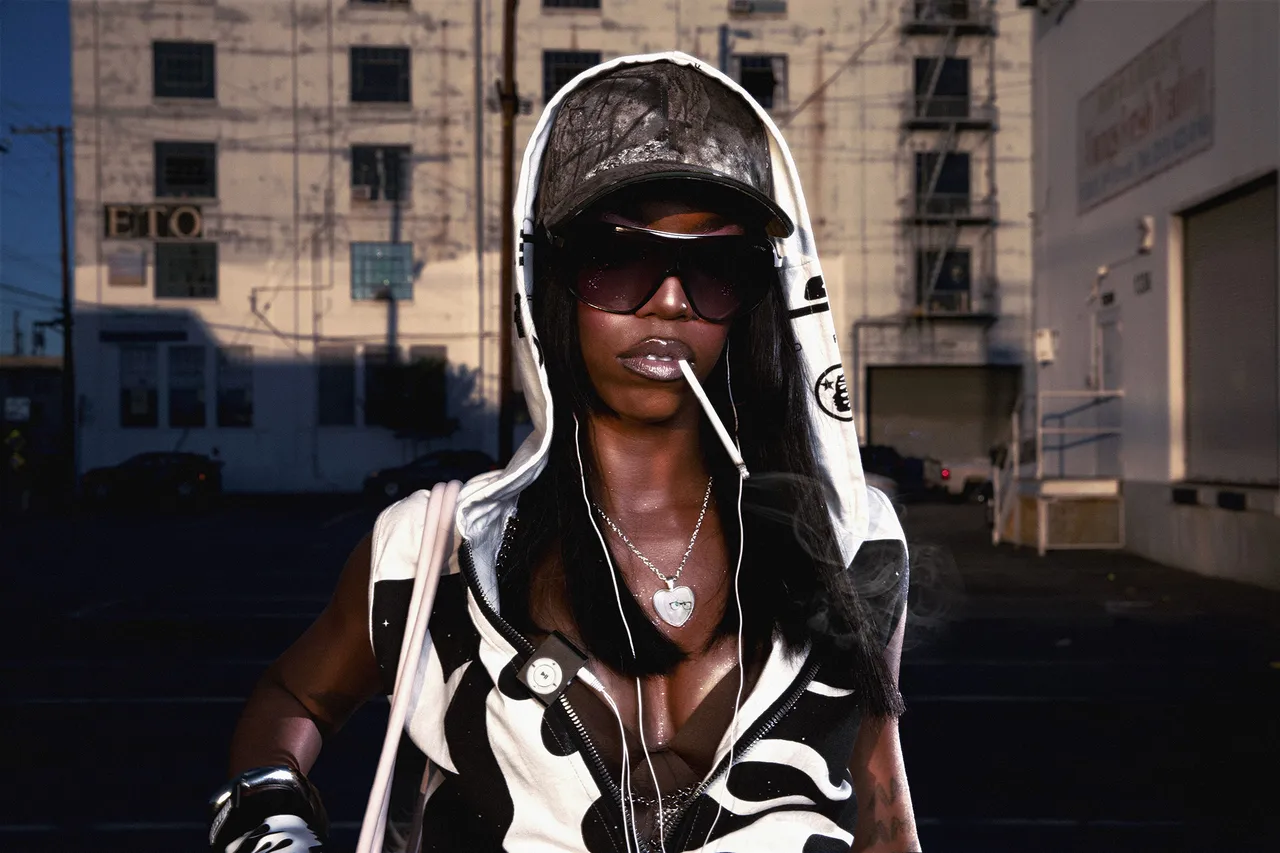
Brooklyn-born and raised, Bayli is already a decade deep in the New York music scene where she first turned heads amid the chaos of 2010s indie sleaze. Her rock and roll roots as the frontwoman of New York post-punk band The Skins, along with mentorship from industry maverick Rick Rubin, have since evolved into a bold new sound, one that looks set to reach its apex on her forthcoming EP, No Re-Entry in November.
Lead single fem-onomics is a sexy celebration of femininity that has alt-pop written all over it, and teases the sound of her upcoming release. Though with her refusal to be tethered to a single genre or sound for too long, you can always expect the unexpected from Bayli.
Below, we chat with the rising star about everything from starting out with no plan to ten years making music across a multitude of eras. We also delve into the mood of the moment, her style icons, and the seemingly universal urge to downgrade your smartphone.
I would love to start by revisiting your time as frontwoman of The Skins as a teenager. How did you first get involved in that scene, and did you start out with the intention of building a career in music?
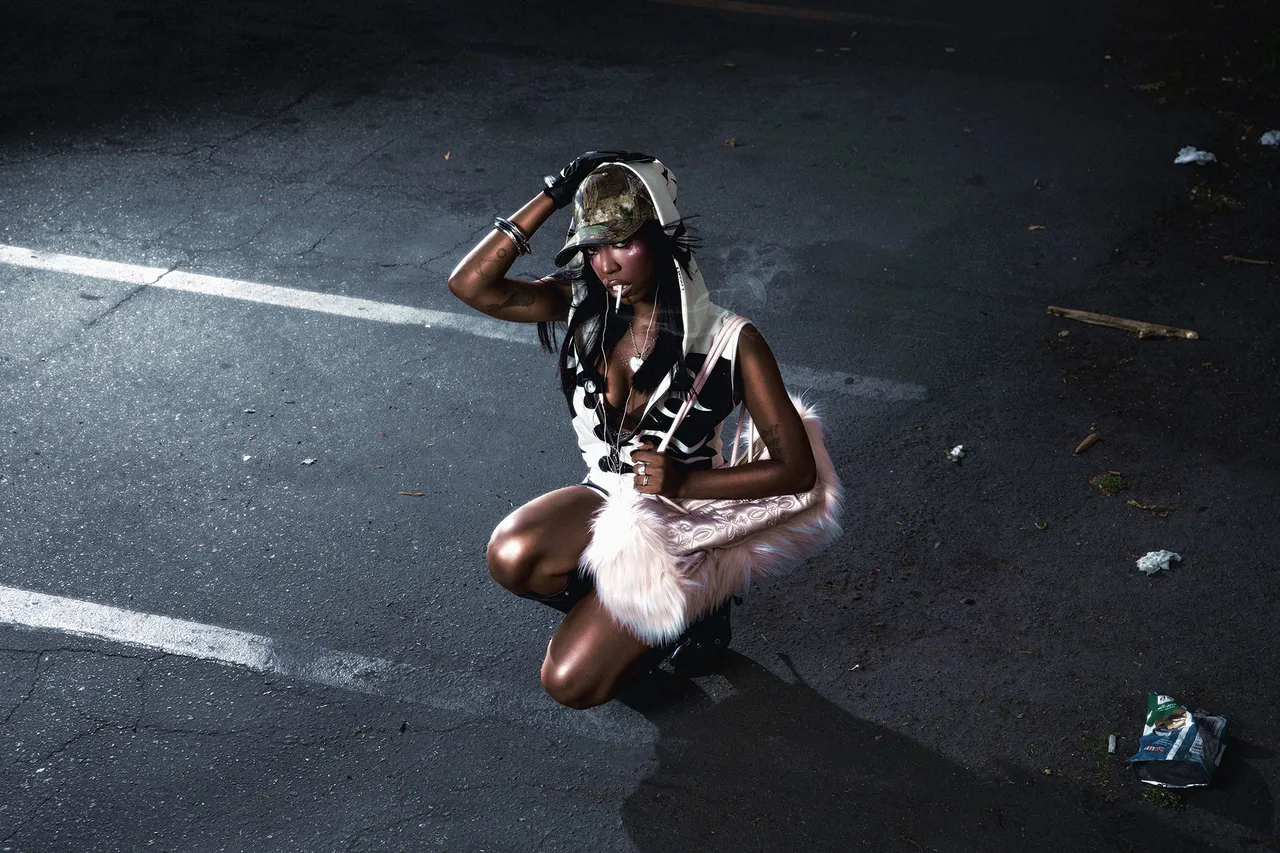
I definitely didn’t start with a plan, I was just a teenager chasing the high of making music with my friends. It was all passion, no business plan. But I feel so swagged out saying I entered this industry through rock and alternative music. That spirit — raw, bold, gritty — still runs through everything I do, from songs like all of that to foreigner, to even how a b*tch dress. #nostylist
During your time with the band, you were mentored by Rick Rubin. How did that relationship come about, and was there anything he taught you that stays with you today?
Rick saw something in us (in each of us) and that hasn’t faded. My former bandmates are still some of the coolest people I know. Being around that level of artistry and vision taught me how to protect my process and trust my instincts. We were pre-viral but breaking out IRL, like selling out Irving Plaza as teens? I always gave very NYC It-Girl-core.
Your single all of that channels an early 2000s pop aesthetic, especially the hedonism of that era. How do you perceive the mood of the moment right now? Do you think that sense of hedonism is making a comeback in 2025?
Honestly? The current mood feels like burnout. People are emotionally and financially overextended. So now the energy is more like: if the world’s crumbling, let’s dance. Let’s feel something, together. That’s where my ideas around mindful clubbing and #hopecore live — partying and creating with purpose, healing with bass, finding catharsis on the dance floor.
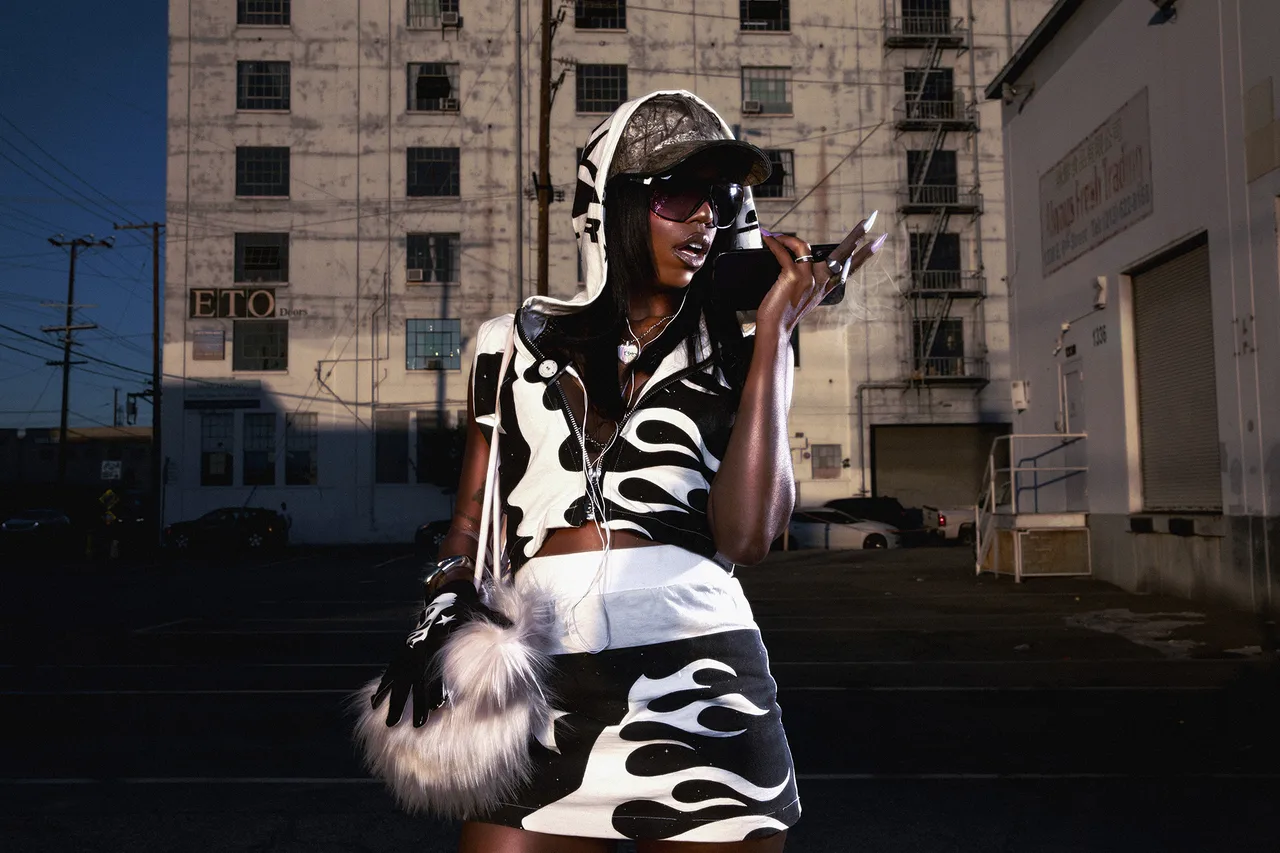
Your personal style feels very 2000s, in tune with your release. Who is your style icon at the moment?
A mix! Rihanna, Gwen, Solange, Fiona Apple, Sade, Björk, all queens. But I’m also deep in next-project mode, so my style’s already shapeshifting into that world. I feel like I have endless eras in me (and it’s exhausting!).
One of your reels for all of that is captioned “bumping this on my iPod Nano”. Do you ever feel tempted to ditch your smartphone for a flip phone or other low-tech gear?
Every day. My dream is to be rich enough to not need a phone. Until then, it’s wired headphones and romanticising 2007 in peace.
You're inspired by a variety of artists and genres, from jazz to punk rock to modern pop, but what’s one genre, album, or artist you can always rely on to pick you up?
Soul music, especially from the ‘60s and ‘70s. But also gospel, classical (I Vivaldi!), anything timeless. I love music that transports me and lets me imagine the worlds those artists lived and created in.
You’ve previously referred to your parents as “city hippies”. What did your childhood look like and how has it shaped your outlook and creativity?
Umm, gagged you know that. But yes — chaotic, magical, very NYC. Growing up here is living in a paradox: beauty and mess side by side, always. That duality made me creative. It still makes me resilient.
If you had to sum up growing up in Brooklyn with one wild story or anecdote, what would it be?
Brooklyn’s wild because you just bump into legends doing regular stuff. I’ve seen Lil’ Cease on my block. Lil’ Kim literally went to my elementary school. And now I get to collaborate with local legends I grew up idolising, like Junglepussy. Plus, casually running into Michael Cera, Eric André, and Zoë Kravitz all in one week on the train? Only in clouty-ass BK. I hope the Brooklyn Renaissance never ends.
What does a perfect day in New York City look like for you?
Summer morning. Sleep in. Walk to Fort Greene Park. Quiet side streets. Naughty iced latte. Time with people I love. Maybe a solo bike ride through Prospect Park with a great album in my headphones. Maybe a lowkey gallery or museum moment. Or a warm, rainy day inside watching movies and vibing. NYC has so many flavors of perfect, IMO.
Since starting out in the industry, you’ve transitioned from rock to pop music with your solo career. What turned your head to modern pop, and what excites you most about the genre right now?
At first, I was all about live show performance energy. But working with Rick Rubin got me obsessed with the idea of process and the perfect song. That led me to pop. Not bubblegum-pop as in impact. I’m drawn to artists who build worlds and make people feel seen. That’s the power of pop. That’s always been my mission.
Your new EP is dropping in November, what can fans expect and how has your sound evolved on this new record?
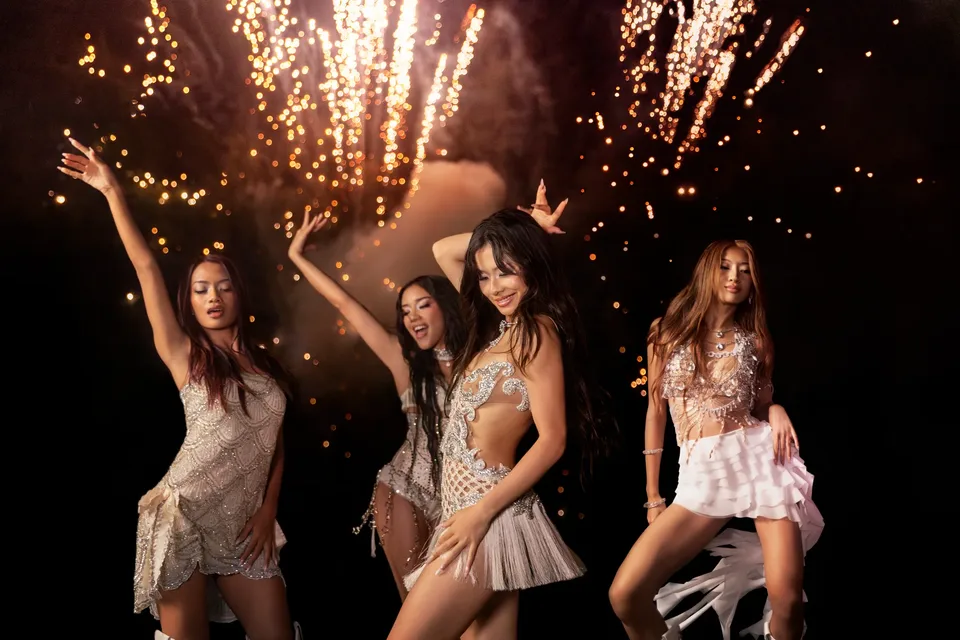
This project closes out my EP trilogy. It’s my most uptempo, carefree, and club-ready work yet — a maximalist Bayli moment to toast the end of what the early 2020s sounded like from my POV and soft launch what’s next.
Which track from the EP are you most excited to share and why?
passenger princess and hi fem give me that gut feeling. This project feels like an effortless masterpiece, not because it’s perfect, but because I stopped chasing perfection and made something more honest. You’ll feel that.
Finally, you recently posted about working for ten years toward your career in the music industry. What’s the most important lesson you’ve learned on that journey?
Bet on yourself. Protect your peace. Be consistent. I’ve seen major highs and real lows, but building my brand gave me freedom. The industry didn’t do it for me, I did. And it’s been the most fun and fulfilment I’ve ever had moving on my own terms.