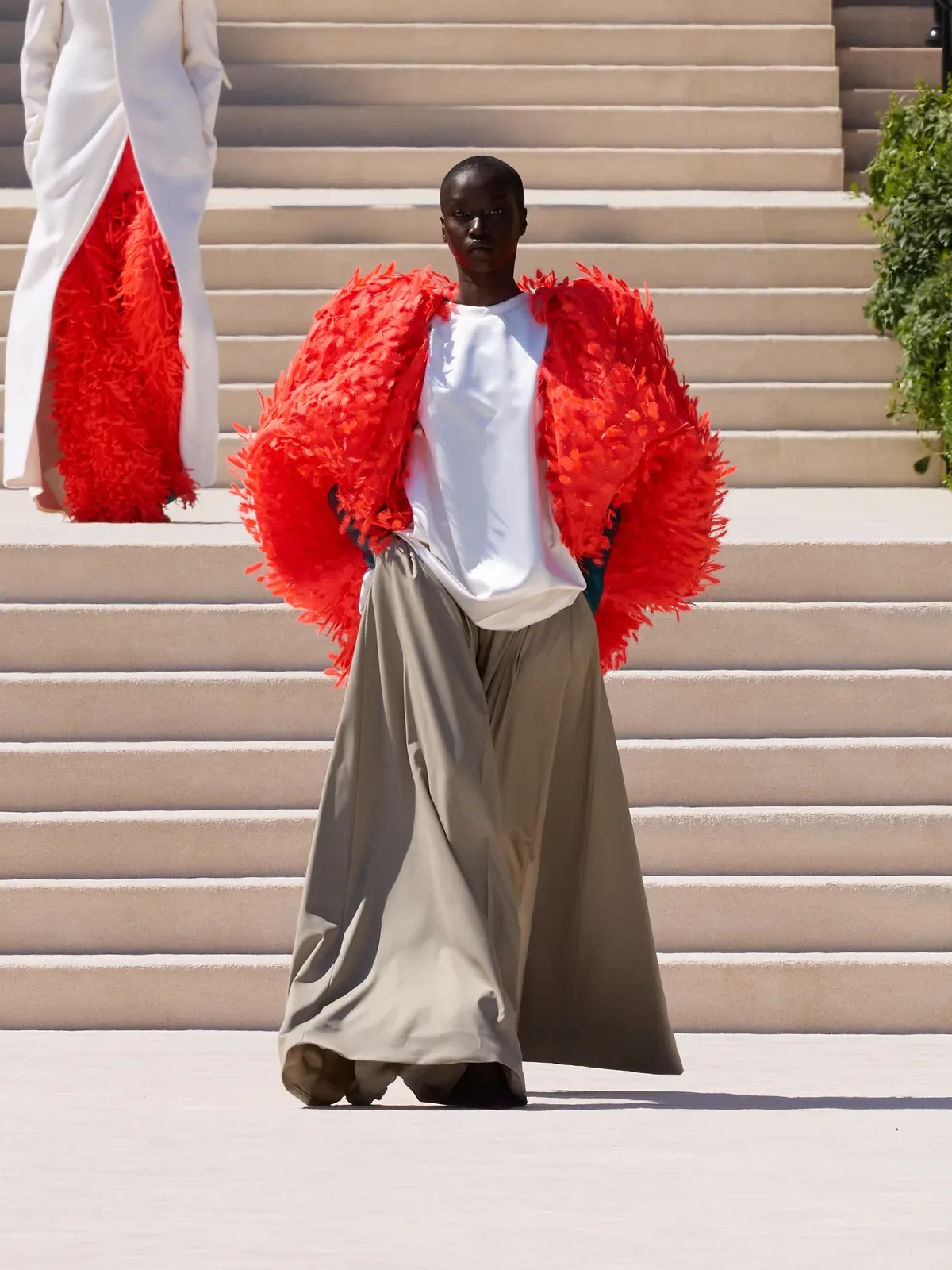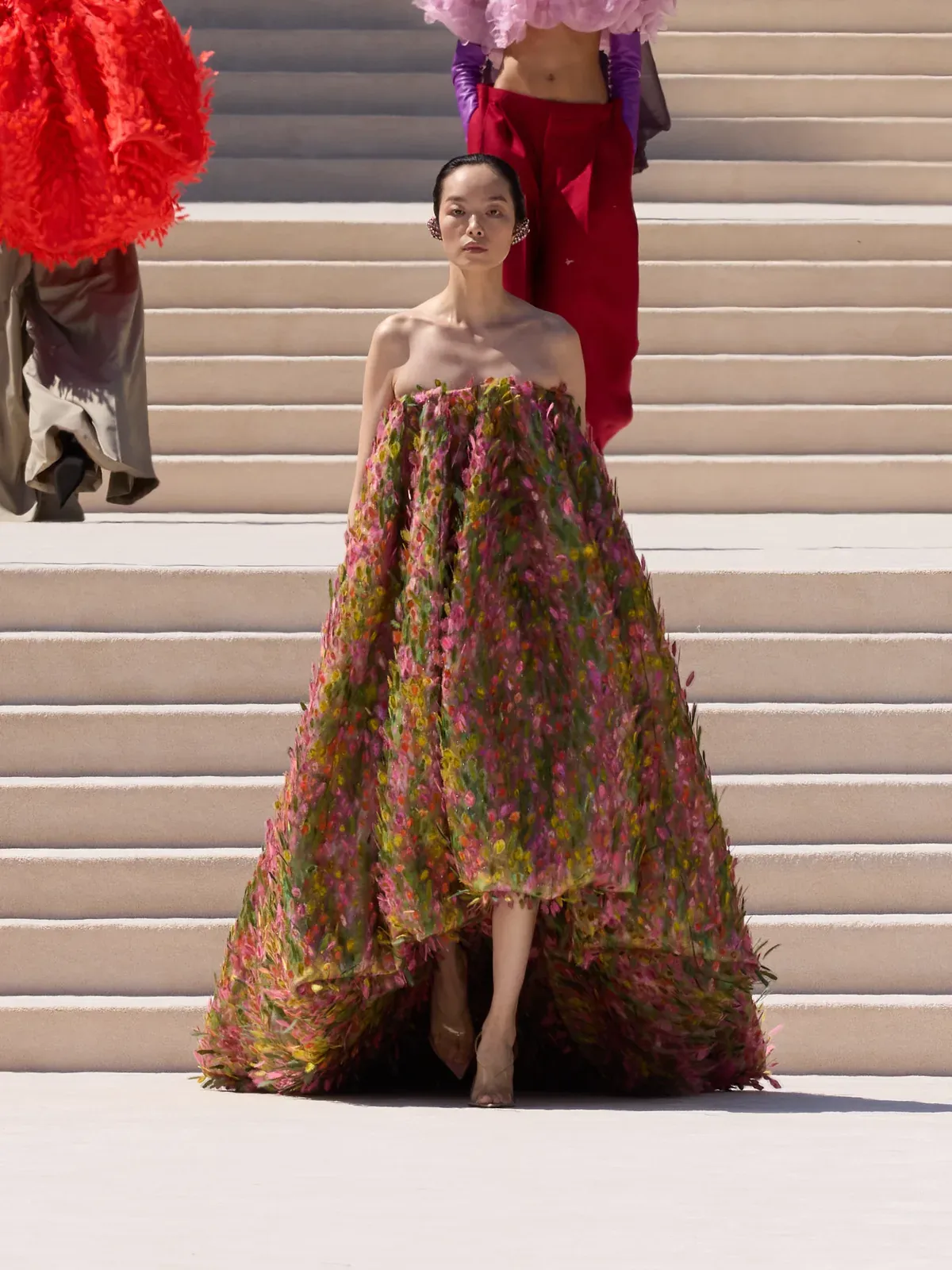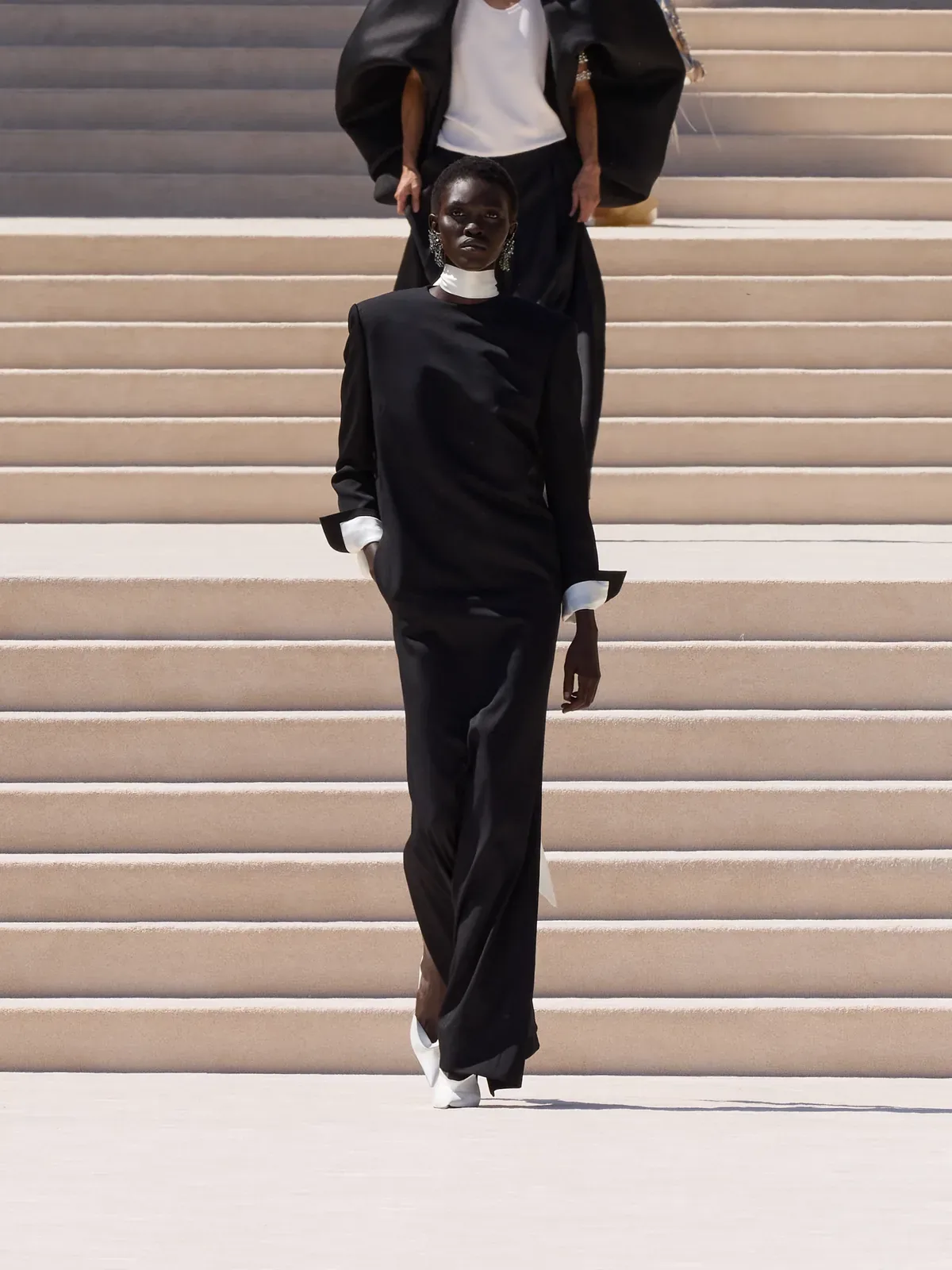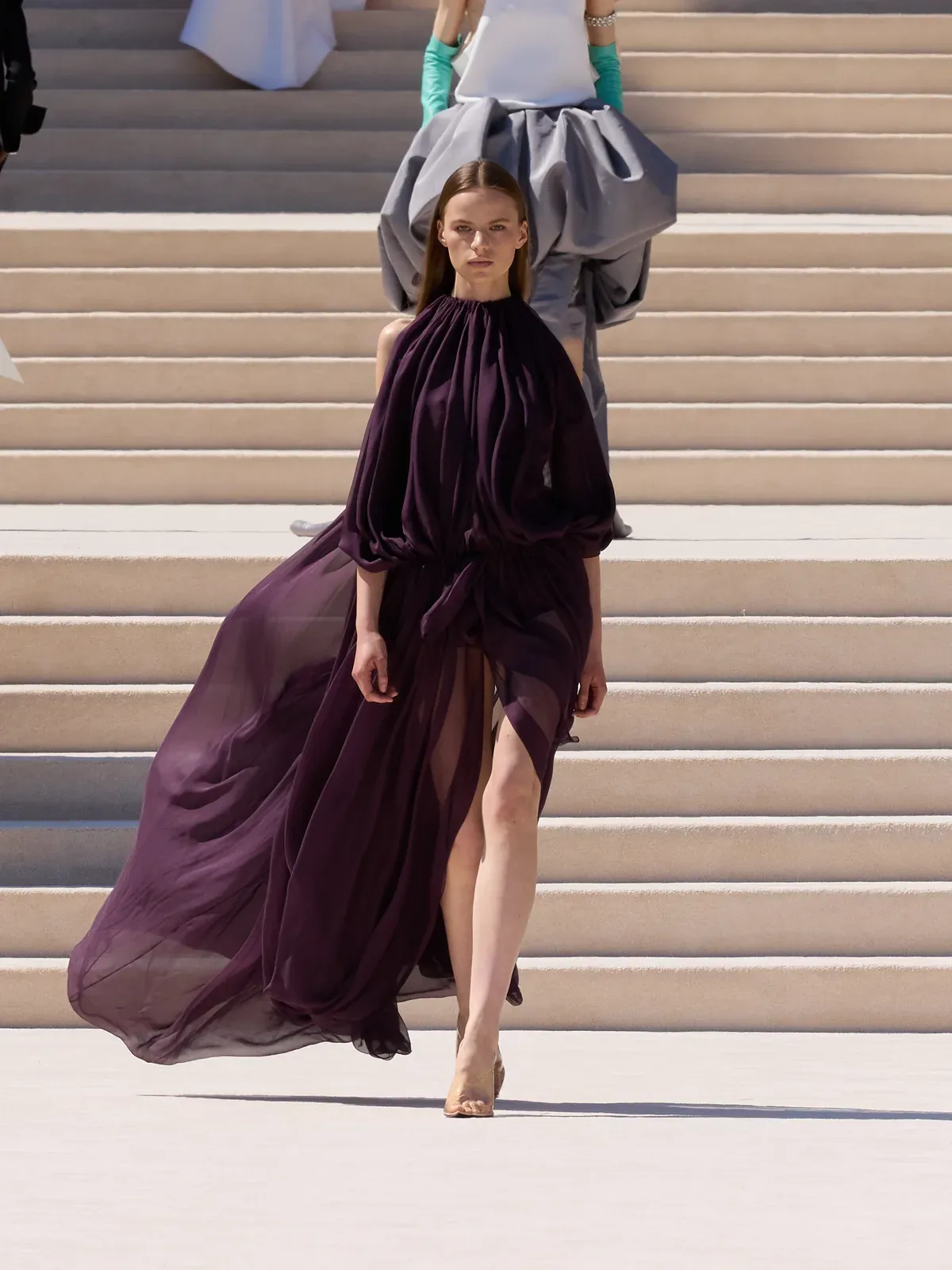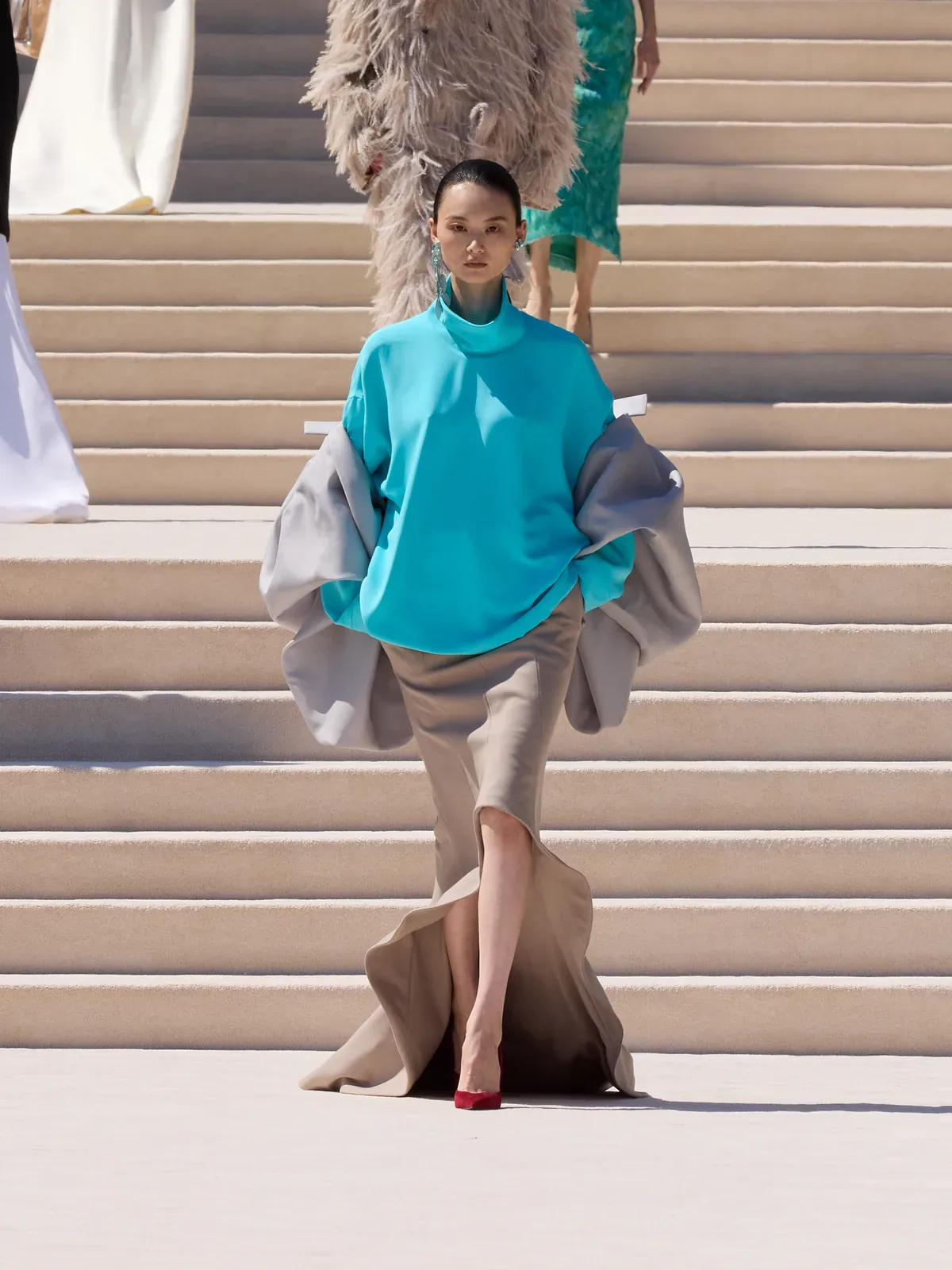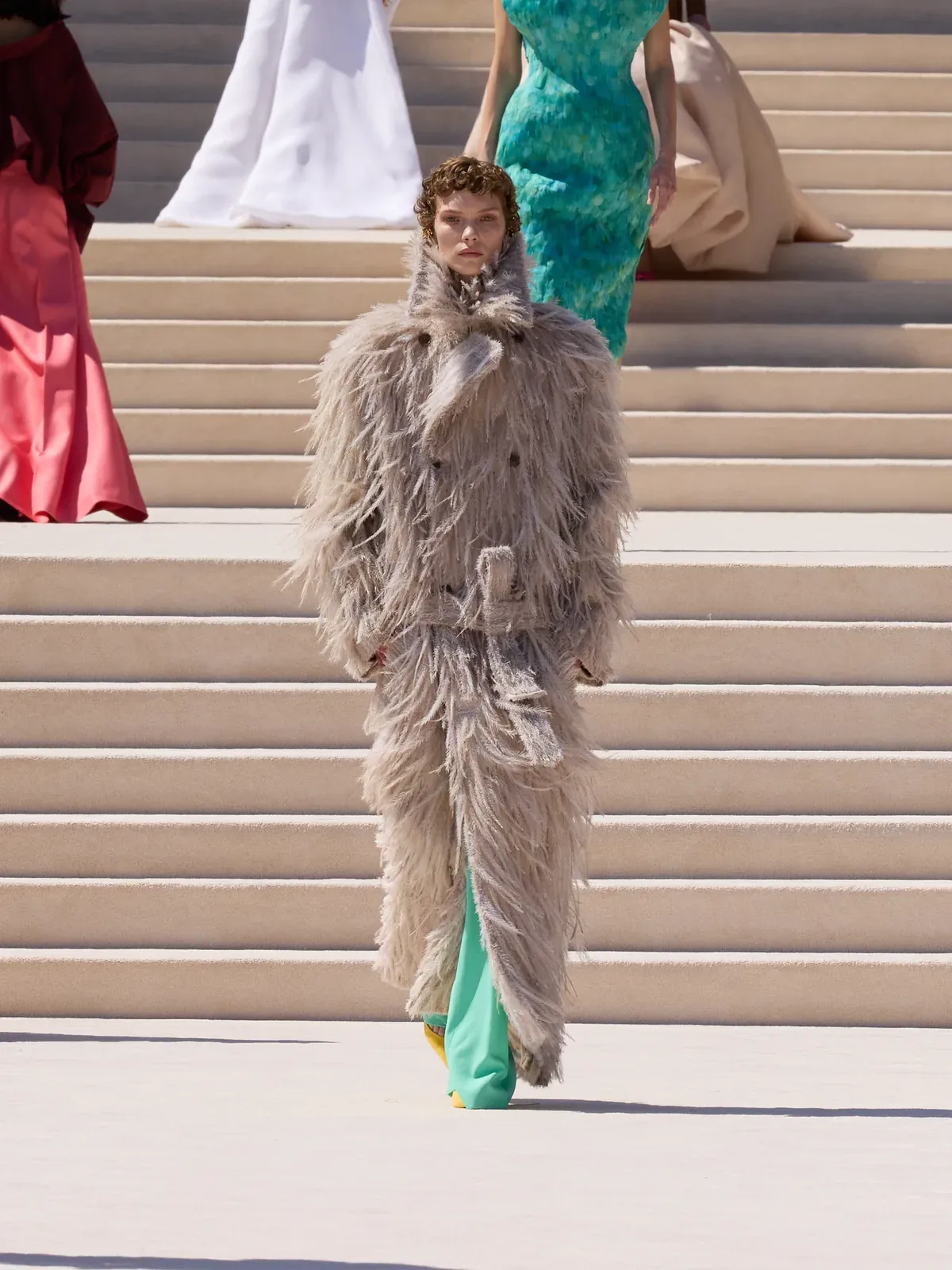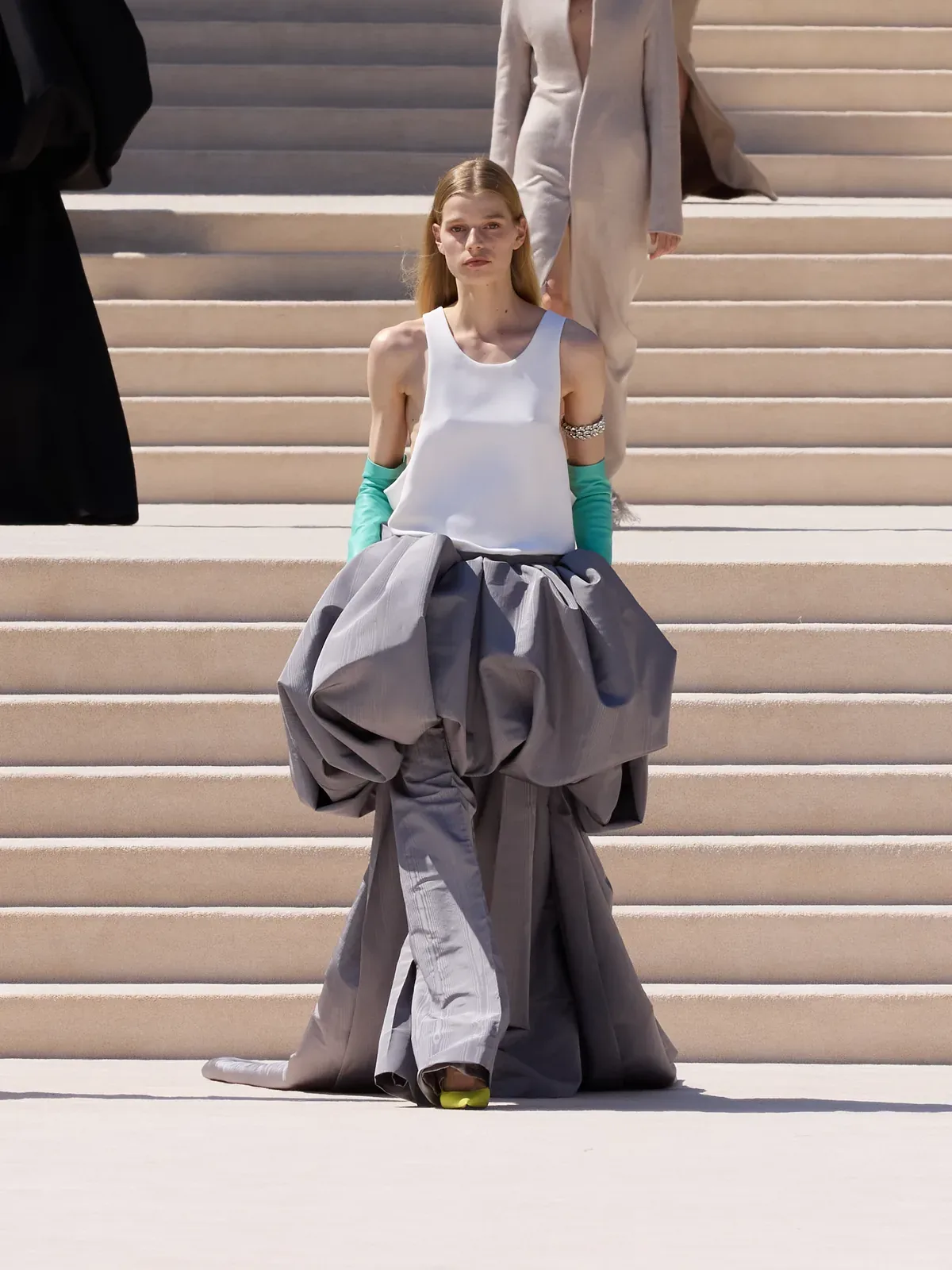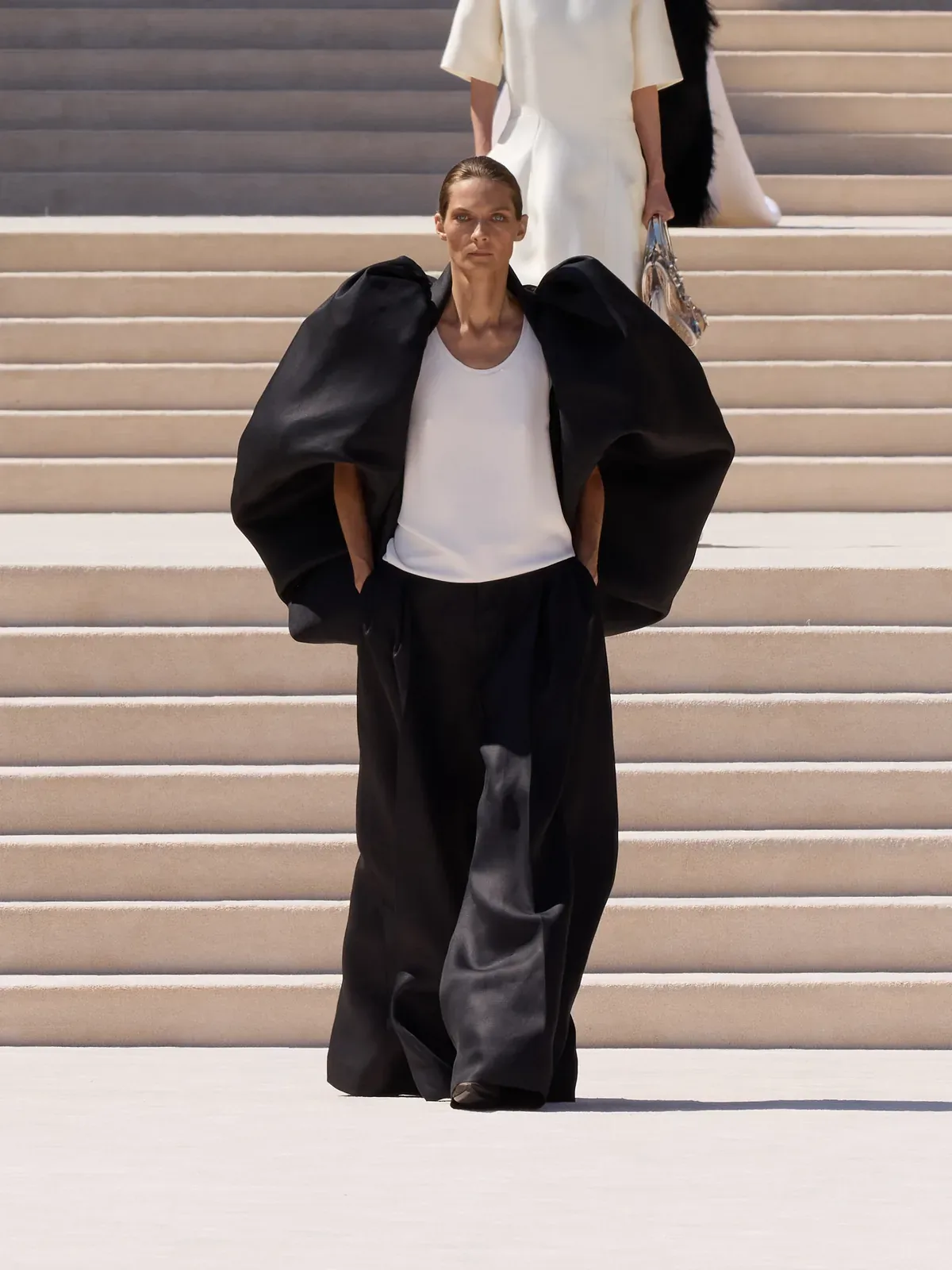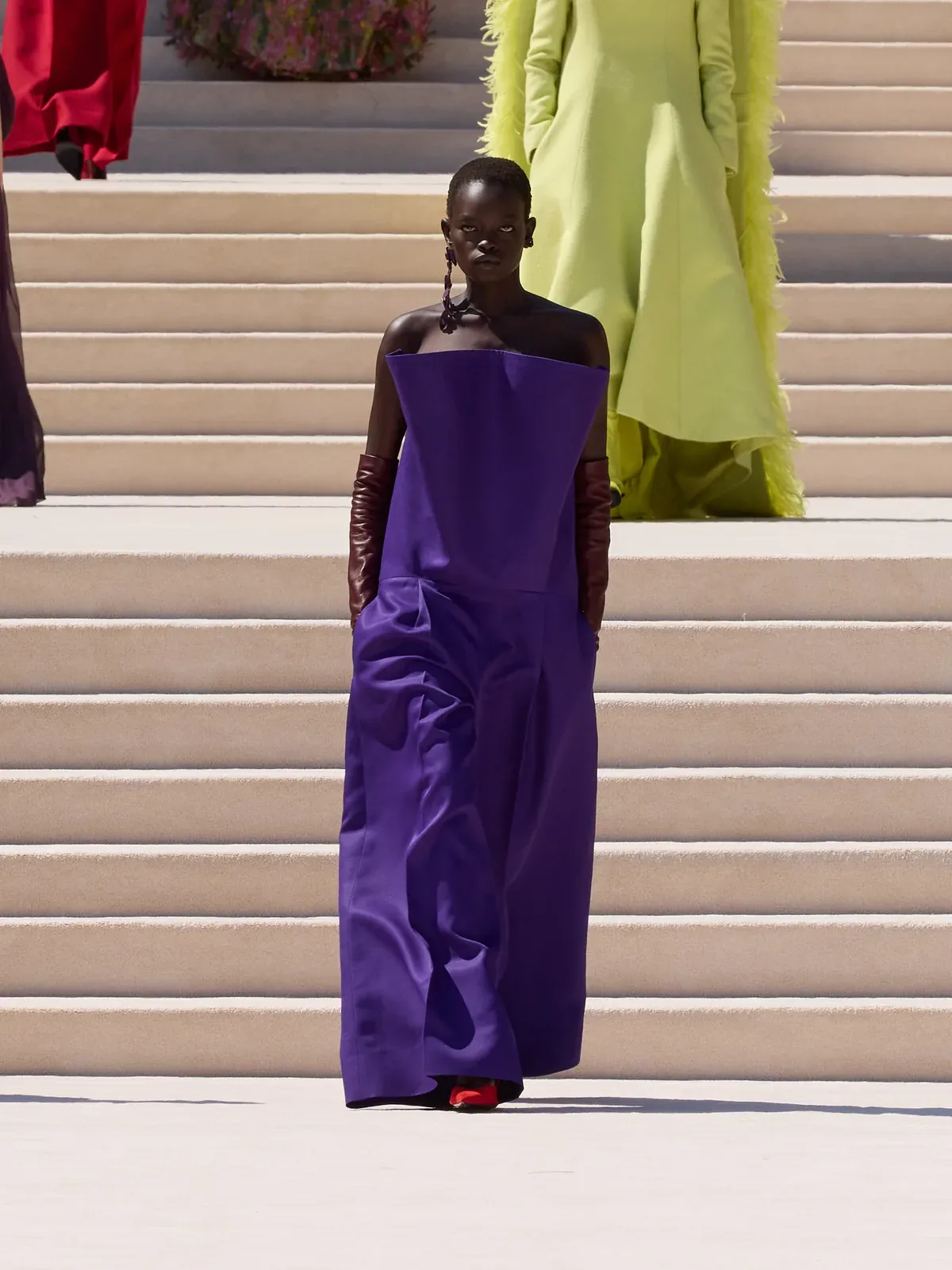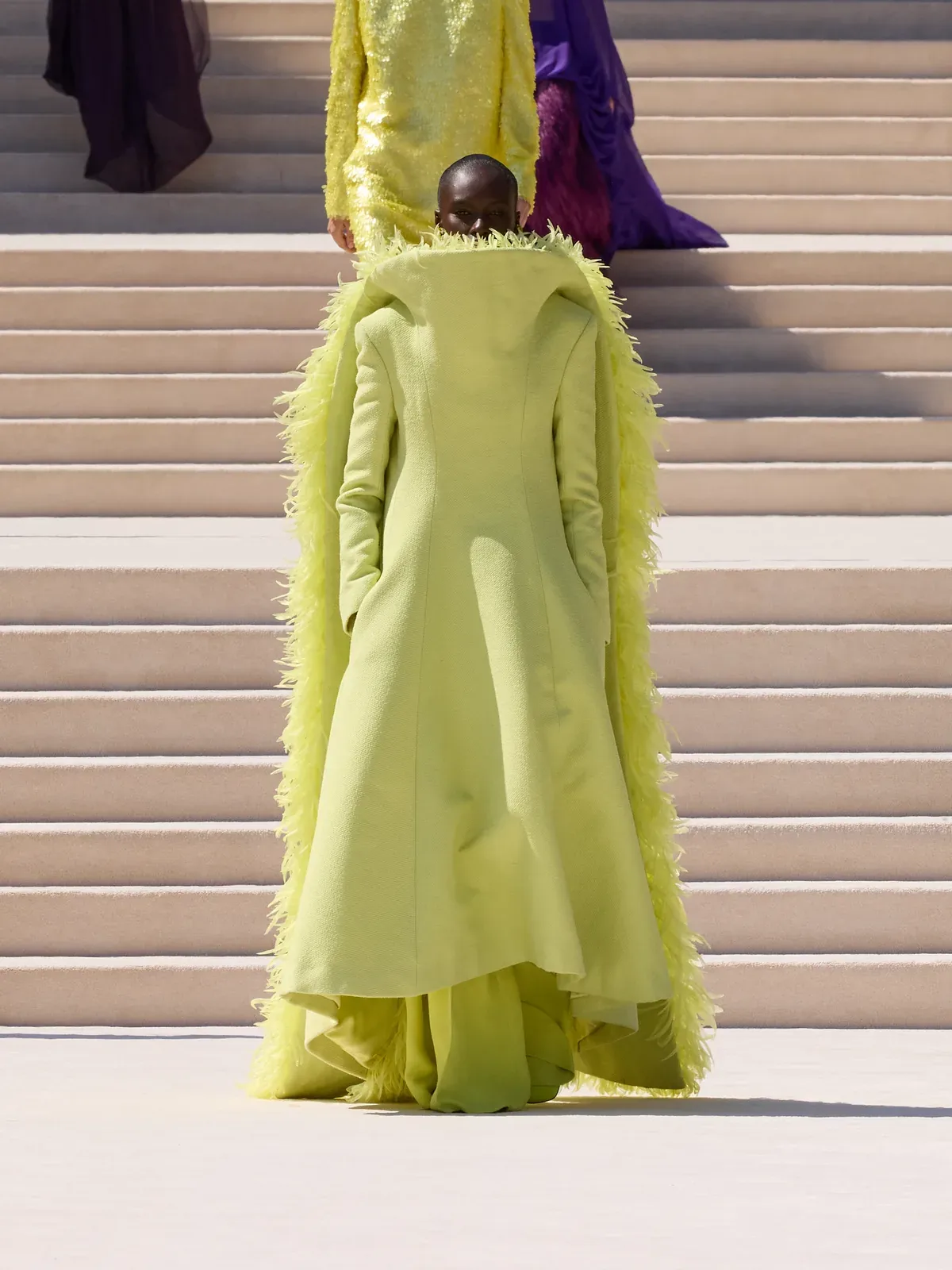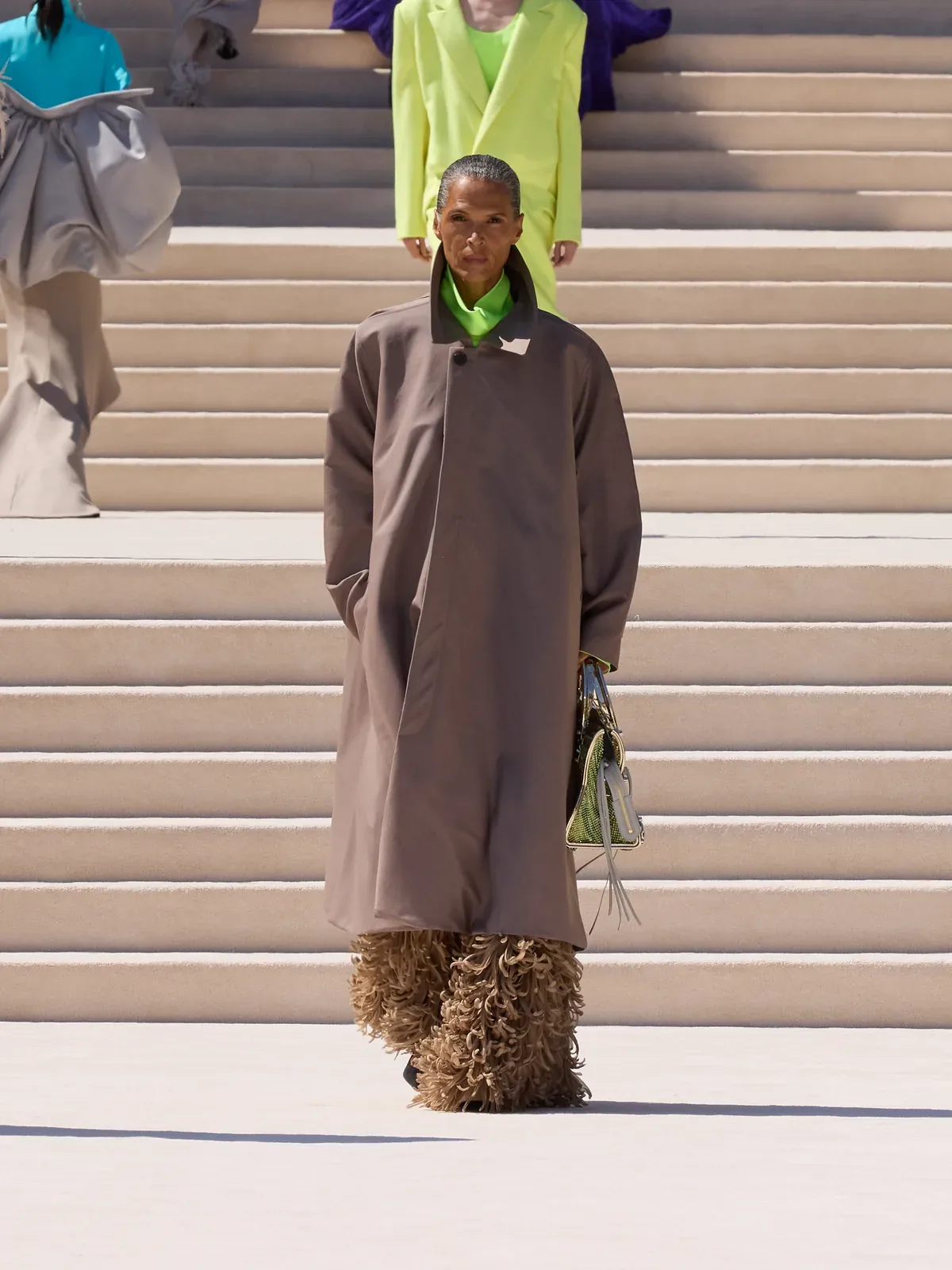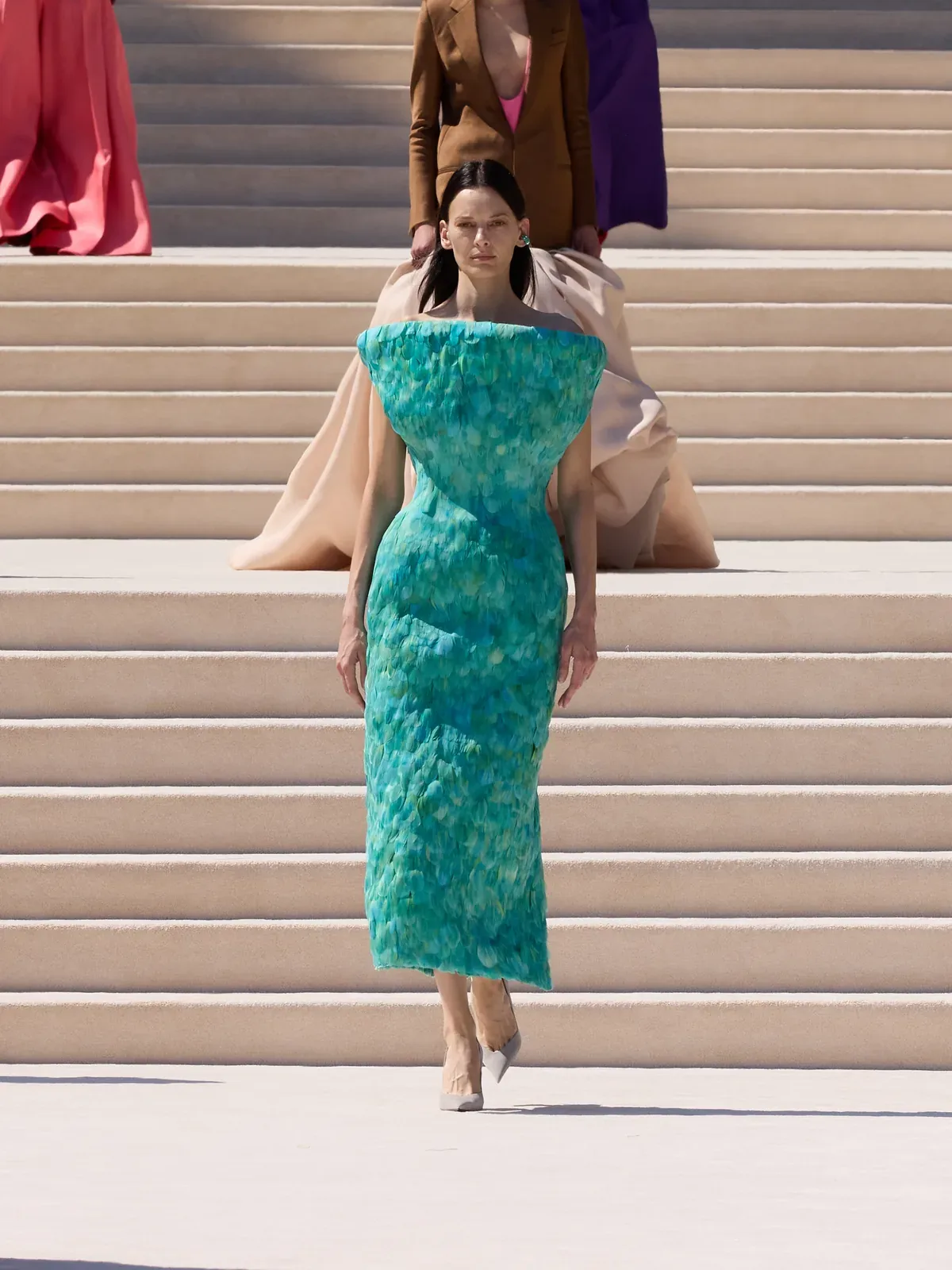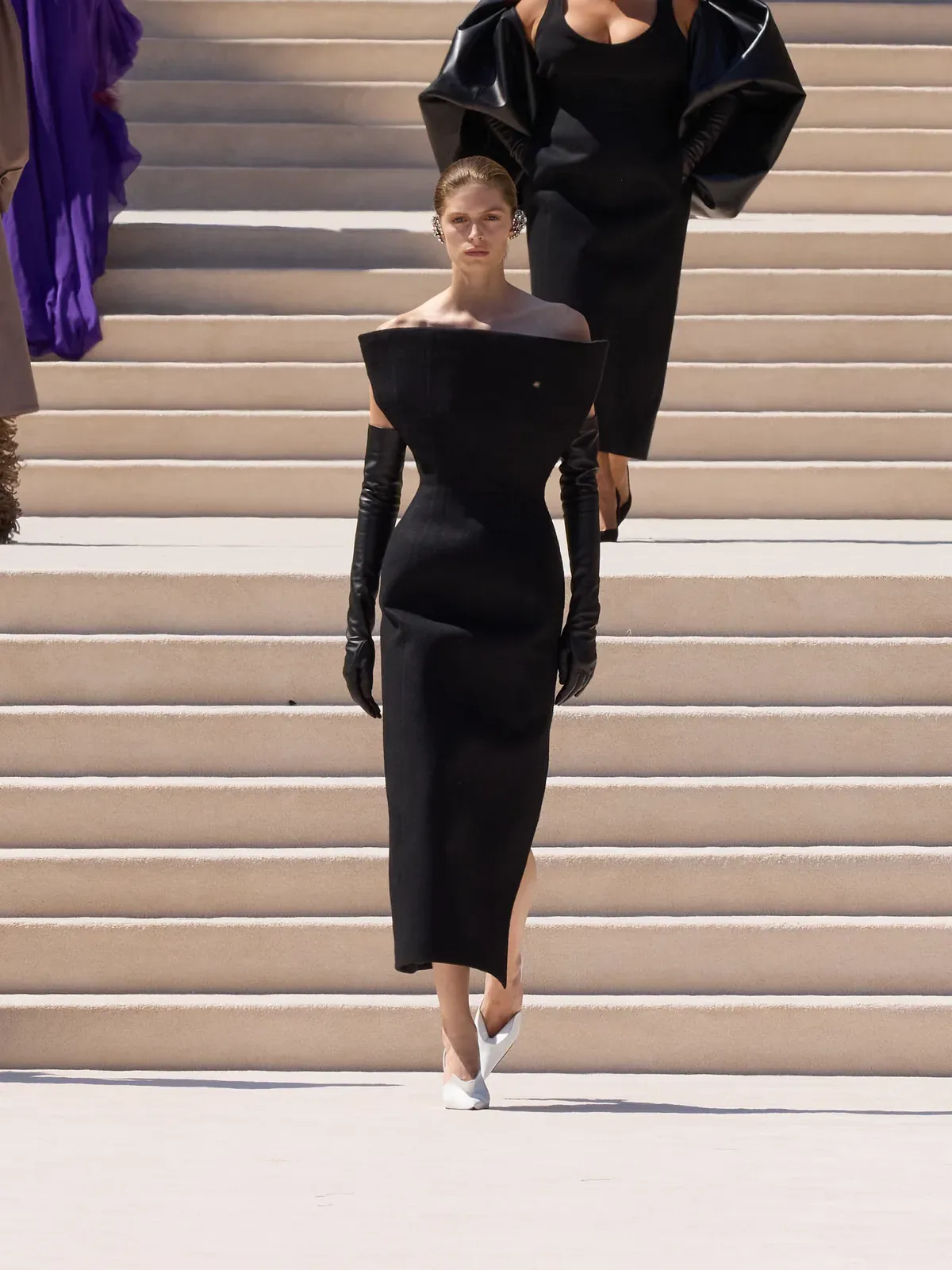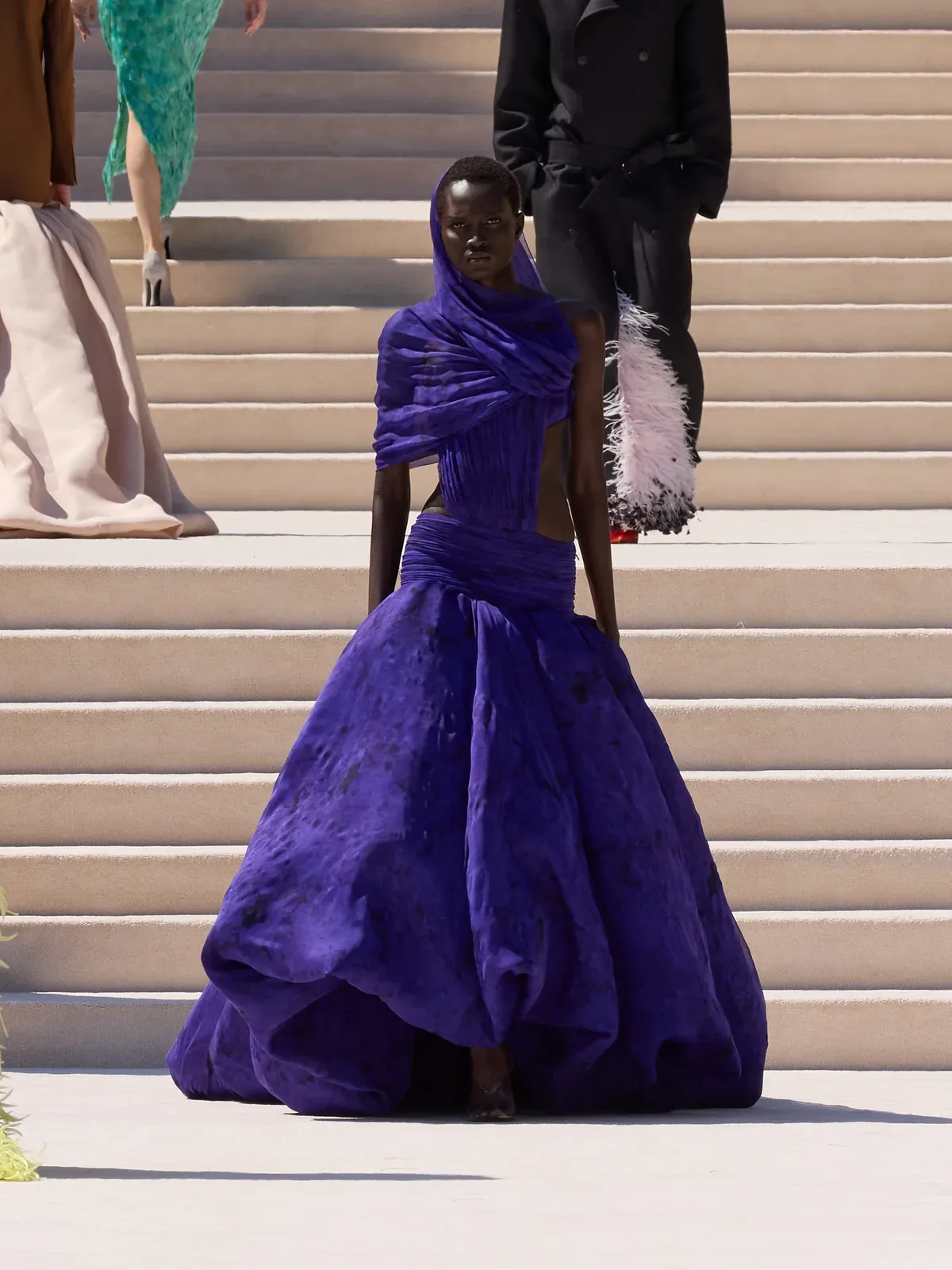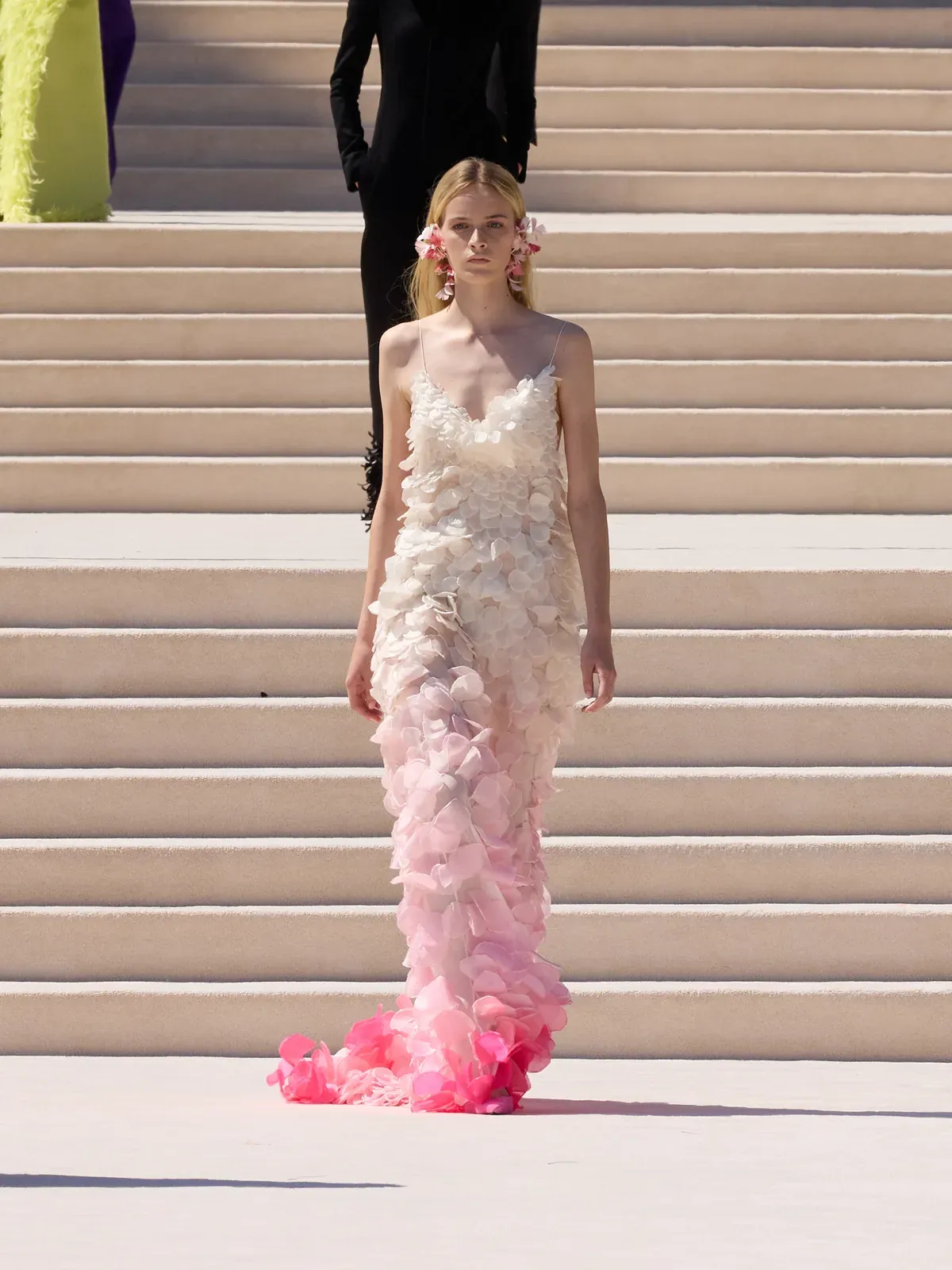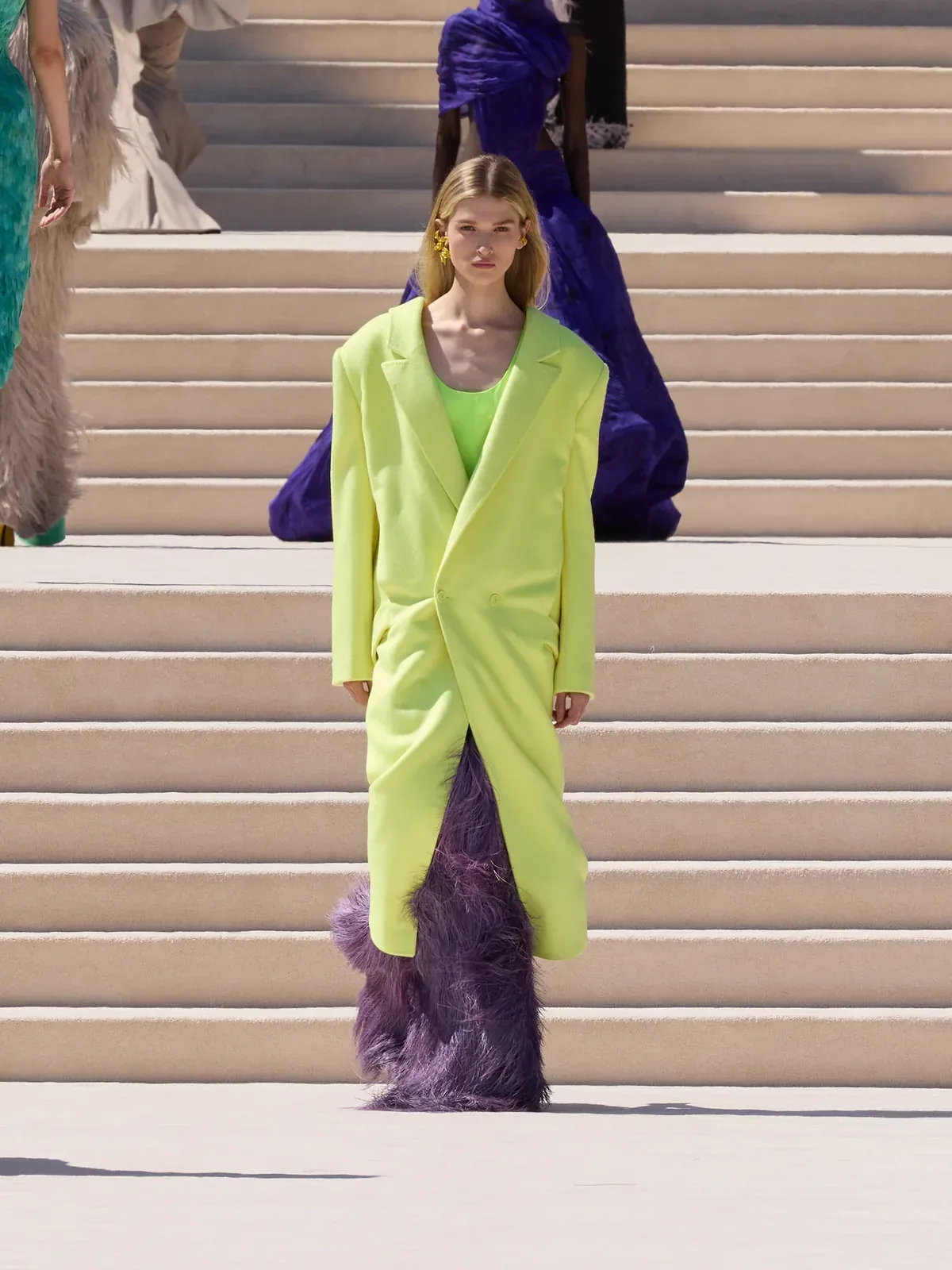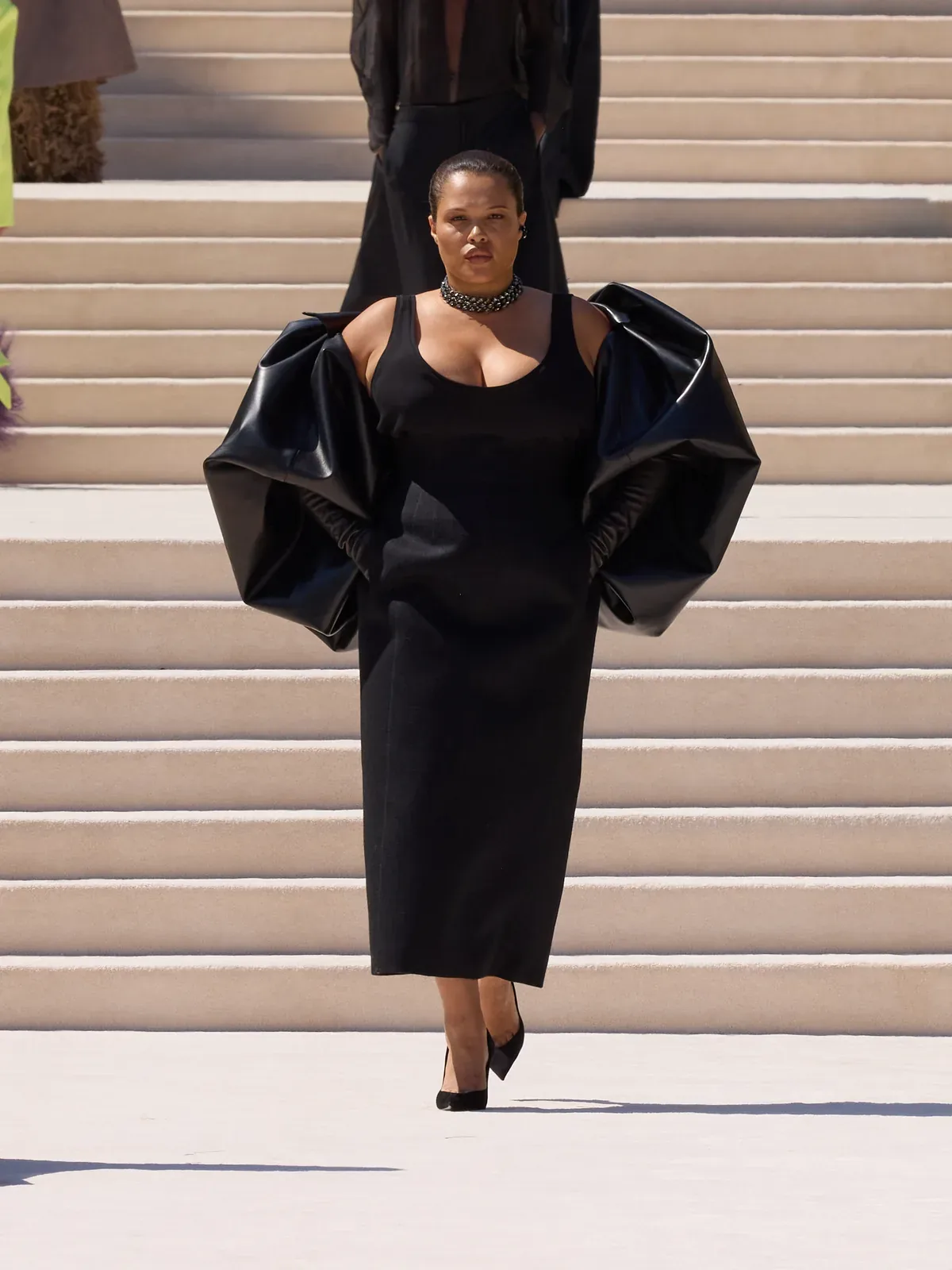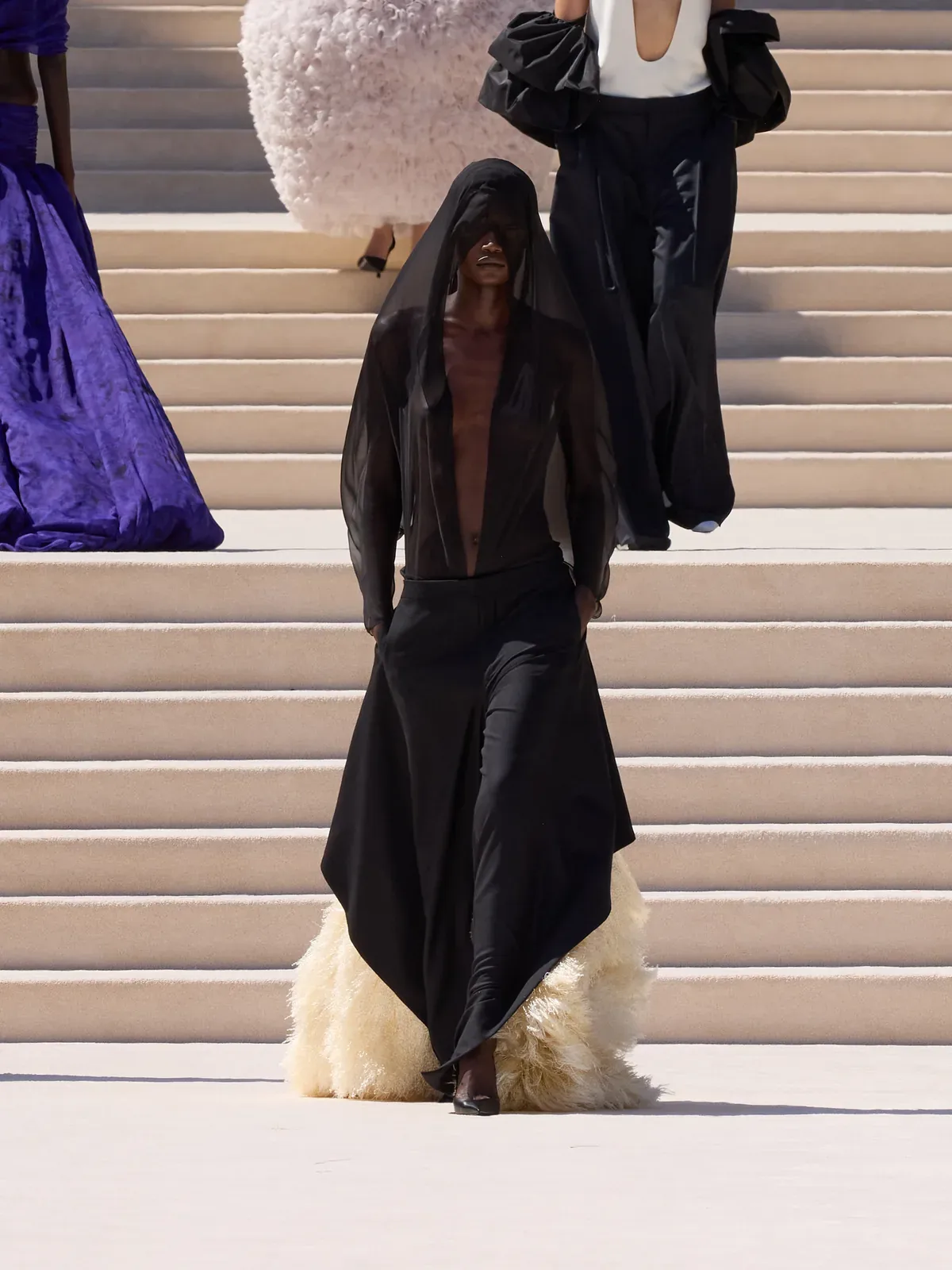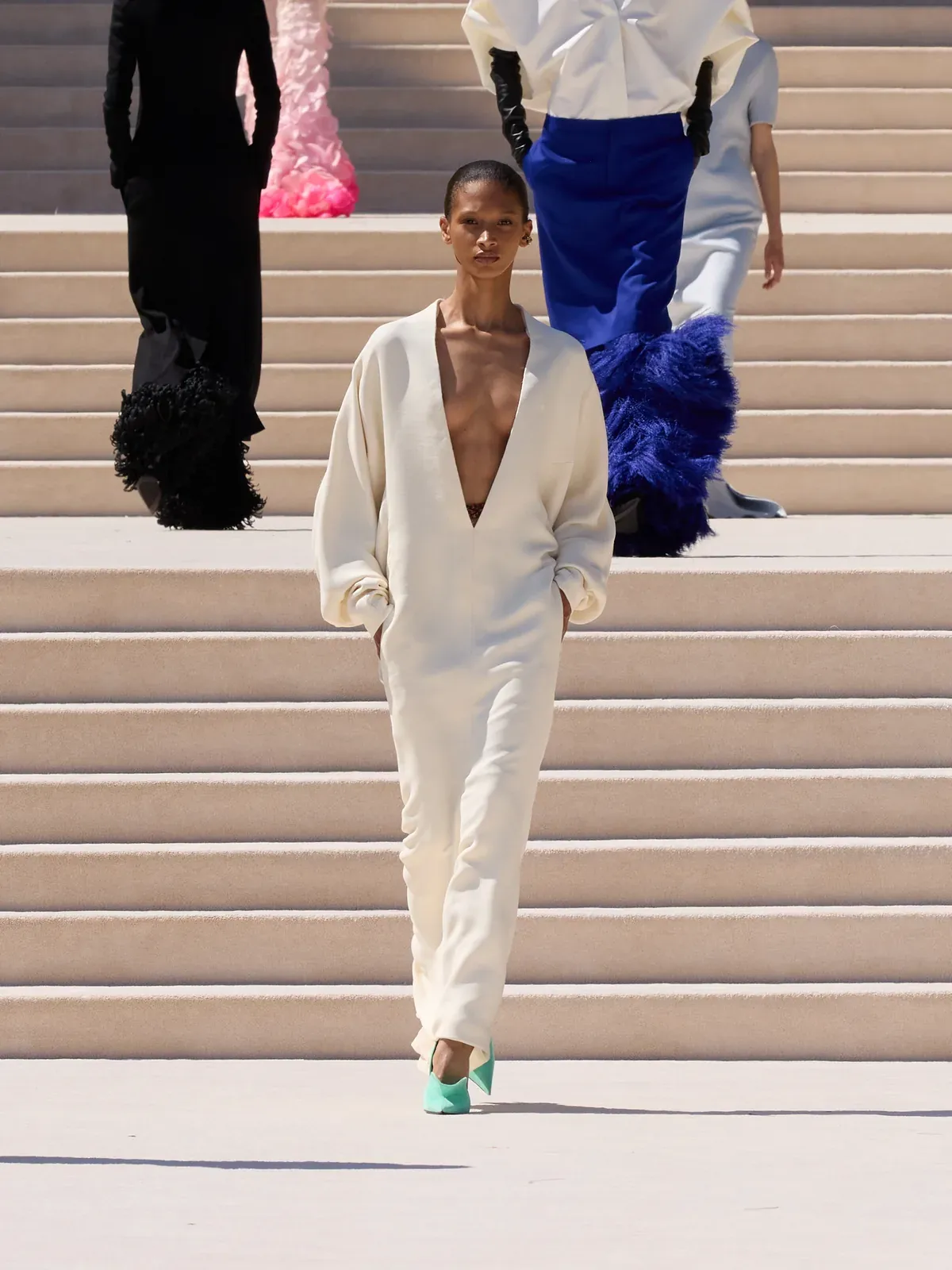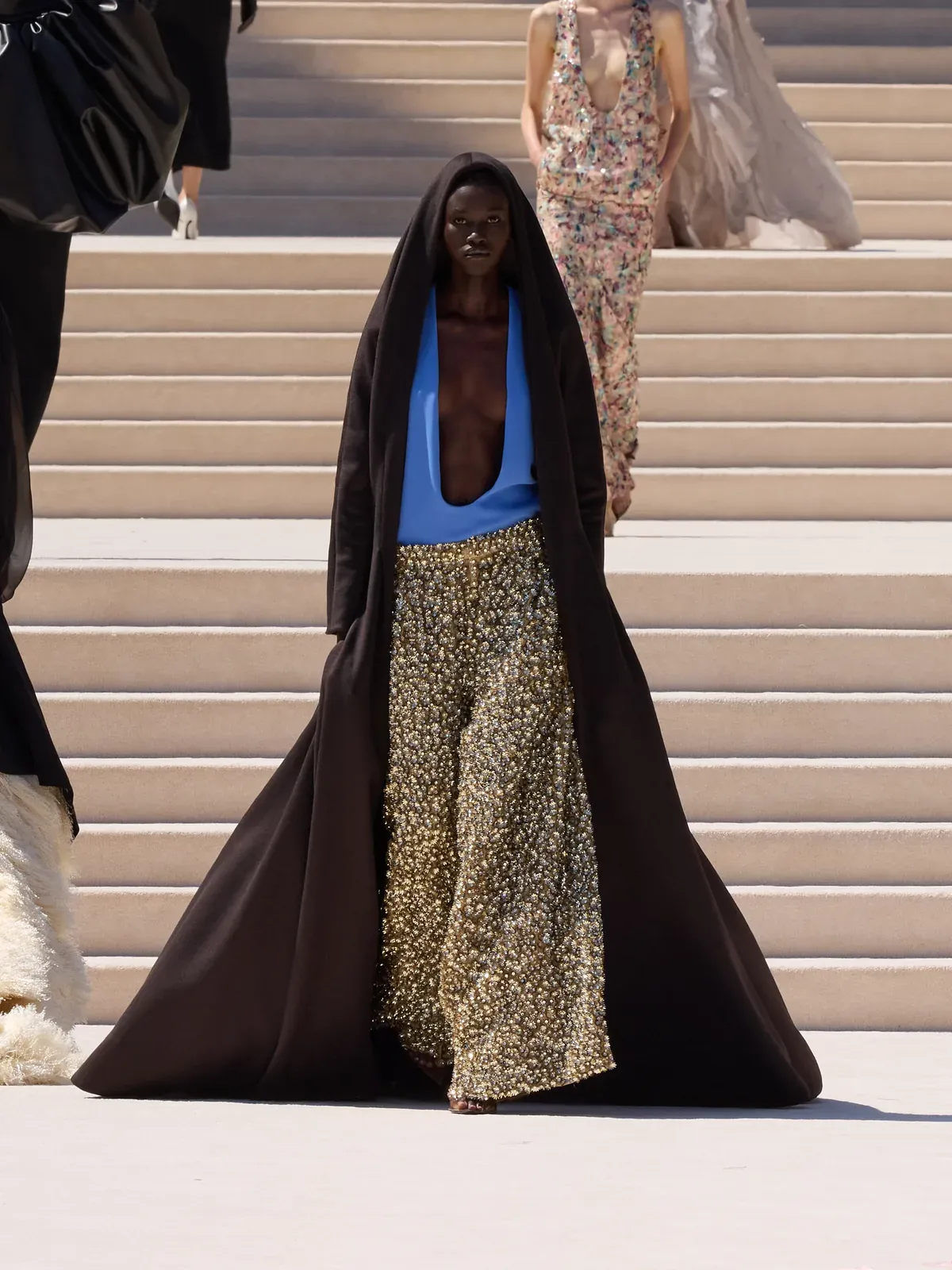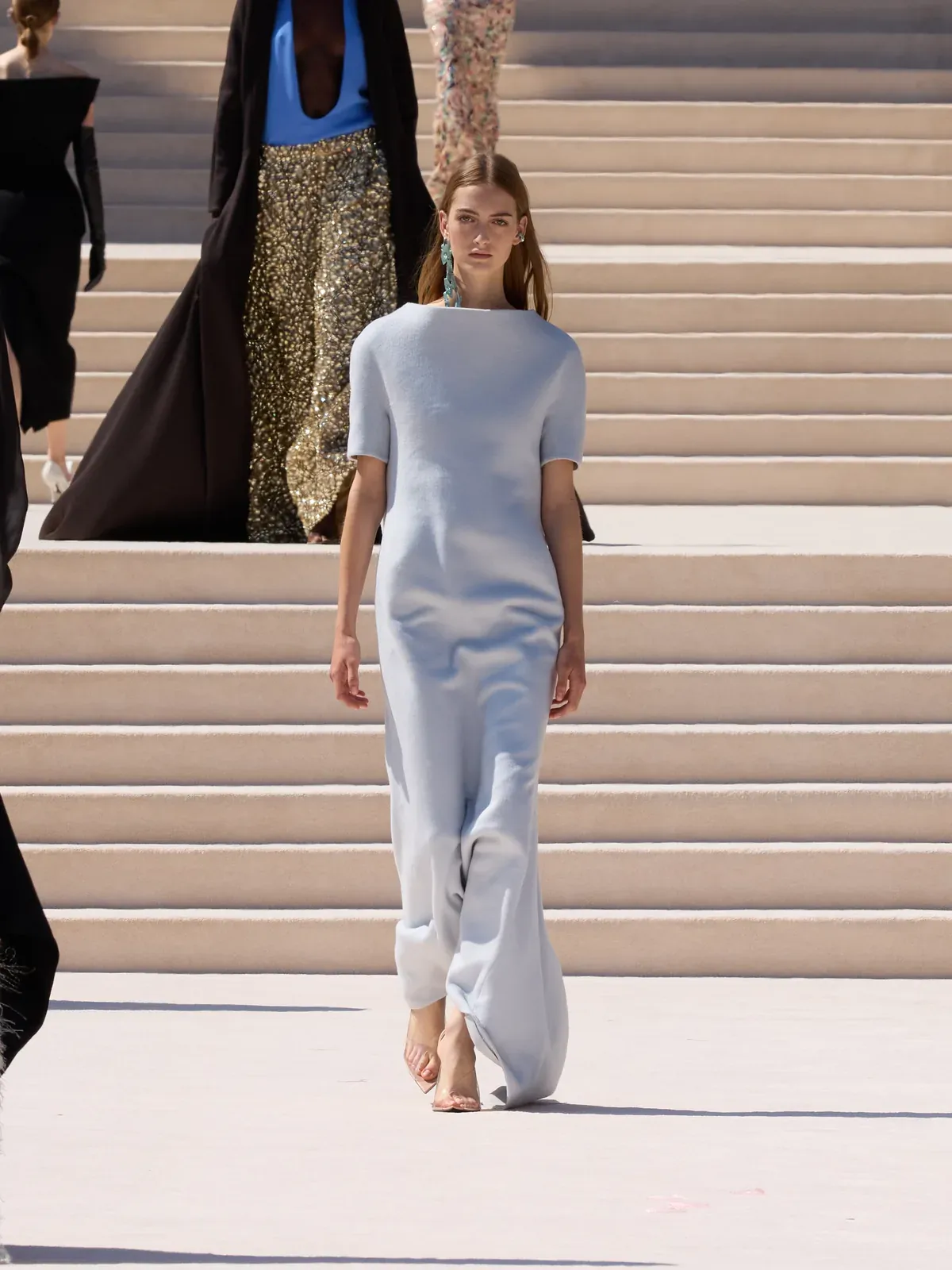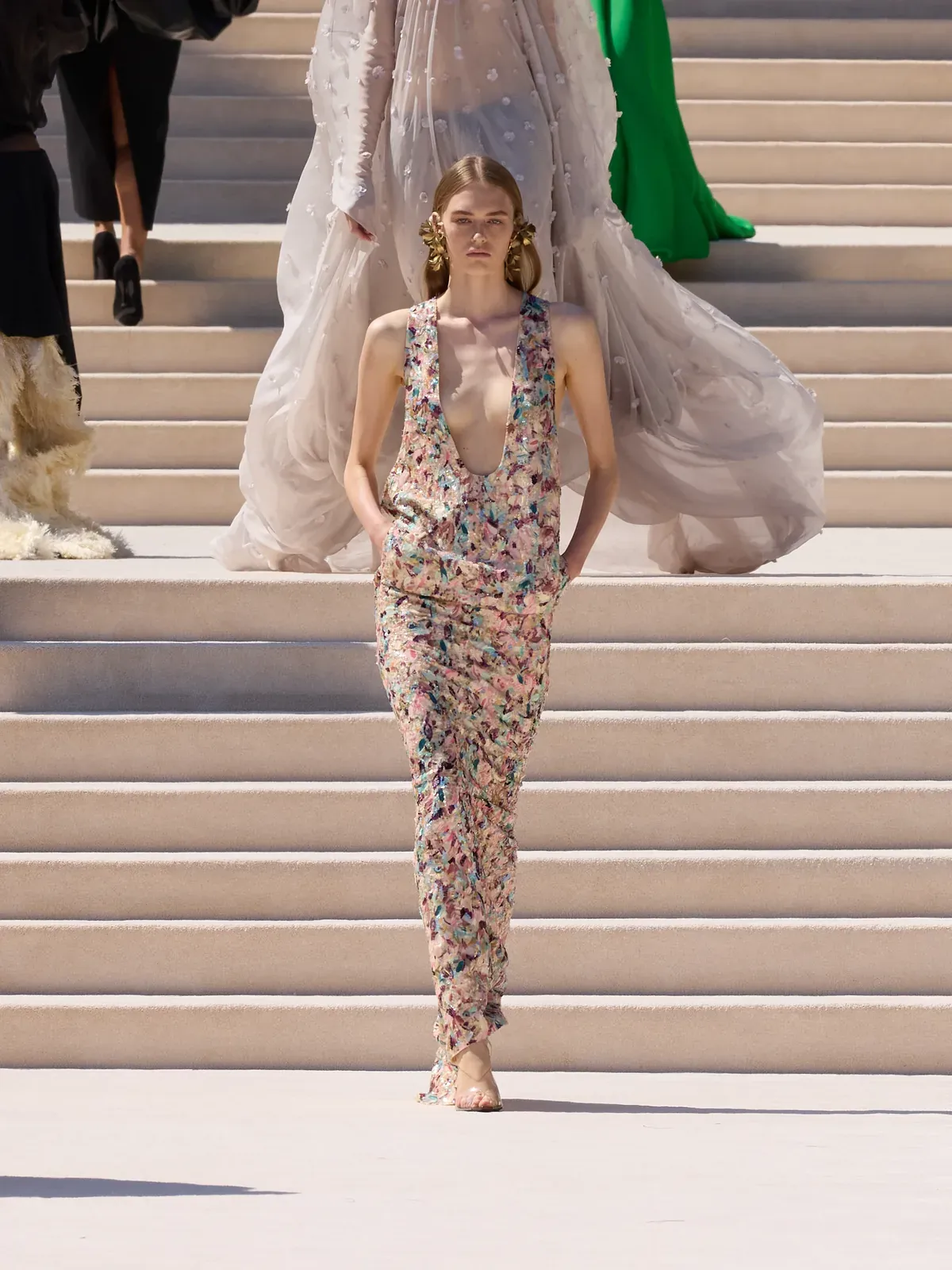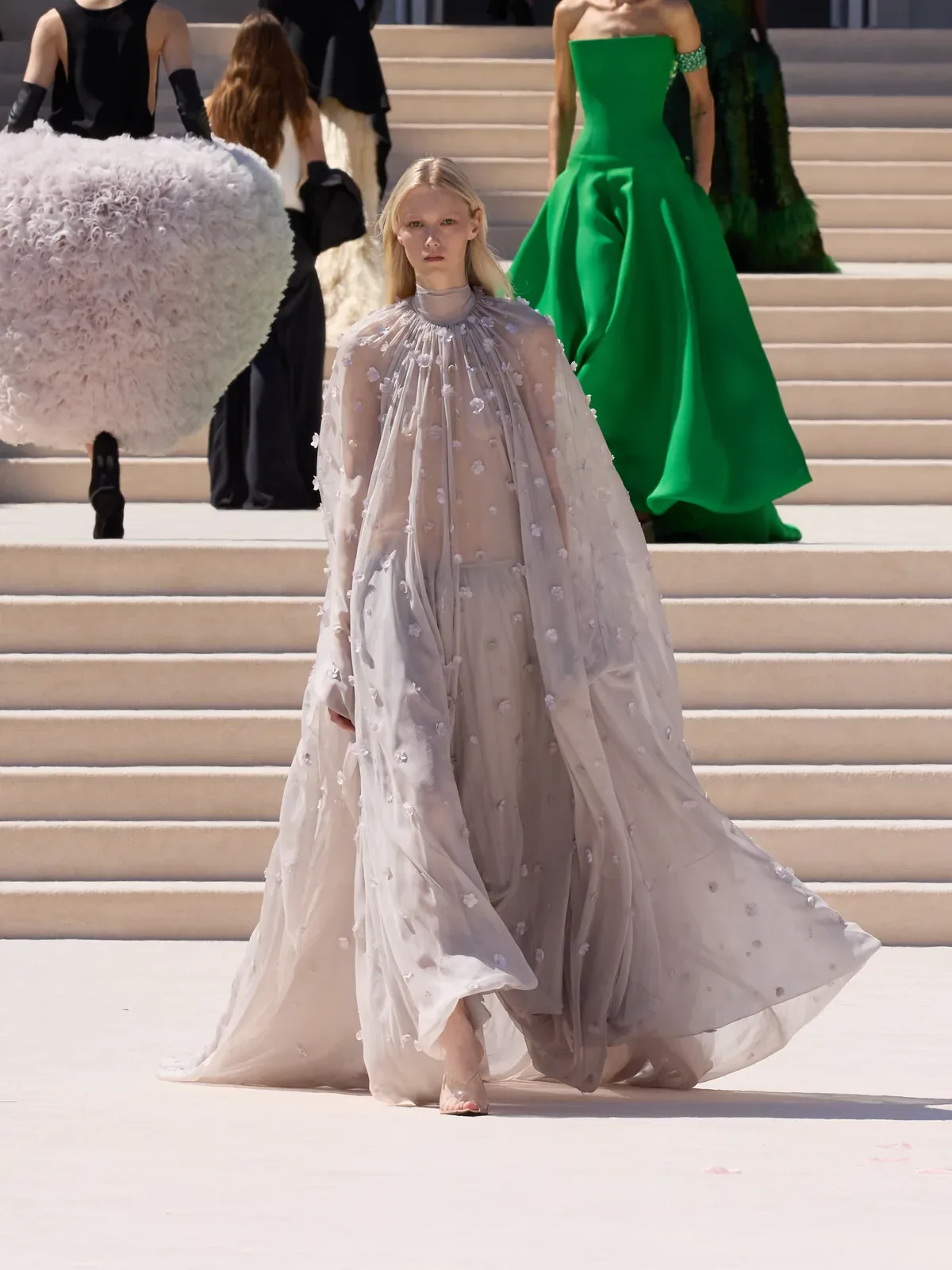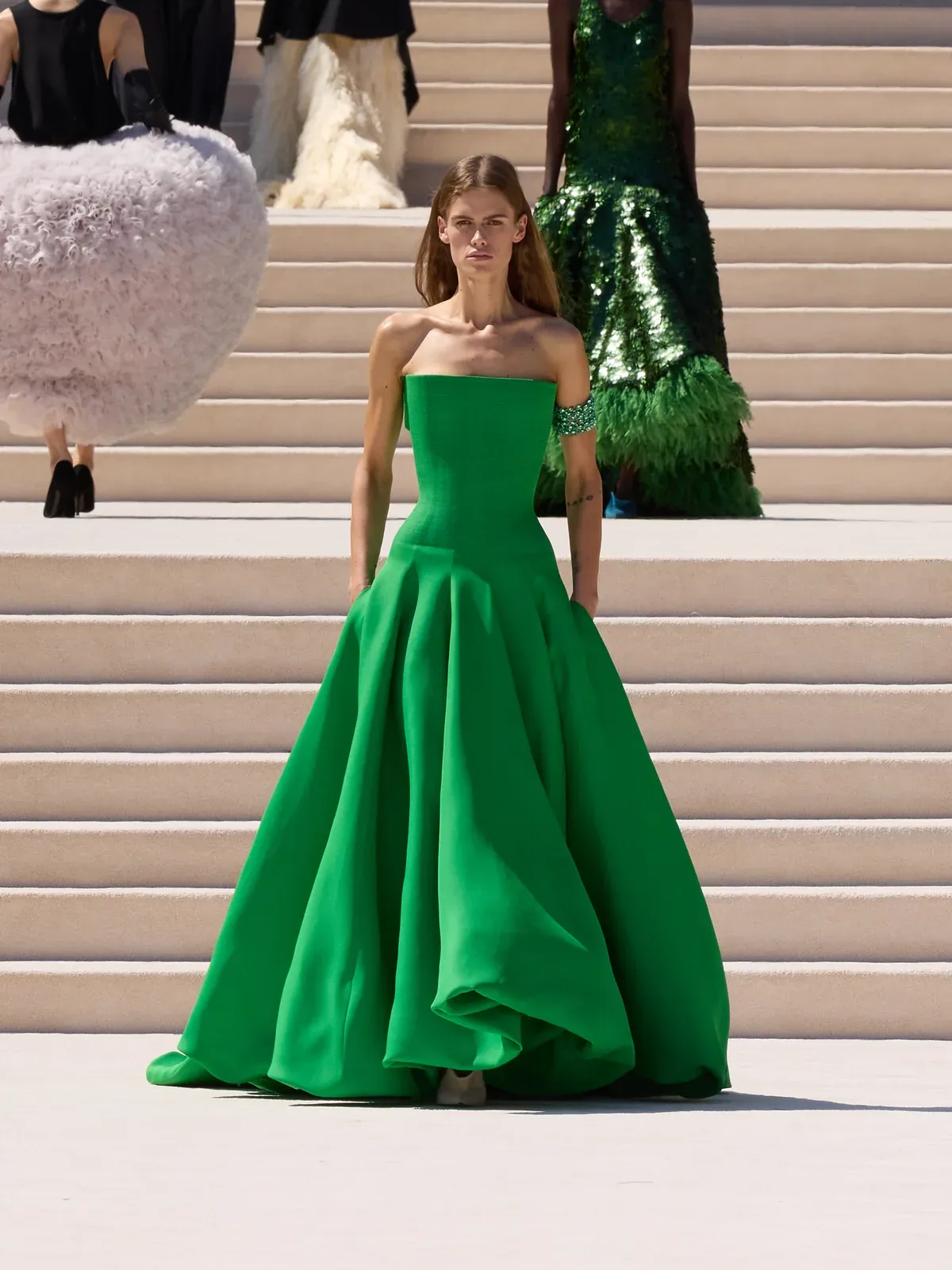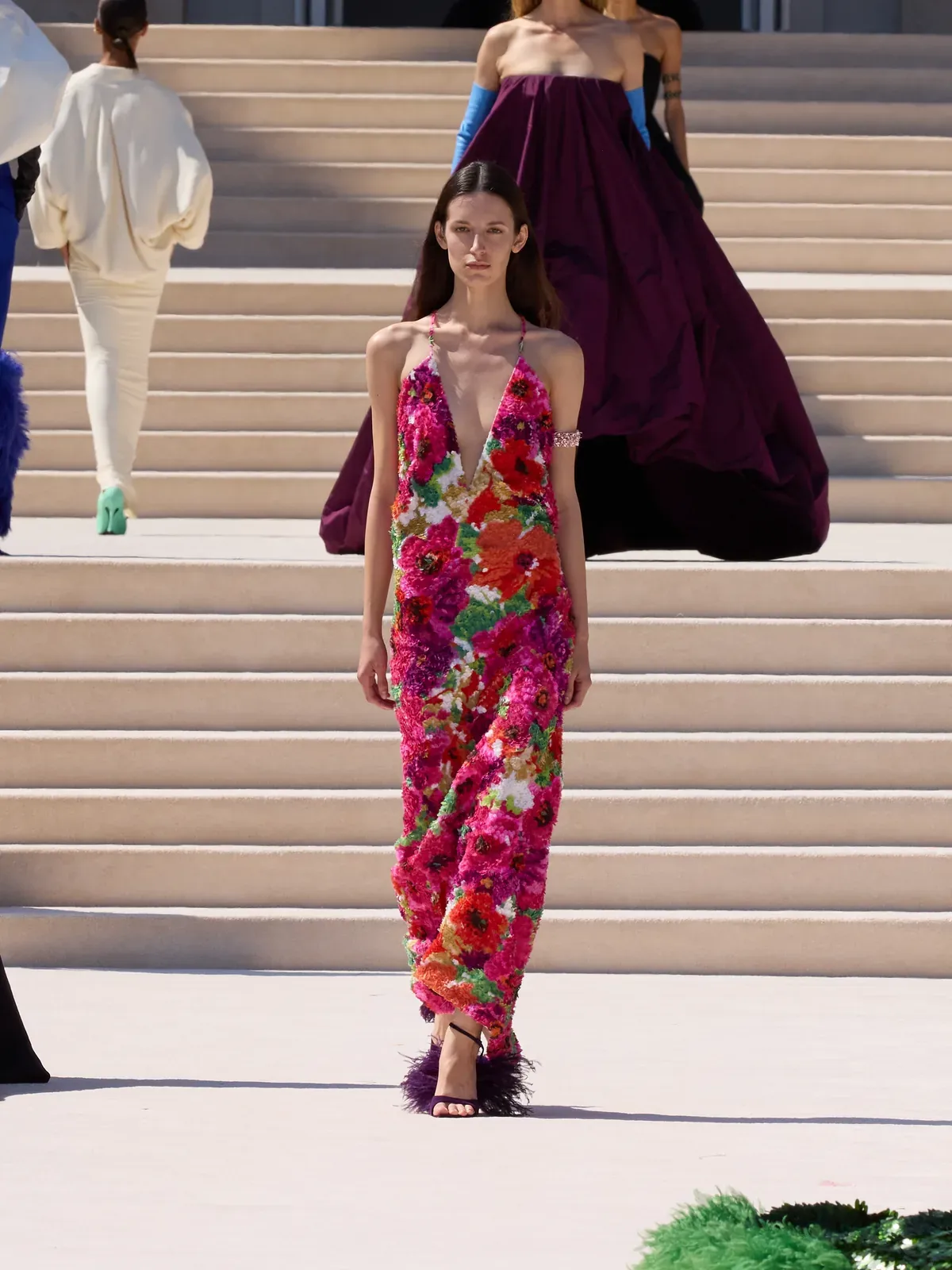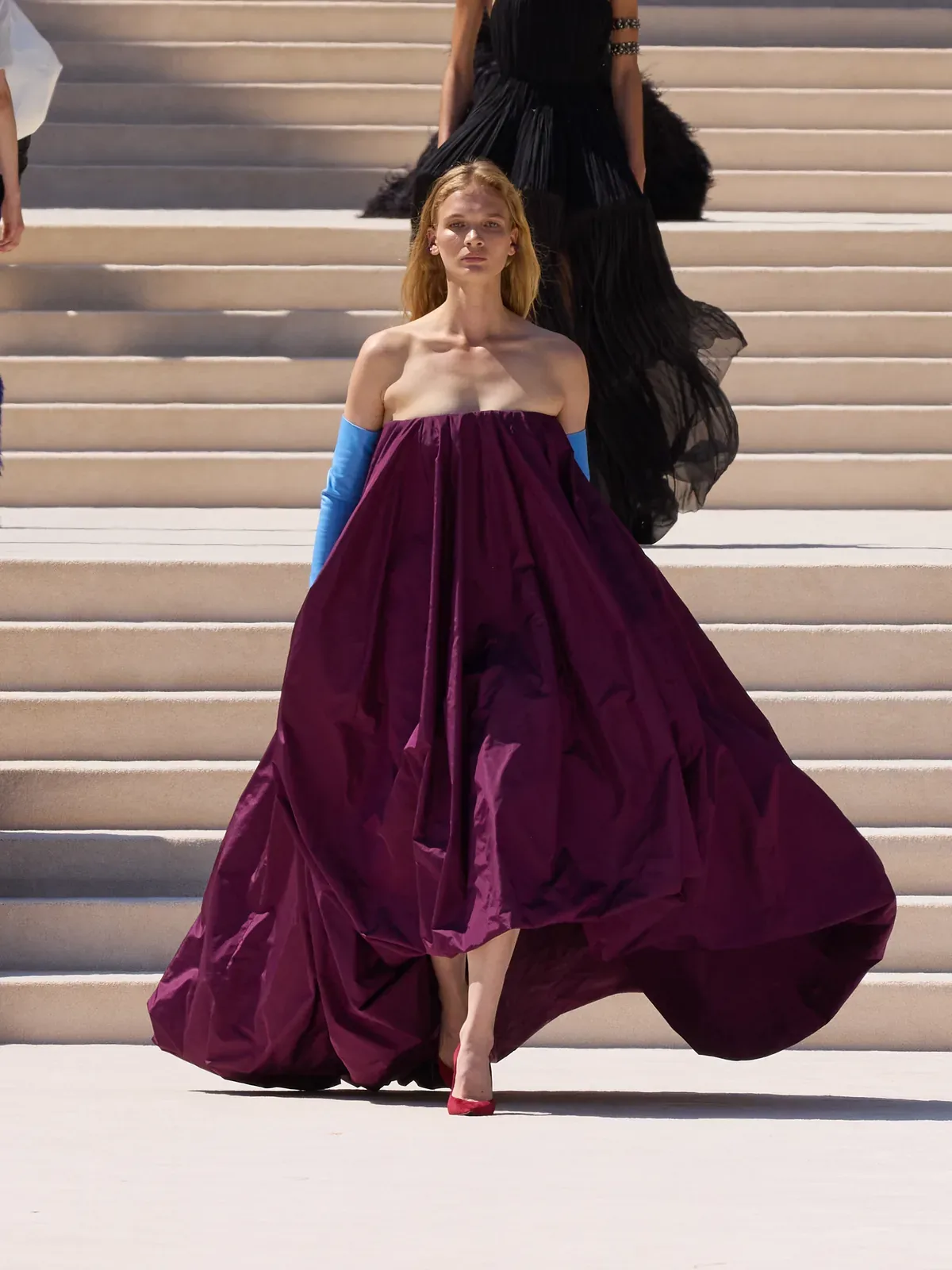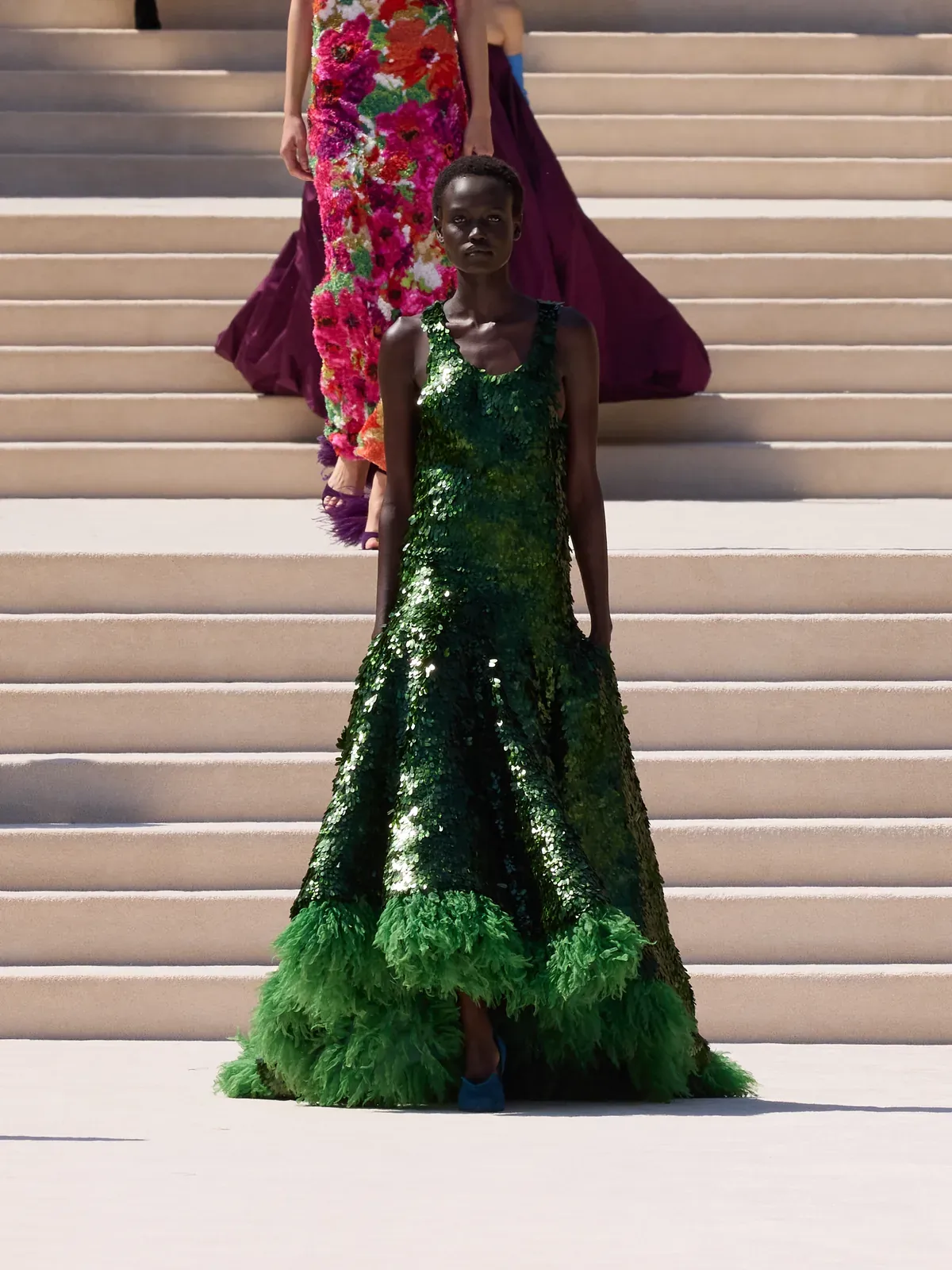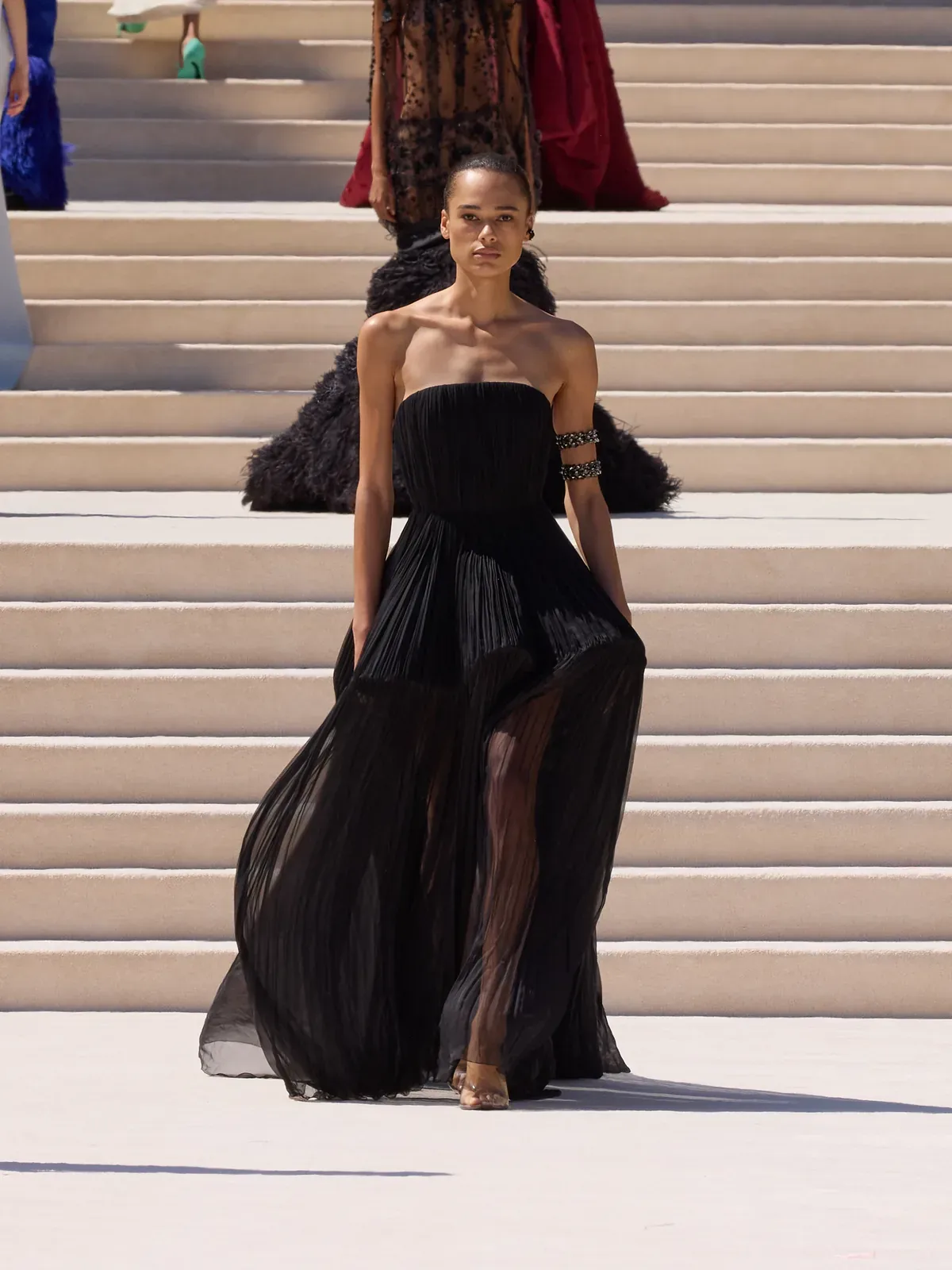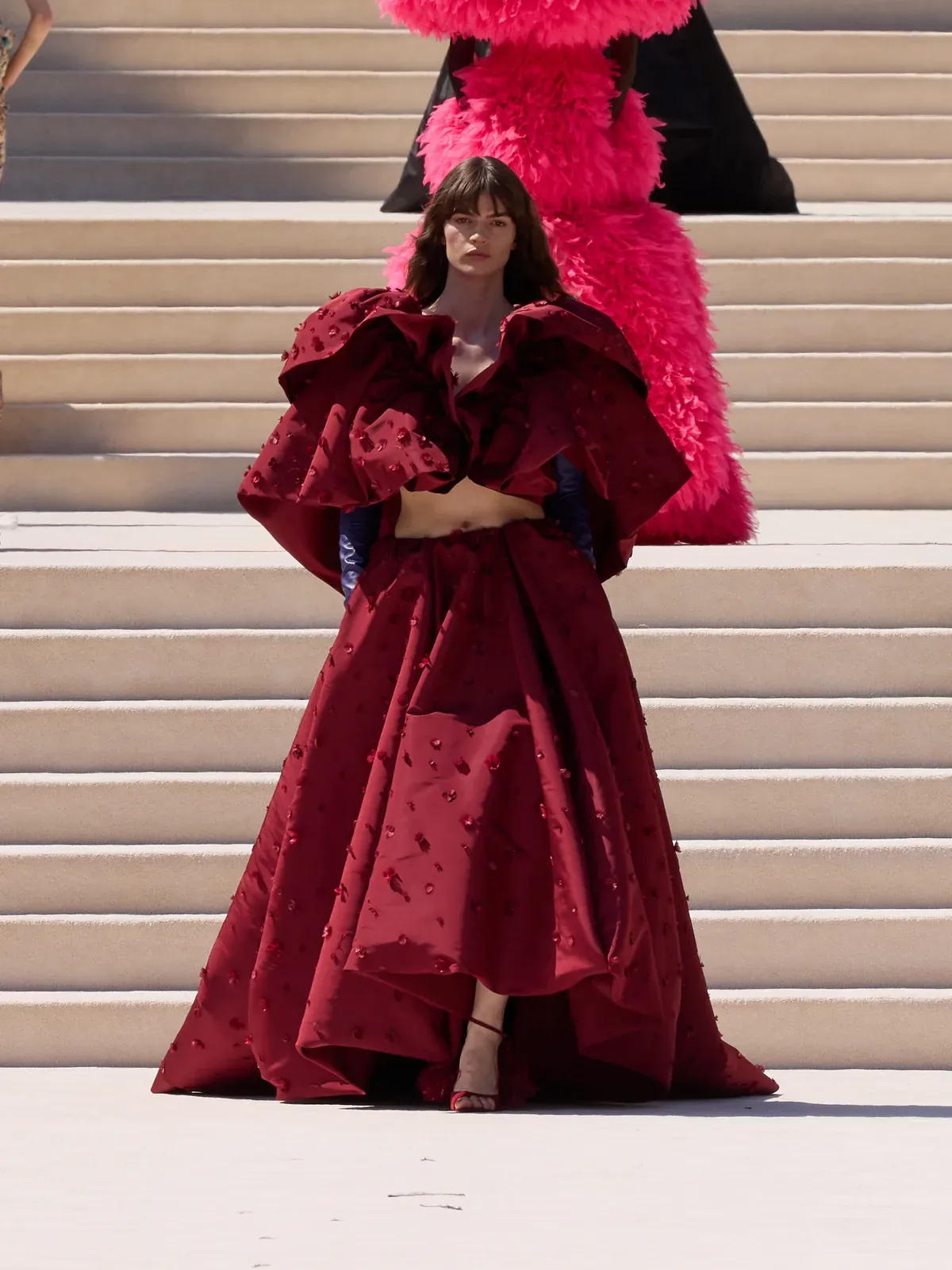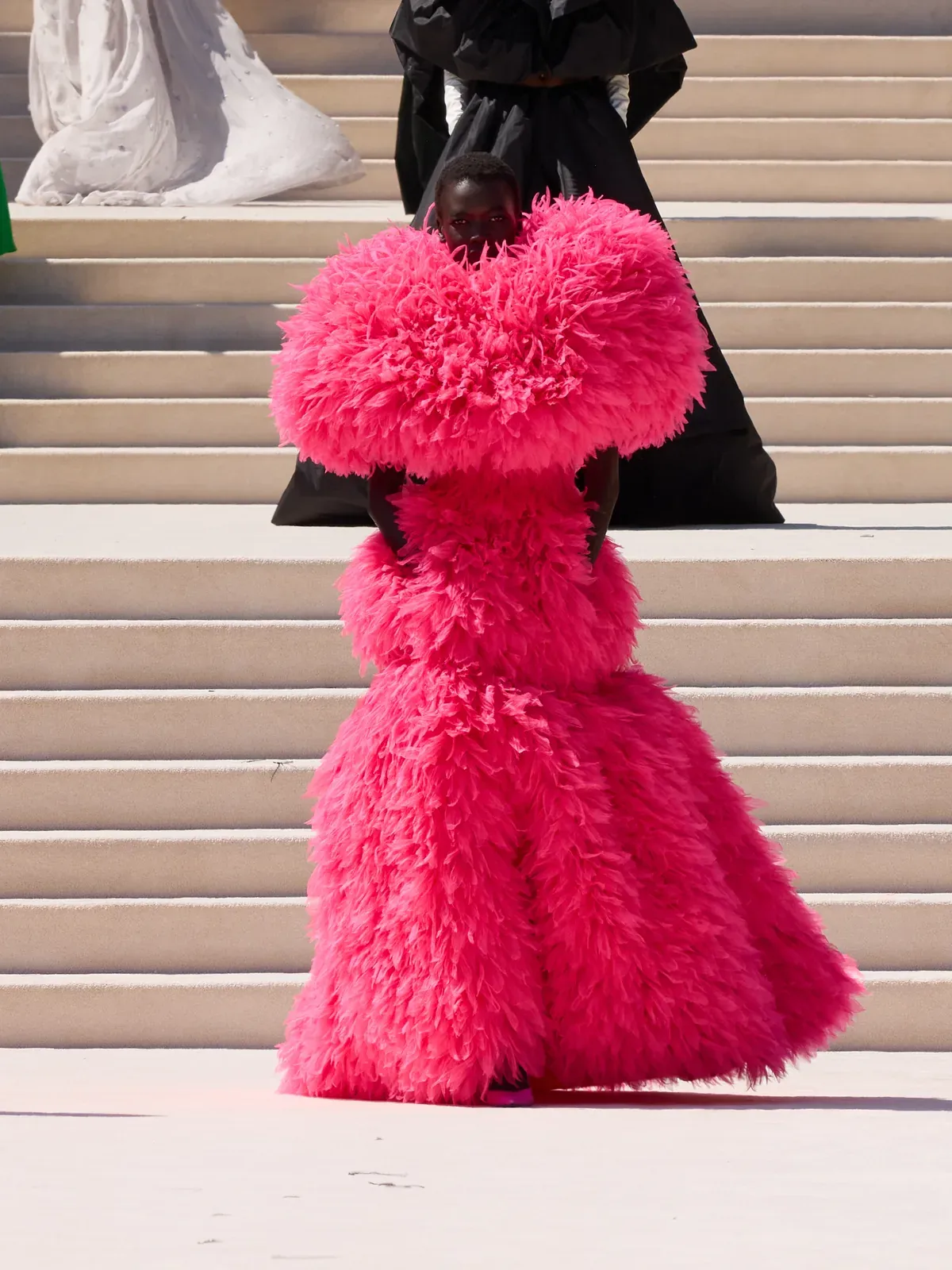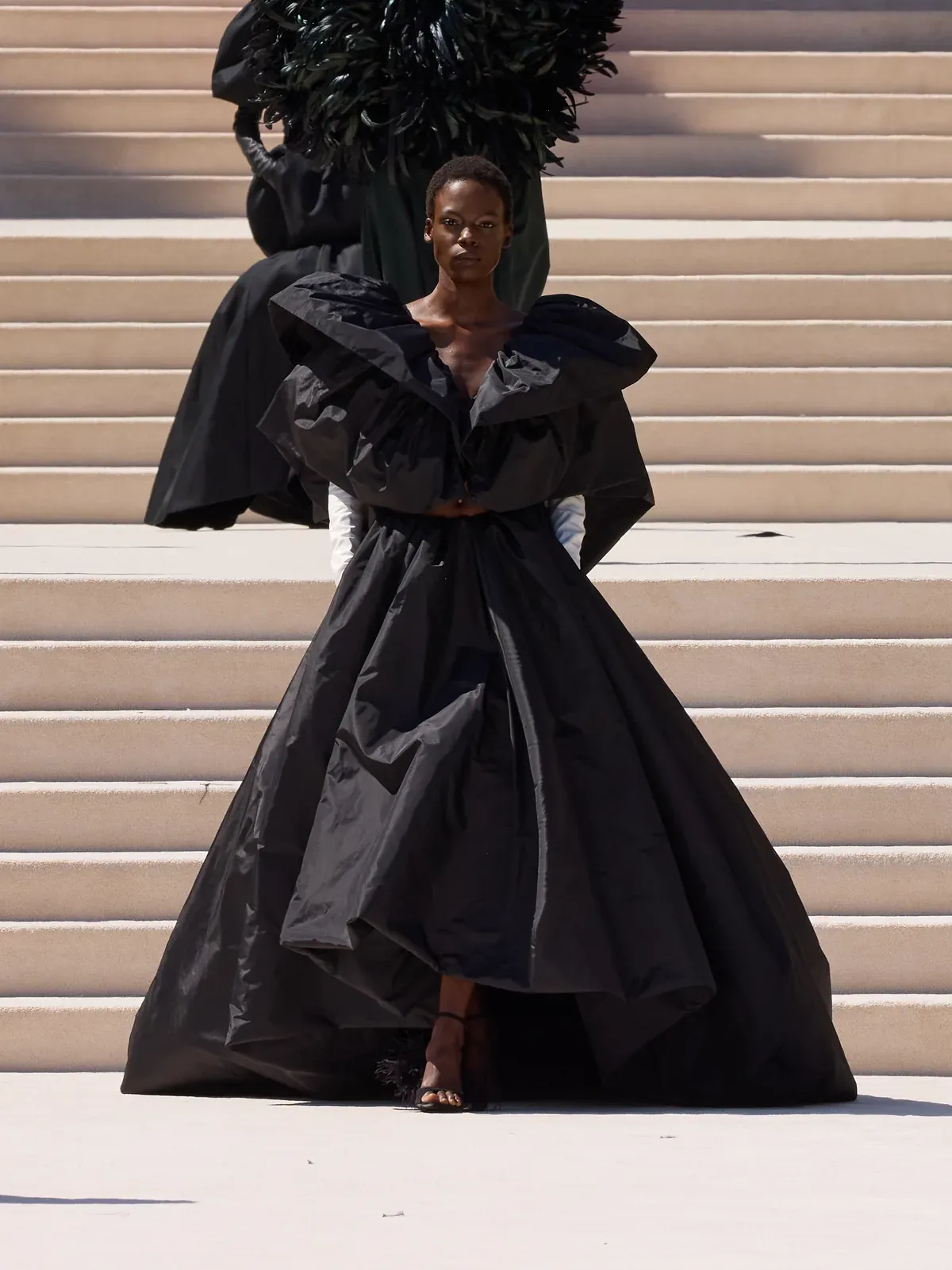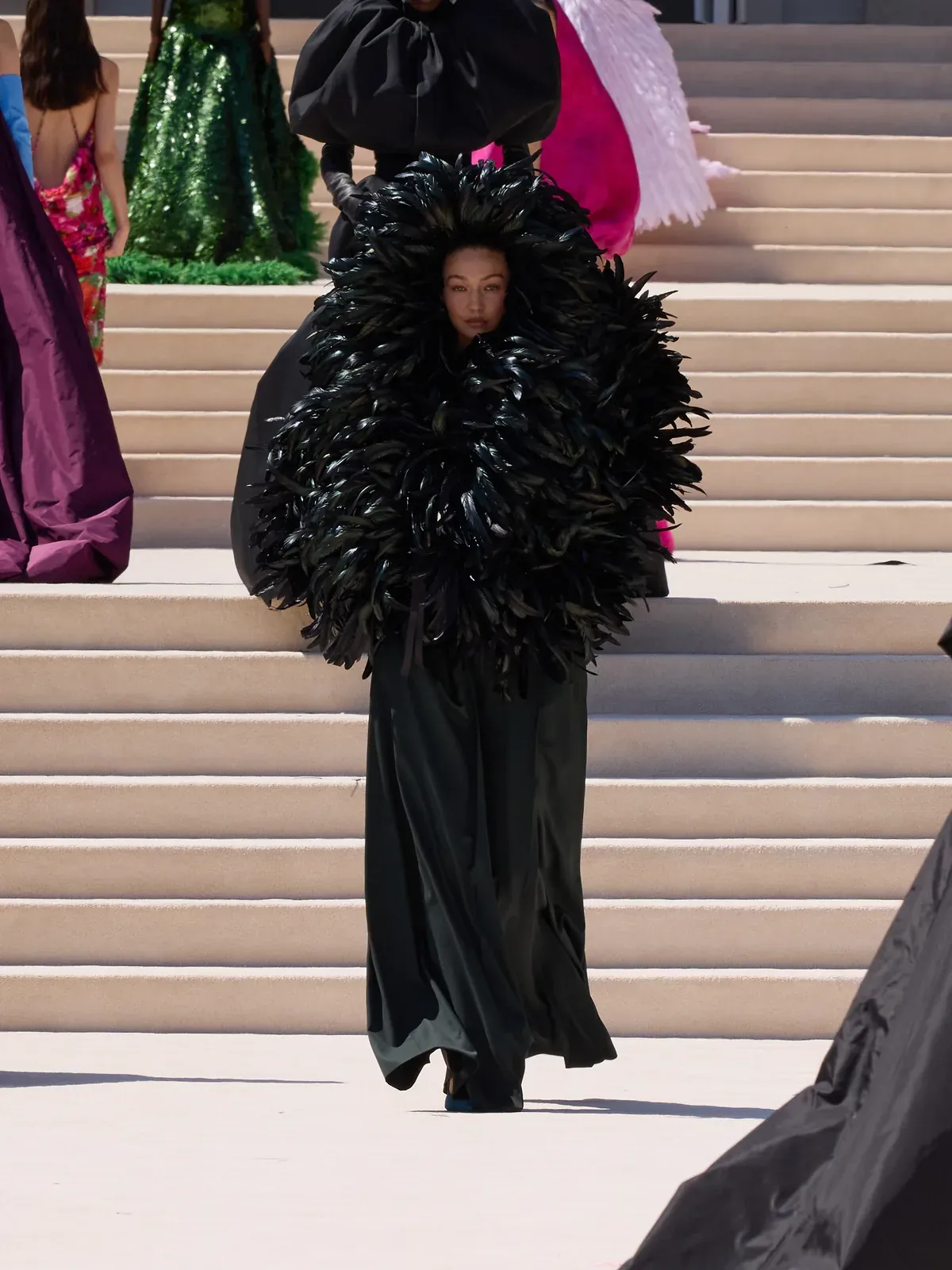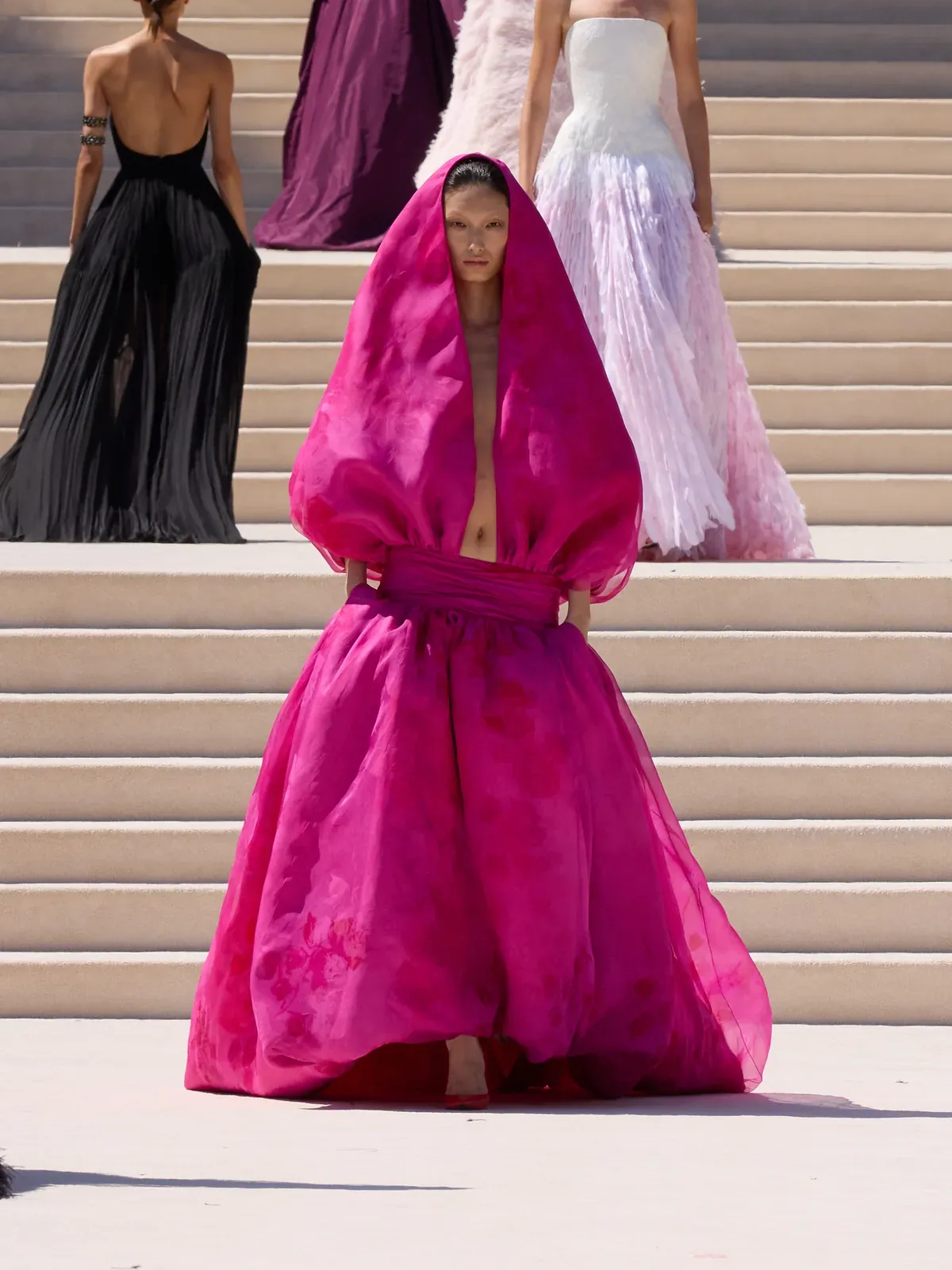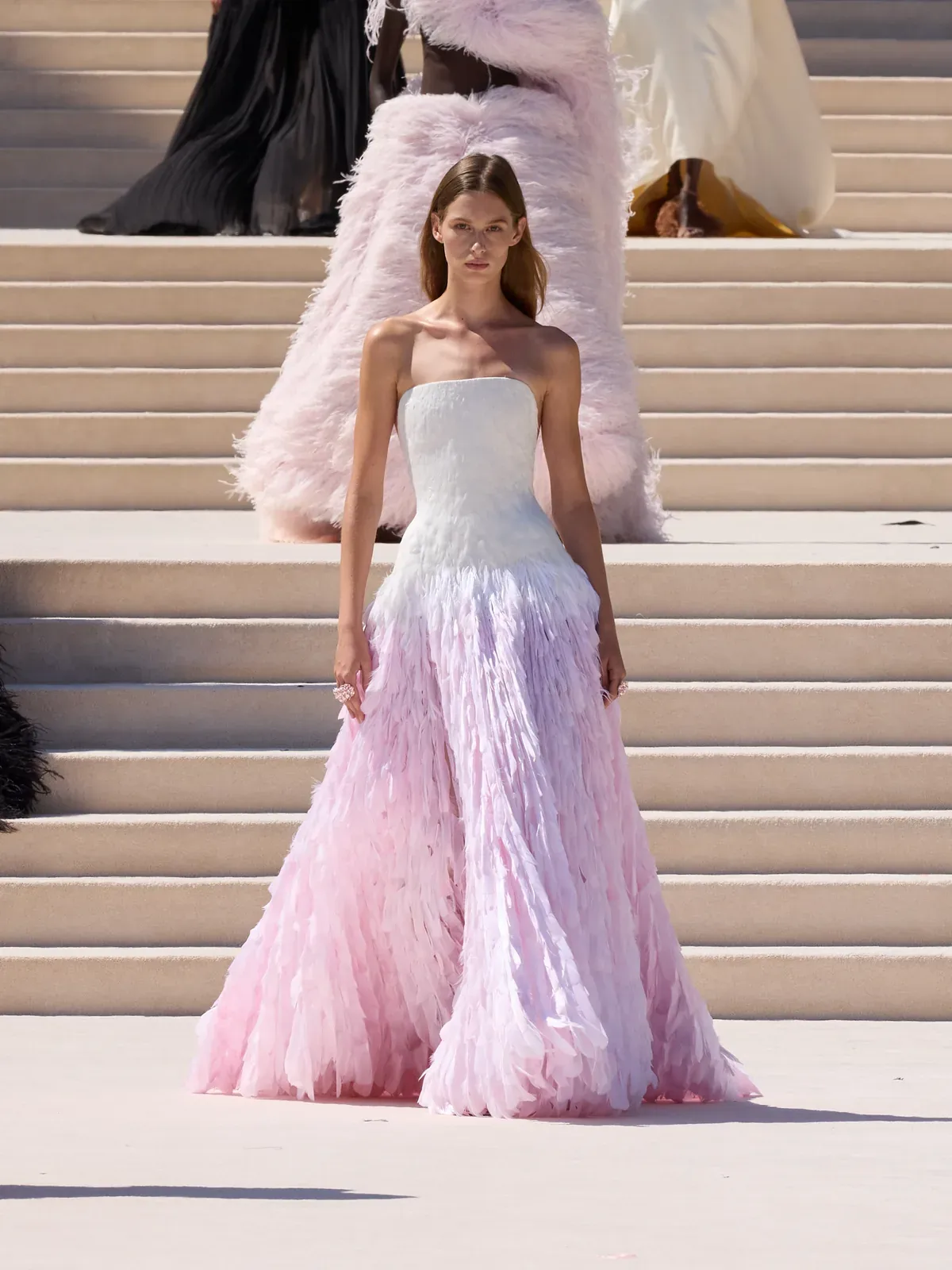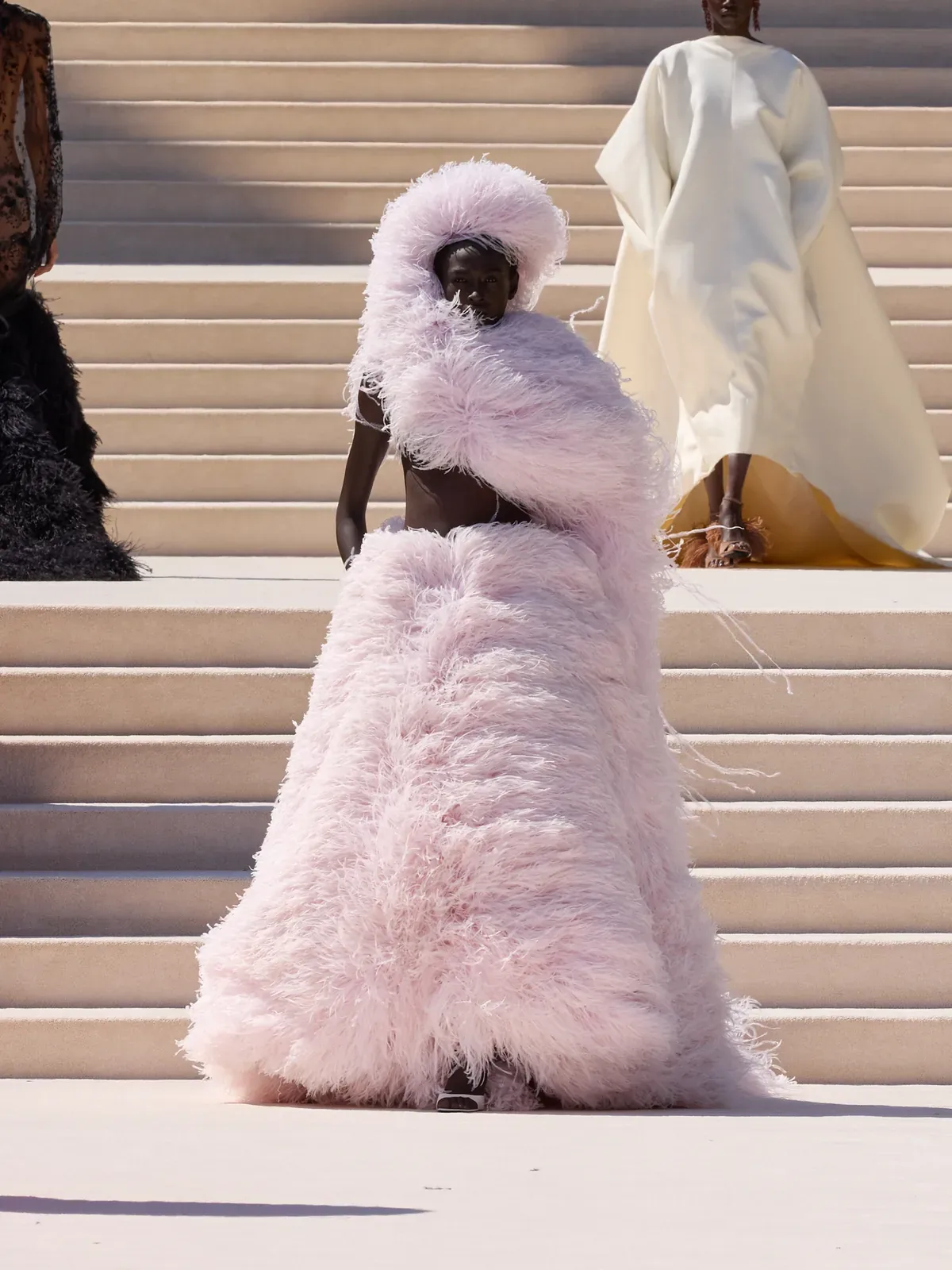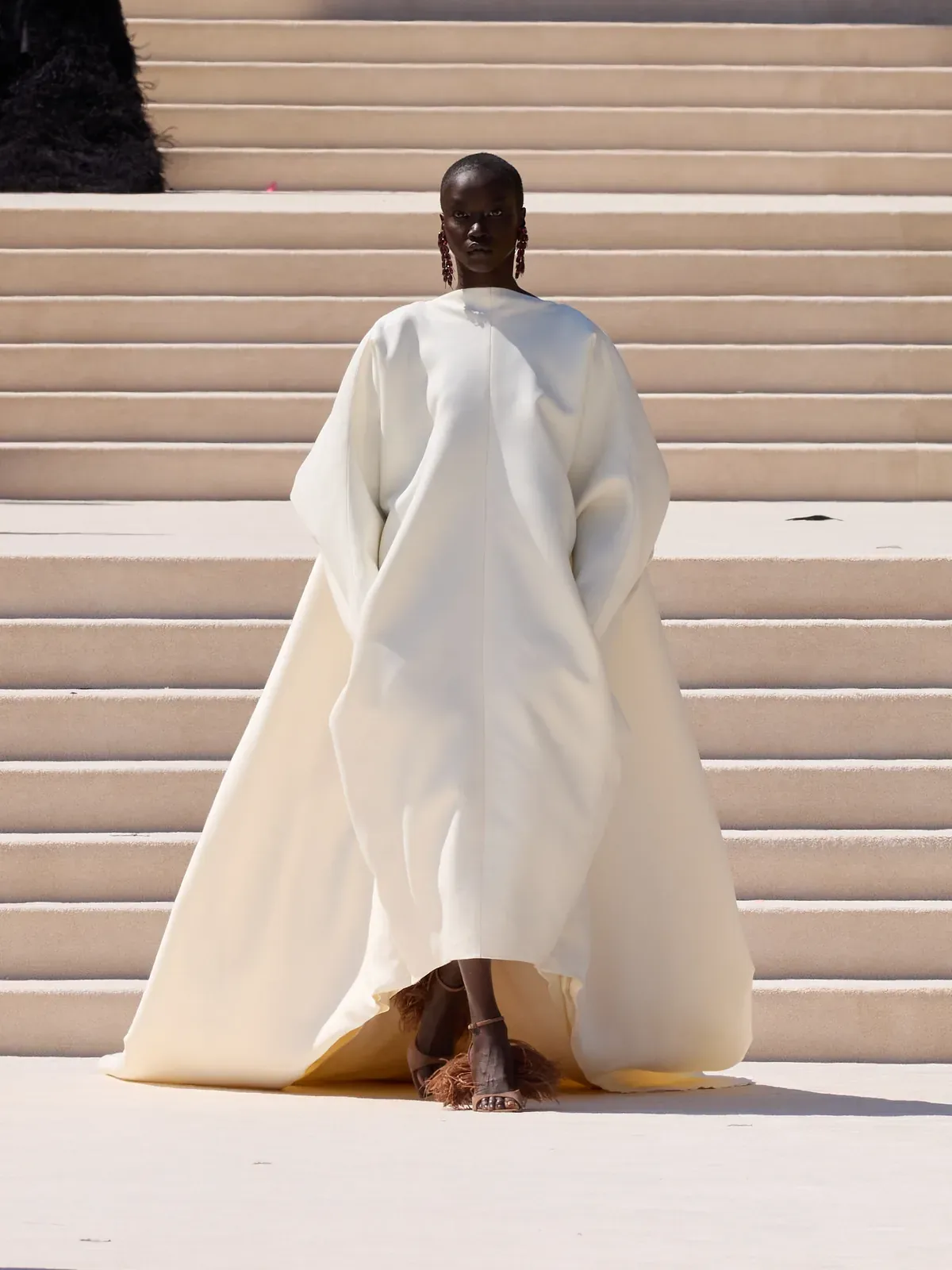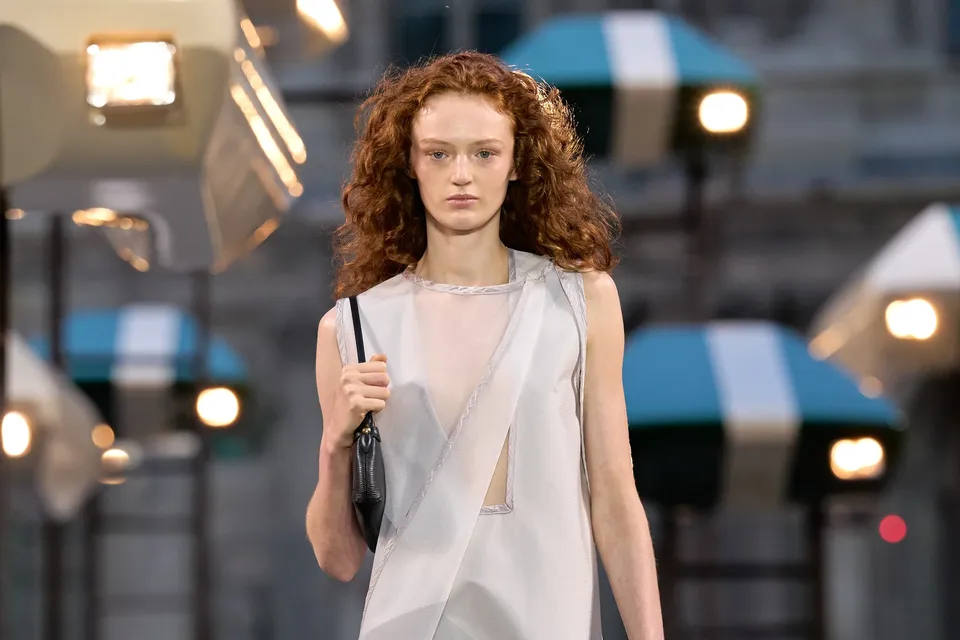
Looking at the work of someone who has shaped the history of a discipline is one thing, but becoming the person expected to carry that legacy into the present is something entirely different. Few designers understand that weight better than Pierpaolo Piccioli, whose relationship with couture has always been guided by emotion, humanity, and an almost instinctive understanding of what makes a garment meaningful beyond its appearance. His first haute couture collection for Balenciaga arrives surrounded by expectation, yet the feeling it leaves behind has little to do with the pressure of a debut and much more with the sincerity of someone taking the time to understand a house before attempting to redefine it.
One of the most revealing moments of the collection wasn't on the runway but in the note Pierpaolo dedicated to the atelier afterwards, where he speaks about working while "getting to know each other" and about building a language made up of new words and timeless ones. It is a simple thought, although one that says everything about the spirit of this collection. This symbiotic approach marks the beginning of a conversation, one in which listening carries the same importance as speaking. That openness explains why, despite being unmistakably Pierpaolo, the collection doesn't feel imposed upon Balenciaga. It grows naturally from the values that have always defined the maison, finding common ground between his sensibility and Cristóbal Balenciaga's understanding of couture as architecture, precision, and absolute devotion to craft.
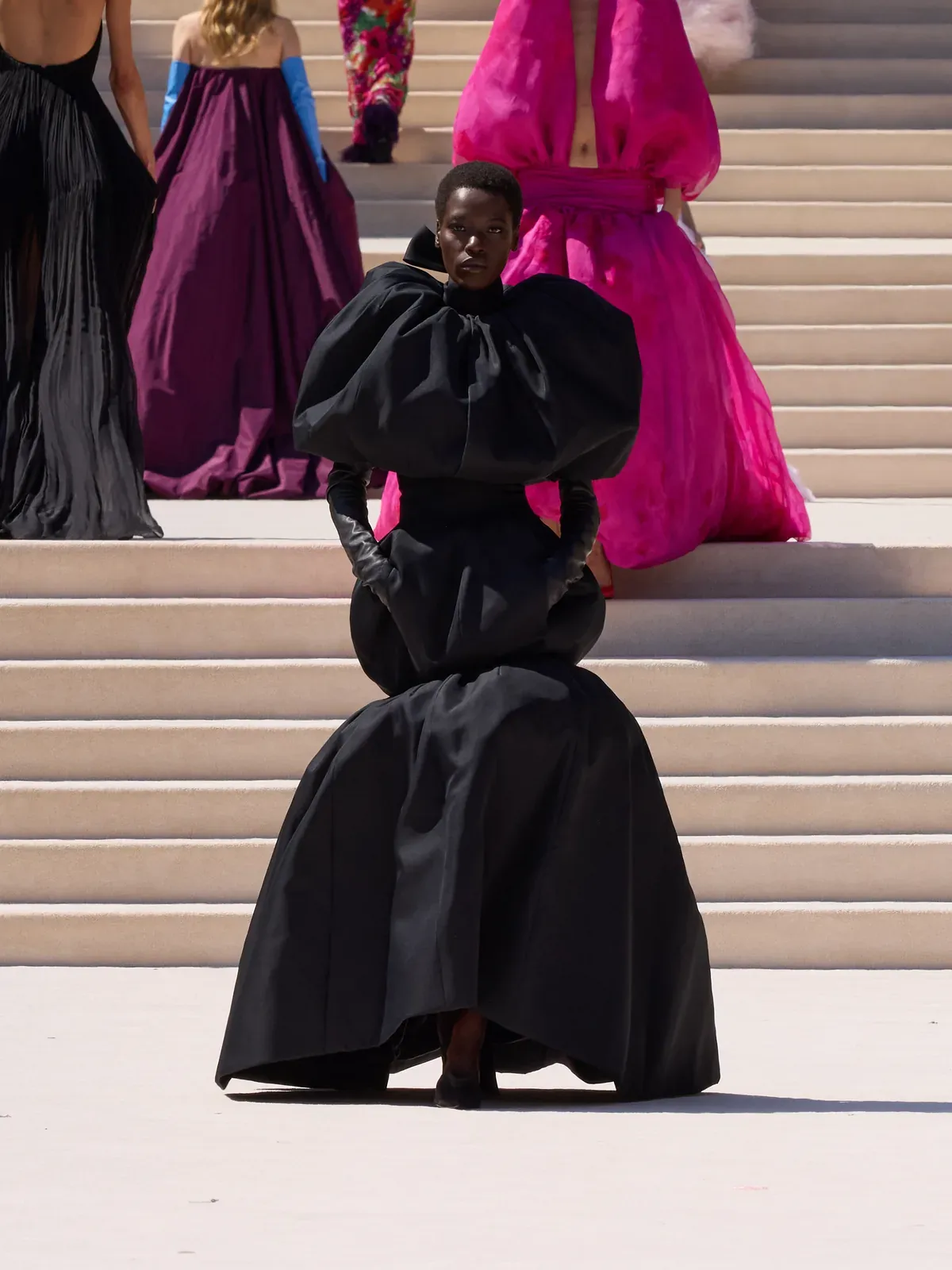
That relationship becomes evident in garments whose complexity reveals itself little by little. Coats and dresses acquire their sculptural quality from hidden leather structures developed from digitally scanned bodies, allowing every silhouette to respond to the individuality of the person wearing it instead of forcing them into an idealized form. The return of gazar through its contemporary reinterpretation, Neo-Gazar, carries that same purpose. It acknowledges one of Cristóbal Balenciaga's greatest innovations without turning it into a historical reference, allowing the fabric to continue evolving instead of preserving it behind glass. Throughout the collection there is a constant awareness of volume and proportion, but that doesn't mean it looks any less soft and fluid, reminding us that architecture and emotion have never existed as separate ideas within couture.
That balance extends to the more expressive moments of the collection. Philip Treacy's feather creations become part of the garments themselves, deepening the bond between millinery and couture, while a sequence of monochromatic black looks appears like a visual pause that helps us digest all the wonderful colors we've seen, as expected from a master in this regard like Pierpaolo. The silhouettes alone carry so much presence, and perhaps that is one of the clearest echoes of Cristóbal Balenciaga throughout the collection. The clothes ask to be seen from every angle because their beauty doesn't rely on a single image but on the relationship between movement, proportion, and the body inhabiting them.
More than anything else, from the garments we see, the bow at the end by the whole team, and the proper credits given to them in the house's Instagram account, this collection feels like a reminder that couture has always been a profoundly human practice. It exists because of the people who dedicate countless hours to shaping an idea with their own hands, something Pierpaolo acknowledges with his usual generosity when he closes his note by thanking every member of the atelier before writing, "This is our collection. This is our work. This is Balenciaga couture, now."