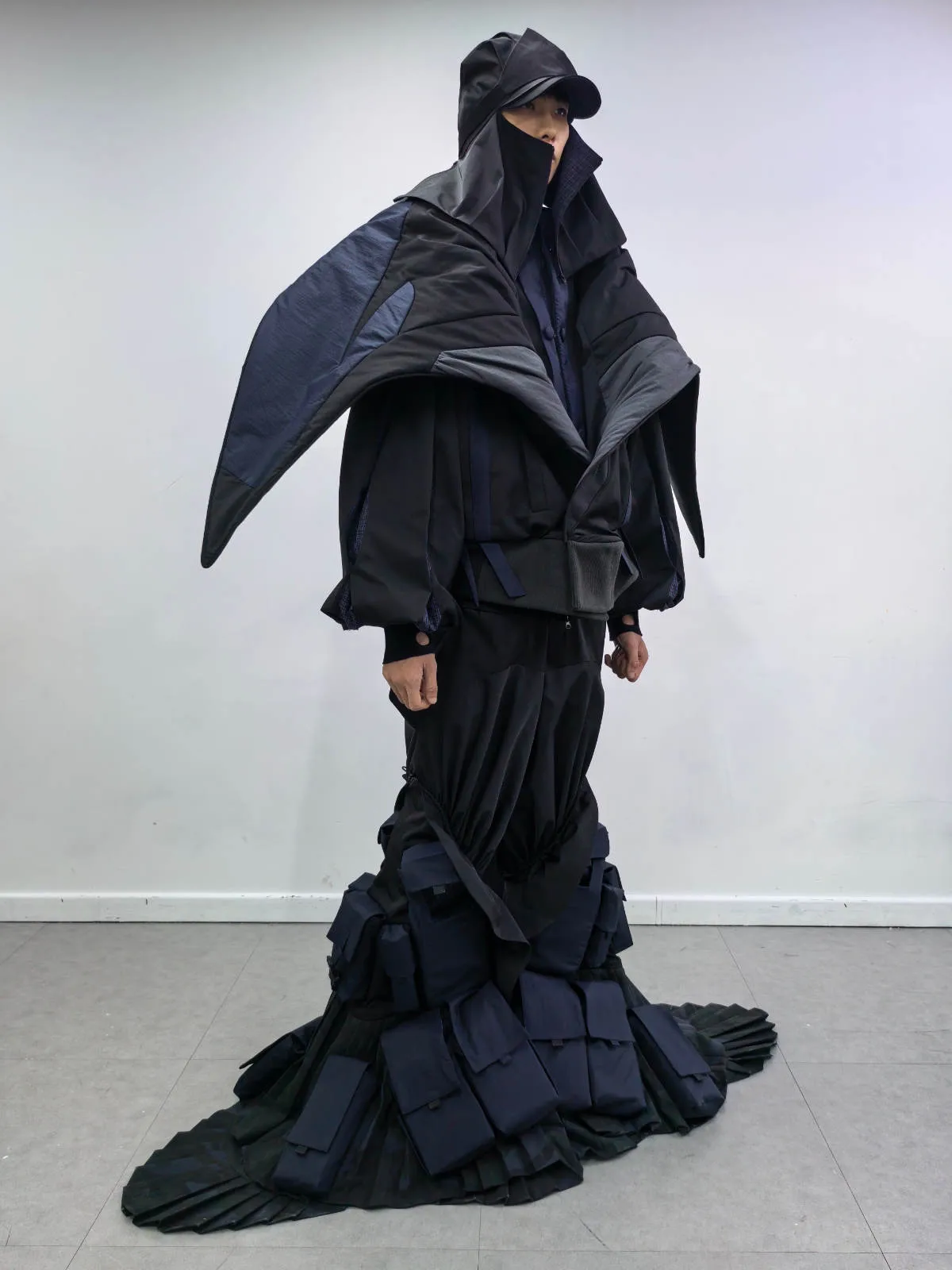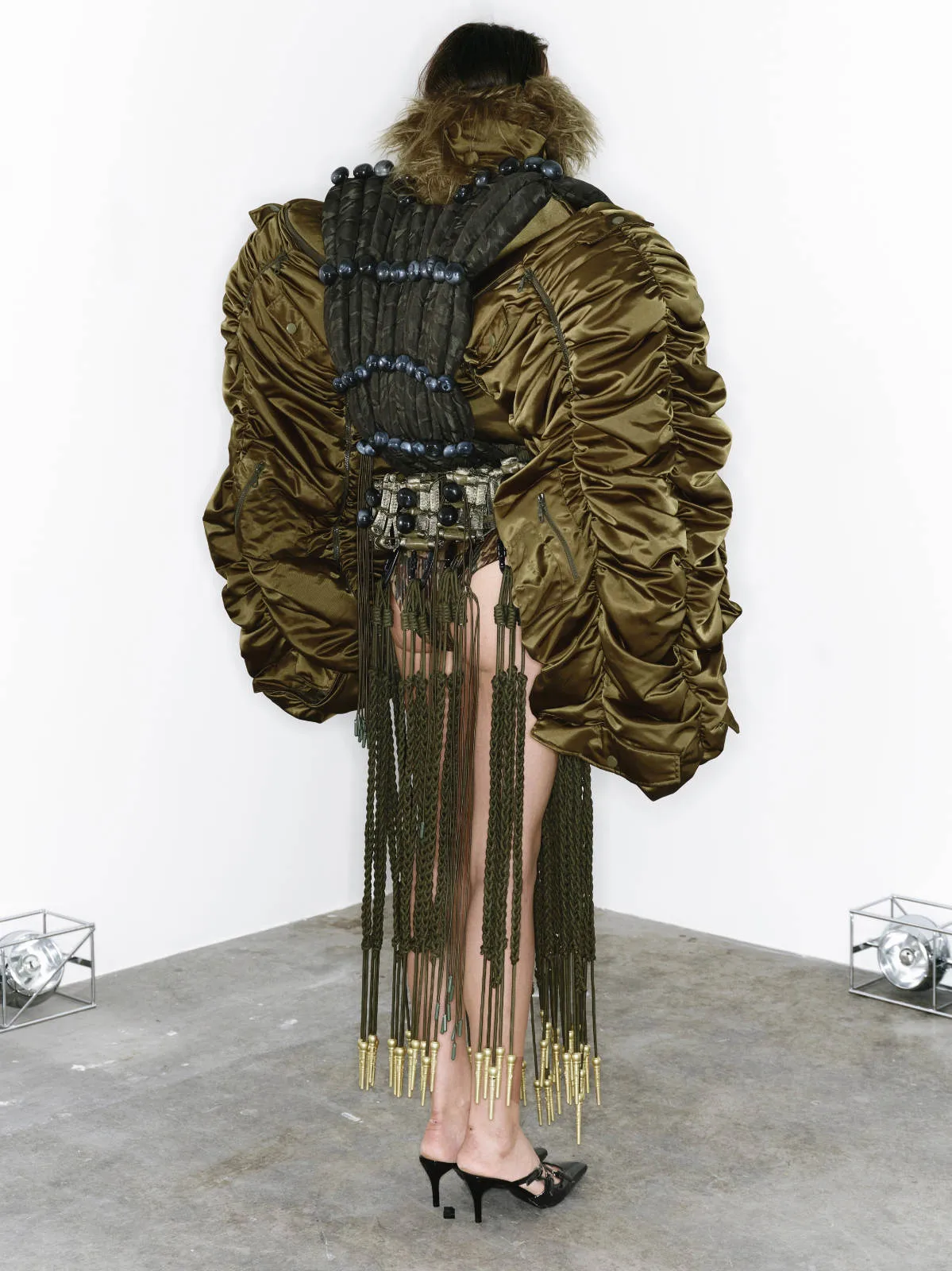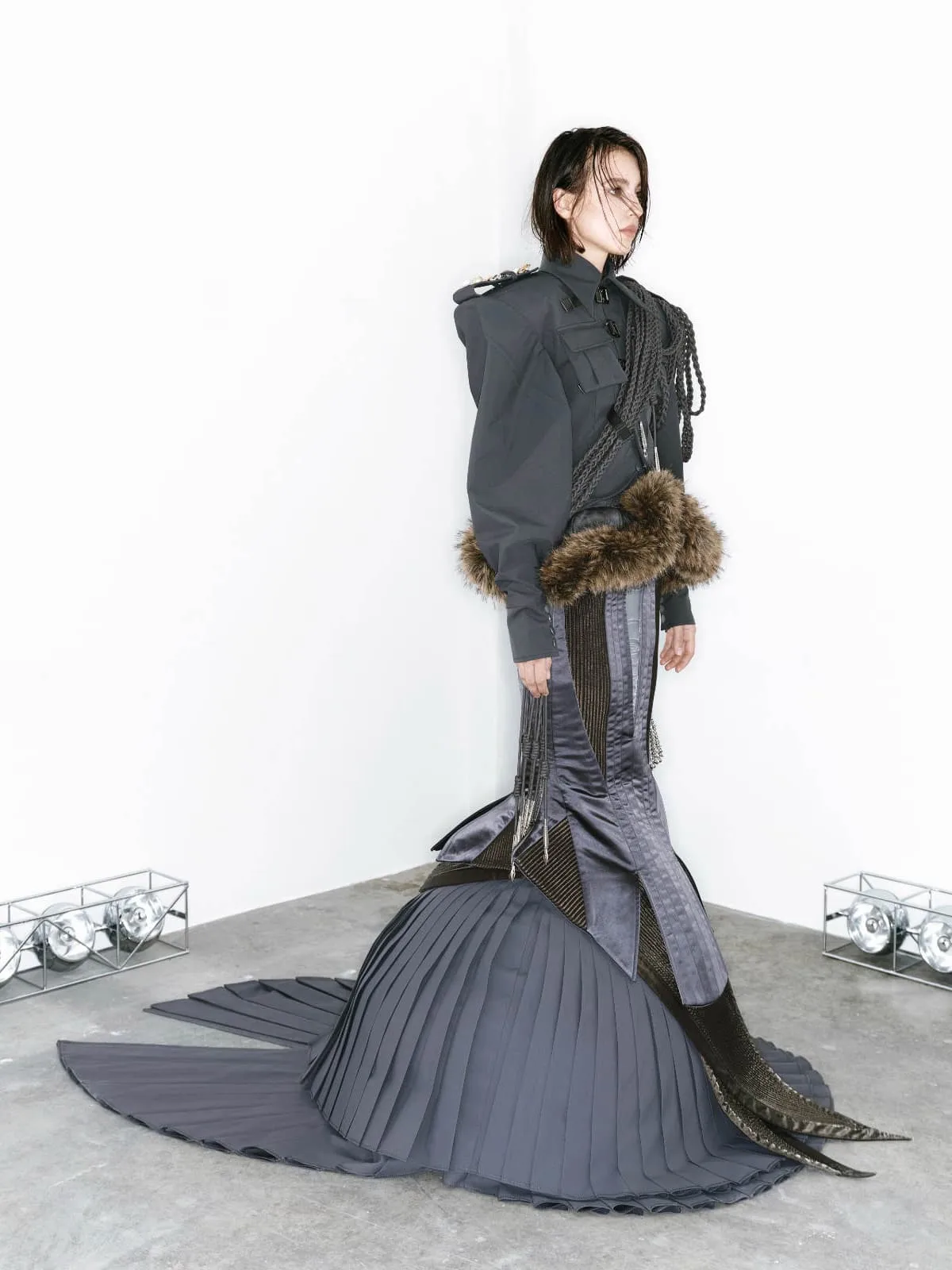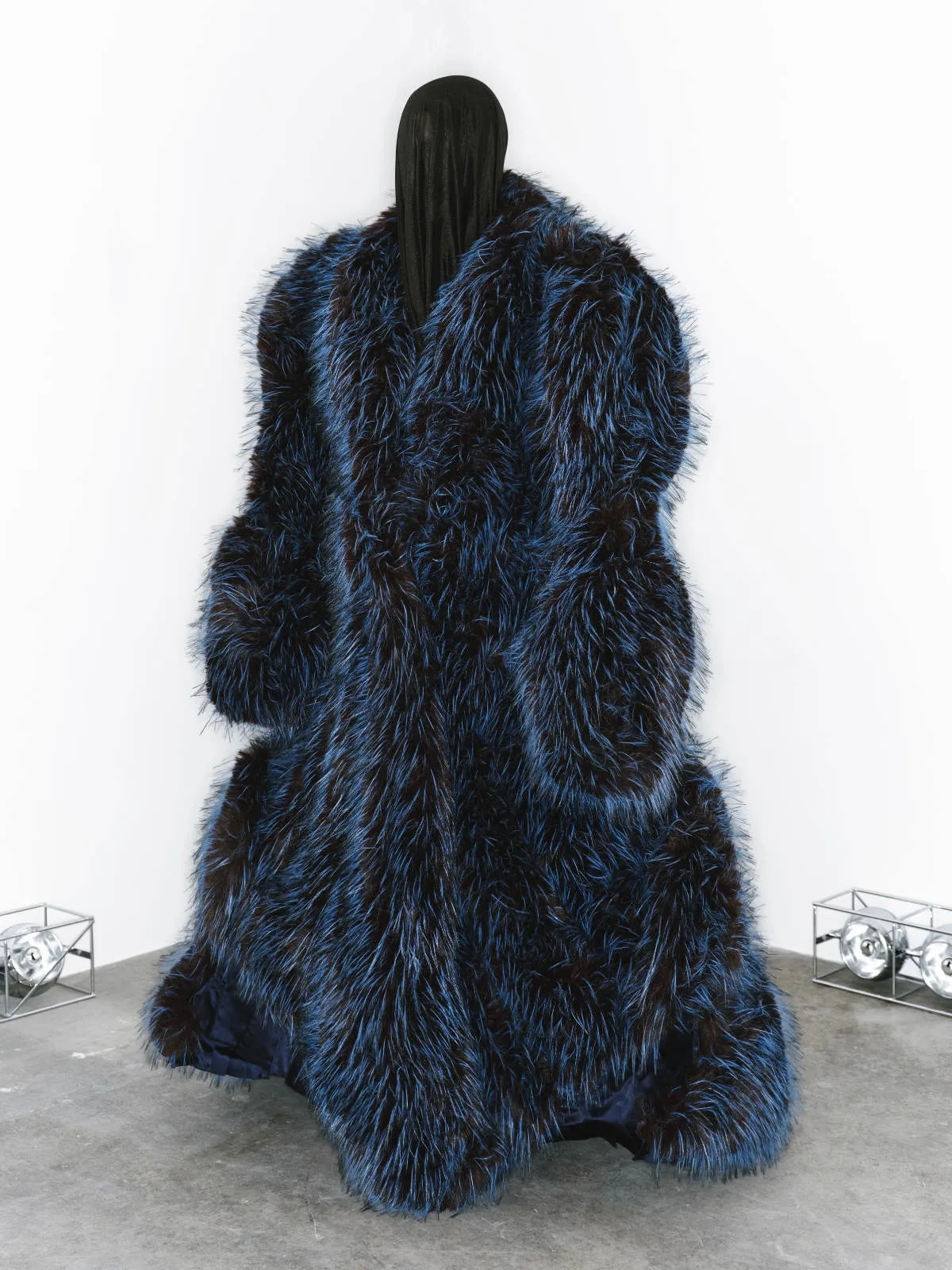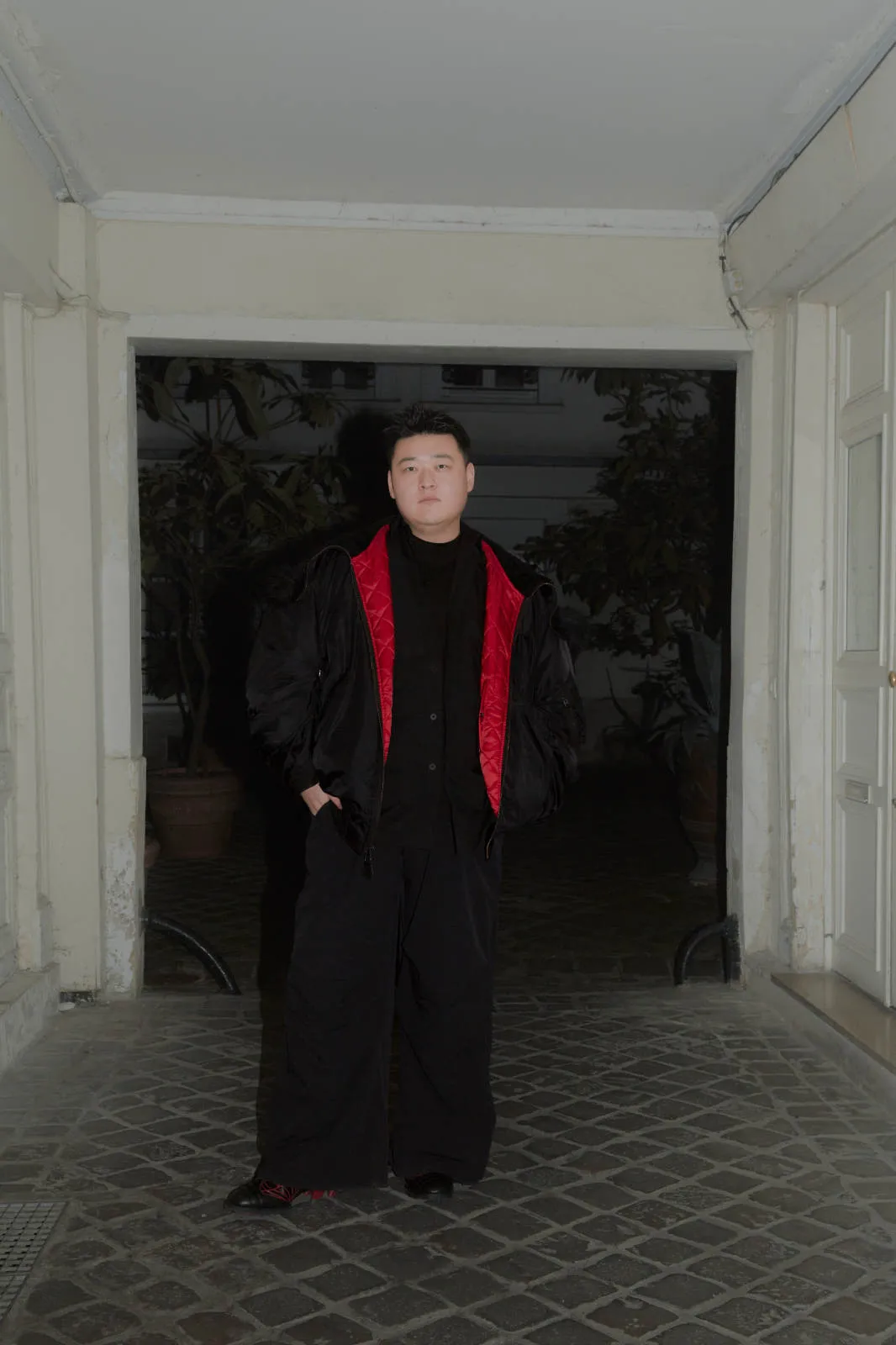
In the quiet, high-pressure streets of Antwerp, designer Aojierou found a way to turn loneliness into a shield. What began as a personal exploration of insecurity has evolved into a provocative dialogue between military severity and feminine grace. After a whirlwind year that saw his designs travel from the classrooms of Belgium to the global stage on the members of BLACKPINK, Aojierou is redefining what it means to be protected. We sat down with the designer to discuss his latest collection — a new chapter that uses the language of war to advocate for the dignity of the human body.
Hello Aojierou! How are you doing? As a designer, how was this year for you and for the brand?
The past year or even the past two years completely changed my plans and my life. When I started releasing my work, I thought that if I could slowly build some attention within five years I would feel very happy, I didn’t expect everything to happen so much faster. This speed forced me to rethink my path as a designer and also how I see my future.
What would you say is your biggest accomplishment this year?
My biggest accomplishment this year was creating a custom look for BLACKPINK. For me they are the most influential girl group in the world right now and also a group I truly love. Seeing my work worn by them felt unreal and very emotional and it was a moment where I realised my work could reach much further than I imagined.
When you begin creating something new, what usually comes first?
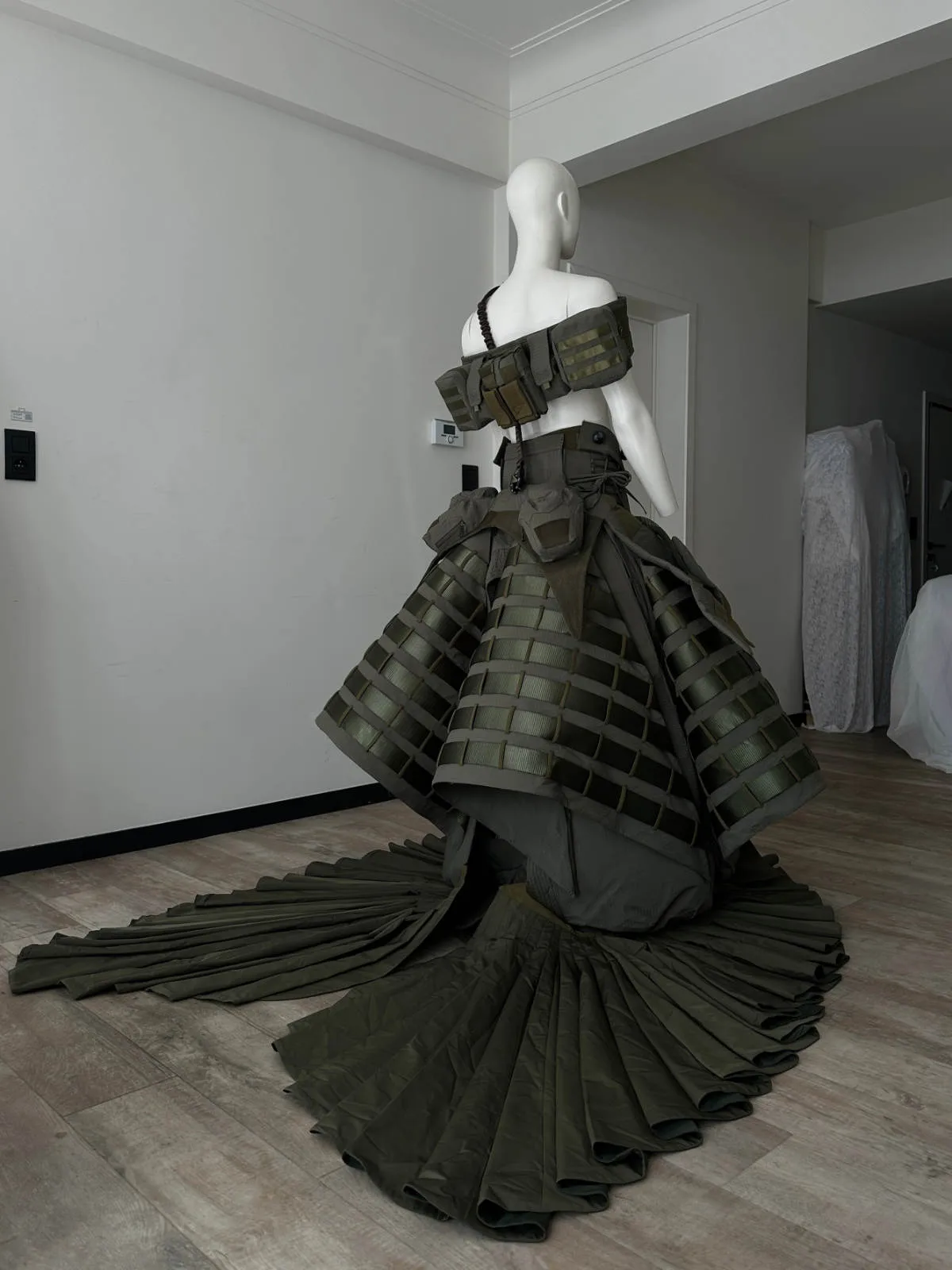
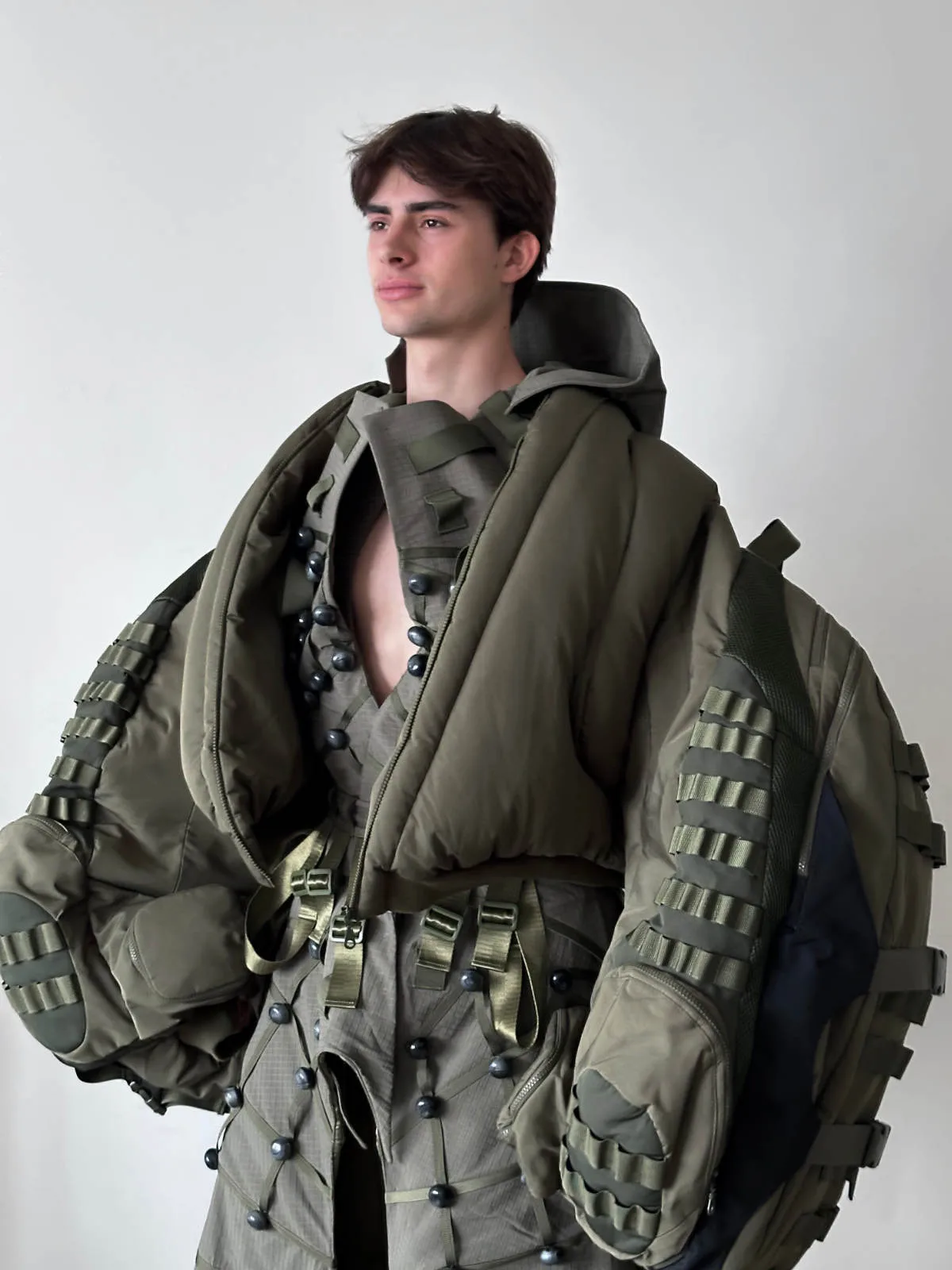
It almost always starts with a feeling, usually it is my emotional response to something that happens around me. When I started working with armour it came from feelings of insecurity loneliness and fear. I wanted to use clothing as a replacement for armour to create a protective layer for the body emotions and the mind.
How has living in Antwerp influenced you and your work?
Living in Antwerp was very lonely for me. The city is quiet and the pressure from school was intense. Creation became the only way for me to release my emotions. That is why my work during this time became very sharp heavy and aggressive.
What’s your favourite spot in Antwerp?
My favourite place is my home; it is the only place where I truly feel calm and safe.
Would you say this collection is a new chapter for you? Or more like a continuation of your past work?
This collection is a new chapter for me as it continues my previous work but brings in new elements. I want every collection to challenge me and push me beyond my own boundaries.
By translating military aesthetics into soft elegant silhouettes are you aiming to redefine what protection means in fashion today?
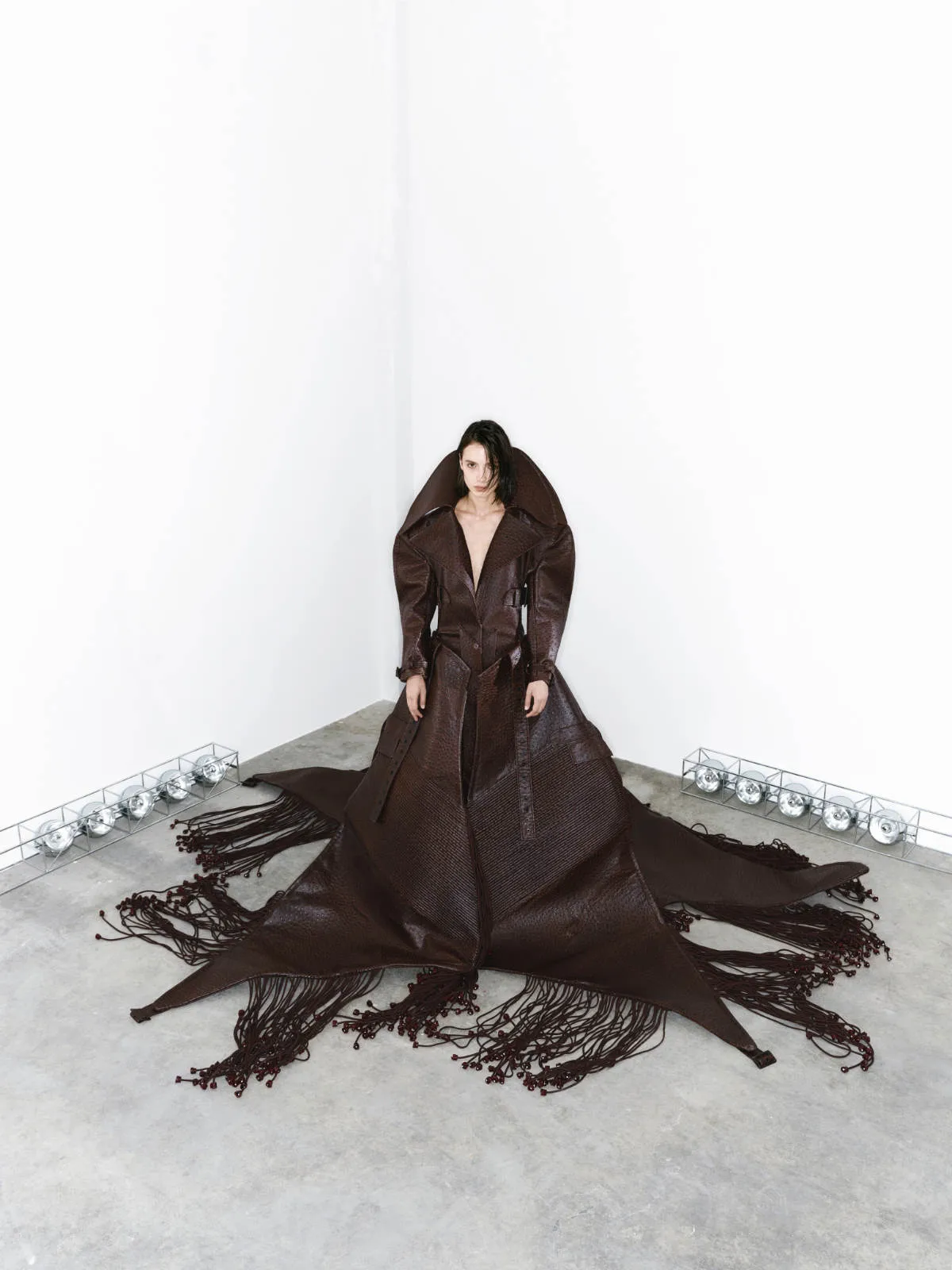
Yes, this idea came from news about war and violence. I was thinking about people whose lives and important moments are interrupted by conflict. I wanted clothing to protect the body while still allowing beauty and dignity.
How do you navigate the tension between military severity and feminine delicacy in these pieces?
I use femininity, softness and sensuality to deconstruct military structures, I want people to physically feel how heavy and uncomfortable war really is. My work is not about supporting war but about exposing its pressure.
Military garments traditionally carry connotations of aggression and control. What happens when these codes are filtered through a feminine lens, as a ballgown for example?
They lose their authority and seriousness, war should never be seen as noble or heroic. I use femininity and a sense of black humour to question and weaken these symbols.
In past interviews you mentioned living between cultures shaped your design language. How does that influence your research into armour and the body?
I moved constantly and never stayed in one city for more than a few years. This lack of stability created emotional insecurity. Armour became a metaphor for protection survival and self-defence.
Working in womenswear for this collection does it feel like an expansion of your creative identity or a transformation of it?
It feels like both, I wanted to break the idea that military clothing belongs only to men. Women have always existed in war and I wanted to bring them back into focus.
What’s your favourite look from this collection?
My favourite look is the first one: a military bomber with sexy shorts and a belt reconstructed from an ammunition pouch. I wanted to turn something seen as cool and masculine into something sensual, unfortunately the look was damaged by customs while being shipped to the US.
Beyond aesthetics what do you hope viewers reflect on when encountering this collection?
I hope they question the meaning of war and violence and why we accept these things as serious, necessary or normal.
If someone interprets the collection purely as fashion without the conceptual layer does that concern you?
A little. I believe a strong collection should communicate its value instantly. It should not need long explanations to prove its success.
Looking ahead do you see yourself continuing to explore armour in future work?
Yes, armour is where my work started and it will likely stay at the core of my practice.
You’ve received lots of attention thanks to celebrities wearing your designs. How does that feel?
It brought a lot of attention and made me think about building my own brand. But recognition within the industry matters more to me than fame itself.