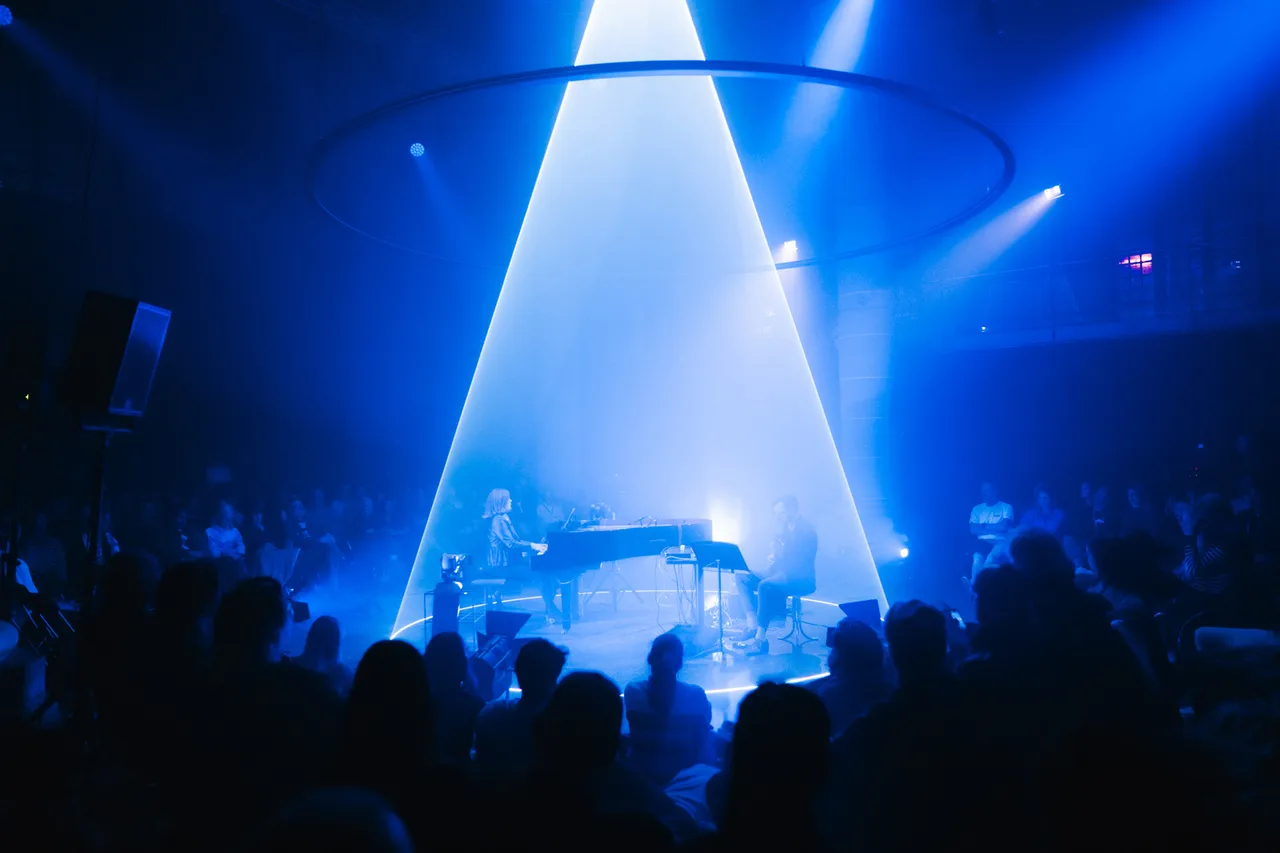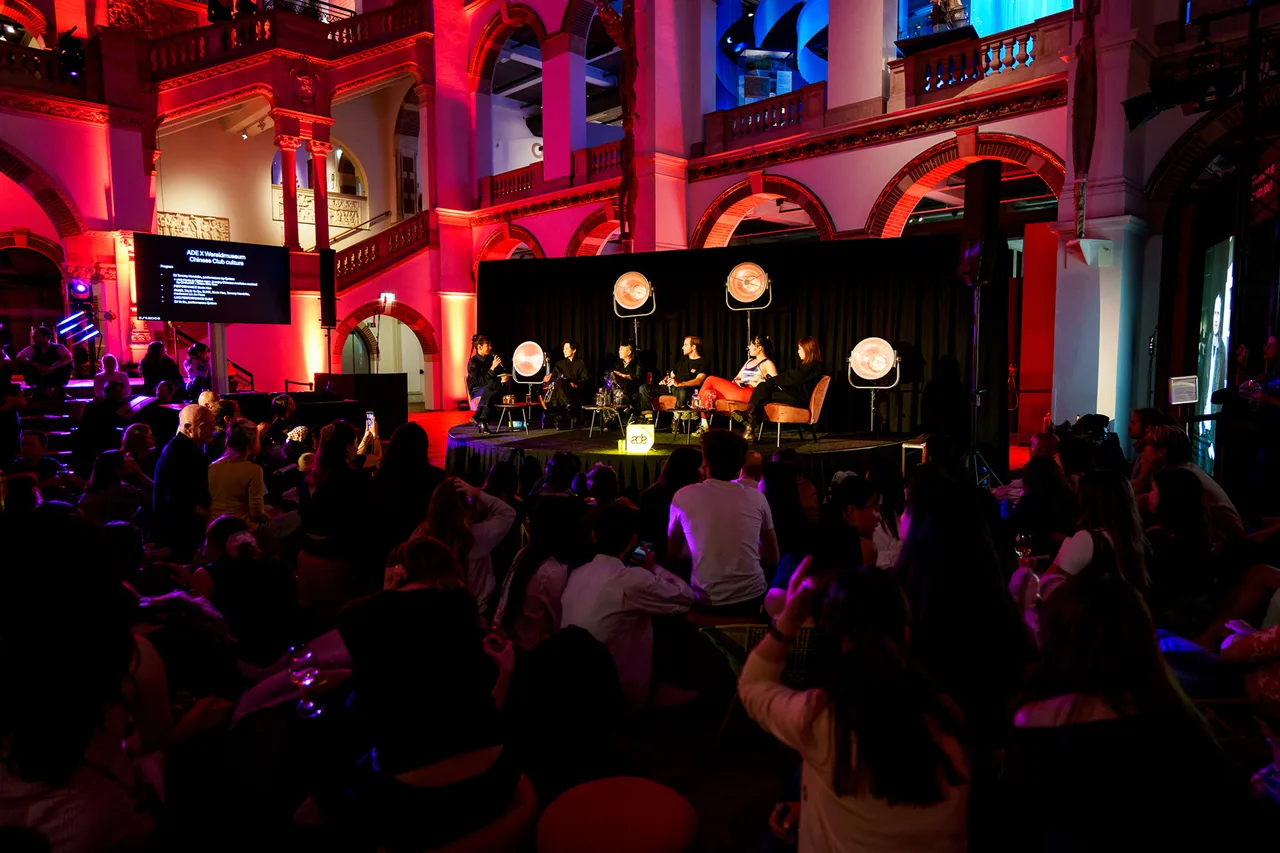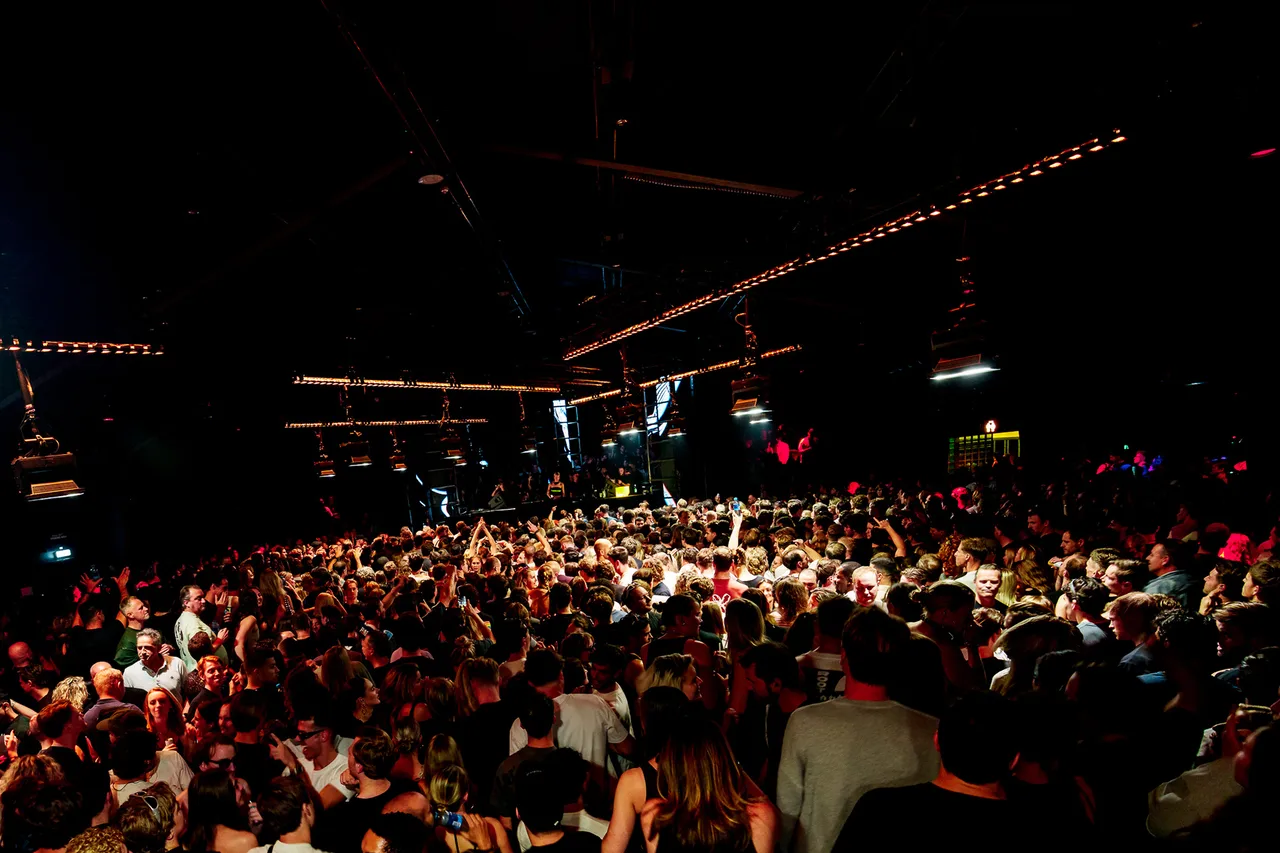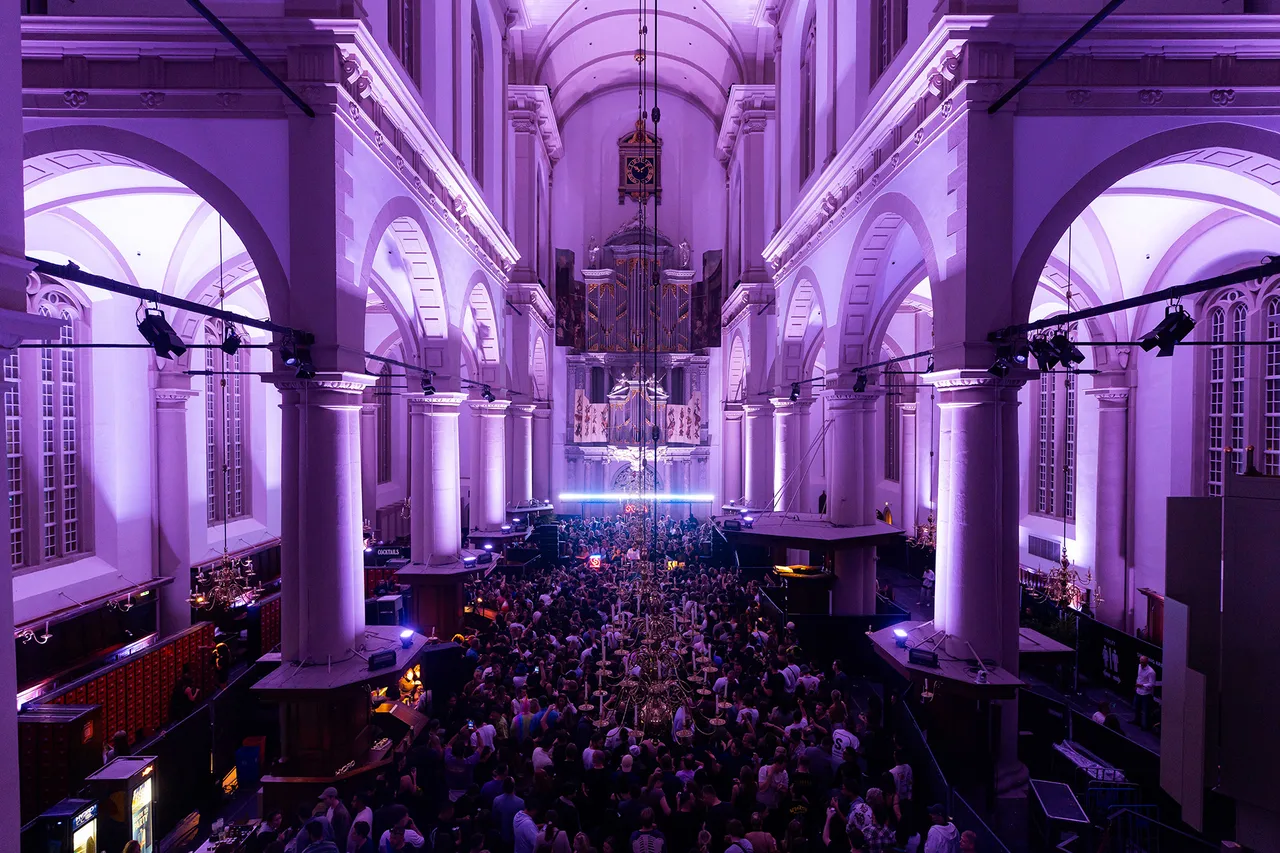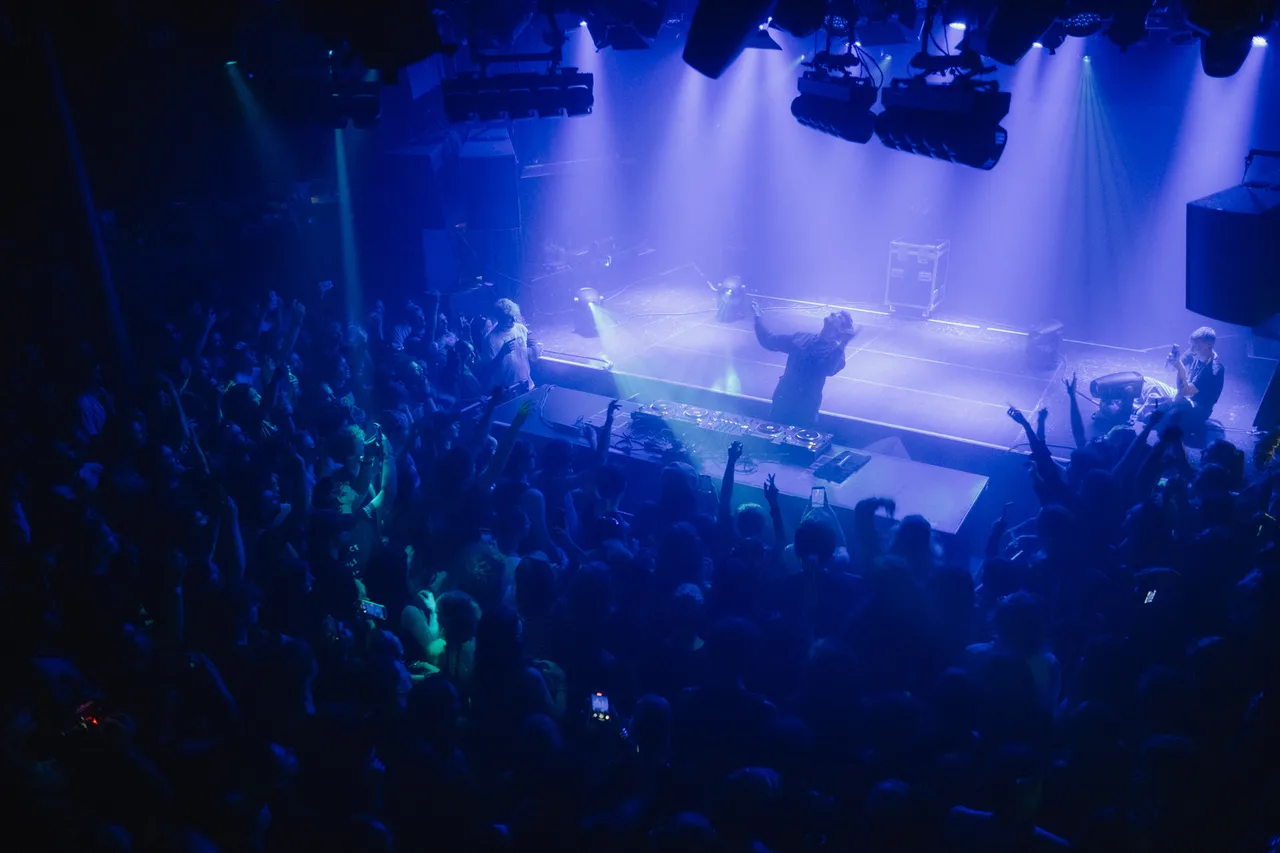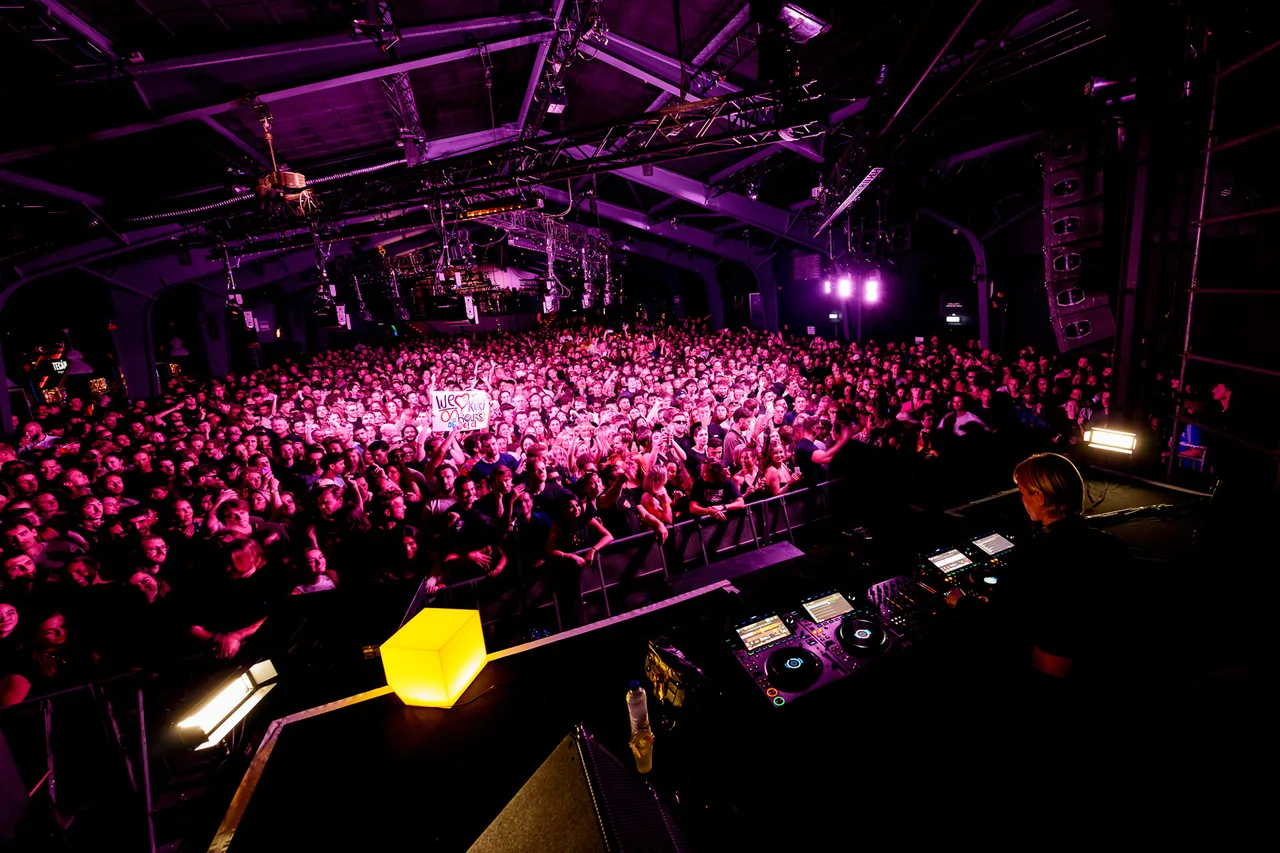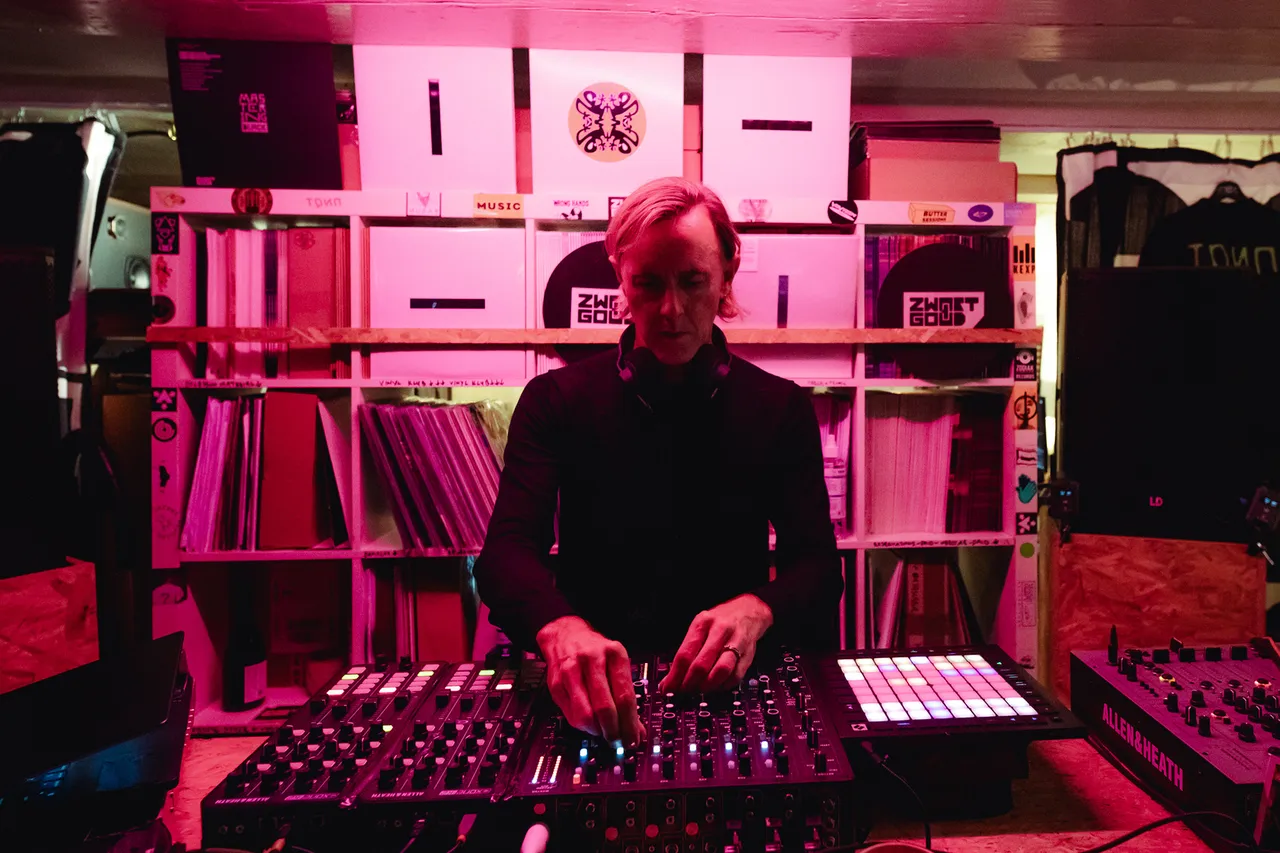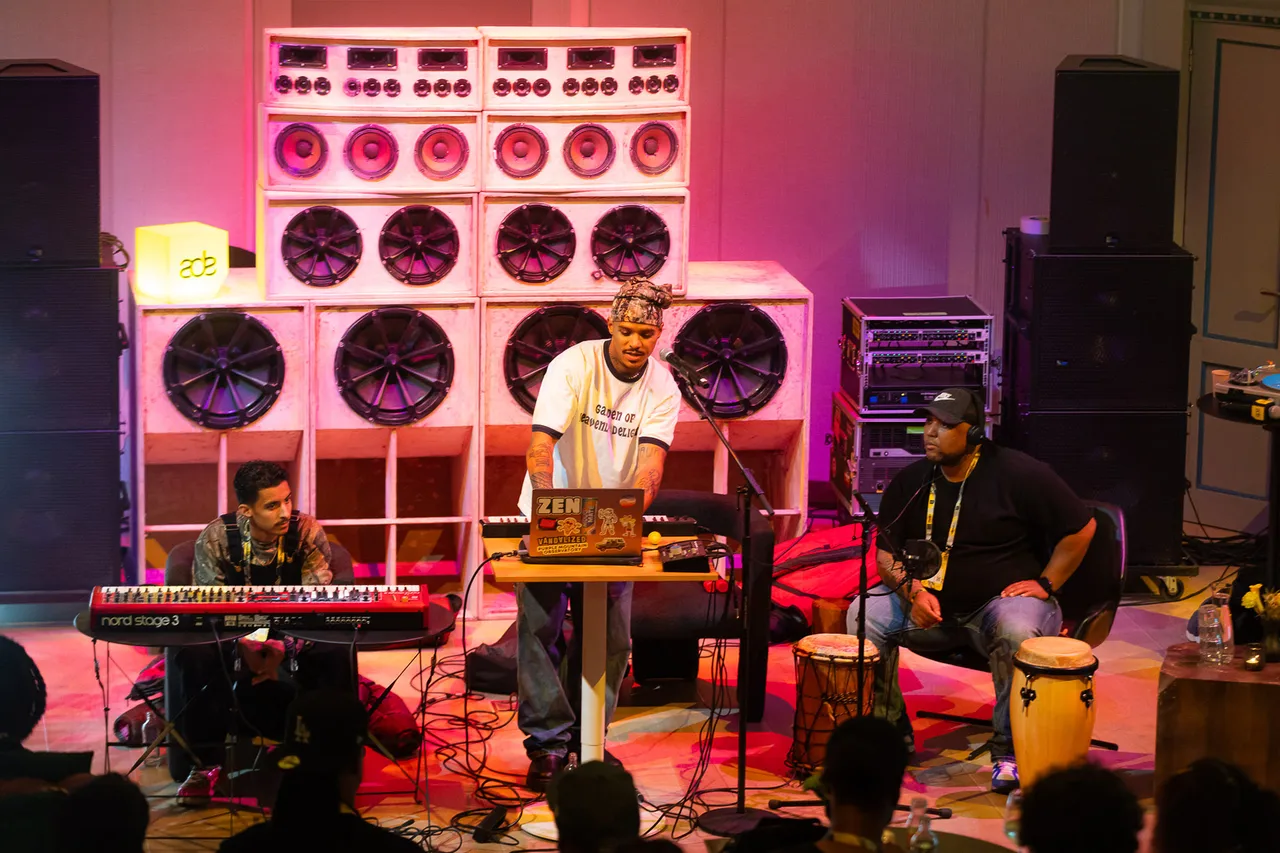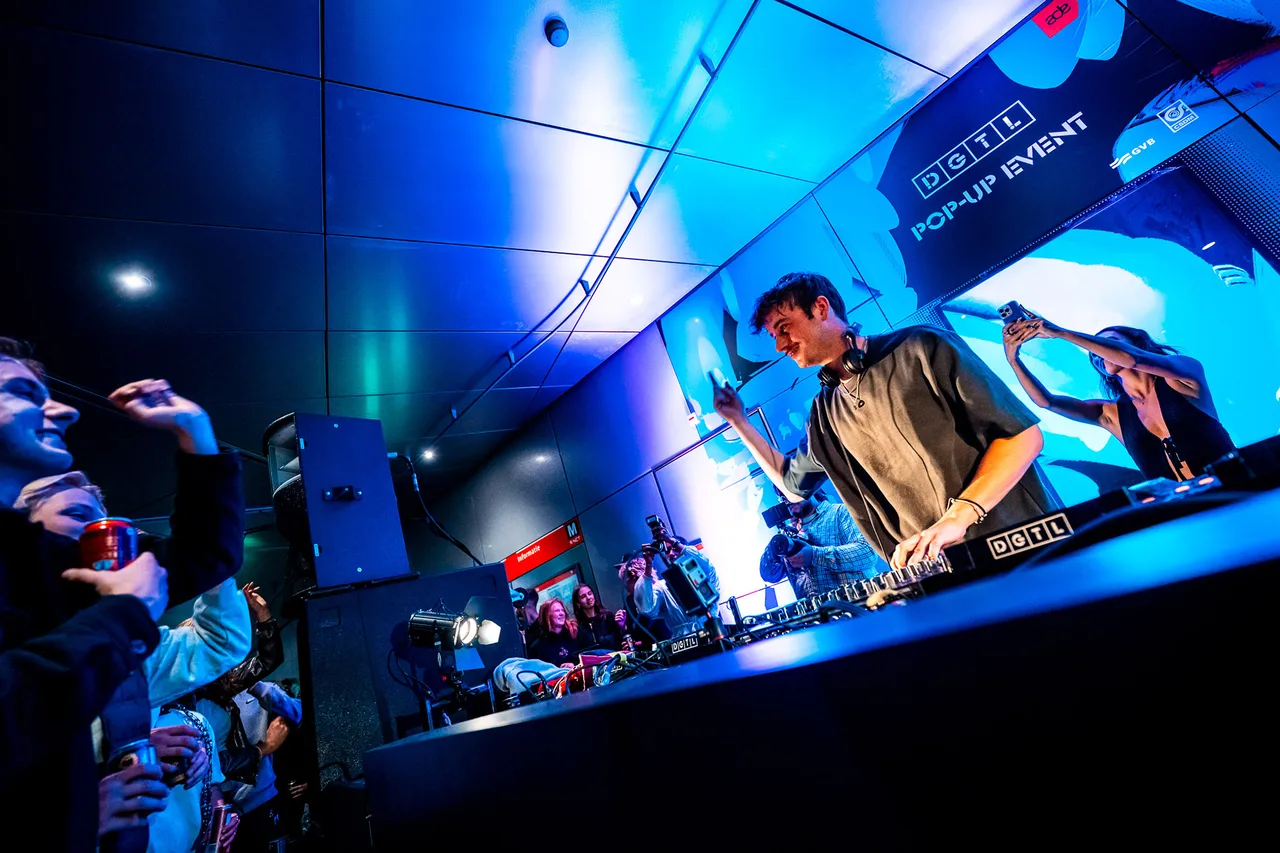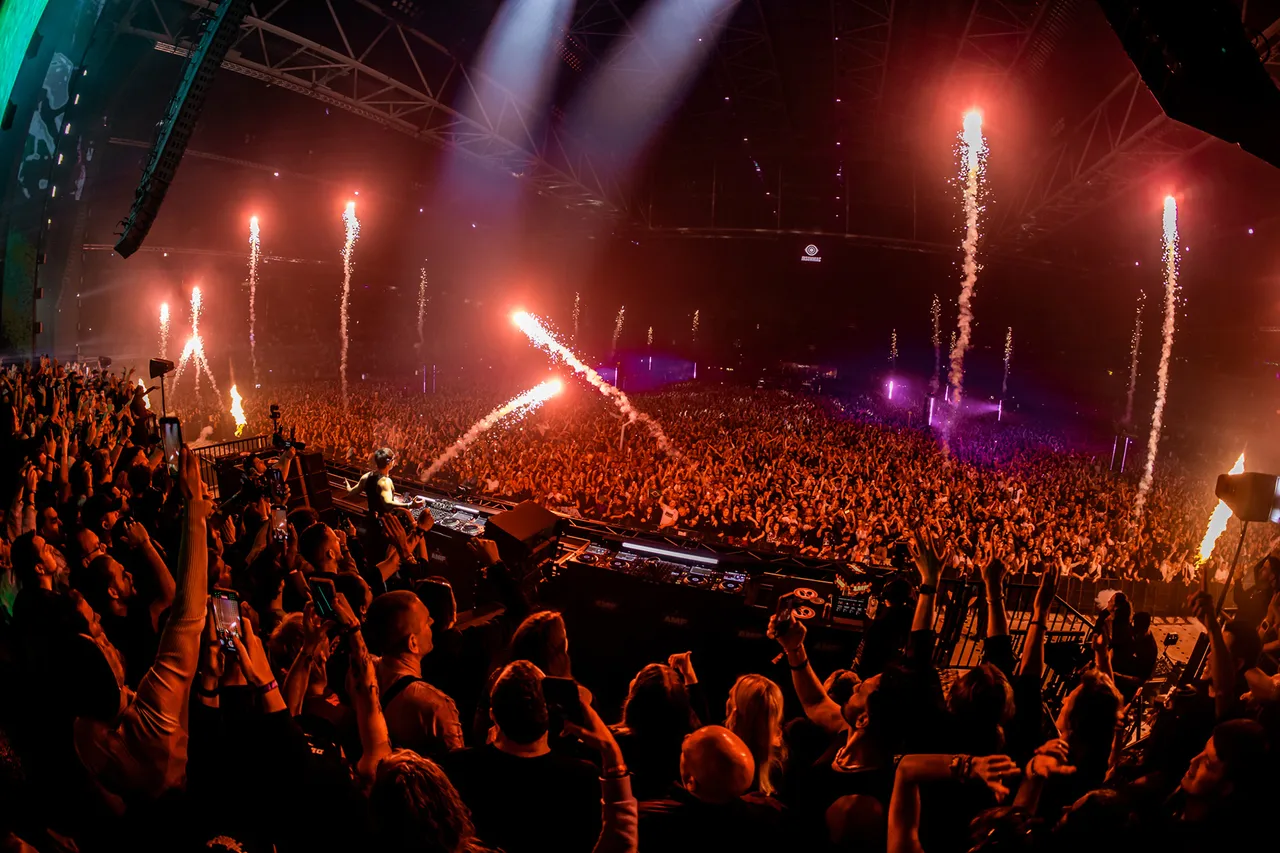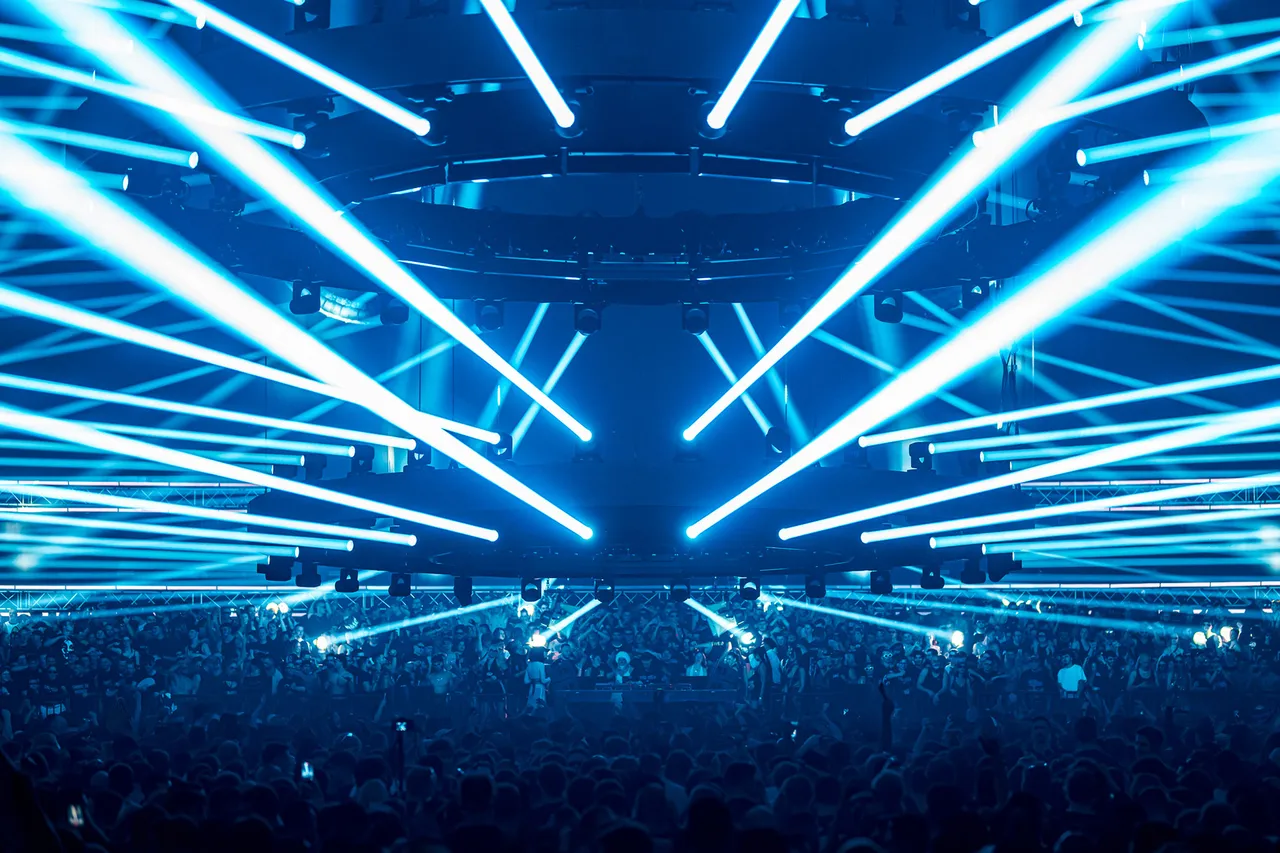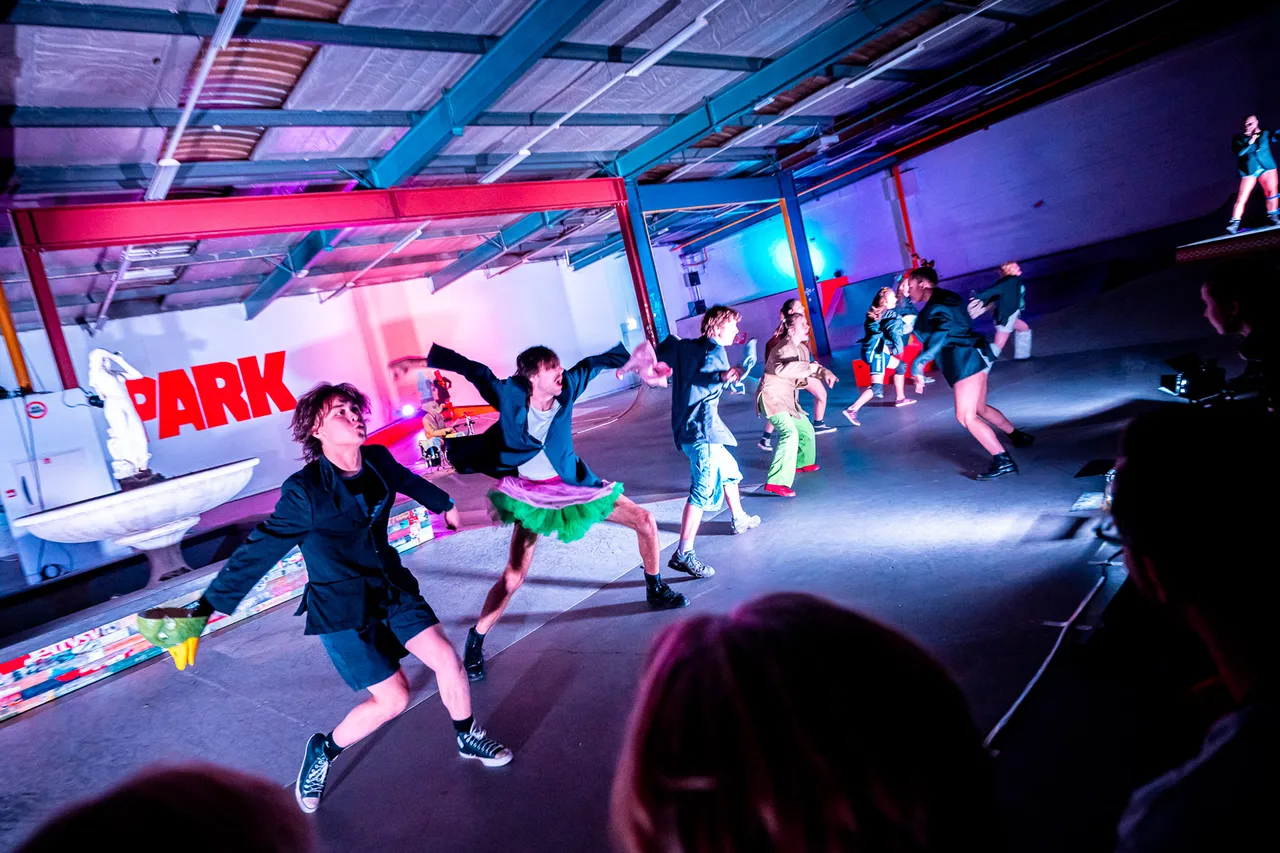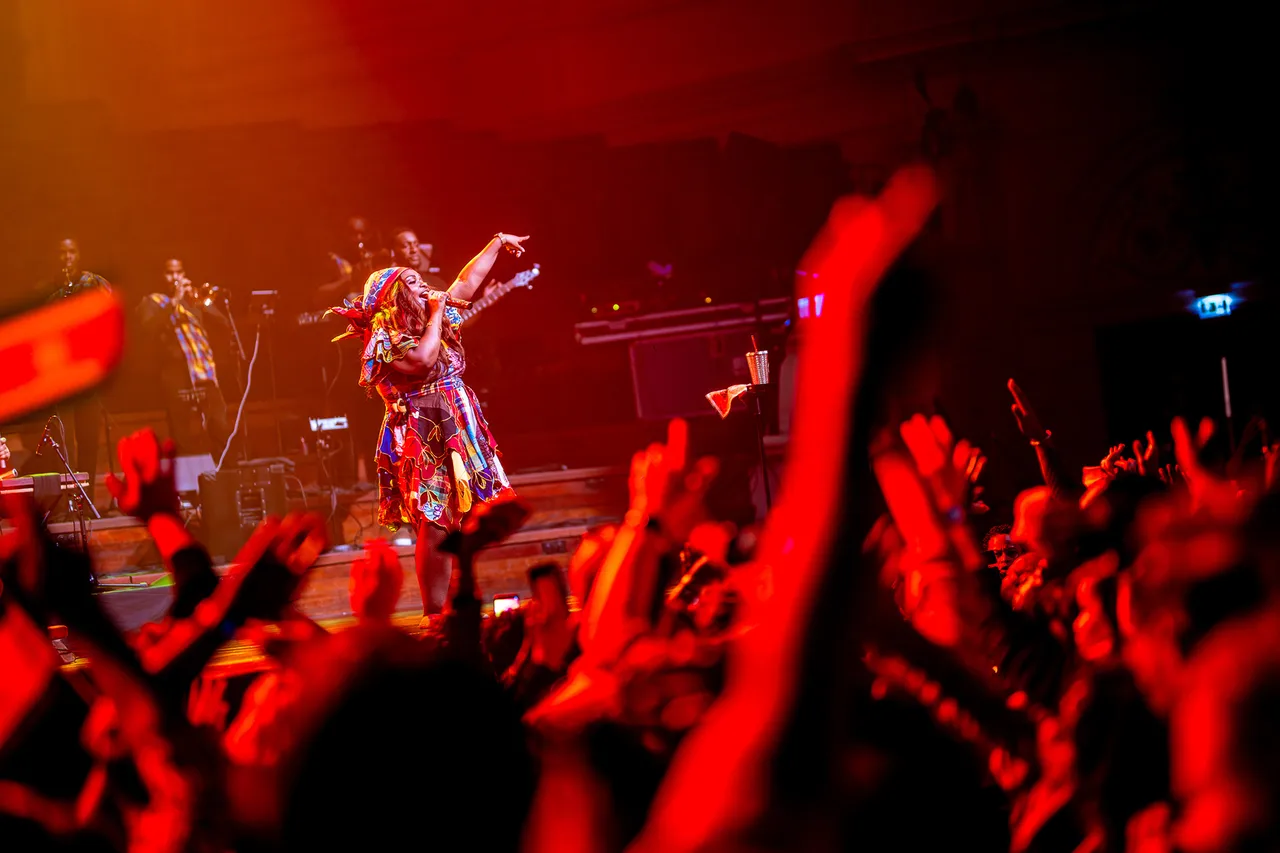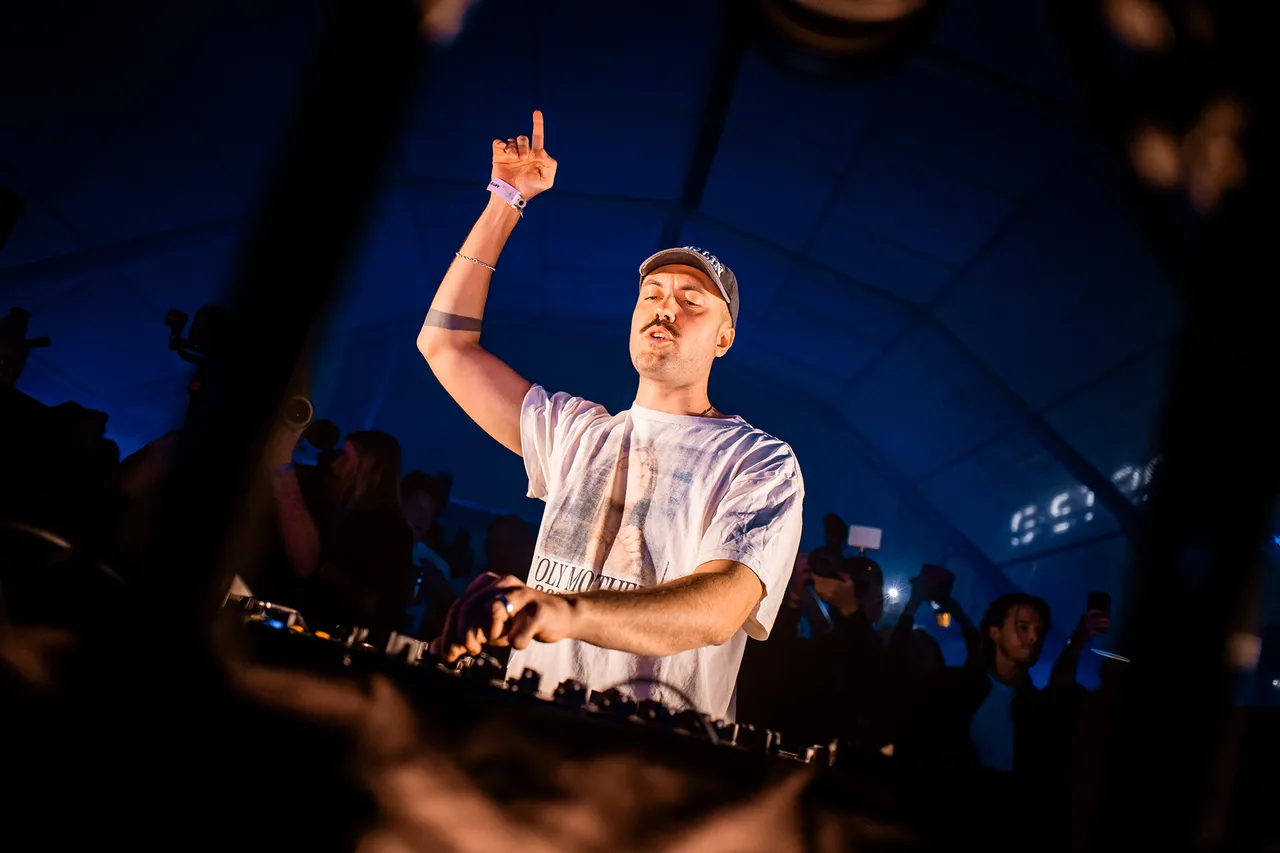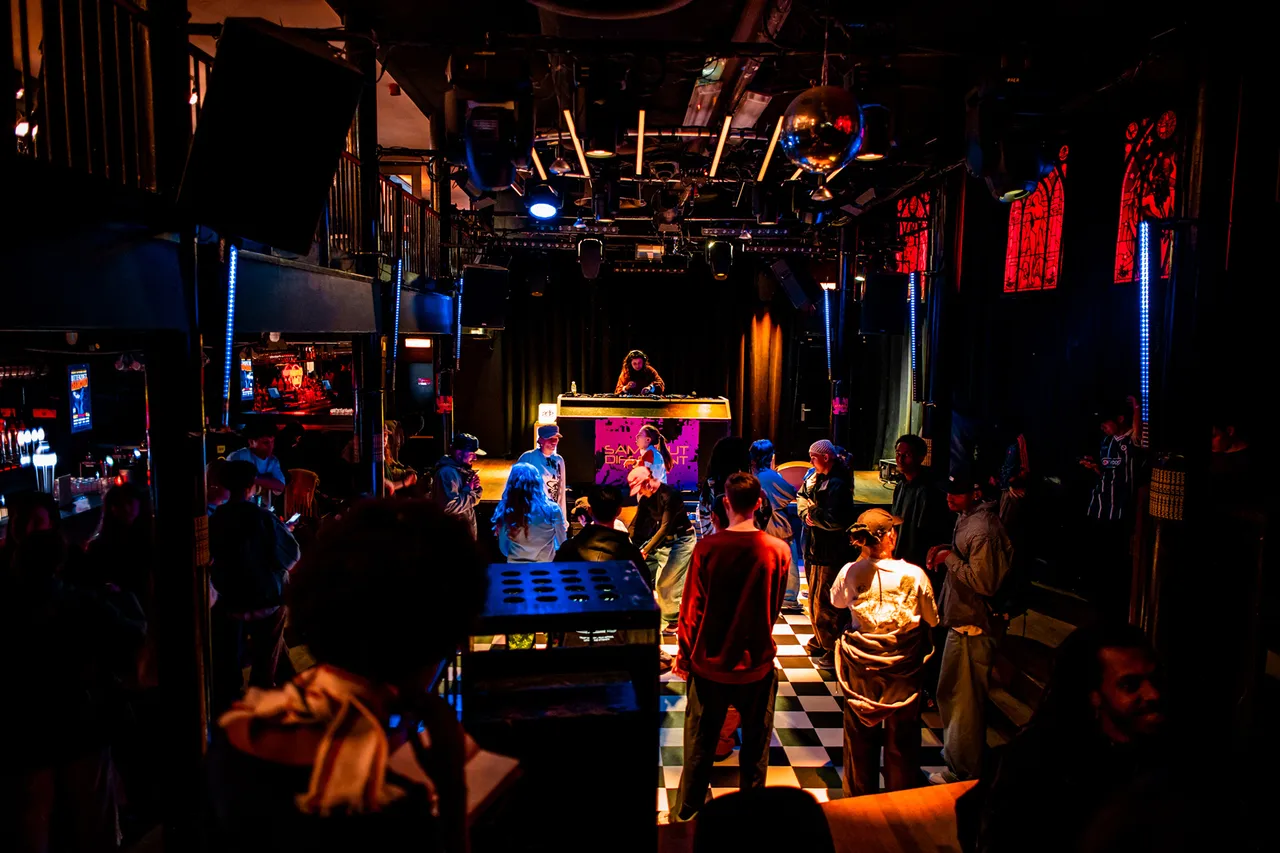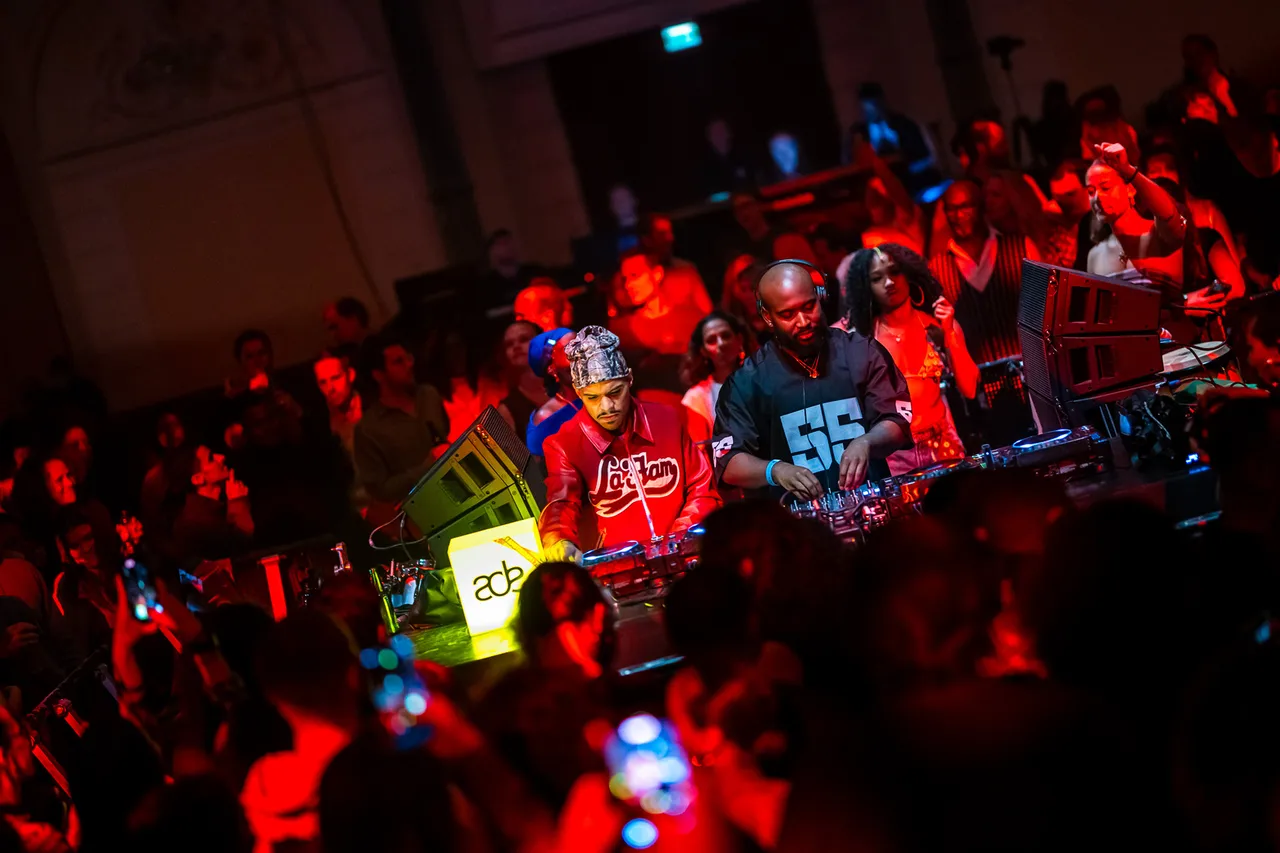
We returned to Amsterdam this October for what has become one of the essential annual gatherings in the world of electronic music: Amsterdam Dance Event. Between Wednesday the 22nd and Sunday the 26th, the Dutch capital once again transformed into a living and breathing organism of sound, connection, and creativity. Having witnessed the ADE in both 2023 and 2024, and having told you about the first lineup release for the 2025 edition back in July in this article, we came back with that familiar thrill that only this city can evoke. The feeling of returning to a place where music doesn’t just play, it lives.
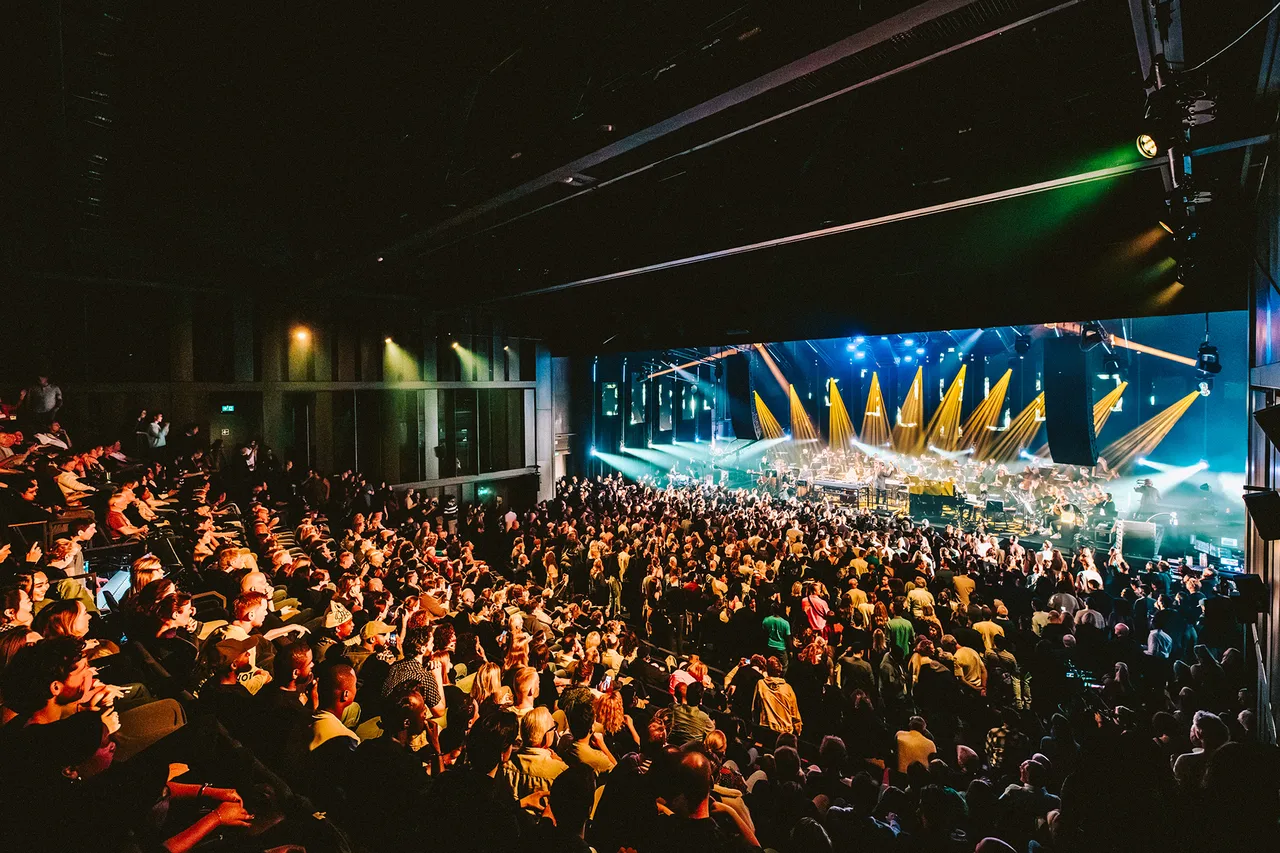
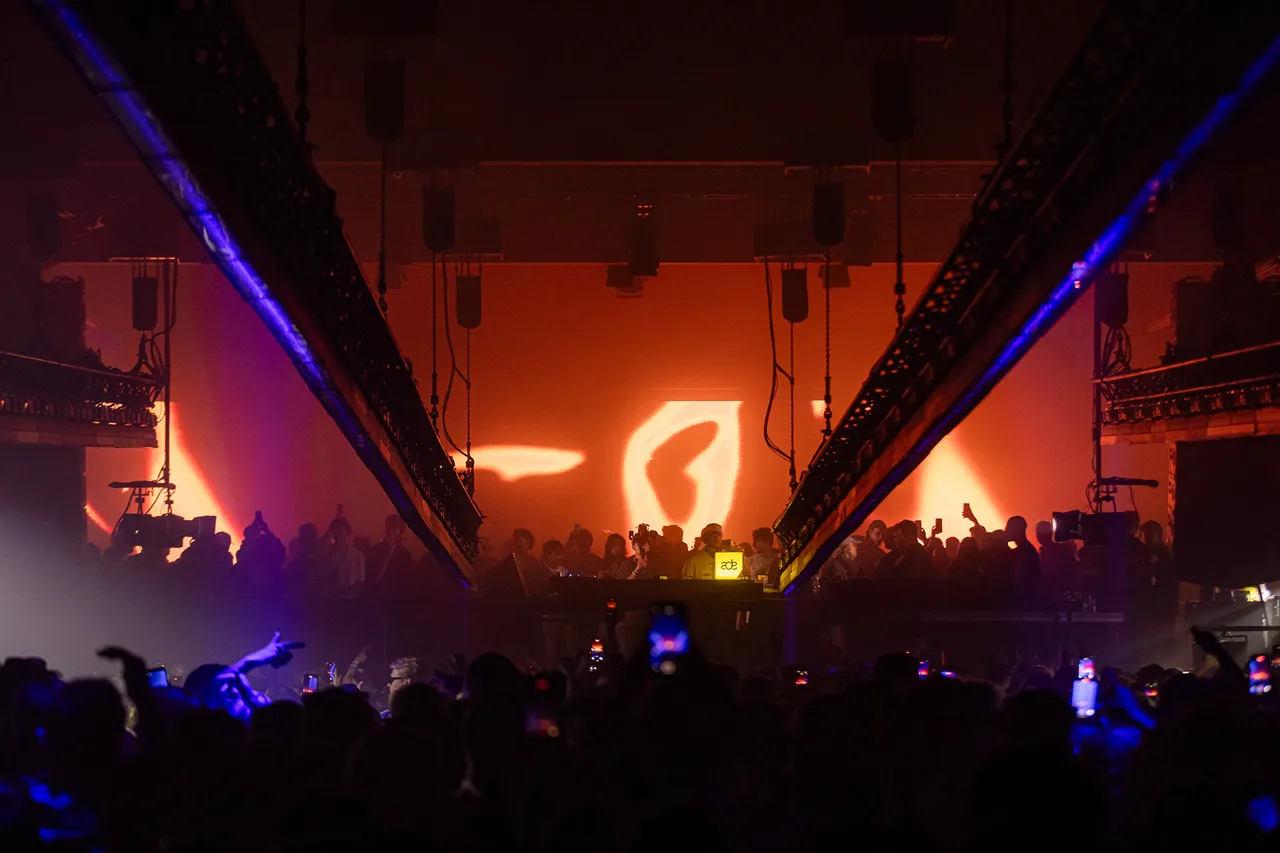
With nearly 3,500 artists performing across more than 1,200 events and a staggering 600,000 visitors spread over 300 venues, this edition of ADE was not just impressive in scale but also proof of how electronic music continues to unite people on a level that few other cultural forces can. Every corner of the city seemed alive: clubs, galleries, churches, warehouses, and even parks pulsed with rhythm and anticipation.
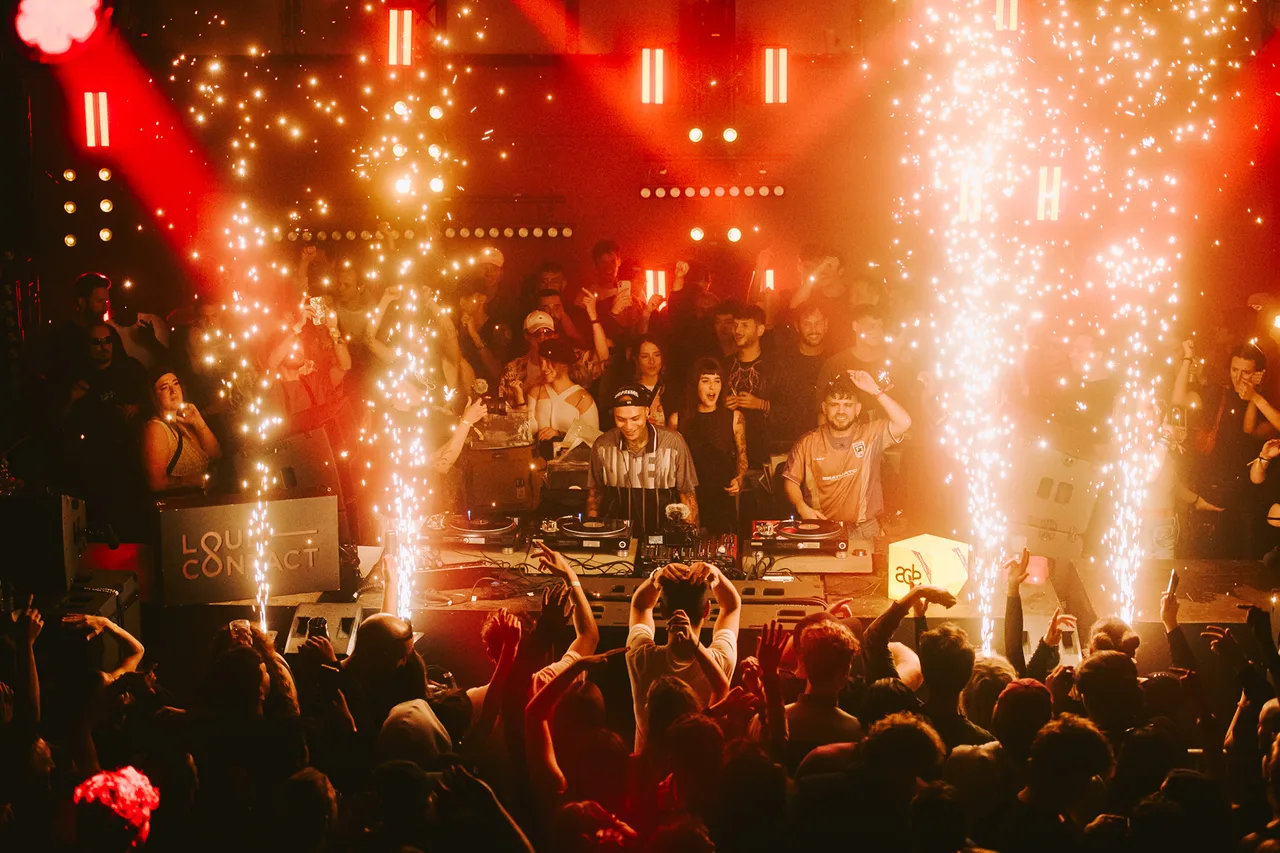
At its core, ADE has always been about community. You could feel it everywhere, from the sprawling Awakenings nights at SugarFactory to intimate showcases at places like SkateCafe and Garage Noord. The city’s energy during these days is unlike anything else: DJs, producers, fans, journalists, and industry professionals all coexist in one ecosystem, equalised by music. It’s a reminder that beyond algorithms and touring schedules, electronic music remains a shared human experience.
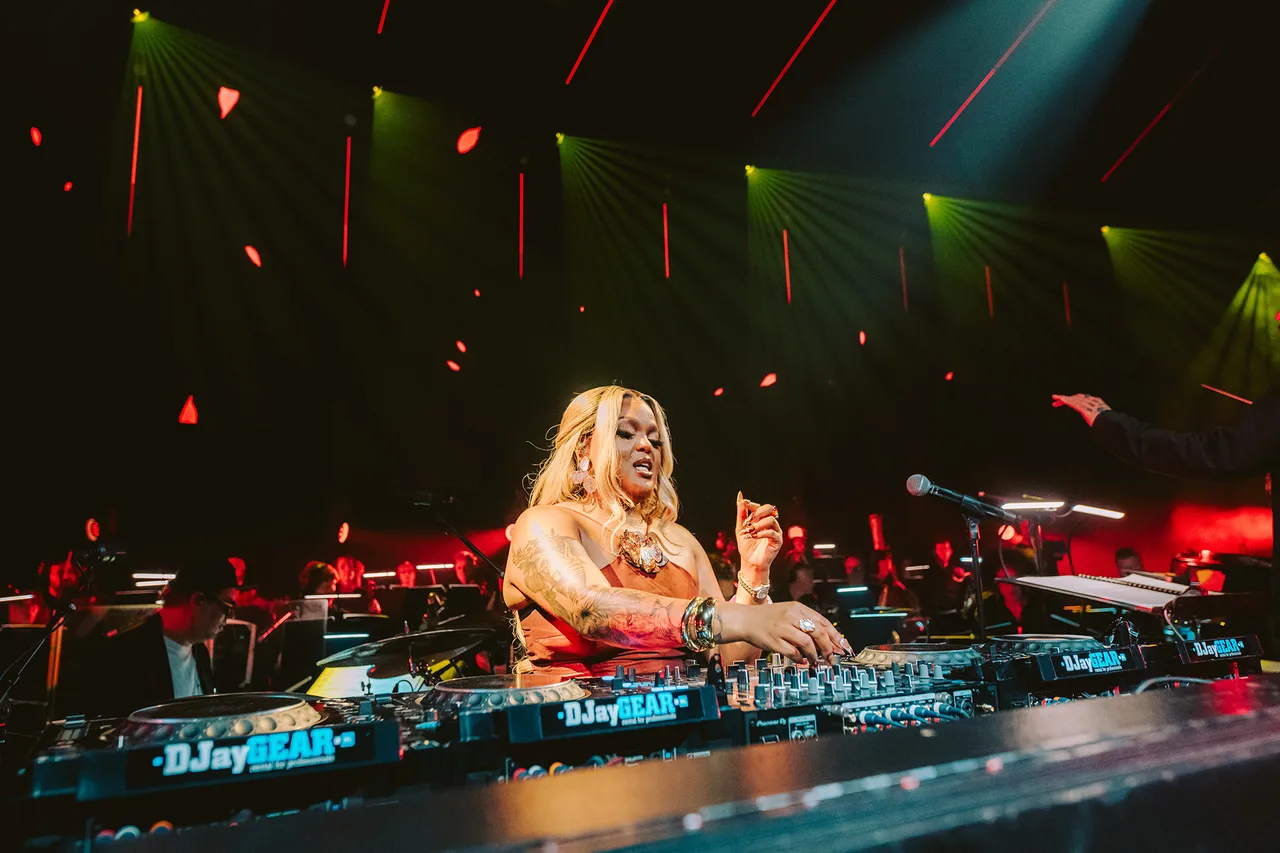
This year’s lineup felt like a snapshot of where the scene is heading. From Amelie Lens, Charlotte de Witte, and Honey Dijon, to experimental acts like Actress, GiGi FM, and Skee Mask, the programme mirrored the full spectrum of contemporary sound, from euphoric techno to introspective electronica. The diversity wasn’t just sonic; it was cultural, generational, and geographical. ADE’s programming once again underlined its commitment to inclusivity and innovation, bridging global scenes with precision and care.
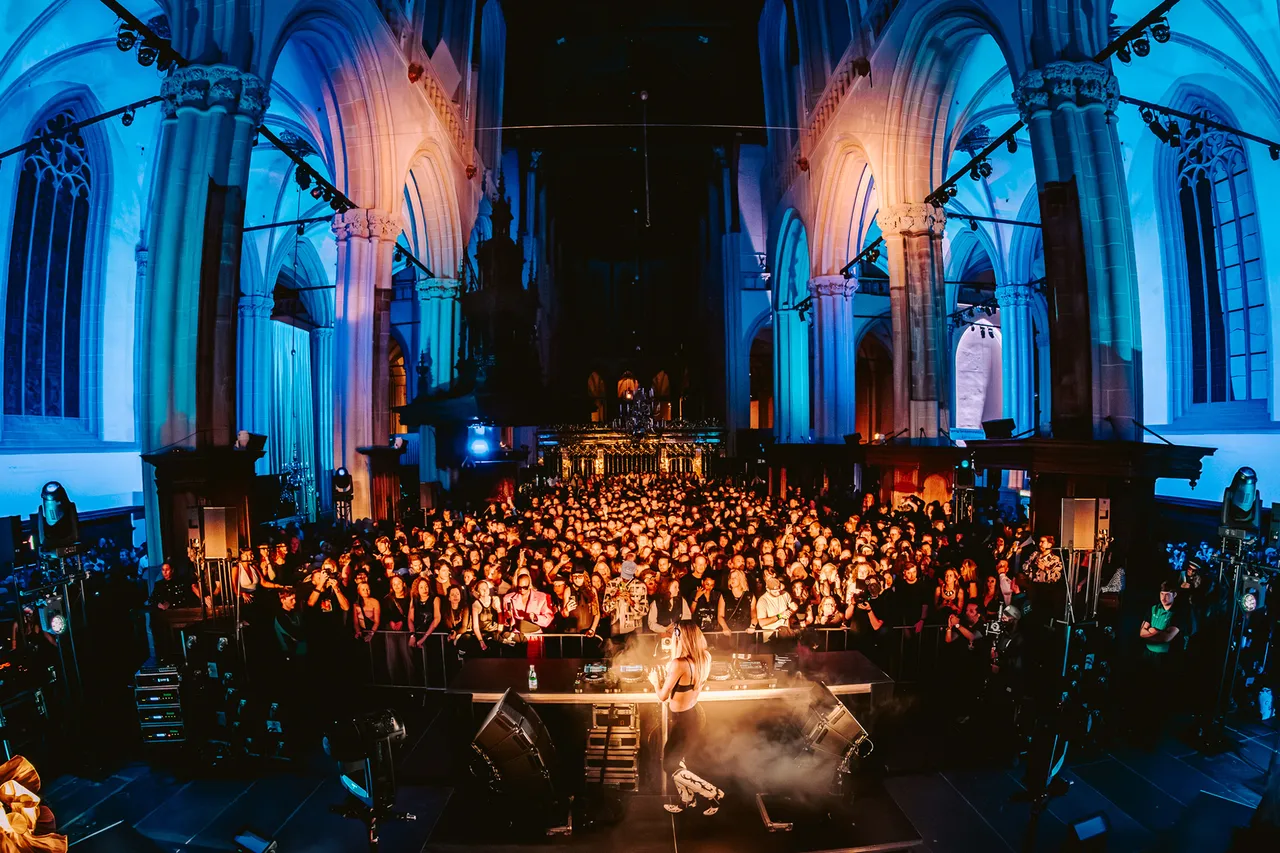
Among the many highlights, Honey Dijon’s PRAISE event with Audio Obscura at the Nieuwe Kerk stood out as one of the weekend’s defining moments: a “black queer church”, as she described it, celebrating freedom and identity through music. The contrast between that and the grand-scale spectacle of Klangkuenstler at Ziggo Dome or the communal intimacy of Lofi and Klaproos illustrated what makes ADE unique. It holds space for both the monumental and the personal, without hierarchy.
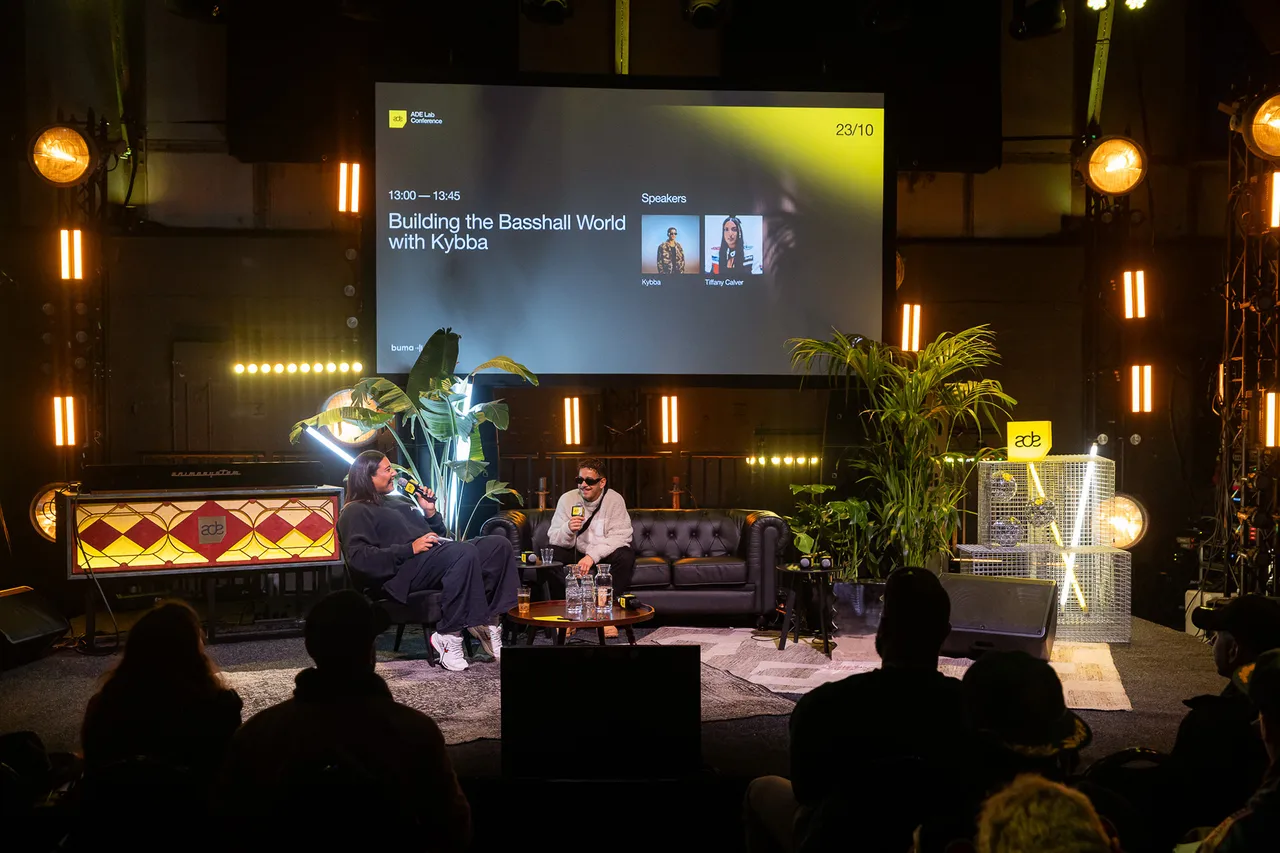
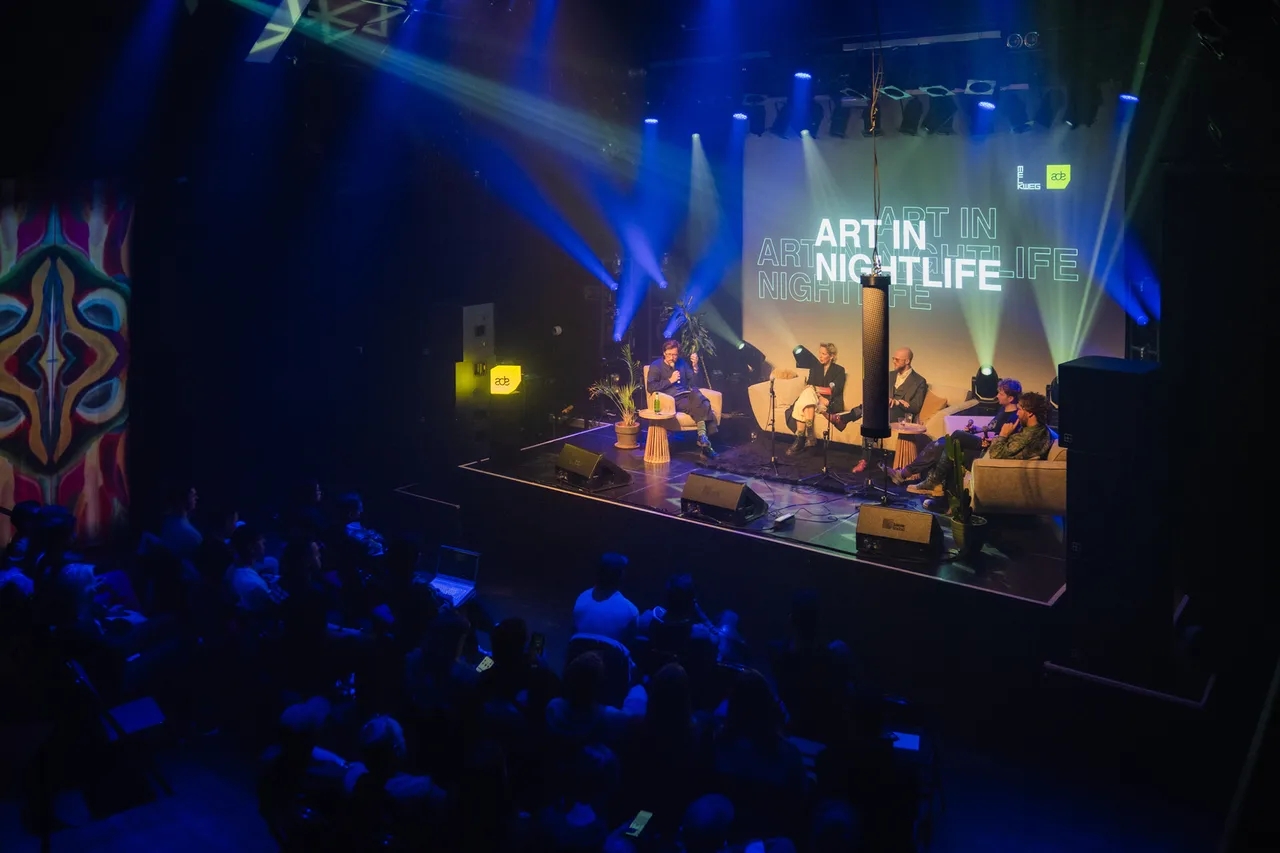
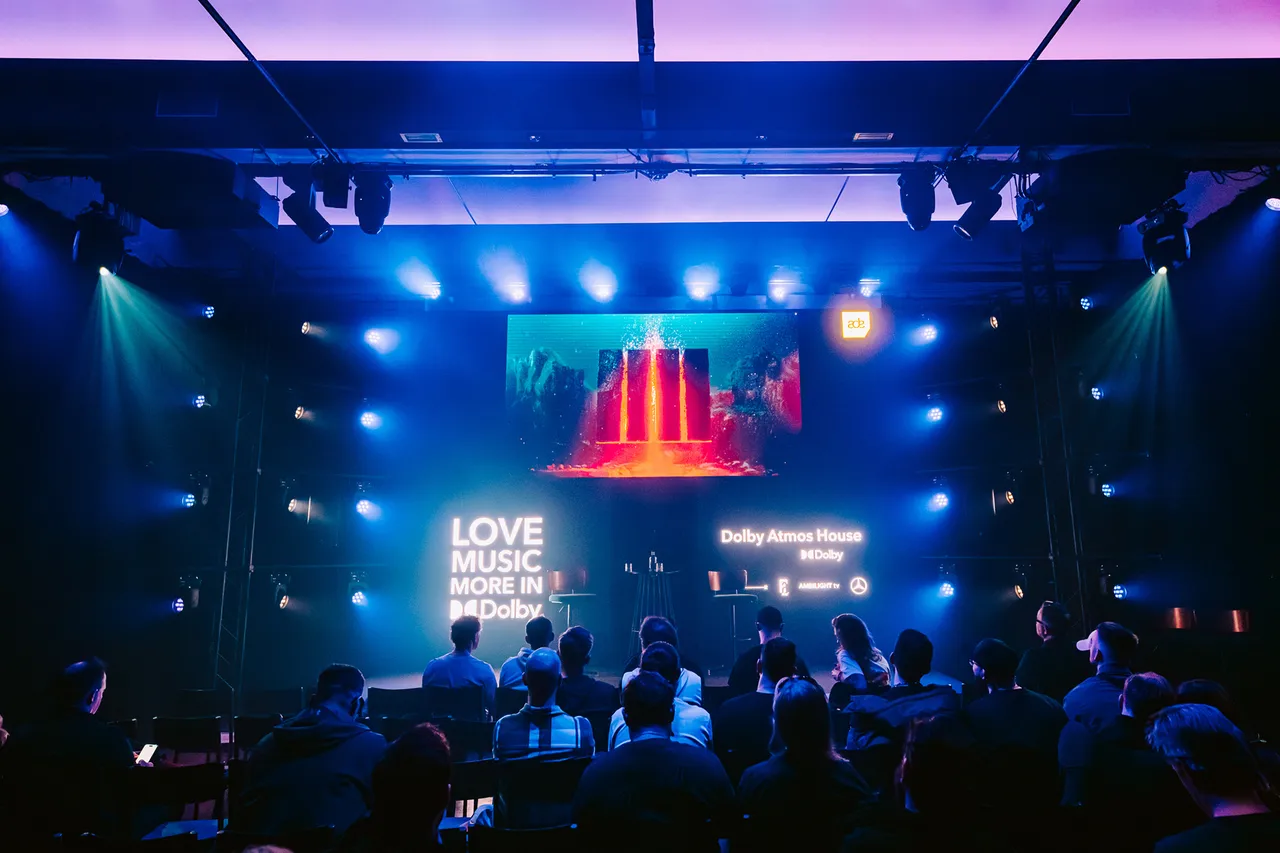
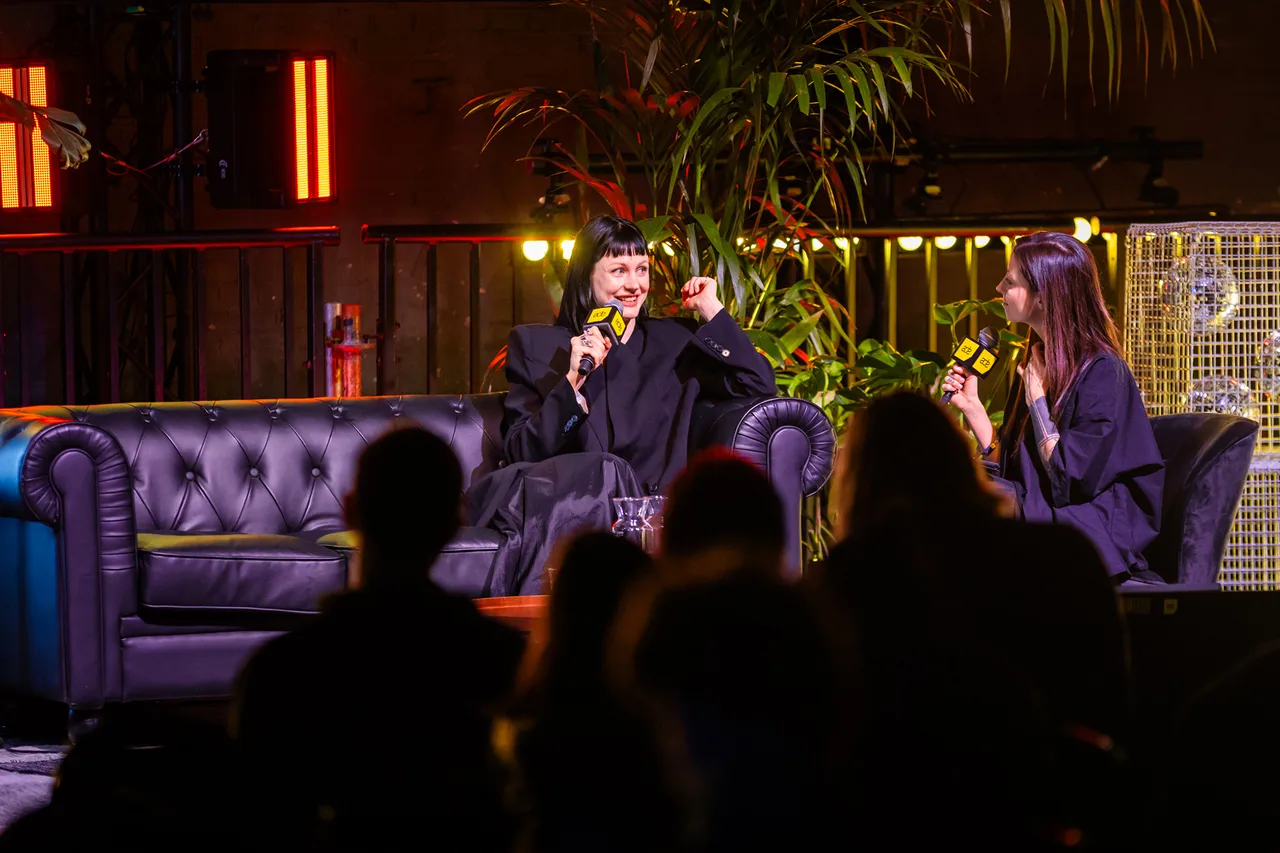
Parallel to the nightlife, the ADE Pro Conference reaffirmed Amsterdam’s position as the global capital of the electronic music business and creativity. With appearances from Skepta, KI/KI, Chris Liebing, Eris Drew, and companies like Google DeepMind, Spotify, Epic Games, and Sony Music, the discussions felt as dynamic as the dance floors. The new Pro venue Rosewood and the relocation of ADE Lab to Westergas introduced fresh energy and networking opportunities.
ADE Lab, in particular, shone as a powerful platform for the next generation. This year’s move to the newly created ADE Lab Village at Westerpark redefined what a creative hub can be, bringing together artists, producers, and innovators for masterclasses, live sessions, and mentorship programmes. From Indira Paganotto to SPFDJ and Octo Octa, the atmosphere there was driven by curiosity and exchange. It was inspiring to witness young artists find guidance and community in an environment designed for them, not above them.
Walking through the city during ADE is something you should definitely experience. Every bridge, every bar, every bike path seems to carry a beat. The conversations are constant: spontaneous encounters that start with shared admiration and end in collaboration. You might run into a promoter from Seoul, a label founder from Berlin, or a DJ from São Paulo, all here for the same reason. There’s no event that connects the global electronic ecosystem quite like this one.
Beyond the statistics, what really stood out this year was the feeling. ADE 2025 radiated a sense of togetherness that’s increasingly rare in a fragmented world. It wasn’t about exclusivity or spectacle. It reminded everyone present why this culture has endured for over three decades, highlighting its empathy and innovation. That empathy was also reflected in the balance between art and industry. The Arts & Culture programme pushed boundaries, from immersive installations at Fabrique des Lumières to experimental performances at RAUM and Studio Wieman.
As the festival came to a close, the ADE team had already shifted its gaze to the horizon. 2026 marks the 30th anniversary of Amsterdam Dance Event, an extraordinary milestone that will celebrate three decades of driving electronic music forward from its underground roots in the 1990s to its recognition today as a global cultural and economic force. The organisation has already announced the dates, October 21 to 25 of 2026, promising a special edition filled with exclusive initiatives, retrospectives, and collaborations that will honour its legacy while embracing what comes next.
It’s hard to overstate what thirty years of ADE represent. Since 1996, the event has been instrumental in transforming electronic music from a niche culture to a worldwide phenomenon, giving it a framework, a business model, and, above all, an identity. And judging by the momentum of 2025, the upcoming anniversary looks set to be more than a celebration; it will be a statement of continuity, proof that electronic music is still connecting and leading the way.