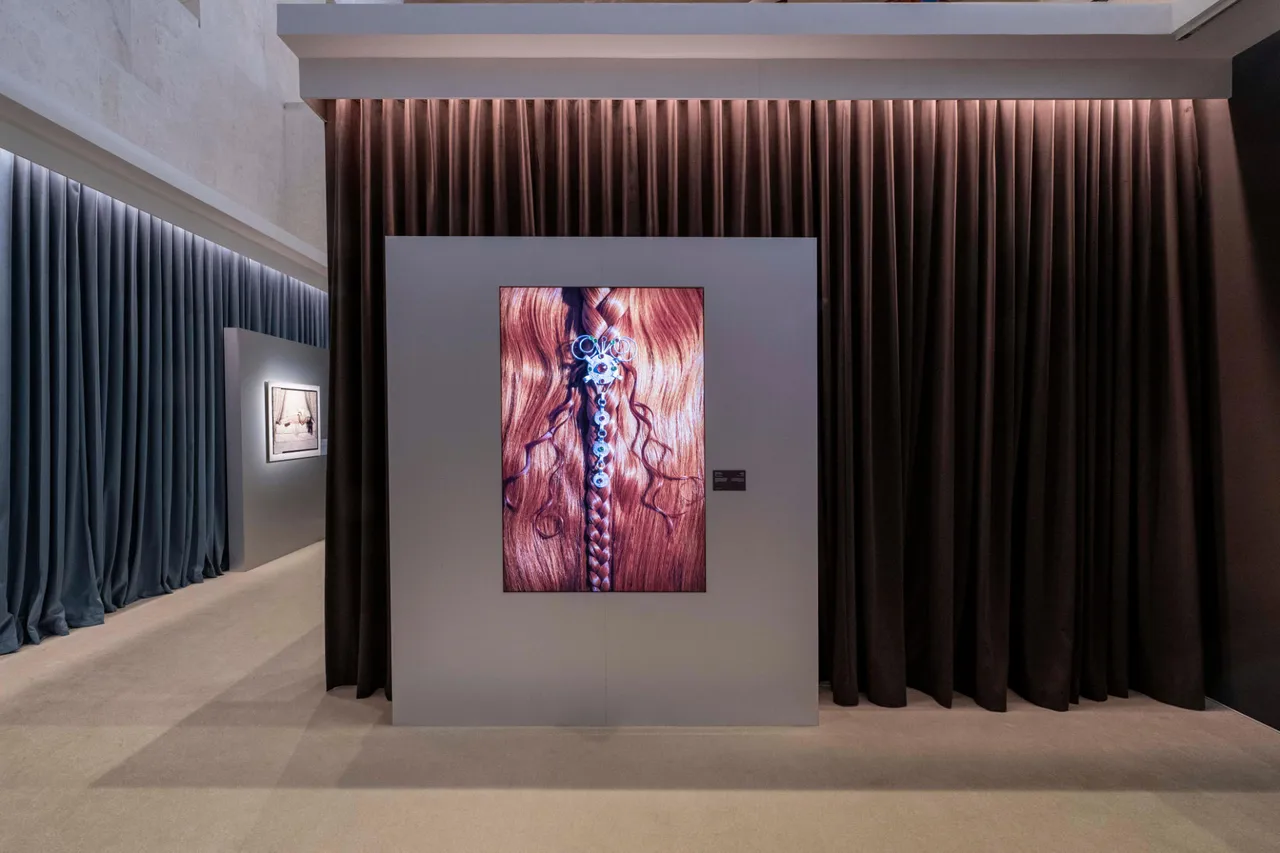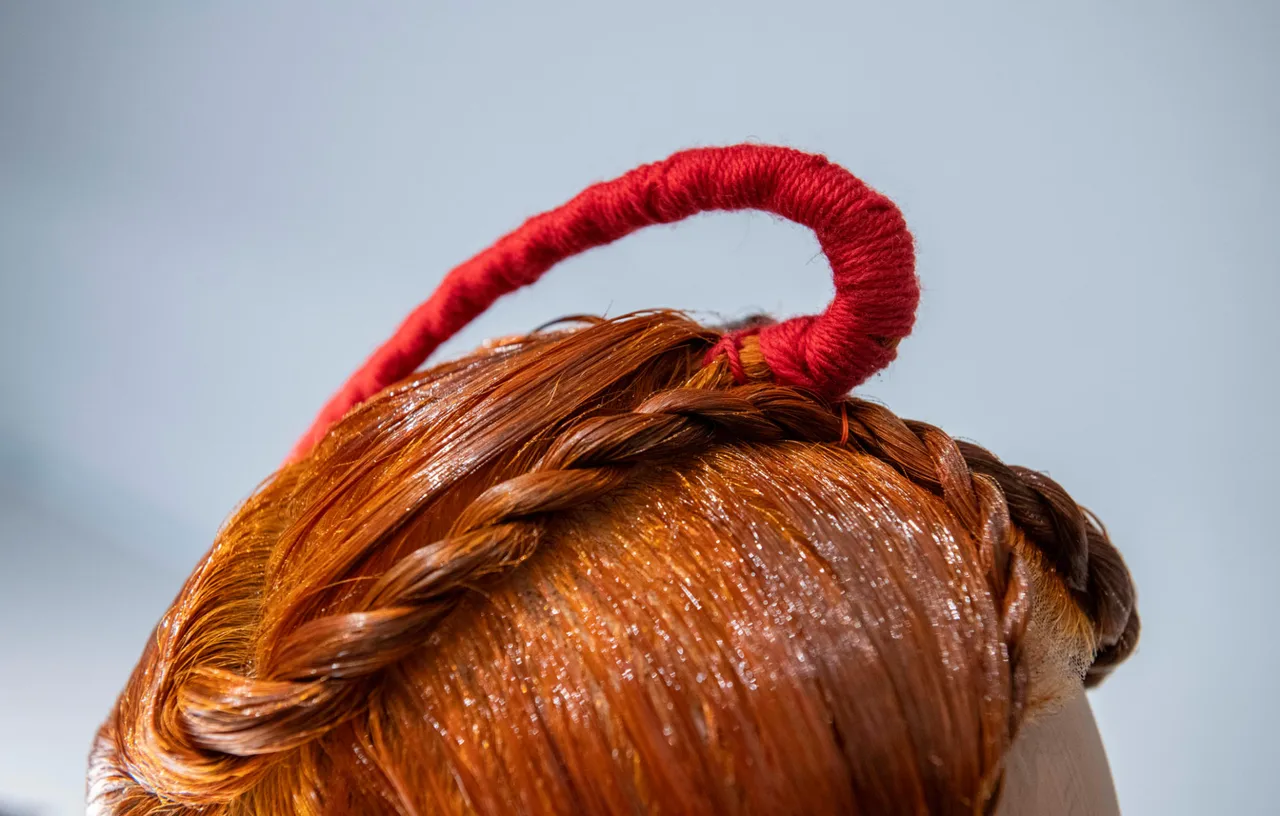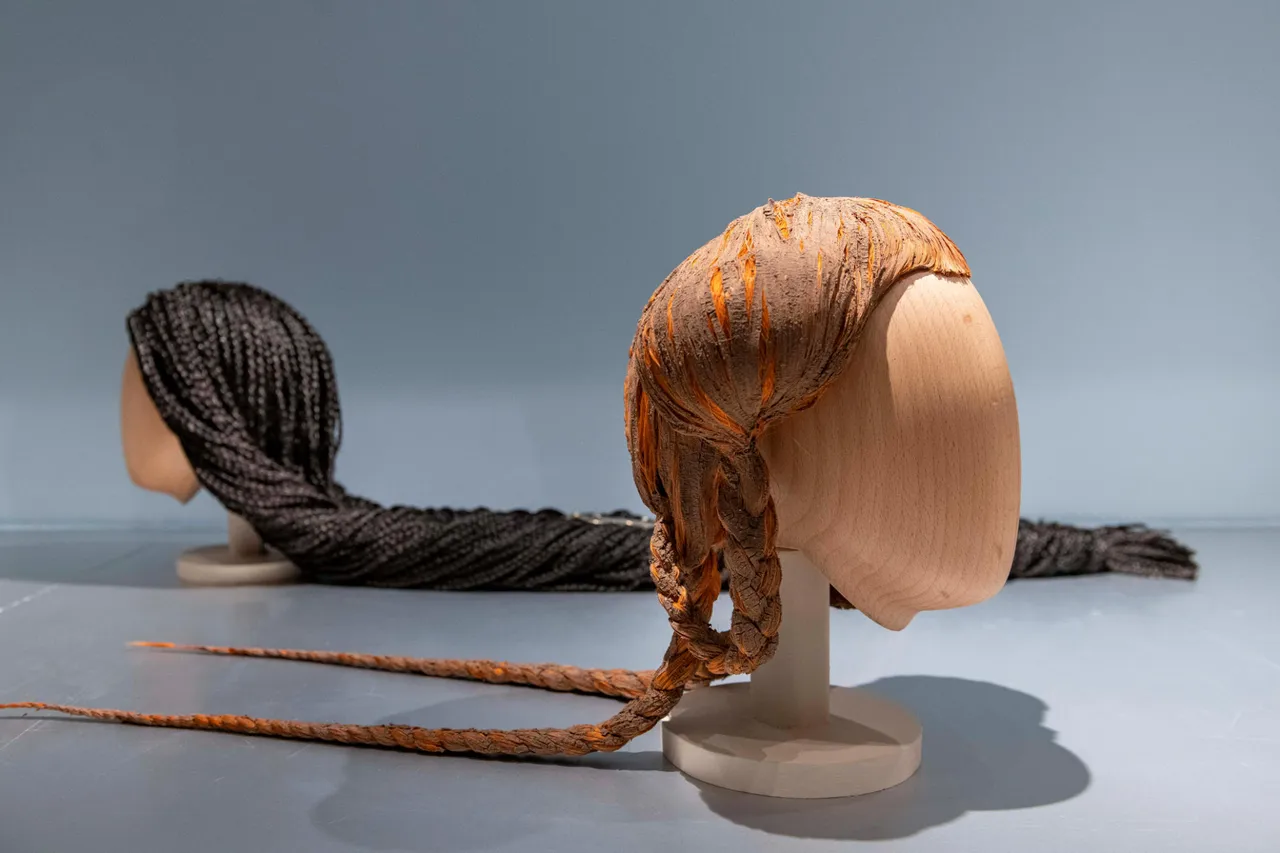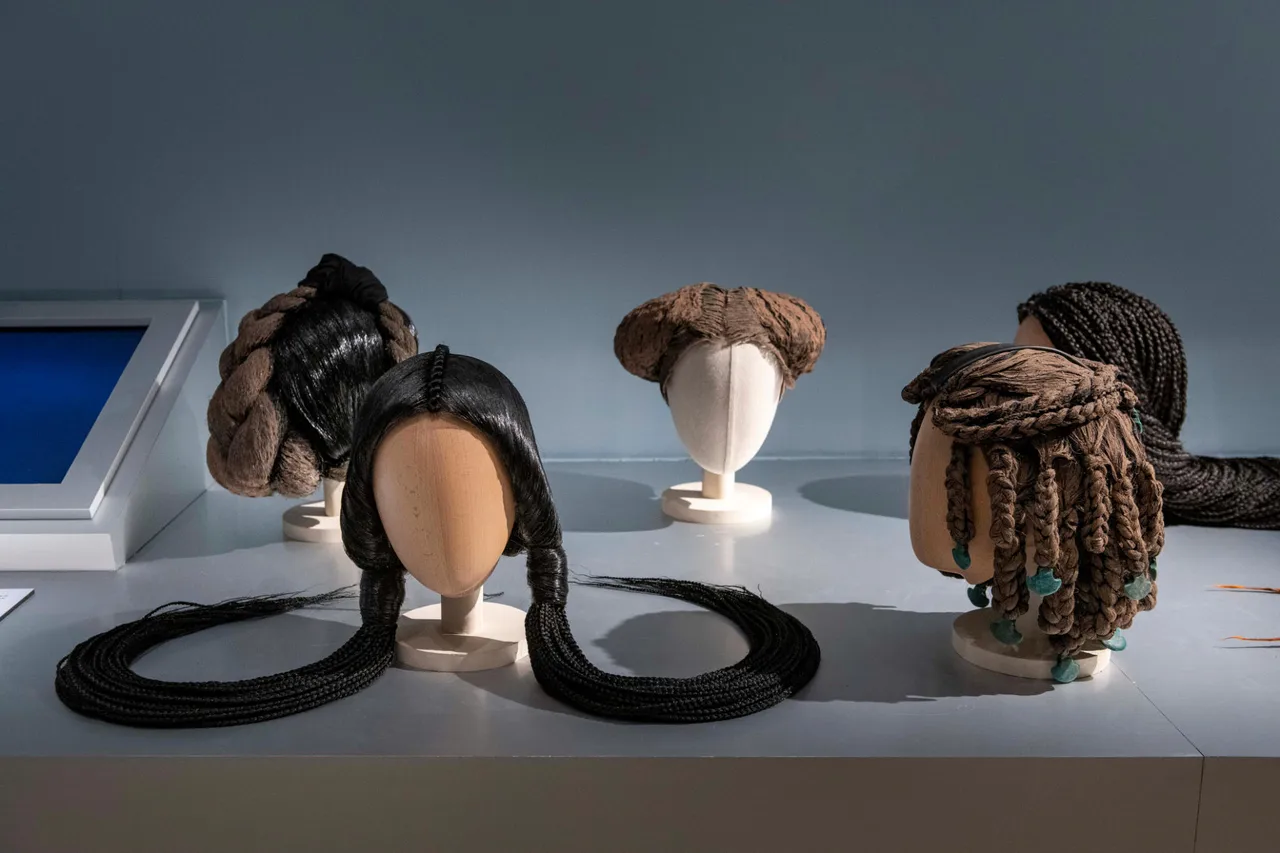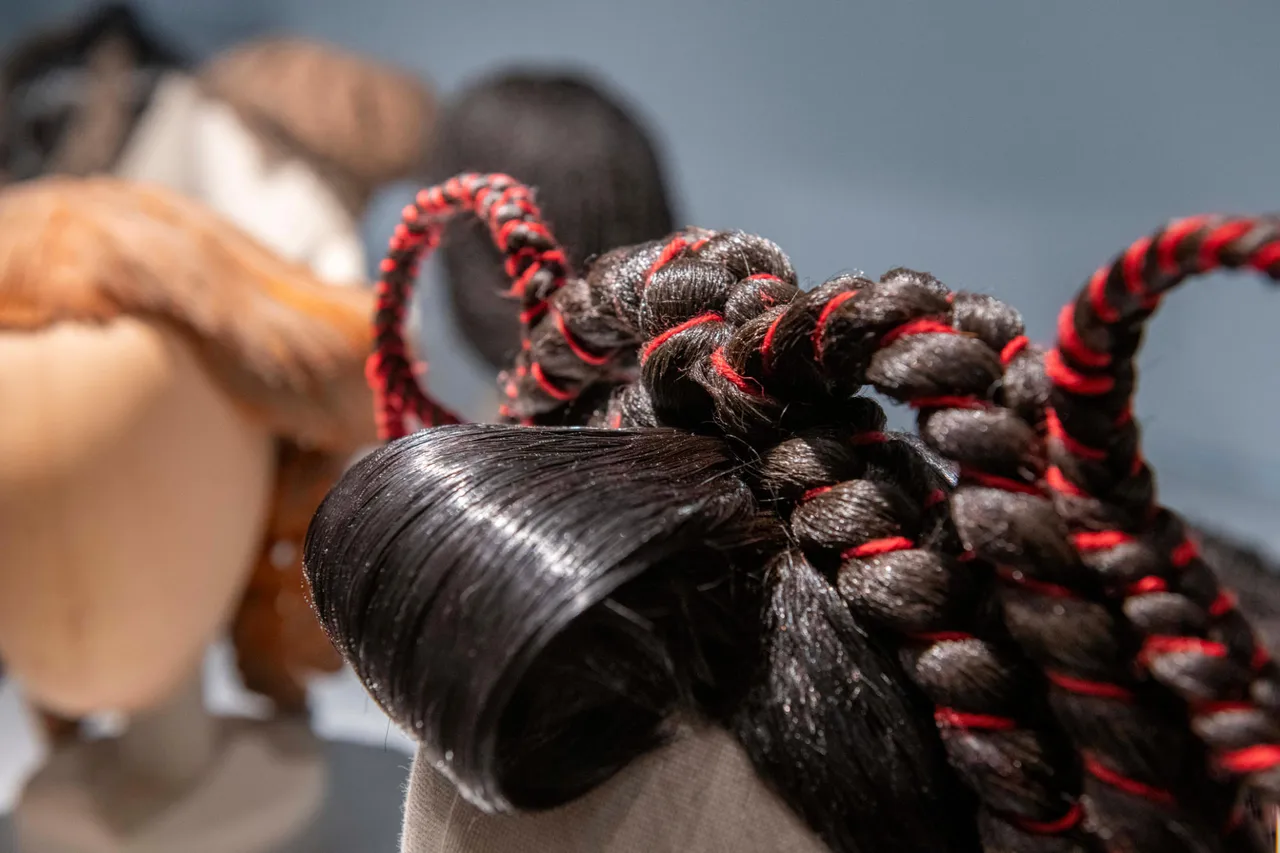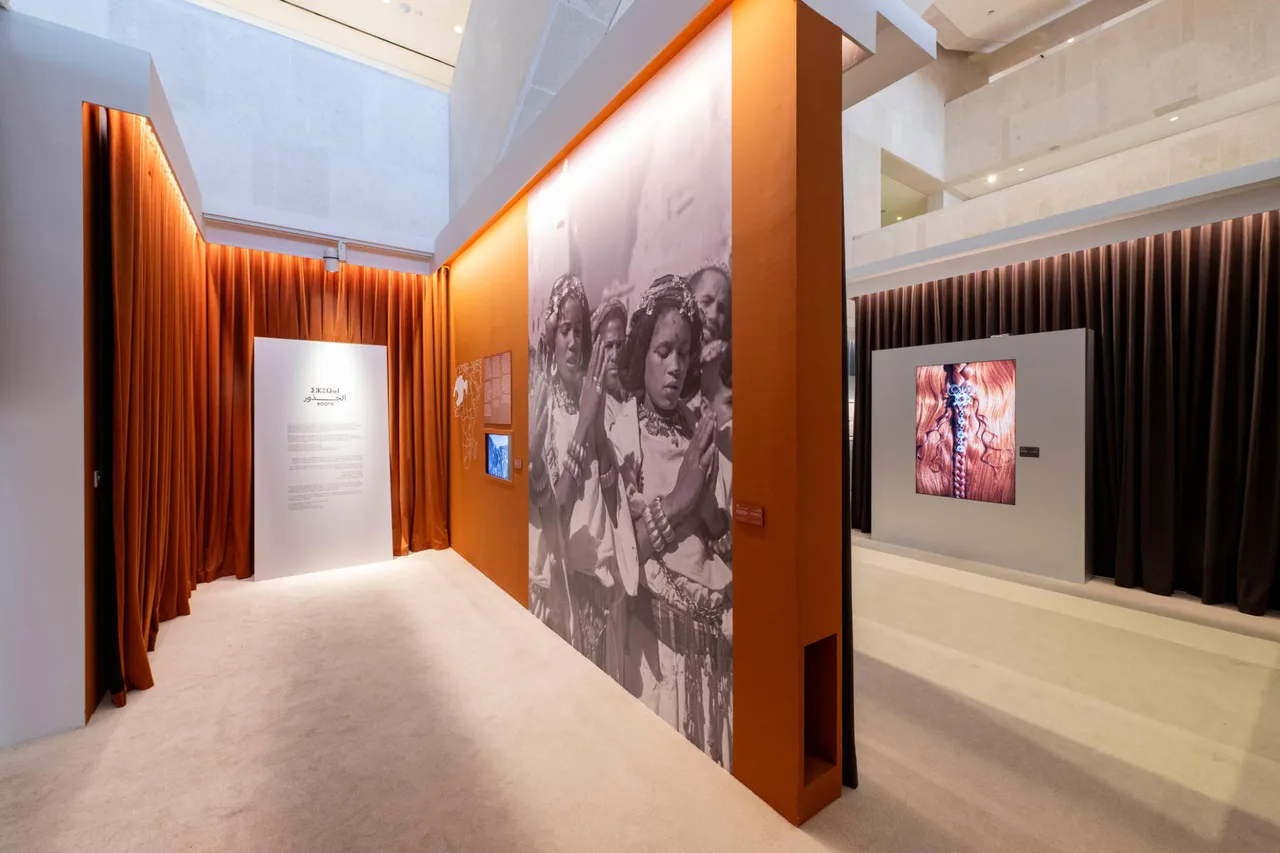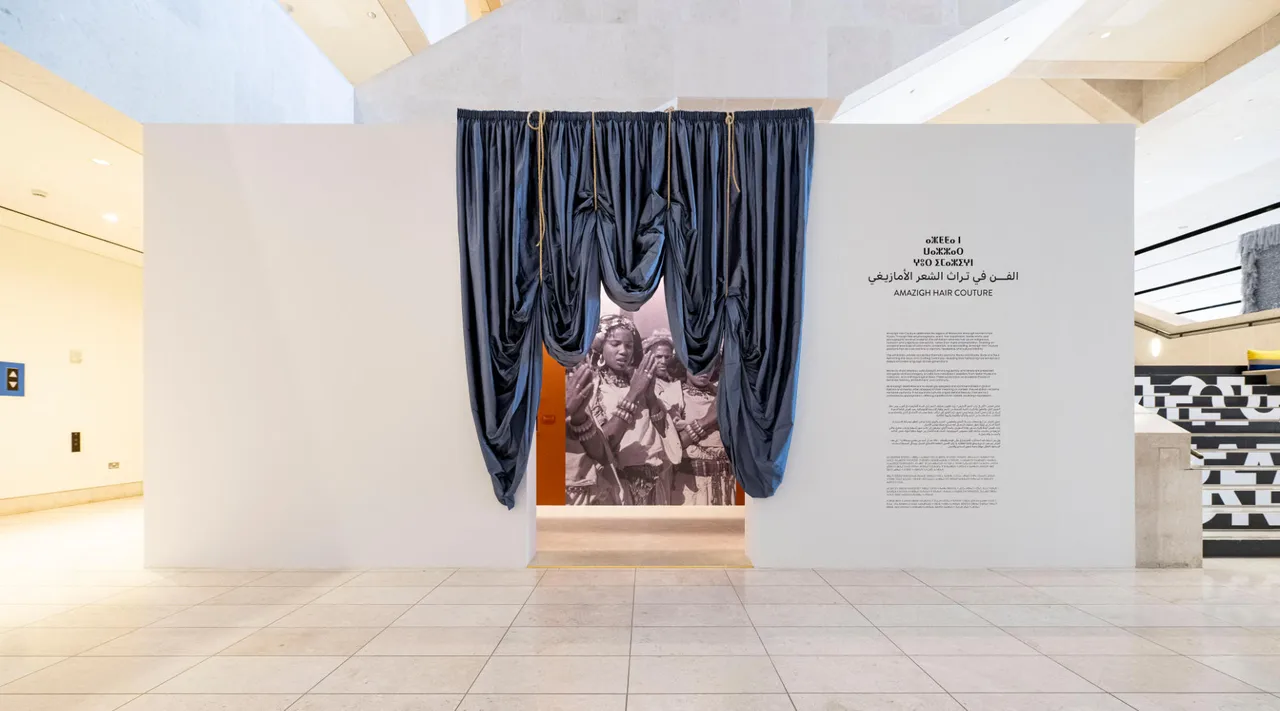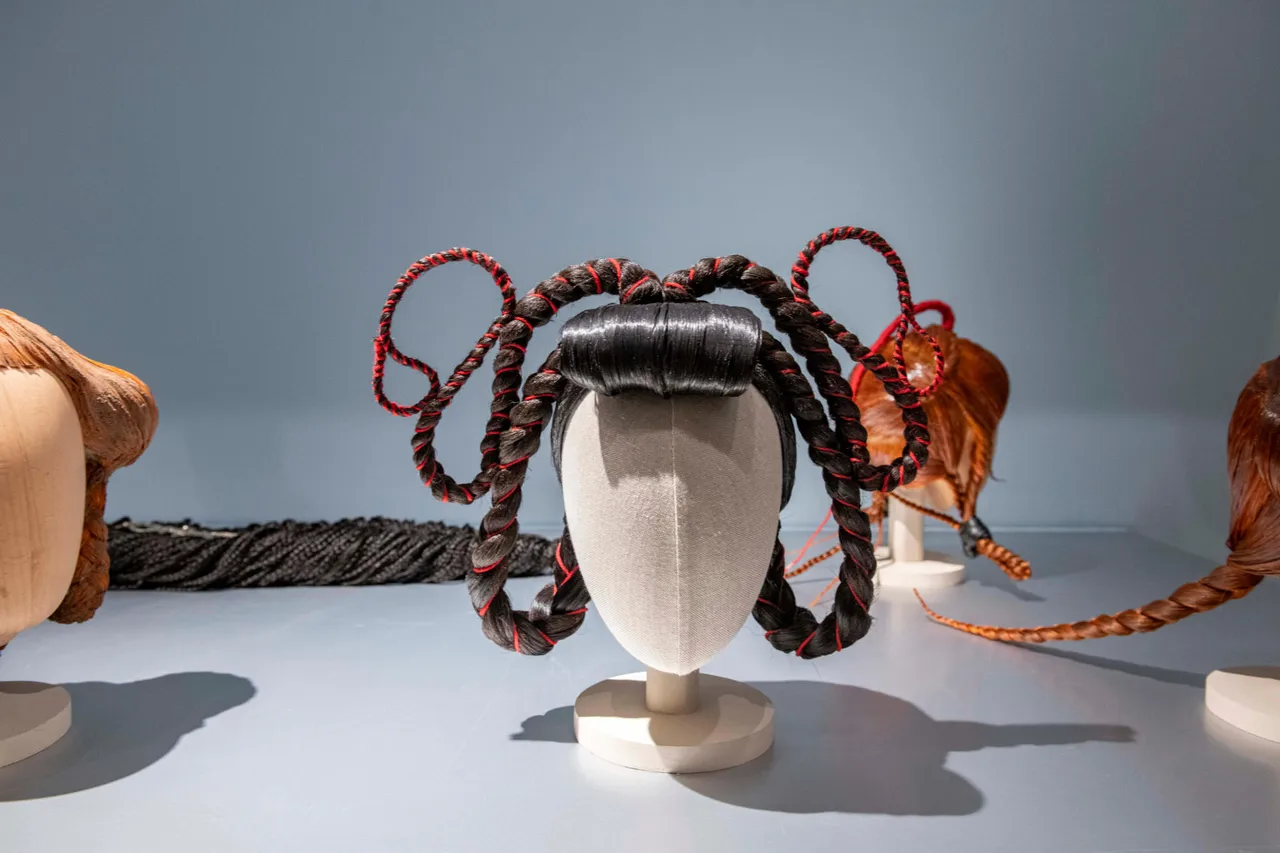
Have you ever heard the saying that hair holds memories? It sounds very Gen Z-coded, I know, because the concept nowadays is usually paired with a dramatic haircut and a “new era” caption. But beyond the jokes and glow-ups, the idea is actually much deeper. Hair marks phases of our lives. We cut it after breakups, dye it at 2 a.m. when we need a personality reset, go blonde for summer, go darker for winter, and get bangs when we’re spiralling a little. Hair becomes a soft launch of change, a way of saying “I’m not the same person anymore” without having to explain anything. This emotional relationship with hair is exactly what Amazigh Hair Couture, on view at M7 in Doha until 12 January, taps into, but in a more cultural way, because before aesthetics, hairstyles are linked to cultural heritage.
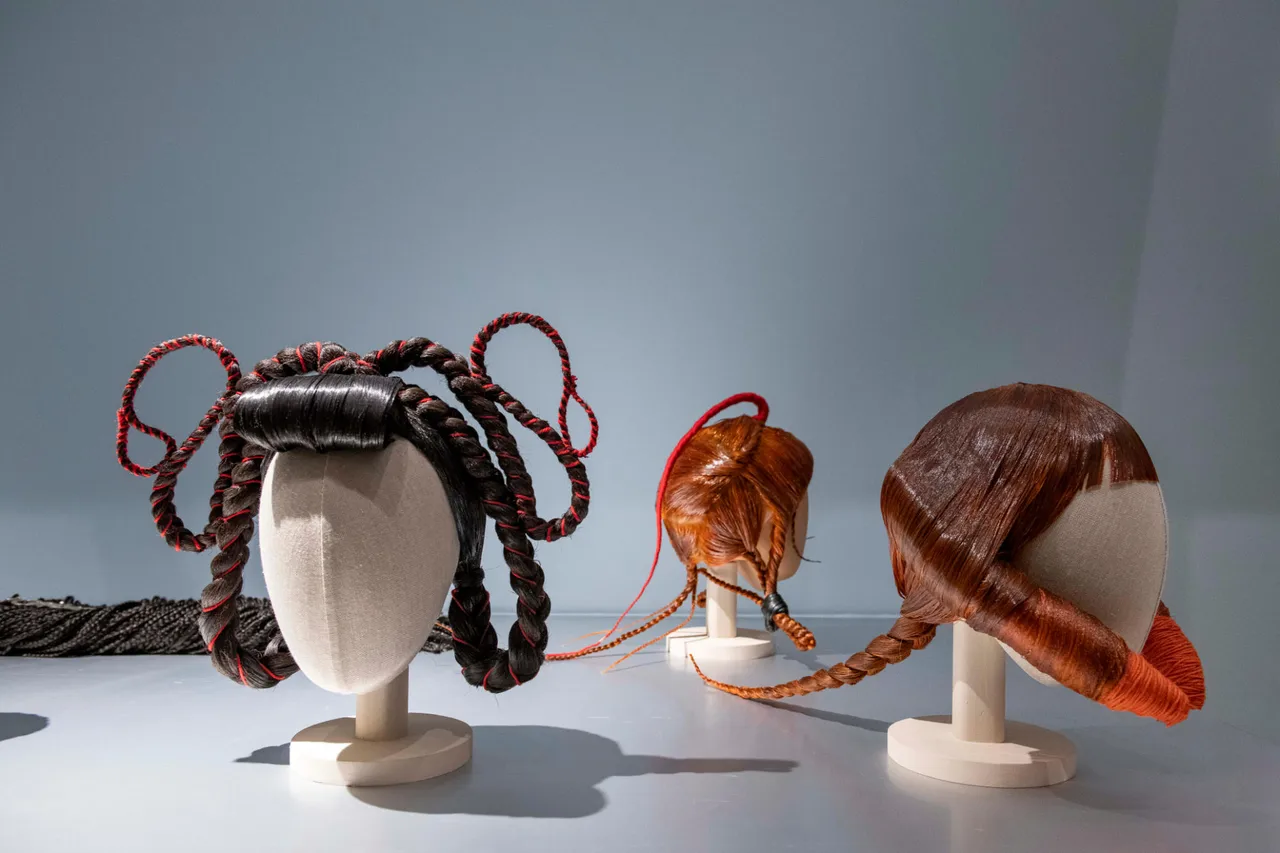
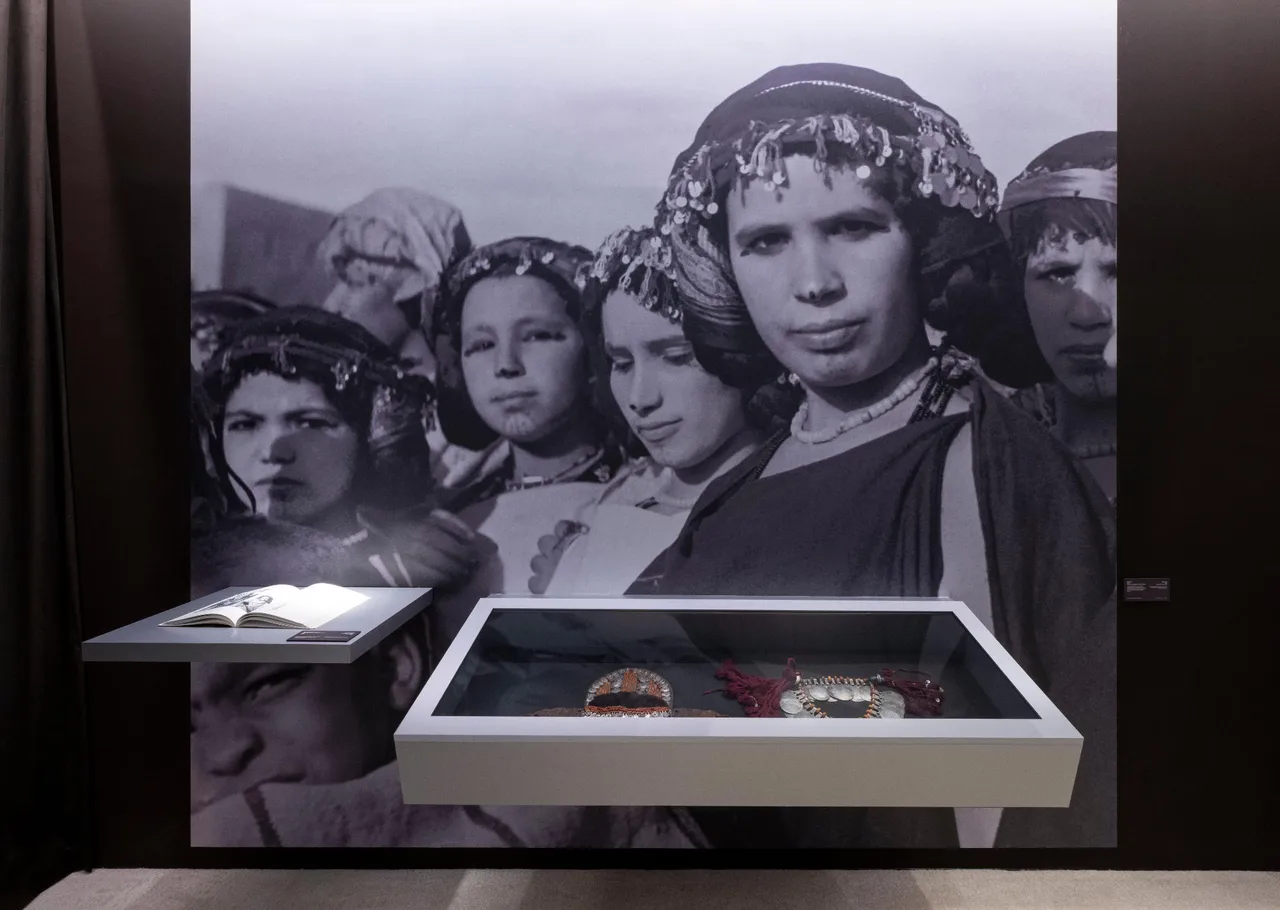
In Amazigh culture, hair has always been serious business. It’s tied to women, care, and matrilineal knowledge, passed down through everyday rituals like braiding, oiling, and styling. Hairstyles aren’t just about looking good; they communicate identity, belonging, and strength. In a way, hair works like a timeline, an archive, let’s say, with each ritual carrying memory and each style holding meaning. Long before “HairTok”, Amazigh women were already using hair as a form of self-expression, storytelling, and resistance.
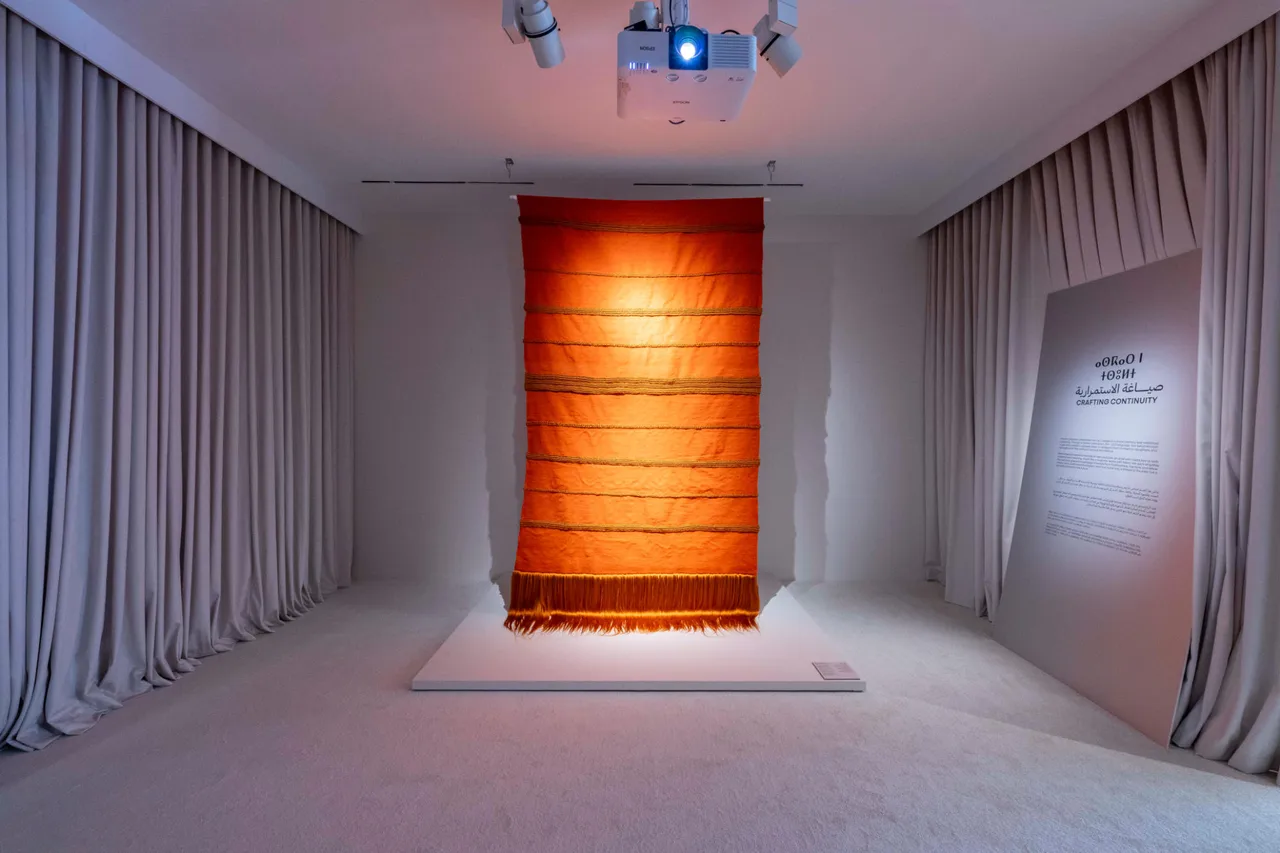
The exhibition guides visitors through a sequence of spaces that explore hair as a site of ritual, self-representation, and continuity, highlighting how these practices endure and evolve over time. Rather than presenting hair as a static symbol, the exhibition reveals it as something alive, shaped by touch, time, and intention, capable of carrying stories across generations. It challenges external interpretations of Amazigh aesthetics and frames hair as a medium through which culture asserts itself and resists erasure.
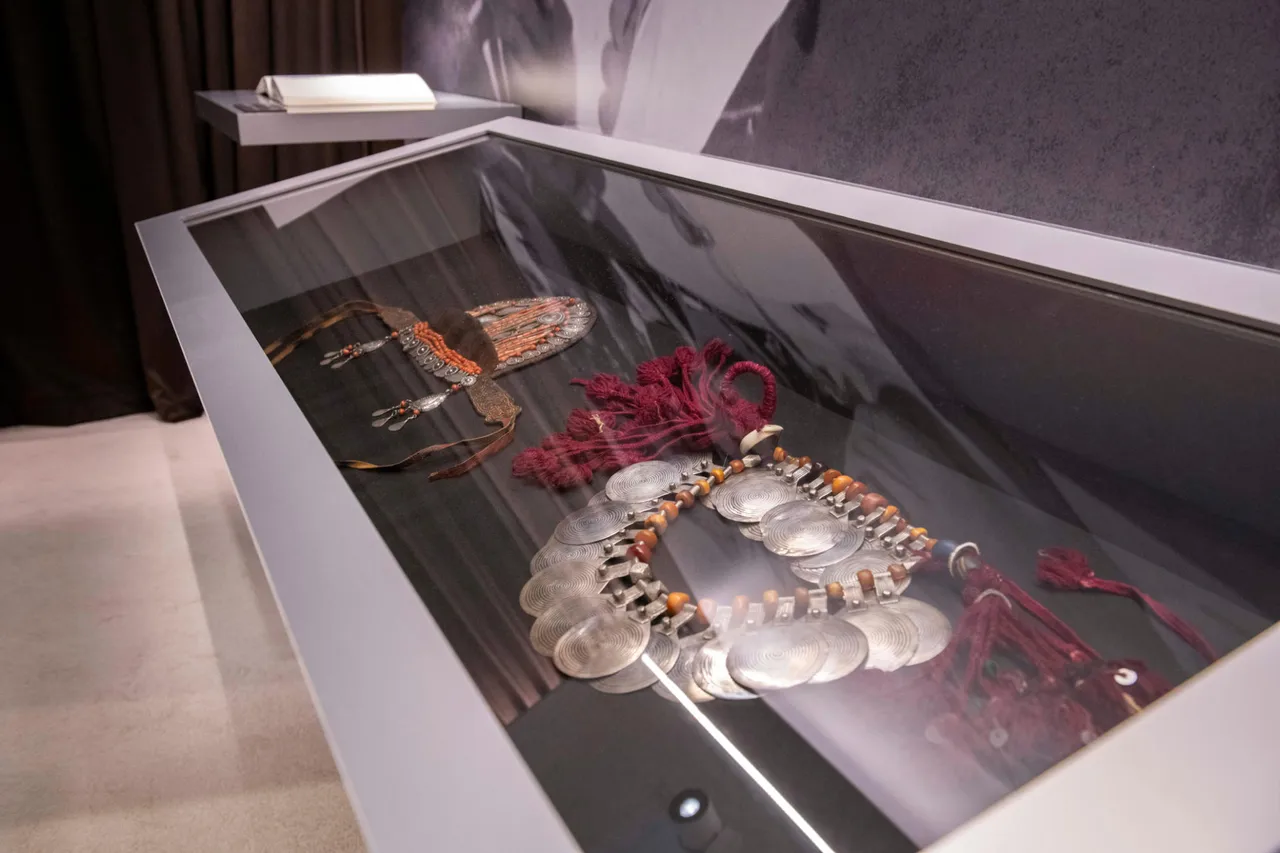
For a long time, these traditions have been borrowed, rebranded, and disconnected from their origins by the global fashion industry, and this exhibition flips that narrative by giving the story back to the people it belongs to. Hair is more than just a TikTok trend; it is something deeply cultural, emotional, and political. Adornments like beads, shells, or tassels aren’t just festival props; they can indicate age, wealth, or marital status. Different styles are not just a way to change your appearance but can also signify youth, status, or identity.
Creative Director and Hair Artist Ilham Mestour says, “Hair is not only beauty; it is lineage, it is strength, it is memory.” Something as “simple” as a hairstyle can carry weight. It’s not just about looking good or switching up your vibe; it’s about history, identity, and care passed down through generations. It’s culture, and it’s important to honour the cultural origin behind it because they can mean more than you’d ever guess.