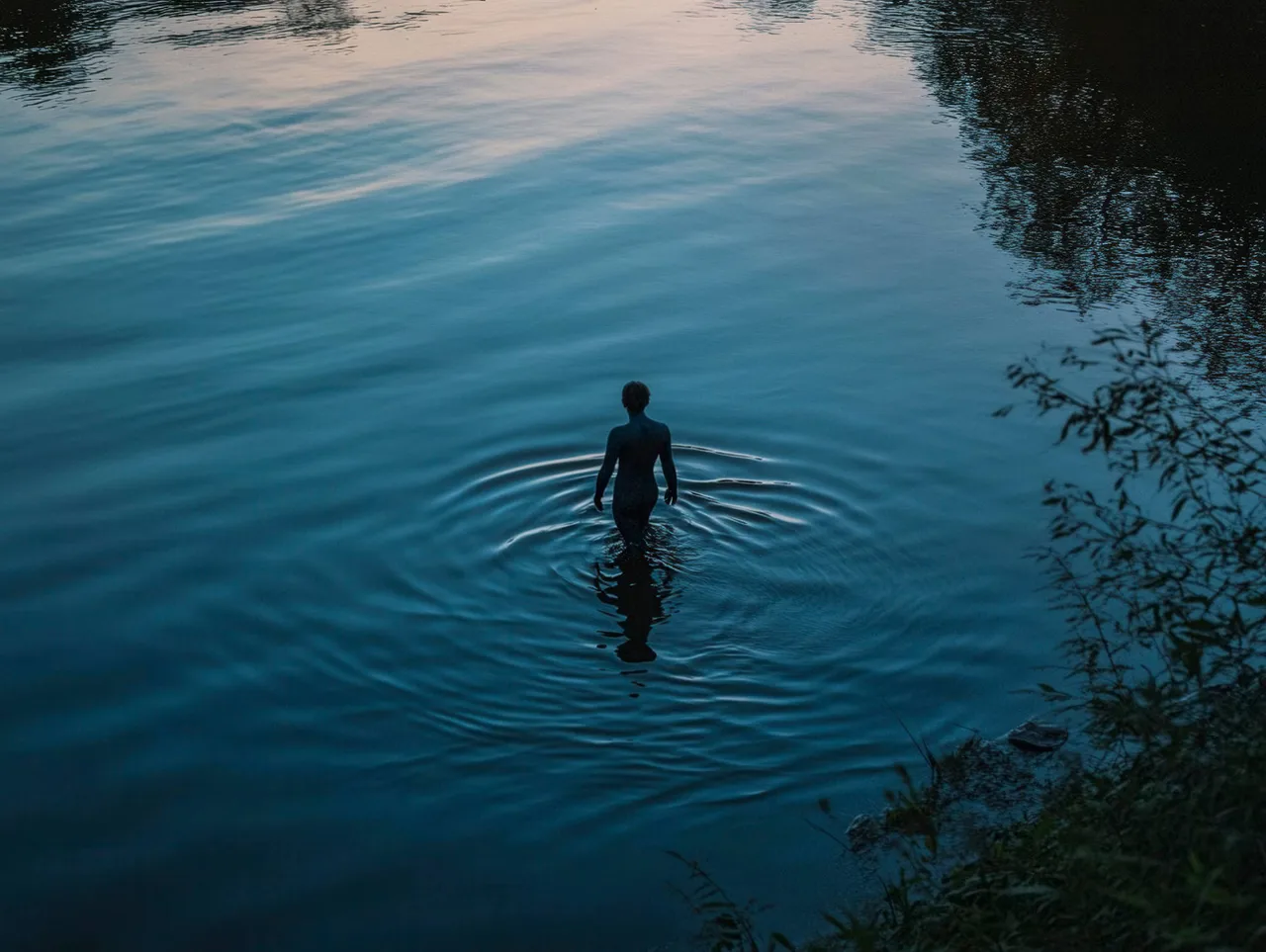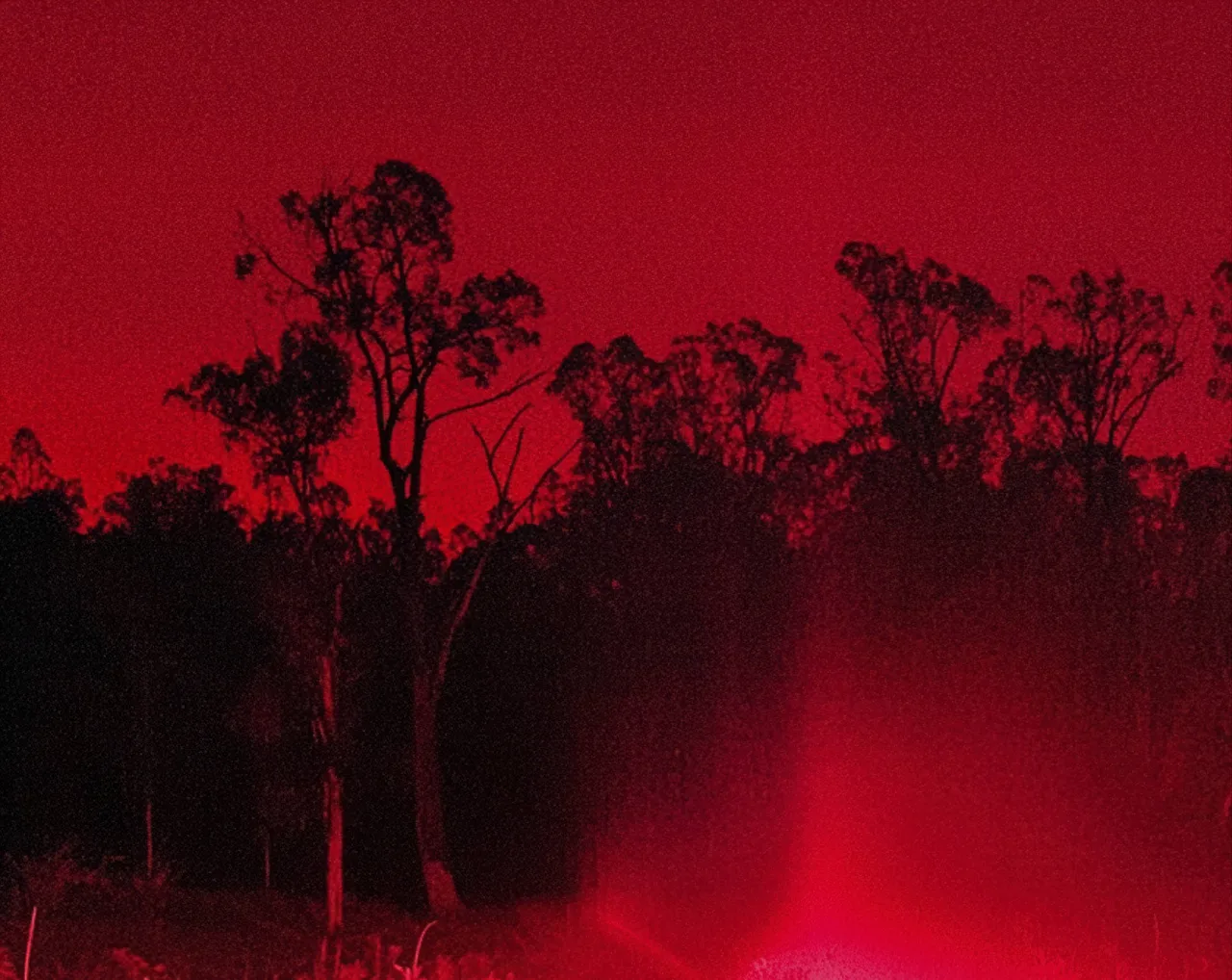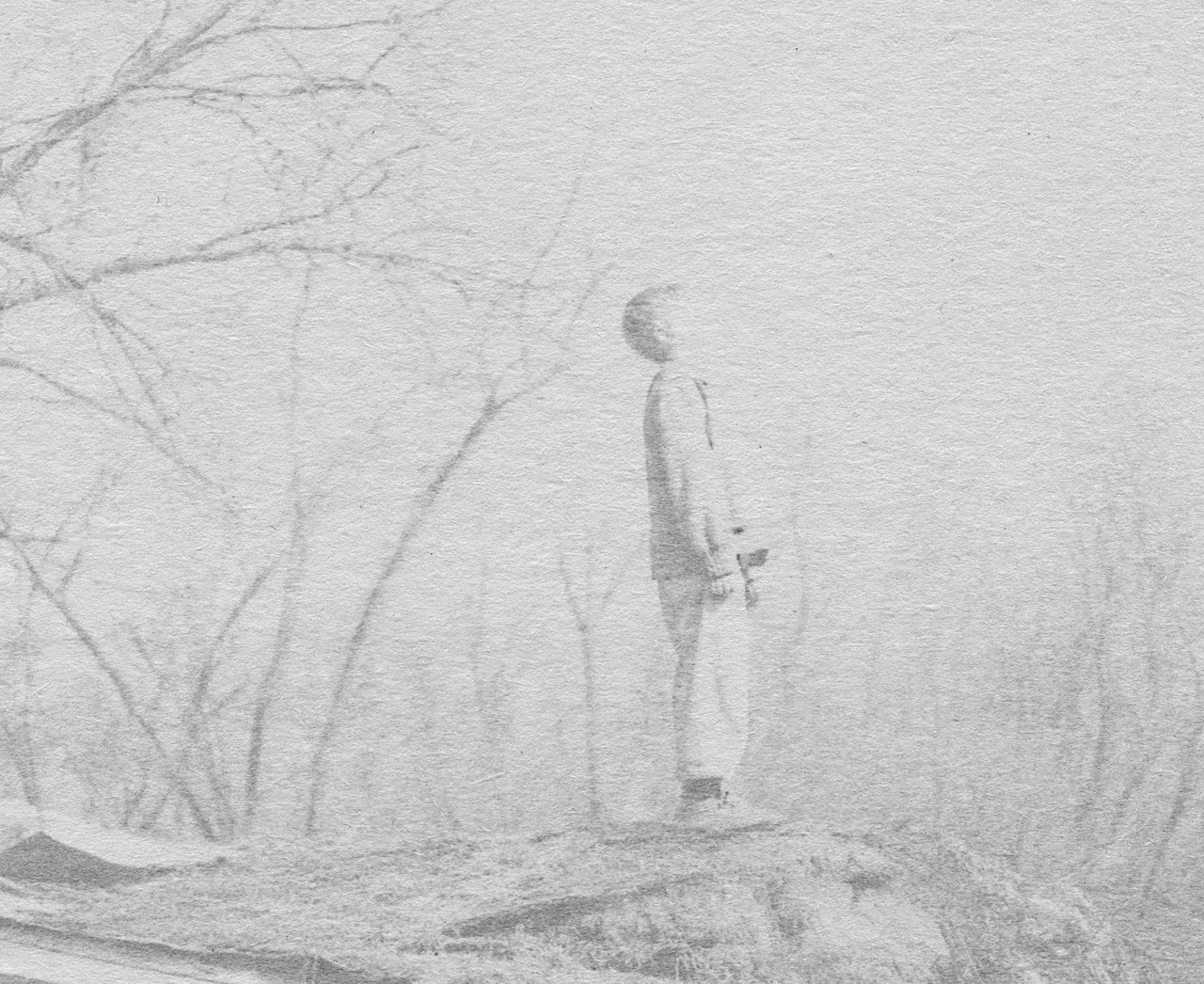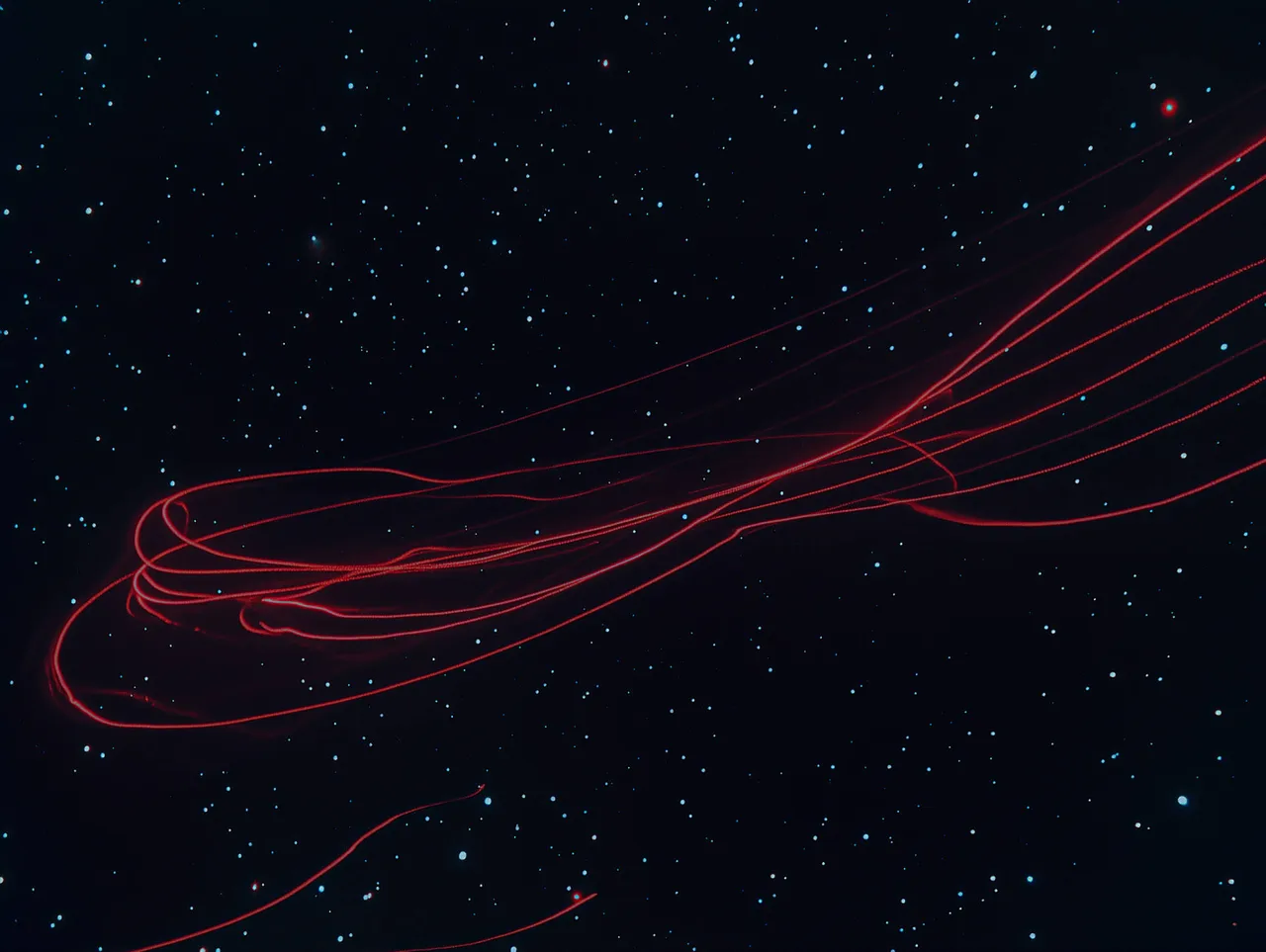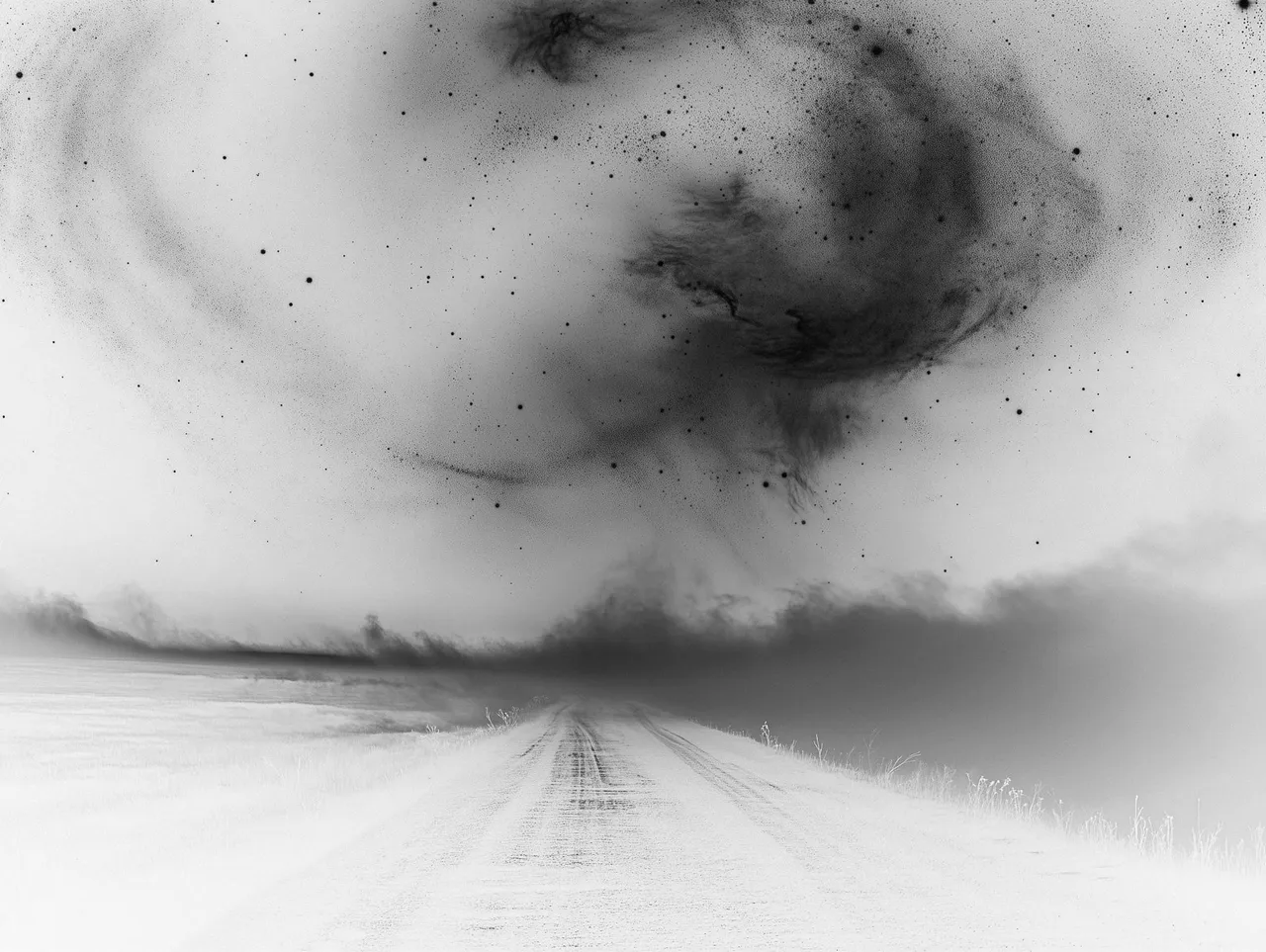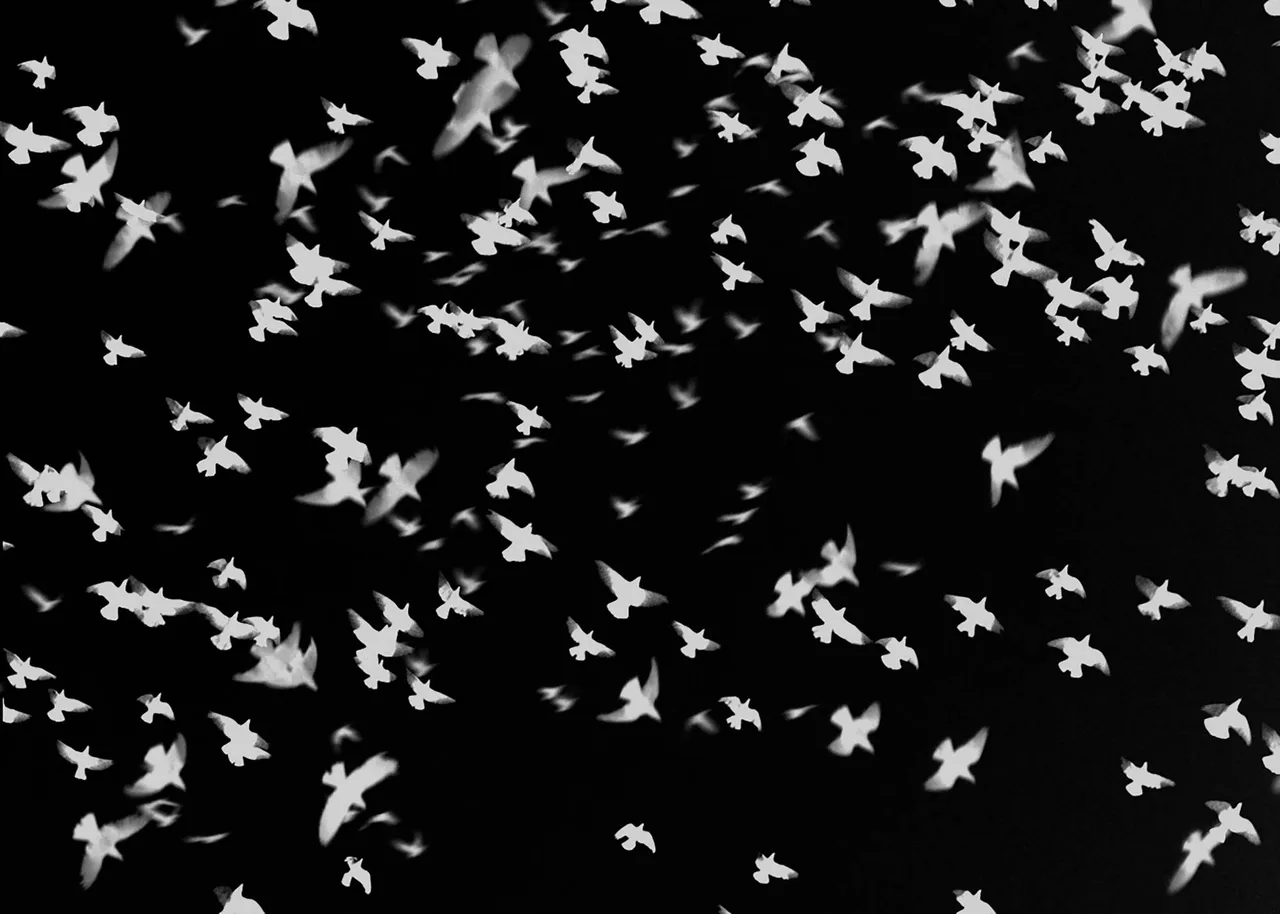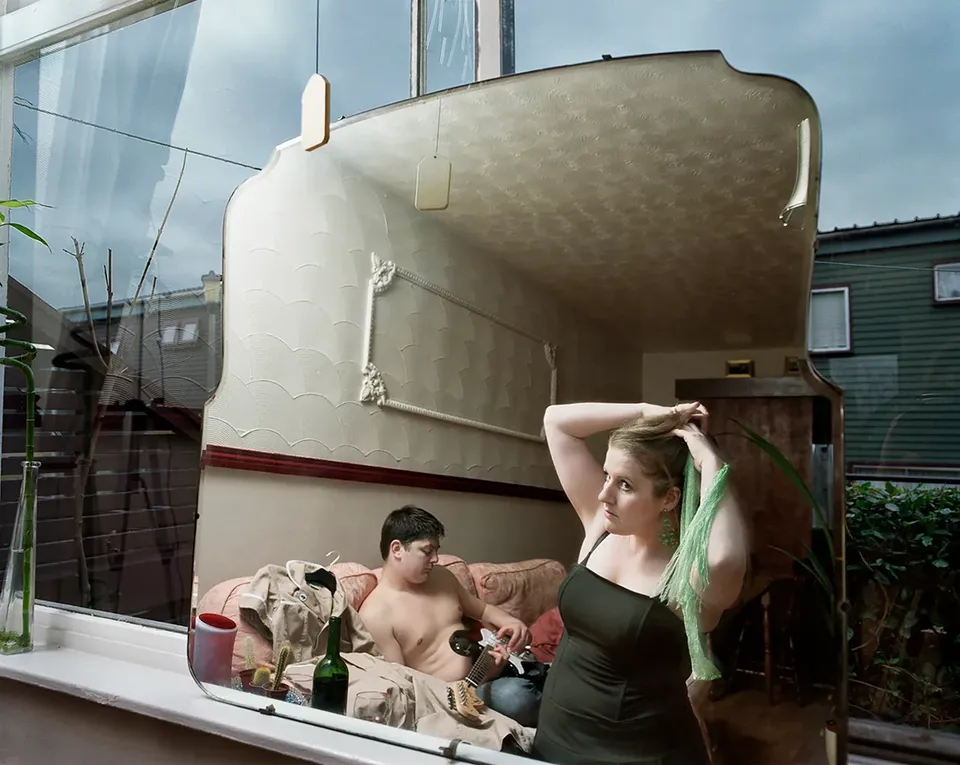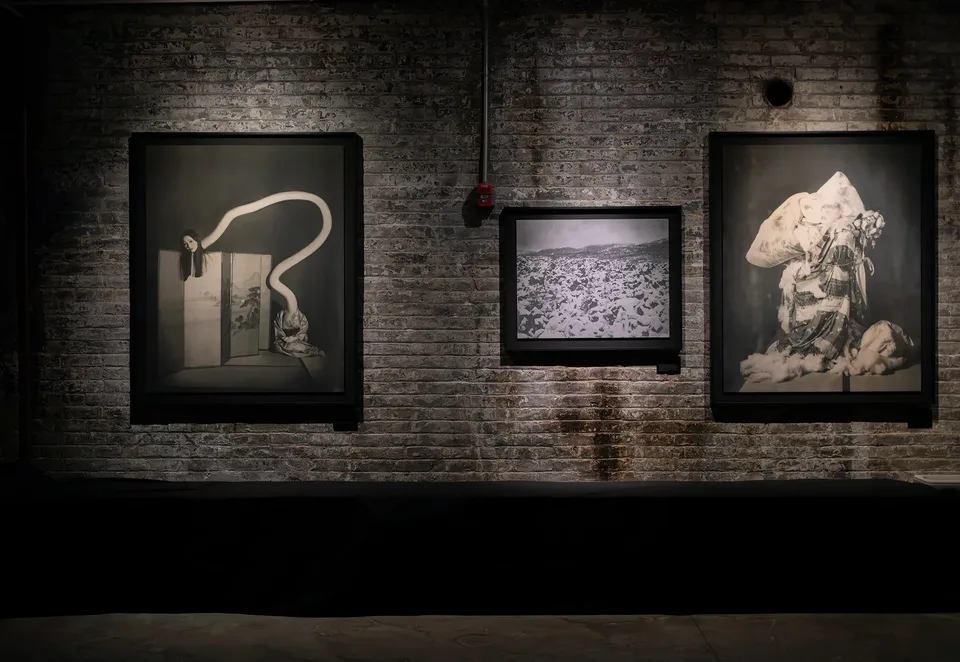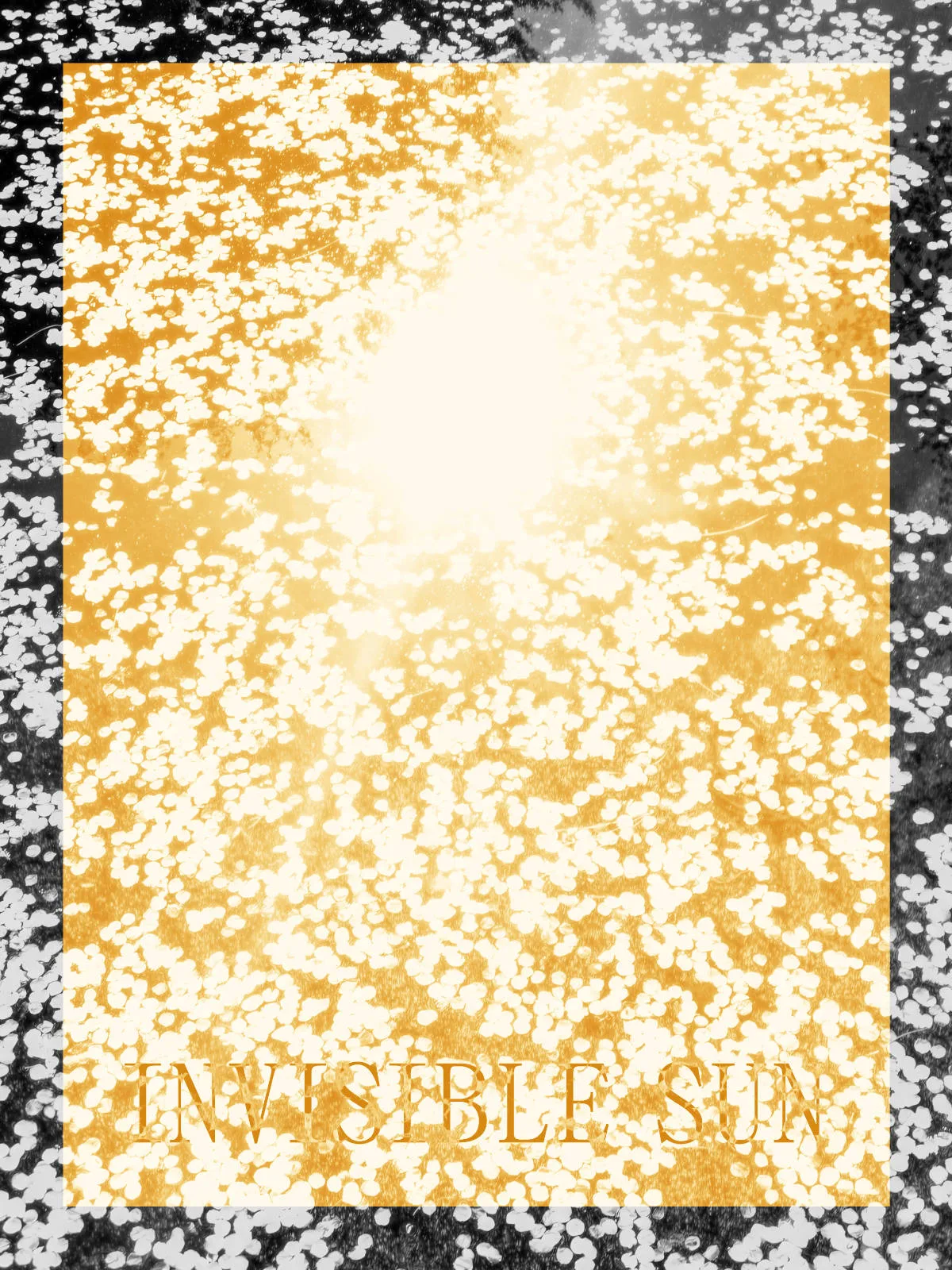
Amani Willett’s work often brings together images he has made and those he has curated from archives to consider the long-reaching impact of forgotten and neglected histories. In his book Disquiet, he captures soft moments in the unfolding life of his young family and pairs them with images evoking the instability of the early 2010s. His work often focuses deeply on personal experiences, but through these he accesses larger social critique and contemplation. In his most personal project yet, Invisible Sun, Willett considers his early childhood memories.
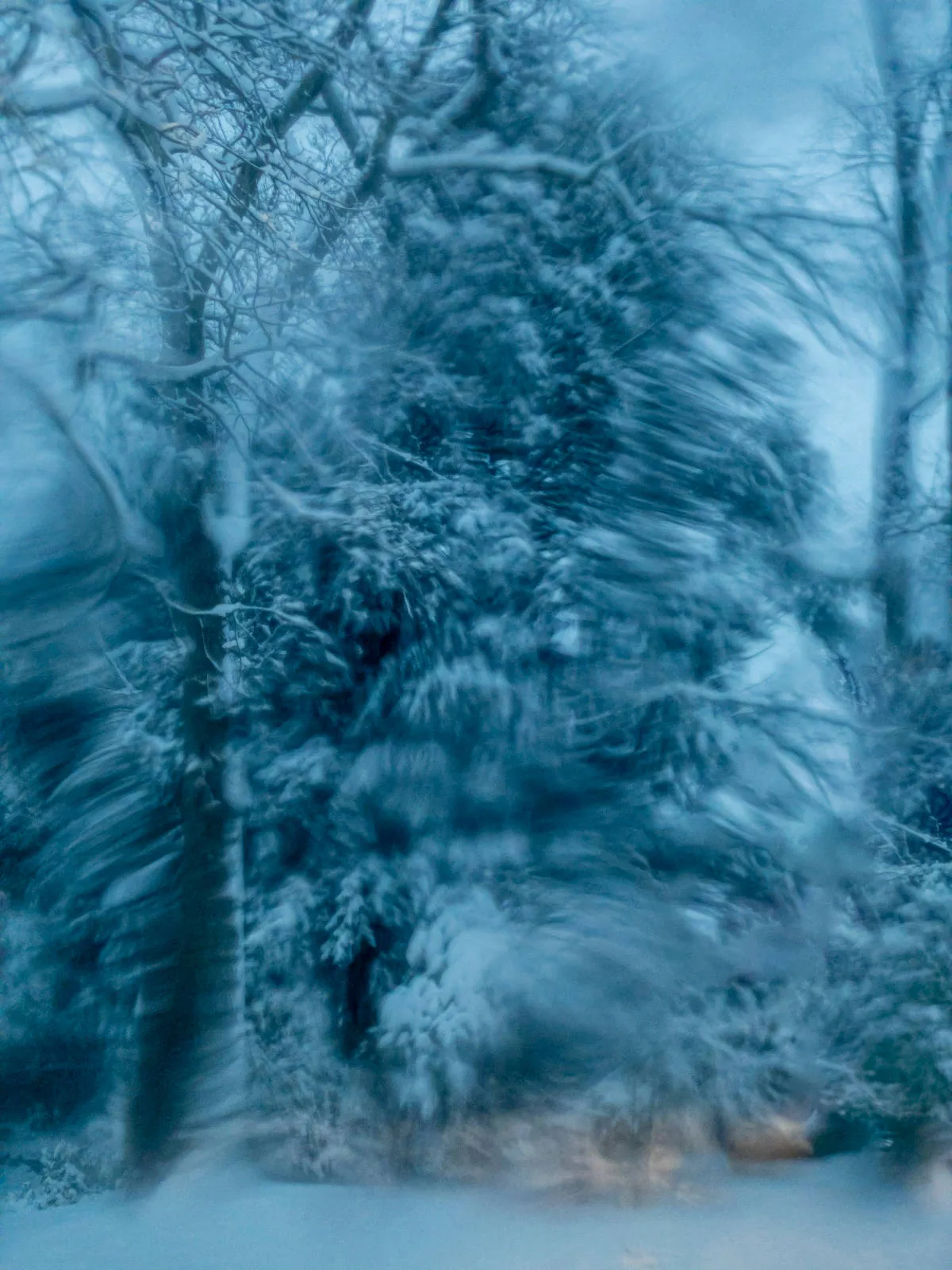
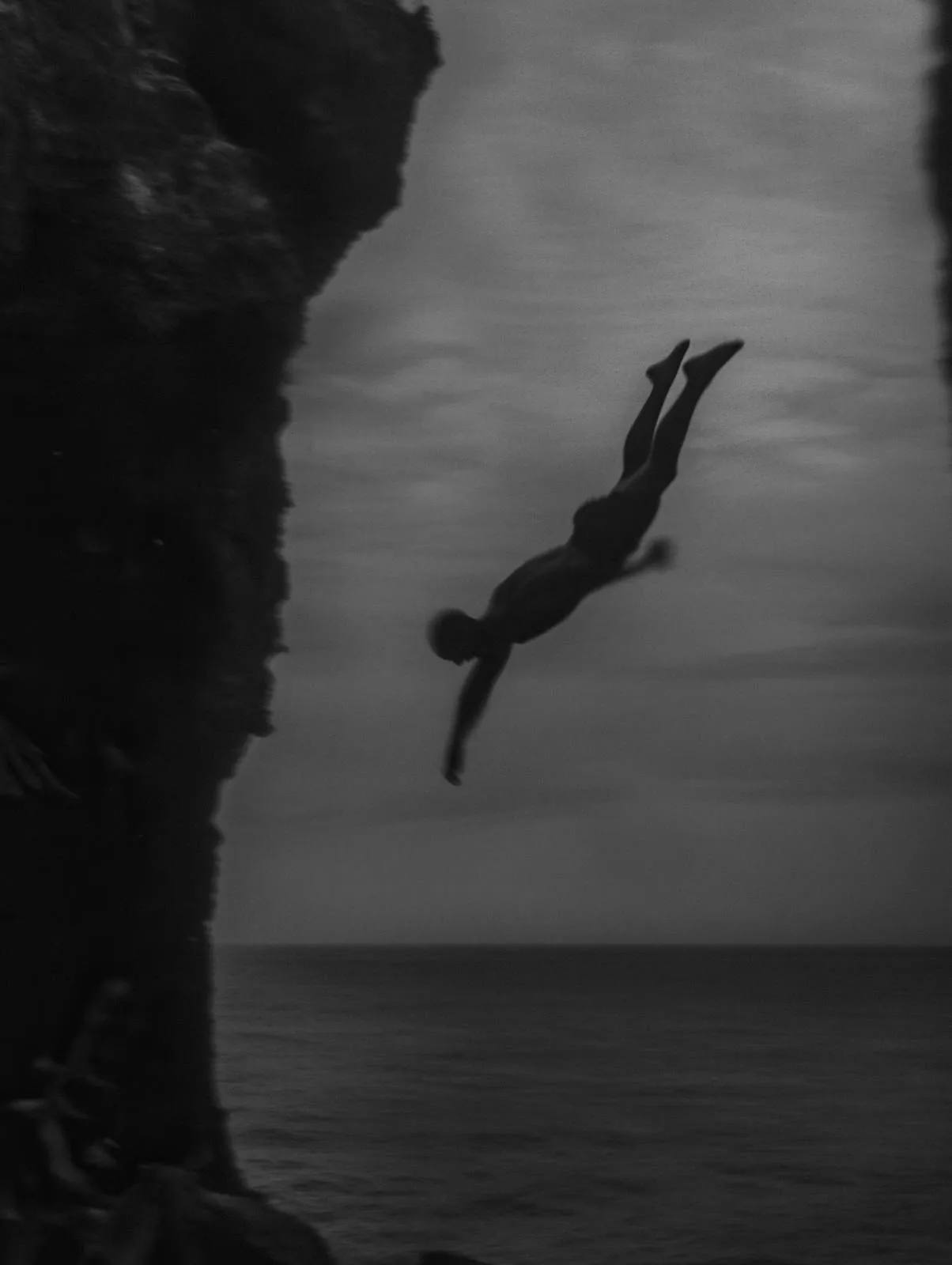
His new book published by Dust Collective engages a time in his life uncaptured by his camera, his early childhood. Through a set of recent experiences Willett was forced to confront traumas of his early years, and he began Invisible Sun as a way to metabolise something long dormant in his conscious. It is not a scrapbook of the archive, but a retroactive meditation of lost time. Two of its key devices are portraits of his children which both function as stand-ins for his younger self and serve as sites to consider his current day fatherhood and Artificial Intelligence generated imagery. As he tells me, this series allowed him to consider the protective instinct he has for his children as something which might also extend to his own understanding of his younger self (his inner child, as modern parlance might call it) as something which still needs to be protected. He uses AI to create images inspired by memories that came back to him in recent years.
In many ways, it is a curious and playful approach to the AI question. Rather than declare something, he asks a series of questions through this endeavour. Many of the images in the collection are disorienting, so the AI images do not necessarily declare a false reality (the collection as a whole does not declare reality so much as describe experience). He approaches them with an impressionism of the mind, perhaps these new tools might be a way to confront what would otherwise be lost to time. Much of Artificial Intelligence discourse in creative spaces is driven by fears that these tools will replace artists, subvert truth, and ultimately create a more disorienting and manipulative visual culture. Though this is only one aspect of his project, Willett offers us a participatory approach to the AI question, one in which we are all called upon to investigate the uses and abuses of these new tools.
For Willet, intentionally made images are tools for slowing down. They are something which might confront and provoke us to reconsider that which we take for granted, to imagine new ways of being and seeing. In our interview we discuss the personal as well as the theoretical ideas underpinning his practice. Throughout it all is an earnest desire to remain curious and open to a quickly changing world in which so many things have remained stubbornly the same.
I know writing is an important thread between your work. Let’s begin with a quote from Marguerite Duras, “Contrary to what people still think today, I believe photographs promote forgetting. That’s how it tends to work now.” Do you feel you affirm or negate this with Invisible Sun?
I’d say Invisible Sun negates that idea. One of the goals of the work is to promote remembering — or, more accurately, to access a period of my life that remained dormant in my body for years. The images act as a bridge, allowing me to reconnect with those feelings and memories from the perspective of my adult self looking back at my child self, who experienced trauma early in life.
Did you always know you wanted to work with your children on this project? Are they eager collaborators? What have you learned from them while making images?
When I start a project, I rarely know where it’s going to lead. I didn’t initially plan to work with my children on Invisible Sun. As with most things I do, it unfolded organically. Once I saw some of the early photographs and recognised the connections that could be made by using them as stand-ins for my younger self, I became excited about the possibility. It created an elegant call and response with earlier moments in my life.
I didn’t work with my kids in a traditional, staged sense. We were not setting up shoots or executing predetermined ideas. What I do is much more intuitive. I make images as life unfolds. I’ll see my children standing in a certain light or gesture, and I’ll make a candid image. Occasionally, I’ll gently direct them by asking them to look toward the camera or move into the light, but overall the process is fluid and natural.
I didn’t work with my kids in a traditional, staged sense. We were not setting up shoots or executing predetermined ideas. What I do is much more intuitive. I make images as life unfolds. I’ll see my children standing in a certain light or gesture, and I’ll make a candid image. Occasionally, I’ll gently direct them by asking them to look toward the camera or move into the light, but overall the process is fluid and natural.
Tell me about the reconsideration of childhood memories and traumas while working with and raising your children. What has that experience been like?
It’s been both intense and surprisingly simple. As a parent, the instinct to protect your children from pain is deep — and for me, that instinct is shaped by my own early experiences with trauma. On a practical, everyday level, that desire to shield them is always there.
I wouldn’t say working with my children made me reconsider my childhood trauma in direct relation to them, but it did allow me to recognise that the younger version of myself still needed healing. Watching my kids grow and develop into full human beings made me aware of the parts of myself that were still stunted or unresolved. So, it wasn’t so much a reconsideration as a realisation. The project gave me the space and tools to access and reconcile those earlier experiences, to look at old memories in new ways and form new relationships to them.
I wouldn’t say working with my children made me reconsider my childhood trauma in direct relation to them, but it did allow me to recognise that the younger version of myself still needed healing. Watching my kids grow and develop into full human beings made me aware of the parts of myself that were still stunted or unresolved. So, it wasn’t so much a reconsideration as a realisation. The project gave me the space and tools to access and reconcile those earlier experiences, to look at old memories in new ways and form new relationships to them.
Throughout your work is a conflict or collaboration between American mythology and personal memory (or perhaps sensation). With this highly personal project, did you find yourself considering grander narratives?
I’m glad you picked up on that. Most of my work comes from deeply personal places, but my life is also tied to broader public histories, especially American history. I’m an interracial man, my mother is Black, my father is white, and I was raised in a Quaker household. Many layers of American history are embedded within my own family’s story, and much of my earlier work engages with that.
Even though my projects emerge from personal experiences, they often resonate outward, connecting to the social, cultural, or historical narratives of our time. One way I do this is through the use of emotion in my work. I think of emotion as a bridge between my personal story and the experiences of viewers. Even if someone hasn’t lived what I’m describing, my hope is that they can connect with it emotionally or socially. I’m not necessarily setting out to create “grander narratives”, but I am conscious of making the work legible, of creating pathways for viewers to access the stories I’m telling.
Even though my projects emerge from personal experiences, they often resonate outward, connecting to the social, cultural, or historical narratives of our time. One way I do this is through the use of emotion in my work. I think of emotion as a bridge between my personal story and the experiences of viewers. Even if someone hasn’t lived what I’m describing, my hope is that they can connect with it emotionally or socially. I’m not necessarily setting out to create “grander narratives”, but I am conscious of making the work legible, of creating pathways for viewers to access the stories I’m telling.
How has teaching changed your relationship with the medium of photography?
Teaching keeps me humble. Every semester I meet students who are thinking about photography in ways I never imagined, using the medium with a fluency that feels unique to their generation. I love teaching because I enjoy helping students solve problems, but I also learn constantly from them: about how images relate to one another, how meaning shifts, and how pictures circulate in contemporary culture. So I don’t think teaching has changed my relationship to photography as much as it has enriched it. It keeps my engagement with the medium alive and evolving.
Archival images have been a recourse for you throughout your career. How has working with AI changed your understanding of the archive?
This is a fascinating question. AI can be a minefield at this stage in its evolution, but it also has an interesting relationship to archives. Most of my projects draw on archives in some form — personal archives, family archives, public archives, or found images. In some ways, AI functions like a vast collective archive of all the images made so far, with all the same embedded issues — biases, racism, and other systemic problems. But it also offers a way to access this enormous pool to create a new kind of archive.
I’m careful with definitions, though: I don’t consider AI images to be photographs. They are images, but not photographs. Photographs require being out in the world, encountering subjects, witnessing and responding to life. AI images come from text and exist apart from lived experience. For me, AI is simply another tool, like a camera or a found photograph, one I can use to tell the stories I want to tell. Training an AI model on my own photographic archive allows the generated images to maintain a relationship to my existing work. And in Invisible Sun, the AI images stem from journaling and ketamine therapy sessions; they represent subconscious imagery rather than anything occurring in the external world. In that context, AI becomes a surprisingly fitting tool.
I’m careful with definitions, though: I don’t consider AI images to be photographs. They are images, but not photographs. Photographs require being out in the world, encountering subjects, witnessing and responding to life. AI images come from text and exist apart from lived experience. For me, AI is simply another tool, like a camera or a found photograph, one I can use to tell the stories I want to tell. Training an AI model on my own photographic archive allows the generated images to maintain a relationship to my existing work. And in Invisible Sun, the AI images stem from journaling and ketamine therapy sessions; they represent subconscious imagery rather than anything occurring in the external world. In that context, AI becomes a surprisingly fitting tool.
There have been notable lapses in the training of AI tools: in many cases prioritising white faces or producing offensive content in an attempt to satisfy competing directives. What has it meant to work with large language models that reflect and or regurgitate our culture’s limitations and biases?
AI is absolutely dangerous in many ways, and we have a lot of work to do as a culture to improve the diversity and accuracy of these models. It’s both humbling and enraging to see AI mirror back the racism and biases that exist in our society, it really is like holding up a mirror and seeing all the flaws reflected back, warts and all.
When I first experimented with AI using general prompts, the racial biases were stark. In the case of Invisible Sun, though, the AI-generated images were less affected because they were based on internal, subconscious imagery. Many of them were abstract or the figures lacked identifiable features, so the inherent biases of AI showed up less in this body of work. It was something I didn’t have to push against as hard as I might in a different context.I want to teach a course on AI because I think it’s crucial for future image-makers to grapple with these issues, to expose the limitations of AI and have meaningful discussions that extend out, beyond the confines of the project they’re creating with AI, to the larger societal implications.
When I first experimented with AI using general prompts, the racial biases were stark. In the case of Invisible Sun, though, the AI-generated images were less affected because they were based on internal, subconscious imagery. Many of them were abstract or the figures lacked identifiable features, so the inherent biases of AI showed up less in this body of work. It was something I didn’t have to push against as hard as I might in a different context.I want to teach a course on AI because I think it’s crucial for future image-makers to grapple with these issues, to expose the limitations of AI and have meaningful discussions that extend out, beyond the confines of the project they’re creating with AI, to the larger societal implications.
With a project considering emerging technology, why was the form of a traditional book still the right medium for you?
The AI images make up only a small portion of the book, so the shift in tools didn’t fundamentally change my approach. Most of the images were made traditionally, being out in the world with a camera. I was interested in whether the AI-generated images could exist in natural conversation with the traditionally made ones. The book form is where I’ve always been able to create sequences and structures that bring different kinds of images together. So, I stayed with the form I know, to see how a new tool might subtly shift (or not shift) my storytelling. Ultimately, it didn’t alter the way I approached the narrative.
Were you interested in marking the images made with AI assistance or not? Why?
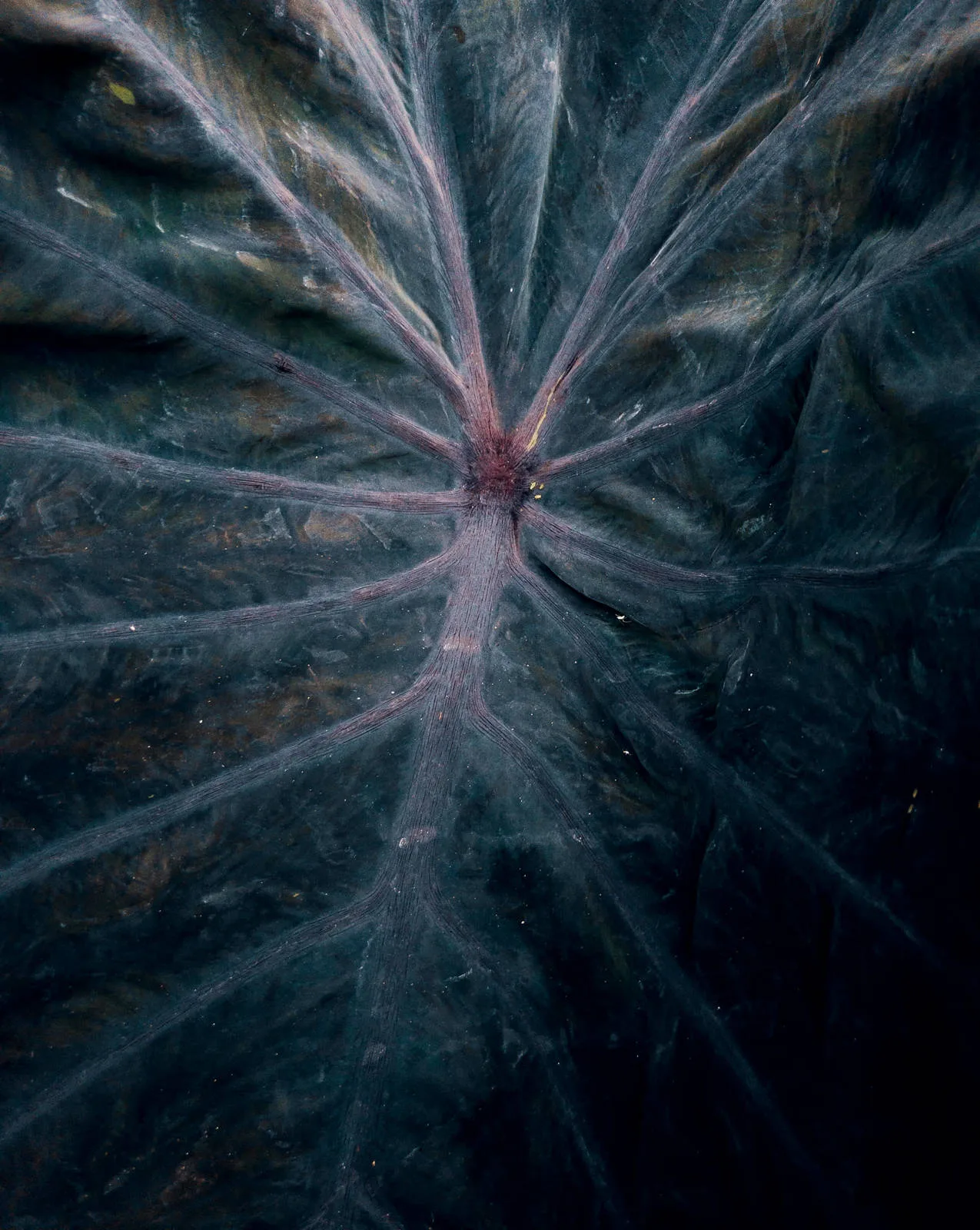
I wasn’t interested in marking them. For this project — lyrical, poetic, and abstract — the distinction felt irrelevant and potentially distracting. If this were a documentary project, labelling would be essential. But here, I want viewers to experience the book as a unified work of art, not as a puzzle about which images are AI and which are not.
To close out my AI questions, ChatGPT wants to ask you: Do the photographs in Invisible Sun recover bodily memory, or do they deliberately replace it?
That’s a great question — and a funny one! I’d say the photographs in Invisible Sun recover bodily memory. The point of the project is to access, recover, and form new relationships with those memories. It’s not about replacing them; it’s about shifting how I relate to the ones that already exist.
Tell me about your ongoing street photography. There is a playfulness to these images that stands in contrast to much of the work you have done. What has this mode of working meant for you? Do you see them as a unified project?
I started making photographs seriously while working at Magnum Photos in the late 90s, where many photographers there were deeply engaged in street photography. As a young photographer, I went out into the streets of New York inspired by jazz, improvisation, and the idea that something could be made from nothing. That intuitive way of working, encountering a scene and reshaping its meaning, has remained central to my process.
I still love photographing in the street. There’s a simple pleasure in trying to find new meaning in everyday experiences. But after many years of working that way, I found myself wanting more: I wanted to move beyond the single frame or a portfolio. That desire led me to the book form, where I could shape sequences and build larger narratives.
I still love photographing in the street. There’s a simple pleasure in trying to find new meaning in everyday experiences. But after many years of working that way, I found myself wanting more: I wanted to move beyond the single frame or a portfolio. That desire led me to the book form, where I could shape sequences and build larger narratives.
I am curious about the figure of the Hermit today. I am often struck thinking about social media as creating, crudely speaking, a society of hermits. After some time, how have your thoughts about this archetype changed?
You’re referring to my project The Disappearance of Joseph Plummer, about the hermit who lived in the New Hampshire woods in the 1800s. There has always been a desire to disappear from modern life, to go off the grid and live privately. And every so often, someone actually does it, which many of us find enviable. What originally interested me about Plummer was how difficult it has become to truly disappear. With the internet, even from mountaintops we can still be connected. It’s increasingly hard to remove ourselves from participation in society.
But your point is compelling too: that constant connectivity can make us hermits of a different sort. We no longer need to speak to people to feel connected, we can rely on algorithms. I recently read that some colleges are offering courses on how to make phone calls, which feels like a perfect snapshot of where we are socially. During the pandemic, this idea took on new weight. The desire to retreat was suddenly replaced by a deep hunger for connection. The project resonated differently in that moment.
But your point is compelling too: that constant connectivity can make us hermits of a different sort. We no longer need to speak to people to feel connected, we can rely on algorithms. I recently read that some colleges are offering courses on how to make phone calls, which feels like a perfect snapshot of where we are socially. During the pandemic, this idea took on new weight. The desire to retreat was suddenly replaced by a deep hunger for connection. The project resonated differently in that moment.
What is next for you?
I’ve begun a project about my racial identity and how identity is constructed, by myself and by society. I’m looking at my family history, particularly on my mother’s side: a lineage of free Black families in North Carolina who later migrated to Indiana to establish one of the first free Black settlements in the Midwest.
When people look at me, many assume I’m white or Arabic, but that erases a whole lineage and set of experiences that have shaped who I am. Even when I share my racial history, I’ve had many instances when that experience has been rejected or ignored. My brother, who is slightly darker than I am, presents differently, and it’s been fascinating to see how our lives –– shaped by the same upbringing — were nonetheless moulded by society’s perceptions, society’s will. I’m really interested in who holds the agency in constructing identity. Is it internal? Is it assigned by external forces? And which ultimately prevails?
When people look at me, many assume I’m white or Arabic, but that erases a whole lineage and set of experiences that have shaped who I am. Even when I share my racial history, I’ve had many instances when that experience has been rejected or ignored. My brother, who is slightly darker than I am, presents differently, and it’s been fascinating to see how our lives –– shaped by the same upbringing — were nonetheless moulded by society’s perceptions, society’s will. I’m really interested in who holds the agency in constructing identity. Is it internal? Is it assigned by external forces? And which ultimately prevails?