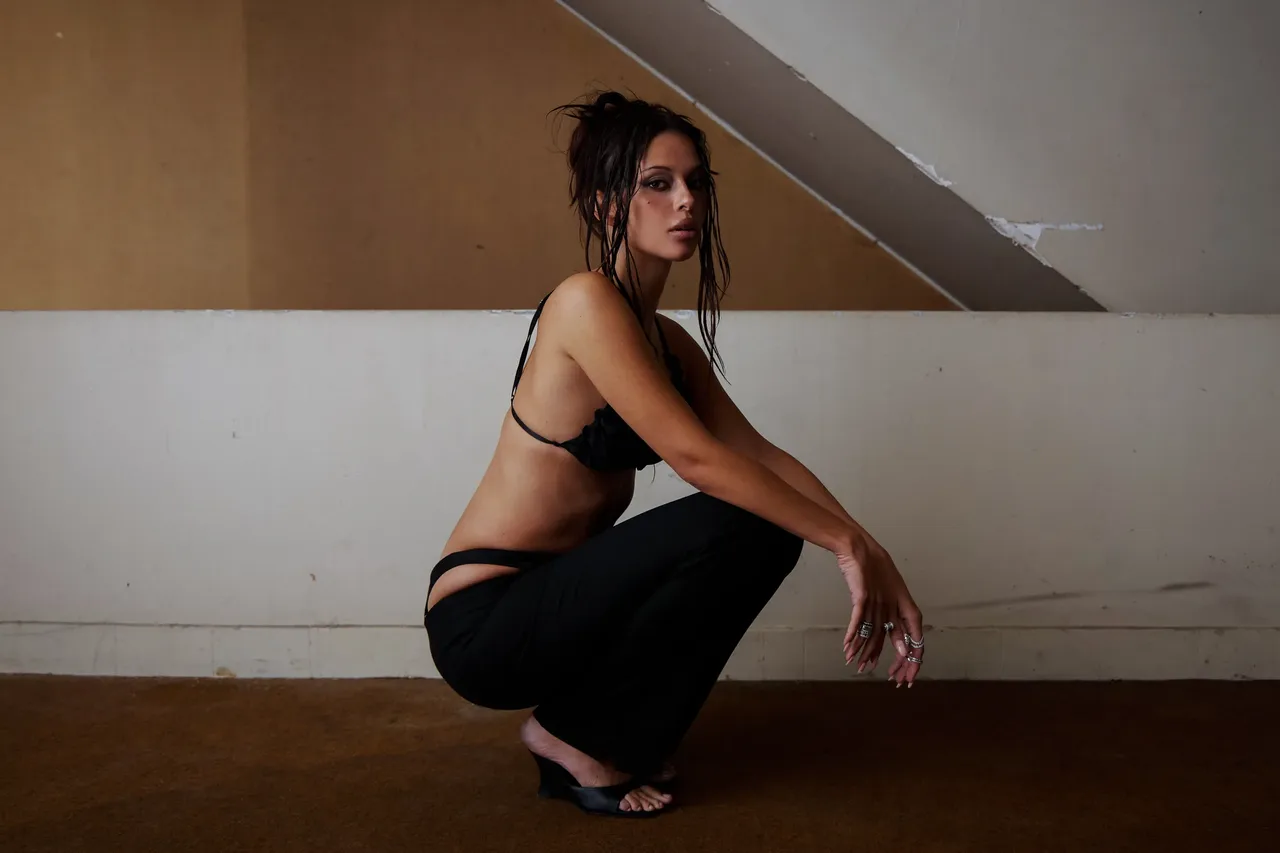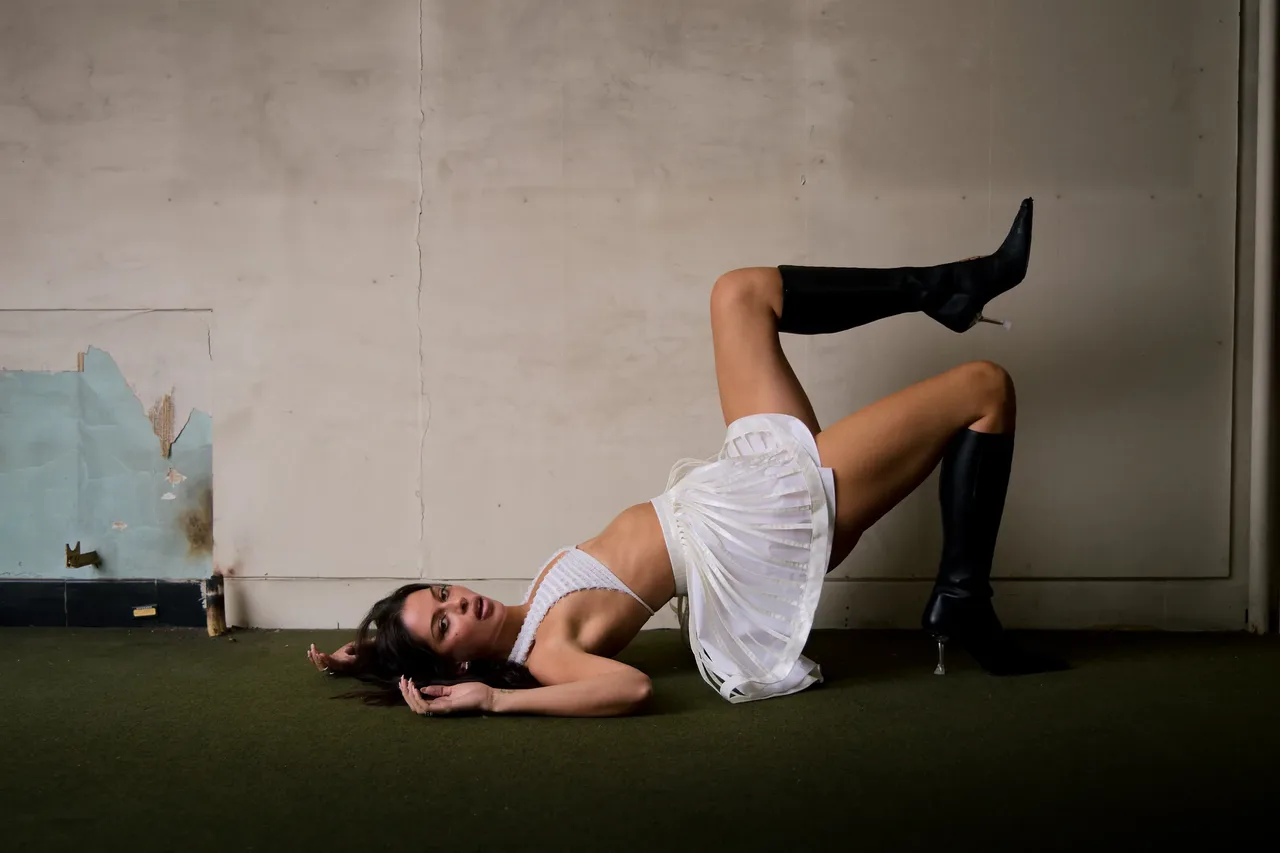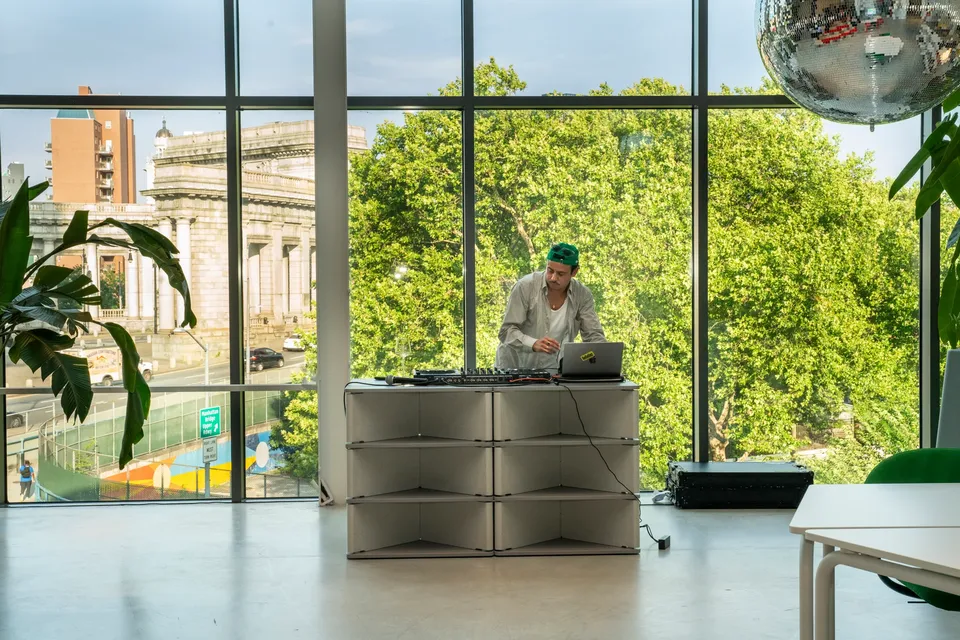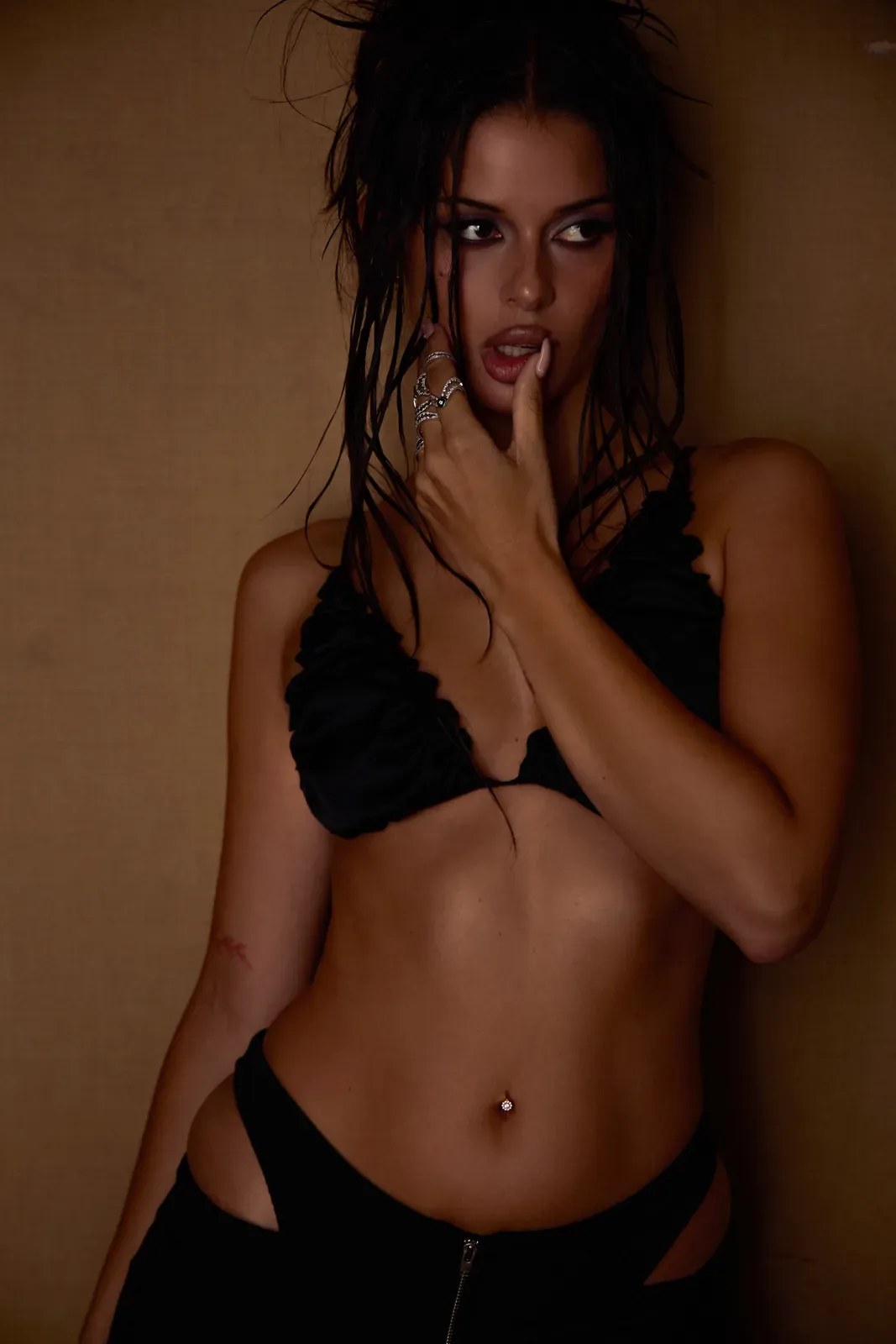
We catch up with Alycia Bezgo after a weekend that took her from Extrema Outdoor in Belgium to 44 Festival in Germany, before closing with a Face2Face set alongside DJ Guestlist at Pollerwiesen in Dortmund. She is also due back behind the decks at Paradise City, ahead of another run of dates across Europe including Blackworks Budapest, Terminal V Croatia, Tomorrowland and Aquasella Festival in Spain.
While a viral HÖR stream introduced Alycia to a wider audience, the foundations had been built long before through dance, hours behind the decks and a clear commitment to her craft. Even as her calendar keeps filling up, she is refusing to rush into the next expected step. “I don’t want to rush something just because there’s pressure to release music. I want to share something with the world when it genuinely feels ready,” she tells us. We spoke about trusting your own timing, life on tour, Belgium’s electronic legacy and why staying curious remains the most important part of the journey.
Alycia, how do you feel after such an intense weekend?
I feel exhausted, but also incredibly fulfilled. This weekend reminded me why I love doing what I do. Of course, the travel side of things isn’t always easy, but it’s all worth it in the end. I met so many inspiring people and genuinely had an amazing time.
You also mentioned online that it felt like a turning point for you personally after a mentally tougher period. Did this weekend reconnect you with something you felt you had maybe lost for a moment?
After a period of heavy touring, you go through a lot emotionally. There’s the adrenaline of performing, the comedown after a set, the stress of travel not always going to plan, sleepless nights, and at the same time, all these incredible moments with fellow artists and people you meet along the way. It puts a lot of pressure on both your body and mind. I think I simply had a moment when I forgot to slow down and fully appreciate everything happening around me, which is only human. This weekend reminded me why I fell in love with this life in the first place.
Your sets feel incredibly physical and energetic, almost like movement is part of the music itself. How much of that intensity comes from your background as a competitive hip hop dancer?
Dance was my first love, and naturally, that came hand in hand with a passion for music. When I’m DJing, I love to physically feel the music and let my body move however it wants to. I genuinely can’t stand still behind the decks. Music can be experienced in so many different ways, and I think my dance background has shaped how I connect with it.
You’ve said before that discovering clubs and DJs in Berlin changed the way you experienced music. What stayed with you from that time?
Berlin was where I discovered underground music for the first time, and I completely fell in love with it. I was fascinated by the way people expressed themselves and by how DJs could tell a story through music. That experience shaped the way I approach my own sets today. It showed me that DJing is about so much more than just playing tracks. It’s about creating a journey.
The viral HÖR stream last year obviously put your name in front of a much bigger audience overnight, but at the same time, it never felt like a random internet moment. Did it feel validating to see years of obsession with music suddenly connect with so many people?
When you look back at that HÖR set now, what do you think people were actually responding to?
I think it was a combination of my sound, the way I tell a story through my sets, and the energy I bring while performing. I always make sure I’m genuinely enjoying myself, and I think people can feel when someone truly loves what they’re doing.
One thing that feels refreshing about your story is that you’re still taking your time with production instead of rushing releases just because the industry expects it. Was it important for you to protect that process and do things your own way?
Absolutely. Production is a completely different craft, and I have a lot of respect for the learning process. I’m enjoying discovering my own way of doing things and developing those skills properly. Naturally, that takes time, and I don’t want to rush something just because there’s pressure to release music. I want to share something with the world when it genuinely feels ready.
Have you ever felt that some people in the industry didn’t fully take you seriously because of that? As if there is now an expectation that DJs constantly need to release music to prove themselves?
I’ve always focused on becoming the strongest DJ I could be first. In the beginning, I said yes to every opportunity I could, even when the travel was difficult. That experience helped me grow technically and showed people how committed I was to the craft. Of course, at some point, you want to take things further and create your own music, but for me, that comes from a genuine love for creating. Creativity isn’t something you can force, and I don’t think great music comes from pressure.
Do you think there’s currently too much pressure for DJs to become content machines?
There definitely is a lot of pressure, and of course, I feel that sometimes, too; I’m only human. But I try to see social media as a creative tool rather than an obligation. It’s another way to communicate your vision, build a strong artistic identity, and tell your story. When I approach it like that, I actually enjoy it.
“I always make sure I’m genuinely enjoying myself, and I think people can feel when someone truly loves what they’re doing.”
Your sets mix hard groove, techno, trance and flashes of ’90s nostalgia, but they never feel purely nostalgic or retro. What are you trying to make people feel when you build that kind of energy arc?
My sound is very genre-fluid, so my sets naturally move through different emotions. I love building tension and release, combining uplifting moments with darker, more intense ones. Ultimately, I want people to feel like they’re on an emotional rollercoaster where old and new influences come together. If people leave a set feeling like they’ve been taken somewhere unexpected, then I’ve done my job.
Belgium has such a strong electronic music identity, and you grew up surrounded by that culture from a very young age. Do you think being from Belgium shaped your ambition differently compared with growing up somewhere with less musical infrastructure?
Absolutely. Belgium has such a rich electronic music culture, and we’ve produced so many inspiring artists, especially women. Growing up, I was constantly surrounded by electronic music, incredible artists, and some of the country’s iconic clubs and festivals. Being exposed to that world from such a young age definitely inspired me and made my goals feel tangible.
How would you describe the Belgian electronic scene to somebody who has never experienced it?
It’s iconic, passionate, and deeply rooted in electronic music culture. Belgium has its own identity; there’s a strong appreciation for both the history of dance music and the constant evolution of the scene.
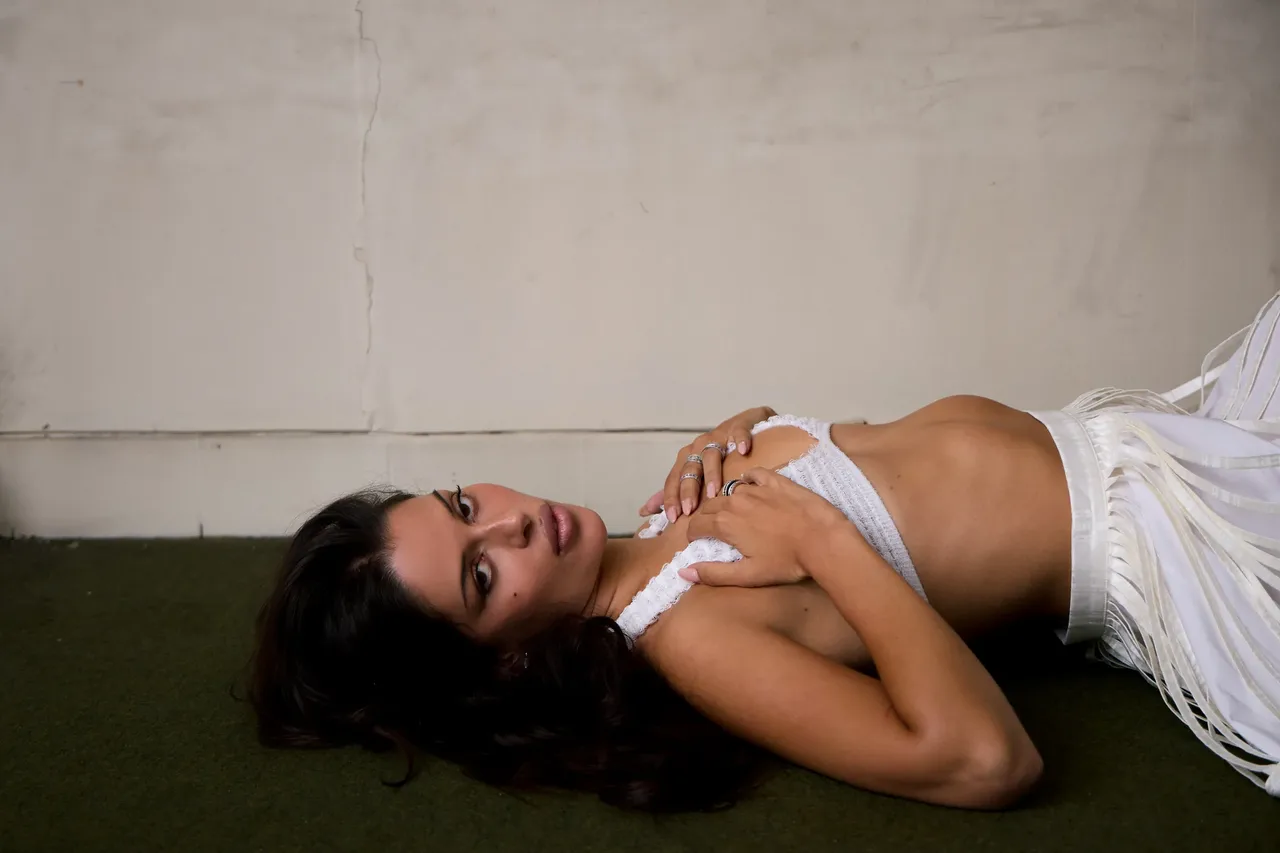
You’ve already played places like Awakenings, Boiler Room Paris, Drumsheds, Terminal V, Core Medellín and Tomorrowland, and your schedule right now feels nonstop. Is there still a moment before going on stage when you get nervous?
Definitely. I’m a perfectionist, so I still get a healthy amount of nerves before every show. I actually think that’s a good thing. It means you care. I’ve always said that the day I stop feeling nervous is probably the day I need to challenge myself more or step outside my comfort zone again.
Looking at the next months, from Utrecht to Croatia, Valencia and Tomorrowland again, which upcoming dates are you personally the most excited about right now? And when you arrive somewhere new, do you actually get time to experience the city, or are you mostly trying to protect your energy before a set?
I’m especially excited about Tomorrowland this year. I’ll be playing on the iconic Atmosphere Stage B2B with Biianco, which is honestly a bucket list moment for me. As for travelling, a lot of the time it’s very much in and out because of my schedule, but whenever possible, I try to arrive a little earlier and explore the city. Those moments are important. They help you stay inspired and enjoy the journey beyond the shows themselves.
What’s the biggest thing touring has taught you about people?
Touring has taught me that people are incredibly unpredictable. Sometimes, the crowd you expect the least from ends up giving you the most unforgettable night of the entire tour. It reminds you not to make assumptions and to give every city and every crowd the same energy.
When you try to imagine your life ten years from now, what do you hope has stayed exactly the same about you despite everything that may change around you?
I hope I never lose my curiosity. Whether it’s discovering new music, meeting new people, or playing somewhere I’ve never been before, that’s what’s kept me motivated since the beginning. No matter what changes around me, I hope that part stays exactly the same.