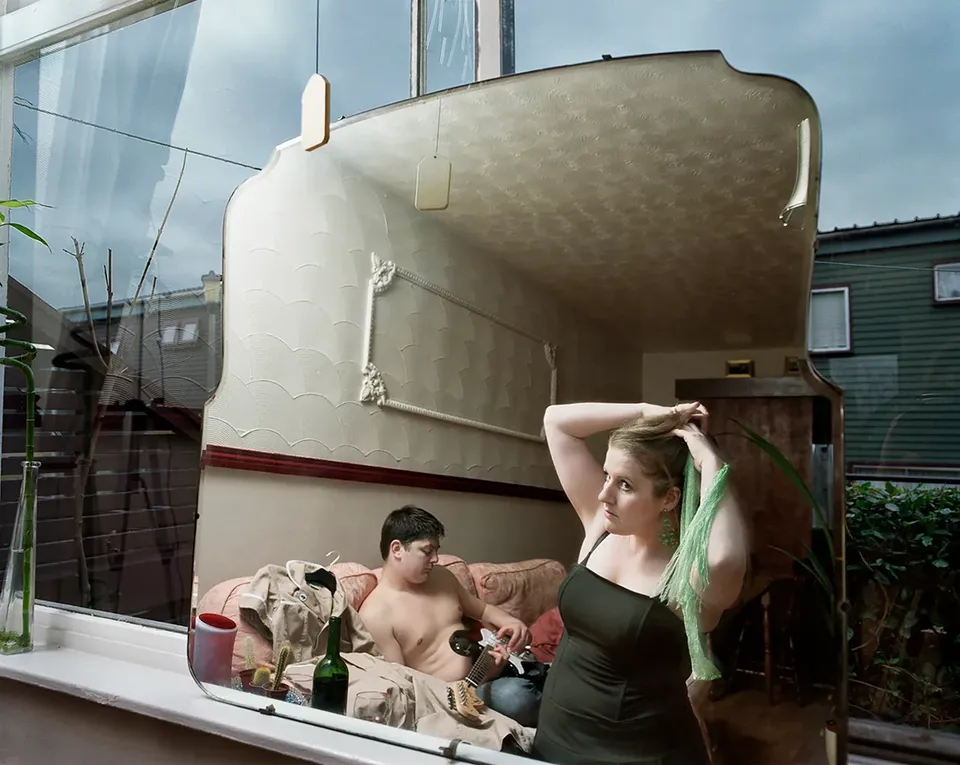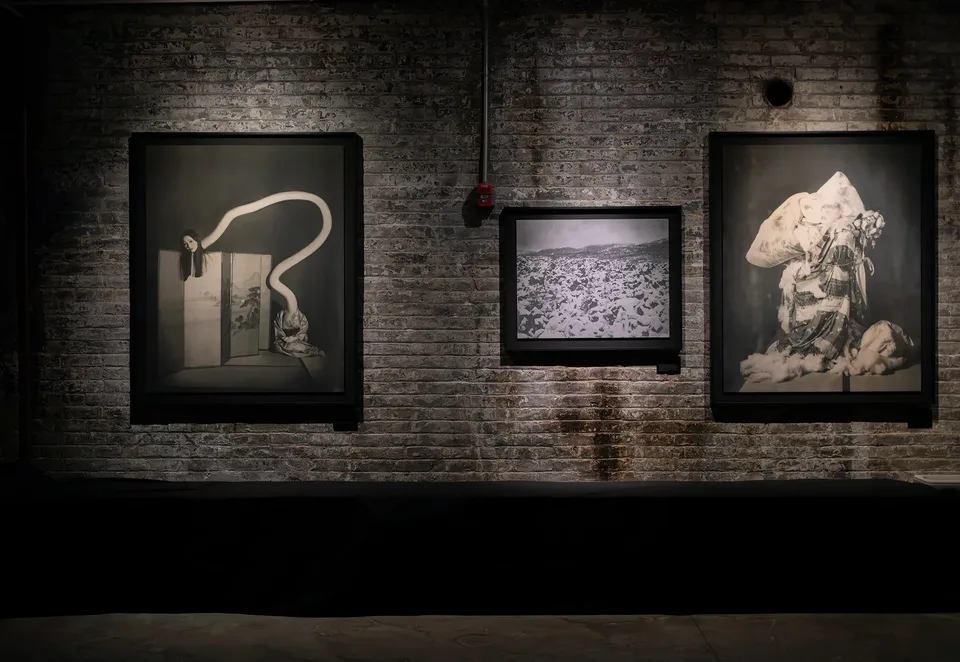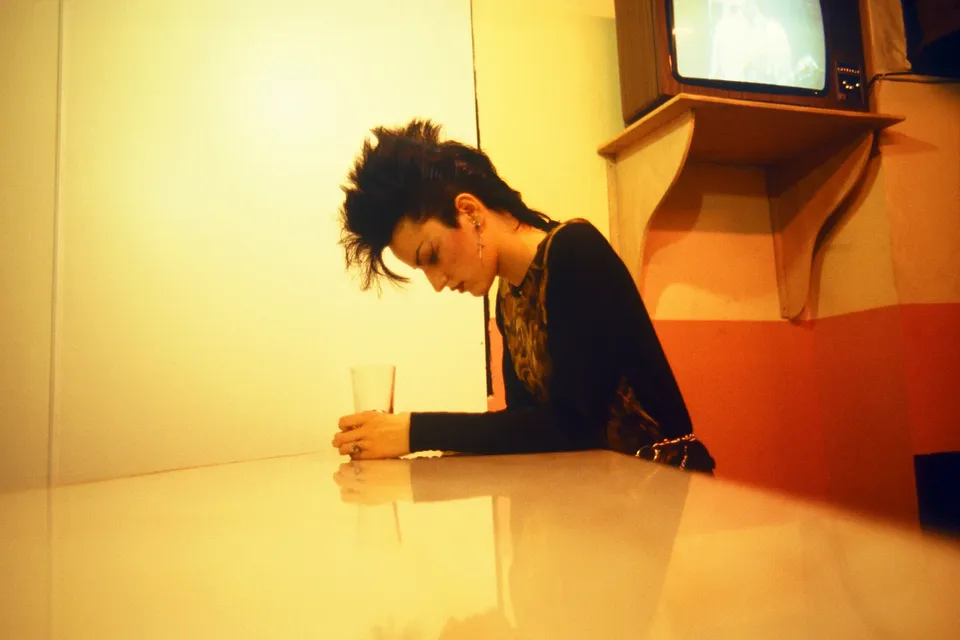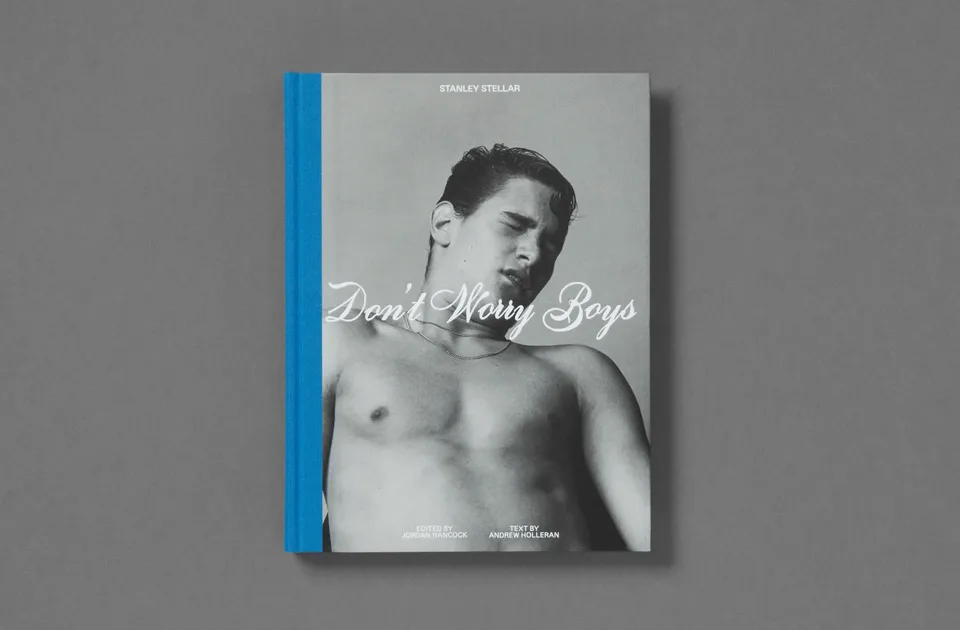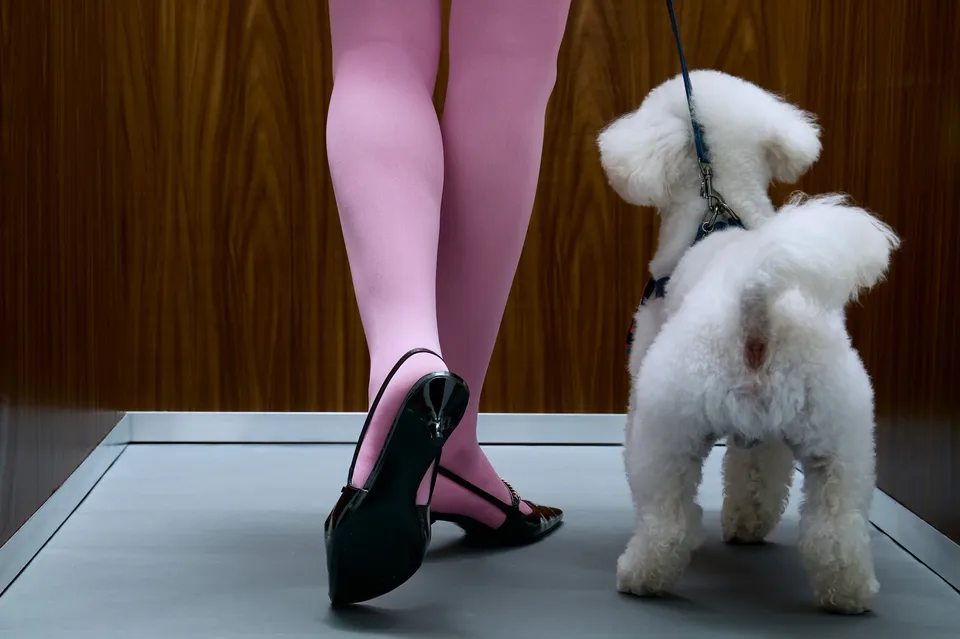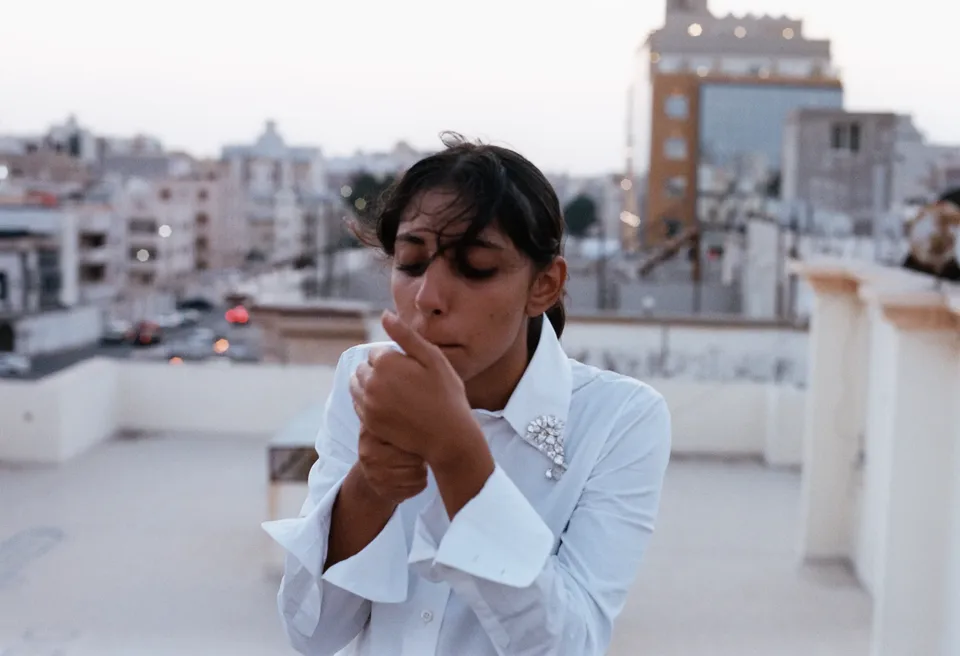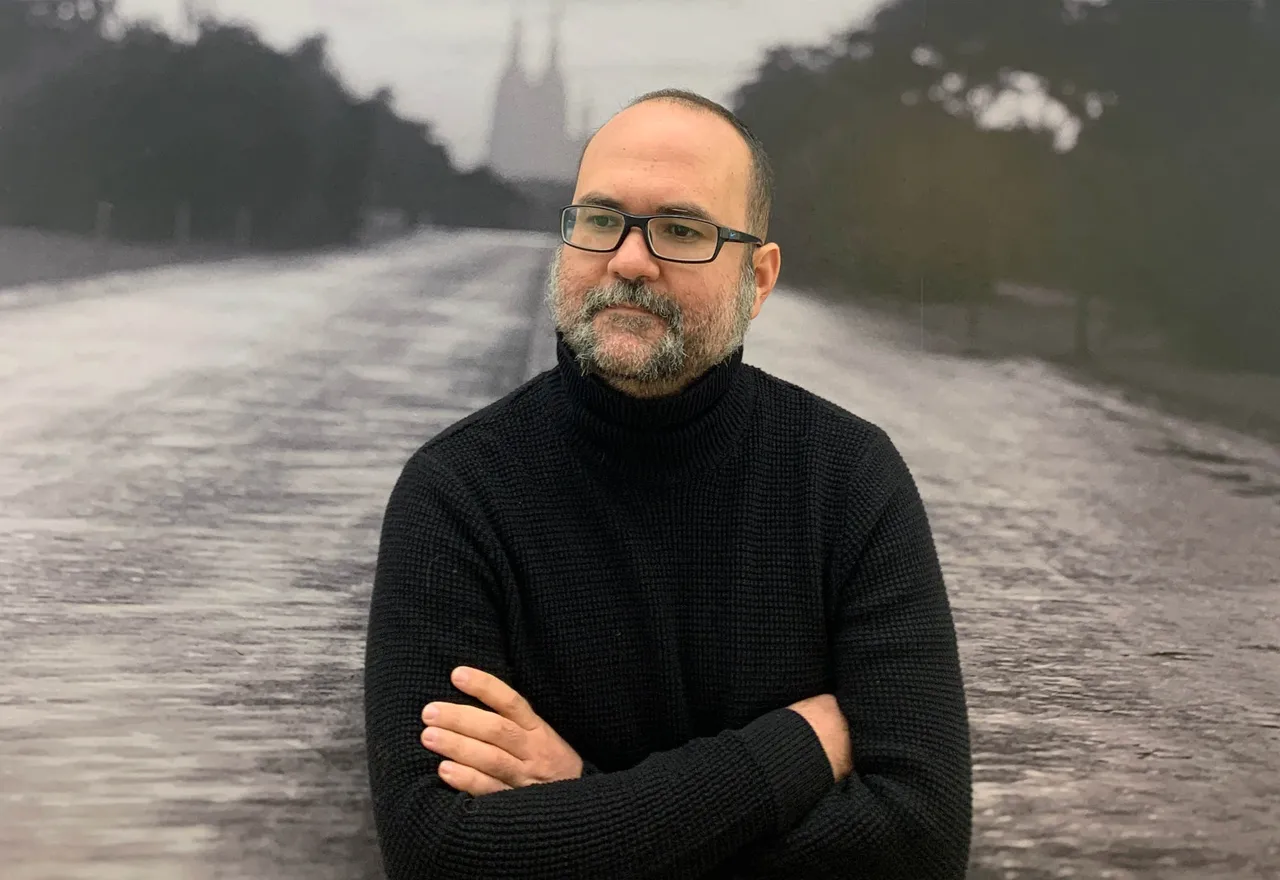
Observe, reflect, trust yourself, and, no matter what, do it with your whole heart. These are the guidelines Mexican photographer, Alejandro Cartagena, follows in his creative process. Reflected in his first major retrospective exhibition, Ground Rules, at the SFMoMA, are his own personal experiences with suburbia, displacement, isolation, and self-discovery that he relates to broader society. Curated by Shana Lopes and on display until 19 April, 2026, his exhibition and photobook (published by Aperture) by the same name evoke nostalgia for early 2000s fashion and technology while communing with the very real plights of Cartagena’s subjects.
His projects start from an intimate place that brings his attention to look outwards, beyond his own reality. In the latest book, we see his process begin with portraits of himself styled as different characters before taking photos of the residents of his suburban town of Juárez. There are images of himself revisiting childhood memories from his birthplace, the Dominican Republic. Or documenting his and fellow passengers’ bus journey to Monterrey from Juárez. Instead of attempting to remove himself from the work, Cartagena is imbued in each image, even if we don’t see him. This personal touch is what makes his images so riveting.
Possibly most known for his project Carpoolers (2011-2012), where he took aerial photos of suburb commuters in the back of pick-up trucks, Cartagena stretches our conceptions of suburban life in Mexico by finding universal conditions that we can relate to — like a lack of public transport or ecological degradation. But what makes so much of his work visually captivating is the raging Y2K aesthetic, the object-based composition, and the Mexican wry humour sprinkled throughout.
Speaking with Cartagena about how all systems are braided together, it was easy to get side-tracked on a million different topics, jumping from idea to idea. But somehow, we always made it back to the main point of his photography: exposing enmeshed issues. We chat with Cartagena about one-size-fits-all frameworks of development in Latin America, weirdly human technological advancements in art, constructing meaning through image, and the heart-wrenching decision to leave your home country.
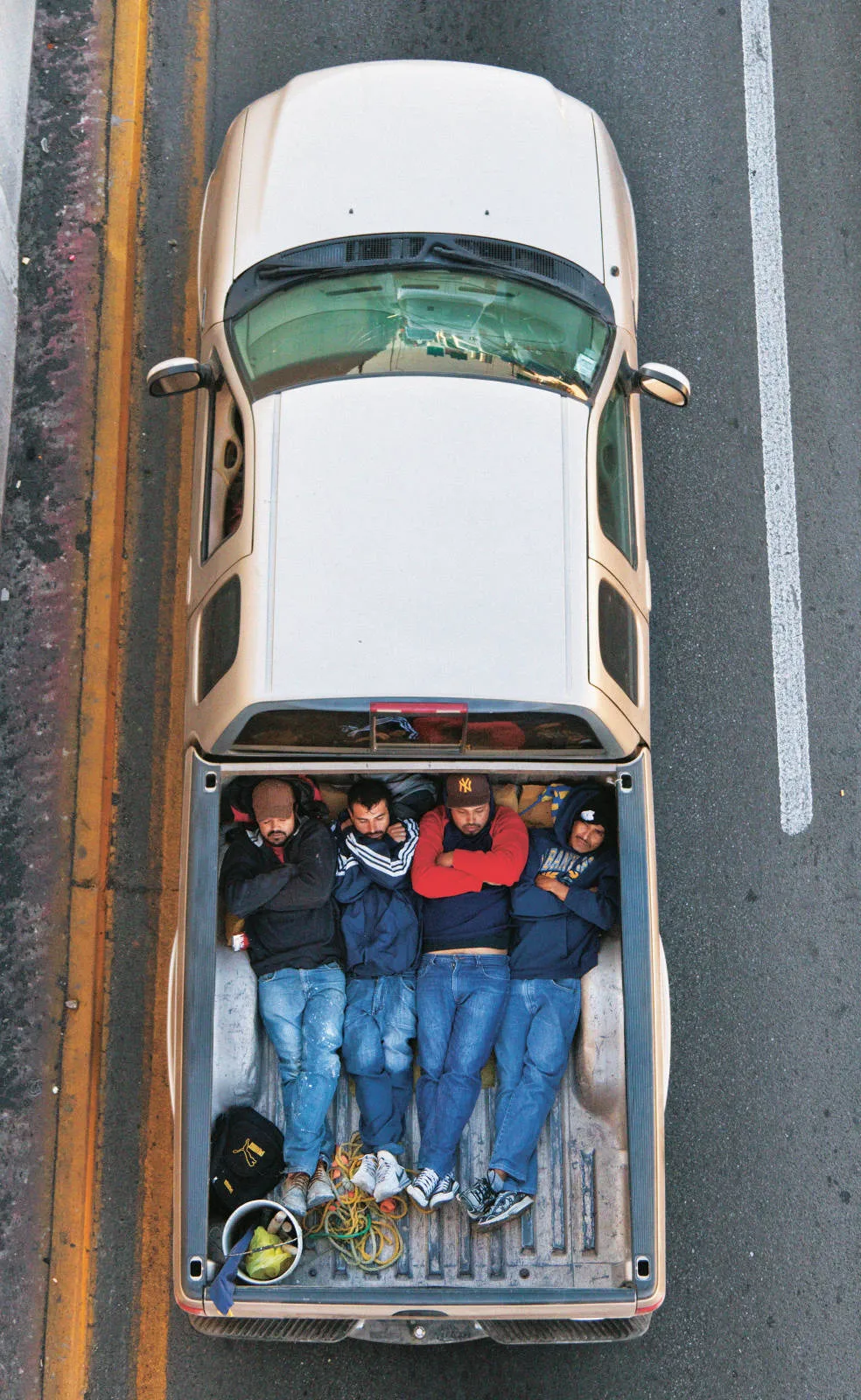
Alejandro Cartagena, from the series Carpoolers, 2011–12, from Alejandro Cartagena: Ground Rules (Aperture, 2025)
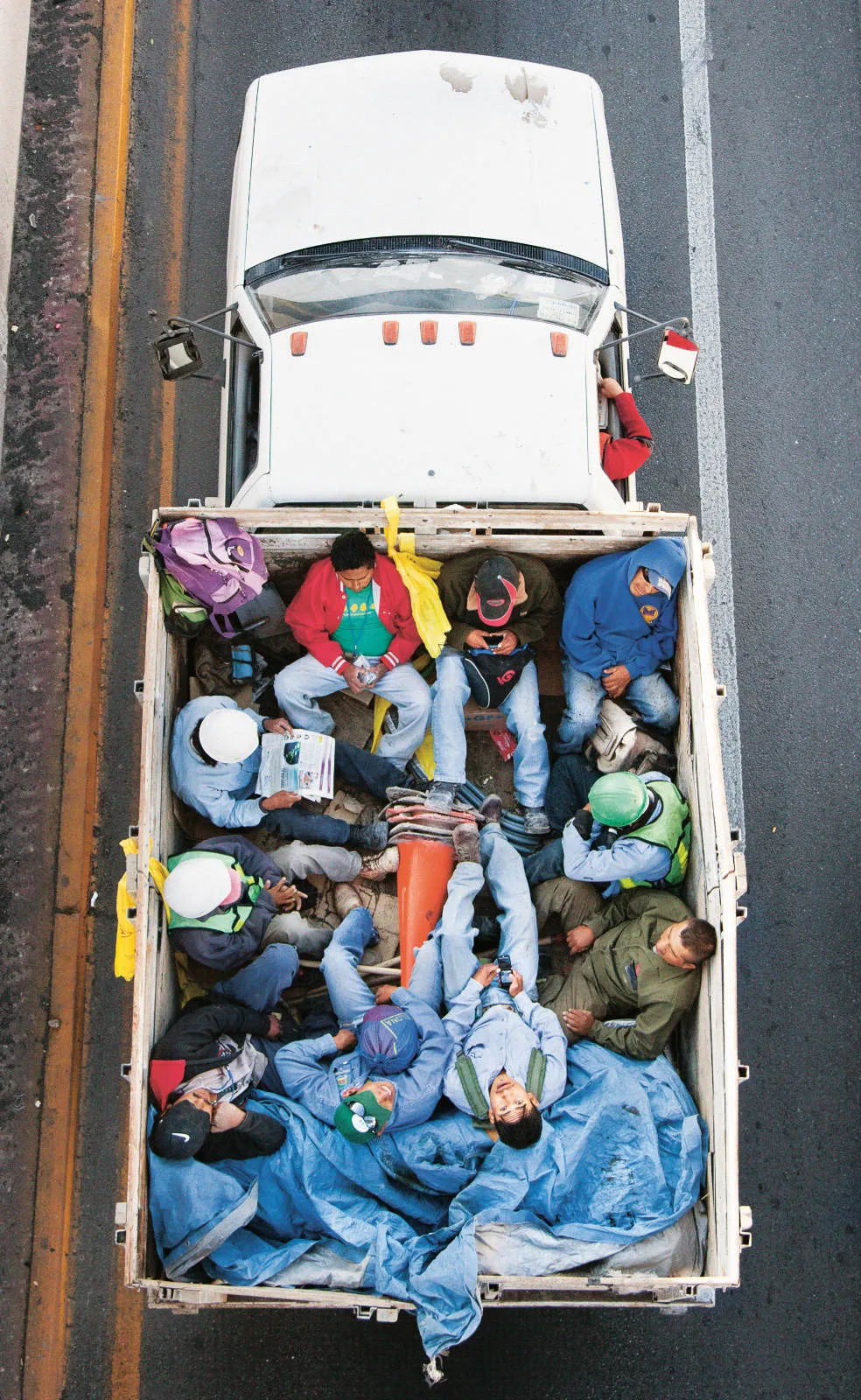
Alejandro Cartagena, from the series Carpoolers, 2011–12, from Alejandro Cartagena: Ground Rules (Aperture, 2025)
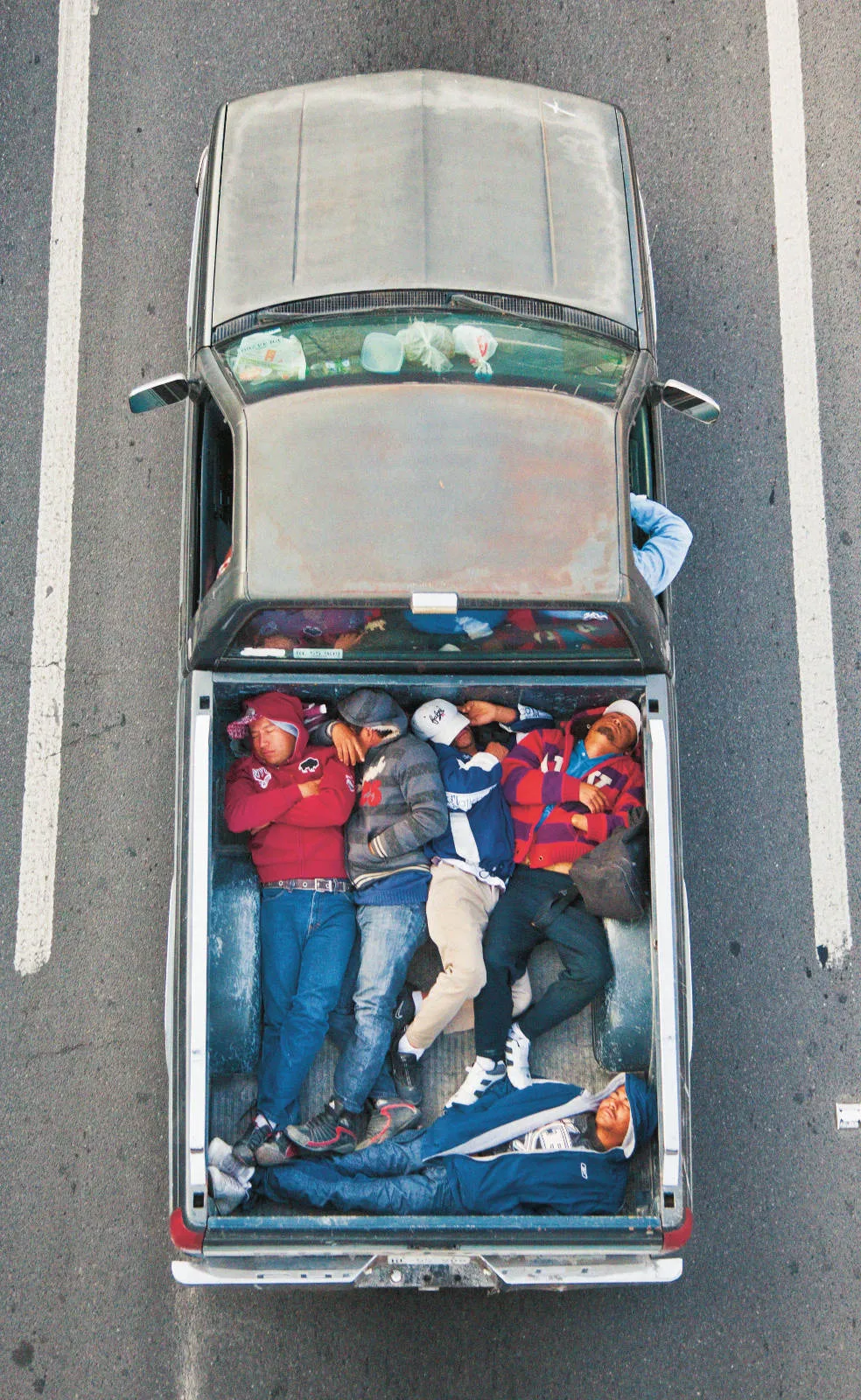
Alejandro Cartagena, from the series Carpoolers, 2011–12, from Alejandro Cartagena: Ground Rules (Aperture, 2025)
Hi Alejandro, how are you today? What have you been up to?
I’m doing well! I just came back from San Francisco yesterday, so I’m here in Mexico right now, in Monterrey. San Francisco was great! The trip was interesting because I’ve been living this parallel life between being an artist and also an art promoter, gallerist, curator. I had tours of my exhibition at SFMoMA and attended the opening of a digital art centre in Palo Alto. In San Francisco, I was very much the artist, but in Palo Alto I was more of a gallerist. It was two parallel roles happening at once.
What kind of stuff do you look out for with curating?
During the pandemic, I became deeply interested in work created with code: generative art, AI, computer art, network art, blockchain art. I had always known about these practices but hadn’t paid close attention to them. Being confined made it clear that the internet is a real place, and the pandemic was an accelerated test in that it was the only place one could socialise and connect with people. I had already worked with appropriated images and publicly available cameras, but the pandemic accelerated everything. Being online 24/7, translating the world through the web, made me interested in artists who think critically and aesthetically about that condition. Contemporary art should deal with this because we’re immersed in it, and we need tools to understand what that means for us as humans.
Yeah, I think the discourse around AI in the art world is very negative, and rightly so, but also, it’s not going away anytime soon so we need to figure out how to work with it or around it rather than against it.
Yes, that’s where I situate myself. Art has that liberty to critically engage with technologies and let us see things that maybe we try to block out. We are mediated by algorithms. We've been immersed in machine learning and computer vision for years. It's just that we didn't call it AI, but it's been making our lives – or rather corporations’ control over our lives – more efficient, and we didn't even know about it. But when it started to be available for the everyday person, then you ask: how long has this been around for and where else is it?
What kind of artwork or projects have you worked on that have used AI or that kind of technology?
A lot of my practise has involved accumulating images and stepping back to analyse patterns within them. That’s already an AI-like process. You collect data, analyse patterns, and generate new images based on the analysis of these patterns.
If you think of the way a landscape is composed, there's a pattern. If you find that pattern, you can generate new images based on that. The face is the same. So, a few of the projects that I've done for Ground Rules are using data sets that I had already generated (without even calling them data sets), and then creating homebrewed AI models here in my studio, where we teach those models to see only the images in my archive. In one project, I cut faces out of photographs I’d taken and asked the AI to generate new faces based on my archive.
It starts generating these new faces that don't exist, but are references from people who do. When you see the exhibition, there's a big panel of images without any faces and then you have this machine imagining faces. By having that diptych, you see how photography has flattened human identity for two hundred years – it was the first homogenising machine of the human face. This project proved the machine knows who we are as physical humans – we have a pattern, we have these two holes, we have this bump, we have this line, and it can generate semi-realistic looking faces.
If you think of the way a landscape is composed, there's a pattern. If you find that pattern, you can generate new images based on that. The face is the same. So, a few of the projects that I've done for Ground Rules are using data sets that I had already generated (without even calling them data sets), and then creating homebrewed AI models here in my studio, where we teach those models to see only the images in my archive. In one project, I cut faces out of photographs I’d taken and asked the AI to generate new faces based on my archive.
It starts generating these new faces that don't exist, but are references from people who do. When you see the exhibition, there's a big panel of images without any faces and then you have this machine imagining faces. By having that diptych, you see how photography has flattened human identity for two hundred years – it was the first homogenising machine of the human face. This project proved the machine knows who we are as physical humans – we have a pattern, we have these two holes, we have this bump, we have this line, and it can generate semi-realistic looking faces.
“The only thing that there's left to conquer is our time and our minds. And the phone is the perfect conqueror. And AI algorithms are the perfect tools.”
It draws the audience in to see themselves in the work because they can project their likeness into the images.
Absolutely. And what does it mean that a computer can generate something that you understand as a human? What does it mean that computers have learned to see us as this corpus, as this entity? Is that good? Is that bad? For art, for culture, for science, for economics, for politics, every one of those realms might be good, might be bad – we don’t quite know yet.
And because I come from photography, which was the most efficient machine for creating images for the last two hundred years, I have an affection for this new machine that's also creating images. I completely understand how it's terrifying for social implications. It's about control. It's about making us see things that the machine wants us to see. What corporations want us to see.
I'm already addicted to a cell phone, and I know that it's about algorithms that find patterns in the way that I see the images, the way I see videos. The only thing that there's left to conquer is our time and our minds. And the phone is the perfect conqueror. And AI algorithms are the perfect tools.
And because I come from photography, which was the most efficient machine for creating images for the last two hundred years, I have an affection for this new machine that's also creating images. I completely understand how it's terrifying for social implications. It's about control. It's about making us see things that the machine wants us to see. What corporations want us to see.
I'm already addicted to a cell phone, and I know that it's about algorithms that find patterns in the way that I see the images, the way I see videos. The only thing that there's left to conquer is our time and our minds. And the phone is the perfect conqueror. And AI algorithms are the perfect tools.
Kind of like the attention economy.
Exactly. There's an artist called Frank Manzano from Chicago that we work with. And we spoke about how we were, since the 1980s, being indoctrinated to this oscillation between the darkest part of being human to the most commercial part of being human. In the 1980s, if you think of TV, you went from Friday the 13th movies to advertisements of Coca-Cola and then, crazy news stories about people getting shot or at war. We have been looking at the world that way since the 1980s. It’s exponentially escalated with the cell phone and with social media.
Your photography makes you sit and think about all these systems that are interconnected. You've also said that one of your main concerns was representing home ownership and all the consequences that come with it. What made you want to show the rapid development of suburbs and urban sprawl contrasted with poor infrastructure?
All my projects start with a personal connection. When the big boom of suburbia happened here in Mexico in the beginning of the 2000s, I was working in a suburb, Juárez, with forty to fifty thousand people at the time. I started to feel the consequences. Traffic got worse. Pollution started to get worse. The water supply became scarce. I wasn't even an artist at that time. I was just living the consequences of this rapid transformation of my city. And that stuck in my mind by the time I started taking pictures. When I began photographing landscapes, I noticed these repetitive housing developments appearing in the background. And suddenly I remember; those are those houses that I saw cropping up earlier.
And Juarez went from fifty thousand people to four hundred thousand people in five years. You can imagine the consequences of that. Looking at the landscape, looking at those houses, I started to ask the questions, where did these come from? What's going on? This idea of documenting suburbia has been done before, so I tried to take it to the next level. What happens with that overgrowth and public transportation? What does that look like? Let's try to find the symptoms of those consequences. And that's where Carpoolers comes in. That's where Suburban Bus comes in. What happens to the ecology around these suburban developments? What happens to the water? Let's go take pictures of that. And that's Lost Rivers.
It became this huge thirteen-year-long project about the causes and effects. For me there was this poetry to documentary photography that connects ideas that maybe people weren't paying attention to. The books have presented this new way of thinking of Mexico. It's not just this poetic, beautiful, surrealist place that foreigners come and take pictures of. No, we're copy-pasting so many things from our northern neighbour and from other cultures, and we're making a chaotic place because of it.
And Juarez went from fifty thousand people to four hundred thousand people in five years. You can imagine the consequences of that. Looking at the landscape, looking at those houses, I started to ask the questions, where did these come from? What's going on? This idea of documenting suburbia has been done before, so I tried to take it to the next level. What happens with that overgrowth and public transportation? What does that look like? Let's try to find the symptoms of those consequences. And that's where Carpoolers comes in. That's where Suburban Bus comes in. What happens to the ecology around these suburban developments? What happens to the water? Let's go take pictures of that. And that's Lost Rivers.
It became this huge thirteen-year-long project about the causes and effects. For me there was this poetry to documentary photography that connects ideas that maybe people weren't paying attention to. The books have presented this new way of thinking of Mexico. It's not just this poetic, beautiful, surrealist place that foreigners come and take pictures of. No, we're copy-pasting so many things from our northern neighbour and from other cultures, and we're making a chaotic place because of it.
It's also really interesting and important that you start from a place of telling it from your own experience, with the Dominican Republic, by styling yourself as different kinds of characters. Why is the intimacy of your projects so important to you?
Being an artist is really hard, and you deal with depression all the time, uncertainty. If you don’t have that fire to do something, you wouldn't finish projects. It would be impossible. Because it matters to me, is why I'm willing to spend thirteen years thinking of something. There's nobody paying me to do these projects. I do it because it's something that is in my head. It's in my heart. Maybe that's too selfish, too self-absorbed, but that's what's worked for me.
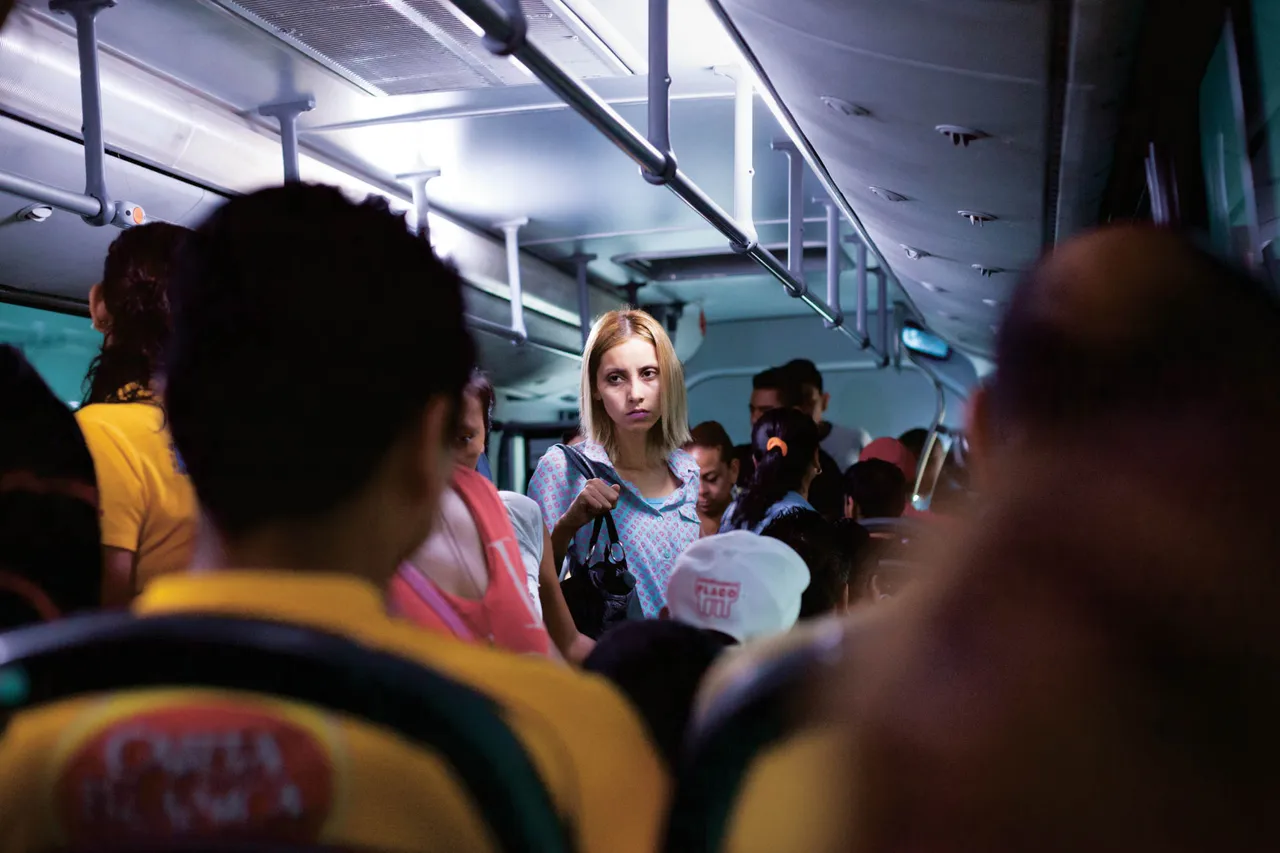
Alejandro Cartagena, from the series Suburban Bus, 2016, from Alejandro Cartagena: Ground Rules (Aperture, 2025)
With the title Ground Rules – a nod to the baseball term setting basic limitations on the field – what are some ground rules you follow in your creative process? Are there any ground rules for how one should take in your new photobook and exhibition?
Oh, that's a great question. It's a term that comes from baseball, but it relates a lot of the work that I've done to land use, conflicts about space. But I’ll tell you about two projects that answer this. One is Border Camera (2008) and I'm discovering that the internet is this place where you can see the world, and I found this American public video surveillance camera that looks at a national park in Mexico, livestreaming. I just found it fascinating how there's this obsession from the U.S. to look at Mexico. And, of course, they're thinking of security reasons, but I'm looking at it from the art perspective of, wow, they're observing us constantly. So I did this project where I would go in every day, I’d do a screenshot, and that's it – for days on end. That’s the first rule, I suppose, observation.
Another one comes from the Carpoolers project. It was about going to the same place at the same time for a year, and I would only take one or two pictures of each truck, and I got it right or wrong and that’s it. I could easily be taking thousands of images, but I said no. Either I take it or not. That's it – the gut feeling, the impulse, the trust in yourself.
Then a ground rule for people to come into the book and the exhibition, is something that Shana [Lopes] says when she introduces the exhibition. There's a thesis about how she sees my work where there's no unique, decisive moment. Meaning emerges through accumulation. The images reveal a social phenomenon by grouping.
Another one comes from the Carpoolers project. It was about going to the same place at the same time for a year, and I would only take one or two pictures of each truck, and I got it right or wrong and that’s it. I could easily be taking thousands of images, but I said no. Either I take it or not. That's it – the gut feeling, the impulse, the trust in yourself.
Then a ground rule for people to come into the book and the exhibition, is something that Shana [Lopes] says when she introduces the exhibition. There's a thesis about how she sees my work where there's no unique, decisive moment. Meaning emerges through accumulation. The images reveal a social phenomenon by grouping.
Your exploration of Americanos was very moving to me because it talks back to the narrative that Latin America is a place to escape, to flee, not a place to live. What can this message communicate now with the intensification of ICE raids and violence against Latinos in the U.S.?
It's kind of crazy to have created those images and those ideas prior to the moment that we're living in. I wanted to challenge narratives that have been pushed about what it means to be American, what it means to be Latin American, what it means to be from the South. I see these dynamics, and it's not as simple as people think. Americanos was a situation that I hadn't even picked up on. Immigration is not only the idea of whether there's economic opportunity whatever you want to think the U.S. has. It's so much more. Family is involved, emotion, food, security there's so many reasons why one decides to stay or leave. Americanos is a cry to make us see that there are different ways to think of ourselves as cultures that are next to each other.
I think it's really significant because when common messaging constantly frames a country and its people in a negative light like that, you negate the fact that people don't want to leave their homes. This isn't something that you do on a whim. It's intricately thought out.
People understand how much pain is involved in leaving your country. These are people that are thinking that somehow their lives and their family's lives are going to get better. But the amount of pain involved for that to happen is, I mean, not a lot of people are willing to do that. Thinking, I have two children that I'm going to leave and I'm not going to see them like for ten years. That’s heartbreaking. Yet there are conditions in Latin America where you come to believe that maybe there's a better opportunity for me to serve my parenthood for my children. That means leaving them and then supplying a better economic opportunity.
It's a problem that has been part of American culture for a long time. Part of the issue of being this country that somehow is a beacon of light and opportunity is for that message to reach us in the South, it has to be projected even stronger within the country. We think maybe it’s a place for prosperity, but it's just as complicated as Latin America.
It's a problem that has been part of American culture for a long time. Part of the issue of being this country that somehow is a beacon of light and opportunity is for that message to reach us in the South, it has to be projected even stronger within the country. We think maybe it’s a place for prosperity, but it's just as complicated as Latin America.
“Living in Latin America is like being a football player where the goalpost is always moving.”
In an excerpt from Álvaro Enrigue’s text in your book, he talks about Mexican humour in the face of systemic injustice and infrastructural underdevelopment. How do you represent this dichotomy in your book and work overall?
It's just part of the way that Mexicans are built. Latin Americans in general, we make fun of ourselves and there's this candidness to the culture. When everything is falling apart and everything is unstable and corruption is so entrenched in who we are as Latinos, you ask yourself: what do we do? You just make fun of things. It's wry humour. It's there for whoever wants to see the humour in it.
For example, in Love and Politics, I found this politician who always had a photographer with him, and he would photograph him inaugurating plaques of a waterway, a new highway, anything. And those pictures were taken in a six-year period. But I go to an art gallery, and I see the same image over and over again. And then I put it all together in a book and every single picture is just a joke. Evidently it was propaganda, but in the book, it becomes very silly.
For example, in Love and Politics, I found this politician who always had a photographer with him, and he would photograph him inaugurating plaques of a waterway, a new highway, anything. And those pictures were taken in a six-year period. But I go to an art gallery, and I see the same image over and over again. And then I put it all together in a book and every single picture is just a joke. Evidently it was propaganda, but in the book, it becomes very silly.
You’ve exhibited in the U.S. and Mexico and abroad numerous times. Now, your first major retrospective is being held in the San Francisco Museum of Modern Art. Why is this the right space for your retrospective? How do you find Latinos in the U.S. versus on the continent respond to your work?
I've had a long relationship with the SFMoMA. They started collecting my work in 2008 or 2009. So when they approached me about the possibility of doing a retrospective, I felt a kinship with them. There's also this legacy of photography in the San Francisco area that I feel very honoured to be part of.
In the U.S., when Latinos see my work, there's definitely a big aspect of nostalgia because of the stories that they've been told about their family members or stories they've told of the place that they've left. They’ve also been clinging onto the work and the message and the feeling of being represented. There's a big Latino community in San Francisco and in the whole California area. So there was always going to be a relationship between the images and the people watching.
In Mexico, I’ve had two main reactions. One is almost like it’s invisible. They already know about these things. We live it every day. And then people who are very grateful that there is documentation of these moments that have changed Mexican society, Mexican landscape, Mexican understanding of place.
In the U.S., when Latinos see my work, there's definitely a big aspect of nostalgia because of the stories that they've been told about their family members or stories they've told of the place that they've left. They’ve also been clinging onto the work and the message and the feeling of being represented. There's a big Latino community in San Francisco and in the whole California area. So there was always going to be a relationship between the images and the people watching.
In Mexico, I’ve had two main reactions. One is almost like it’s invisible. They already know about these things. We live it every day. And then people who are very grateful that there is documentation of these moments that have changed Mexican society, Mexican landscape, Mexican understanding of place.
My penultimate question for you is about how you speak on the unfinished essence of Latin America, how everything is constantly in motion and never quite done before moving onto the next. How would you explain this to someone who has never visited?
Living in Latin America is like being a football player where the goalpost is always moving. The rules about how to reach prosperity are constantly changing for us. Every few years, out of the blue, the narrative changes with new politicians (or friends of politicians) who come into play.
That’s something that has created the culture we live in, and it makes us more resilient to change. But it can also be very Machiavellian where that uncertainty makes you put your hands up and say eh whatever, bring the next. It's like a play; there's different characters who come and go. But the irony now of looking North and seeing how things have been in the U.S. is crazy because there's so much uncertainty in the place that we used to look to for an example of certainty.
That’s something that has created the culture we live in, and it makes us more resilient to change. But it can also be very Machiavellian where that uncertainty makes you put your hands up and say eh whatever, bring the next. It's like a play; there's different characters who come and go. But the irony now of looking North and seeing how things have been in the U.S. is crazy because there's so much uncertainty in the place that we used to look to for an example of certainty.
Before we end, is there anything else you want our readers to know about?
The book and the exhibition have been a great opportunity to think of my practice in a broad way. It’s something that doesn’t happen every day, where you get to interact with writers and curators who are coming from another perspective. It's a great opportunity to now think about how much deeper I can go into these themes. So it's been enlightening for me, as an artist, to be able to do the book and the exhibition. I wish it upon all my fellow artists, that they have that moment of reflection.
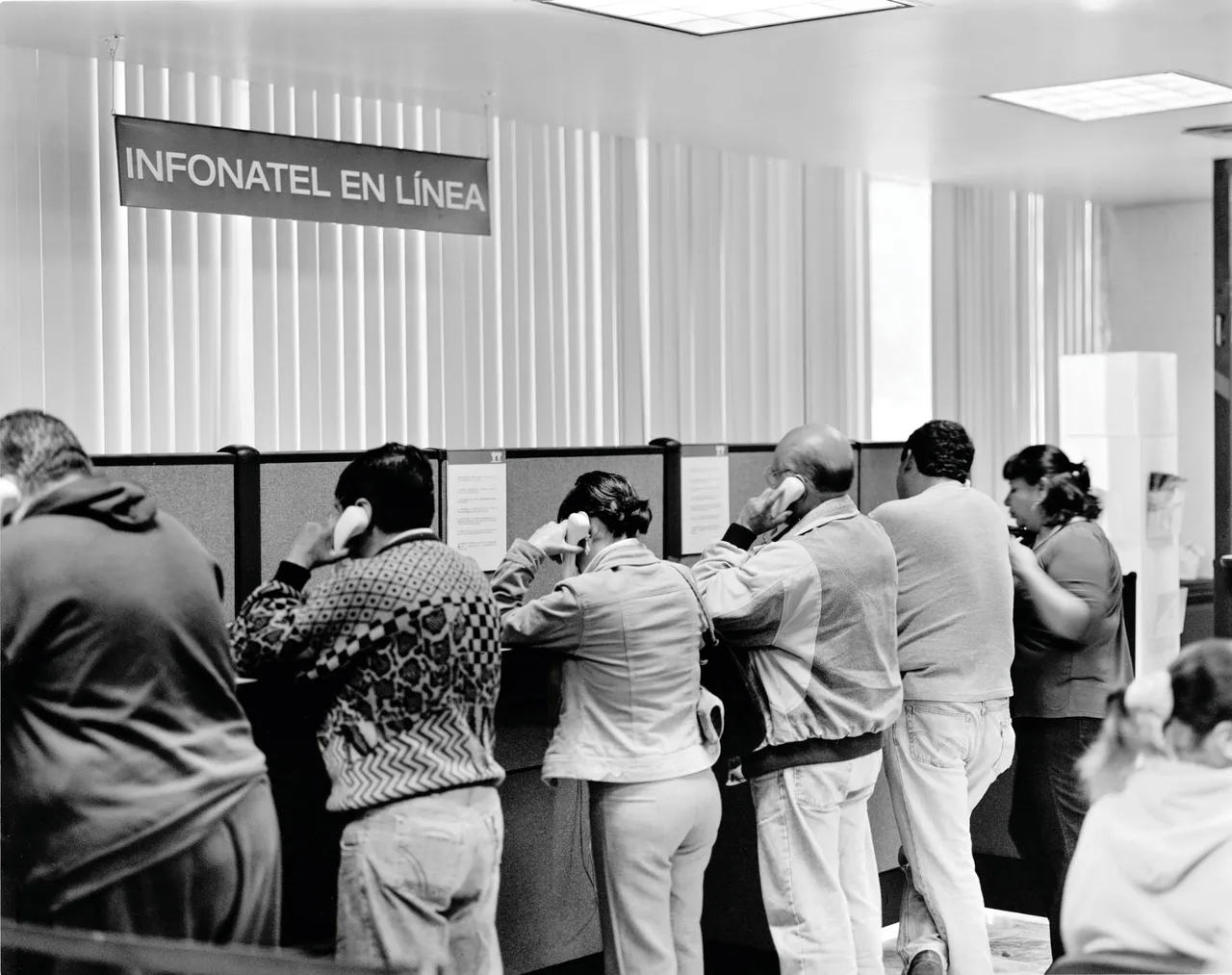
Alejandro Cartagena, from the series Landscape as Bureaucracy, 2010–13, from Alejandro Cartagena: Ground Rules (Aperture, 2025)
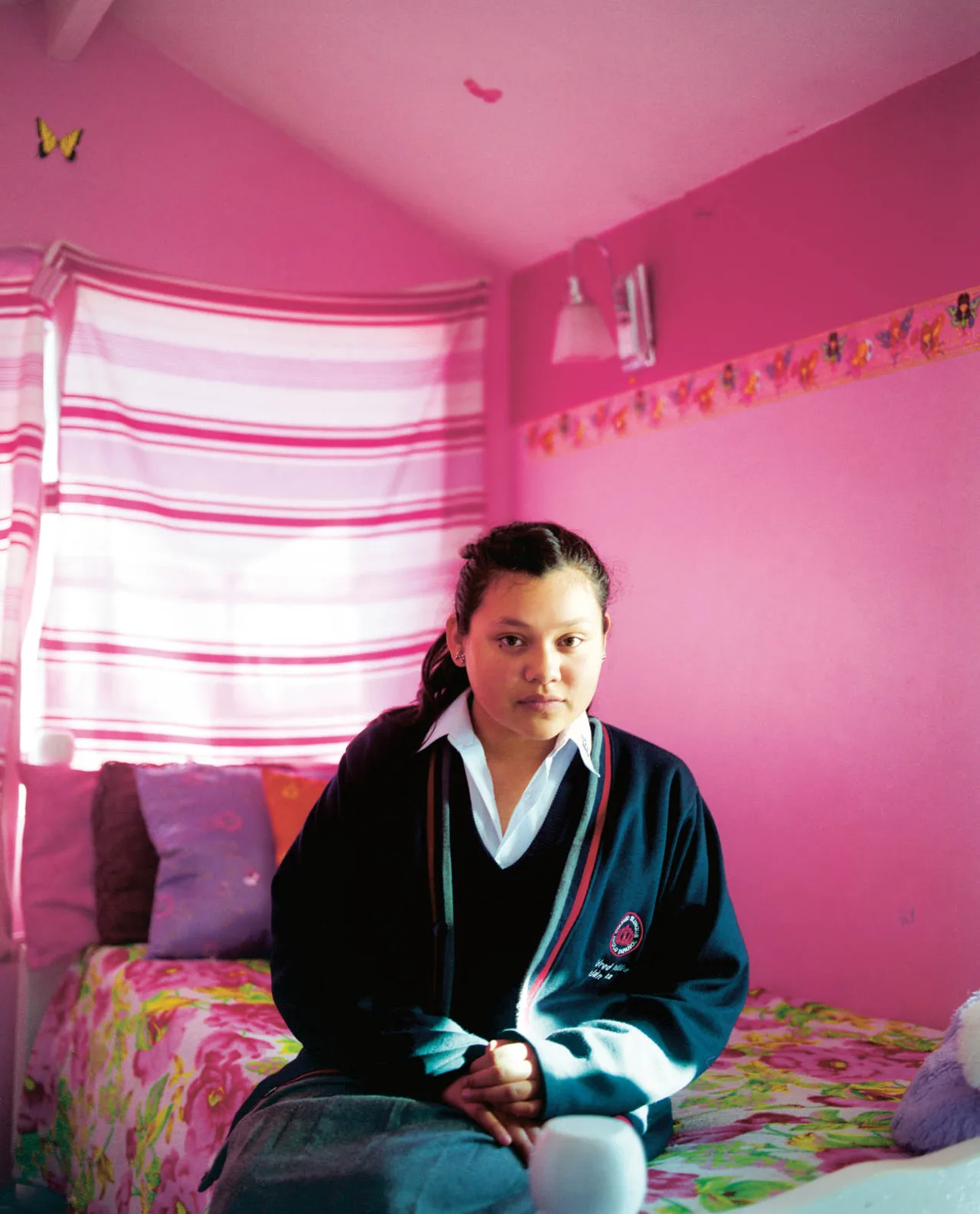
Alejandro Cartagena, from the series Los Americanos, 2013–14, from Alejandro Cartagena: Ground Rules (Aperture, 2025)
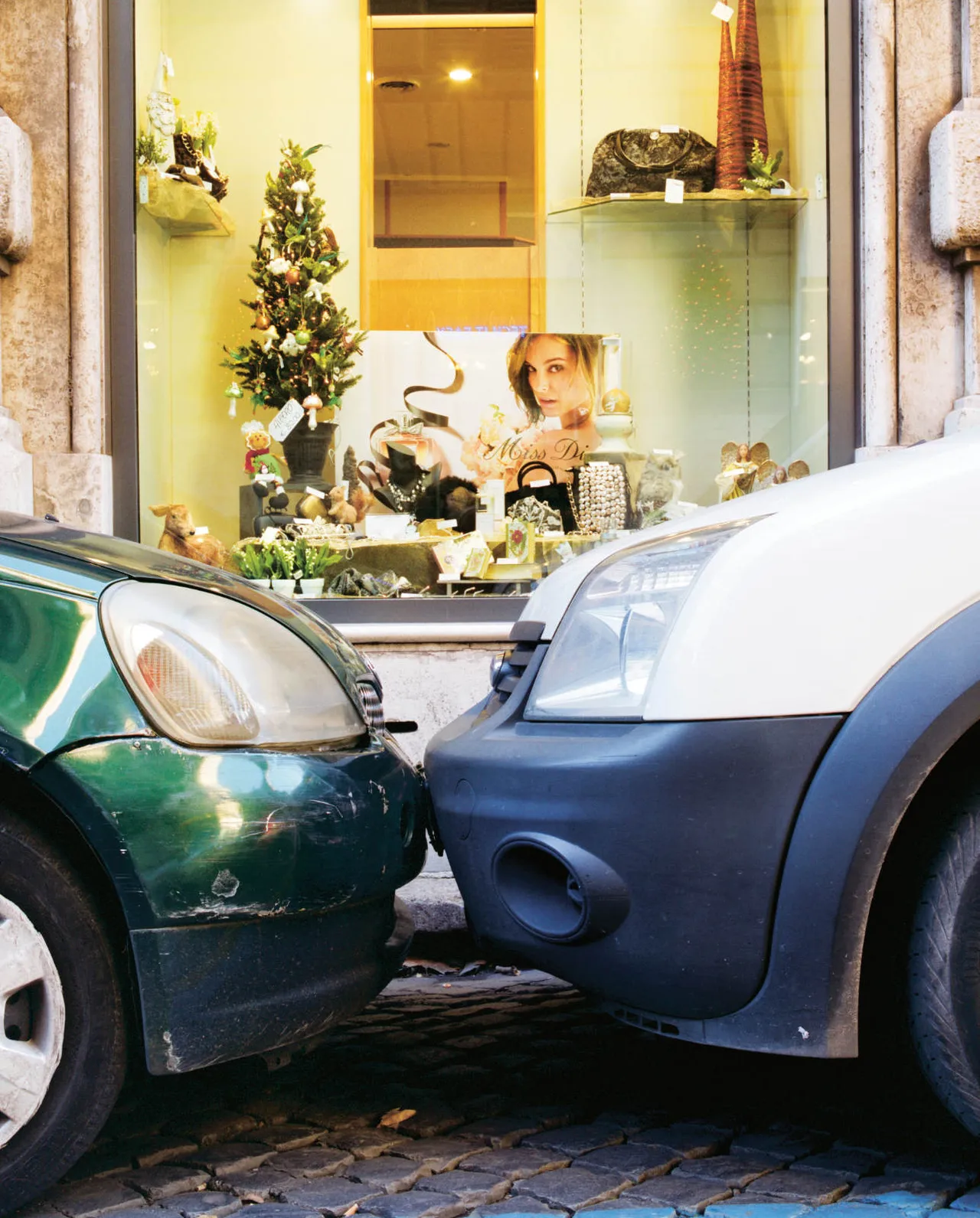
Alejandro Cartagena, from the series Roma Parking, 2012–13, from Alejandro Cartagena: Ground Rules (Aperture, 2025)
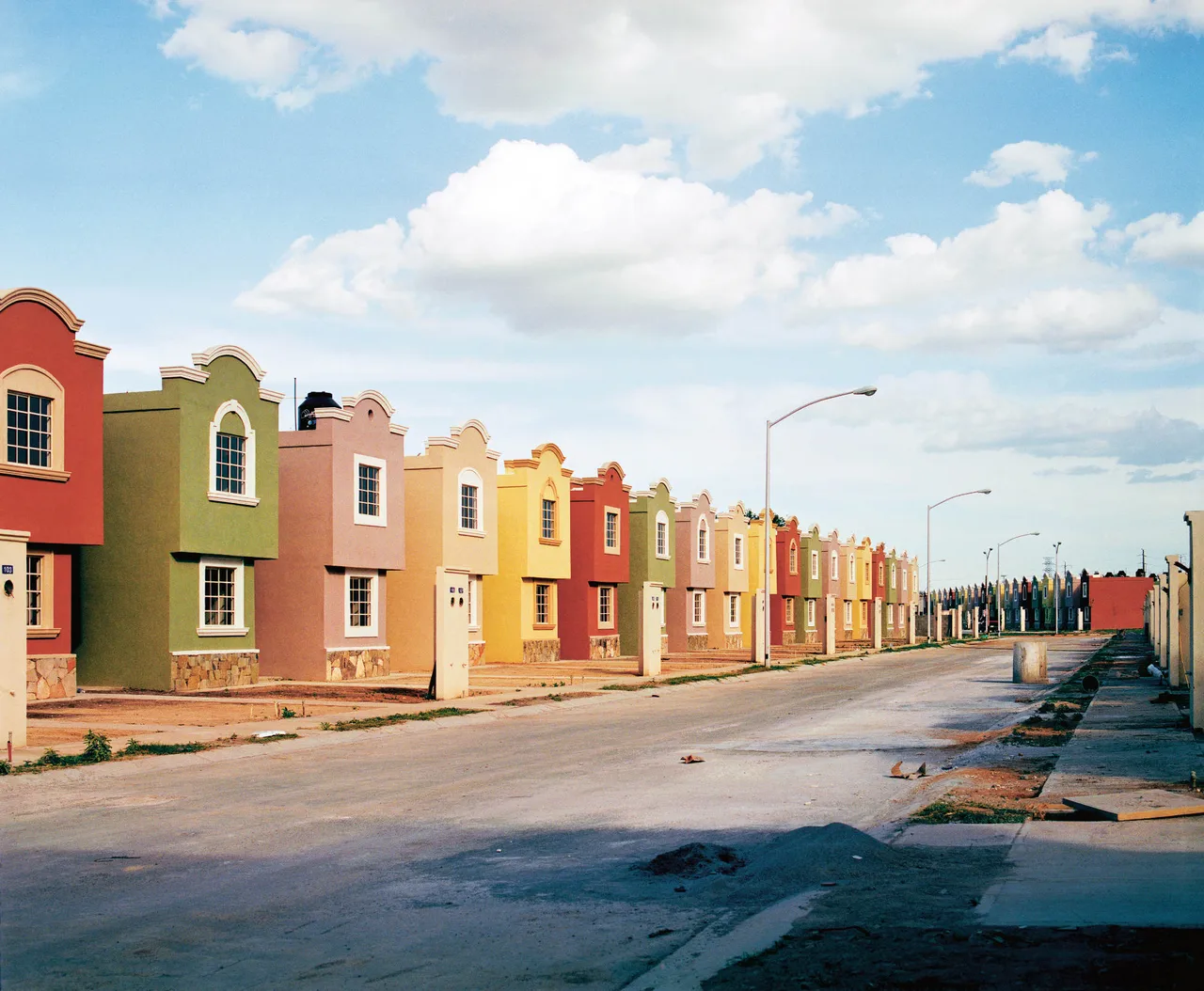
Alejandro Cartagena, from the series Suburbia Mexicana: Fragmented Cities, 2005–10, from Alejandro Cartagena: Ground Rules (Aperture, 2025)
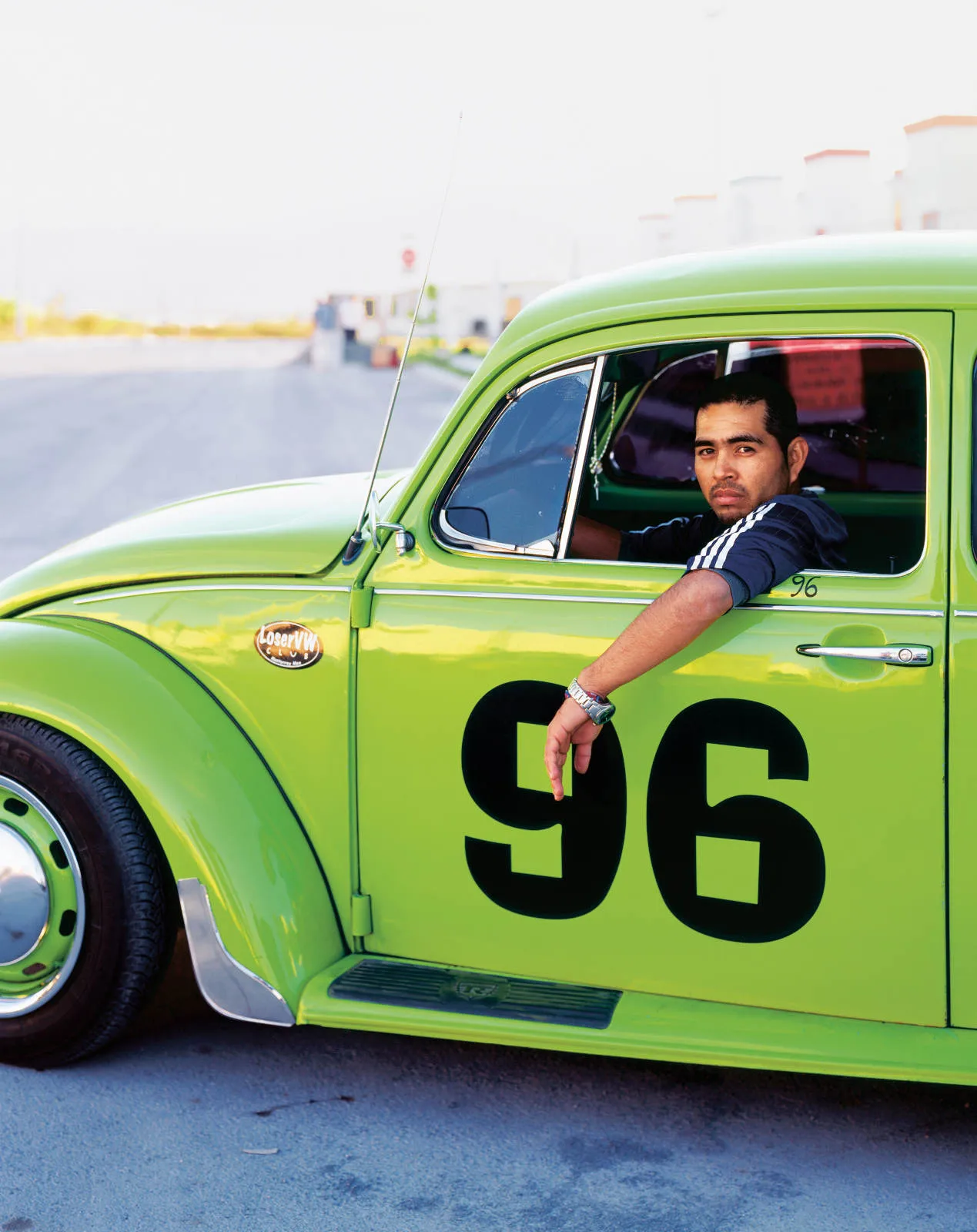
Alejandro Cartagena, from the series Suburbia Mexicana: People of Suburbia, 2009–10, from Alejandro Cartagena: Ground Rules (Aperture, 2025)
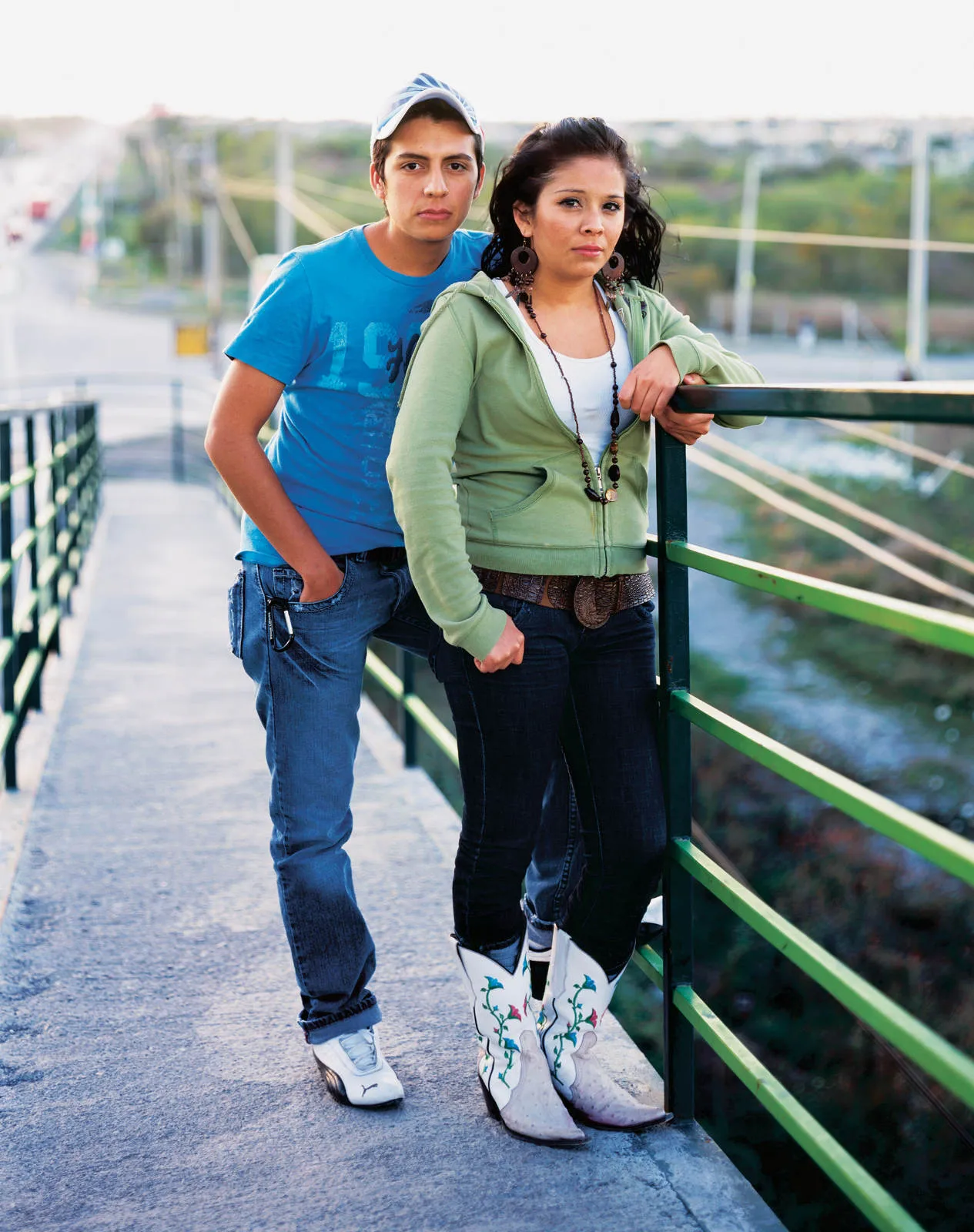
Alejandro Cartagena, from the series Suburbia Mexicana: People of Suburbia, 2009–10, from Alejandro Cartagena: Ground Rules (Aperture, 2025)
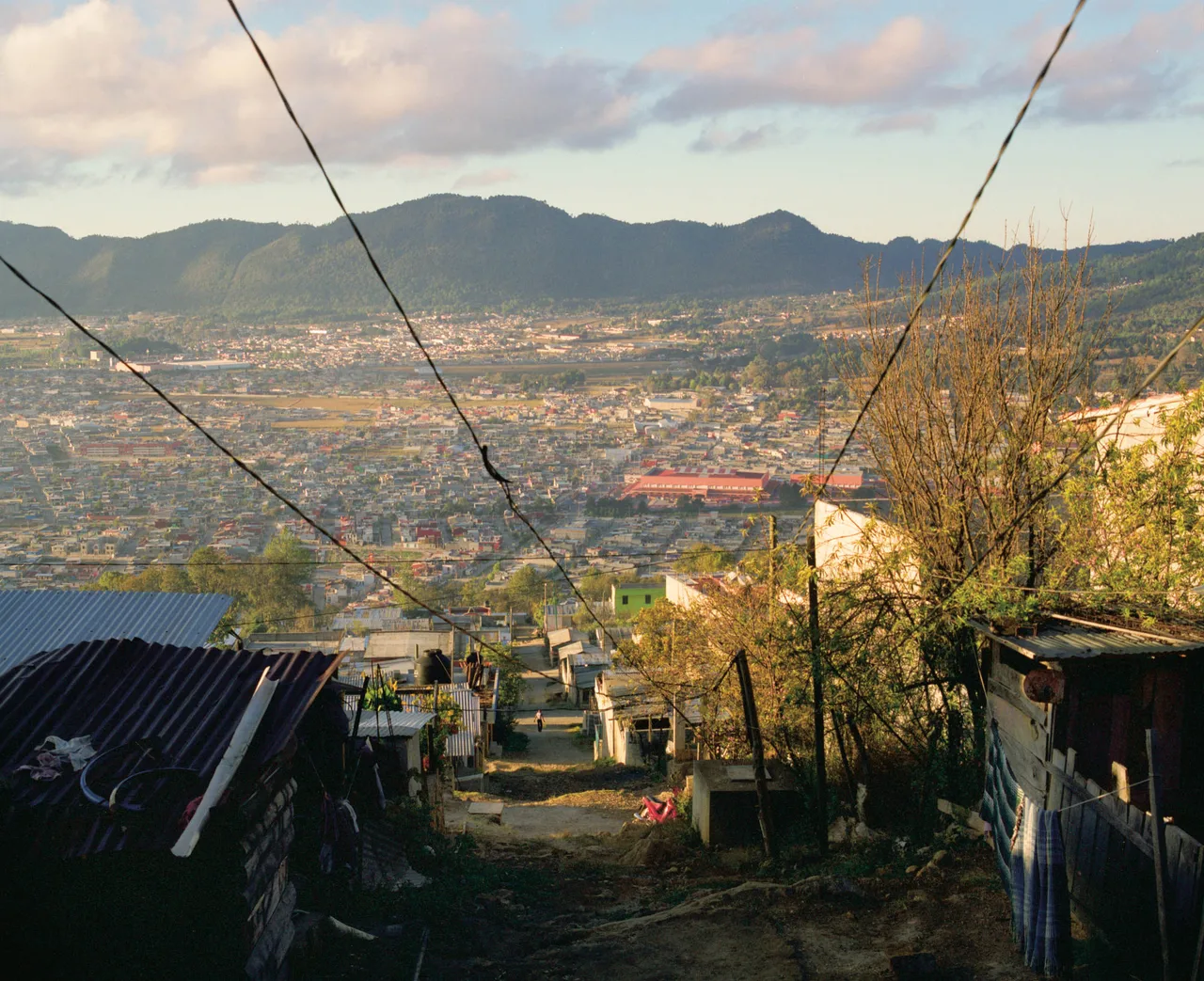
Alejandro Cartagena, from the series What We Fight For: Chiapas, 2010–20, from Alejandro Cartagena: Ground Rules (Aperture, 2025)
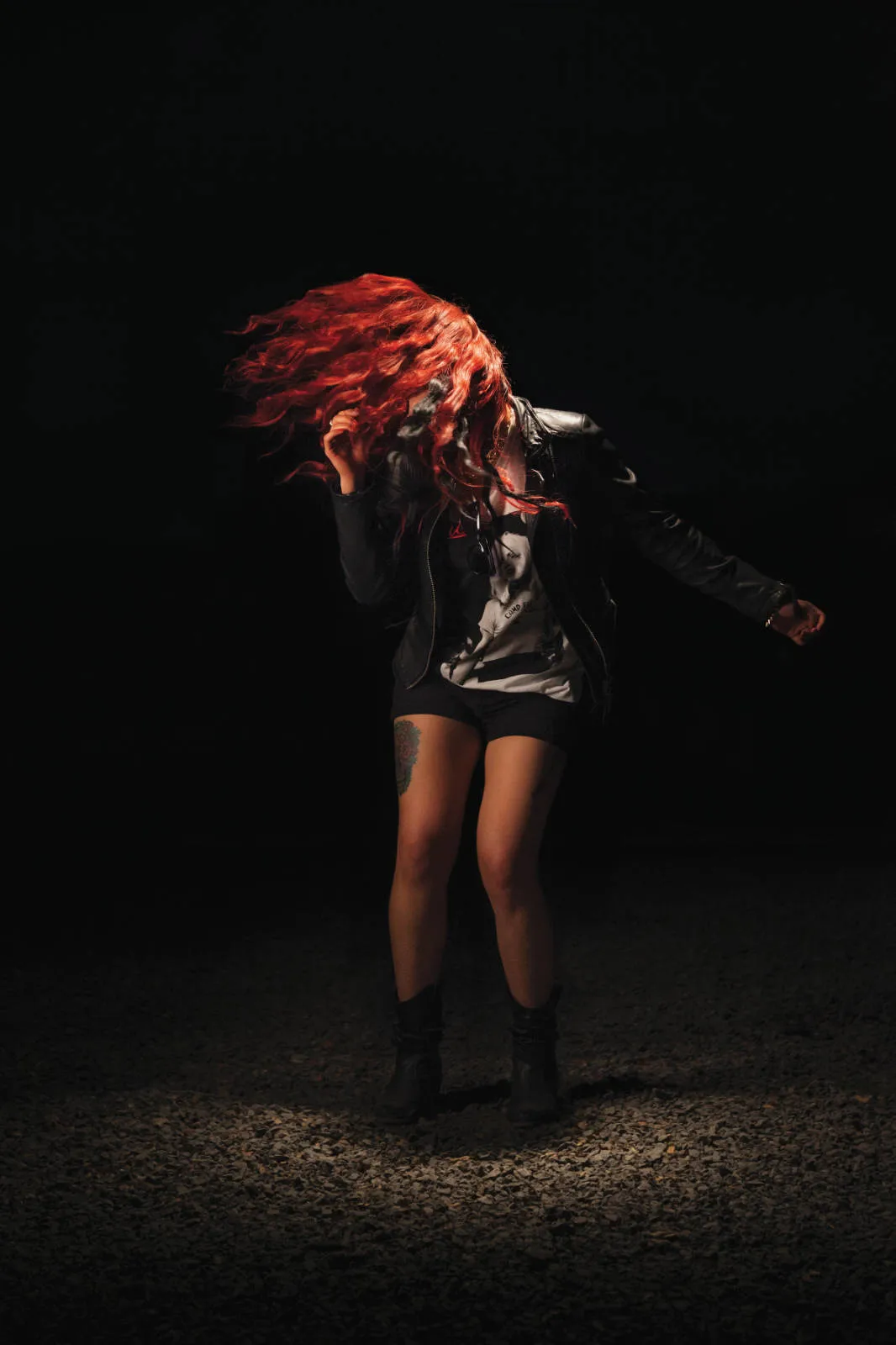
Alejandro Cartagena, from the series Bliss, 2014, from Alejandro Cartagena: Ground Rules (Aperture, 2025)
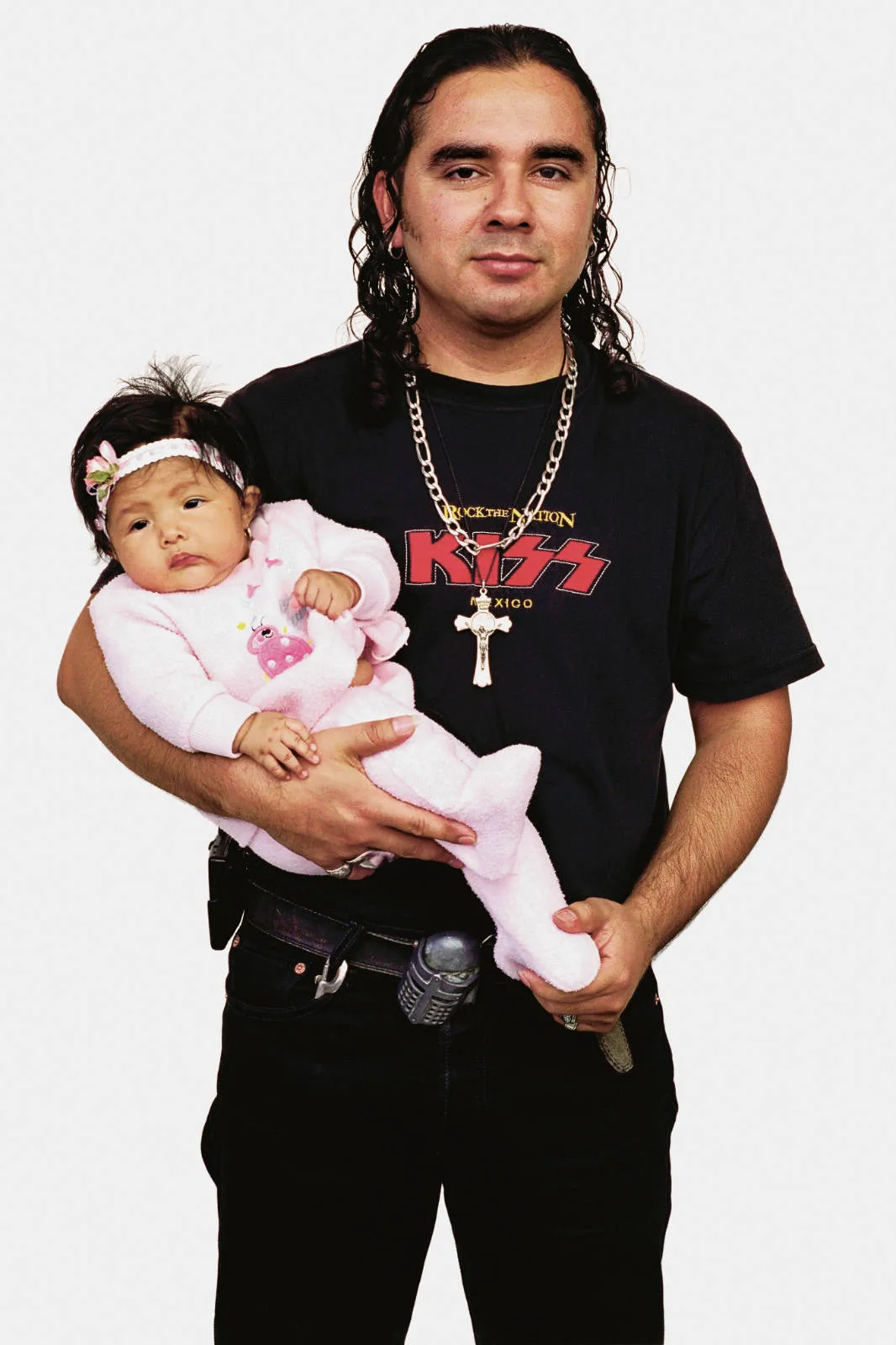
Alejandro Cartagena, from the series Identidad Nuevo León, 2005–6, from Alejandro Cartagena: Ground Rules (Aperture, 2025)
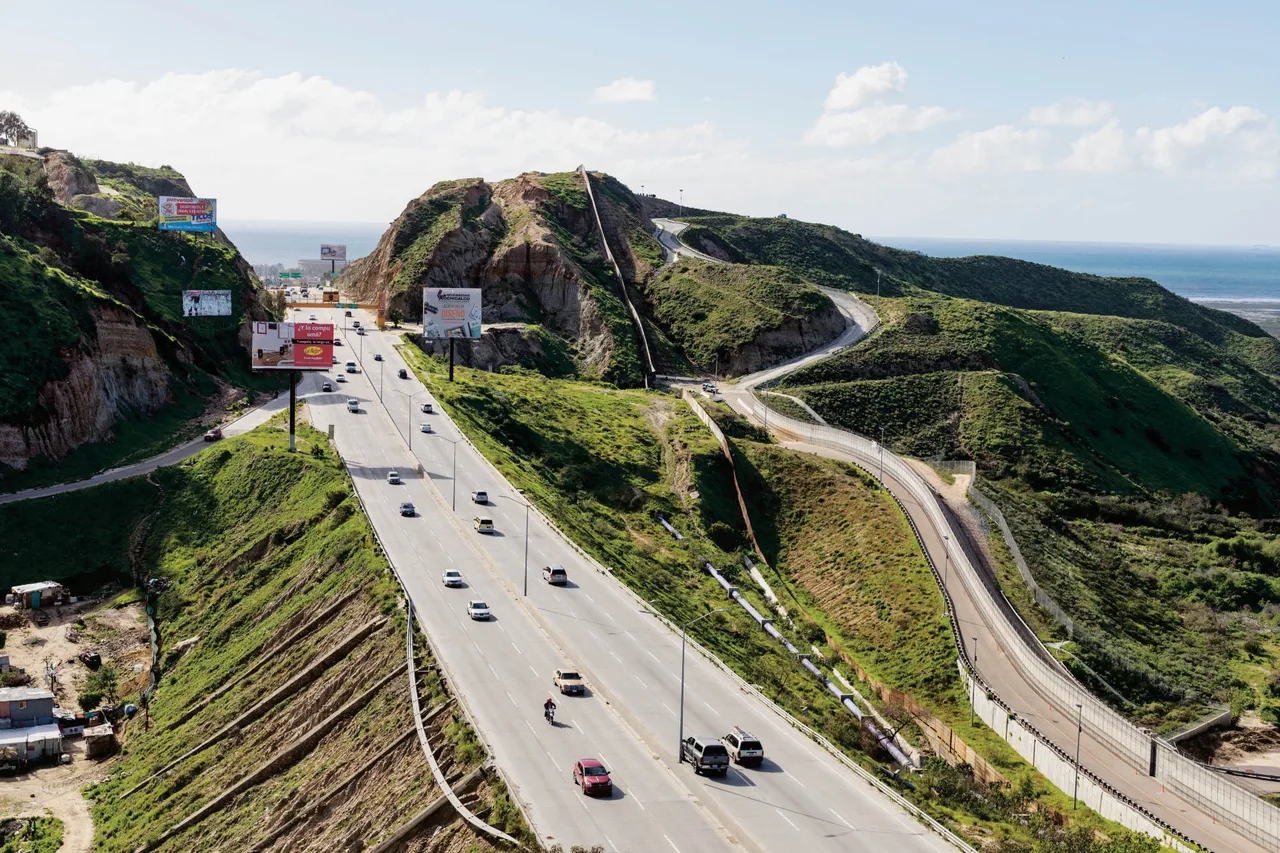
Alejandro Cartagena, from the series An Invisible Line, 2010–17, from Alejandro Cartagena: Ground Rules (Aperture, 2025)