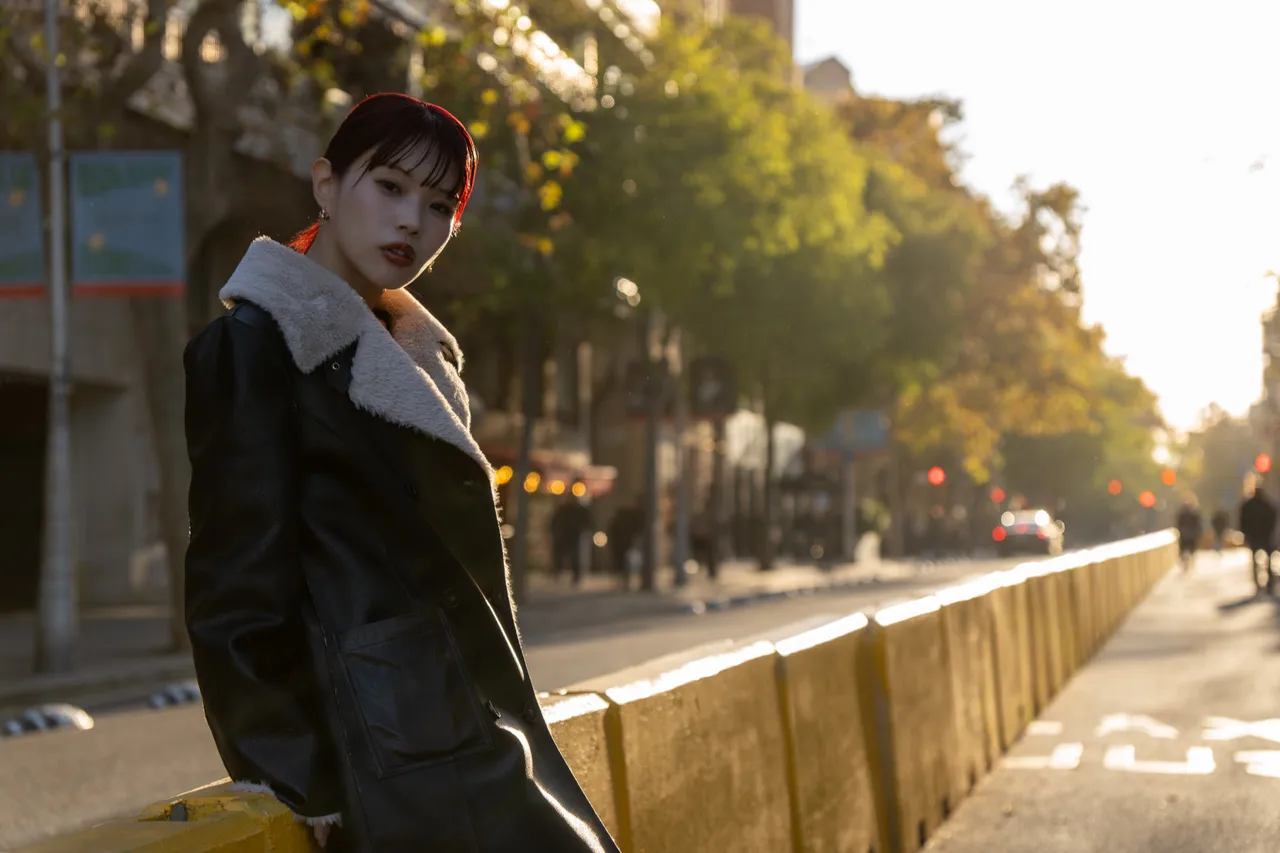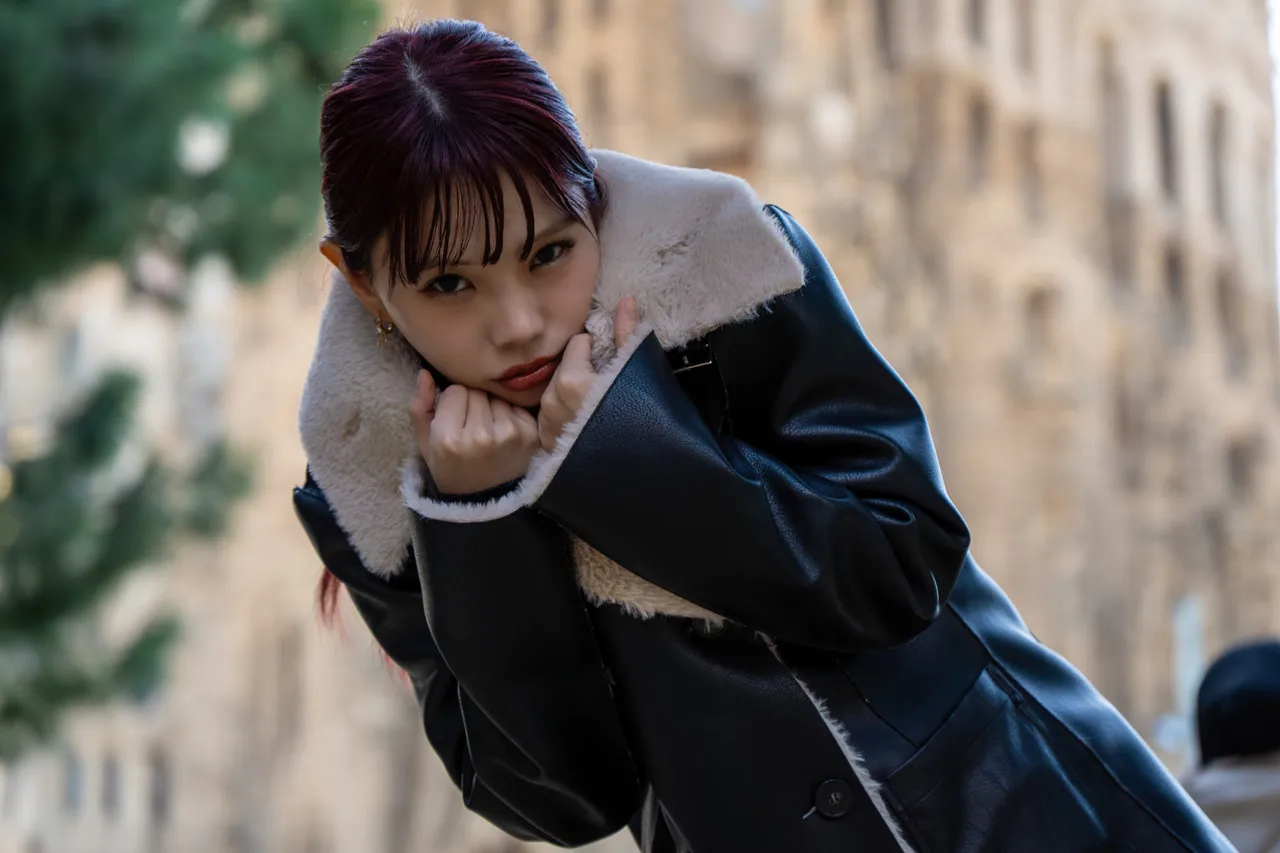
Known for her husky voice and captivating choreography, AiNA THE END travelled to Barcelona to dazzle the international audience with what she calls her “treasure box.” In her most recent album, Ruby Pop, the Japanese pop idol explores themes of self-reflection and relationships. The record is at times emotional, energetic, and always dynamic, weaving the complexities of the human experience into her music one song at a time. In being able to show off her range, AiNA appeals to all music lovers, offering something to everyone — even if you don’t speak Japanese.
Ahead of her two shows at the 31st edition of Manga Barcelona festival, we got to sit down with the artist to get to know her. I immediately spotted AiNA and her entourage across the street from our meeting place as they were the most fashionable people. As I walked over, I was greeted with multiple waves, handshakes, and bows, customary in Japan as a respectful welcoming. When we sat down in the hotel bar for our interview, she immediately complimented me in English and asked about where I’m from. We bonded over our shared love for Mario Bros and then she noticed the Sonny Angel stuck on my laptop, turned to her friends and said ‘kawaii’ (that word I understood).
As we chatted for the first few minutes, I could tell what a warm-hearted person she is. She chose her words with intention, and each response had a gentle delivery. Throughout our conversation, her pensive demeanour never faltered. I spoke with AiNA about her connection to the audience when performing as a solo artist, her greatest inspirations (musical and otherwise), and how to authentically follow your passions.
Hello AiNA, it’s lovely to meet you. How has your day been so far? What have you been up to in Barcelona?
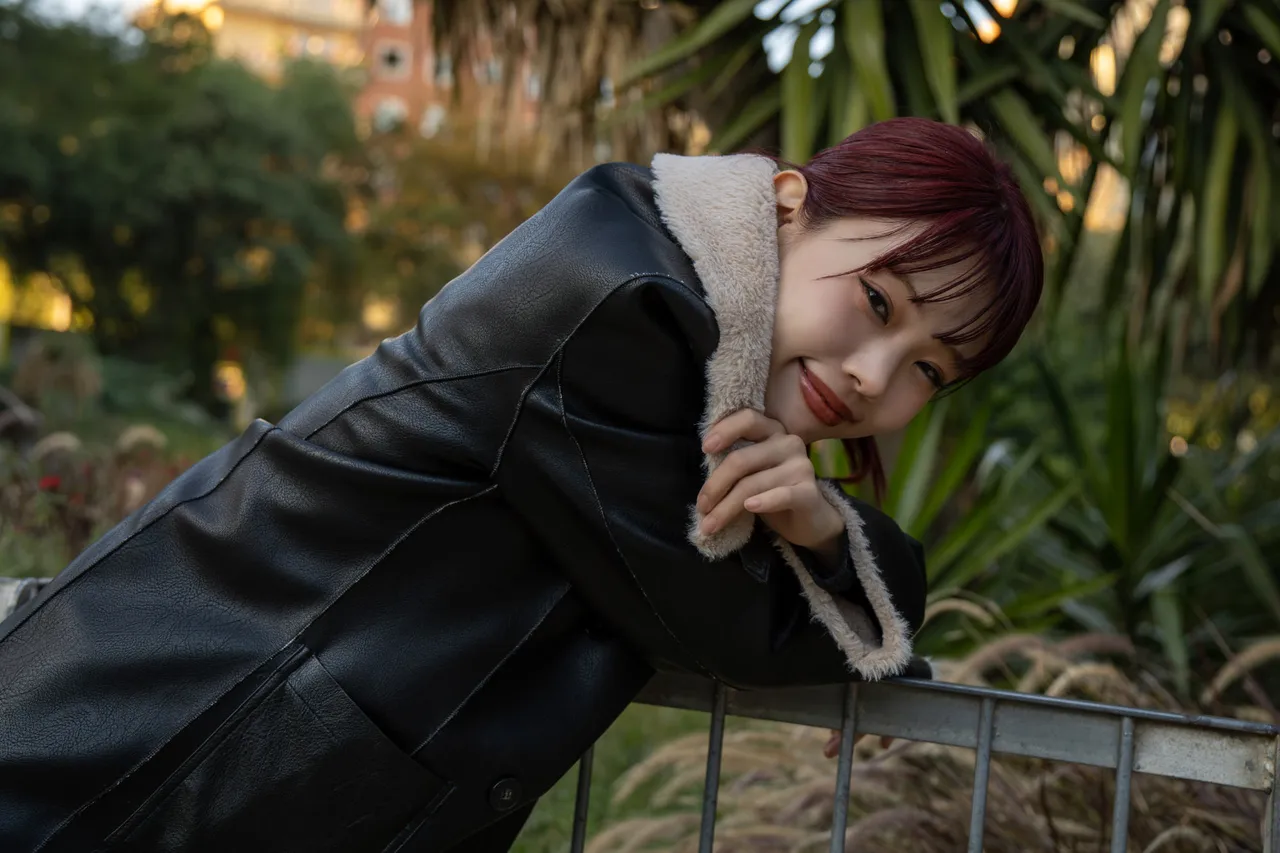
Today, I’ve been mostly shooting. First, I ate some pintxos, then I did the photoshoot.
In a previous interview, you said that touring helps you grow even without realising it. What kind of growth are you experiencing (or looking forward to experiencing) here in Barcelona?
I don’t know yet. The live is tomorrow and the day after, so I’ll see then. But I think there are a lot of passionate people in Barcelona, so I want to feel their passion.
You became a solo artist after being part of BiSH for a long time. How have you grown into yourself as a solo artist?
I was active in BiSH for a long time, and I wanted to see how I could perform as a solo artist. When you’re in a group, it’s fun because you have the members on your side and you also feel safer looking from side to side, seeing them. As a solo artist, you don’t have any people standing with you, so it can be scary. But I try to have the audience on my side, and when I feel their energy, I feel stronger.
How would you describe your most recent album, Ruby Pop, in one sentence?
My current treasure box. Everything I can give is inside this one album, and it shines beautifully.
I think there’s something beautiful about listening to music in a language you don’t know. You can appreciate the vocals and sound and presence of the artist more, and that’s exactly how I feel listening to your music. Are there any foreign language songs or artists you admire?
There are so many: Radiohead, Sigur Rós, Björk, and so many more.
You have spoken about your love for books (and you’ve now written one). What authors inspired your writing style, or your personal self the most?
Again, so many! For foreign books, I really like Salinger – The Catcher in the Rye is my favourite. For Japanese books, I like Osamu Dazai, especially No Longer Human. It’s very sad and very heavy, but it teaches you a lot about the reality of life.
How is your creative process different when writing a book versus writing a song? Does one help the other?
For lyrics, even if they’re abstract and you don’t write them clearly, the melody helps express what I want to say; there is a musical message as well. For books, you have to be much more precise. I don’t think writing books helps with writing music, or vice versa. They’re just very different for me.
You said that you didn’t find yourself or your own rhythm until you turned thirty. I think a lot of people in their twenties feel like they’re not doing enough, or advanced in their careers, or just not where they want to be. What would you say to them?
My motto is: When things happen, things happen. If you don’t let all the negativity affect you so much, then things will start going in a more positive direction. If you accept that, then both happiness and hardship can be handled. When something bad happens, time will make it better. Sometimes things simply take time to heal.
You’ve spoken about how you really value your mother and father’s advice. What is one piece of guidance they gave you that you will never forget?
I was doing singing, dancing, acting, performing — many things. But because I wanted to sing, they told me: Focus on one thing and master it instead of reaching for everything. So that’s what I did.
You’ve broken into acting now as well as your accolades in songwriting, book writing, dance, and singing. What’s next for you?
As a singer, I want to perform overseas more, travel for performances to places like Iceland, Norway, and the United States.