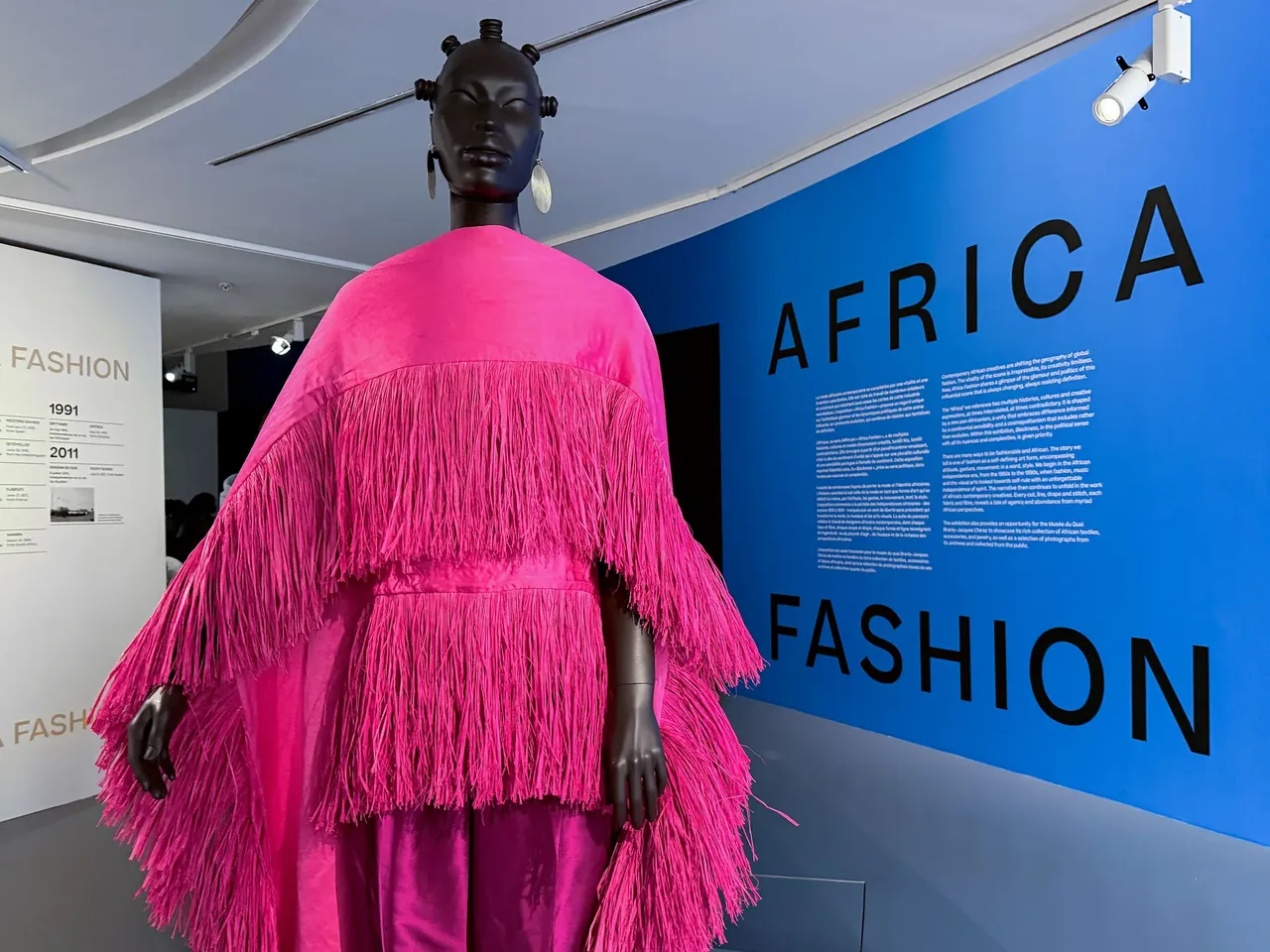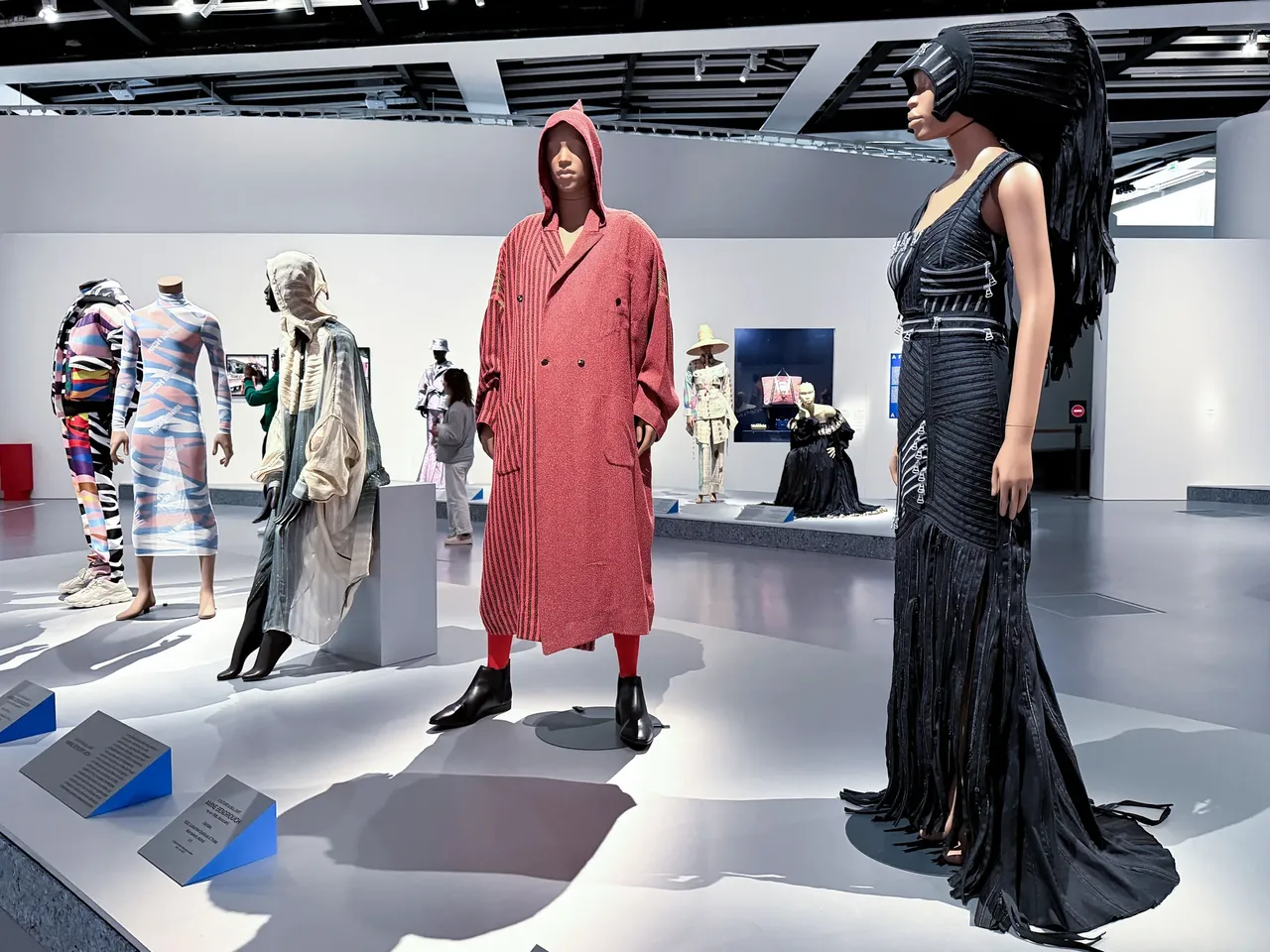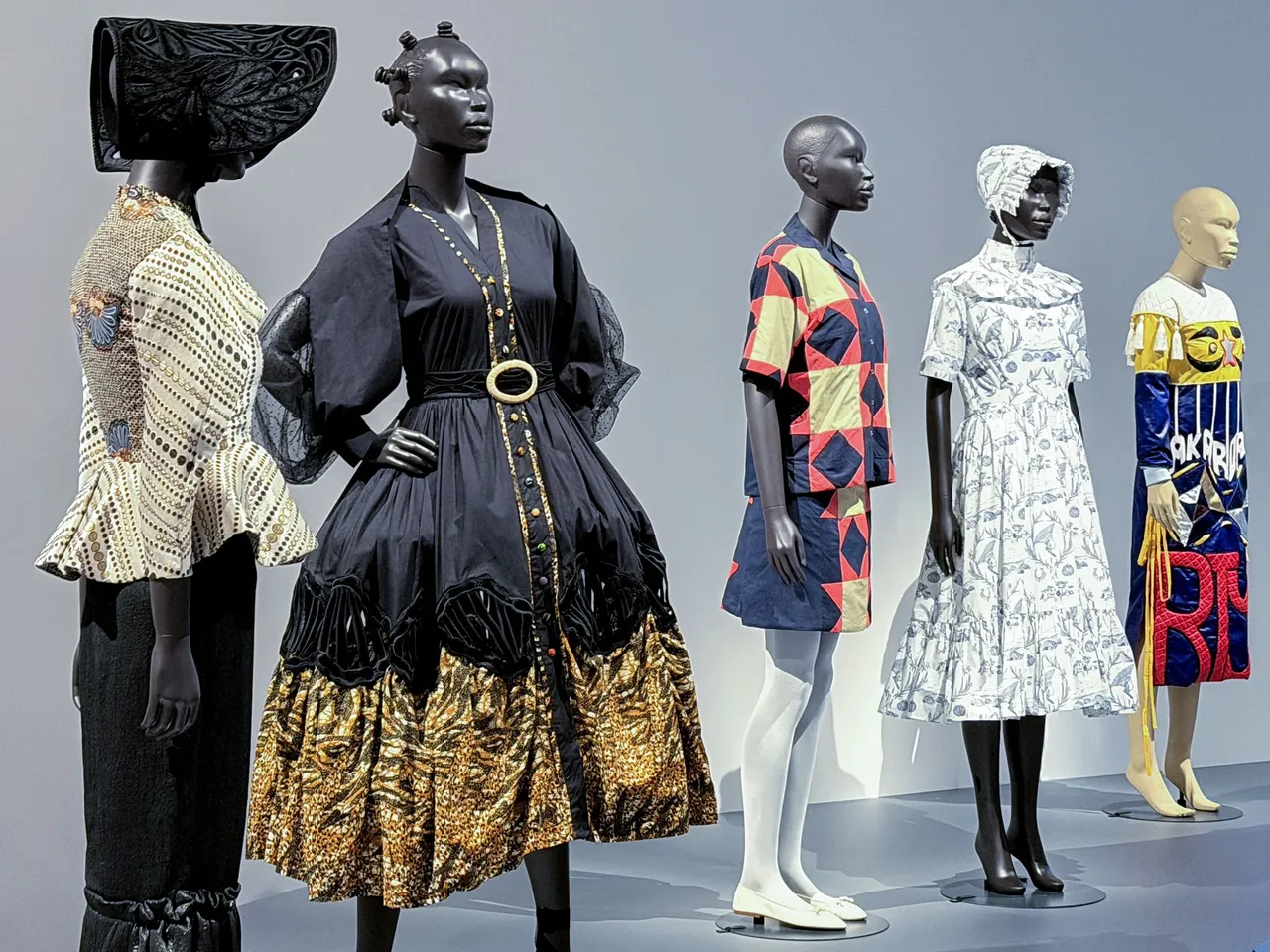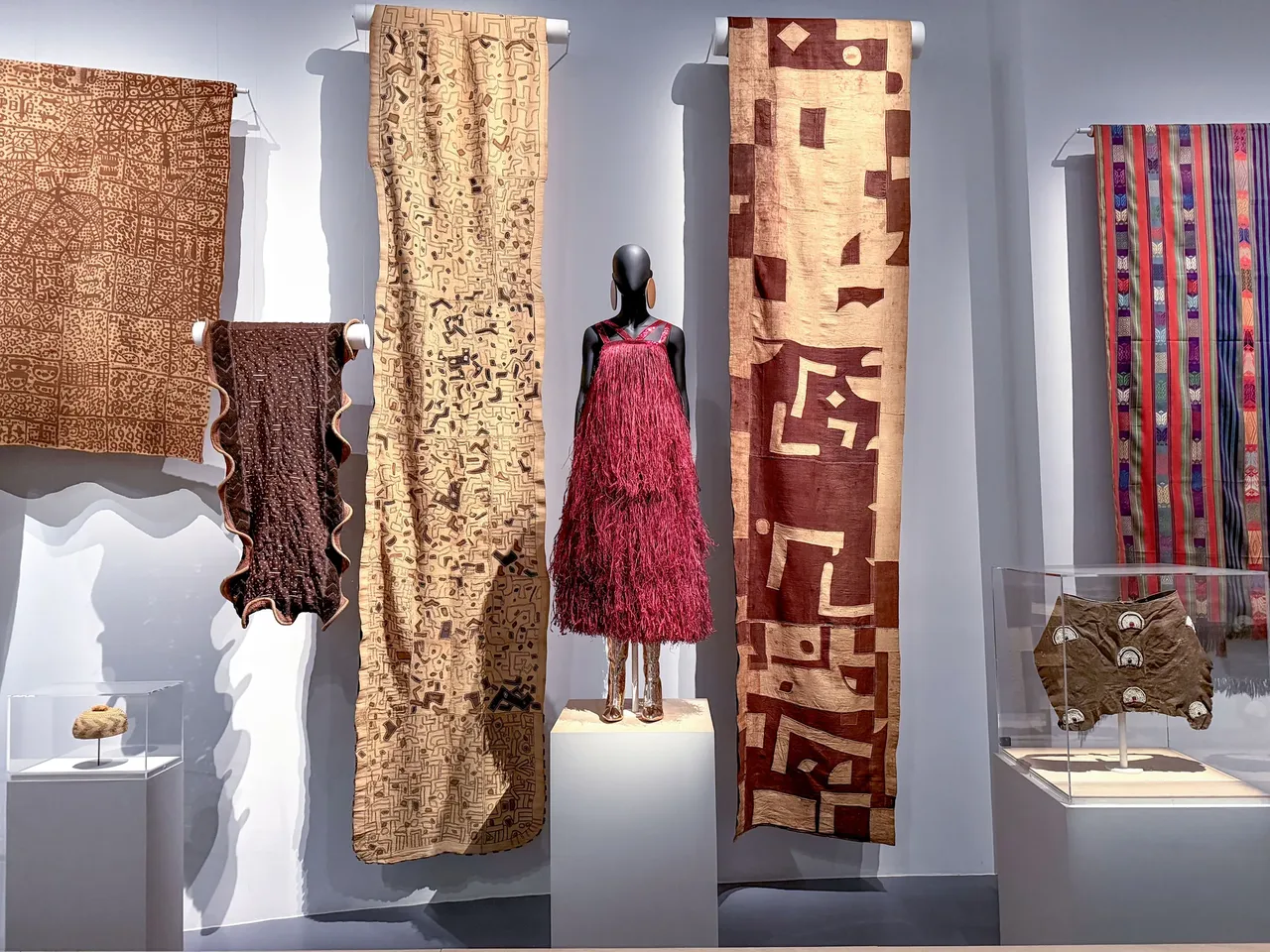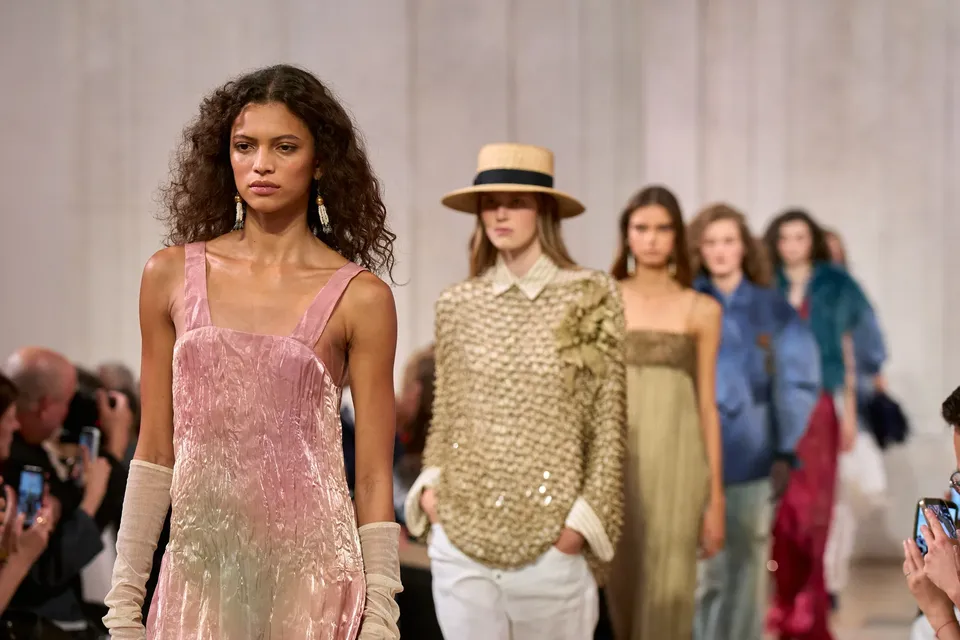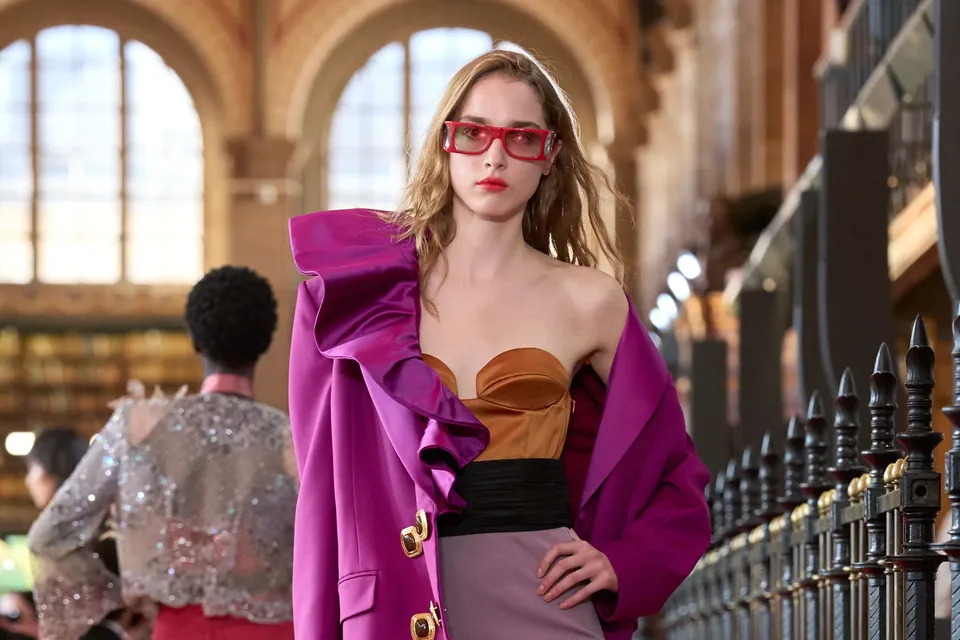
For decades, Paris has asserted itself as the gravitational axis of fashion. Now, however, it is shifting its gaze towards African designers, who are already operating with aesthetic autonomy and global ambition, and embracing the creative effervescence of an entire continent. The exhibition Africa Fashion, showing at the Garden Gallery of the Musée du Quai Branly - Jacques Chirac until 12 July, invites us to redraw the geographies of design. Originally conceived by the Victoria & Albert Museum in London, it arrives in the French capital to celebrate the museum’s twentieth anniversary with a showcase that fuses historical heritage with bold modernity.
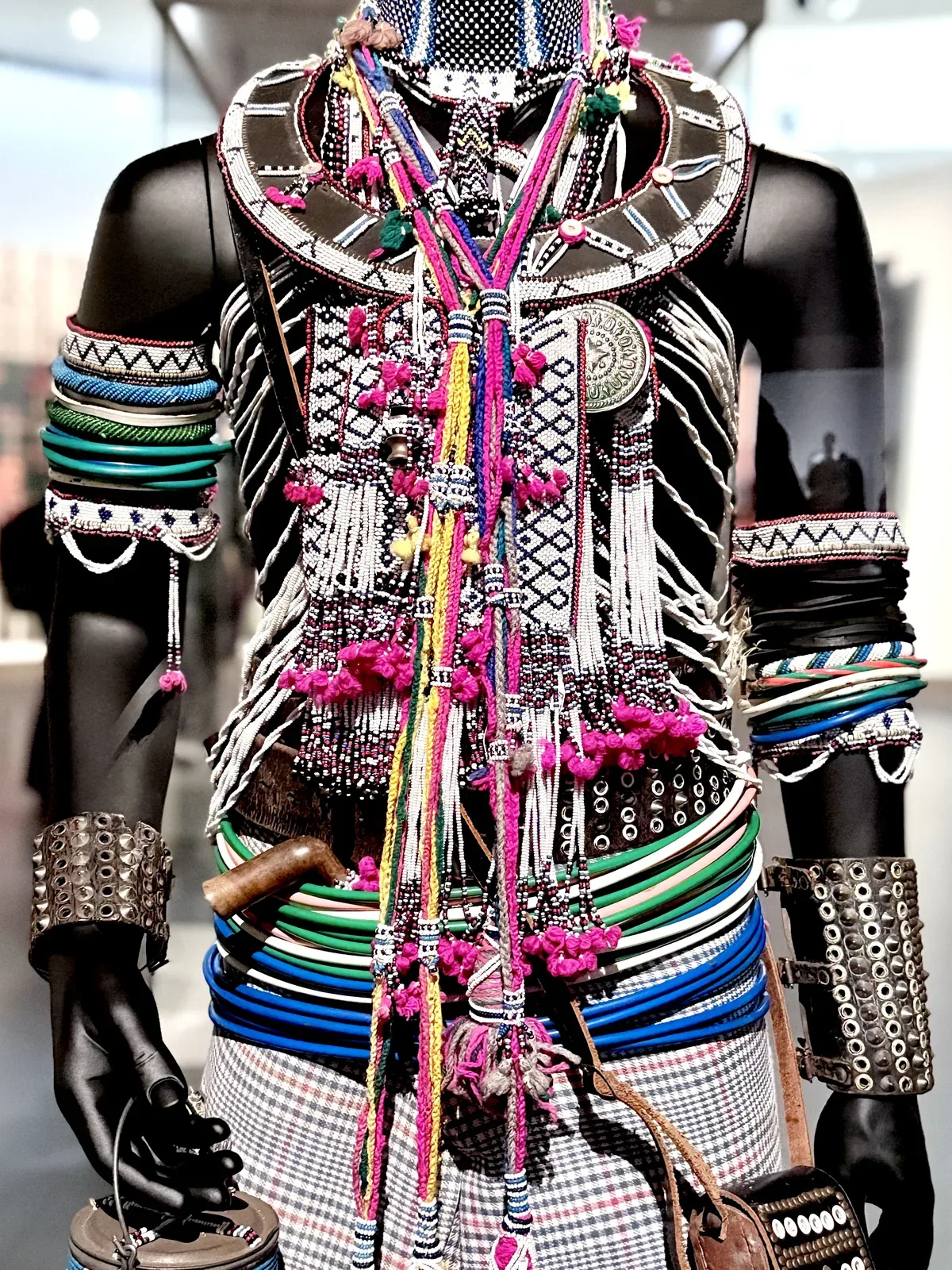
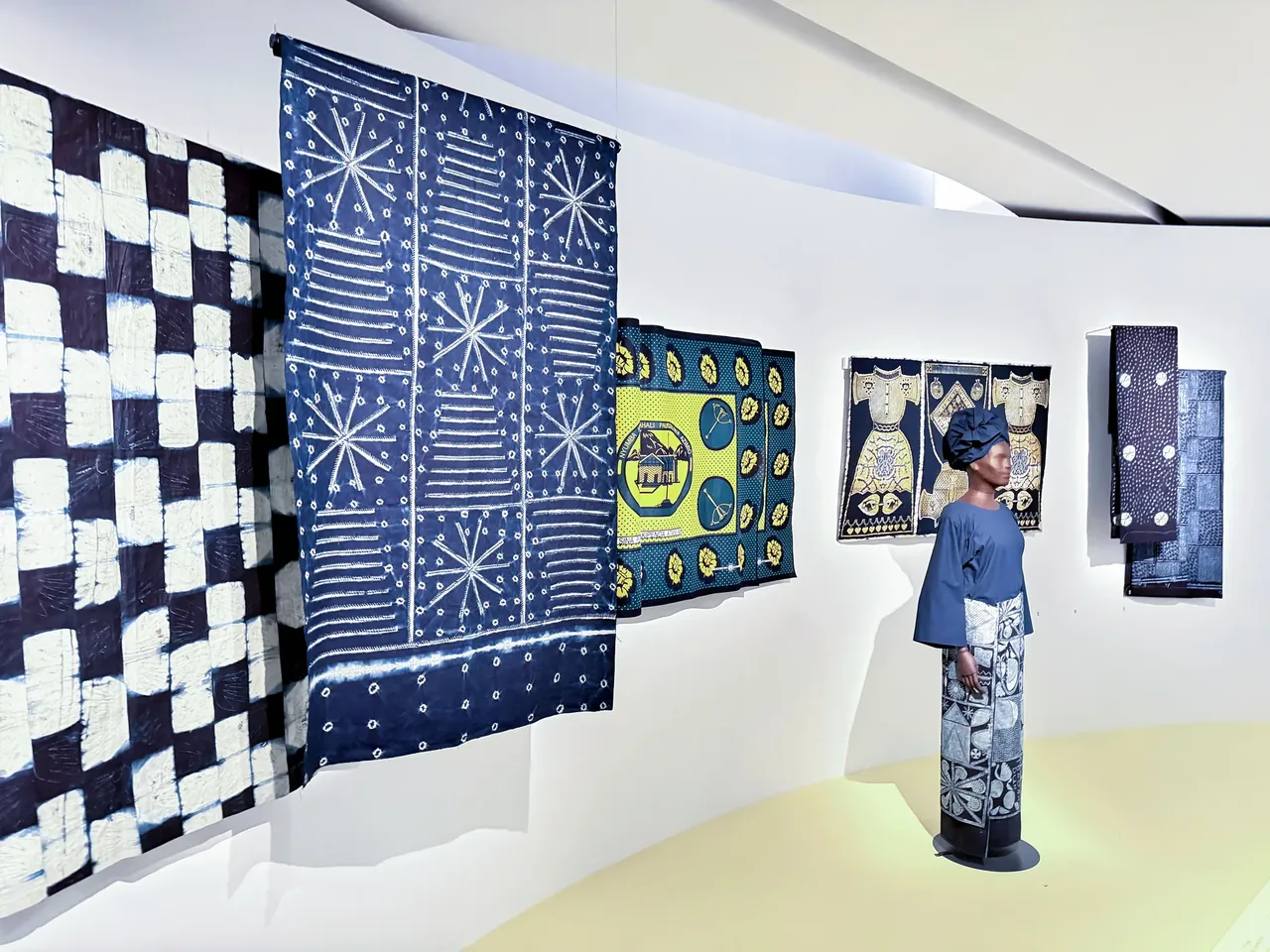
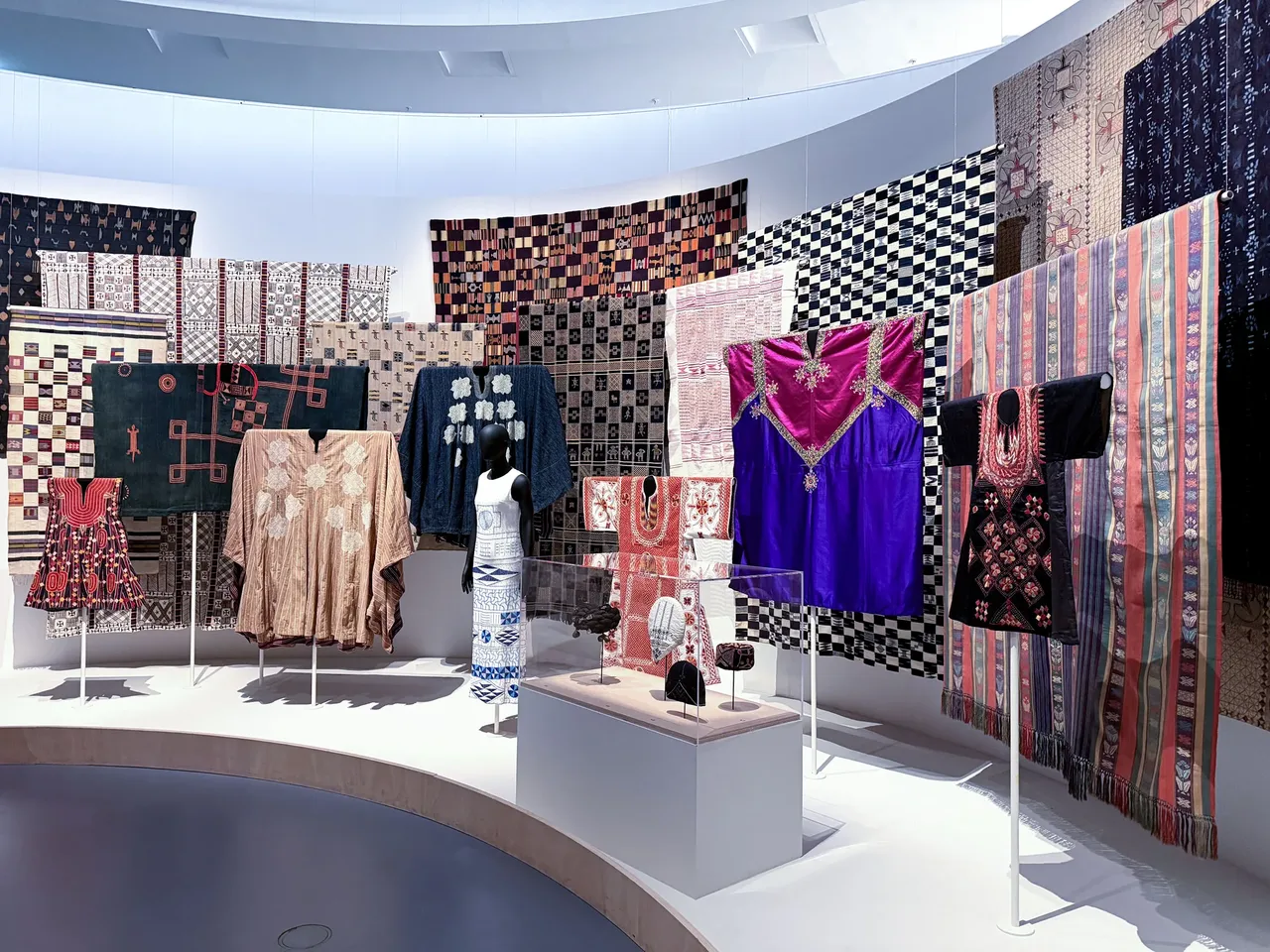
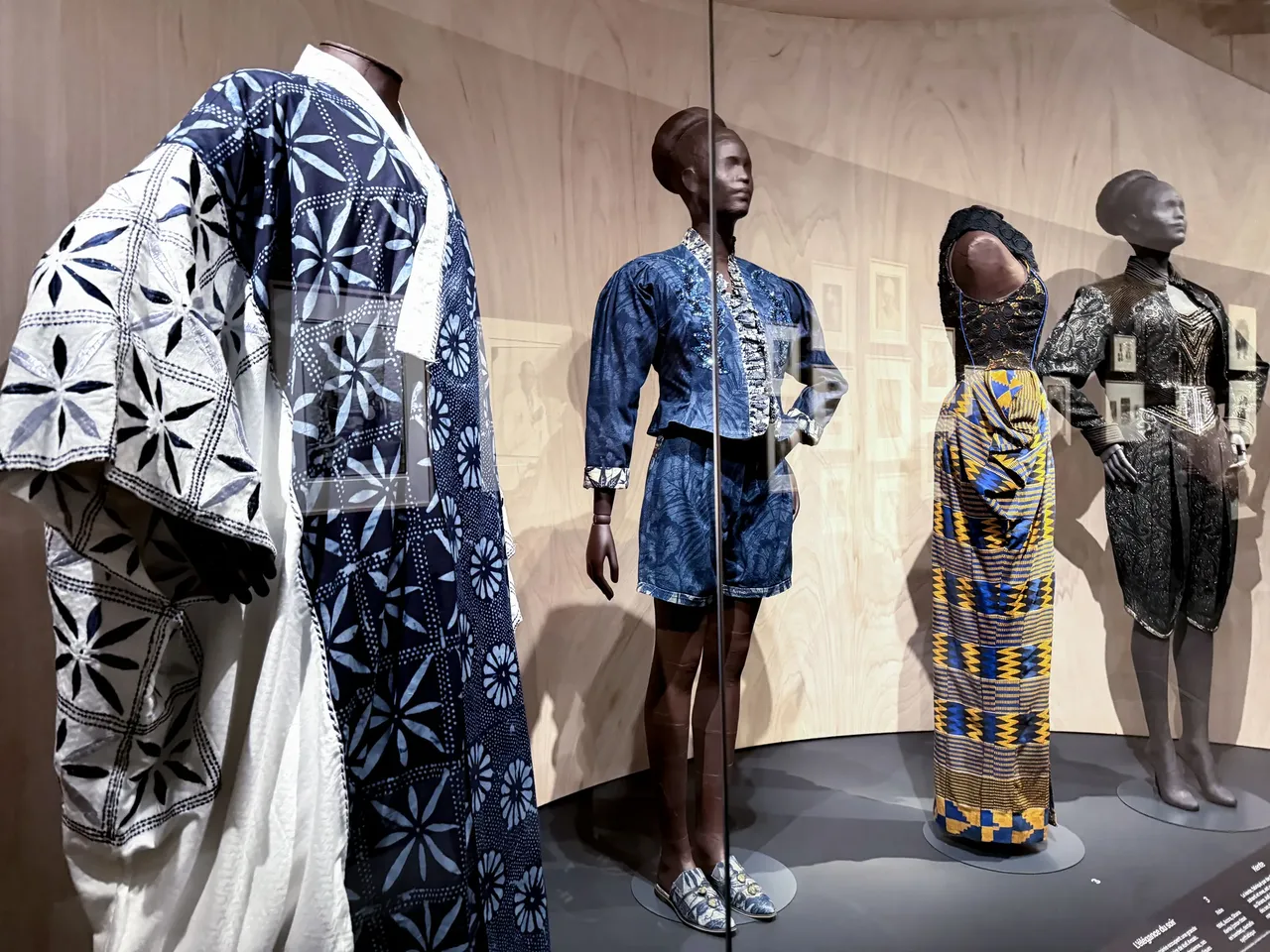
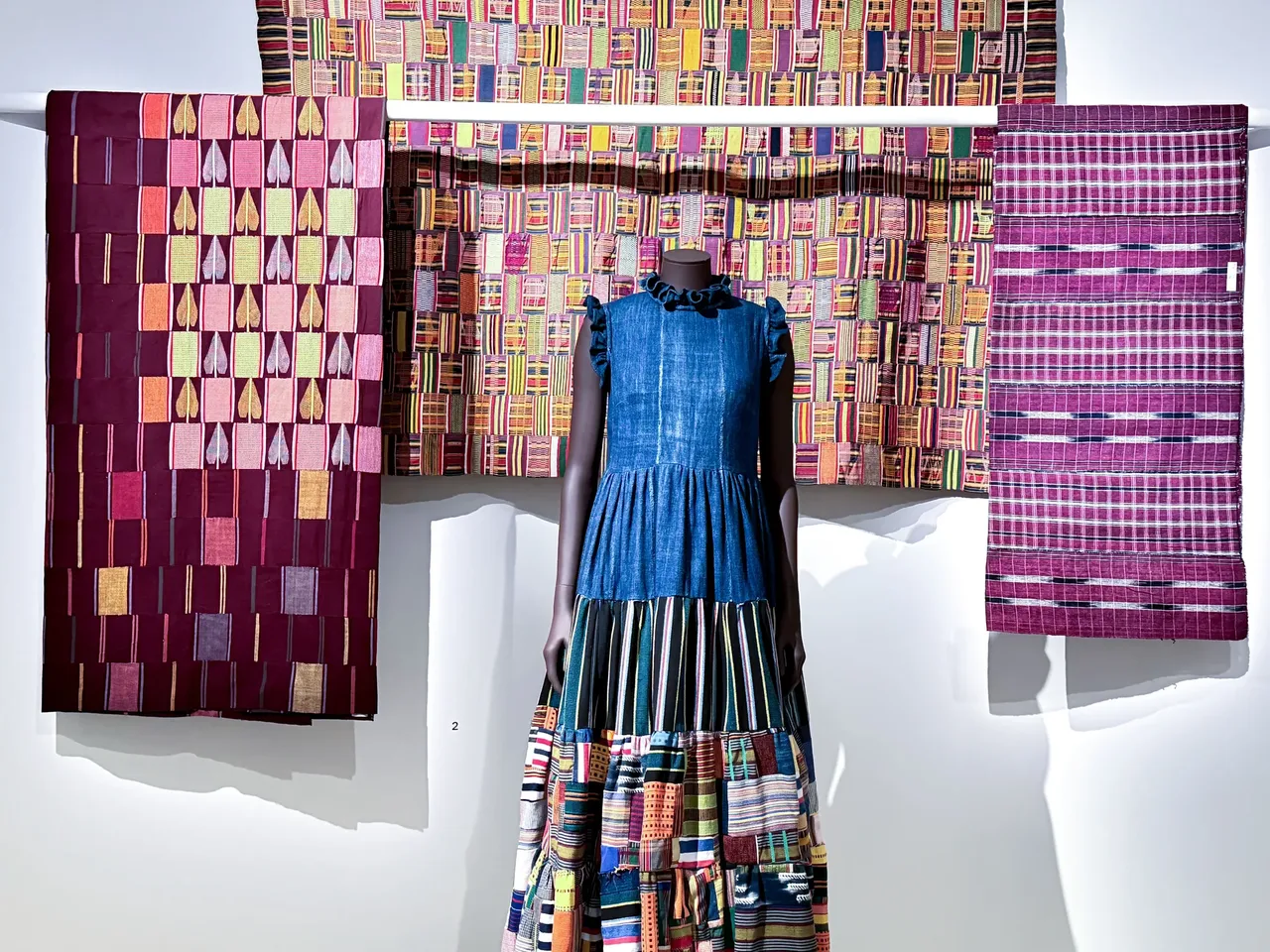
If the Wax exhibition at the Musée de l’Homme in 2025 allowed us to understand fabric as a language, Africa Fashion now takes up the mantle to elevate that conversation towards the complexity of authorship. Yet, wax print is merely the tip of the iceberg. Àdìrẹ, kente, bògòlanfini, aṣọ-òkè, raffia, hand-woven cotton... for centuries, Africa has forged its own vast and diverse textile industry.
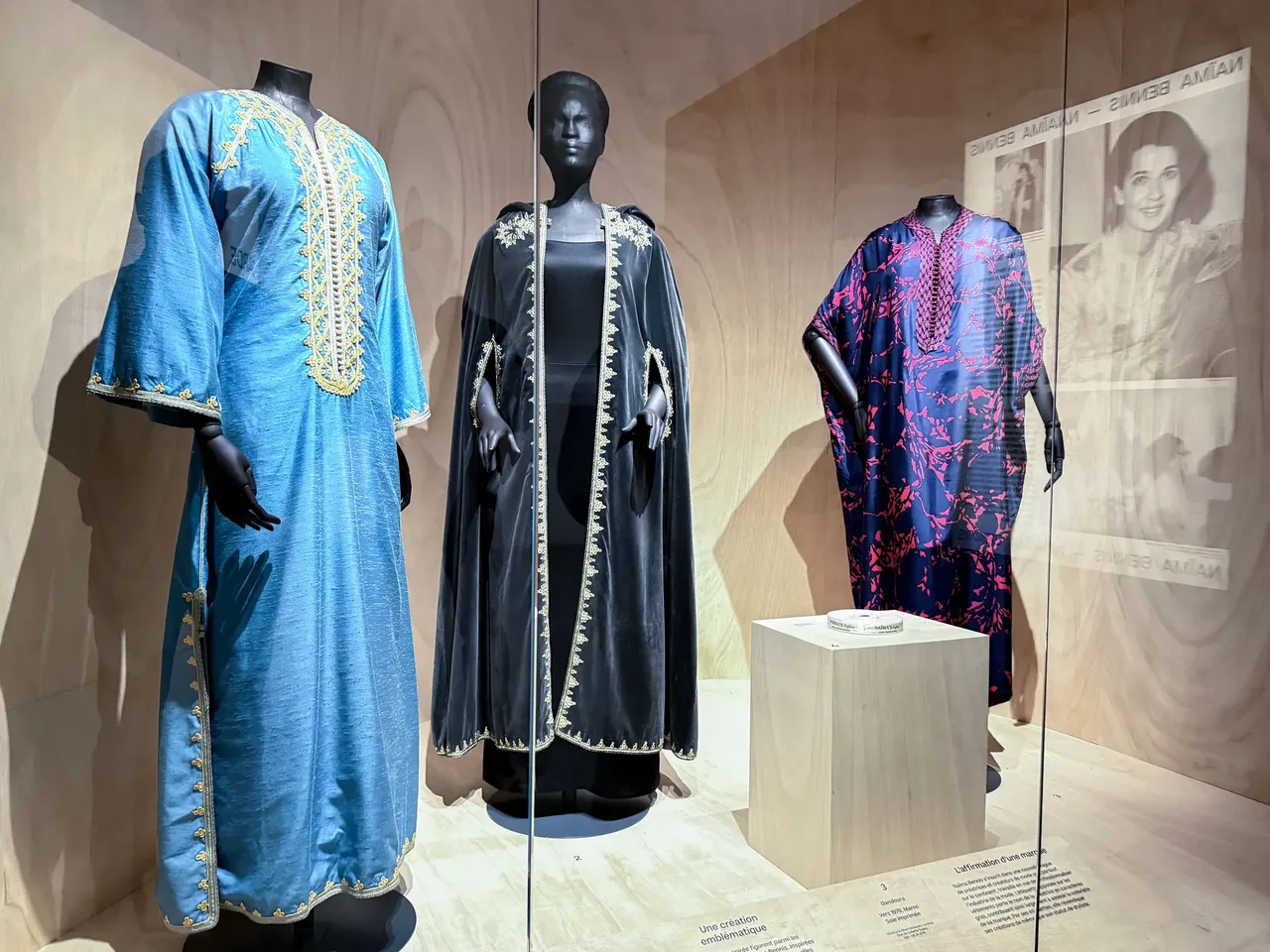
The start of the journey places the visitor in the ferment of the 1950s, a period marked by the euphoria of independence, when clothing acquired a political weight previously unseen. In those years of political enthusiasm, fashion emerged as a powerful tool for cultural self-assertion and collective emancipation. The use of traditional textiles symbolised a rupture with the colonial order. Commemorative prints, hand-dyed fabrics, and patterns passed down through generations were used as documents to dress the body.
Through archives, magazines such as Drum, and studio photography of the era that captures this paradigm shift, the exhibition recovers the memory of a generation that used aesthetics to project a renewed, cosmopolitan African identity to the world. In the decades following 1950, successive processes of emancipation took place, emerging identities were consolidated, and national imaginaries were constructed.
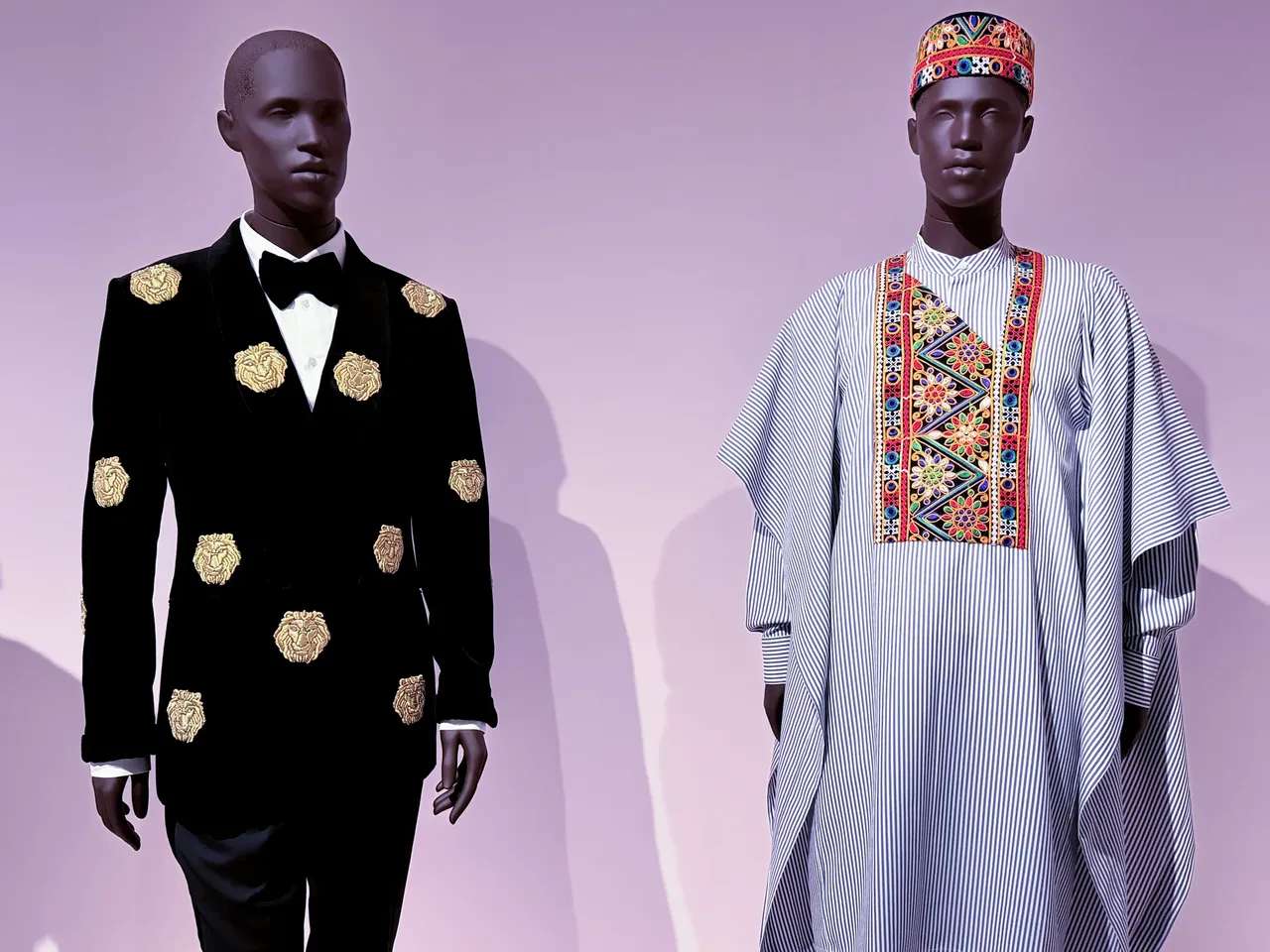
The section dedicated to the avant-garde recovers essential figures. Shade Thomas-Fahm, Nigeria’s first great designer, returned from London in 1960 to dress the sophisticated women of Lagos in aṣọ-òkè and àdìrẹ. Kofi Ansah, the Ghanaian enfant terrible, blended the Japanese kimono with the African toga into a single silhouette. Chris Seydou, the Malian who conquered Paris in the seventies, understood that bògòlanfini could be cut and tailored without losing its soul. And Alphadi, the ‘Magician of the Desert,’ founded a festival in Niger that proved African fashion needs no permission to occupy the global stage. These couturiers knew how to amalgamate ancestral techniques with contemporary silhouettes, laying the foundations for an industry that today claims its place on the global scene with total authority.
That said, this section leaves a question hanging that the curation keeps silent: to what extent did this first generation of pioneers emerge from grassroots environments? Shade Thomas-Fahm studied at Central Saint Martins. Chris Seydou perfected his craft in Paris, moving between the great fashion houses and the Café de Flore. Alphadi spent time at the Atelier Chardon Savard in Paris, and Kofi Ansah at the Chelsea School of Art. Most hailed from urban elites with access to the very centres of power that Africa had just politically rejected. There is no contradiction in training abroad and returning to reclaim one’s own; that is the post-colonial paradox par excellence. But the exhibition omits this delicate nuance: African modernity was also born in dialogue—and at times in dependence—with the academies of the former colonial metropolises. The idealised narrative of liberation becomes more complex when one considers that many of its protagonists were trained in European institutions and privileged urban circles.
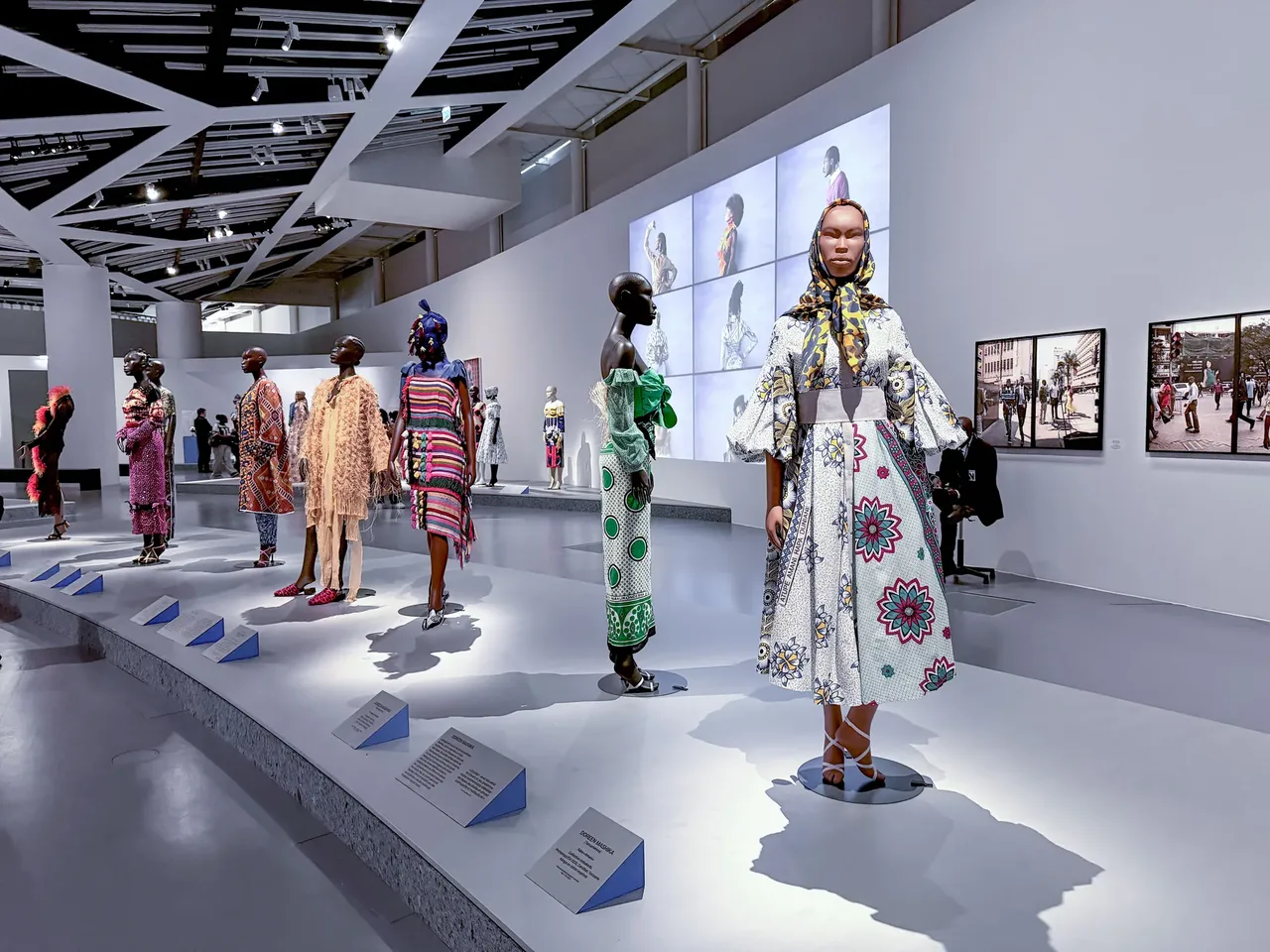
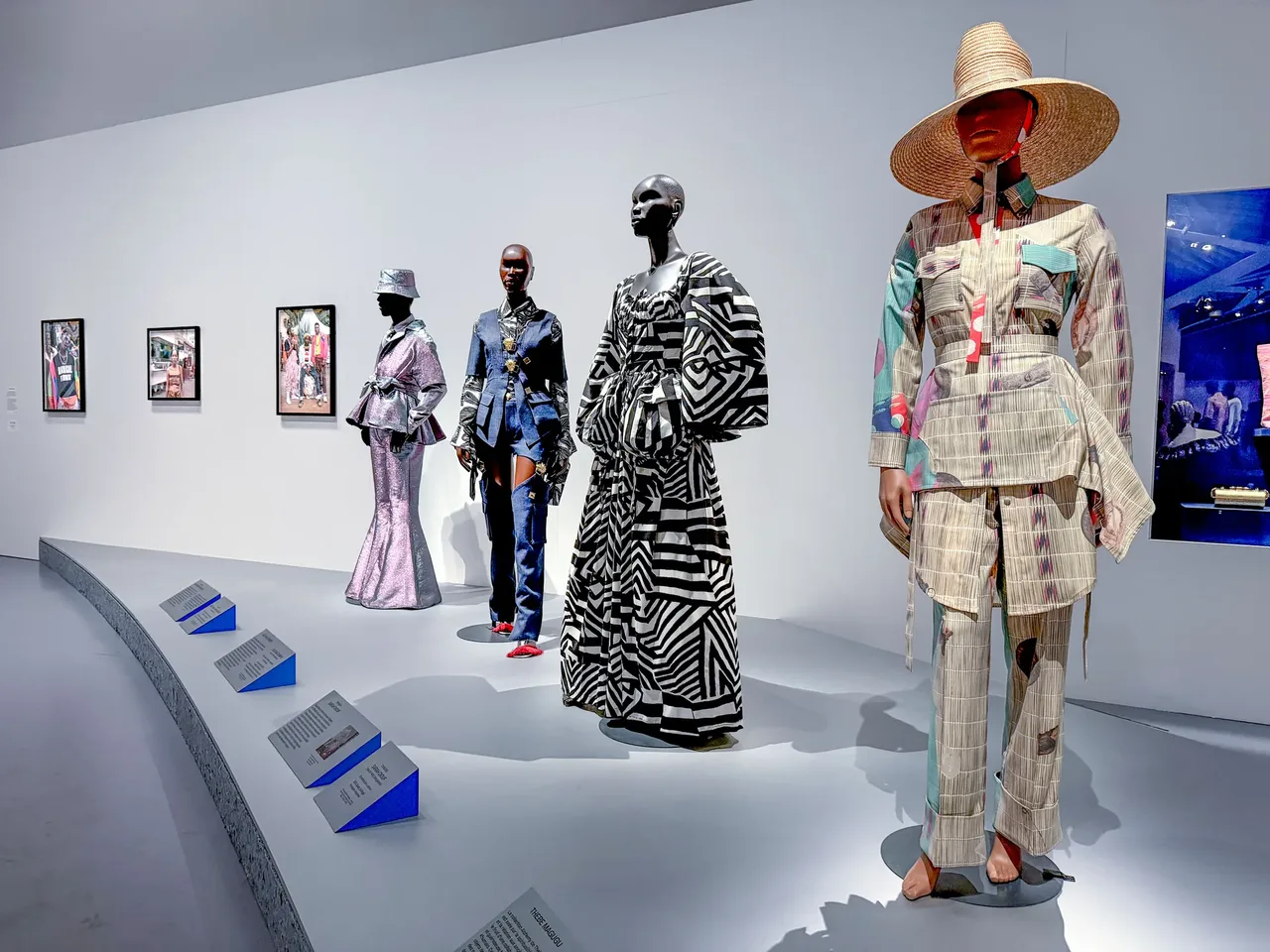
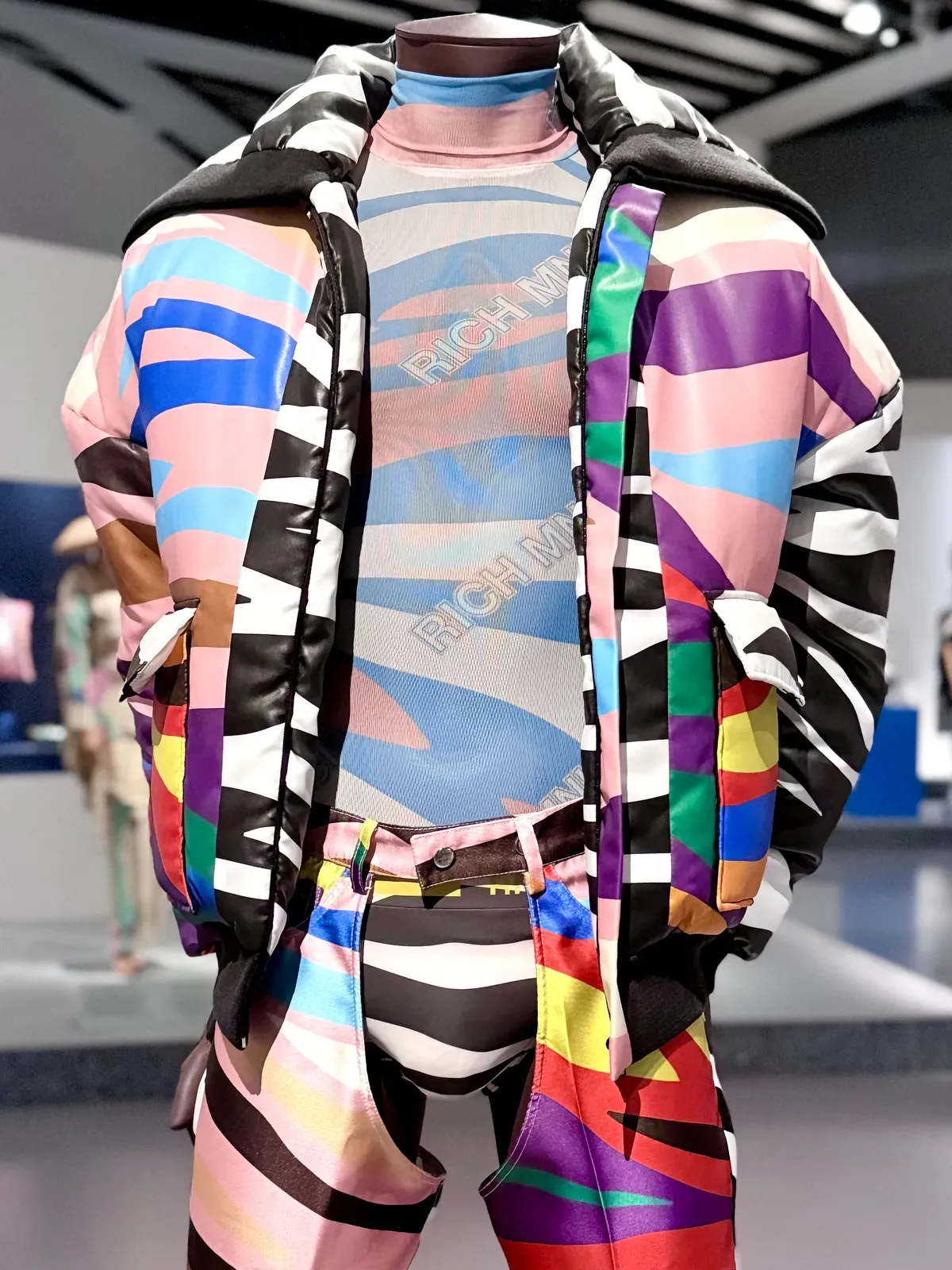
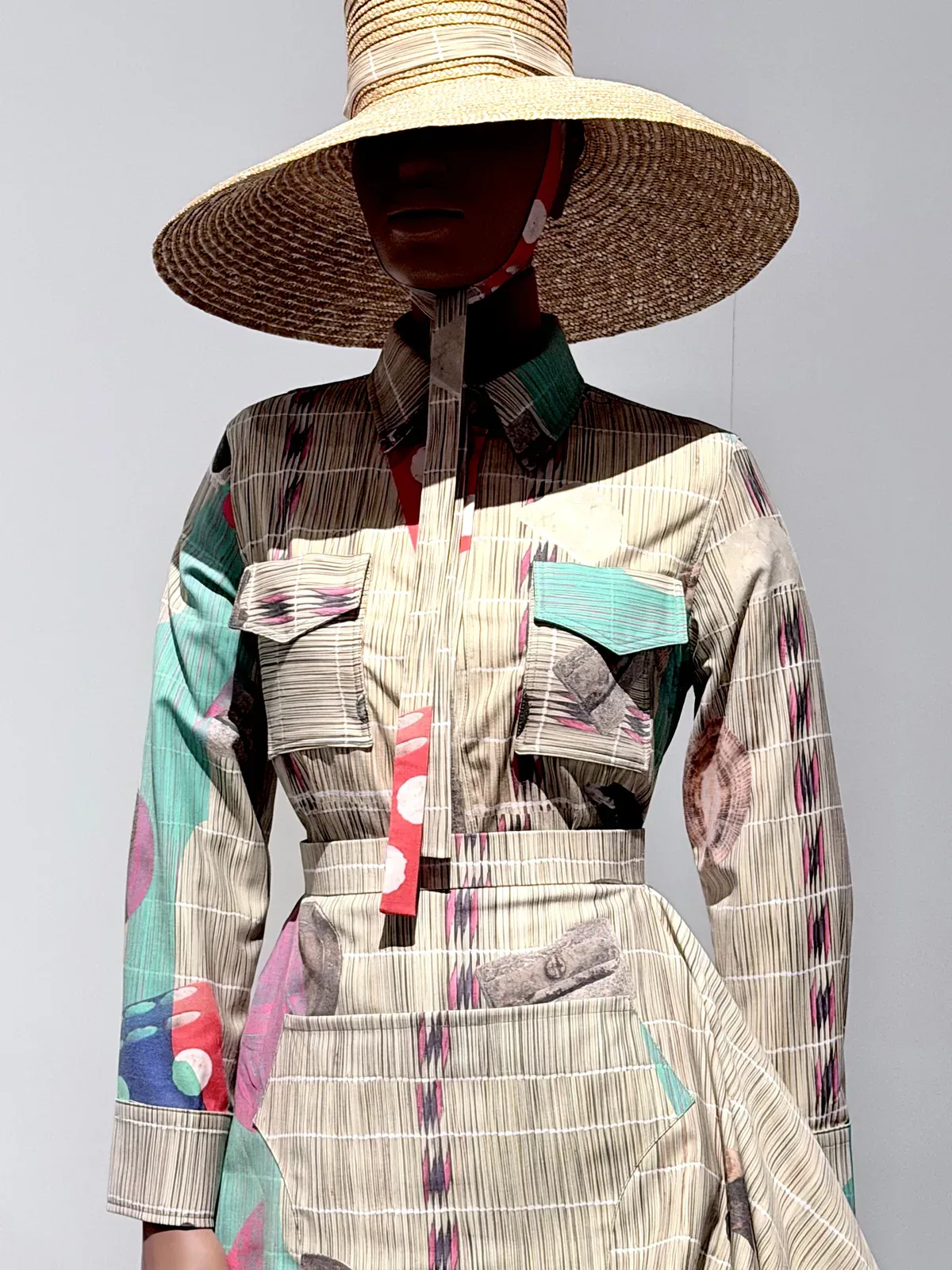
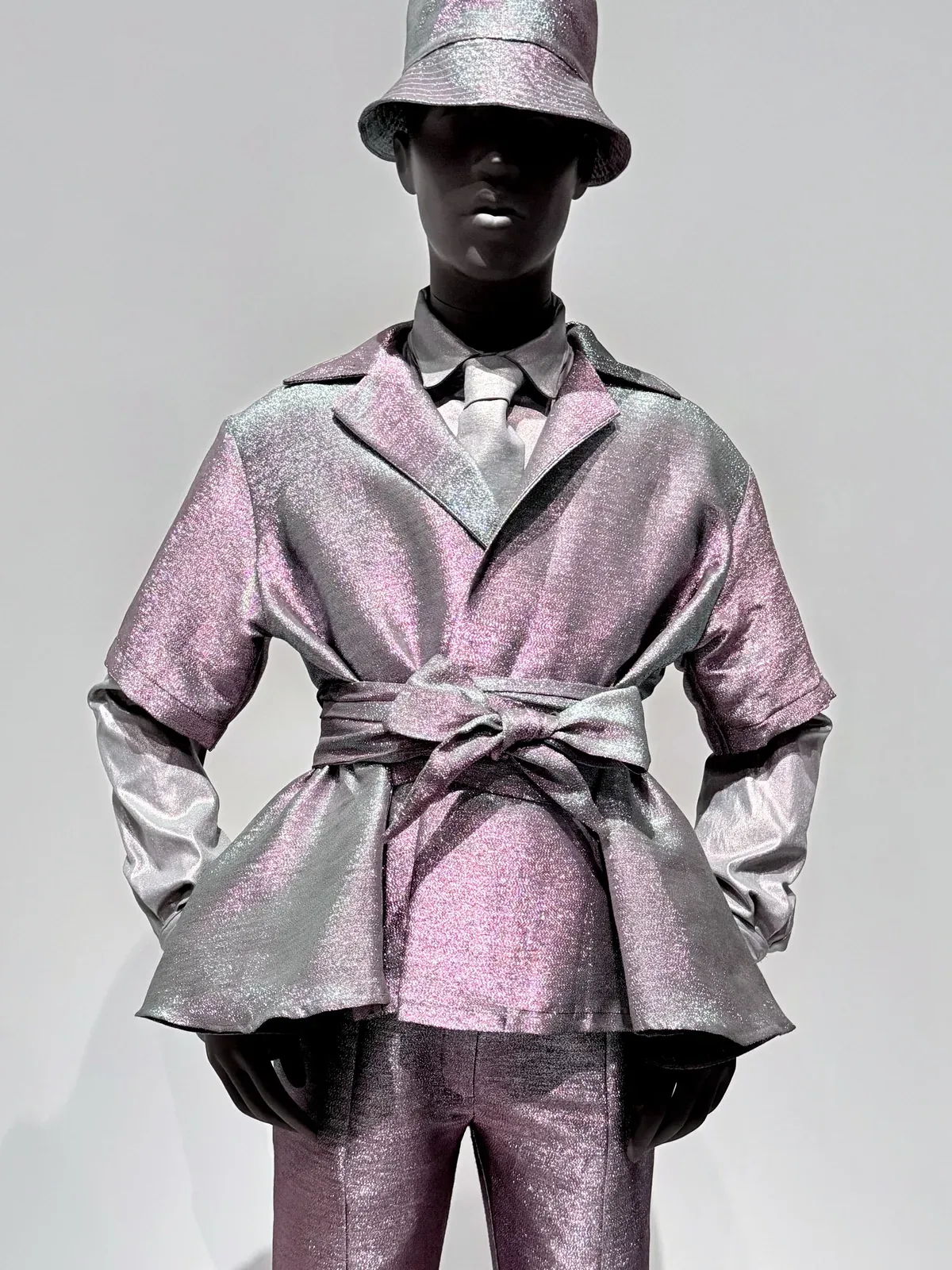
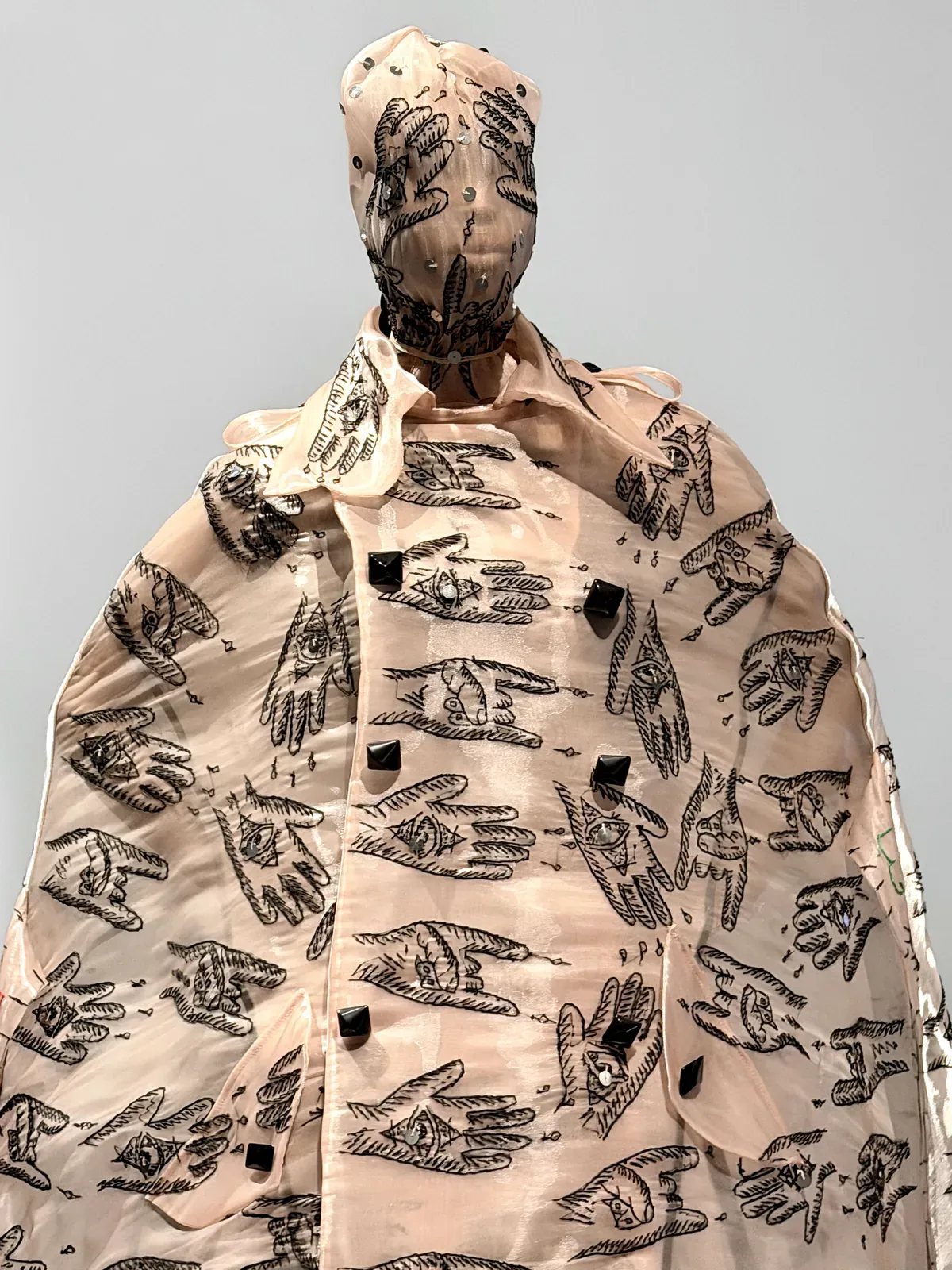
Despite these ambivalences, that heritage is felt today in every fold of Thebe Magugu, Imane Ayissi, Kenneth Ize, or the Rwandan brand Moshions. We see it in the second part of the exhibition, which plunges the spectator into the artistic explosion of the 21st century. Here, luxury is redefined through sustainability and a respect for provenance. Such creators lead a revolution that integrates local craftsmanship with the use of raffia, organic cotton, and hand-dyeing techniques.
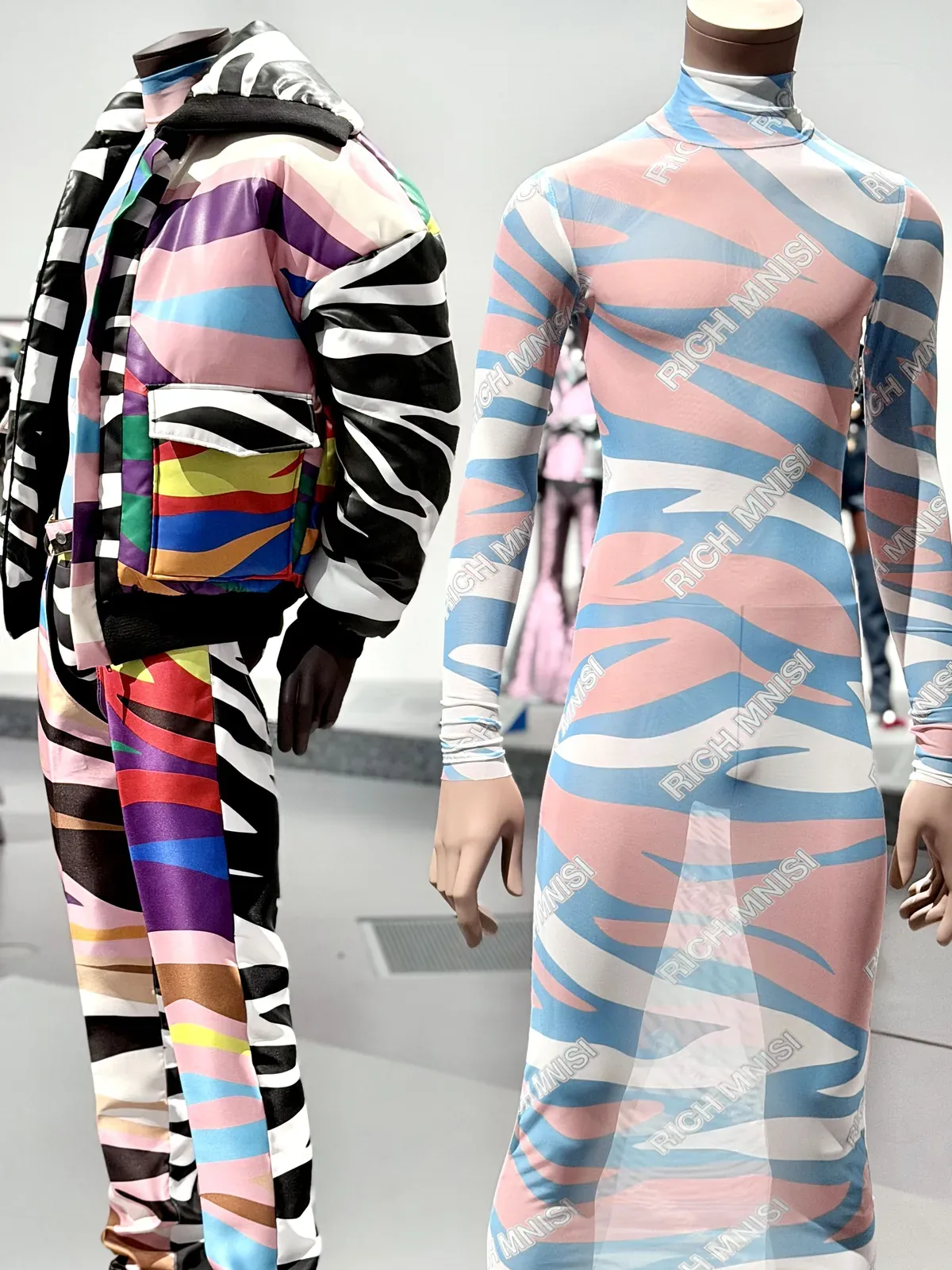
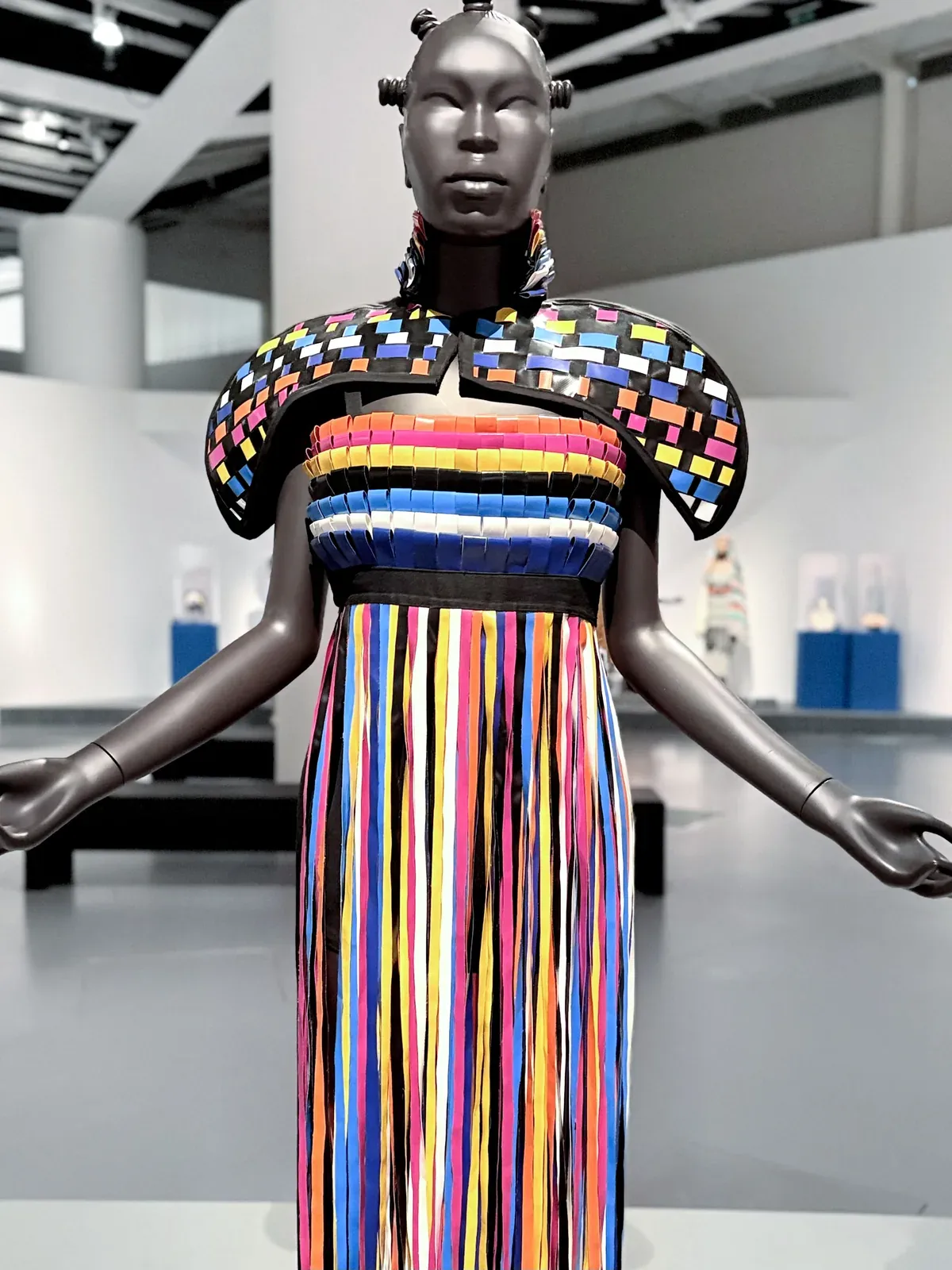
While some contemporary brands explore architectural sobriety or spirituality, others focus on the exuberance of colour and the complexity of geometric patterns. Minimalism lives alongside maximalism; upcycling finds its roots in tradition rather than trend; spiritual sensitivity and LGBTQIA+ activism find a language of their own within the seams. Far from any complacent exoticism, this creative power has developed over decades against a backdrop of unequal visibility compared to European circuits — even if digital channels, music, cinema, and the diaspora have helped to decentralise the hubs of fashion influence.
The final flourish is provided by a dialogue between the museum’s centuries-old textiles (hides, raffias, indigos) and contemporary creations that draw from those same techniques without falling into servility. This connection between the ancient thread and the modern needle acts as the death certificate for any imposed aesthetic hierarchy. Paris recognises this emerging talent in a process that challenges the monopoly of Western fashion capitals in defining the avant-garde.
The exhibition Africa Fashion is on view through July 12 at Musée du Quai Branly - Jacques Chirac, 37 quai Branly, Paris.