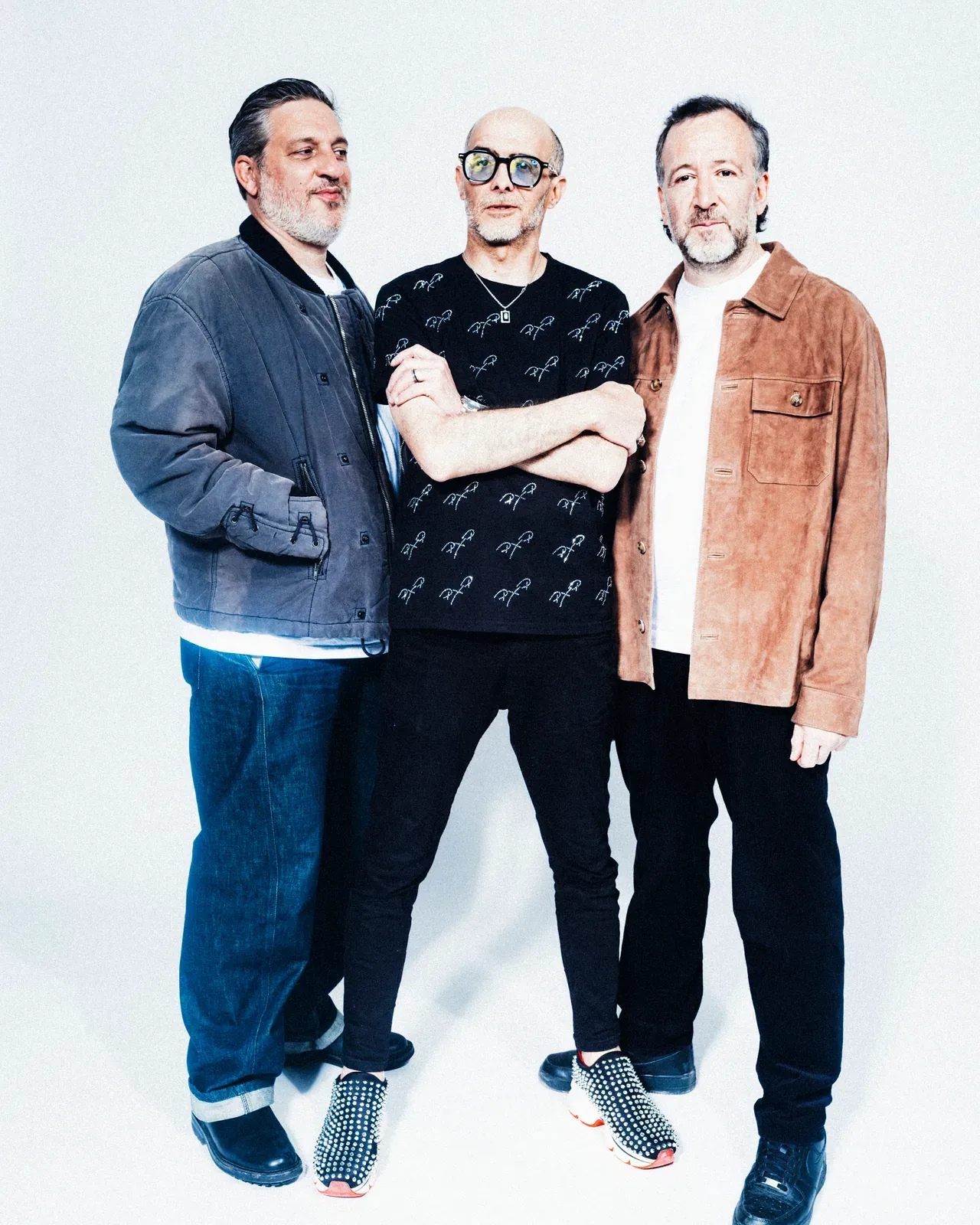
For nearly fifteen years, Acid Arab have occupied a space that few artists could convincingly claim as their own. Drawing from electronic music, Arabic musical traditions and countless points in between, the Paris-based collective has built a catalogue that feels less concerned with borders than with the possibilities that emerge when cultures, ideas and sounds are allowed to collide. Their fourth album, Resonance, arrives as the latest chapter in that journey, bringing together sixteen tracks and an impressive cast of collaborators from across the Arab world and beyond.
If the title sounds familiar, that’s because it captures something Acid Arab have been exploring since day one. “Through this dialogue and through the contributions of our guest artists, we sought to create a shared musical territory,” they explain. Across Resonance, voices from Syria, Algeria, Morocco, Lebanon and Spain coexist within a landscape shaped by house, techno, acid and contemporary Arabic music. The album arrives as the collective prepare for one of their busiest periods in recent memory, with a summer packed with festival appearances across Europe before culminating in a headline show at the Zénith de Paris next January.
First of all, congratulations on Resonance. What does this album represent for Acid Arab at this point in your journey?
It’s our fourth album, a new step in our adventure, with new collaborations, old friends coming back, and a dancefloor orientation.
You describe resonance as the moment when different vibrations amplify one another through a shared frequency. When did that idea become the starting point for the record?
The record inspired the title, not the other way around. But this definition has suited us since our beginnings.
You’ve said that the album was born from bringing together electronic, traditional, and popular musical heritages. What did that process look like in practice?
It involved us working in our Parisian studio, trying to find ways to create a musical space for our techno, house and acid roots, the influences of our keyboardist Kenzi and our guests’ universes.
The album features an incredible range of collaborators, from Ghita Lahmamassi and Sofiane Saidi to Yasmine Hamdan, Wael Alkak and Najwa Nimri. What were you looking for when bringing all these different voices into the same project?
Each song is a project in its own way. We didn’t think of it as a whole during the recording.
Was there a track on the album that surprised you? One that ended up somewhere completely different from where it started?
Yes, Ktafi Bardine was originally a DJ tool based on a sample of a song Kenzi found on the internet. We loved it so much that we tried to clear it, unsuccessfully. Eventually, singer Chaba Ibtissem came in with another melody, new lyrics… We thought we could never surpass the original track, but she managed to deliver something far better.
“We have worked hard to be fully respectful of the cultural and musical heritage we engage with, as well as of our guests, and it seems that everybody understood that. The proof is, we’re still here.”
Your latest single, Yasmine Alsham, features Wael Alkak, a longtime collaborator. Why did this feel like the right song to introduce people to the album?
We let the label choose the singles. But we love this song. It’s a follow-up to another one we love, Ya Mahla from the previous album. Yasmine Alsham is a song about Syria, with deep lyrics.
How did the collaboration with Najwa Nimri on La Nada come about?
Very simply: she wrote to us! She already had this song in mind and offered to work together on it.
You’ve described Resonance as a musical landscape freed from geography. In a world where borders seem more present than ever, does music still have the power to bring people together?
Yes. Even though evil people want you to believe it doesn’t.
When you listen back to Hez Hez today, what do you hear? Does it feel like a different version of yourselves?
No! It’s an important song for us, a collaboration with amazing Egyptian stars and their label. Those were such great moments!
Your track Stil has surpassed thirteen million streams on Spotify. Why do you think that song connected so deeply with people?
For the same reason we connected with Cem Yıldız’s voice and music. It’s so deep yet so sincere, generous and full of rhythm.
After all these years, what are you most proud of?
We have worked hard to be fully respectful of the cultural and musical heritage we engage with, as well as of our guests, and it seems that everybody understood that. The proof is, we’re still here. Also, the fact that we have fans all over the world makes us very proud. Not a crazy lot of fans, but everywhere!
“Sharing music and sharing cultures means sharing love and mutual respect.”
Just a few days ago, you announced the Resonance Live Tour, which will take you across Europe before culminating at Zénith de Paris next January. What did it feel like to finally share those dates with the world?
Pride and happiness. Now we can’t wait to announce gigs in the rest of the world.
This summer you’ll be playing festivals including Electric Castle, Brunch Electronik Barcelona, Jazz:Re and many more. What kind of experience do you hope someone leaves with after seeing you live?
Being in a rave with musicians from multicultural backgrounds.
After so many years on the road, there must be a few stories that never make it into interviews. What’s one memorable moment from a tour, festival, airport or backstage area that perfectly sums up the reality of life in Acid Arab?
A lot of crazy after-parties!
We’ve seen plenty of messages from fans in Latin America asking when Acid Arab will finally make it there. What would you like to say to the people waiting for you on that side of the world?
Ask your local promoters to invite us! That’s how it works.
Touring often means airports, jet lag, lack of sleep and constant movement. After all these years, how do you stay grounded while living so much of your life on the road? Are there any rituals or routines that help you keep your balance?
We only tour on weekends. We are usually with our families from Monday to Thursday; that’s the balance!
Acid Arab have always been a project built around discovery and exchange. What artists have you been listening to lately? Have you come across any emerging talent that deserves more attention right now?
We recommend checking out Sarāb, Sarah Maison, Bambook, Bad Zu, Sami Galbi, M.Hustler, Nohaydi, Moree MK, Mili, Suray, La Niña, Nusantara Beat, Vagan, Chamos, Simple Symmetry, DJ Eyup, Kasbah, Gilb’r, Cocanha… and all the marvellous artists we collaborated with.
Finally, when people finish listening to Resonance, what do you hope stays with them long after the music stops?
The feeling that sharing music and sharing cultures means sharing love and mutual respect.
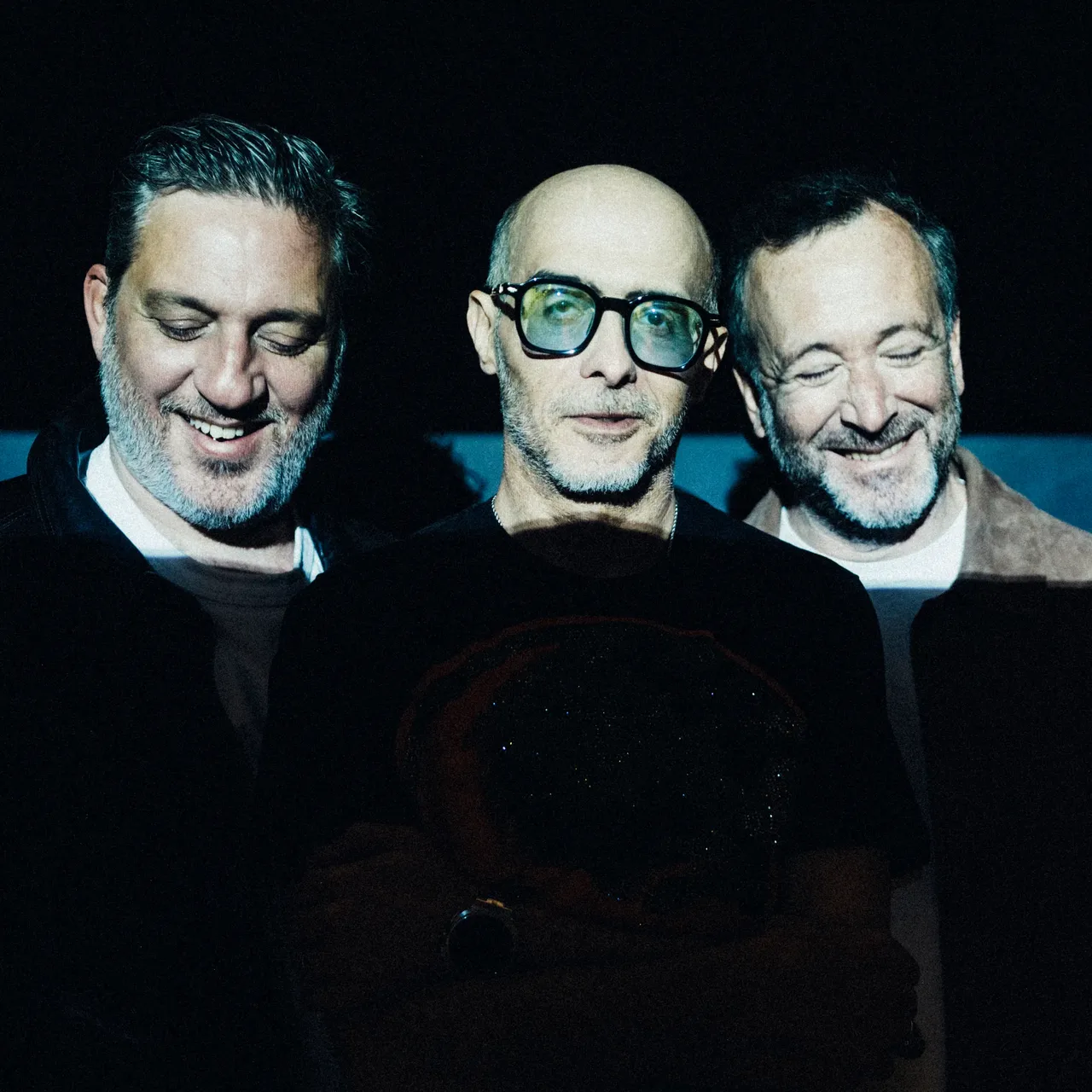
Acid Arab fourth LP ‘Resonance’ is out now on All Night Long. Get it HERE (vinyl & digital).